
Glass Coatings for Enhanced Performance & Functionality
Why do we coat glass?
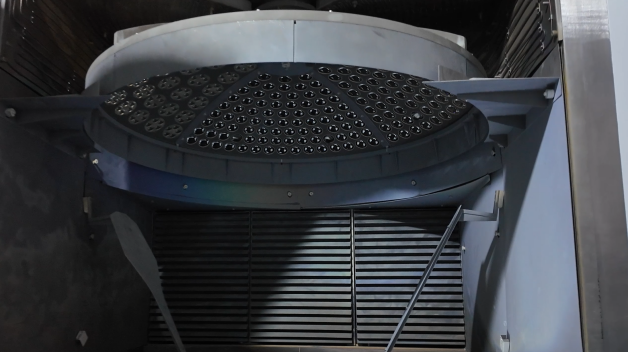
(1)Glass in its standard form is a passive material. By applying specialized coatings, we transform it into a high-performance component active in managing light, heat, and energy. These thin-film layers are engineered to give glass new, precise properties.
(3)Furthermore, coatings are crucial for thermal management and modern functionality. “Hot mirror” coatings reflect infrared heat to protect sensitive components, and transparent conductive coatings enable touchscreens and smart windows. We also apply durable protective coatings that are anti-fogging, hydrophobic, or oleophobic to ensure clarity and easy cleaning in challenging environments.
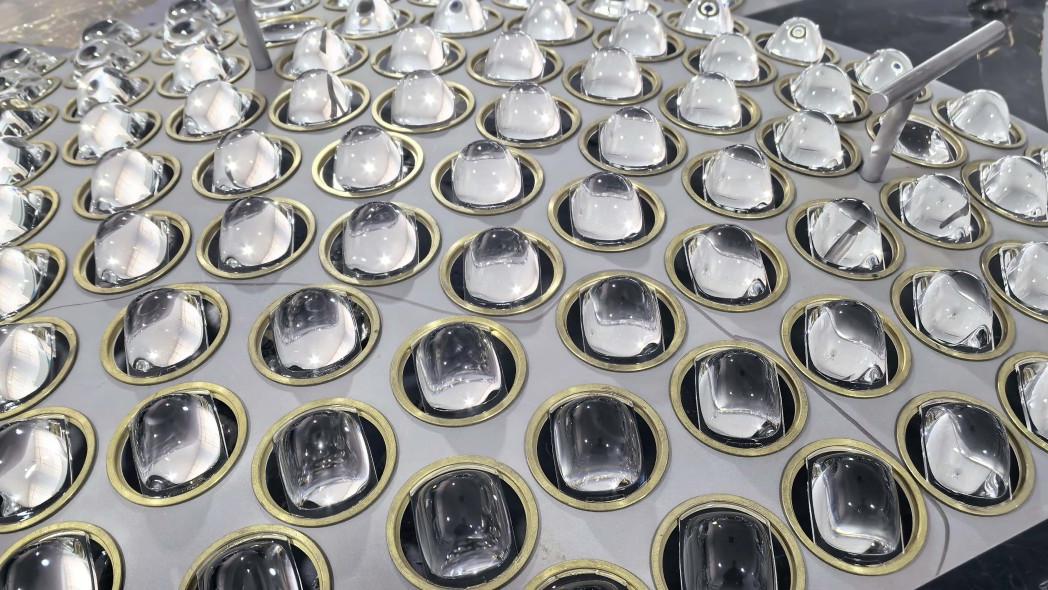
(2)We coat glass to control light with extreme precision. Anti-reflective (AR) coatings maximize light transmission by eliminating glare, while metallic and multi-layer dielectric mirrors enhance reflectivity. Beamsplitters and filters, such as dichroic or bandpass types, can separate, combine, or selectively transmit specific wavelengths like RGB colors or infrared light.
(4)In essence, we coat glass to move beyond its inherent limitations, tailoring it to solve specific challenges in your application—from scientific instruments and consumer electronics to architectural glass and automotive systems.
BO-GLASS Custom Coating Solutions
At BO-GLASS, we engineer precision optical coatings tailored to your unique challenges. Partnering closely with you, we fuse cutting-edge photonics expertise, advanced thin-film technologies, and scalable manufacturing to deliver solutions that outperform industry standards. Whether enhancing optical clarity, UV/IR resistance, or durability, our coatings are precision-tuned for your application—from medical devices to automotive systems.
Anti-Reflective (AR) Coatings
- Applications of Anti-Reflective (AR) Coatings
- Imaging & Display Systems
- (Utilizing Broadband Coatings and Visible (VIS) AR Coatings for cameras, microscopes, and high-end displays)
- Laser & Optical Systems
- (Employing Laserline & V-Coat Coatings to minimize reflection at specific laser wavelengths)
- Durable Optics for Harsh Environments
- (Using Damage Resistant Non-Glare Coatings for military, aerospace, and outdoor equipment)
- Sensing & Scanning Technology
- (Featuring Sensor & Scanner Coatings and Wide-Angle, LiDAR & Scanning Coatings for barcode readers and autonomous vehicles)
- Infrared (IR) & Night Vision Systems
- (Applying Infrared (IR) Coatings and Near Infrared (NIR) Coatings for thermal imaging and surveillance)
Mirrors & Metallic Coatings
- Types of Mirrors & Metallic Coatings
- I. Dichroic Mirrors
- Cold Mirrors: Reflects visible light, transmits IR for thermal management.
- Hot Mirrors: Transmits visible light, reflects IR to protect sensors.
- Dichroic Beamsplitters: Splits light by wavelength for imaging and laser systems.
- Broadband Dielectric Mirrors: Ultra-high reflectance for lasers and spectroscopy.
- II. Metallic Mirror Coatings
- Protected Aluminum: Standard coating for visible/NIR applications.
- Enhanced Aluminum: Higher reflectance for precision instruments.
- Protected/Enhanced Silver: Maximum reflectance from visible to mid-IR.
- Protected Gold: Optimal performance for IR applications.
- III. Attenuation Coatings
- Neutral Density Filters: Precisely controls light intensity.
- Dark Mirrors: Absorbs stray light in optical systems.
Beamsplitting Coatings
- 1. Intensity Beamsplitters
- Neutral Density (ND): Reduces light intensity without color shift.
- Non-Polarizing (NPBS): Splits light at fixed ratios, polarization-independent.
- 2. Wavelength Beamsplitters
- Dichroic: Separates light by wavelength for imaging and laser systems.
- Hot/Cold Mirrors: Isolate visible light from IR/UV in projectors and thermal management.
- 3. Polarization Beamsplitters (PBS)
- Polarizing Beamsplitters: Splits light by polarization state for laser and display applications
Transparent Conductive Coatings
- Transparent Conductive Coatings
- ITO (Indium Tin Oxide) Coatings
- Features: Excellent transparency, good conductivity, mature technology
- Applications: Touch panels, flat panel displays, EMI shielding
- IMITO (Indium Molybdenum Tin Oxide) Coatings
- Features: Enhanced flexibility, improved conductivity
- Applications: Flexible displays, wearable devices
- FTO (Fluorine-doped Tin Oxide) Coatings
- Features: High temperature stability, rough surface structure
- Applications: Solar cells, heated windows, architectural glass
- Metal Mesh Transparent Electrodes
- Features: Ultra-high conductivity, customizable patterns
- Applications: Large-format touch screens, OLED lighting
- Silver Nanowire Coatings
Functional Surface Coatings
- Functional Surface Coatings
- Hydrophobic/Oleophobic Coatings
- Application: Repels water, oils and fingerprints from displays, lenses and touchscreens
- Anti-Fogging Coatings
- Application: Prevents condensation on eyewear, camera windows and medical equipment
- Anti-Static Coatings
- Application: Prevents dust accumulation and protects sensitive electronic components
- Anti-Scratch & Abrasion-Resistant Coatings
- Application: Enhances durability of displays, optical lenses and automotive surfaces
- Easy-to-Clean Coatings
- Application: Facilitates cleaning of architectural glass and sanitary surfaces
Smart Responsive Coatings
- Electrochromic Coatings
- Application: Smart windows, rearview mirrors and displays with adjustable transparency
- Photochromic Coatings
- Application: Self-adjusting eyeglasses and optical lenses that darken in sunlight
- Thermochromic Coatings
- Application: Temperature indicators and smart packaging with color-changing properties
- Gasochromic Coatings
- Application: Hydrogen sensors and smart glass systems responsive to gas exposure
Our factory and our partner factories
BO-GLASS coordinates our core facility with a dedicated network of local specialists to deliver custom glass components. You benefit from our collective expertise while we manage all communication, quality control, and logistics for a seamless experience.


Our applications of glass processing technology
We are committed to providing our customers with one-stop solutions, from prototype development to mass production, by addressing the entire value chain of materials science, engineering design, and precision manufacturing. Our goal is to transform the ultimate performance of glass materials into a core competitive advantage for your products.

Precision Medical Prototypes & Labware Manufacturing

Glass lamp shade for outdoor lighting
Custom heat-resistant glass for outdoor lighting. From precise prototypes to full-scale production, we can assist you every step of the way.
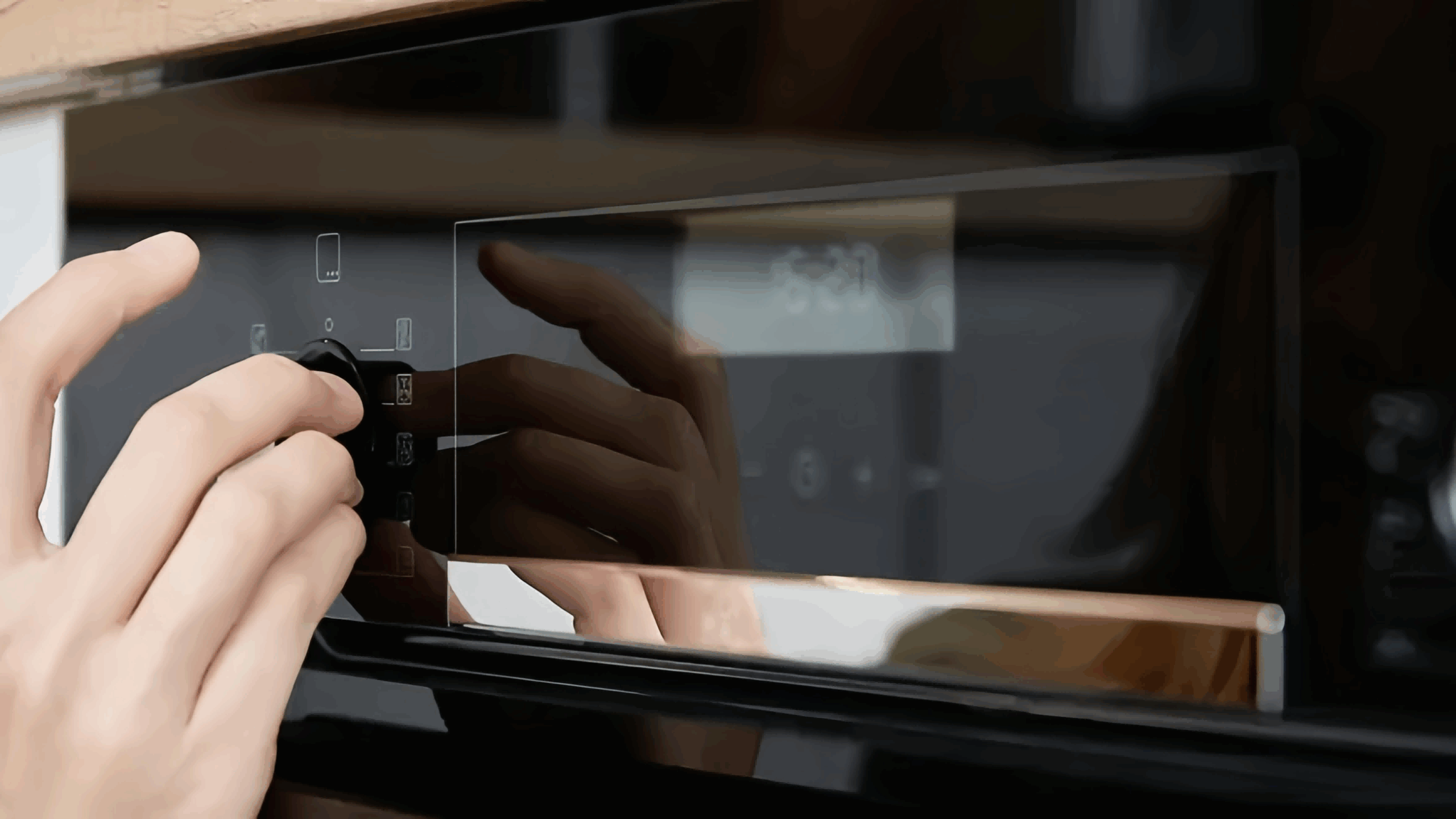
Electronices&Home appliance instruments products Prototyping

Aerospace Glass
Accelerate your aerospace projects with custom glass components, from precision prototypes to volume production.
What are the coating processes?
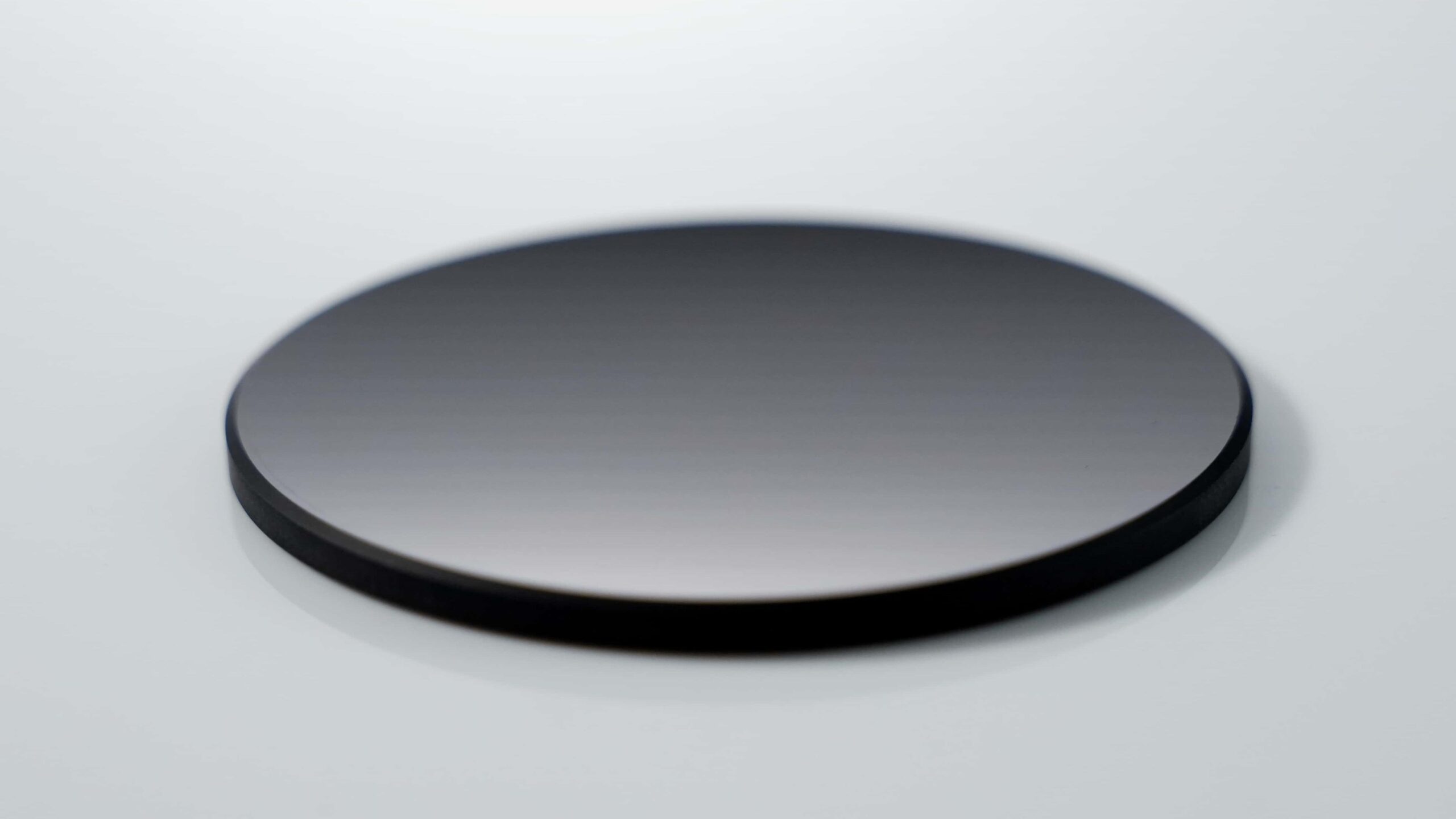
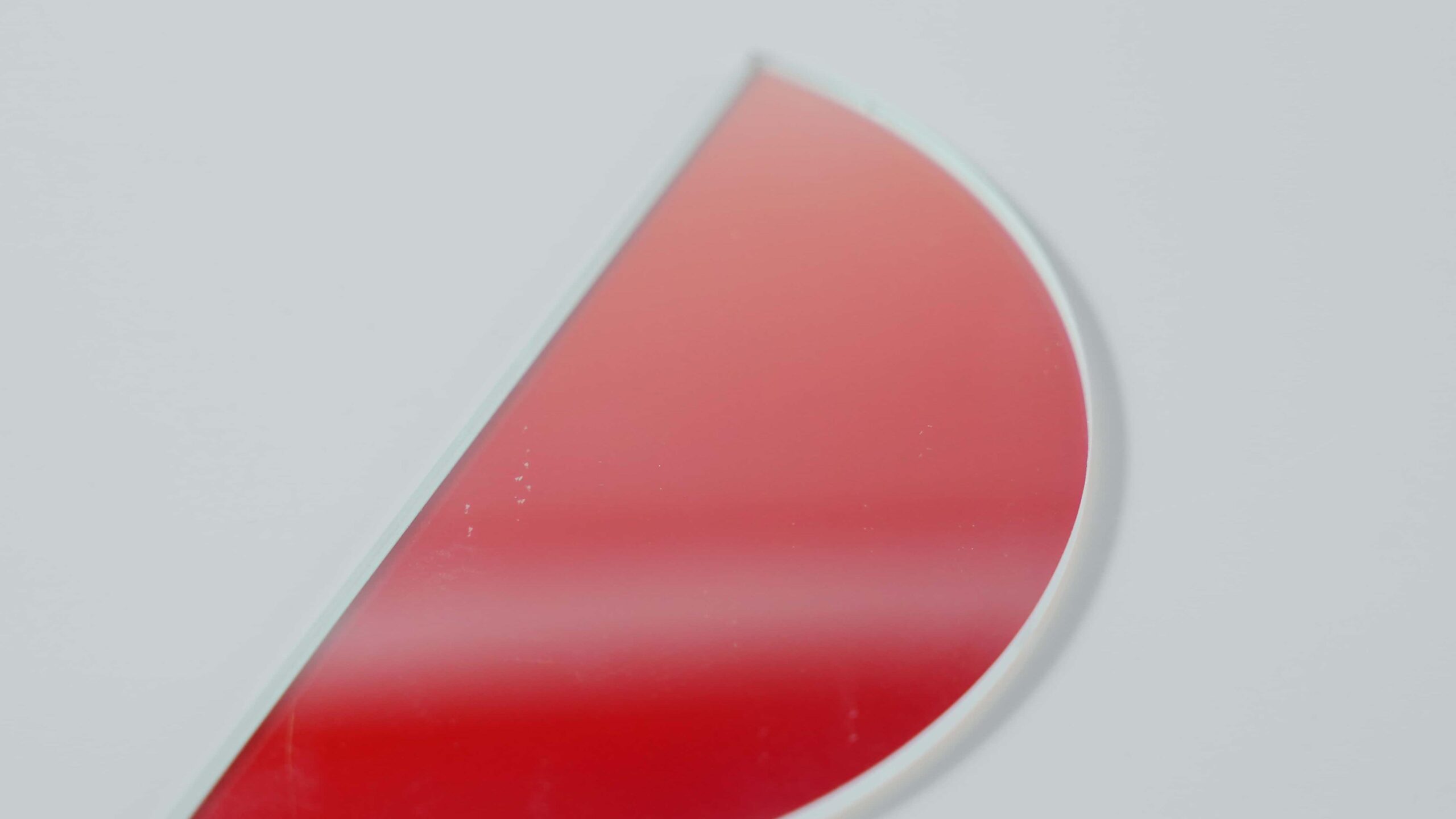
Vacuum coating method
In a vacuum environment, the evaporation material moves linearly in any direction in the state of atoms or molecules under the action of the evaporation source.
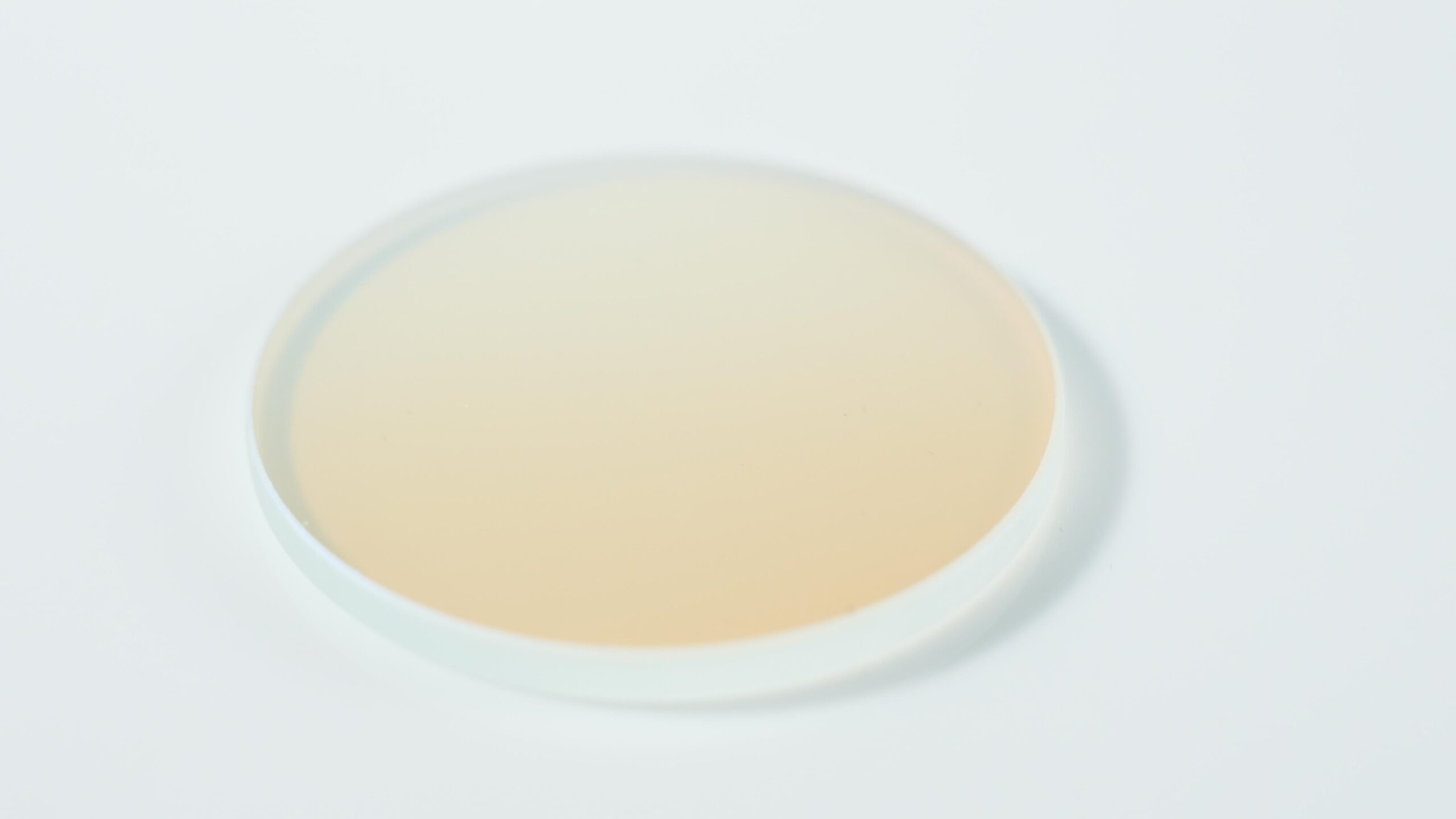
Chemical Vapor Deposition
A process where gaseous reactants form thin solid films on a substrate through chemical reactions at high temperatures.
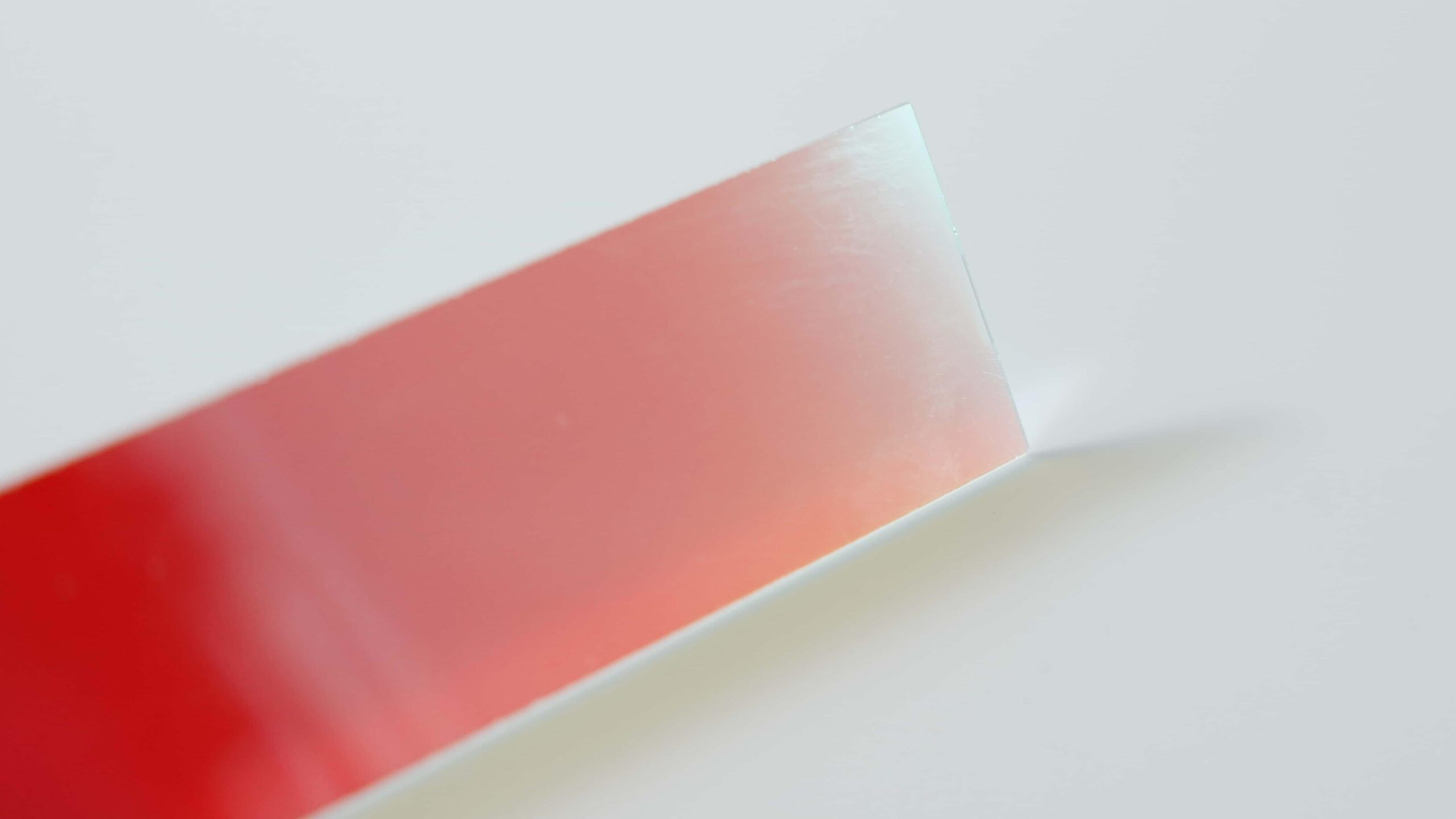
Sol-gel method
The sol-gel method produces oxide films or particles by hydrolyzing precursors, forming a gel, and thermally processing for desired properties.
Cathode magnetron sputtering
Cathode magnetron sputtering uses magnetic and electric fields in a vacuum to eject target material, forming thin, high-quality films on substrates.
Related knowledge
We have an extensive range of online resources developed to help worker improve their capabilities.
(FAQ) –
Optical Coatings
What is the primary purpose of an Anti-Reflective (AR) Coating?
What's the difference between a Metallic Mirror and a Dielectric Mirror?
What is a Dichroic Filter or Beamsplitter?
My application needs to control heat. What coating should I consider?
What are Transparent Conductive Coatings used for?
What are Functional Surface Coatings?
Our other manufacturing capabilities
We can provide you with a variety of glass processing techniques.
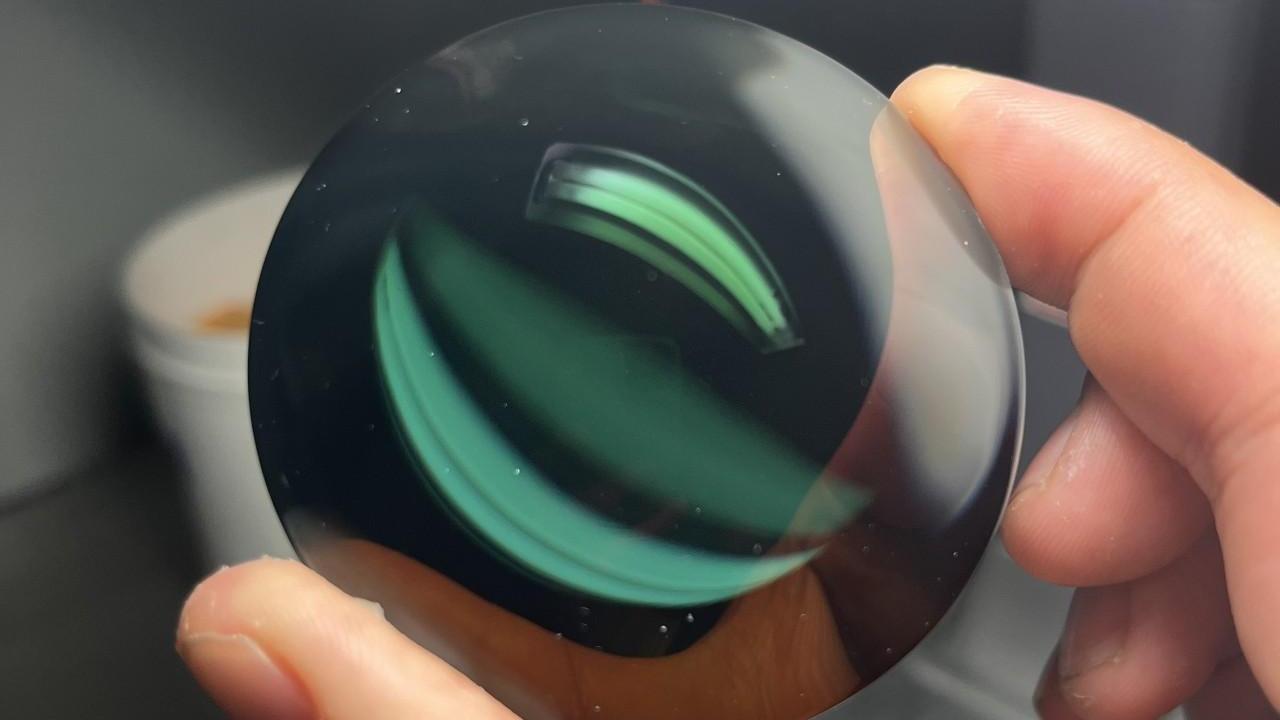
Glass Coatings for Enhanced Performance
Precision coatings upgrade glass for light, heat & durability control.

Ultrasonic Cleaning Service
Ultrasonic cavitation technology is used to thoroughly clean glass and precisely remove contaminants.
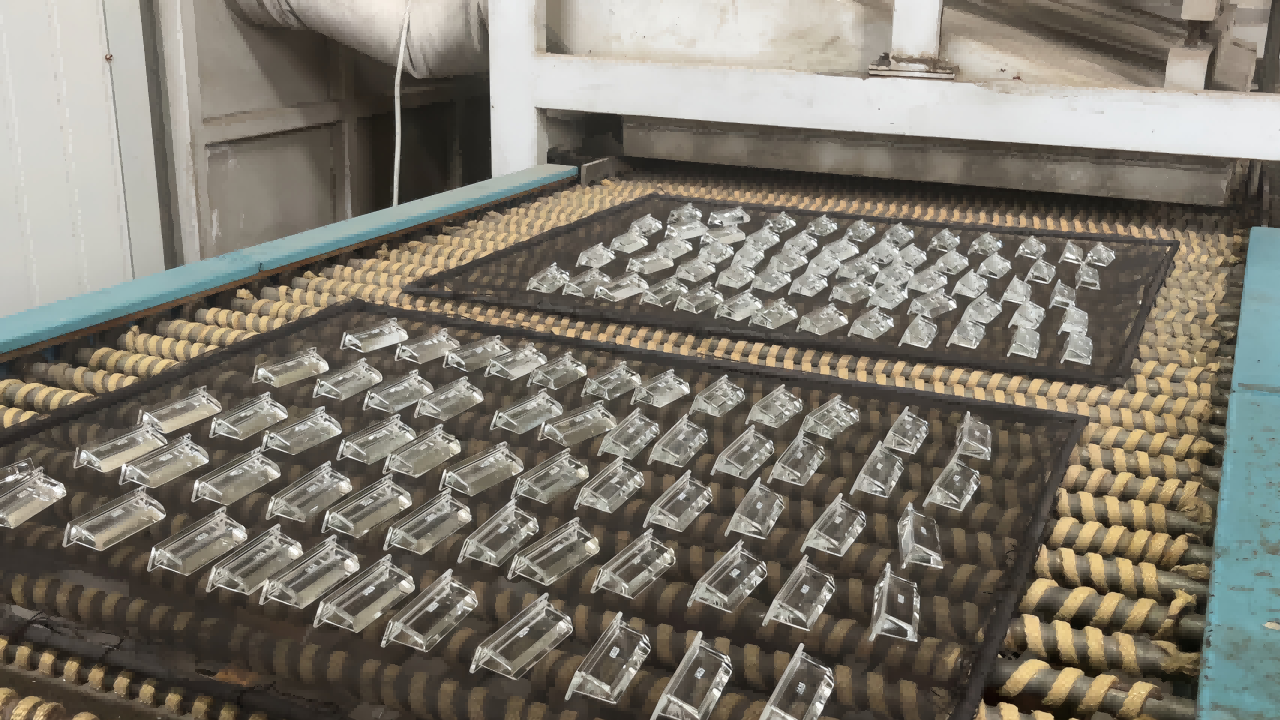
Physical Glass Tempering Services
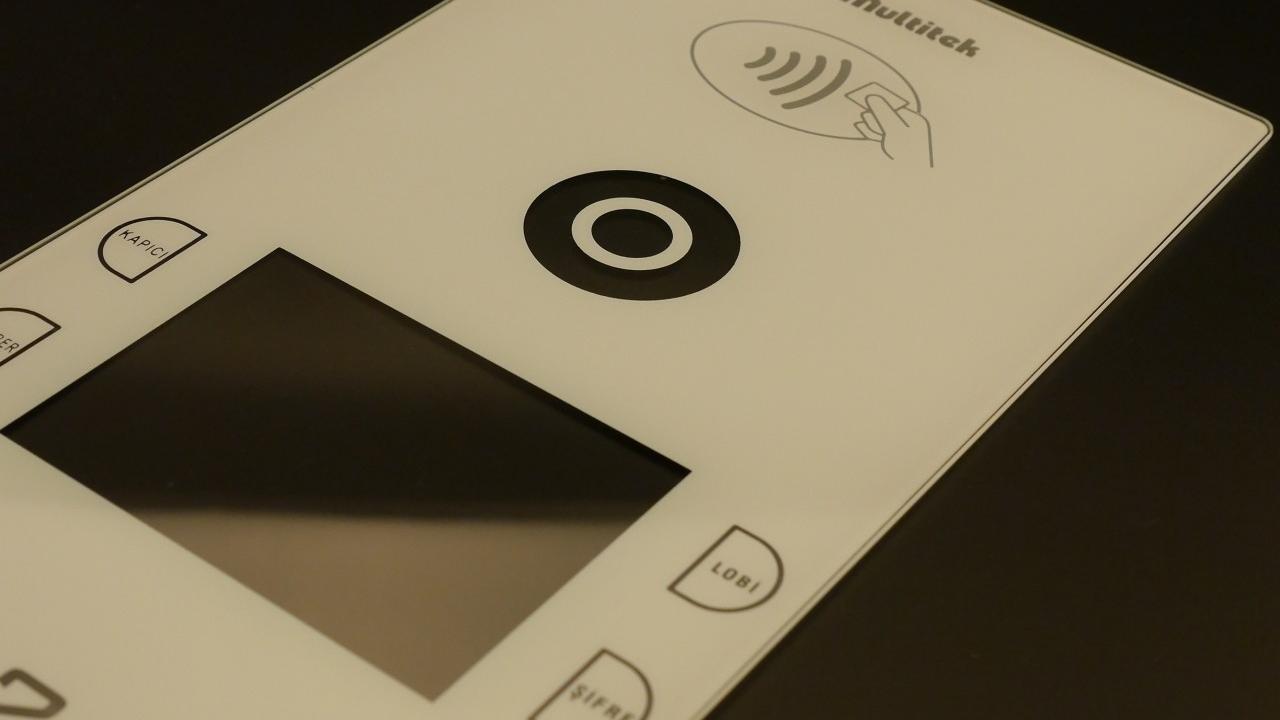
Silk Screened Glass service
Contact Us
Your feedback fuels our growth, and your questions drive our solutions.
We value your feedback, inquiries, and suggestions. Please feel free to get in touch with us
General inquiries
Please contact us via sales@bo-glass.com, and we will reply to you as soon as possible.
Interested to work with us
Drop your resume at info@bo-glass.com
and we will get back to you shortly.
We uses the contact information you provide to us to contact you about our relevent content, products, and services.