
Silk Screened Glass service
BO-GLASS Silk Screened Glass is custom-tailored to your project. We utilize a range of advanced processes, machinery, and inks to deliver the perfect printed glass solution for your specific architectural and design needs.
What is screen printed glass?

Our factory and our partner factories
BO-GLASS coordinates our core facility with a dedicated network of local specialists to deliver custom glass components. You benefit from our collective expertise while we manage all communication, quality control, and logistics for a seamless experience.


Our applications of glass processing technology
We are committed to providing our customers with one-stop solutions, from prototype development to mass production, by addressing the entire value chain of materials science, engineering design, and precision manufacturing. Our goal is to transform the ultimate performance of glass materials into a core competitive advantage for your products.

Precision Medical Prototypes & Labware Manufacturing

Glass lamp shade for outdoor lighting
Custom heat-resistant glass for outdoor lighting. From precise prototypes to full-scale production, we can assist you every step of the way.
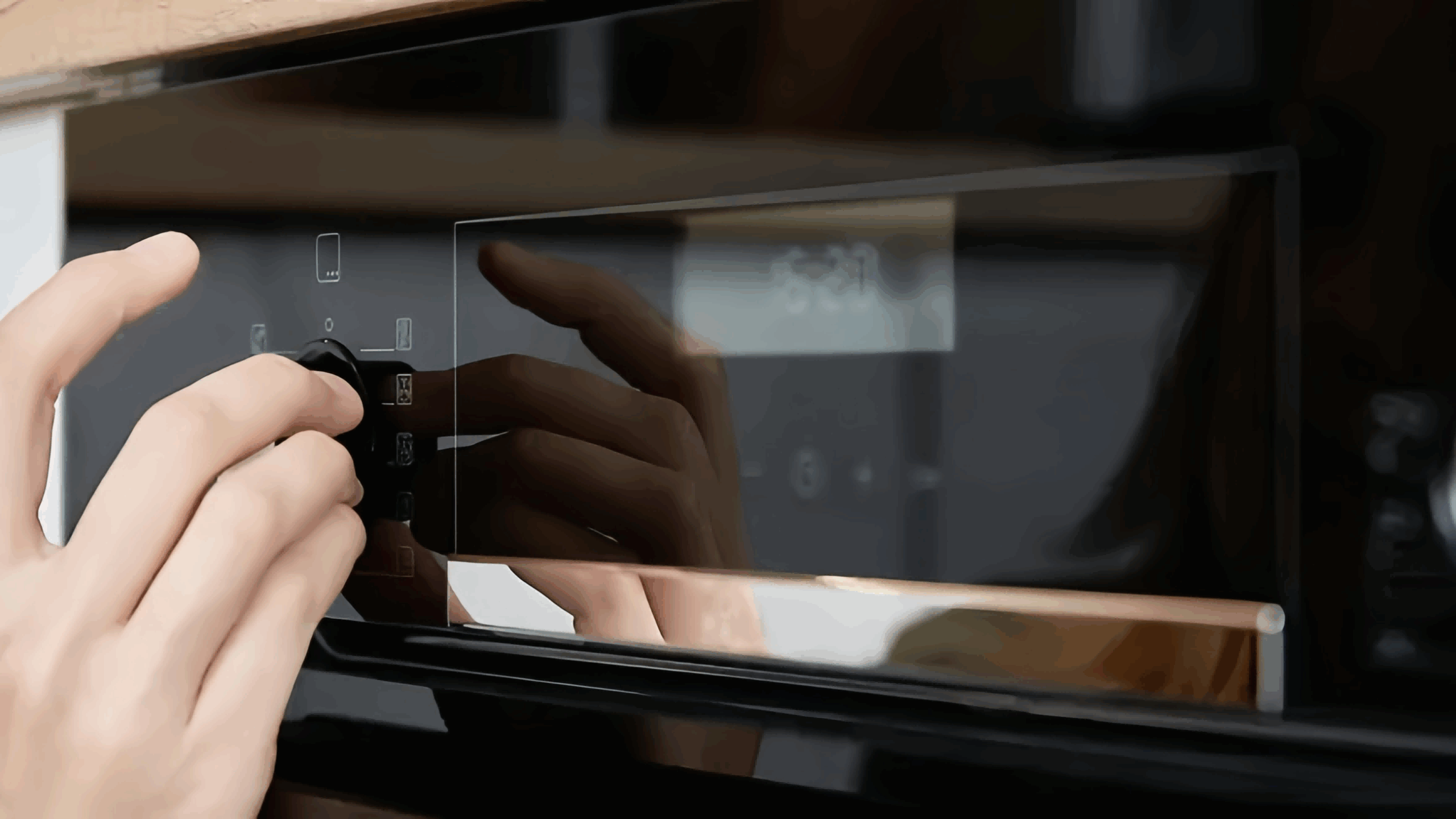
Electronices&Home appliance instruments products Prototyping

Aerospace Glass
Accelerate your aerospace projects with custom glass components, from precision prototypes to volume production.
Our Custom Glass Fabrication Portfolio: See Our Success Stories
Explore our portfolio of bespoke glass projects. Each piece showcases our expertise in delivering precision-engineered custom glass solutions for clients across diverse industries and applications.
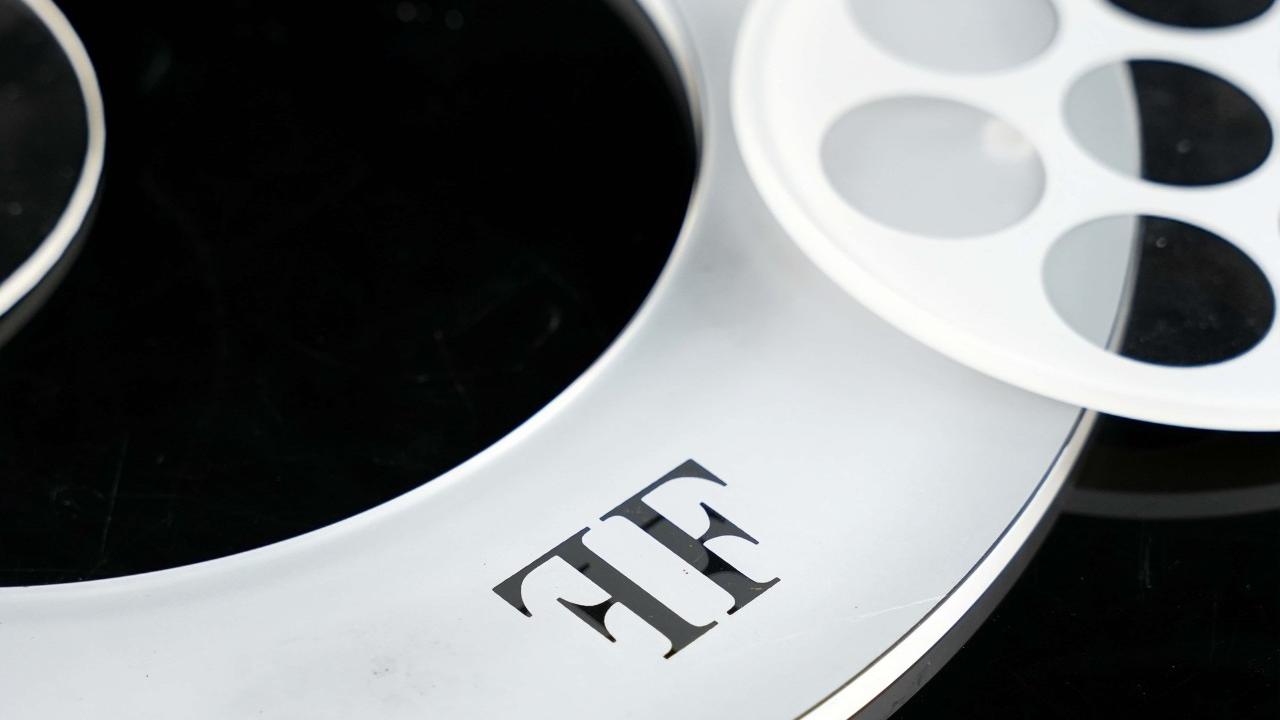
Ultra-Clear Glass LED Ring with White Print
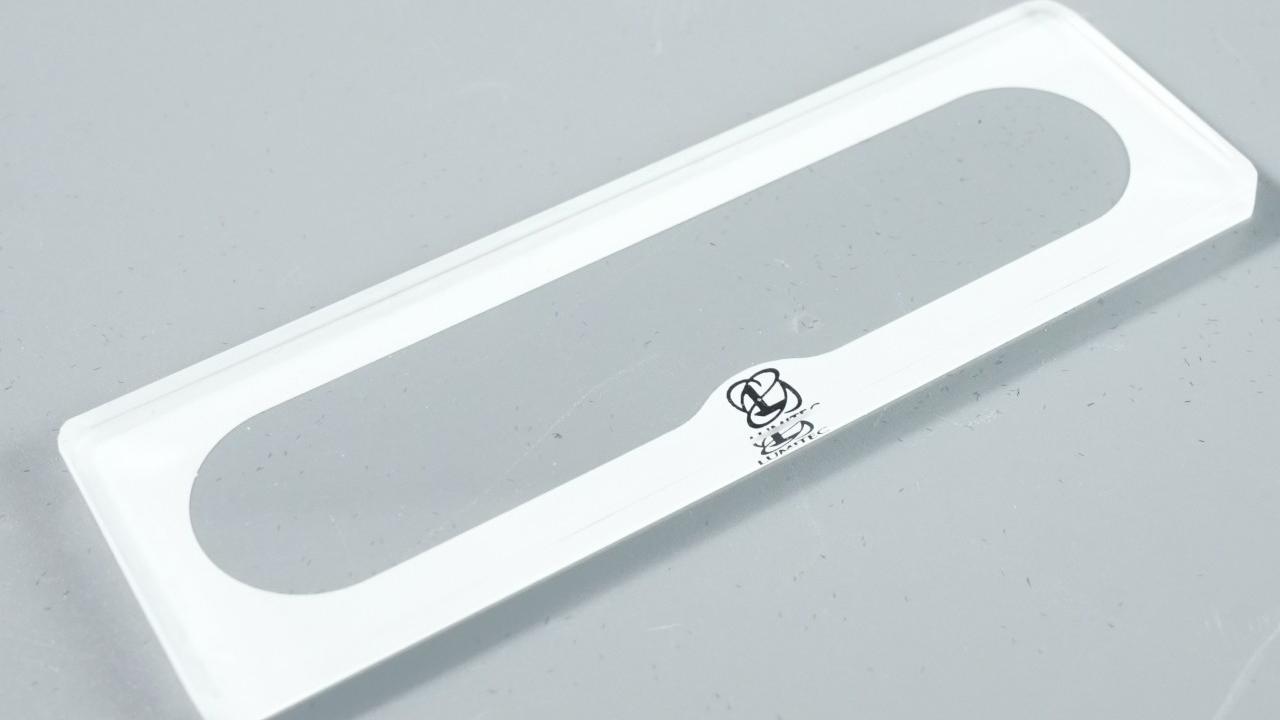
Rectangular Ultra-Clear Glass with White Border
Features a crisp white silk-printed border and precision logo printing for elegant brand display.
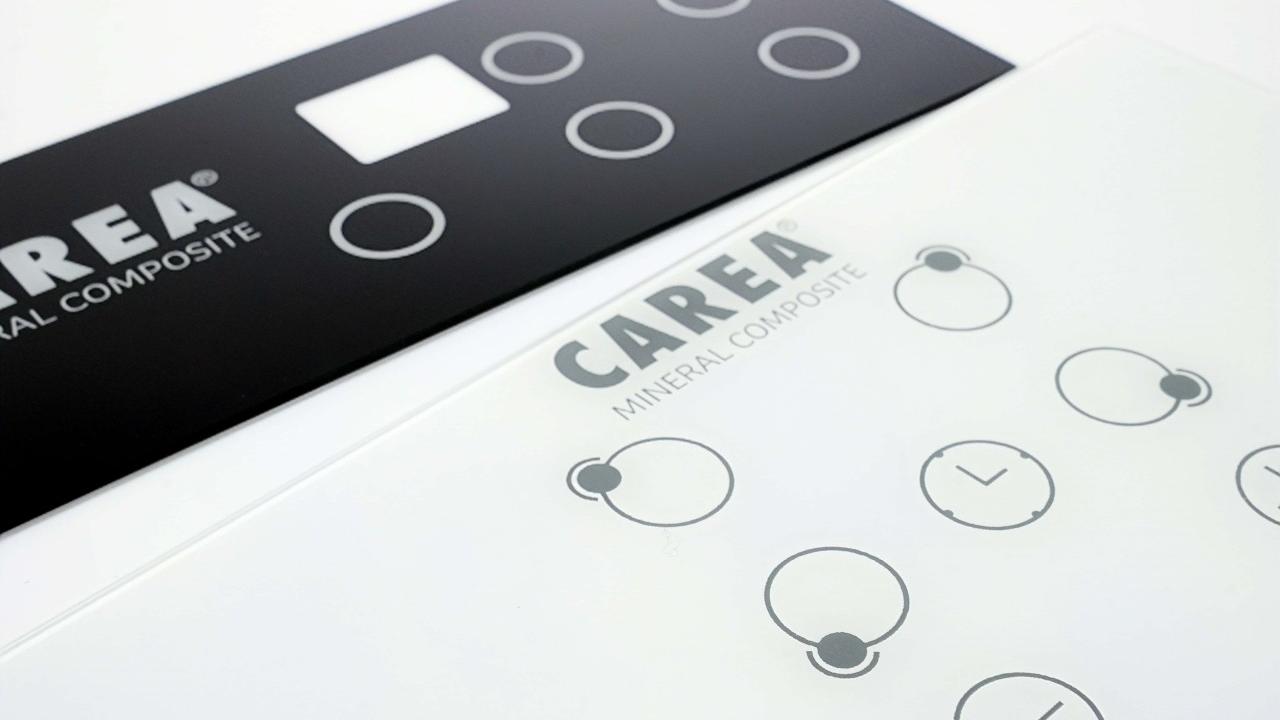
Oven Control Panel Silk Printing
Durable, heat-resistant symbols and logos. Ensures clear legibility and long-lasting performance under high heat.
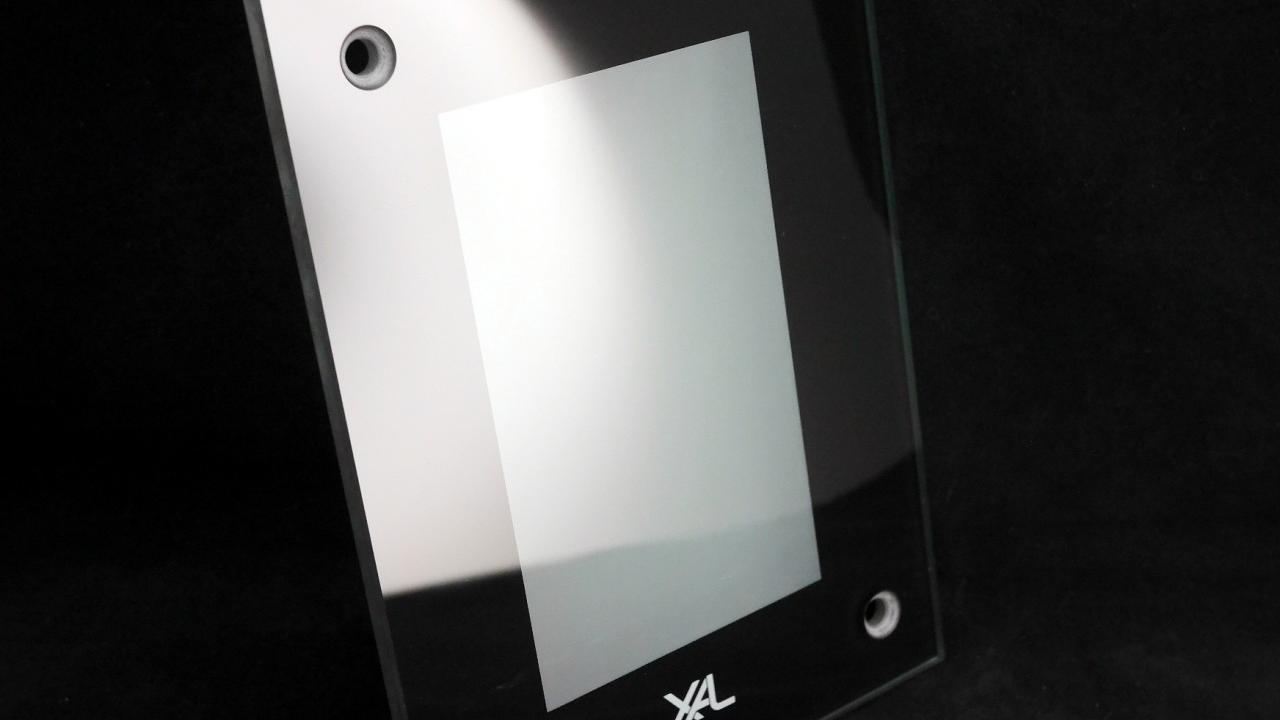
Access Control Glass with Black Logo
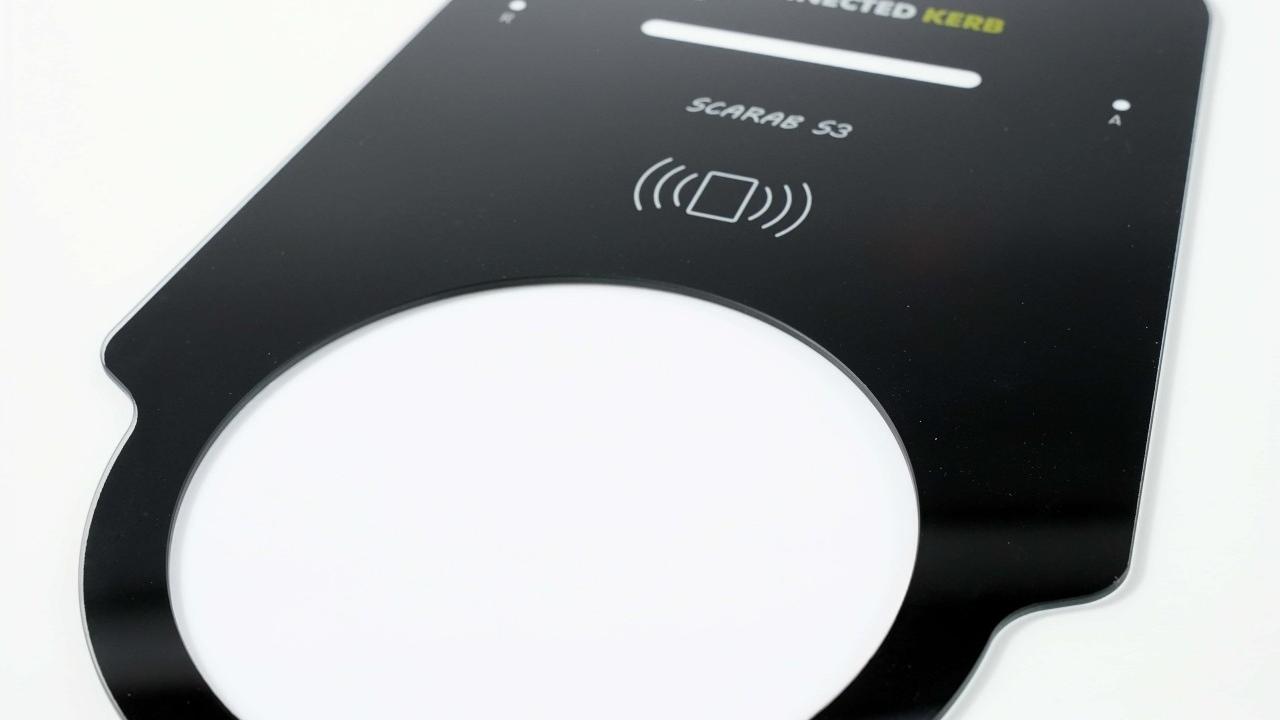
Silk-Printed Glass Hob Panel
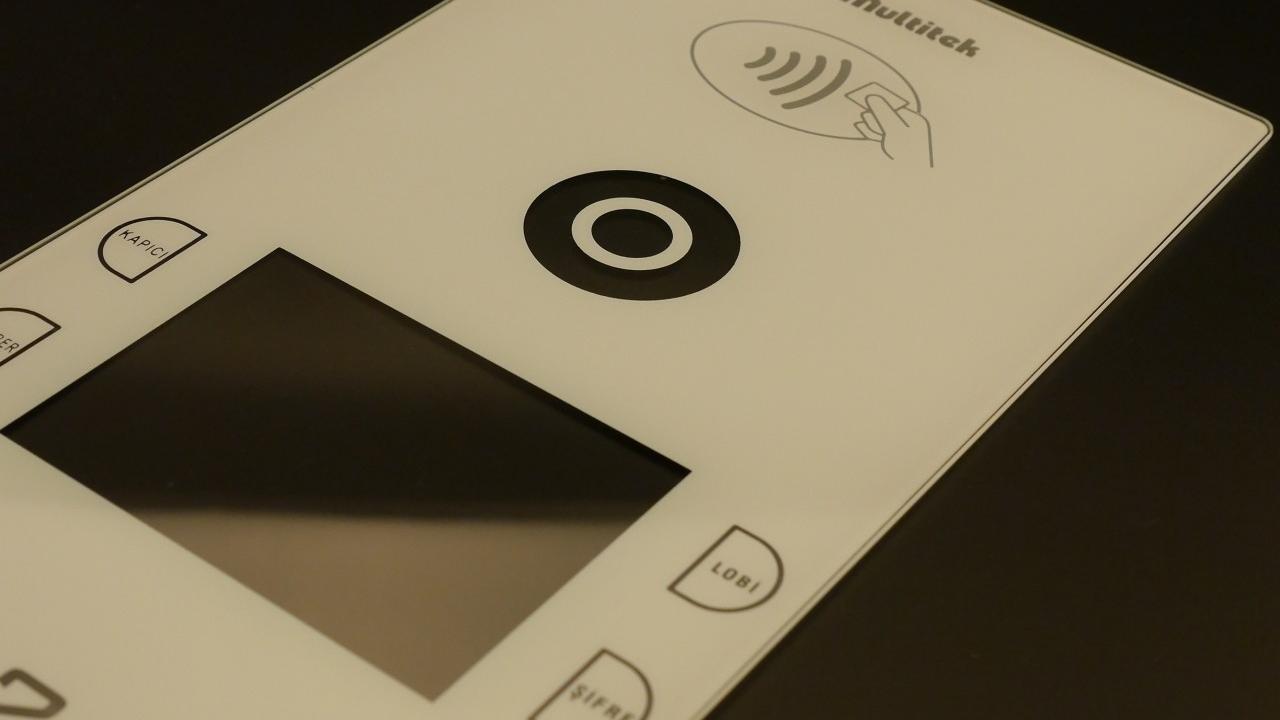
Durable Lock Control Glass
Permanent ceramic printing ensures symbols stay crisp and wear-resistant for daily fingerprint lock operation.
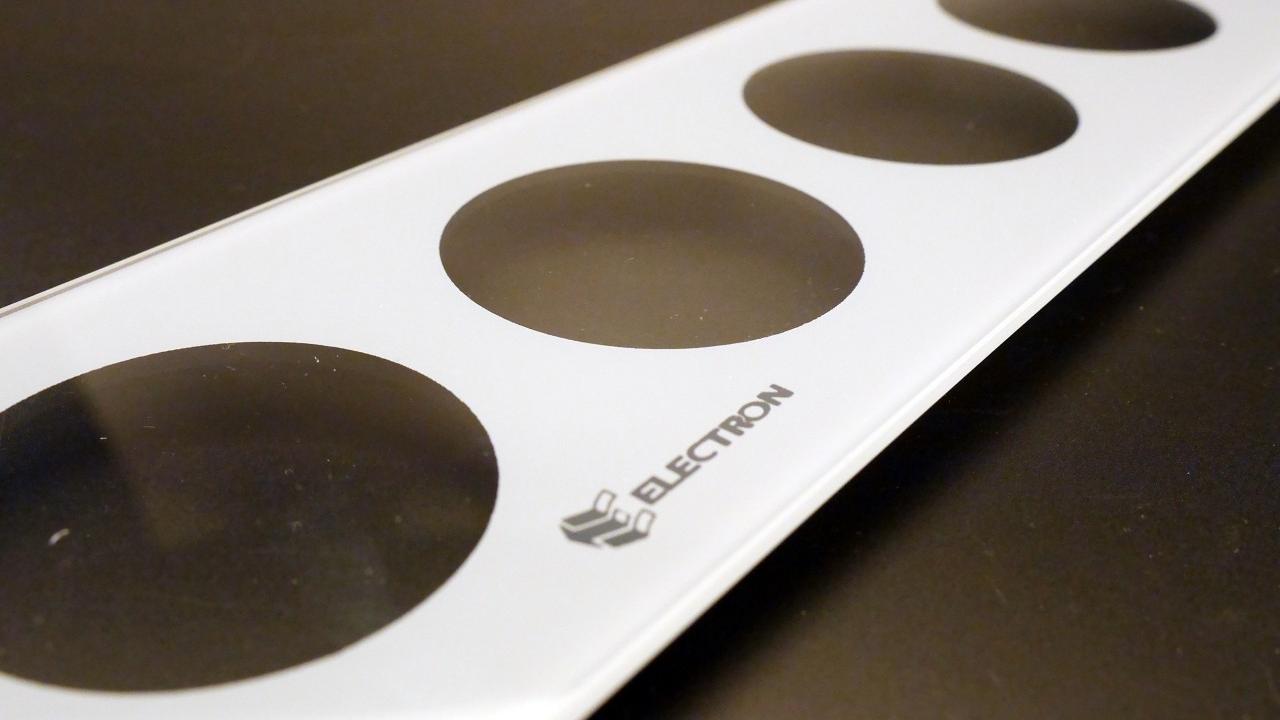
LED Glass Panel with White Print
White silk-printed surface with clear aperture for optimal illumination. Custom logo printing available.
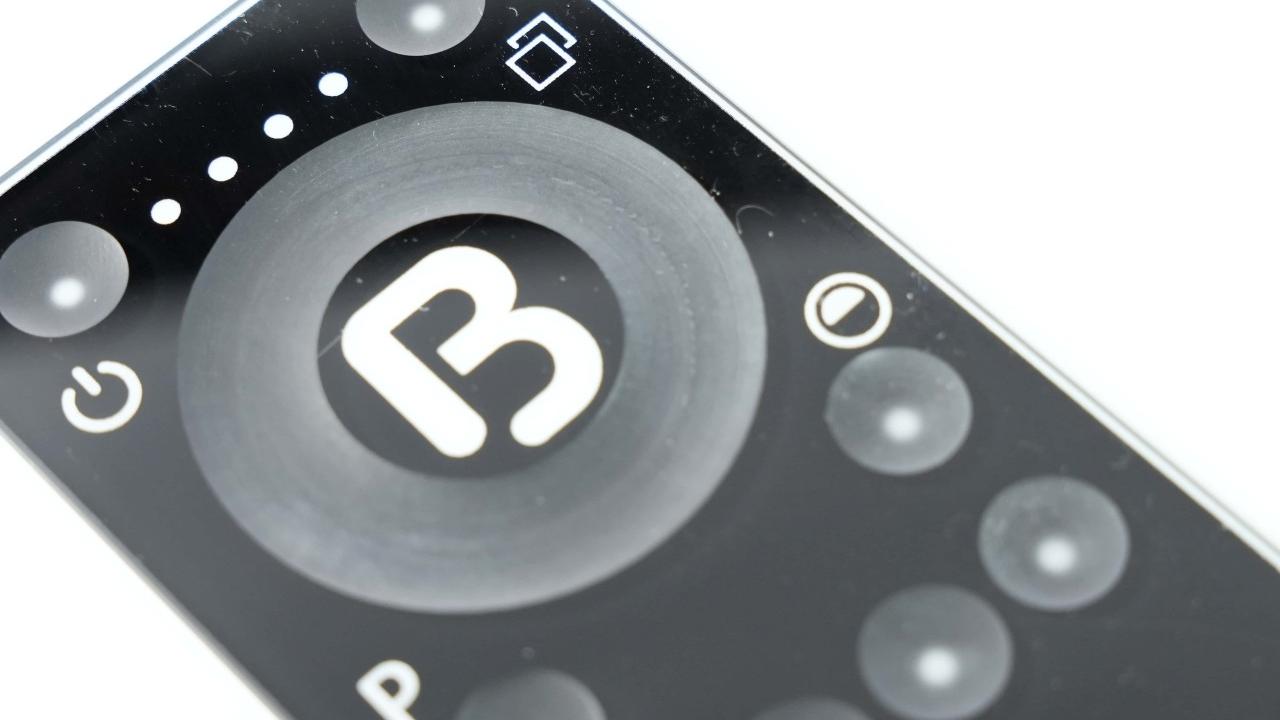
Recessed Control Panel Glass
Features precisely recessed grooves with durable touch symbols printed for intuitive and long-lasting appliance control.
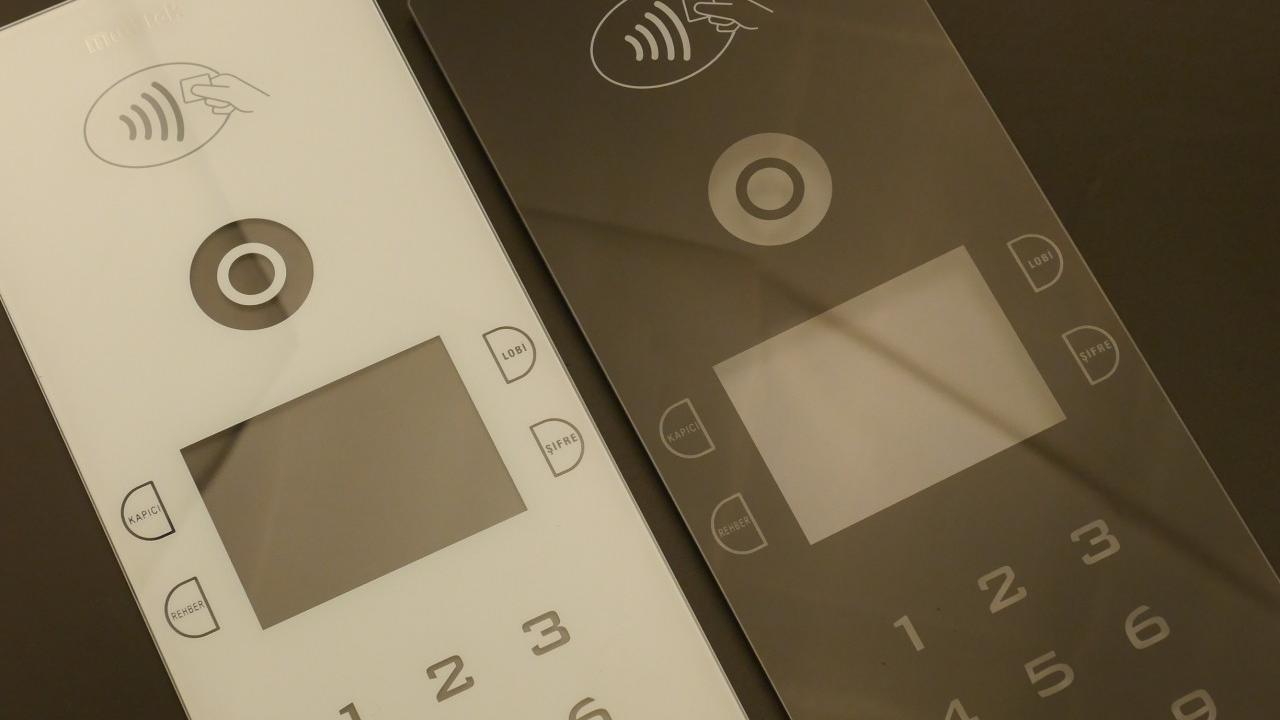
Smart Lock Glass: White & Black Print
Choose white or black silk printing for smart lock panels. Durable ceramic inks ensure permanent, scratch-resistant markings.
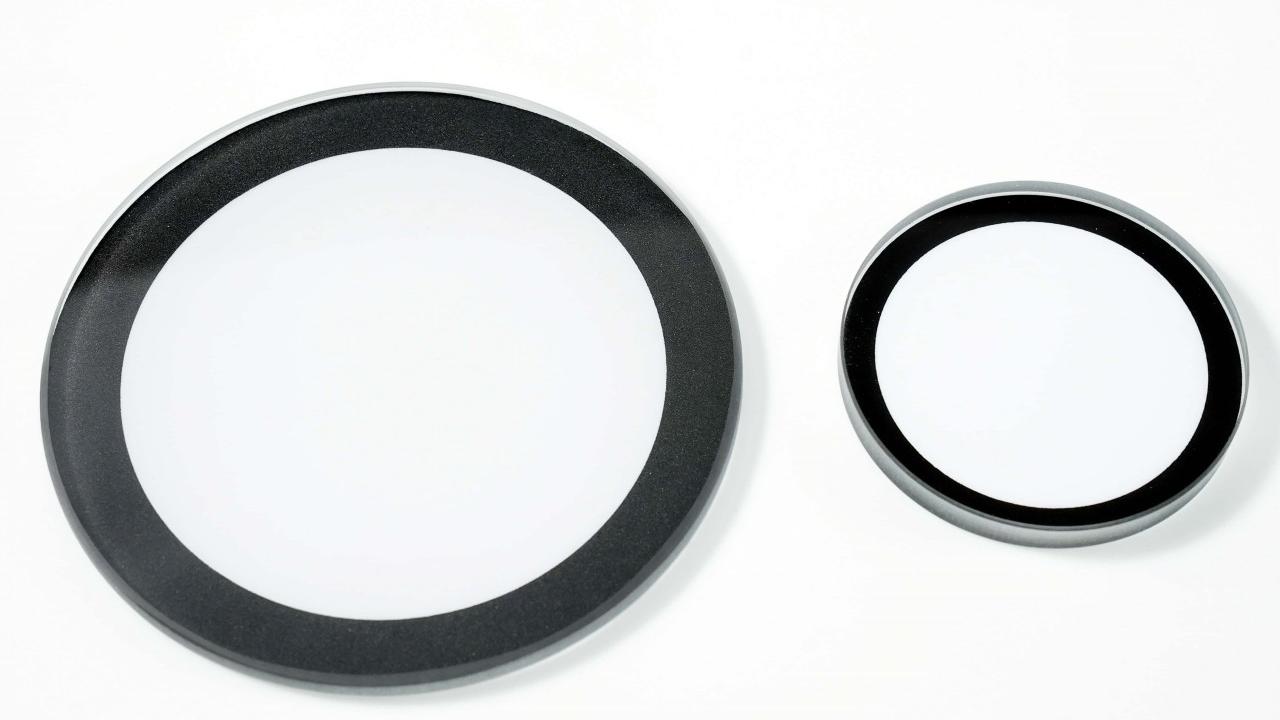
Ultra-Clear Glass Disc for LED Lights
Features precise black border printing on ultra-clear glass. Ideal for LED downlight covers with elegant light control.
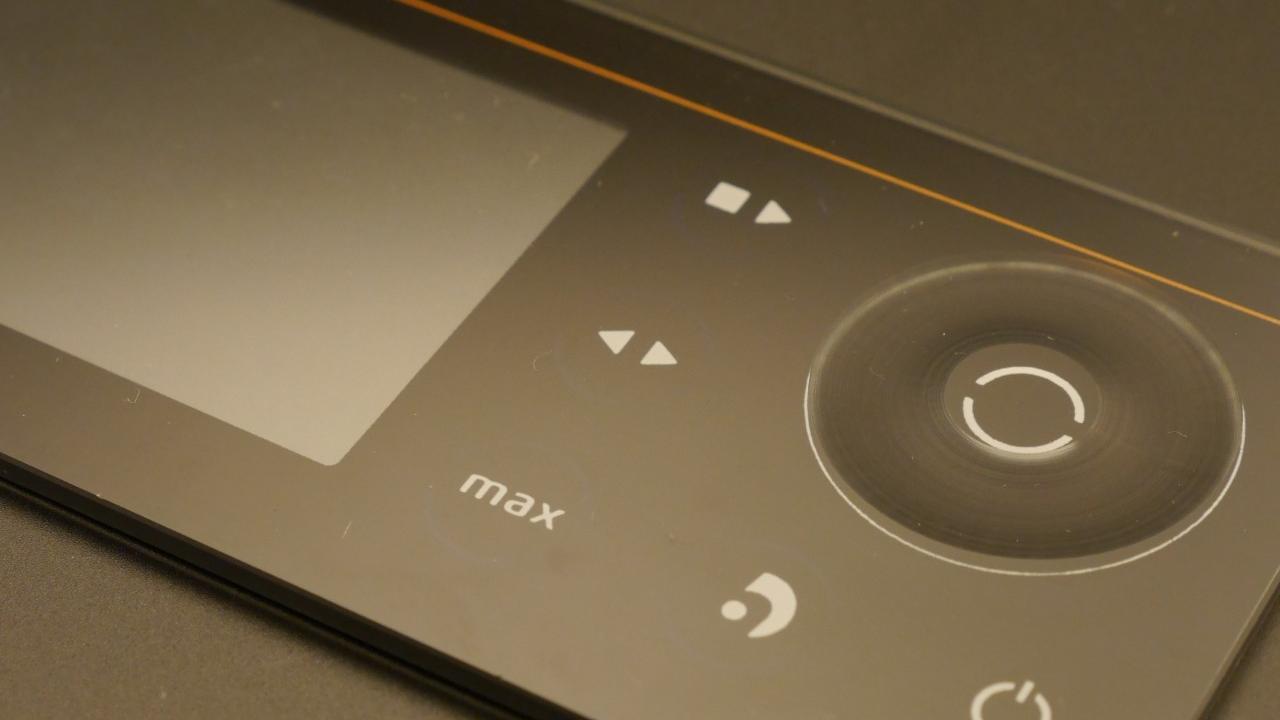
Multi-Color Printed Viewing Glass
Precision black and multi-color ceramic printing. Offers durable, fade-resistant markings for viewing system panels.
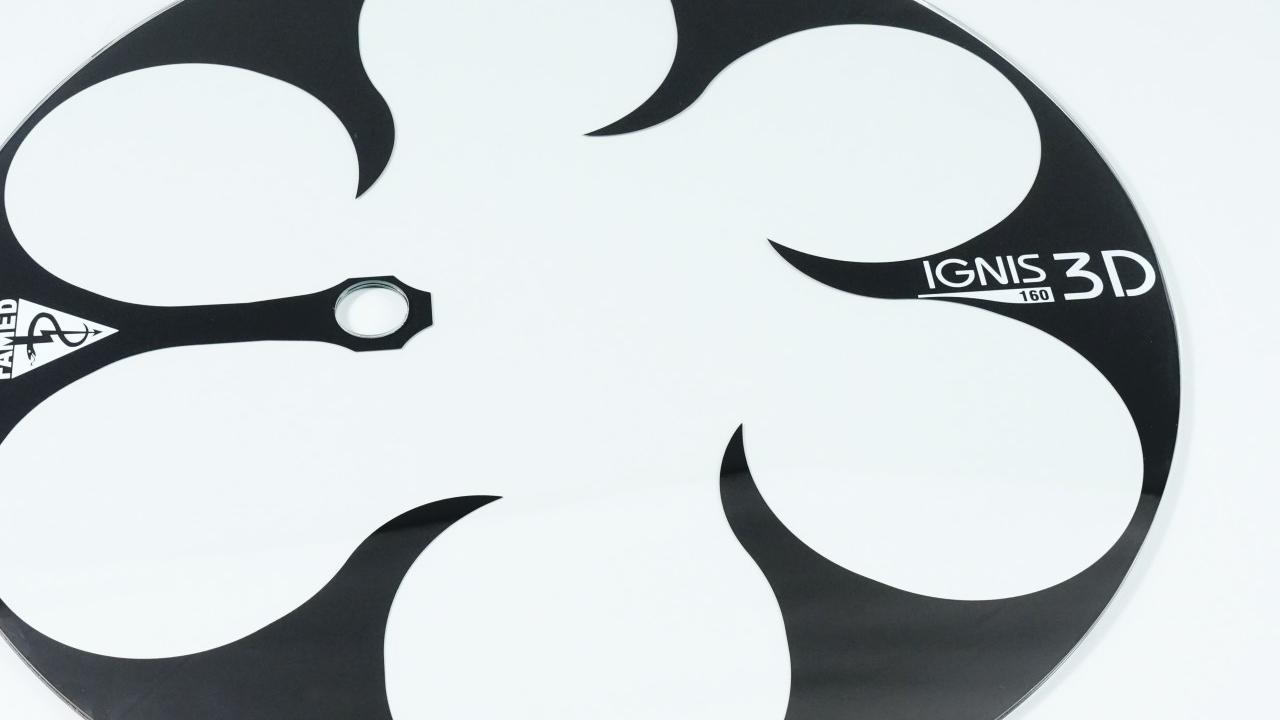
Surgical Lamp Laminated Glass Panel
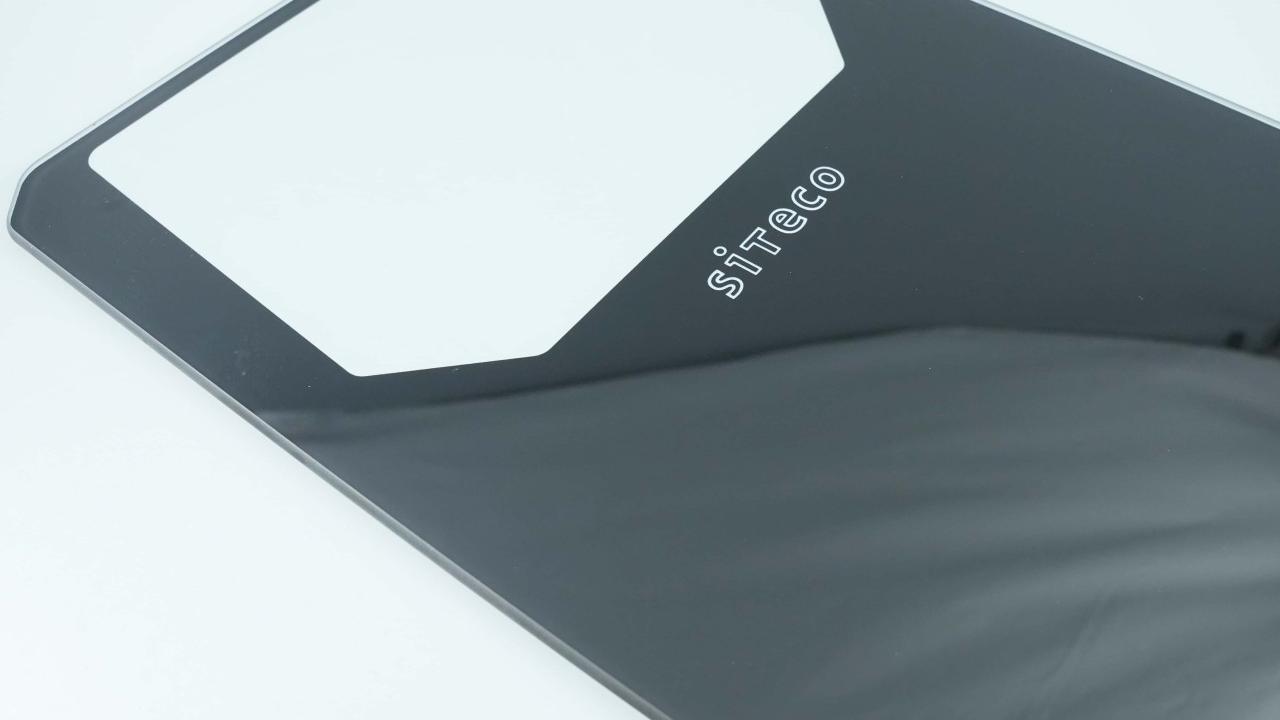
Custom Black Print Appliance Glass
Large-format kitchen appliance panels with permanent black logo printing. Durable, scratch-resistant ceramic ink finish.
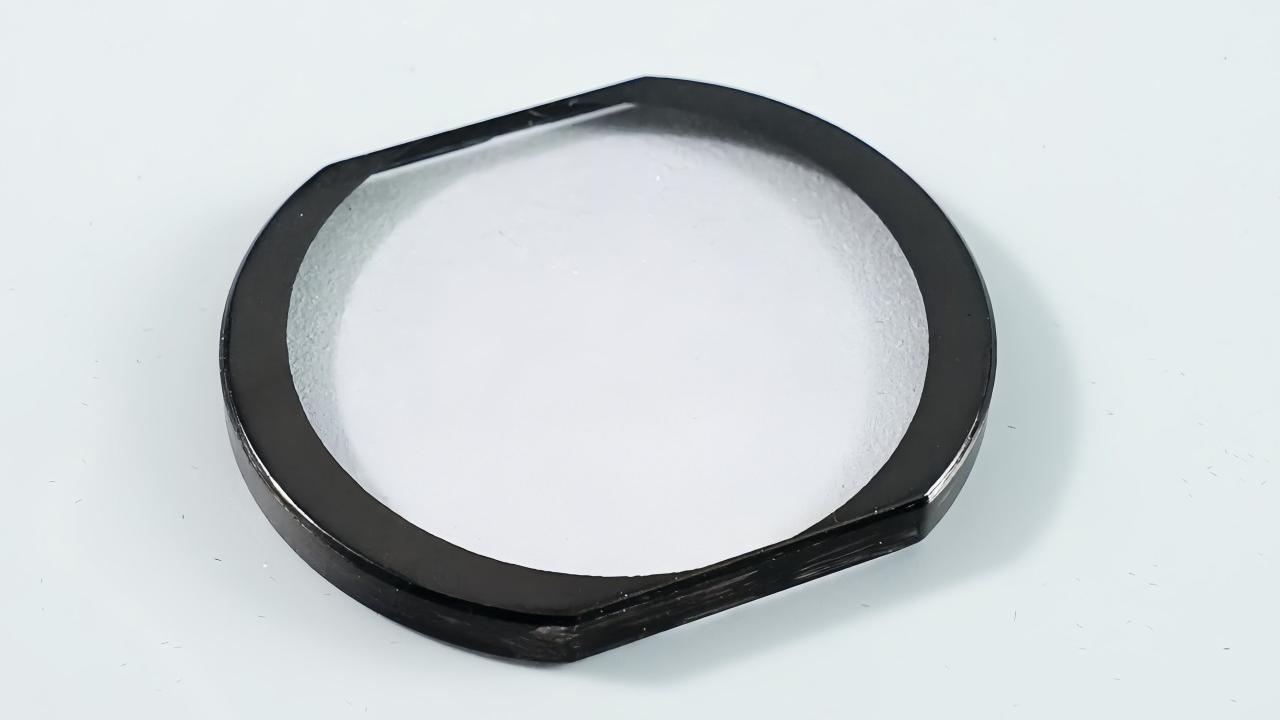
Custom Glass Parts Black Print
Custom glass components with permanent black border printing. Durable ceramic ink ensures scratch-resistant finish.
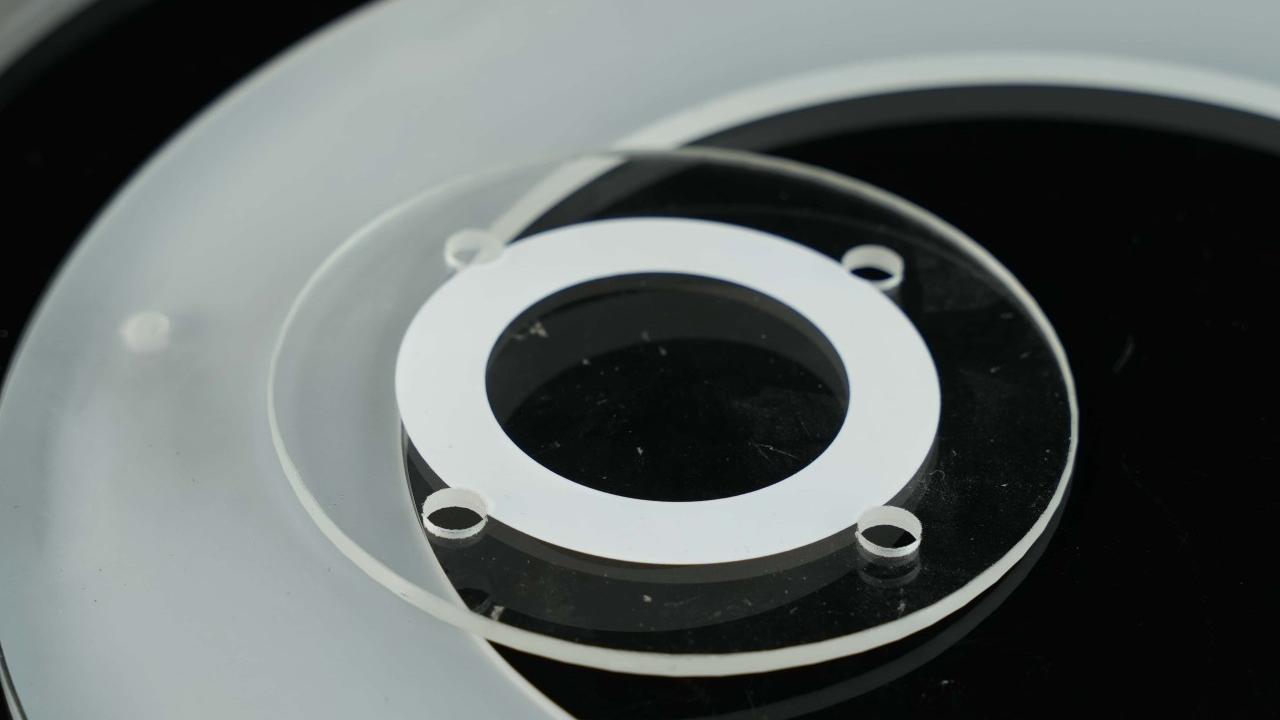
Drilled Ultra-Clear Glass Ring
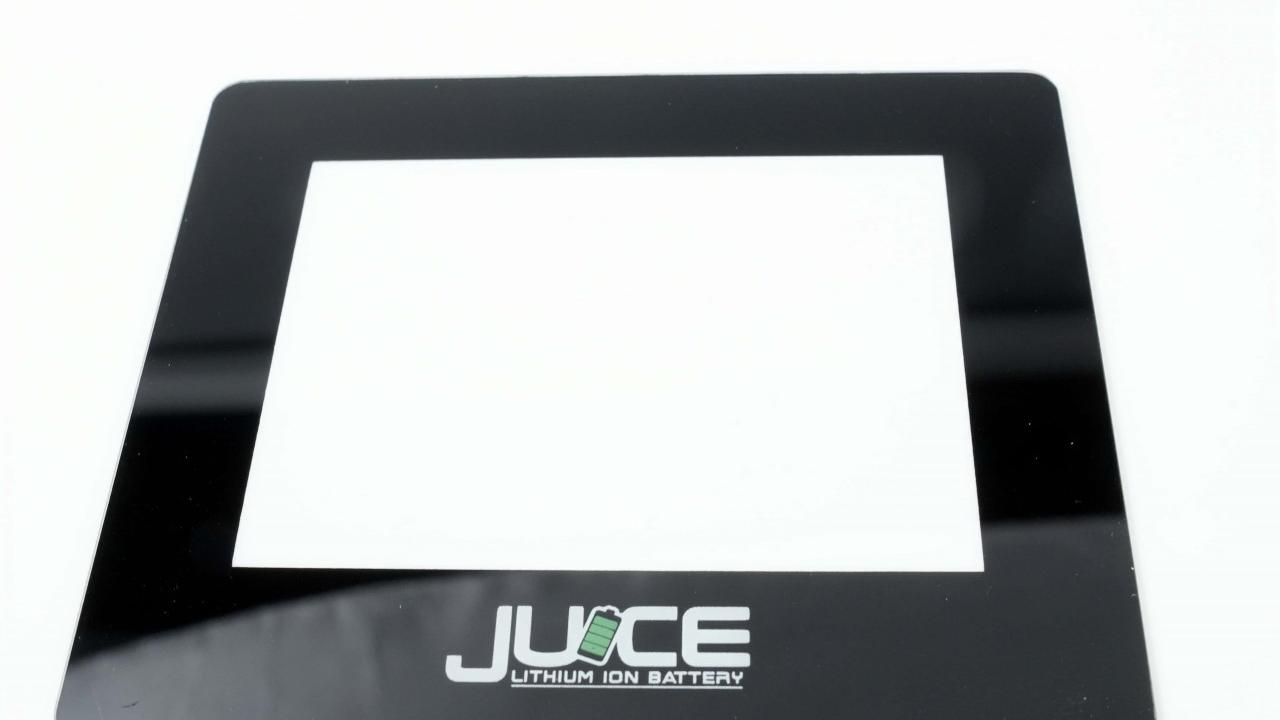
Ultra-Thin Panel Multi-Color Print
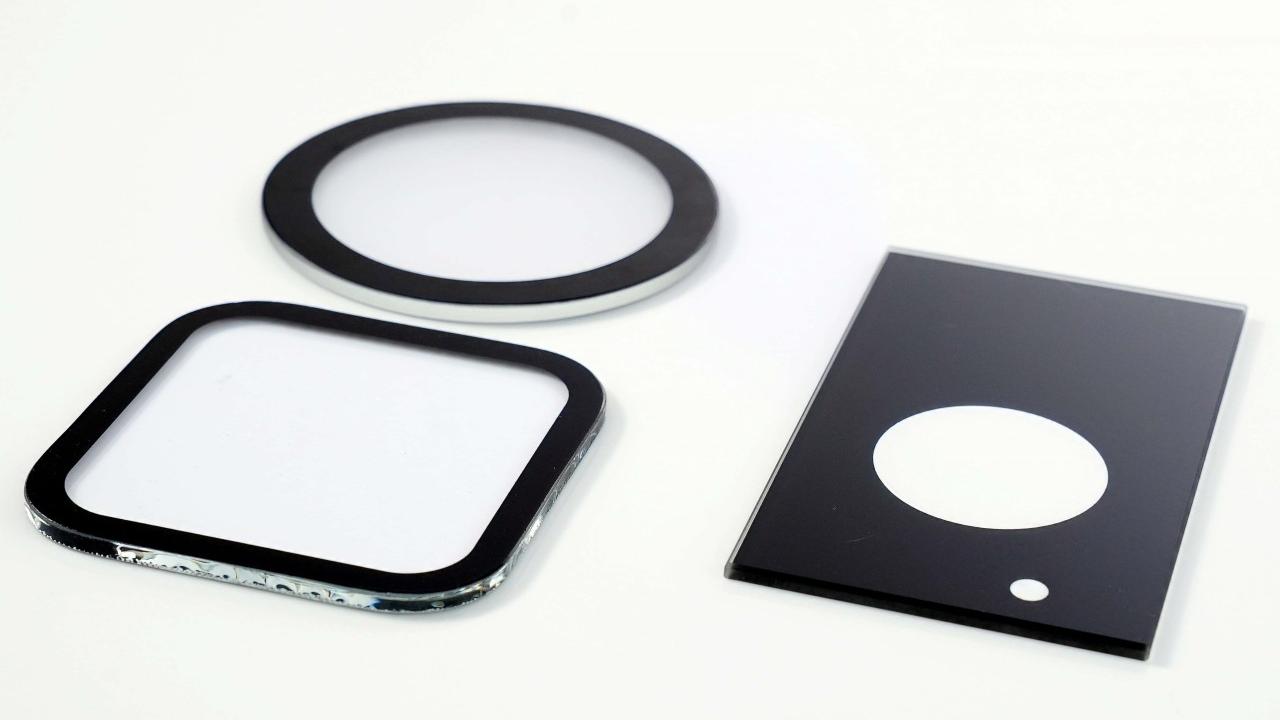
Custom Black Printed Glass
Custom-sized glass with precision black ceramic printing. Durable, scratch-resistant finish for diverse applications.
BO-GLASS: Professional Screen Printing Inks for Glass – Technical Portfolio
As a leader in specialty glass fabrication for over two decades, BO-GLASS provides comprehensive glass decoration solutions. The selection of the appropriate ink system is critical to the performance, aesthetics, and durability of the final product. Below is a detailed breakdown of our advanced ink technologies.
| Category | Type / Brand | Key Parameters | Performance & Characteristics | Primary Applications | Performance Comparison | Price & Cost Consideration |
| Inorganic / Ceramic Frit Opaque | YG-CeramSeries (Standard) Equivalent to: Ferro 31S Series, Johnson Matthey | - Firing Temp: 600°C - 720°C - Peak Temp: ~680°C - Particle Size: 5-15 µm - Color Range: Full, including Black, White, Pantone Matches | - Extreme Durability: Weather, chemical, and abrasion-resistant. - Full Opacity: Excellent hiding power. - Permanent: Fuses with the glass substrate during thermal processing. - Compatible with Toughening. | - Architectural Spandrel Glass - Back-Painted Appliance Glass (Ovens, Refrigerators) - Automotive Privacy Dots & Borders - High-wear furniture & partitions | The industry standard for permanence. Superior to all organics in hardness and chemical resistance. Less fine detail than some organics. | Mid to High. Cost-effective for long-life applications. Price varies with color (precious metals). |
| Inorganic / Ceramic Frit Translucent & Effects | YG-EffectSeries (Specialty) Equivalent to: Johnson Matthey Transparents, Ferro Brilliant | - Firing Temp: 600°C - 720°C - Peak Temp: ~680°C - Particle Size: 3-10 µm - Finish: Transparent, Translucent, Iridescent, Metallic | - Aesthetic Effects: Creates depth and brilliance. - Durability: Same as opaque frits. - Light Transmission: Allows light to pass through. | - Decorative Glass Partitions - Backlit Signage & Light Boxes - Artistic & Architectural Feature Walls - Solar Glass (infrared reflective inks) | Offers unique visual effects not possible with organics. Adhesion and permanence are identical to opaque frits. | High. Specialty effects and materials command a premium price. |
| Organic / UV-Curable | YG-UVSeries Equivalent to: Nor-Cote, Marabu | - Curing Method: UV Light (Mercury, LED) - Curing Speed: Instantaneous - Adhesion: Chemical/Mechanical (may require primer) - Film Thickness: 8-20 µm | - High Efficiency: No drying time, immediate processing. - Excellent Resolution: For very fine details and halftones. - Good Flexibility & Adhesion on processed glass. - Durability: Good, but inferior to ceramics outdoors. | - Control Panel Overlays (for appliances) - Decorative Interior Glass - Nameplates & Branding - Point-of-Sale Displays | Best for fine detail and process color. Weaker long-term UV and chemical resistance vs. ceramics. Not for direct weather exposure. | Medium. Lower energy cost, but ink cost per kg can be higher. Ideal for short runs. |
| Organic / Thermal-Curing (Solvent-Based) | YG-ThermSeries Equivalent to: Aremco, Sefar | - Curing Method: Thermal Oven (120°C - 200°C) - Curing Time: 10-30 minutes - Adhesion: Chemical/Mechanical (may require primer) - Solvent Type: Various | - Good Adhesion on annealed, laminated, or bent glass. - Wide Substrate Compatibility. - Durability: Moderate; suitable for protected environments. | - Laminated Glass Interlayers - Bent & Curved Glass - Interior Architectural Glass - Display Cabinets | A versatile workhorse for non-tempered glass. More durable than UV inks for some applications, but less eco-friendly. | Low to Medium. Generally cost-effective, but solvent handling has associated costs. |
| Specialty Functional Inks | YG-FuncSeries Equivalent to: Heraeus, Dupont | - Parameters: Vary by function (e.g., sheet resistance for conductive) - Firing/Curing: Specific to ink type | - Conductive: For circuits, heating elements, RF shielding. - Reflective/IR Reflective: For safety and energy efficiency. - Photochromic/Thermochromic: Color change with light/heat. | - Automotive Heated Windows - EMI/RFI Shielding Glass - Appliance Heated Glass - Anti-glare & Safety Markings | Performance is highly specialized. These inks solve specific engineering challenges beyond decoration. | Very High. R&D intensive, low-volume, high-value products. |
Trustworthy expert in glass manufacturing solutions


At BO-GLASS, our quality control begins with comprehensive design review and DFM analysis to optimize manufacturability. Throughout production, we implement rigorous process controls with material certification and in-process verification.
We utilize advanced metrology equipment including CMM, spectrophotometers, polariscopes, and surface roughness testers to validate dimensional accuracy, optical properties, stress distribution, and surface quality.
Our quality assurance includes first-article inspection, dimensional verification, and functional testing. Each component undergoes final inspection by certified technicians. Certified to ISO 9001:2015, we guarantee all components meet the highest standards for precision and reliability in every delivery.
BO-GLASS Product Release Standard
We deliver complex designs with perfect color registration and sharp detail on glass.
True Color Matching
Your brand colors are accurately reproduced using industry-standard Pantone references.
Permanent, Fade-Resistant Graphics
Our ceramic inks are fired at high temperature, fusing with glass for lifetime durability.
Scratch & Chemical Resistant
The fired-on ceramic surface is extremely hard, resisting abrasion and harsh cleaners.
Proven Industrial Durability
With over 20 years of expertise, we ensure your printed glass withstands the test of time.
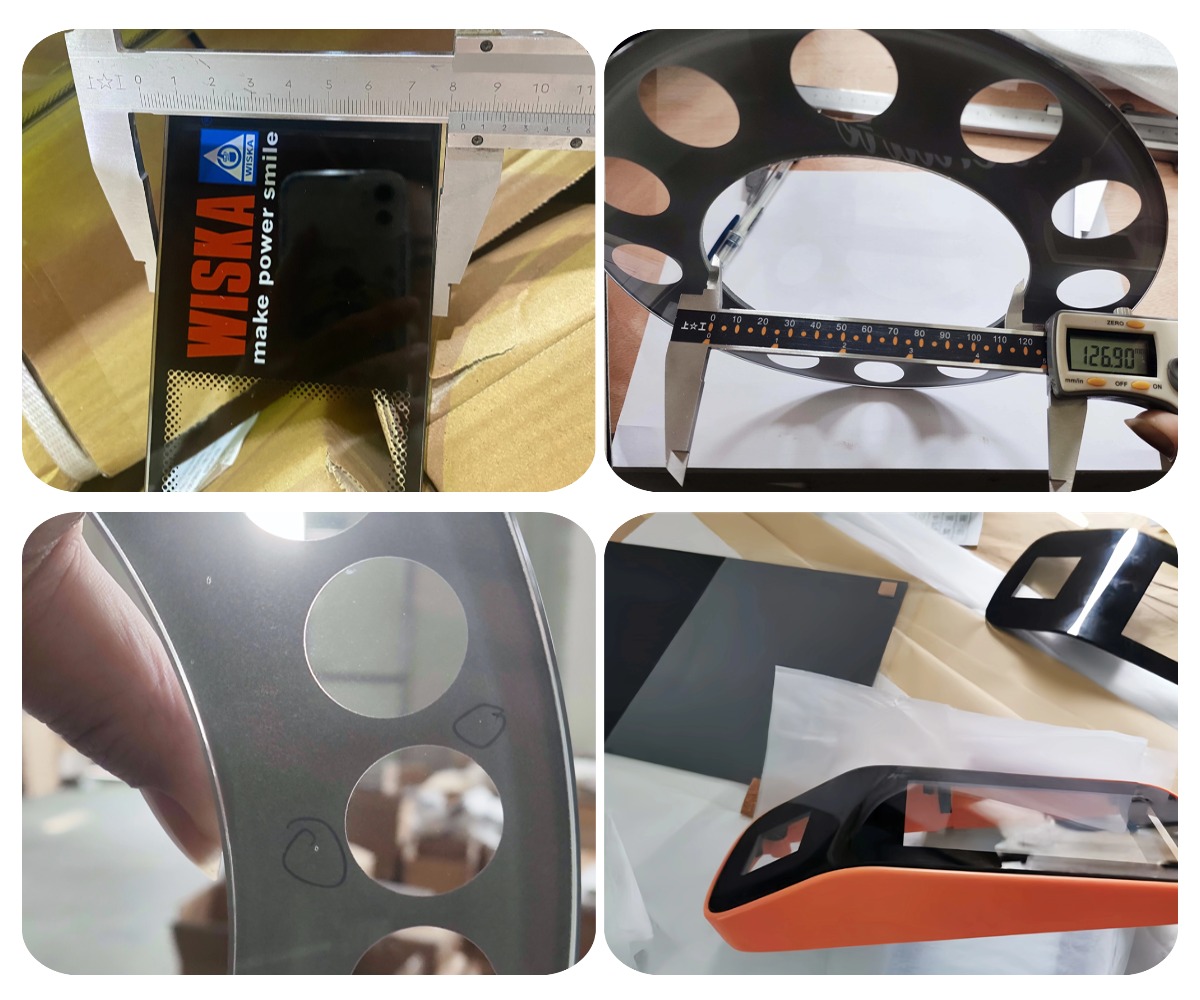
What is the screen printing process?
(2)Sizing and drying: Spread the photosensitive glue evenly on the stretched screen and prepare for exposure after it dries.
(3)Exposure and development: Use the designed pattern to transfer it to the screen through the exposure machine and then develop it to make the required pattern part transparent.
(4)Drying: Dry the developed screen to ensure the photosensitive glue is firm, and make a printing template.
(5)Cutting and grinding of flat glass: Cut the flat glass according to the required size and grind it to ensure smooth edges to avoid damage to the screen during printing.
(6)Cleaning and drying: Clean and dry the glass thoroughly to remove impurities on the surface so that the printing ink can adhere.
(7)Printing: Print the prepared ceramic ink on the glass surface through the screen and use a scraper to transfer the ink through the mesh to the glass.
(8)Sintering: Send the printed glass to a high-temperature kiln for sintering, usually at a high temperature of 600-700℃, so the ink blends with the glass surface to form a lasting pattern.
How to stretch the net?
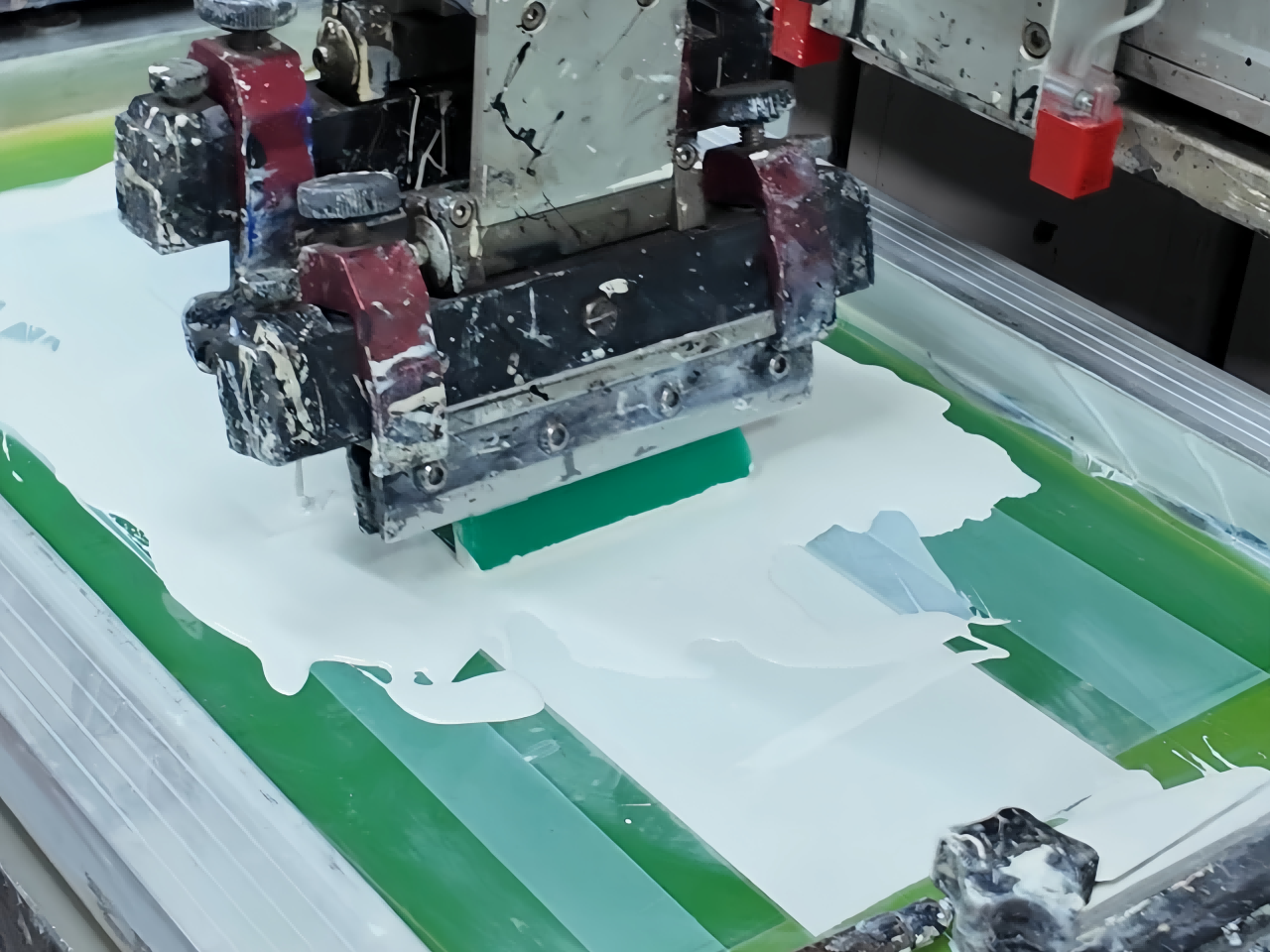
How to Make Silk Screen Stencils?
② CoatiCoating a high-quality bucket for coatiCoating coating characteristics are related to the screen size and the tension. Determine the number of coating processes according to the needs of the printed material to obtain the required film thickness. If more than two processes are necessary for coatiCoating, the following must be carried out after the screen coated in the previous process is completely dry; otherwise, the film will fall off.
③ Drying. The best drying temperature is controlled at 40℃, and the screen should be thoroughly dried.
④ Exposure. The thExposureight wave is 300-400nm. The effect will be better if an ultra-high-pressure mercury lamp or a high-pressure potassium iodine lamp is used. The exposure time should be determined according to the pattern’s situation, generally 12- 30 minutes.
⑤ Development. Developmentt usually uses 25℃ pure water. The development effect will be better if you soak the plate in water for 1 minute first. A high-pressure water gun is recommended to rinse the plate at a uniform speed.
⑥ Drying. After development, Development moisture on the surface of the screen first, and then put into a drying oven at 40°C for drying. It needs to be thoroughly dried, otherwise the screen is easy to fall off.
⑦ Secondary exposure. ExExposure on the front side and the exposure time is 2 to 3 times that of the back exposure, which can significantly improve the printing durability.

⑧ Hardening. After the screen is completely dry, evenly apply the mixed hardening liquid to the back and front of the screen, and then wash and dry it after 1 to 2 minutes. This can greatly improve the screen’s printing durability.
How to choose photosensitive adhesive?
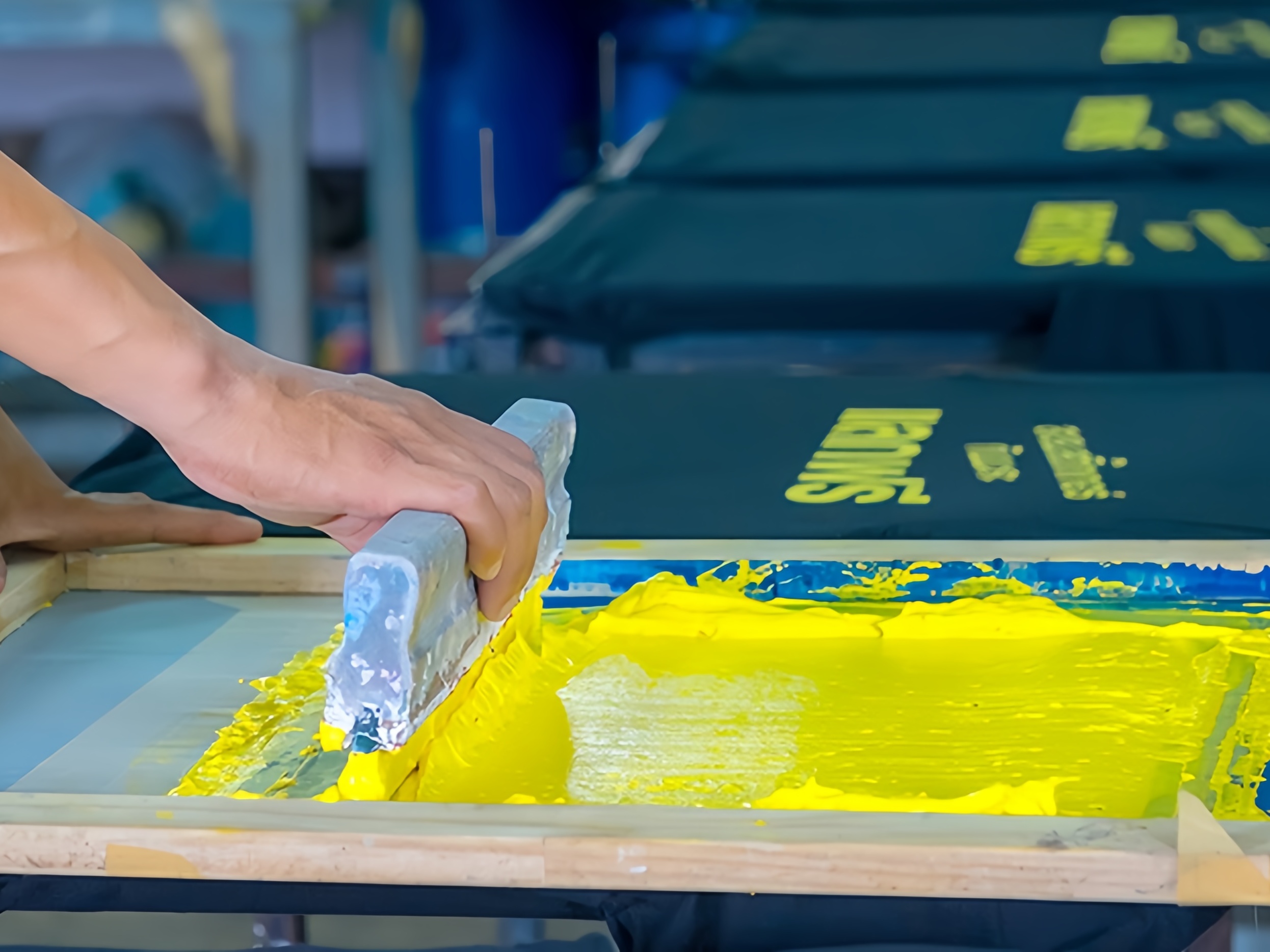
How to perform glass etching and silk screen printing?
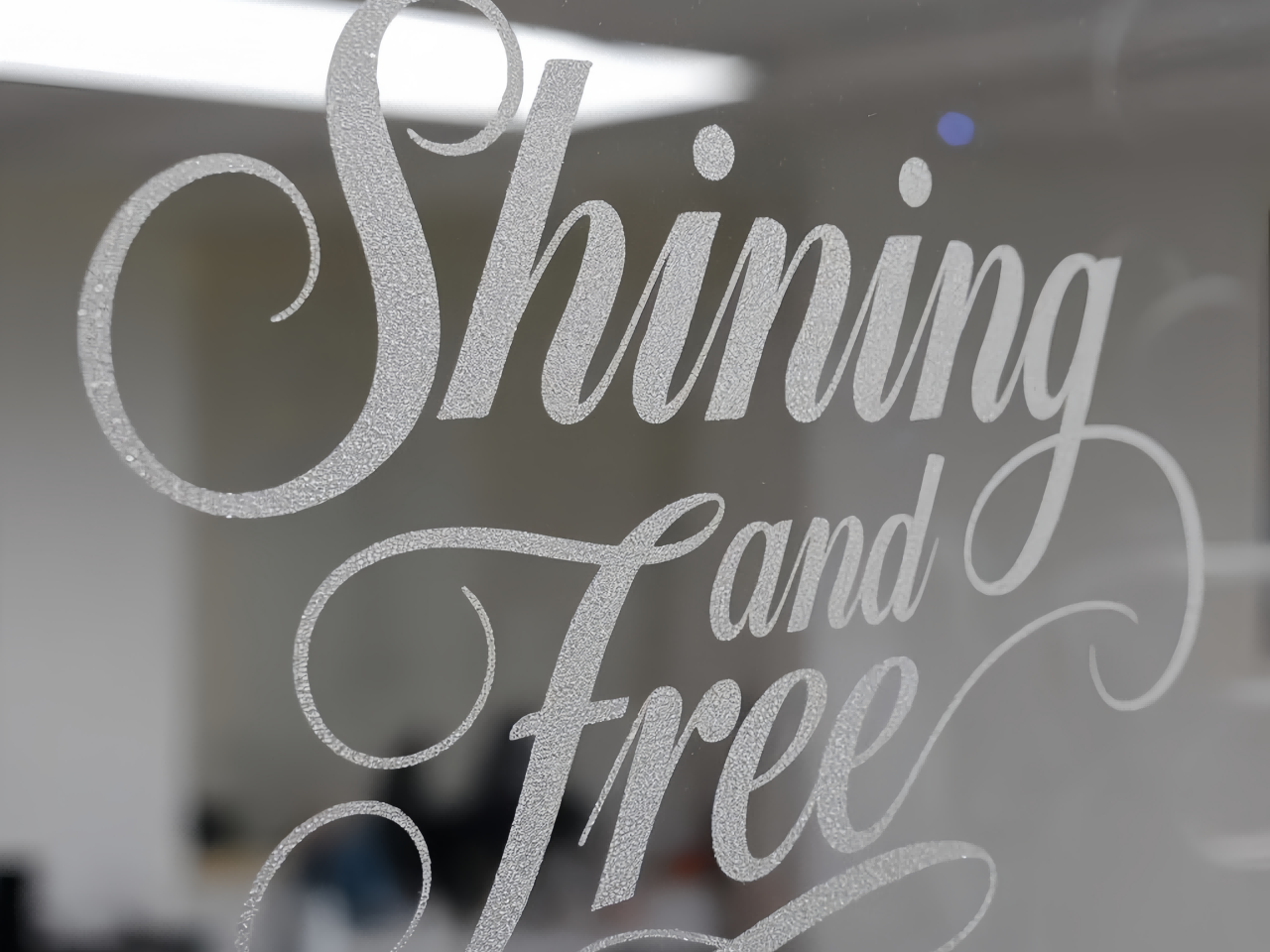
How to do ice flower screen printing on glass?
Ice flower decoration is simple and elegant and is often used in arts and crafts glass decoration, such as the decoration of high-end glassware, lamps, etc. Silkscreen glass ice flower decoration is to first screen print a colored or colorless glass solvent layer (cosolvent) on the glass coating layer and then spread the ice flower glass particles on this glass flux layer. Through sintering at 500-590℃, the flux layer on the surface of the glass and the ice flower particle layer are fused to produce a relief effect. Suppose the glass is screen-printed with a colored flux, and the tiny ice flowers are transparent through high-temperature fusion. In that case, the flux layer at the ice flower pattern part of the glass is colored, and a colored, raised transparent relief pattern is formed on the glass end surface.

How to do frosting screen printing on glass?
A silk screen printing process can form a pattern on frosted glass. The specific method is as follows: First, a layer of pattern formed by a flux resist is silk-screened on the glass surface, and the frosting process is performed after the pattern is air-dried. In the subsequent high-temperature baking process, the frosted part without pattern coverage will melt to the glass surface, while the silk-screen pattern will not melt in these areas due to the effect of the flux resist. Finally, the transparent pattern appears through the surrounding translucent sand surface, forming a unique decorative effect.
The frosted silk screen flux resist is usually composed of ferric oxide, talcum powder, and clay, ground to a fineness of 350 mesh by a ball mill. Before silk-screening, it must be blended with an adhesive to ensure a clear pattern on the glass surface.

FAQ ——
What is the reason why the ink is not firmly fixed on the glass?
When printing on glass, it is very important to conduct a strict degreasing (pre-treatment) inspection before printing. Grease, adhesives, dust, and other substances that adhere to the glass surface will cause poor adhesion between the ink and the glass.
The ink itself is not strong enough to firmly fix the ink film. It is best to use other types of ink for printing. Improper selection of dilution solvents will also cause the ink film to be weakly fixed. The properties of the ink should be considered when selecting dilution solvents to avoid the phenomenon of weak adhesion between the ink and the glass.
What causes uneven ink application?
There are several causes for uneven ink film thickness. From the perspective of the ink itself, improper formulation can result in inconsistent application. Additionally, even if the ink has been prepared correctly, dried ink skins or contaminants can negatively affect the film’s uniformity. Using solvents can cause the screen mesh to swell and soften during the printing process. This swelling can block the mesh openings, typically allowing ink to pass through. Consequently, the ink cannot transfer smoothly, leading to irregular thickness of the ink film.
How to deal with uneven ink application?
Several precautions must be taken to prevent issues related to uneven ink film thickness. First, it is important to filter the prepared ink—especially older ink—through a mesh before use to ensure that any dried ink skins or impurities are removed. Additionally, when reusing previously employed screens, all residual ink attached to the screen frame must be thoroughly cleaned. After each printing session, cleaning the screens and related tools, such as squeegees, is crucial to maintaining their condition for future use.
When printing on glass, damage to the sharp edge of the return ink blade can cause streaks in the direction of the blade’s movement, resulting in uneven ink application. To avoid this, the blade’s edge must be well protected and kept free from damage. If any damage occurs, the blade should be carefully polished with a grinding machine to restore a smooth edge.
Furthermore, the evenness of the printing table can significantly affect ink distribution. Uneven surfaces can cause the ink film to vary in thickness, with raised areas producing thinner ink layers and the recessed regions producing thicker ones. This phenomenon is another form of uneven inking. Additionally, dust particles on the back of the glass or the surface of the printing table can also contribute to such defects. Therefore, maintaining a clean, level printing surface and a dust-free environment is essential for achieving consistent ink application.
What causes pinholes?How to deal with it?
① Dust and foreign matter attached to the plate. When making the plate, some souls will be mixed during water washing and development. In addition, during the emulsion coating, dust will be mixed in, and pinholes will be formed when it is attached to the screen. These can be discovered and repaired in time if you pay attention to the inspection during the test. If Dust and foreign matter are attached to the screen, they will block the screen opening and cause pinholes. Before formal printing, carefully check the screen and remove the dirt on the plate.
② Washing the glass surface. The glass plate should be pre-treated before printing to clean its surface and then printed immediately. If the glass is not printed immediately after treatment, it will be contaminated again. After pre-treatment, dirt such as grease can be removed, and at the same time, Dust attached to the surface can also be removed.
③. Pay special attention to your hands when carrying the glass. Fingerprints will also adhere to the printing surface and form pinholes during printing.
What causes bubbles and how to deal with them?
Inadequate Pre-Printing Treatment of the Glass: Bubbles are more likely to form if the glass surface is contaminated with dust, oil, or other impurities. To prevent this, the glass must be properly cleaned and treated before printing to ensure a pristine surface.
Bubbles in the Ink: Bubbles can be introduced when solvents and additives are added and mixed during the ink preparation. These bubbles may dissipate naturally over time if the ink has a low viscosity. However, in high-viscosity inks, some bubbles may not escape easily. While some bubbles might break naturally during the transfer process of printing, others may become larger and more problematic. To address this, defoamers can be added to the ink. The typical defoamer used is around 0.1% to 1%, but excessive use can have the opposite effect and worsen bubble formation. Even when bubbles are present, using ink with the correct viscosity and good levelling properties can help achieve a smooth and flat ink film. If bubbles are not adequately removed and remain in the ink, they can create an uneven, crater-like surface on the printed film.
Fast Printing Speed: Printing excessively high speeds can result in uneven ink distribution and bubble formation. To mitigate this, it is advisable to lower the printing speed to improve the uniformity and quality of the ink film.
If none of these measures effectively eliminates the bubbles from the printed product, it may be necessary to consider using a different type of ink that is less prone to bubble formation. Properly managing these factors will help achieve a flawless and smooth printed surface on the glass.
What causes web marks? How to deal with them?
To prevent web marks from appearing on printed glass, the following methods can be employed:
Use Inks with Good Leveling Properties: Selecting an ink with high flow and levelling capabilities can help ensure the ink spreads evenly after being printed, filling in any mesh marks and creating a smooth surface.
Opt for Slower-Drying Inks: Using slower drying speed allows the ink to flow and level out before solidifying. This extended flow time helps the ink fill in mesh marks and cure naturally.
Use a Fine Mesh Screen: When preparing the screen, it is advisable to use a finer single-thread mesh. Finer mesh screens produce less pronounced web marks, making it easier for the ink to flow and cover any residual patterns.
Applying these techniques reduces the risk of web marks, resulting in a high-quality, smooth ink film on the glass surface.
What are the printing methods for screen-printed glass?
Related knowledge
We have an extensive range of online resources developed to help worker improve their capabilities.
Our other manufacturing capabilities
We can provide you with a variety of glass processing techniques.
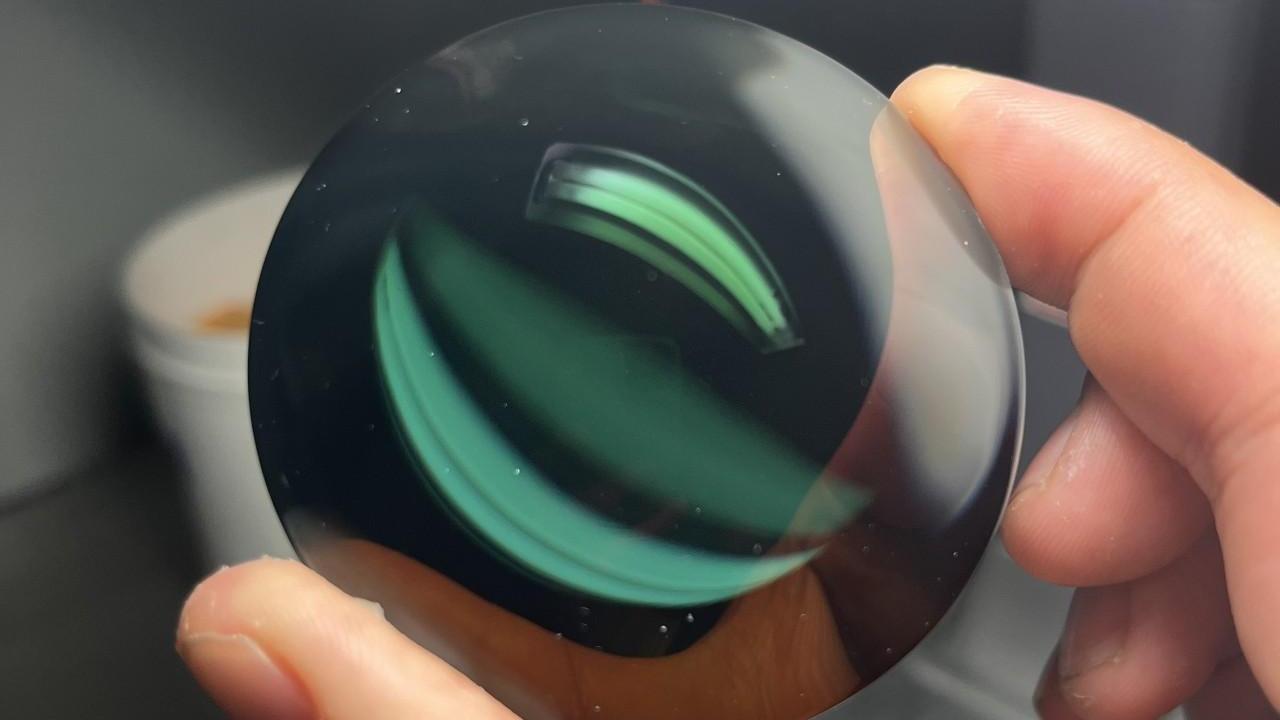
Glass Coatings for Enhanced Performance
Precision coatings upgrade glass for light, heat & durability control.

Ultrasonic Cleaning Service
Ultrasonic cavitation technology is used to thoroughly clean glass and precisely remove contaminants.
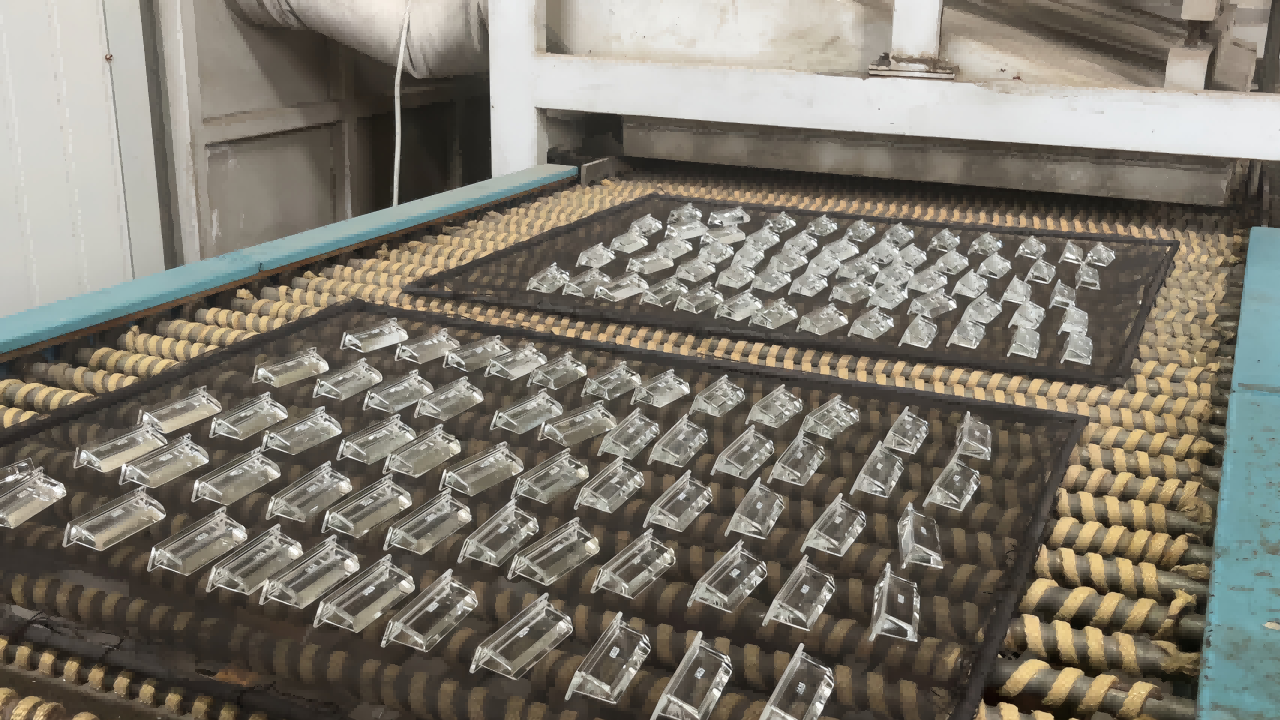
Physical Glass Tempering Services
Silk Screened Glass service
Contact Us
Your feedback fuels our growth, and your questions drive our solutions.
We value your feedback, inquiries, and suggestions. Please feel free to get in touch with us
General inquiries
Please contact us via sales@bo-glass.com, and we will reply to you as soon as possible.
Interested to work with us
Drop your resume at info@bo-glass.com
and we will get back to you shortly.
We uses the contact information you provide to us to contact you about our relevent content, products, and services.