
Precision-Engineered Patterned Glass for Architecture & Design
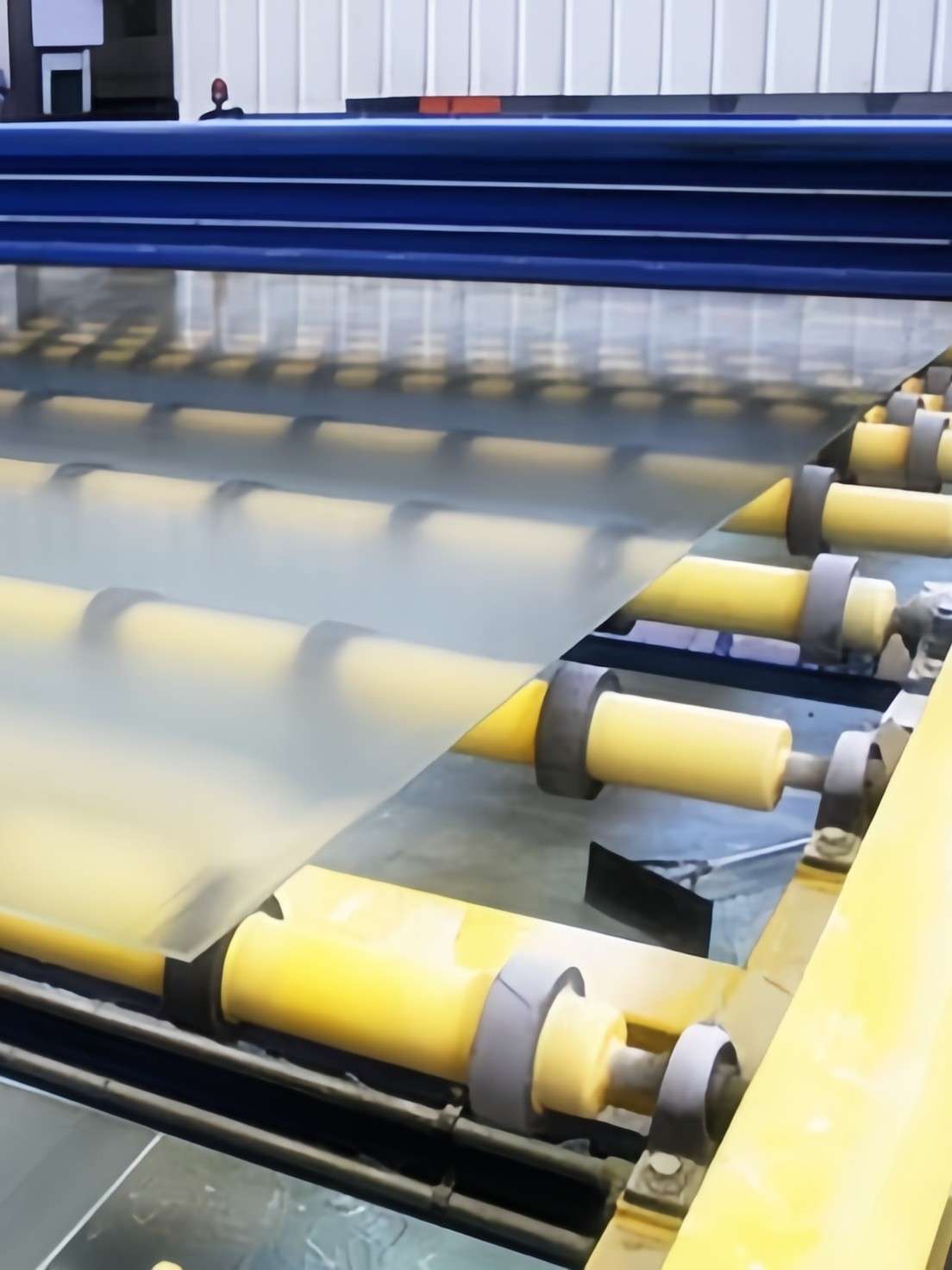
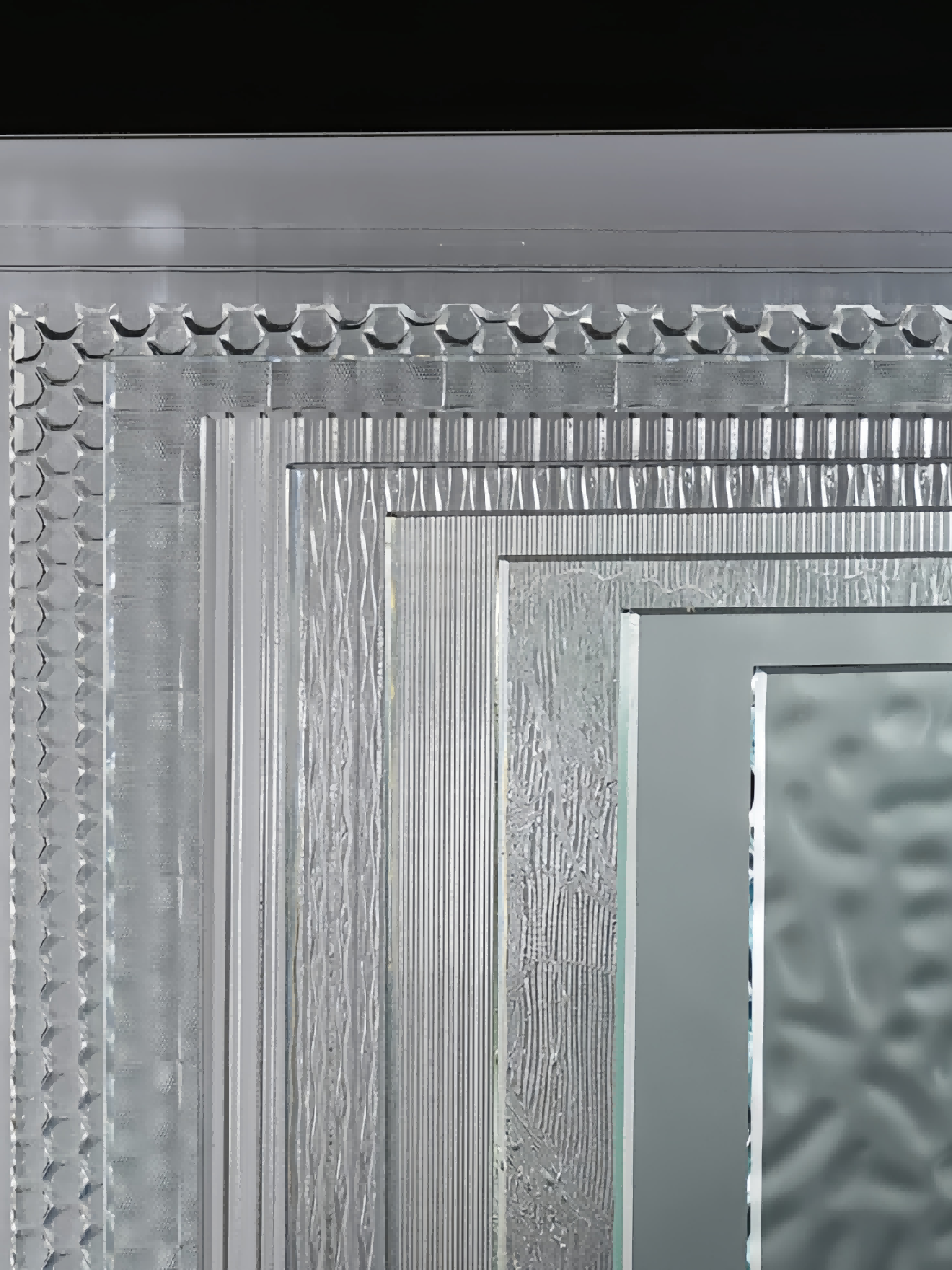

What Is Patterned Glass?
Max. Processing Size: | Sheets over 5m in length, large-format panels |
Min. Part Size: | Precision micro-components down to 10mm. |
Cutting Tolerance: | ±0.1 mm(CNC/Waterjet),±0.05 mm(Laser) |
Drilling/Milling Tolerance: | ±0.1 mmposition &diameter) |
Edge Profile Tolerance: | ±0.1 mm |
Standard Thickness Range: | From 1.5 mm and above. |
Ultra-Thin Processing Capability: | Down to sub-1.0 mm(e.g.,0.3-0.7 mm for specialty applications) |
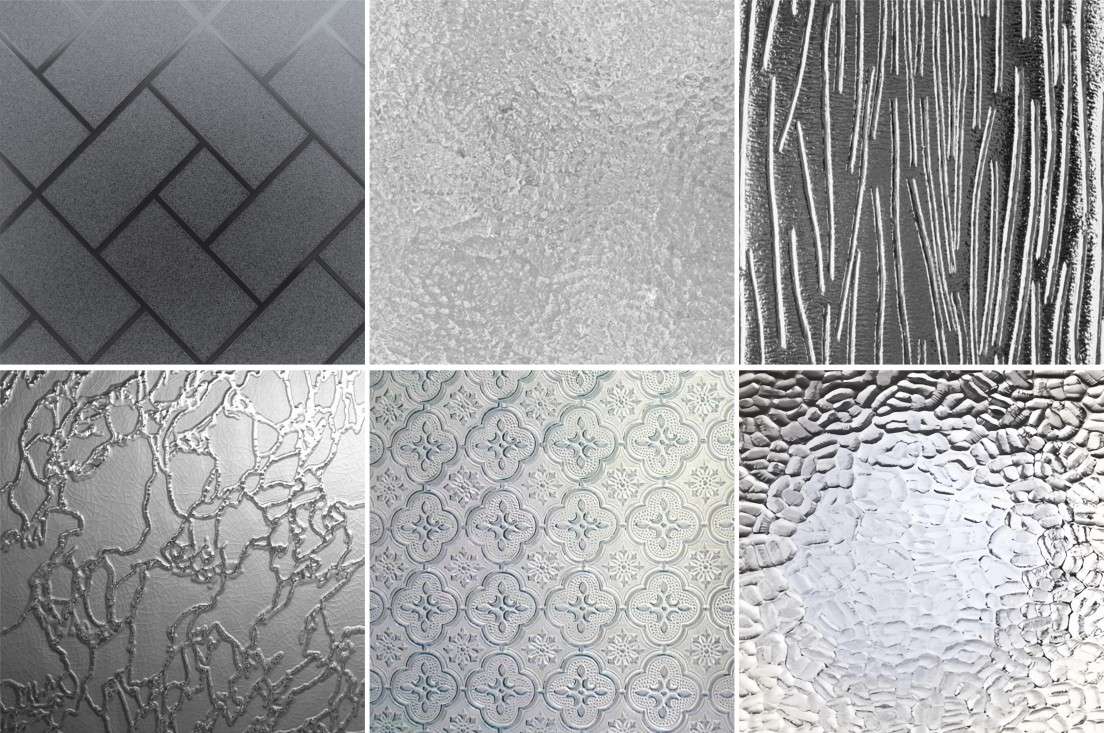
Patterned Glass Technical Specifications
| Parameter | Specification / Description |
| Standard Thickness | 3mm, 4mm, 5mm, 6mm, 8mm, 10mm |
| Maximum Sheet Size | Up to 2140mm x 3300mm (varies by thickness & pattern) |
| Standard Surface Finish | Clear (transparent) or Tinted (e.g., Grey, Bronze, Green) |
| Light Transmission | Typically 75% - 90% (Varies significantly by pattern depth/density) |
| Visual Obscurity | Medium to Very High (Complete visual diffusion depending on pattern) |
| Primary Function | Privacy, Light Diffusion, Decoration, Glare Reduction |
| Pattern Application | Single-sided (standard) or Double-sided (enhanced 3D effect) |
| Safety Options | Can be laminated or toughened/tempered for safety & security |
| Post-Processing | Excellent for screen printing, painting, laminating, or sandblasting |
| Edgework | Can be polished, seamed, bevelled, or drilled |
| Typical Applications | Interior partitions, door panels, shower screens, balustrades, decorative facades, furniture tops, lighting diffusers |
Advantages of Patterned Glass in Component Design & Production
Patterned Glass serves as a highly versatile material for customized architectural and decorative components due to its unique ability to combine light transmission with visual privacy, diverse texture options, and enhanced design flexibility.
Benefits
Aesthetic Appeal & Branding: Offers unique decorative effects, visual texture, and privacy. Custom patterns or logos can be created, providing strong product differentiation.
Functional Versatility: Integrates multiple functions: light diffusion (softens glare), visual privacy, and (with certain textures) enhanced grip or anti-slip properties.
Excellent Fabrication Compatibility: Can be processed like float glass—cut, drilled, edged, tempered, and laminated—using standard methods, offering great design flexibility.
Standardized & Cost-Effective Production: Common patterns are produced via a continuous roller process, making them readily available and more economical than many custom decorative glass options.
Durability & Safety: The texture is permanent and integral to the glass. It can be thermally tempered to increase strength and meet safety glazing requirements for applicable areas.
Material Synergy: Easily combined in laminated units with clear or other functional glass to create composites with safety, acoustic, and enhanced aesthetic properties.
Key Limitations to Consider
Optical Distortion & Reduced Clarity: The primary functional trade-off. The surface pattern inherently scatters and distorts transmitted light, making it unsuitable for applications requiring a clear, undistorted view or precise optical performance.
Cleaning & Maintenance Difficulty: The textured surface traps dust, dirt, and fingerprints more easily than smooth glass and is significantly harder to clean thoroughly, requiring more effort for maintenance.
Limited Light Transmission & Directionality: It reduces total visible light transmittance compared to clear glass. Furthermore, its light-diffusing property is often directional, meaning appearance and privacy level can change depending on viewing angle and lighting conditions.
Potential Reduction in Perceived Strength: Deep or pronounced patterns can create points of stress concentration, potentially making the glass more susceptible to cracking from impact or thermal stress compared to a smooth, annealed surface of the same thickness, unless properly tempered.
Higher Cost for Custom Patterns: While standard patterns are cost-effective, developing a custom pattern requires creating new rollers, which involves high upfront tooling costs and is only viable for large production volumes.
Versatile Applications of Patterned Glass
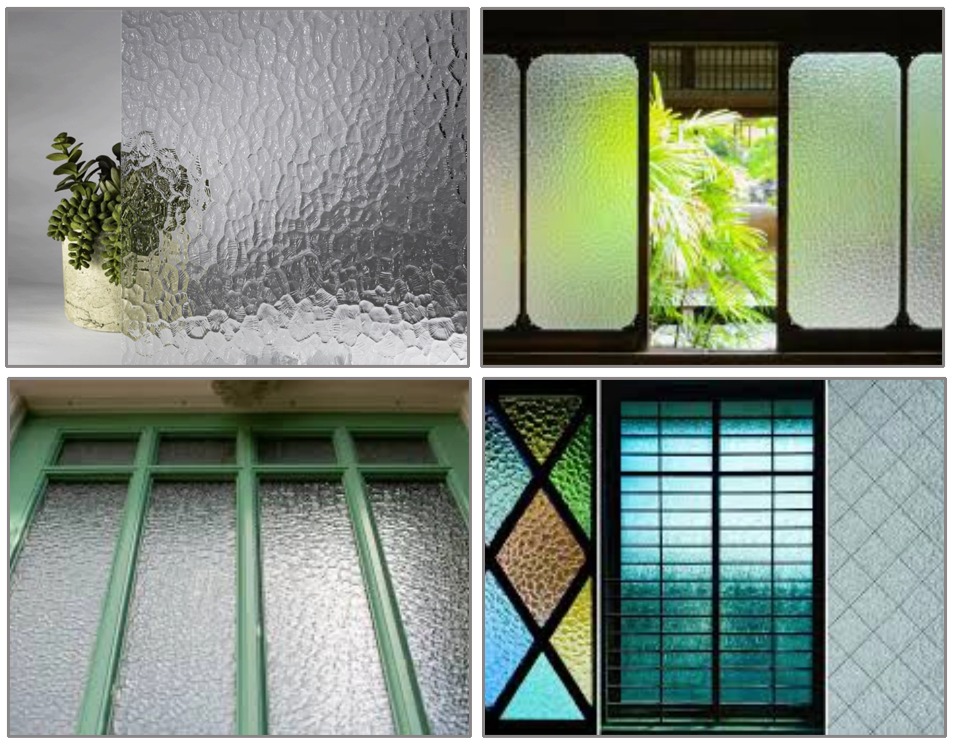
1. Architectural & Interior Design
Patterned glass is used for decorative partitions, room dividers, shower enclosures, and window glazing to provide visual privacy while allowing light transmission. It enhances aesthetic appeal in modern interiors and façades.
2. Door & Entryway Systems
It is applied in front door inserts, interior door panels, and cabinet door glazing to balance privacy, security, and natural light diffusion, adding elegance to functional entry points.
3. Furniture & Home Decor
Patterned glass is crafted into tabletops, shelves, decorative panels, and lamp shades, combining durability with artistic texture to elevate everyday home accessories.
4. Lighting & Light Diffusion
It serves as an ideal material for light fixtures, luminaire covers, and diffuser panels, softening glare and ensuring even, pleasing light distribution in both functional and decorative lighting.
5. Commercial & Retail
Used in backsplashes, decorative signage backgrounds, and privacy screens, it adds branded texture and ambiance to offices, restaurants, hotels, and retail spaces.
FAQ: Patterned Glass for Product Development & Design
What exactly is patterned glass, and how is the pattern created?
Can we create a completely custom, proprietary pattern?
How does the pattern affect the glass's optical and physical properties?
Can patterned glass be processed (cut, drilled, tempered) after production?
What are the main design advantages of using patterned glass?
Are there any special cleaning or maintenance considerations?
In which applications is patterned glass most suitable?
Can it be laminated or used in safety glazing applications?
Does the pattern affect the glass's strength or safety rating?
What drives the cost and lead time for patterned glass projects?
Contact Us
Your feedback fuels our growth, and your questions drive our solutions.
We value your feedback, inquiries, and suggestions. Please feel free to get in touch with us
General inquiries
Please contact us via sales@bo-glass.com, and we will reply to you as soon as possible.
Interested to work with us
Drop your resume at info@bo-glass.com
and we will get back to you shortly.
We uses the contact information you provide to us to contact you about our relevent content, products, and services.