
Chemical tempering service
Our chemical strengthening Glass Manufacturing Capabilities
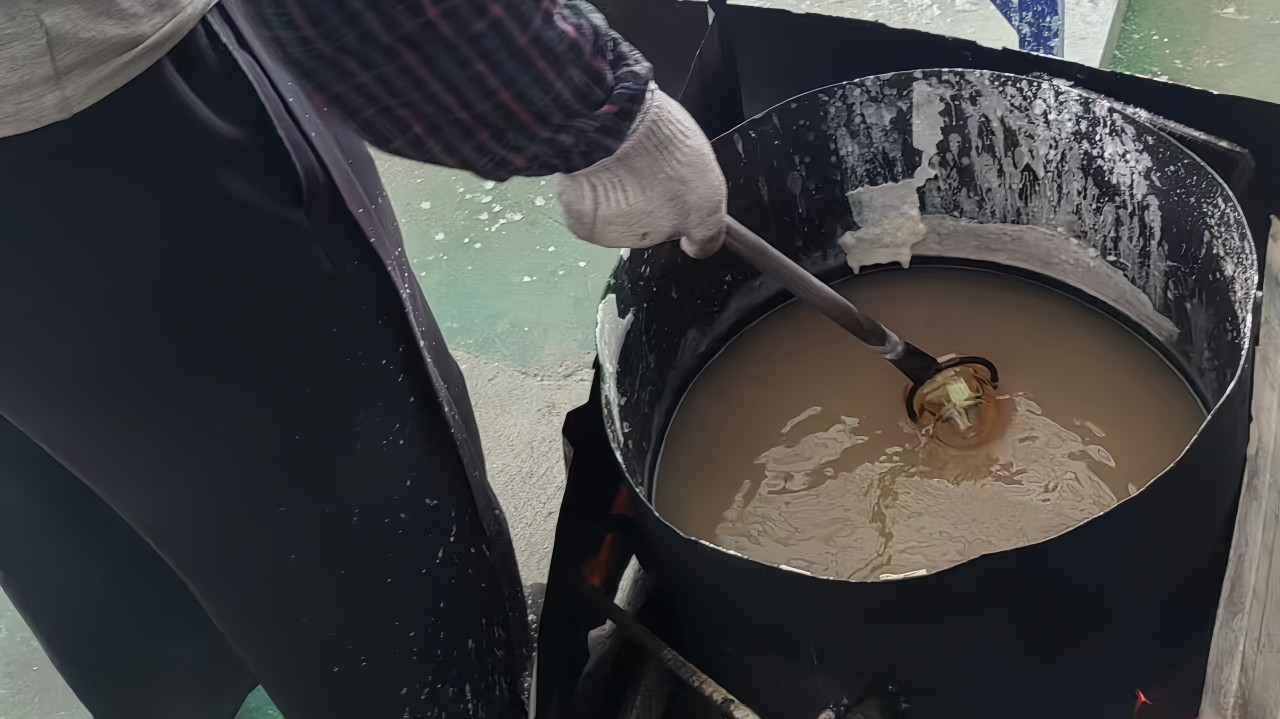
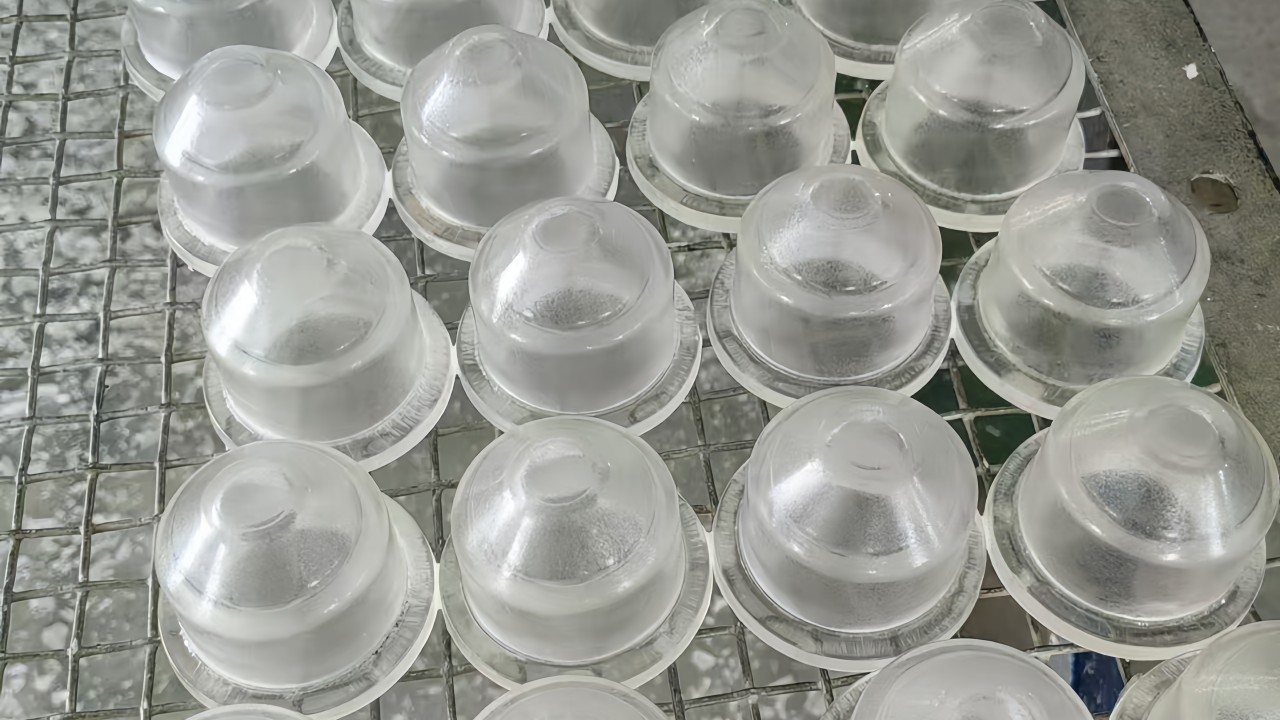
Advanced Hot-End Chemical Strengthening
Instant Hot Immersion: Proprietary process strengthens glass right after molding at 500°C+.
Proven Performance: Withstands 120°C thermal shock & 5J+ impacts.
Superior Durability: Enhanced surface compression ensures long-term chemical & abrasion resistance.
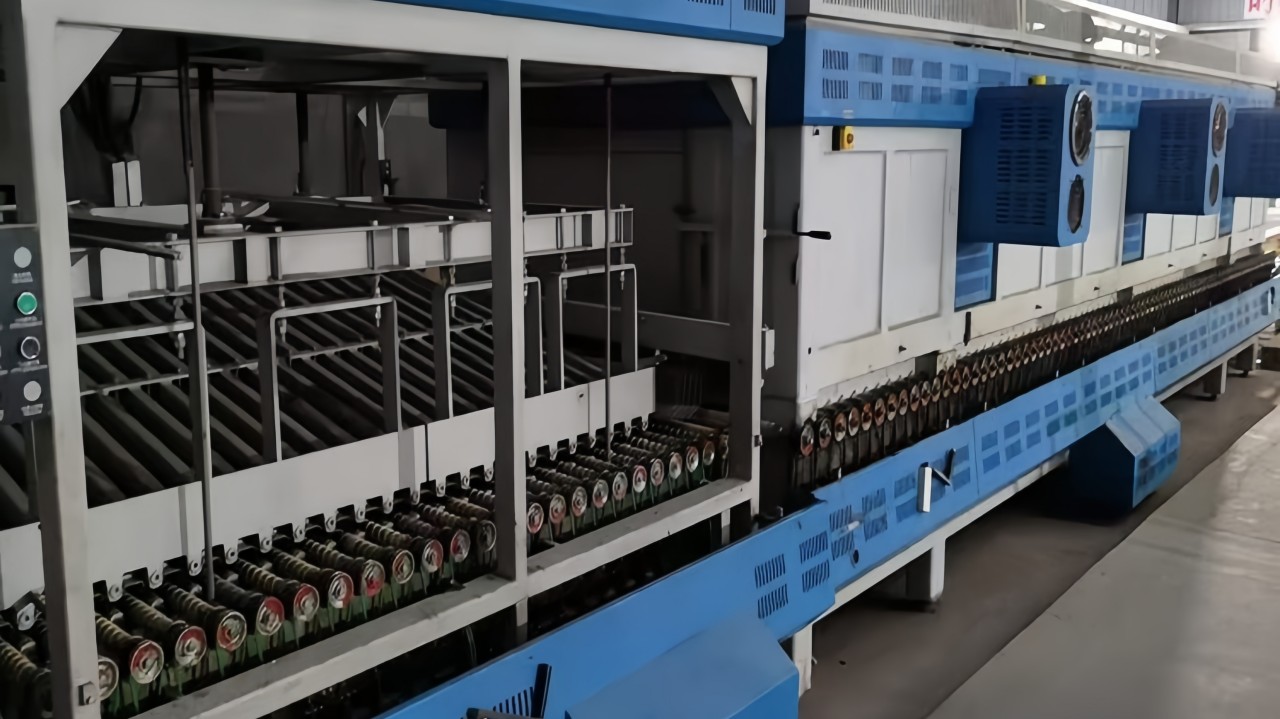
Chemical Strengthening Capabilities for Flat Glass
Deep Surface Compression: Achieves 700+ MPa surface stress for exceptional impact and load resistance.
High Thermal Stability: Maintains integrity under thermal shocks from -50°C to 250°C.
Optical Clarity Preservation: Near-zero distortion with >92% light transmission rates.
Chemical tempering classification
Chemical Strengthening via Ion Exchange I
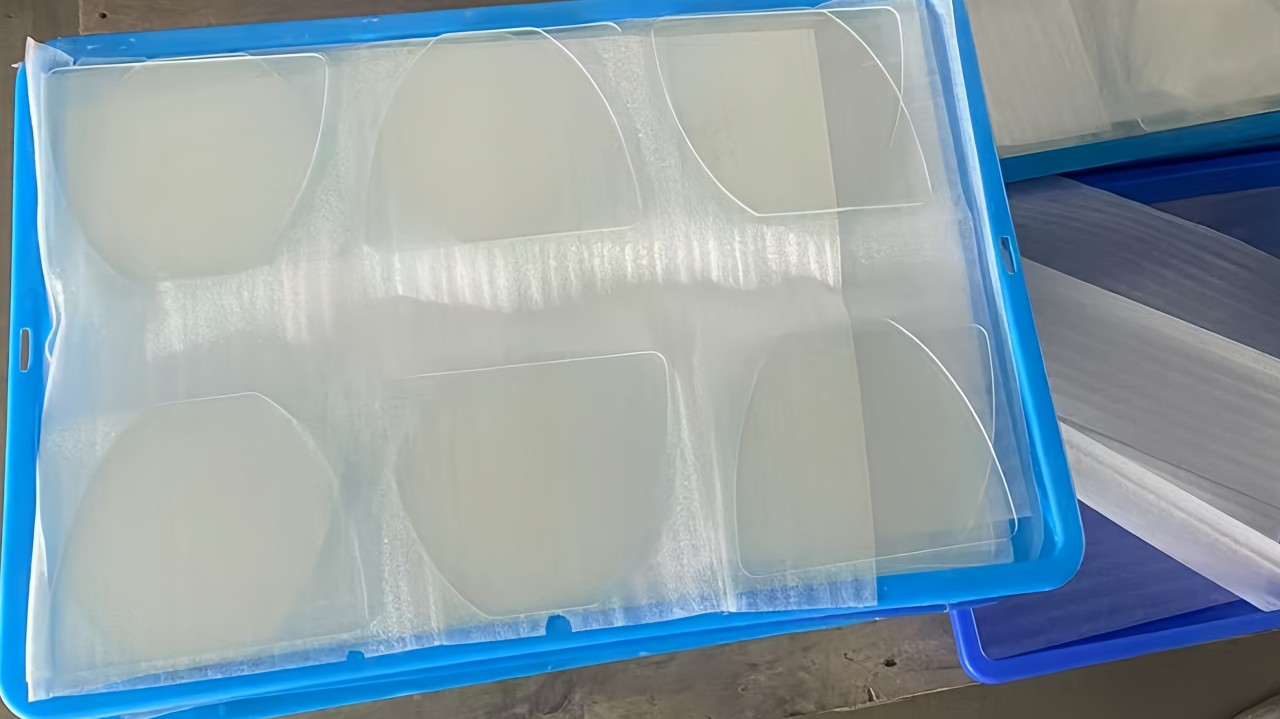
Chemical Strengthening via Ion Exchange II
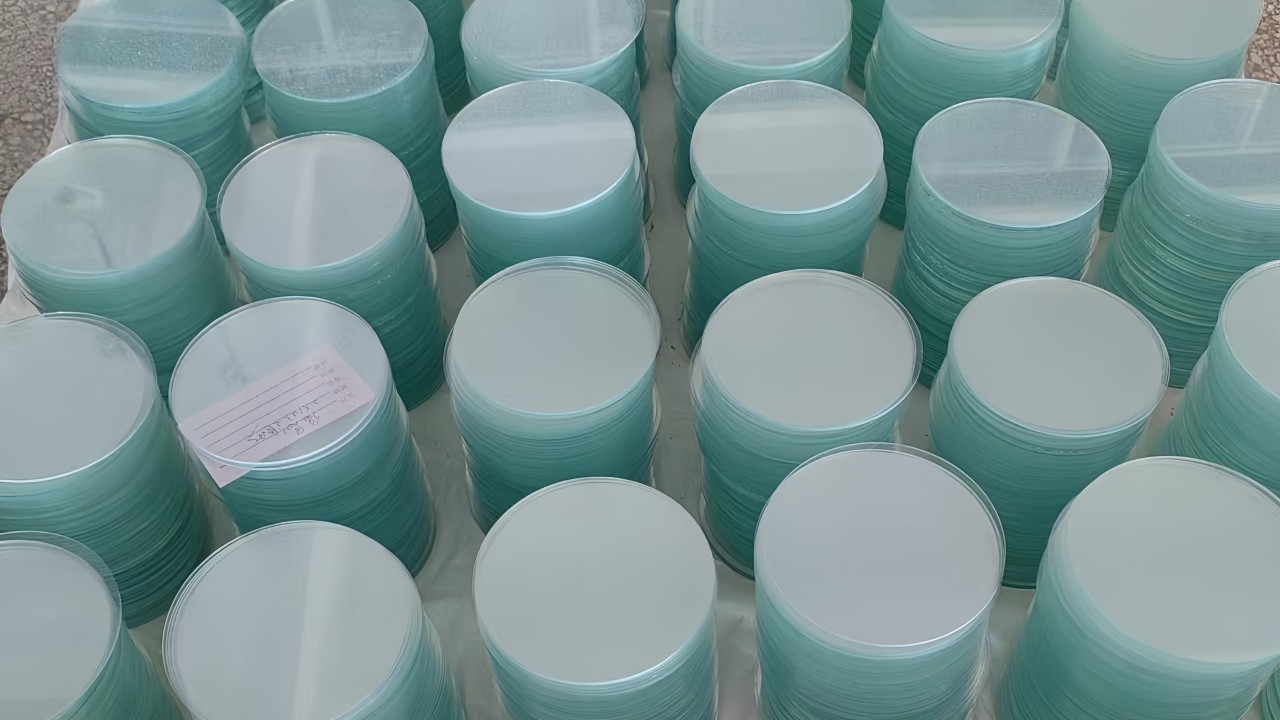
Chemical Strengthening via Ion Exchange III
Our factory and our partner factories
BO-GLASS coordinates our core facility with a dedicated network of local specialists to deliver custom glass components. You benefit from our collective expertise while we manage all communication, quality control, and logistics for a seamless experience.


Glass Tempering Process & Purpose
Our Custom Glass Fabrication Portfolio: See Our Success Stories
Explore our portfolio of bespoke glass projects. Each piece showcases our expertise in delivering precision-engineered custom glass solutions for clients across diverse industries and applications.
Chem Strengthened Ultra Clear Glass Cover
White edge printed ultra-clear glass for LED strips.
Explosion-Proof Chem Strengthened Airport Signal Light Cover
Chemically strengthened, heat shock resistant lens for airport lighting. Enhanced safety & durability.
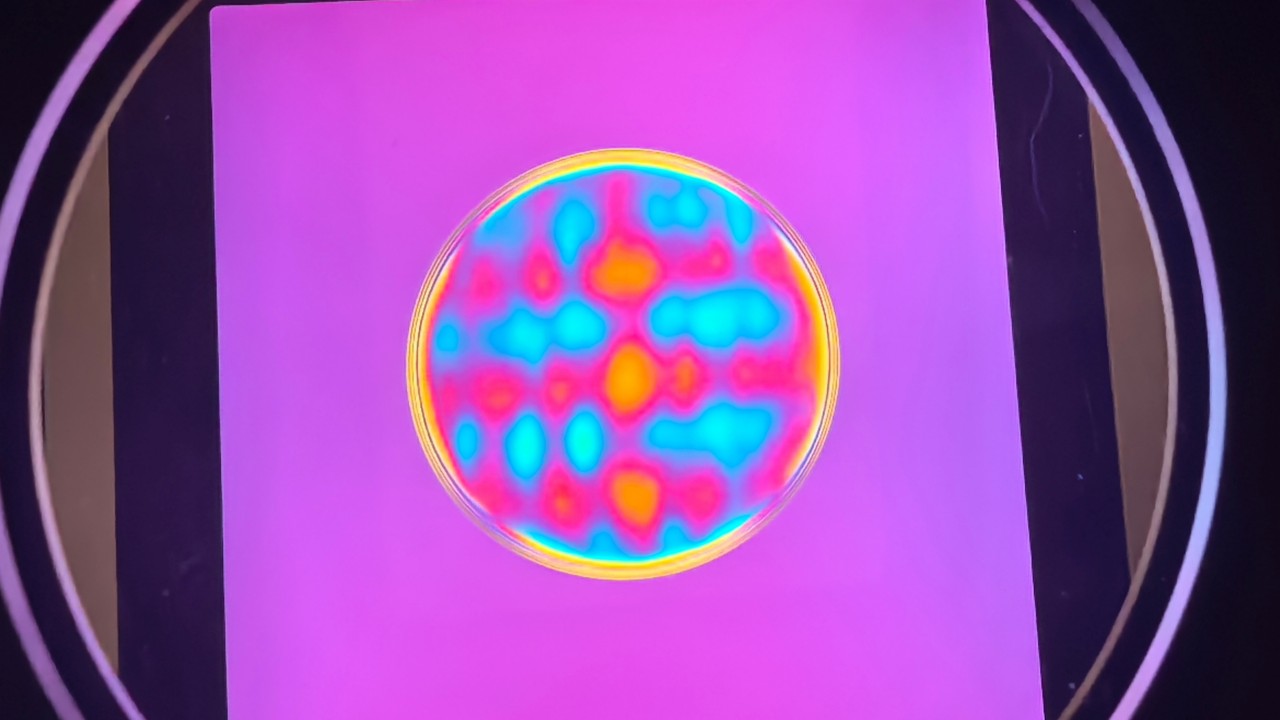
Chem Strengthened Ultra-Clear Step Glass for Architectural LED
Tempered safety glass panel for explosion-proof control cabinets. Withstands 4J impact test.
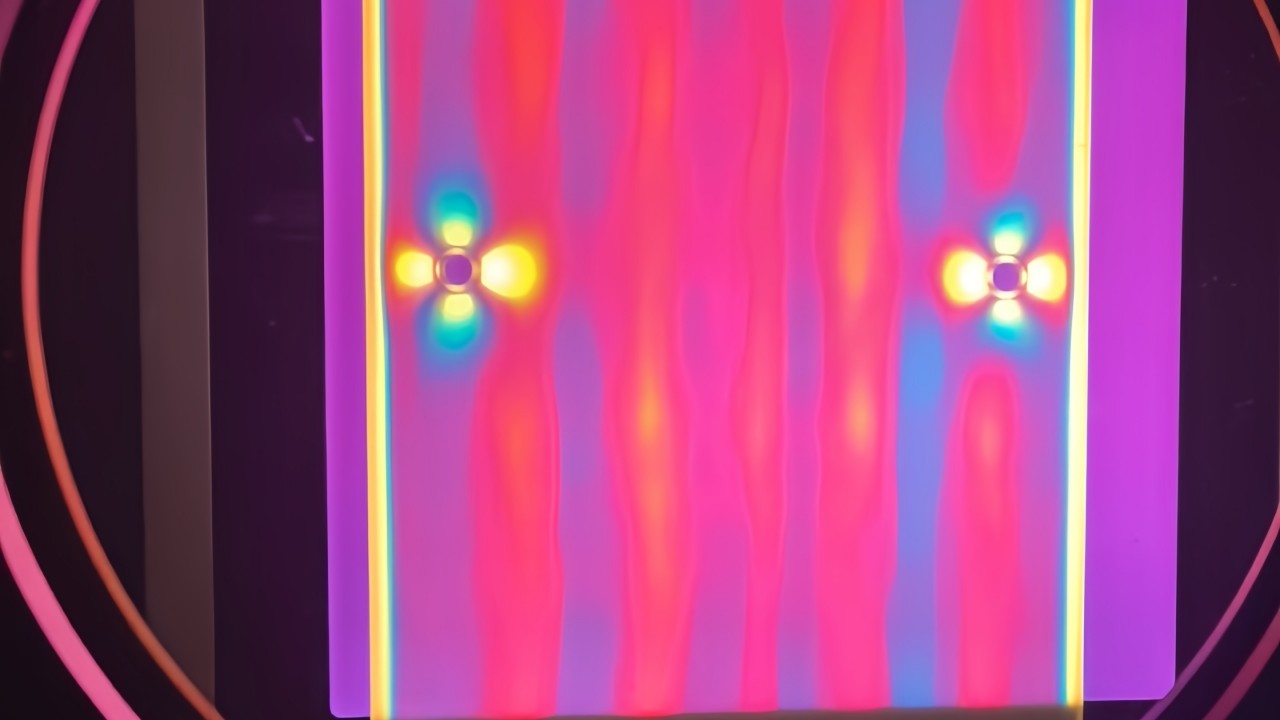
4J Impact Rated Tempered Glass for Explosion-Proof Cabinet
Tempered safety glass panel for explosion-proof control cabinets. Withstands 4J impact test.
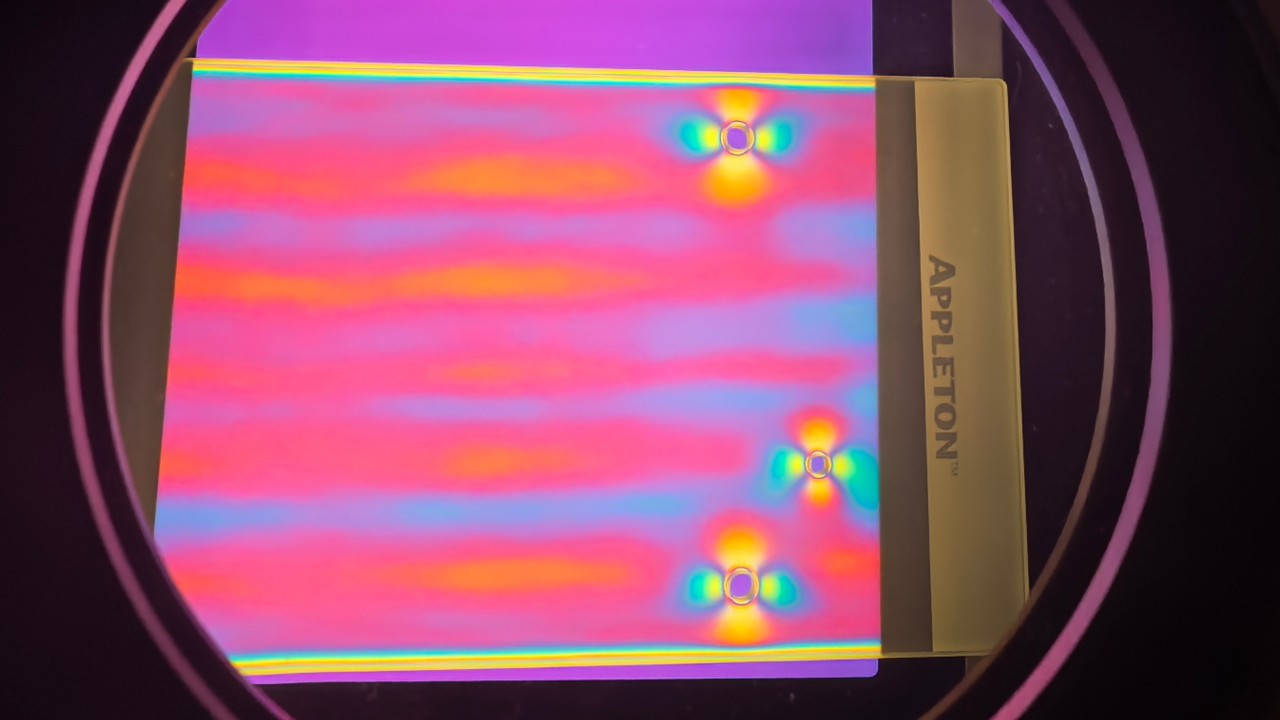
Drilled & Silkscreened 4J Impact Tempered Explosion-Proof Glass
Custom drilled, silkscreened tempered glass for explosion-proof security equipment. Resists 4J impact.
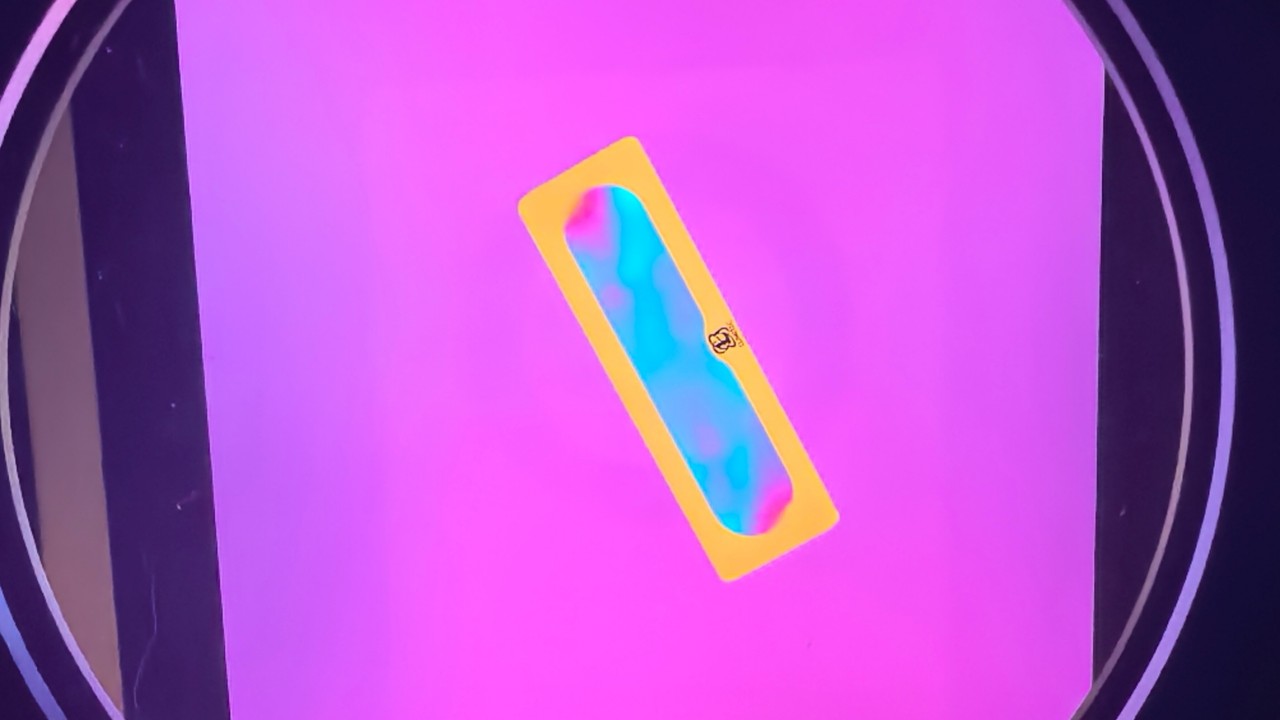
White Silkscreened Tempered Glass Panel for Smart Appliances
Custom white edge silkscreen with logo on tempered glass for smart control panels. Scratch-resistant.
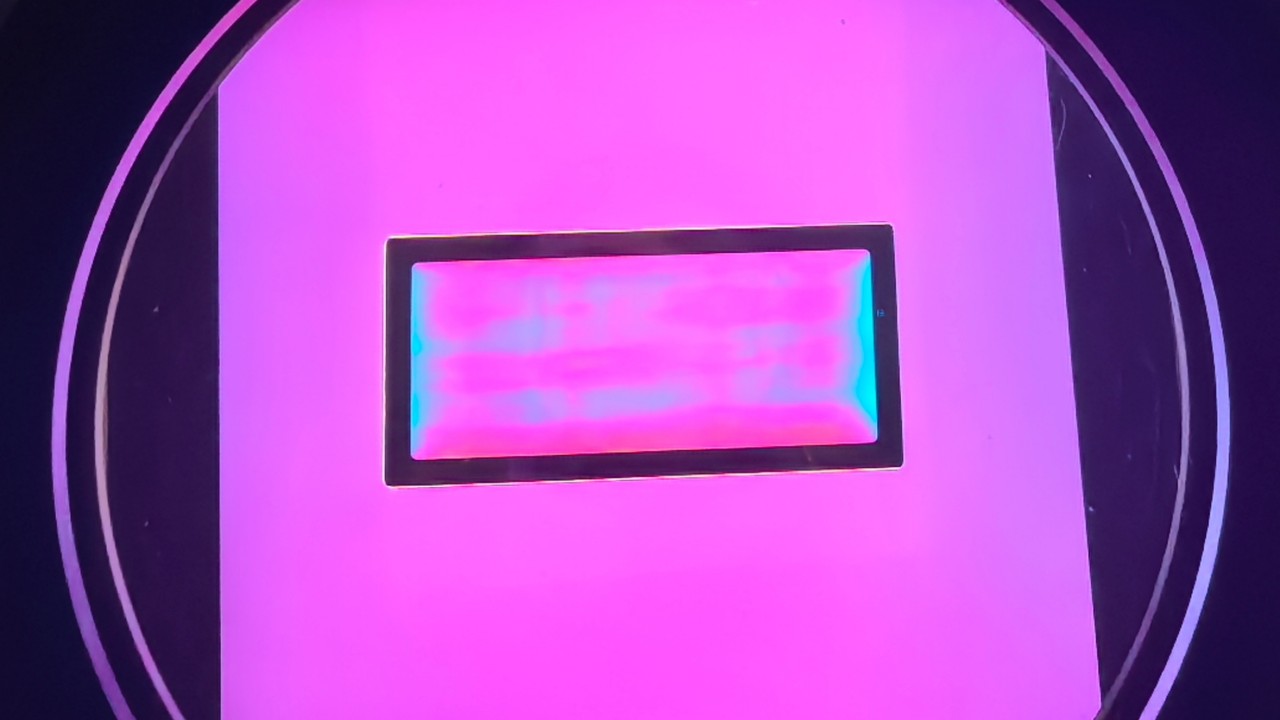
Tempered Glass Panel with Perimeter Silk-Screening Edge Printing
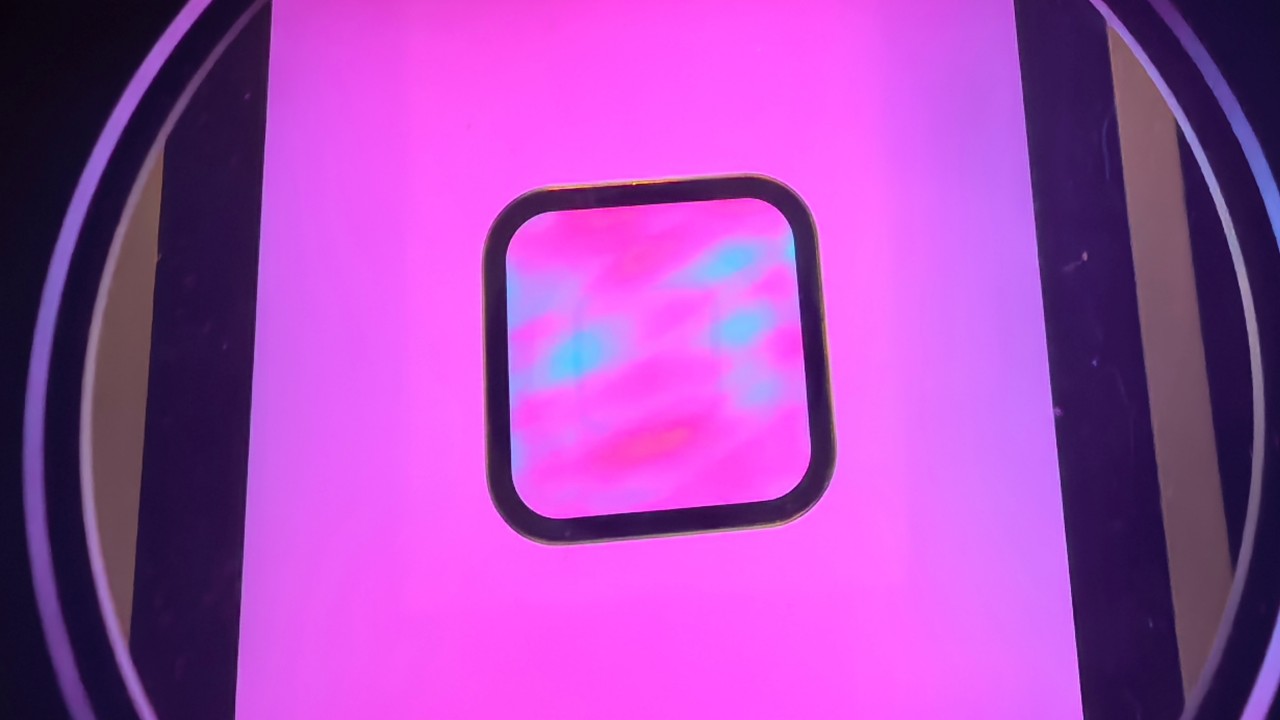
Square Appliance Glass Panel with Edge Printing & Tempering
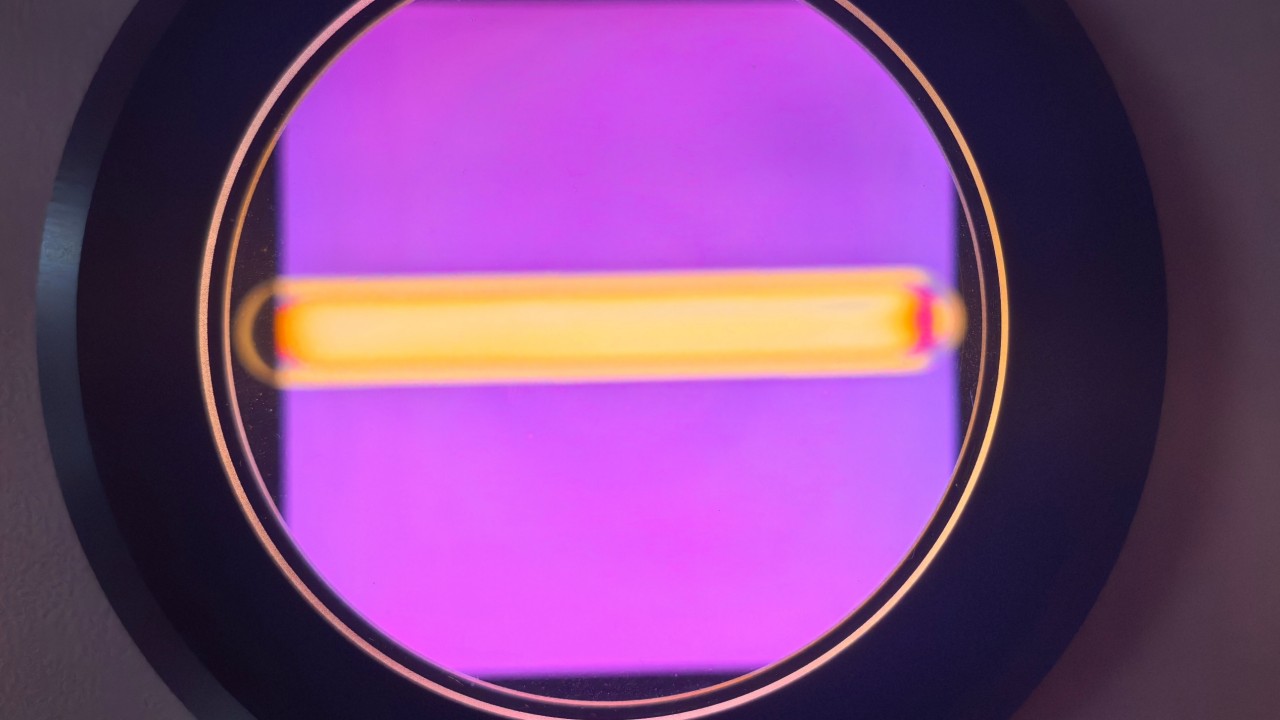
Tempered Borosilicate Gauge Plate for Klinger Test Lens
Low thermal expansion (3.3×10⁻⁶/K), withstands 400°C thermal shock. Precision flatness under 2μm for optical testing instruments.
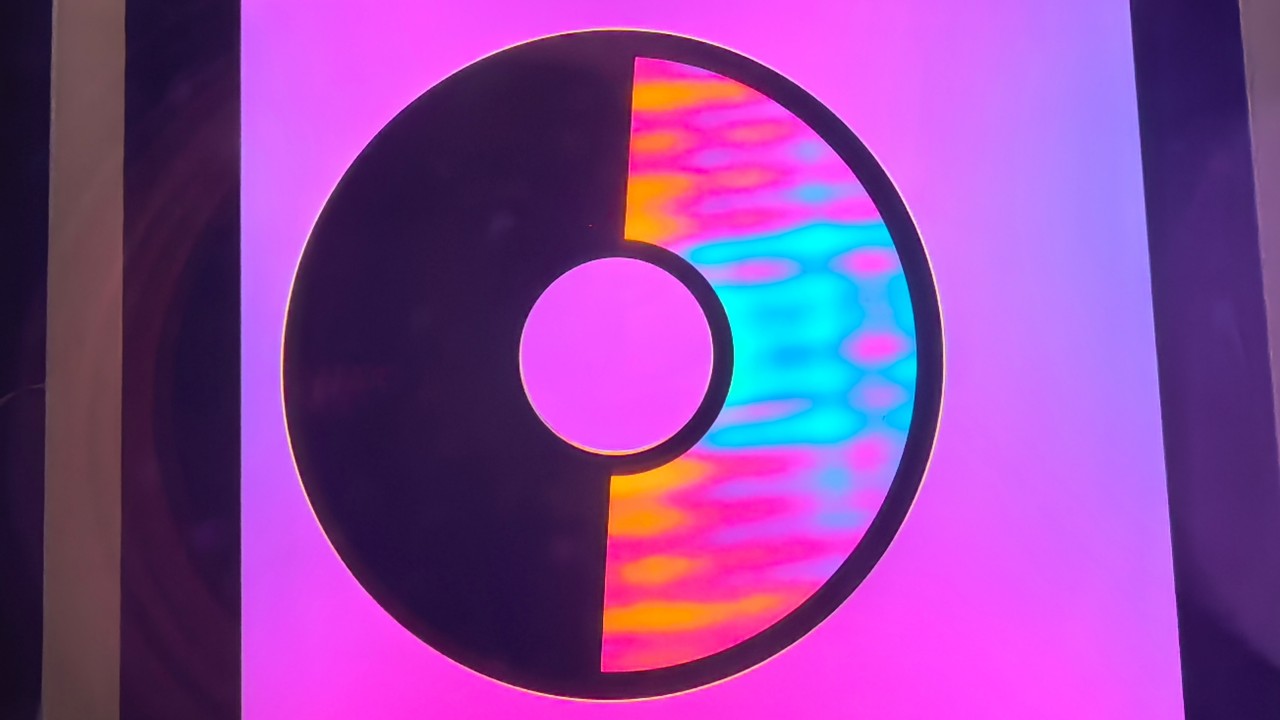
Tempered Round Glass Panel with Black Silk-Screening & Mounting Holes
Chemically tempered glass classification
Table 4-1: Surface Stress of Chemically Tempered Glass
| Category | Surface Stress (p/MPa) |
|---|---|
| Class I | 300 < p ≤ 400 |
| Class II | 400 < p ≤ 600 |
| Class III | p > 600 |
Table 4-2: Compressive Stress Layer Thickness of Chemically Tempered Glass
| Category | Compressive Stress Layer Thickness (d/μm) |
|---|---|
| Class A | 12 < d ≤ 25 |
| Class B | 25 < d ≤ 50 |
| Class C | d > 50 |
Performance characteristics of chemically tempered glass
③ Chemically tempered glass must maintain a certain exchange layer depth, and the exchange layer depth will increase with the extension of exchange time, but the surface compressive stress will reach the maximum value with the extension of exchange time, and then gradually decrease.
⑤ Chemically tempered glass can be cut, but the new cut edge will cause a decrease in strength. Therefore, the required pre-treatment process needs to be completed before chemical tempering.
⑥ The ion exchange process changes the surface properties of the glass. Therefore, the subsequent processing process (such as interlayer or coating) of chemically tempered glass will be different from that of non-chemically tempered glass.
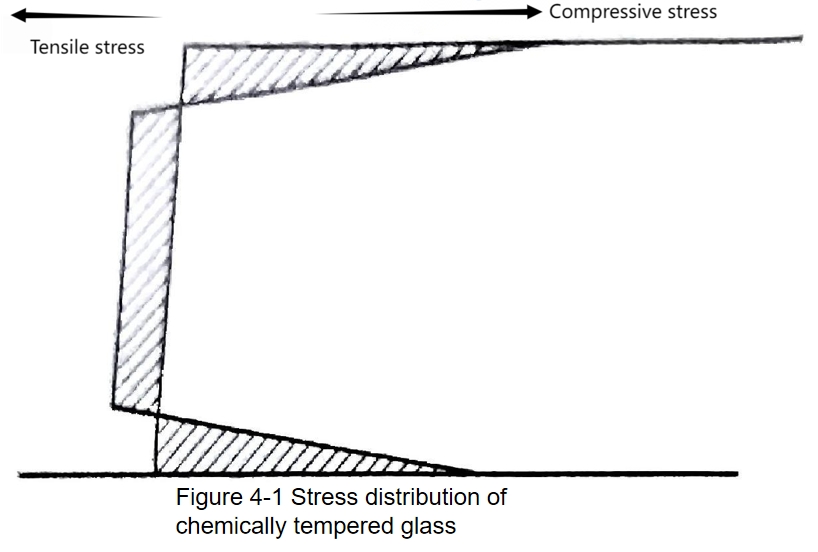
Chemical tempering principle
When the glass is immersed in a molten salt solution, ion exchange occurs between the glass and the salt solution. Some alkali metal ions near the surface of the glass diffuse into the molten salt, and their vacancies are occupied by alkali metal ions of the molten salt. As a result, the chemical composition of the surface layer of the glass is changed, and its thermal expansion coefficient is reduced, thereby forming a surface compressive stress layer of 10~200μm. Because of the existence of this surface compressive stress layer in glass, when external force acts on this surface, this part of the compressive stress must be offset first, thus improving the mechanical strength of the glass; because the thermal expansion coefficient of the glass is reduced, its thermal stability is improved. These are the reasons why chemically tempered glass can improve its mechanical strength and thermal stability.
Our applications of glass processing technology
We are committed to providing our customers with one-stop solutions, from prototype development to mass production, by addressing the entire value chain of materials science, engineering design, and precision manufacturing. Our goal is to transform the ultimate performance of glass materials into a core competitive advantage for your products.

Precision Medical Prototypes & Labware Manufacturing

Explosion-Proof Lighting Glass for Hazardous
Custom heat-resistant glass for outdoor lighting. From precise prototypes to full-scale production, we can assist you every step of the way.
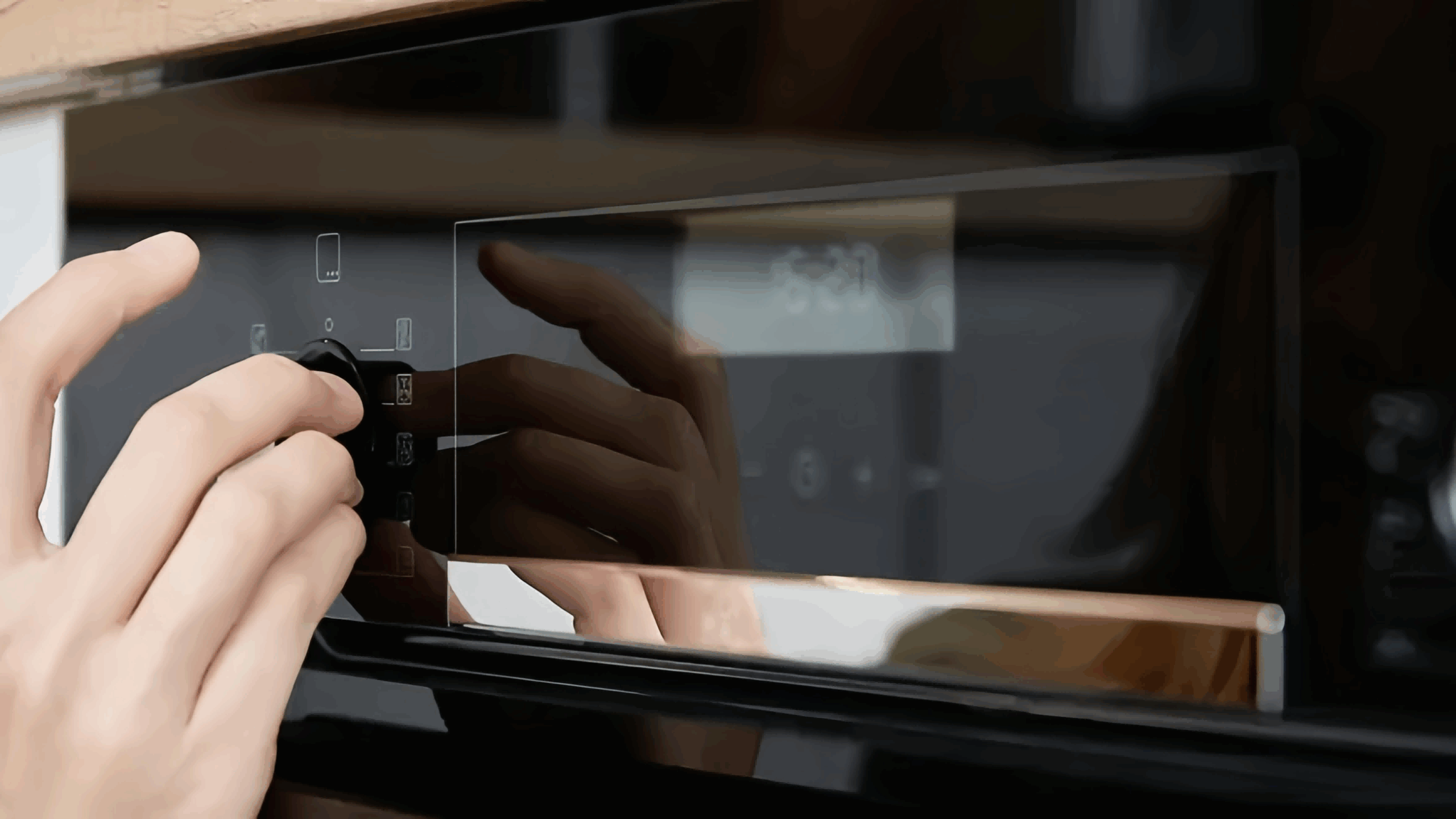
Electronices&Home appliance instruments products Prototyping
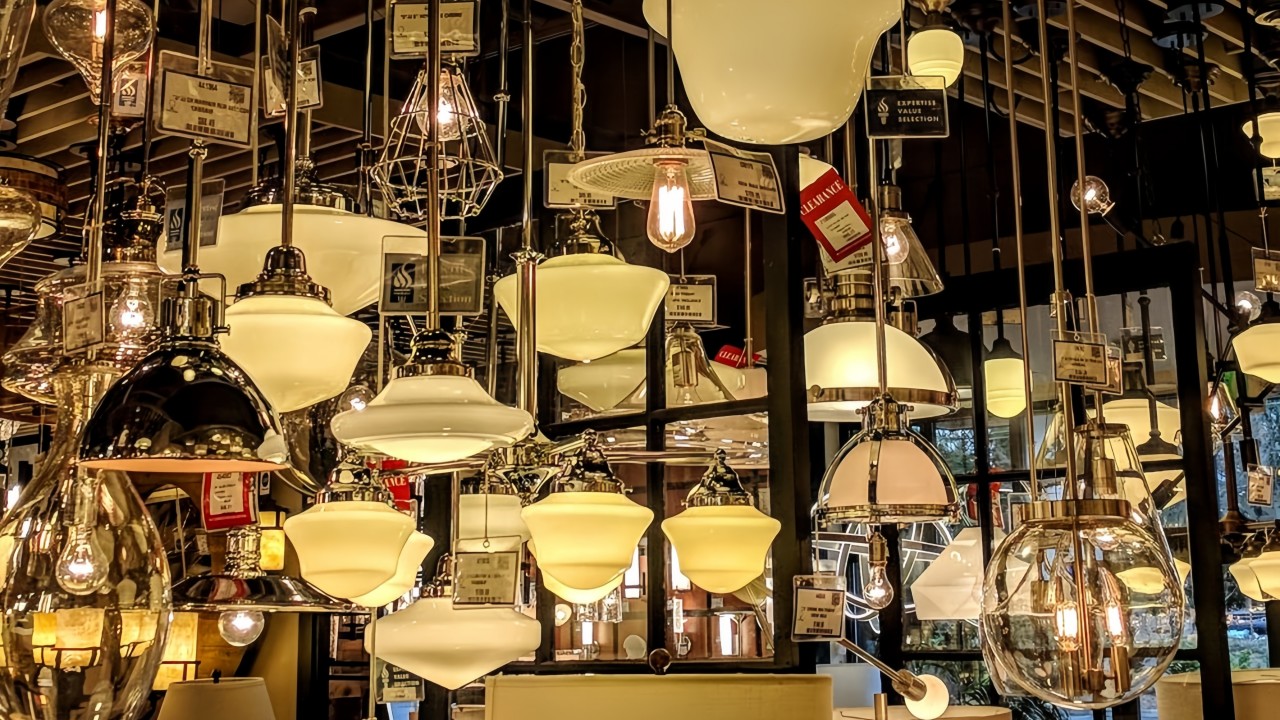
Glass Lampshade Manufacturing
Trustworthy expert in glass manufacturing solutions


AtBO-GLASS, our quality control begins with comprehensive design review and DFM analysis to optimize manufacturability. Throughout production, we implement rigorous process controls with material certification and in-process verification.
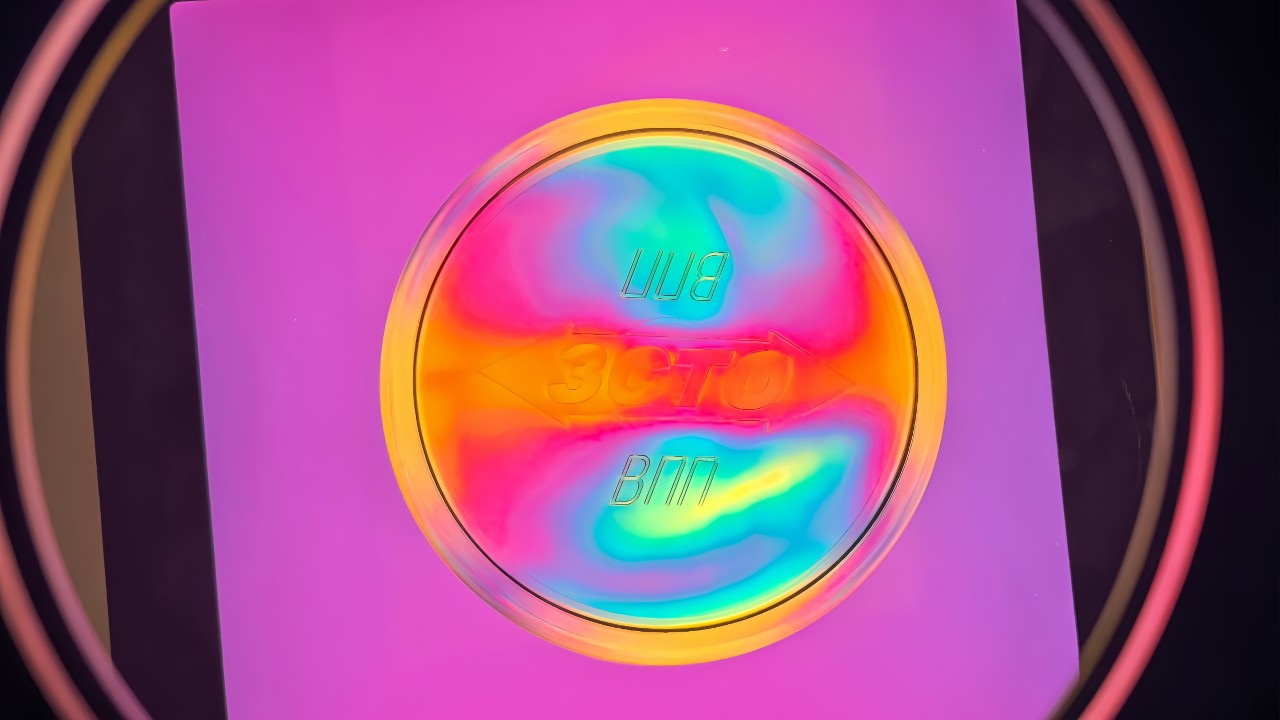
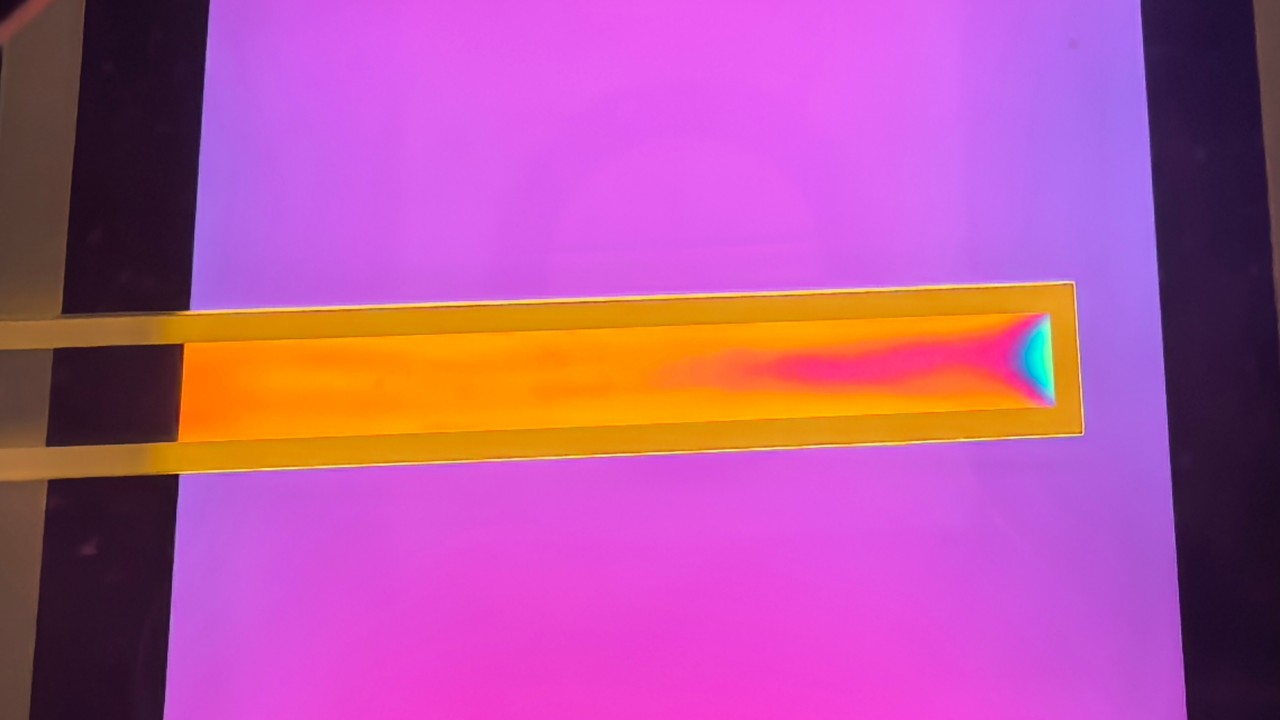
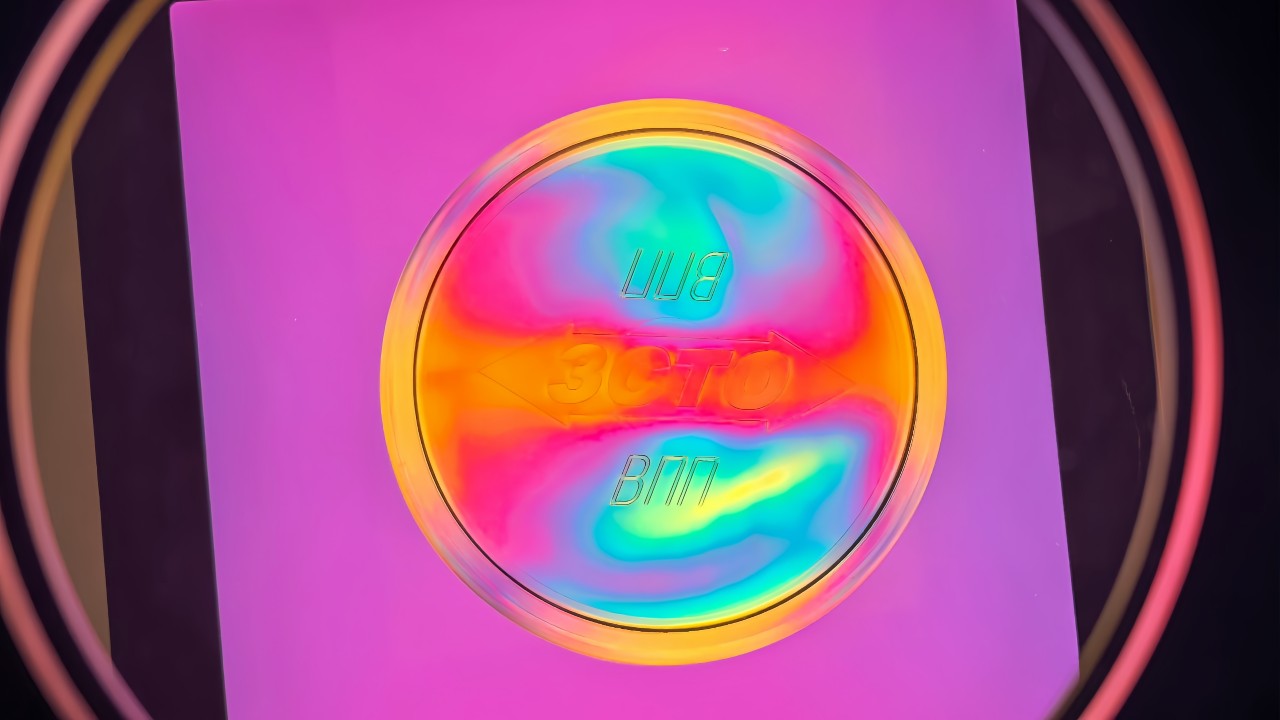
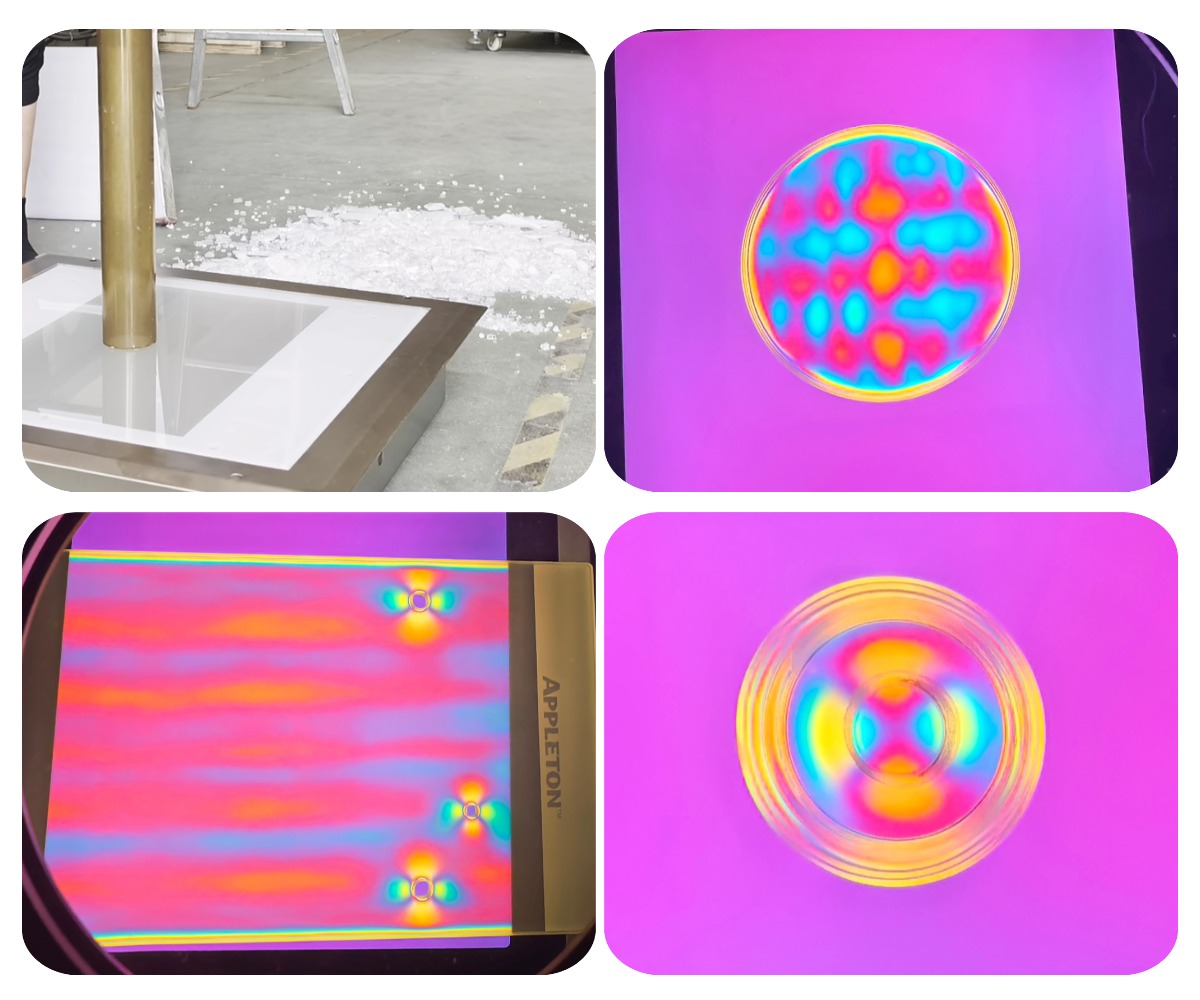
We utilize advanced metrology equipment including CMM, spectrophotometers, polariscopes, and surface roughness testers to validate dimensional accuracy, optical properties, stress distribution, and surface quality.
Our quality assurance includes first-article inspection, dimensional verification, and functional testing. Each component undergoes final inspection by certified technicians. Certified to ISO 9001:2015, we guarantee all components meet the highest standards for precision and reliability in every delivery.
BO-GLASS Product Release Standard
Surface Quality: Smooth and uniform, free from pits or cracks. Minimal mold contact marks are acceptable.
Dimensional Integrity: Consistent contour and thickness with tight tolerances.
Material Clarity: High-quality optical materials ensure excellent clarity and uniformity.
Cleanliness: All parts are thoroughly cleaned, free from residues or visible handling marks.
Related knowledge
We have an extensive range of online resources developed to help worker improve their capabilities.
Methods to improve chemical tempering efficiency
The two-stage treatment method, that is, to treat twice in K+ molten salt solutions of different components, can greatly reduce the treatment time to obtain the same strengthening effect. The method is to firstly immerse the glass in a mixed salt composed of Na₂SO453.81% and K₂O46.19% at a temperature of 600℃, treat it for 25 minutes, and then put it in pure KNO₃ molten salt at a temperature of 450℃ for 10.5 hours. After treatment, the flexural strength of the glass increases to 313.6MPa, while the treatment time is greatly reduced, and the total treatment time is only 11 hours.
The process of the electrochemical method is roughly as follows: an anode is installed at one end of the molten salt tank and a cathode is installed at the other end. Soda-lime-silicon system glass is infiltrated into the KNO₃ molten salt. After the glass is infiltrated, a partition is formed in the electric field, dividing the molten salt into two parts, the anode and the cathode. The electric field is perpendicular to the glass surface, which accelerates the diffusion of K+ on the anode side of the molten salt to the glass surface. At the same time, it also promotes the migration of the same amount of Na+ out of the glass on the cathode side of the same electric field.
The disadvantage of the electrochemical method is that only one surface of the glass can be processed at a time. To complete the tempering of the entire piece of glass, the anode and cathode must be changed alternately to process the surface of the glass so that ions can be exchanged alternately on both sides of the glass.
Chemically tempered glass quality requirements and testing
Thickness deviation requirements and measurement methods
(2) Testing method Use an outside micrometer with an accuracy of 0.01 mm or an instrument with the same accuracy to measure at the midpoint of the four sides within 15 mm from the edge of the glass plate. The arithmetic mean of the measurement results is the thickness value, and it is rounded to one decimal place.
Table 4-7: Thickness and Permissible Deviation (Unit: mm)
| Thickness (mm) | Permissible Deviation |
|---|---|
| 2, 3, 4, 5, 6 | -0.2 |
| 8, 10 | ±0.3 |
| 12 | ±0.4 |
Dimensional deviation requirements and measurement methods
(2) Testing method: Measure with a steel tape measure with a minimum scale of 1 mm.
Table 4-8: Dimensional Permissible Deviation (Unit: mm)
| Glass Thickness (mm) | L ≤ 1000 | 1000 < L ≤ 2000 | 2000 < L ≤ 3000 | L > 3000 |
|---|---|---|---|---|
| < 8 | +1 / -2 | ±3.0 | ±3.0 | ±4.0 |
| ≥ 8 | +2 / -3 |
Diagonal deviation requirements and measurement methods
(2) Testing method: Measure with a steel tape measure with a minimum scale of 1 mm.
Table 4-9: Permissible Diagonal Deviation for Rectangular Chemically Tempered Glass (Unit: mm)
| Glass Thickness (mm) | Edge Length ≤ 2000 | 2000 < Edge Length ≤ 3000 | Edge Length > 3000 |
|---|---|---|---|
| 3, 4, 5, 6 | ±3.0 | ±4.0 | ±5.0 |
| 8, 10, 12 | ±4.0 | ±5.0 | ±6.0 |
Appearance quality requirements and testing methods
Table 4-10: Appearance Quality Requirements
| Defect Name | Description | Permissible Number of Defects |
|---|---|---|
| Edge Chipping | Each meter of edge length per glass piece may have chips no longer than 10 mm, with a depth extending from the edge toward the surface no greater than 2 mm, and extending into the thickness no greater than 1/3 of the glass thickness. | 1 occurrence |
| Scratches | Minor scratches less than 0.1 mm in width, permissible number per square meter when length ≤ 60 mm. | 4 scratches |
| Cracks and Missing Corners | Not allowed. | 0 |
| Stains and Smudges | Chemically tempered glass should not have visible stains or smudges. | 0 |
Round hole processing requirements and testing
(1) Aperture The aperture shall generally not be less than the nominal thickness of the glass, and the allowable deviation of the aperture shall comply with the provisions of Table 4-11. The allowable deviation of the aperture of holes less than the nominal thickness of the glass shall be agreed upon by the supplier and the buyer.
(2) For the position of the hole, refer to “the position of hole ②” in 3.5.3(2) of this book.
(3) The detection method is to measure with a vernier caliper with a minimum scale of 0.1 mm.
Table 4-11: Hole Diameter and Permissible Deviation (Unit: mm)
| Nominal Hole Diameter (D) | Permissible Deviation |
|---|---|
| D < 4 | To be agreed upon by both supplier and customer |
| 4 ≤ D ≤ 50 | ±1.0 |
| 50 < D ≤ 100 | ±2.0 |
| D > 100 | To be agreed upon by both supplier and customer |
Thermal shock resistance requirements and testing
(2) Testing method: Place a 300mm×300mm tempered glass sample in an oven at (120±2)℃ and keep it warm for more than 4 hours. After taking it out, immediately immerse the sample vertically in a 0℃ ice-water mixture, ensuring that 1/3 to 2/3 of the sample height is immersed in water. After 5 minutes, observe whether the glass is damaged.
Take 3 samples for testing. When all 3 samples meet the requirements, the performance is considered qualified. When two or more samples do not meet the requirements, it is considered unqualified. When one sample does not meet the requirements, add 3 more samples. If all meet the requirements, it is qualified.
Our other manufacturing capabilities
We can provide you with a variety of glass processing techniques.
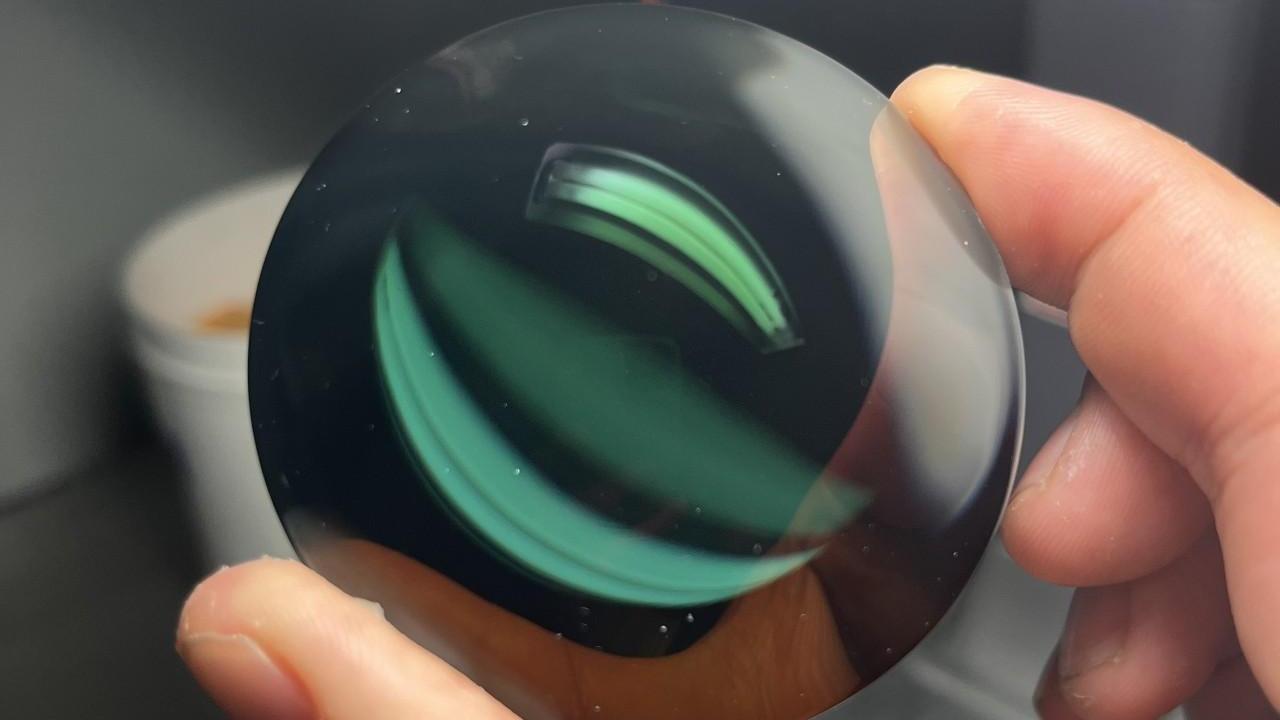
Glass Coatings for Enhanced Performance
Precision coatings upgrade glass for light, heat & durability control.

Ultrasonic Cleaning Service
Ultrasonic cavitation technology is used to thoroughly clean glass and precisely remove contaminants.
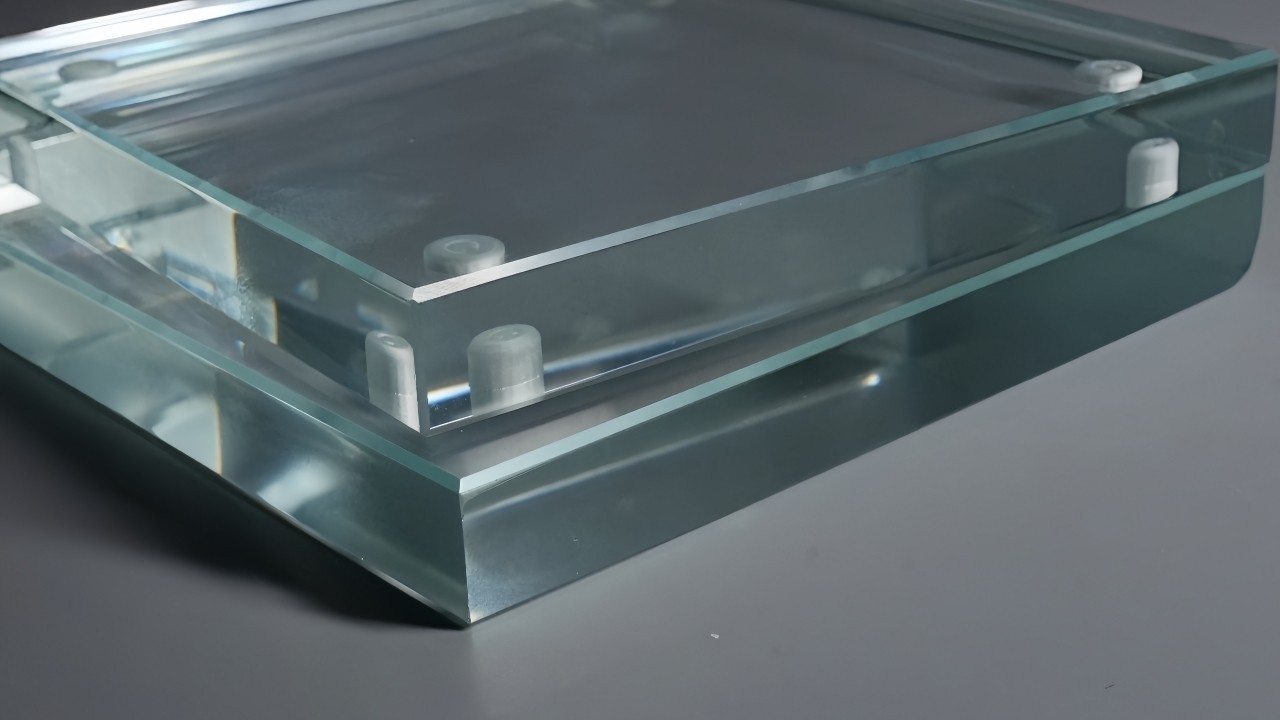
Glass Edge Grinding & Polishing Services
Precision glass edge grinding and polishing for safety, aesthetics, and flawless results in any application.
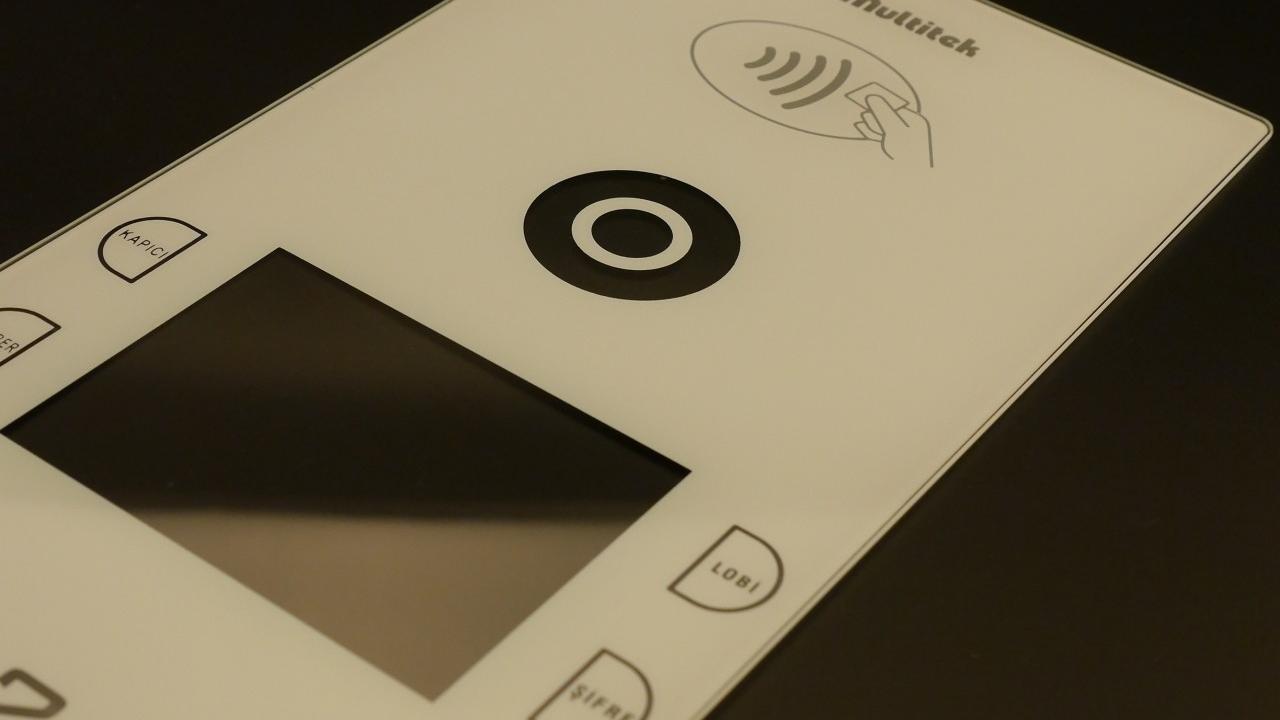
Silk Screened Glass service
Contact Us
Your feedback fuels our growth, and your questions drive our solutions.
We value your feedback, inquiries, and suggestions. Please feel free to get in touch with us
General inquiries
Please contact us via sales@bo-glass.com, and we will reply to you as soon as possible.
Interested to work with us
Drop your resume at info@bo-glass.com
and we will get back to you shortly.
We uses the contact information you provide to us to contact you about our relevent content, products, and services.