
Molten Glass Blowing Services
What is Molten Glass Blowing ?
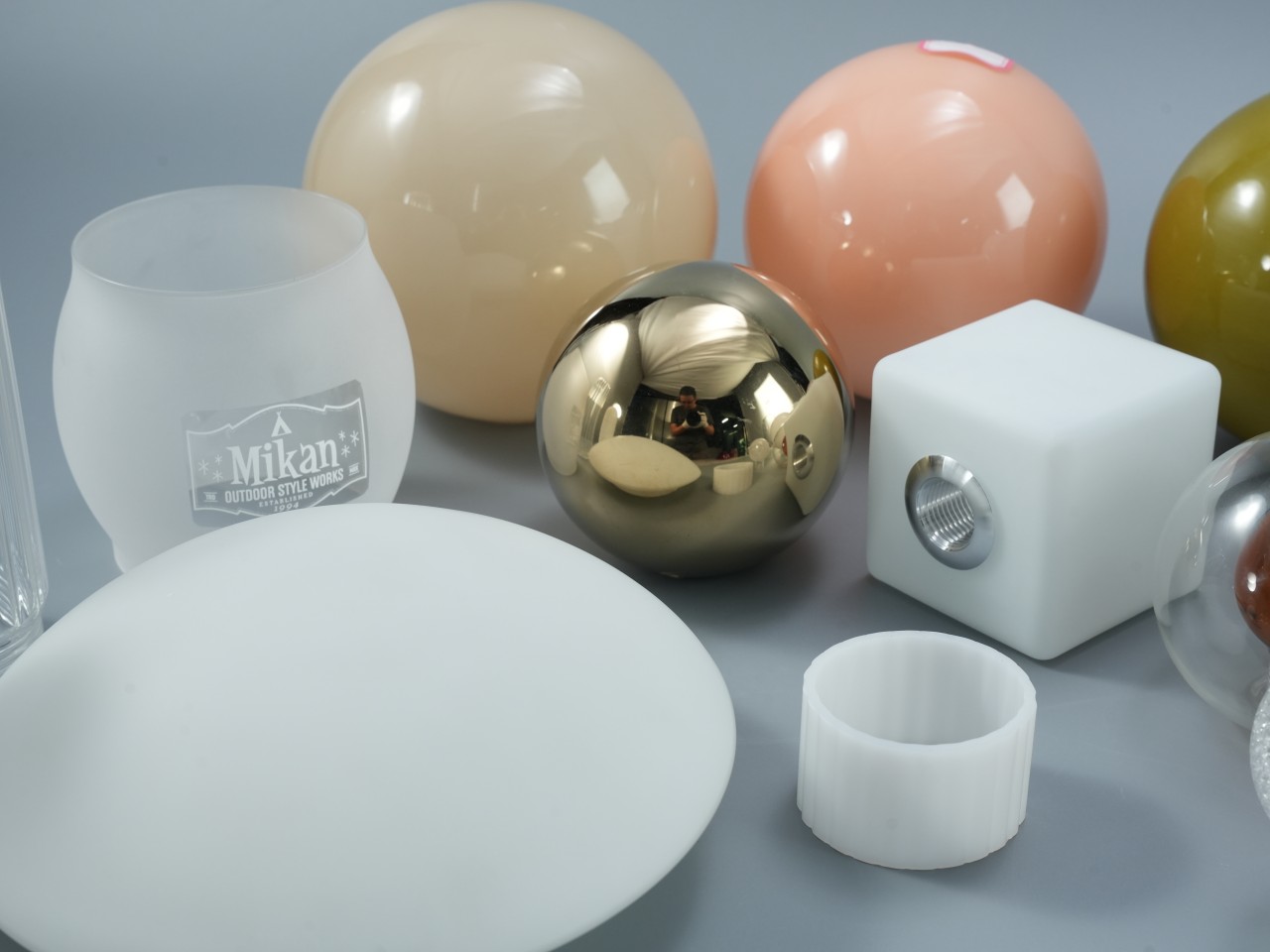
Advantages of molten glassblowing vs Drawbacks of molten glassblowing.
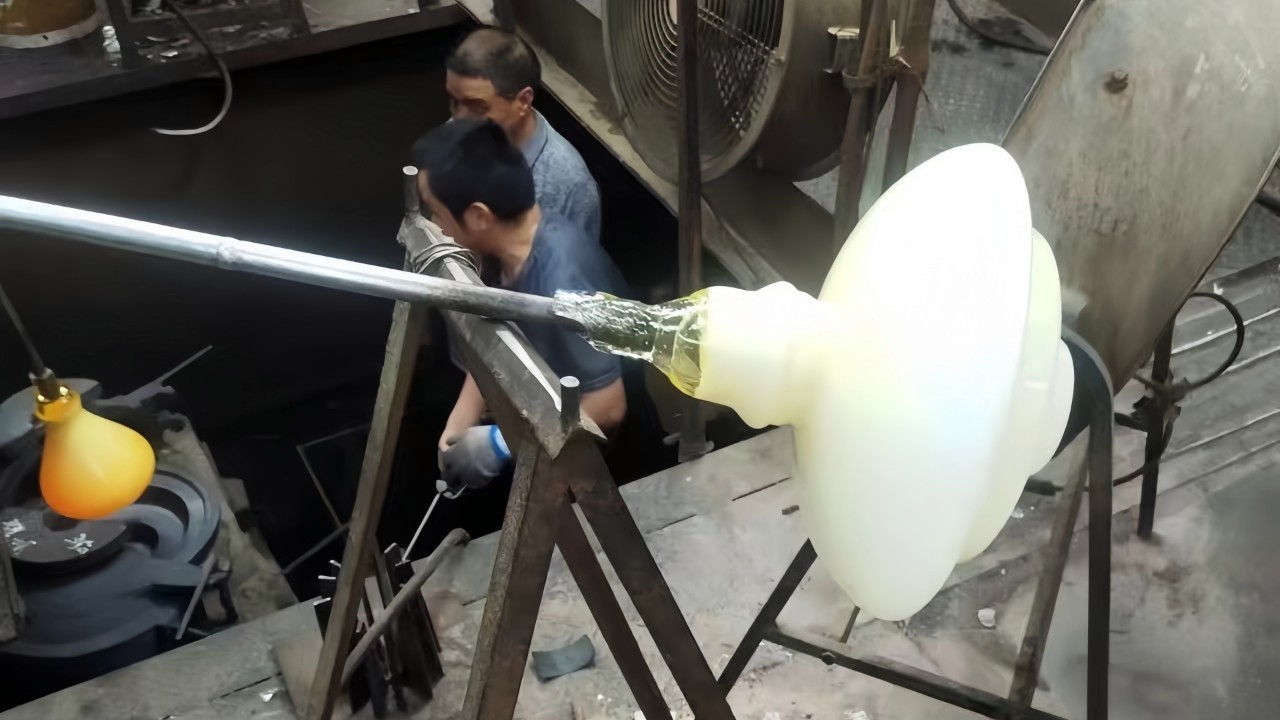
Key Advantages of Manual Molten Glassblowing Services
- High Customization & Artistic Value: Excels in producing unique, artistic components tailored to specific design needs, ideal for small-batch production.
- Complex Geometry with Mold Assistance: Capable of creating intricate and complex geometric shapes through bespoke mold design.
- Precision for Assembly: Achieves critical assembly dimensions with tolerances as tight as ±0.5mm, ensuring reliable part integration.
- Diverse Material: Supports various materials like clear soda-lime, durable colored, opal-lined, and pure opal glass for different aesthetic and functional lighting effects.
- Balanced Efficiency for Batches: Offers an efficient and stable process for small to mid-volume production runs, bridging the gap between art and commerce.
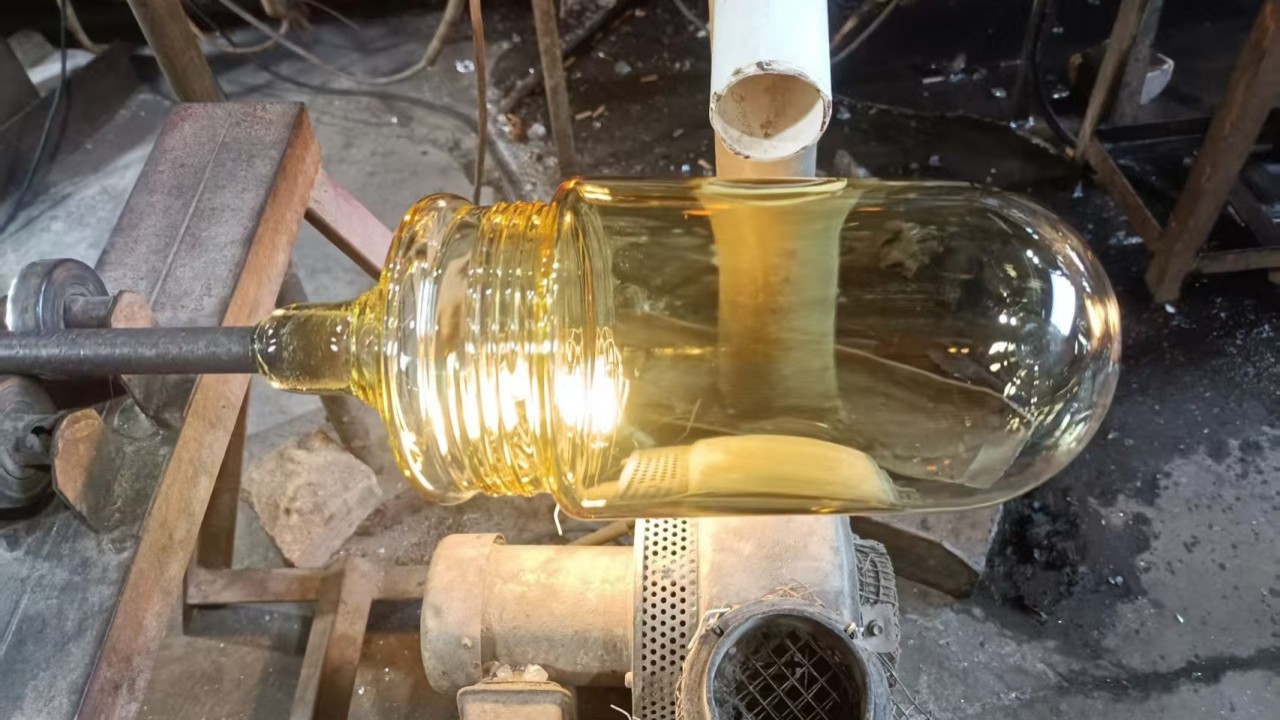
Key Disadvantages Limitations of Manual Molten Glassblowing
- Limited Mass Production Scalability: The reliance on skilled artisans makes it inherently less scalable than fully automated processes, resulting in lower overall output volumes.
- Higher Cost Structure: The labor-intensive nature and time-consuming craftsmanship lead to a higher per-unit cost compared to machine-made glass.
- Geometric Tolerances & Consistency: While capable of achieving ±0.5mm on key dimensions, it cannot match the extreme dimensional uniformity and repeatability of automated precision molding.
- Inherent Process Variations: As a handcrafted process, minor variations in texture, thickness, and shape are unavoidable, which may not be suitable for applications requiring absolute uniformity.
Molten Glass Blowing
We offer glass raw materials in a variety of formulations, each selected based on its performance characteristics and suitability for different applications.
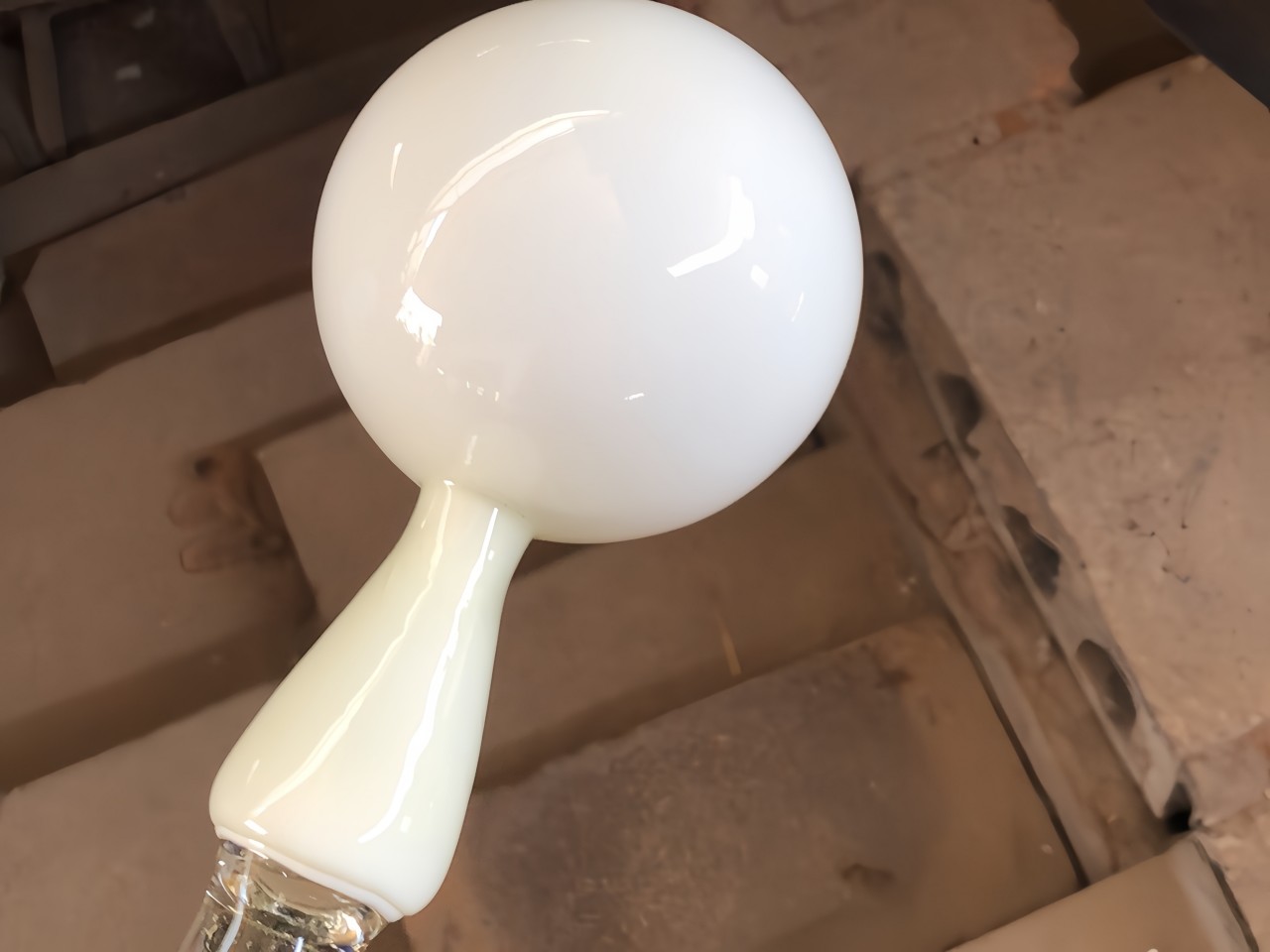
Opal Glass
Density (g/cm³): ~2.5
CTE (10⁻⁶/K): 8.5 - 9.0
Mechanical Properties:Medium hardness, good durability
Optical Properties (nd / Vd):High light diffusion, soft white glow
Chemical Resistance: Good
Applications: Decorative lighting, lampshades, architectural fixtures
Key Advantages: Excellent soft light diffusion, elegant aesthetic, widely used for indoor and outdoor lighting
Get a product quote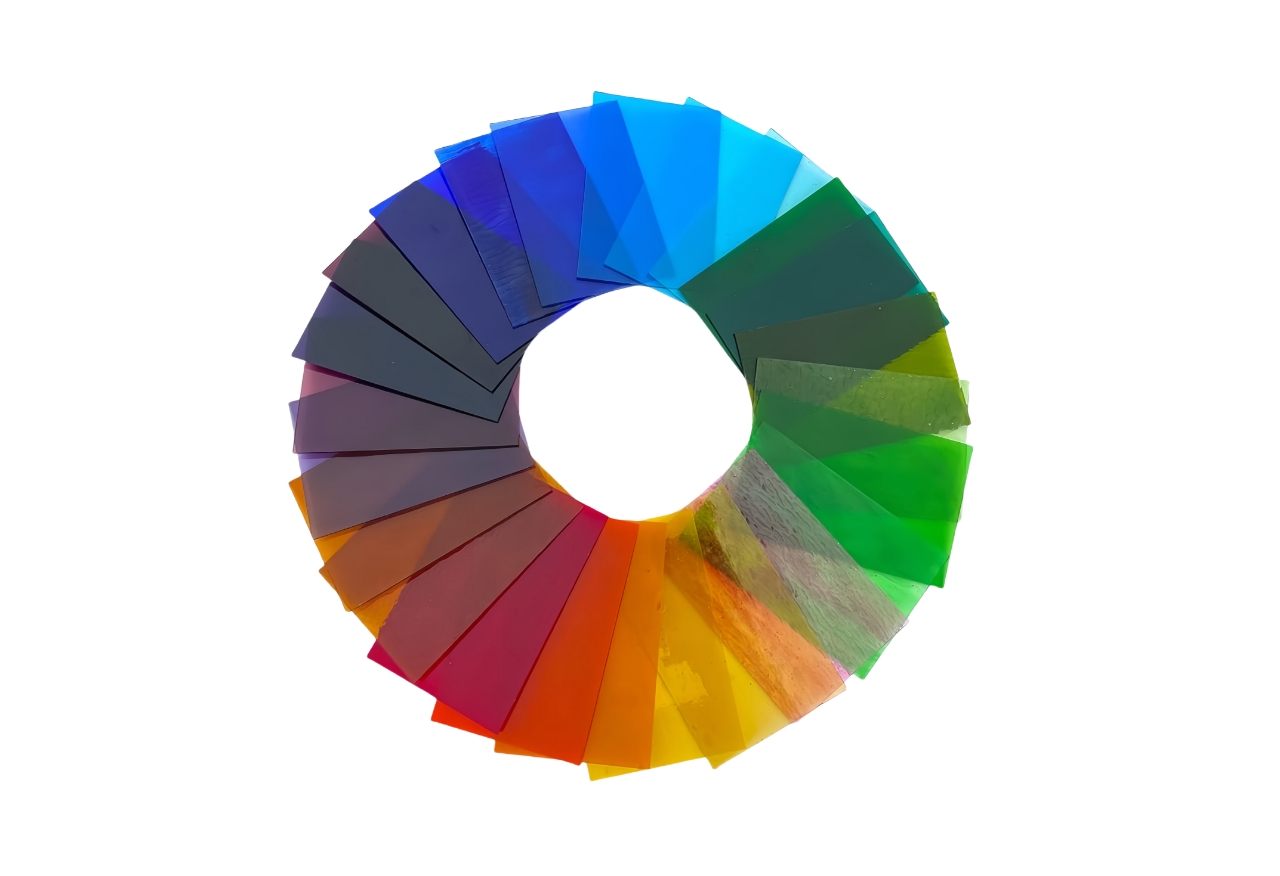
Colored Glass
Density (g/cm³): ~2.5
CTE (10⁻⁶/K): 8.5 - 9.0
Mechanical Properties:Medium hardness, good durability
Optical Properties (nd / Vd):Varies by color, opaque to translucent
Chemical Resistance:Excellent (color is mineral-based and permanent)
Applications:Artistic lampshades, decorative lighting, stained glass
Key Advantages:Rich, permanent colors for artistic and decorative effects, ideal for indoor decorative lighting
Get a product quote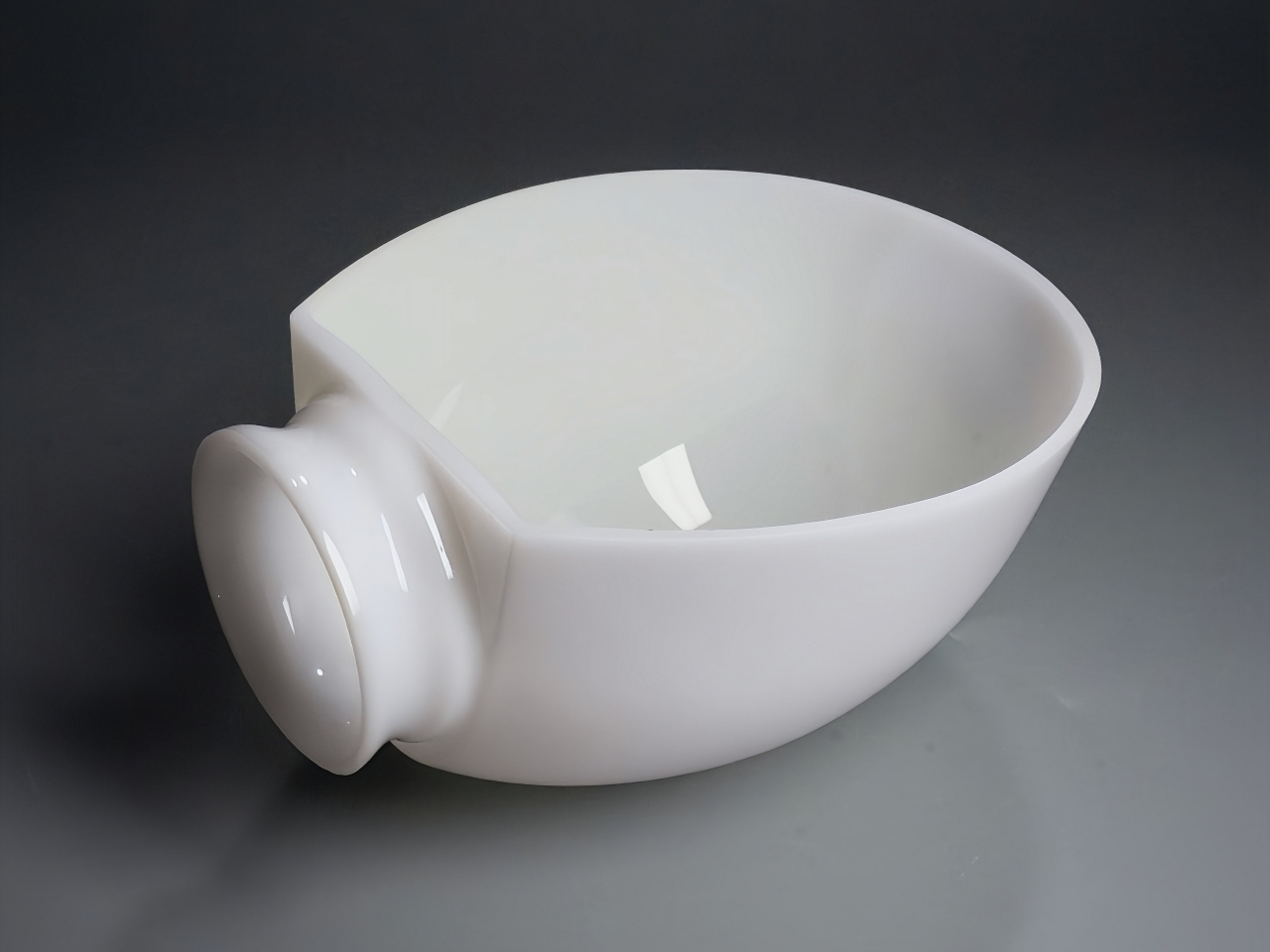
Pure Opal Glass
Density (g/cm³): ~2.5
CTE (10⁻⁶/K): 8.5 - 9.0
Mechanical Properties:Medium hardness, good durability
Optical Properties (nd / Vd):High light diffusion, lower translucency
Chemical Resistance:Good
Applications:High light diffusion, lower translucency
Key Advantages:Premium matte aesthetic, uniform soft glow, valued for its luxurious appearance
Get a product quote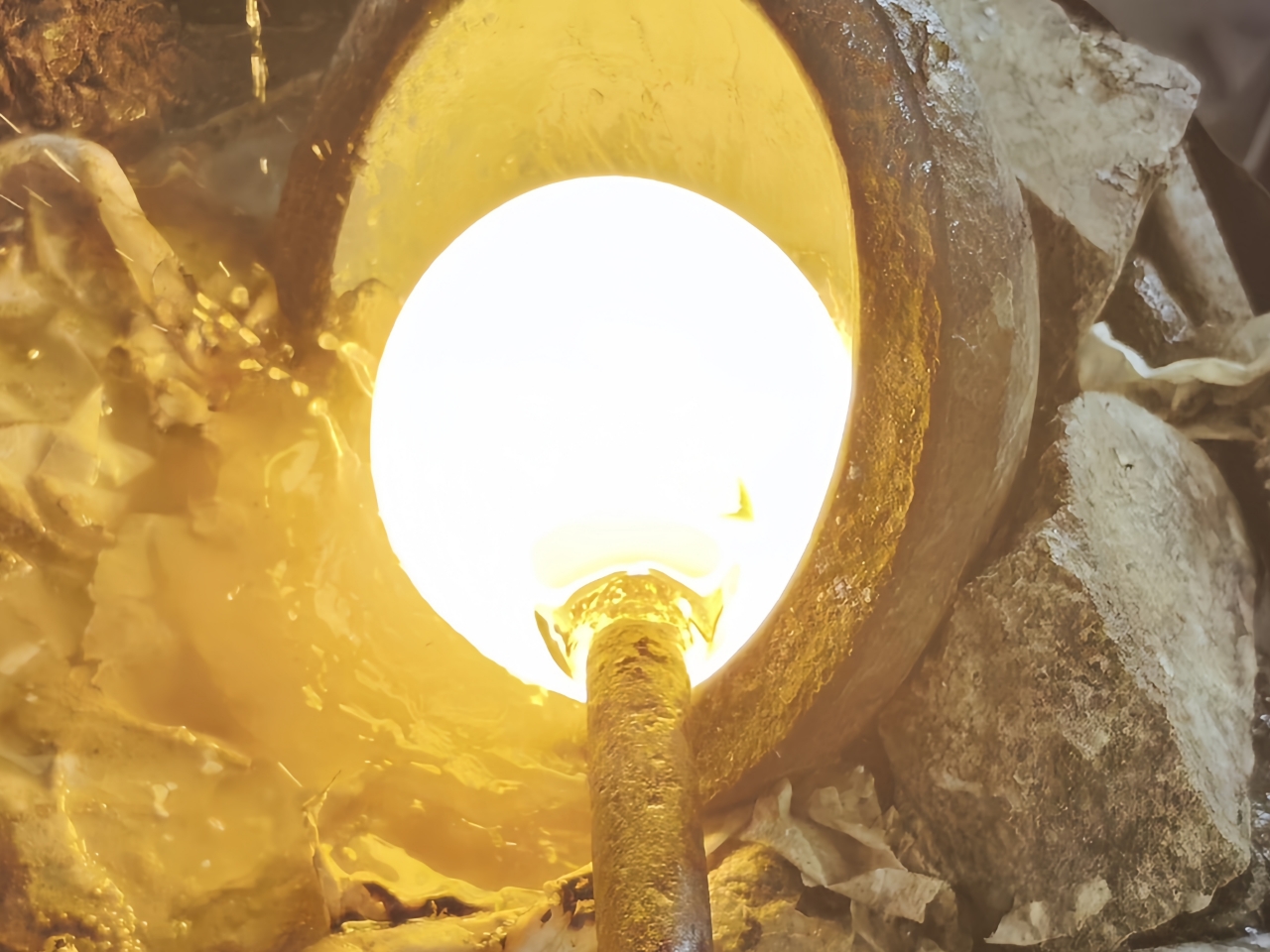
Borosilicate Glass
Density (g/cm³): ~2.23
CTE (10⁻⁶/K): 3.3
Mechanical Properties:High hardness, good strength
Optical Properties (nd / Vd):High clarity, excellent transmittance
Chemical Resistance:Excellent
Applications:High-performance lighting, laboratory ware, sight glasses
Key Advantages:Exceptional thermal shock resistance & chemical stability
Get a product quote
Soda-Lime Glass
Density (g/cm³): ~2.5
CTE (10⁻⁶/K): 8.5 - 9.0
Mechanical Properties:Medium hardness and strength
Optical Properties (nd / Vd):High clarity (~1.52 nd), excellent transmittance
Chemical Resistance:Good
Applications: Lampshades, household containers, decorative items
Key Advantages:Cost-effective, good workability, high optical clarity
Get a product quoteTrustworthy expert in glass manufacturing solutions


At BO-GLASS, our quality control begins with comprehensive design review and DFM analysis to optimize manufacturability. Throughout production, we implement rigorous process controls with material certification and in-process verification.
We utilize advanced metrology equipment including CMM, spectrophotometers, polariscopes, and surface roughness testers to validate dimensional accuracy, optical properties, stress distribution, and surface quality.
Our quality assurance includes first-article inspection, dimensional verification, and functional testing. Each component undergoes final inspection by certified technicians. Certified to ISO 9001:2015, we guarantee all components meet the highest standards for precision and reliability in every delivery.
Our Standards for Molten Glass Blowing
Surface Finish: Smooth, uniform; no major bubbles/cracks. Minimal mold marks acceptable.
Dimensional Accuracy: Critical dimensions conform to drawings.
Material Purity: High-quality raw materials for clarity and homogeneity.
Cleanliness: Thoroughly cleaned; free of residues and handling marks.
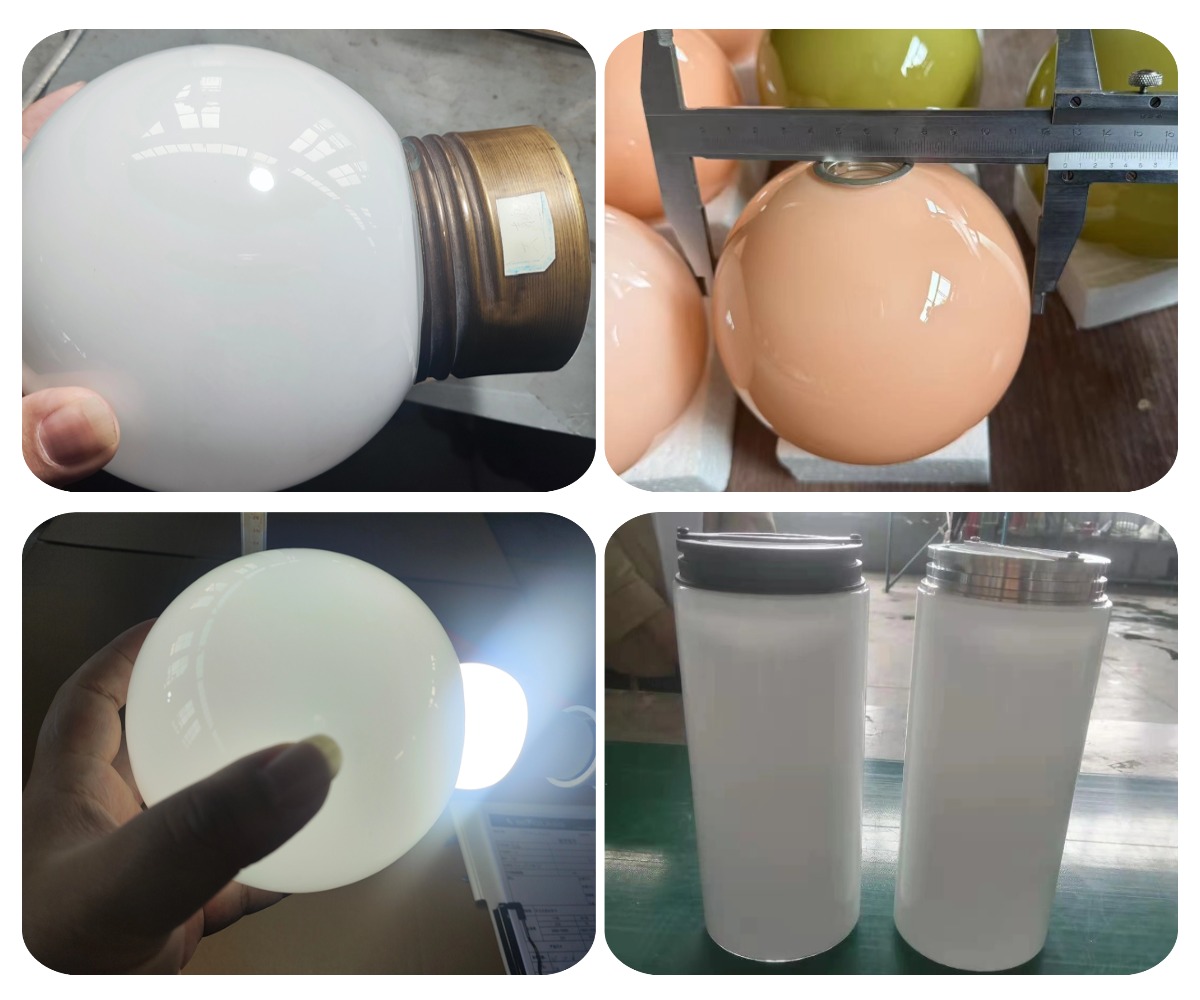
Our applications of glass processing technology
We are committed to providing our customers with one-stop solutions, from prototype development to mass production, by addressing the entire value chain of materials science, engineering design, and precision manufacturing. Our goal is to transform the ultimate performance of glass materials into a core competitive advantage for your products.

Aerospace Glass
Accelerate your aerospace projects with custom glass components, from precision prototypes to volume production.

Precision Glass for Industrial Instruments

Artisan Glass Gifts & Custom-Made Decor
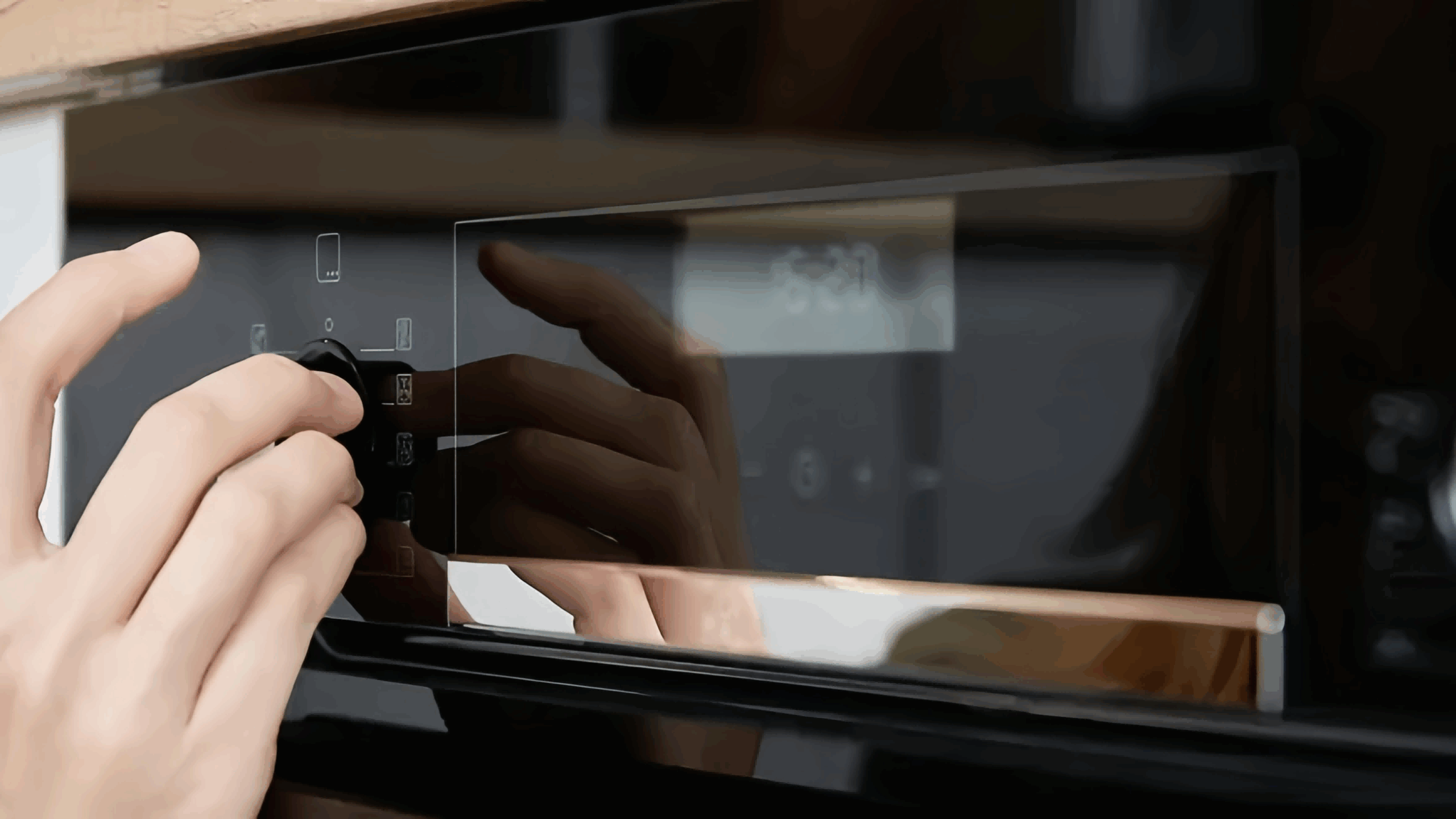
Electronices&Home appliance instruments products Prototyping
Quality manufacturing for electronics & appliances, from prototypes to production. On-demand to accelerate launch & reduce risks.
Design for Manufacturing: Guide for Blown Glass Lighting Components
Based on our extensive production experience, here are key design considerations to ensure optimal results for your blown glass projects.
- Understand that manual blowing has inherent variability. Overall dimensions, especially on pieces over 350mm, can have tolerances of ±3mm or more.
- Critical assembly interfaces can be controlled to within ±0.5mm. It is essential to design mating components with sufficient clearance to accommodate these variations.
2. Wall Thickness & Geometry
- Uniform wall thickness is not feasible. The glass naturally becomes thicker at the neck and thinner at the base and sides. This effect is more pronounced in larger pieces.
- Large, heavy-walled designs require significantly more air pressure to form, drastically increasing complexity, production difficulty, and cost.
3. Form & Scale Limitations
- Avoid very small opening diameters, as they impede the blowing and forming process.
- Rectangular or complex geometric shapes are possible but challenging. For dimensions exceeding 150mm, expect a sharp increase in difficulty and a lower yield rate.
4. Material-Specific Considerations
- Transparent Glass: Small, inherent bubbles are unavoidable. Establish acceptable standards for bubble size and quantity based on the component’s size and viewing distance.
- Opal Glass : The opal quality effectively masks minor internal imperfections. Acid-etching the surface is recommended for a flawless finish and superior, soft light diffusion.
- Opal Glass : The opal quality effectively masks minor internal imperfections. Acid-etching the surface is recommended for a flawless finish and superior, soft light diffusion.
5. Additional Design for Manufacturability (DFM) Tips
- Simplify Shapes: Prioritize organic, symmetrical forms over those with sharp angles or severe undercuts, which are difficult or impossible to achieve.
Our factory and our partner factories
BO-GLASS coordinates our core facility with a dedicated network of local specialists to deliver custom glass components. You benefit from our collective expertise while we manage all communication, quality control, and logistics for a seamless experience.


FAQ’s about Molten Glass Blowin service
What tolerance standards do you guarantee?
Dimensional Tolerance Standards for Bench-Blown Glass Components
1. Overall Profile Dimensions
≤ 100 mm: ±1.5 mm
101 – 250 mm: ±2.0 mm
251 – 450 mm: ±2.5 – 3.0 mm
> 450 mm: ≥ ±4.0 mm
2. Critical Assembly Dimensions
Neck ID/OD (for mounting): ±0.5 – 1.0 mm
Overall Height (for assembly): ±1.0 – 2.0 mm
Specific locating dimensions: ±1.0 mm
3. Form & Position Tolerances
Roundness: Up to 1.5x the diameter tolerance.
Straightness/Flatness: Not typically specified; based on visual sample approval.
Concentricity: No visually noticeable deviation (especially for cased glass like opal).
What are the minimum and maximum dimensions you can machine?
BO-GLASS – Production Size Capabilities
Standard Manufacturing Range
Spherical Components
Maximum Diameter: 600 mm
Minimum Diameter: 60 mm
Non-Spherical Components (e.g., cylindrical, conical, artistic forms)
Width/Diameter Range: 60 mm – 500 mm
Height Range: 80 mm – 700 mm
Important Considerations
Range Definition: The above represents our standard range for ensuring consistent quality. Projects with dimensions outside these limits require a feasibility assessment.
Form Complexity: Non-spherical shapes have more restrictive size limits due to challenges in maintaining uniform glass distribution and structural integrity.
Design Consultation: We strongly recommend consulting with our technical team during your design phase to ensure optimal manufacturability for your specific component.
What cosmetic standards do you guarantee?
BO-GLASS guarantees superior appearance by using high-purity materials and a controlled environment. Each piece undergoes multiple inspections after annealing and before packaging, ensuring the removal of any items with visual flaws like major bubbles, cracks, or surface imperfections. This process delivers consistently high-quality glass.
What is the price for your hand-blown glass products?
The cost for our bench-blown glass is determined by material, size, complexity, and precision requirements. With extensive experience producing thousands of unique designs, we have a comprehensive pricing system. Please consult our technical team with your project details for a precise quote.
Cost-Saving Strategies for Blown Glass Parts
Simplify Design: Use spherical/symmetrical shapes; avoid complex geometries and sharp corners.
Control Size & Tolerance: Keep dimensions under 150mm (non-spherical) and 350mm (spherical). Specify tight tolerances (±0.5mm) only for critical interfaces.
Choose Materials Wisely: Standard soda-lime glass is most economical. Opal glass hides imperfections well, improving yield.
Batch Production: Consolidate orders to spread setup and mold costs across multiple units.
Consult Early: Engage our technical team during design phase to identify and resolve cost drivers upfront.
Key Focus: Intelligent design simplification and strategic planning offer the most significant cost reductions.
Introduction to the BO-GLASS Hand-Blown Glass Manufacturing Process
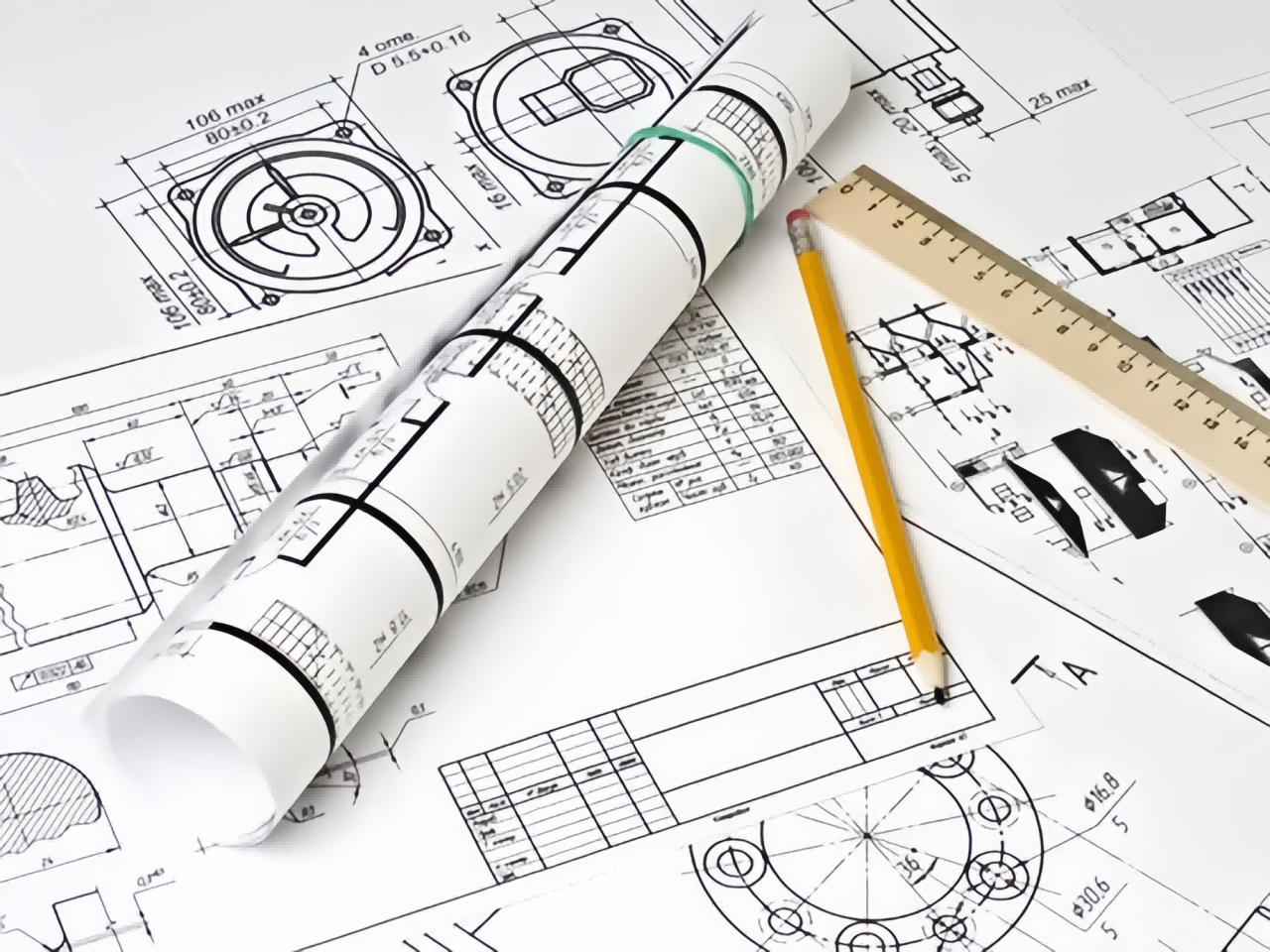
We begin by creating CAD models and quality specifications based on your requirements. Corresponding molds and fixtures are precision-made via CNC machining. Sample units are then produced for your dimensional and quality approval before mass production proceeds. Finally, we provide inspection reports and handle all shipping arrangements.
How to Start with BO-GLASS Part Manufacturing
Submit your CAD files and technical drawings via email or WhatsApp. Our facility and local partner network support projects from rapid prototyping to full production. You will promptly receive a machining quotation or DFM feedback from our engineers to begin manufacturing.
Our other manufacturing capabilities
We can provide you with a variety of glass processing techniques.
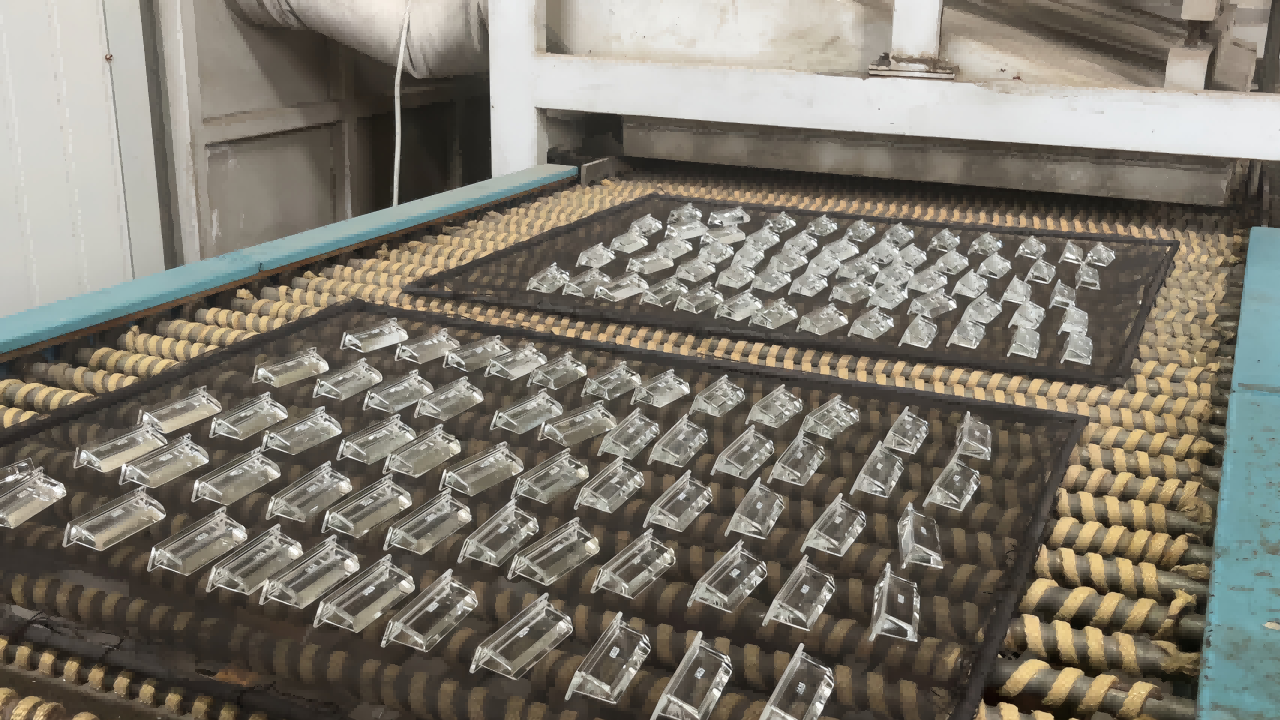
Physical Glass Tempering Services
Physical tempering enhances glass strength and creates safer, break-resistant panels for any application.
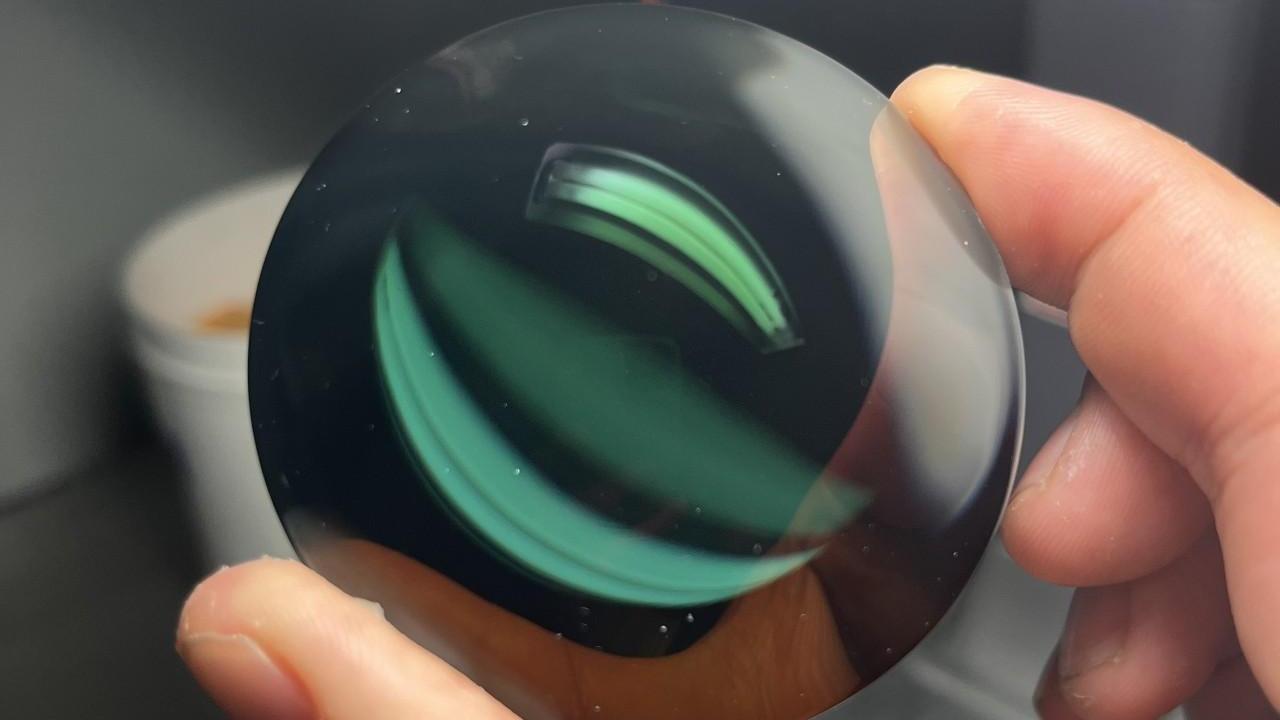
Glass Coatings for Enhanced Performance
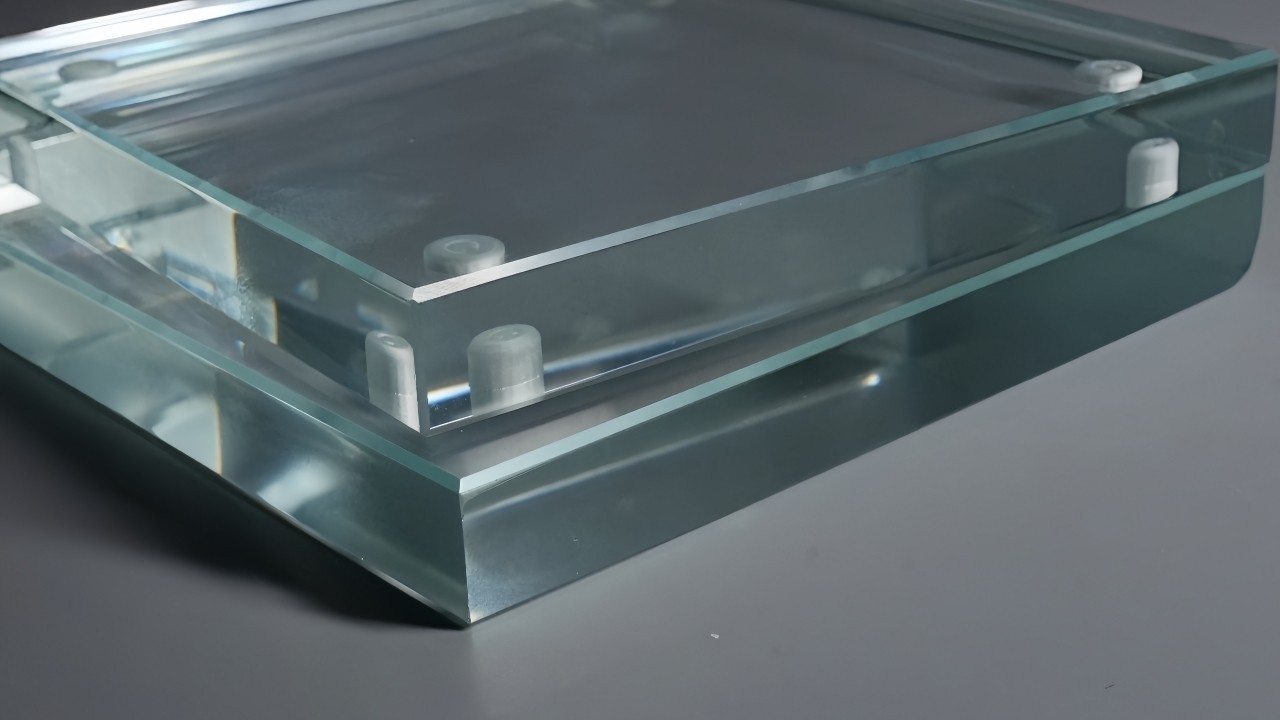
Glass Edge Grinding & Polishing Services
Precision glass edge grinding and polishing for safety, aesthetics, and flawless results in any application.
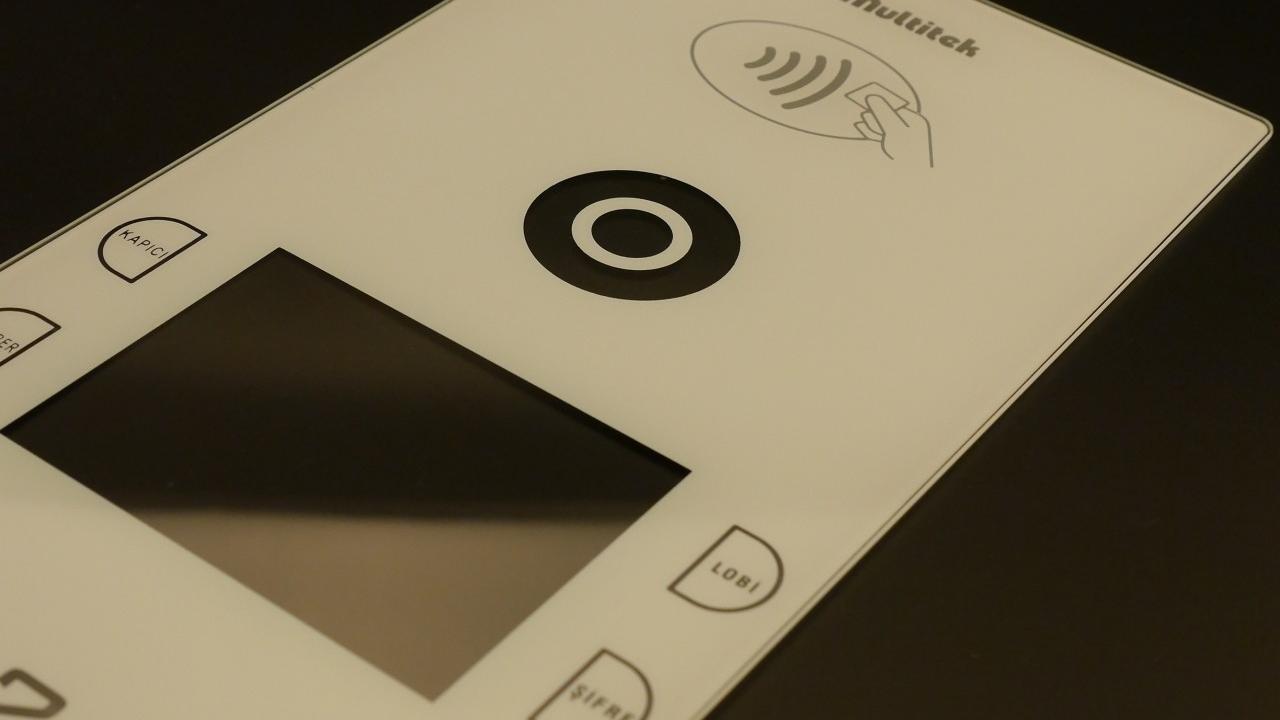
Silk Screened Glass service
Contact Us
Your feedback fuels our growth, and your questions drive our solutions.
We value your feedback, inquiries, and suggestions. Please feel free to get in touch with us
General inquiries
Please contact us via sales@bo-glass.com, and we will reply to you as soon as possible.
Interested to work with us
Drop your resume at info@bo-glass.com
and we will get back to you shortly.
We uses the contact information you provide to us to contact you about our relevent content, products, and services.