
Ultra-Clear Low-Iron Glass Fabrication
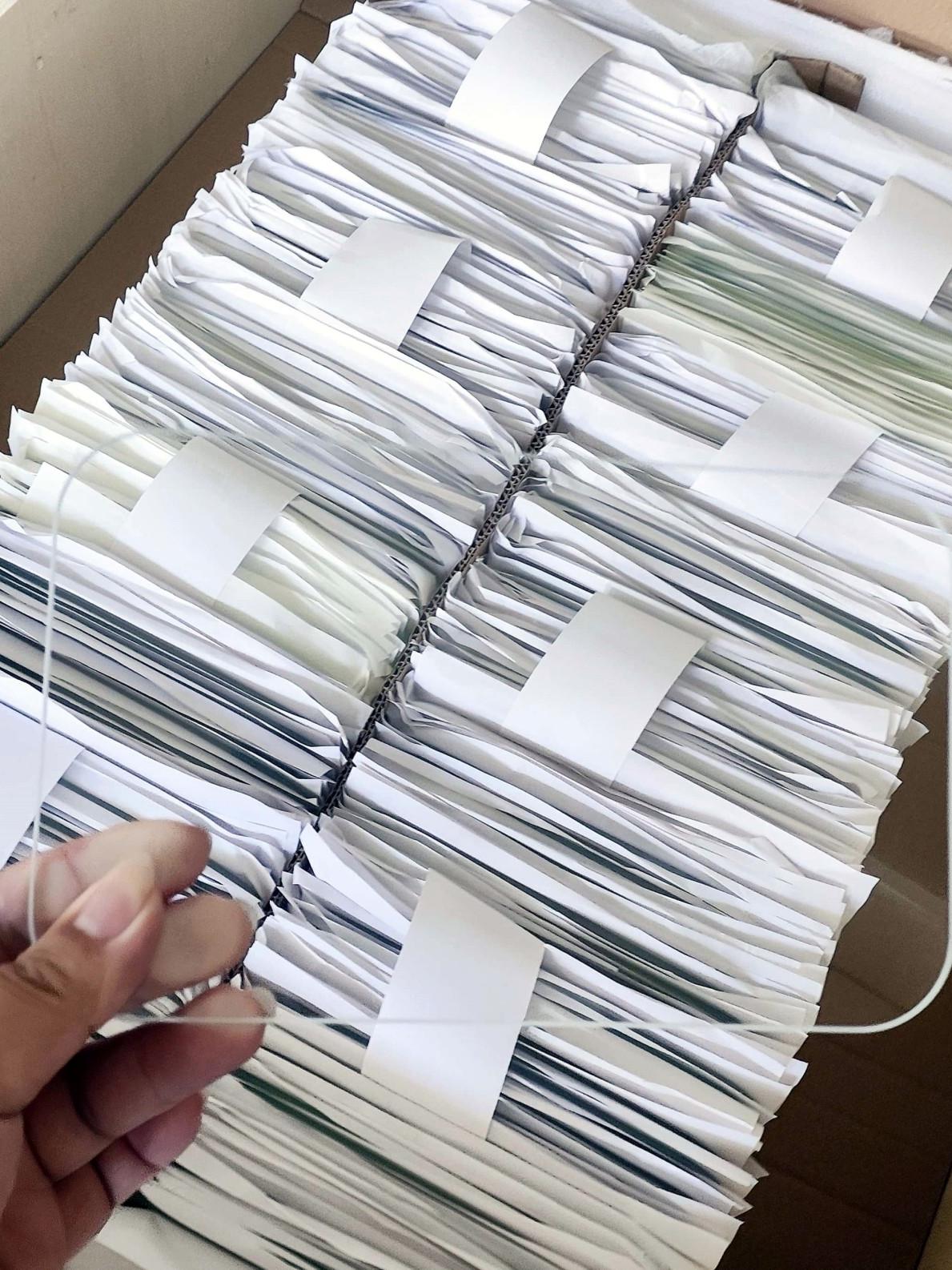
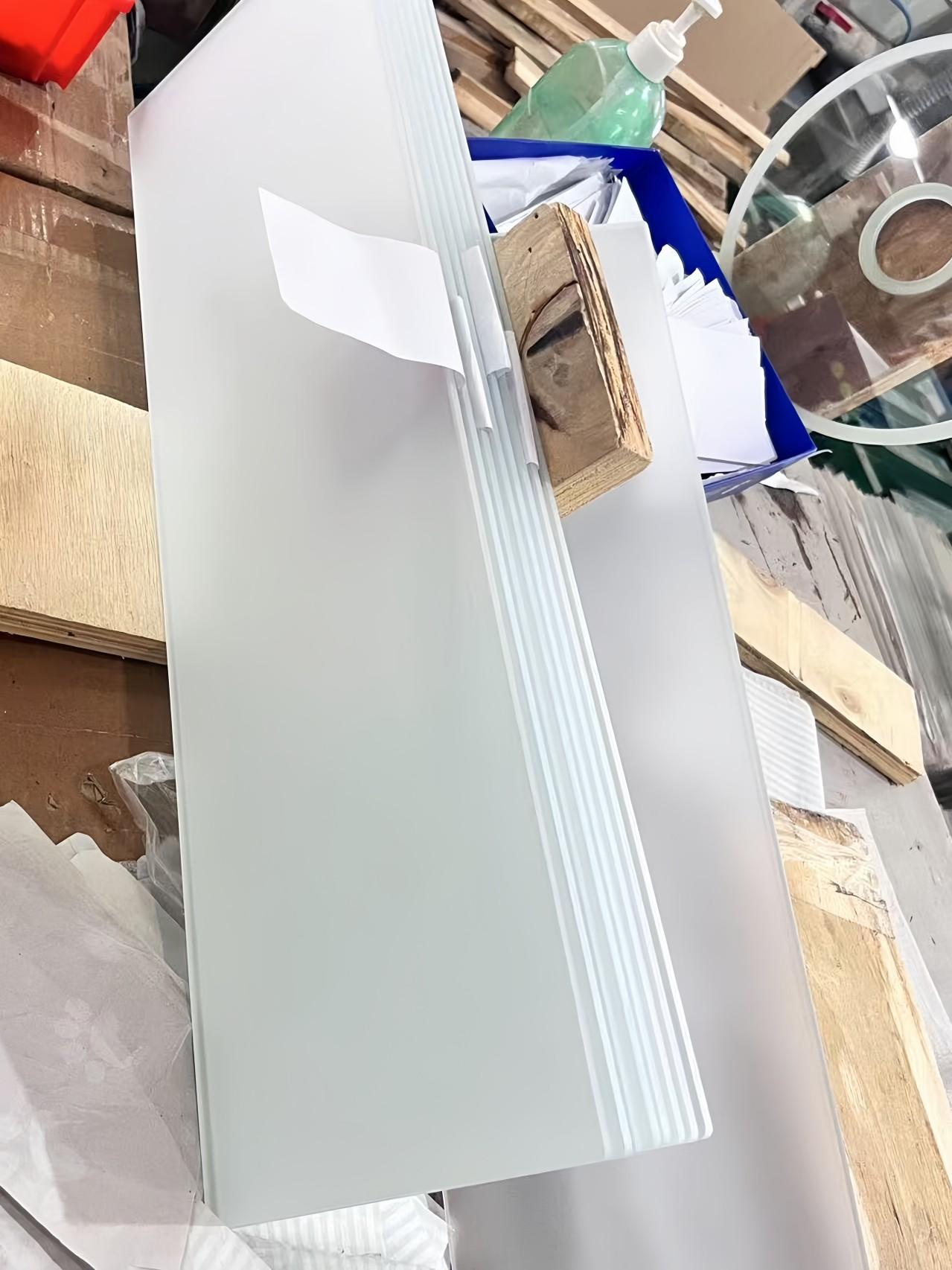

What Is Low Iron Glass
Max. Processing Size: | Sheets over 5m in length, large-format panels |
Min. Part Size: | Precision micro-components down to 10mm. |
Cutting Tolerance: | ±0.1 mm(CNC/Waterjet),±0.05 mm(Laser) |
Drilling/Milling Tolerance: | ±0.1 mmposition &diameter) |
Edge Profile Tolerance: | ±0.1 mm |
Standard Thickness Range: | From 1.5 mm and above. |
Ultra-Thin Processing Capability: | Down to sub-1.0 mm(e.g.,0.3-0.7 mm for specialty applications) |
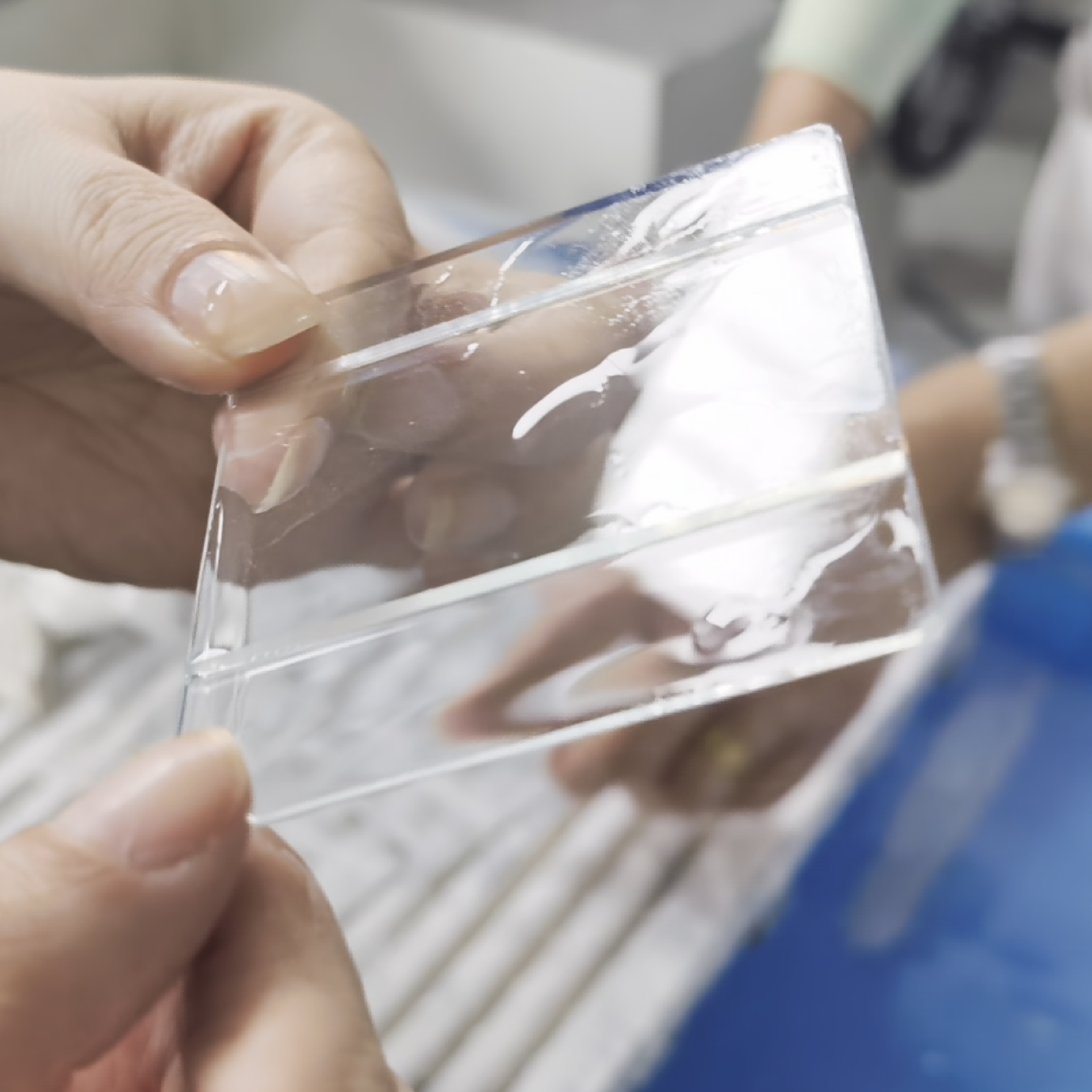
Ultra-Clear Low-Iron Glass for CNC machining
| Parameter / Property | Typical Value / Specification | Key Characteristics & Implications |
| Optical Clarity | > 91% visible light transmittance (often 91%-92%). | The defining feature. Ultra-clear, neutral color with minimal green edge tint, ensuring true color perception and maximum brightness. |
| Iron Oxide (Fe₂O₃) Content | < 0.02% (Standard float glass: ~0.1%). | Directly enables high transparency by reducing greenish absorption. Distinguishes it from standard clear glass. |
| Standard Thickness Range | 2mm to 19mm (Custom thicker sheets available). | Offered in standard architectural and fabrication sizes. Excellent substrate for deep processing like CNC, cutting, and laminating. |
| Surface Quality | Meets Class 1 (Prime Quality) per EN 572-2 / GB 11614. | Superior flatness, minimal waves/ripples, and very low defect count (stones, bubbles). Essential for flawless coatings and high-end applications. |
| Density | ~2.5 g/cm³. | Similar to standard soda-lime glass, ensuring predictable weight and compatibility with standard processing equipment. |
| Chemical Composition | SiO₂, Na₂O, CaO base with ultra-low Fe.SiO₂、Na₂O、CaO | Maintains the workability and chemical stability of float glass while optimizing optical purity. |
| Machinability | Excellent for CNC, cutting, drilling, edgework. | Shares the excellent processability of float glass. Ideal for creating custom, high-precision components with polished edges. |
| Thermal Expansion Coefficient | ~8.5 - 9.0 x 10⁻⁶ /K (at 20-300°C).~8.5 - 9.0 x 10⁻⁶ /K(20-300°C)。 | Similar to standard float glass. Important for design where thermal stress or bonding with other materials is a factor. |
| Common Applications | N/A (Inherent Property). | Architectural facades, display cases, high-end furniture, museum glazing, solar panel covers, precision optical devices. |
Surface Finishing & Secondary Processing
Screen Printing
Coating (e.g., Sputtering)
Sandblasting
Polishing / Grinding
Acid Etching
CNC Engraving
Painting / Enameling
Applies ceramic-based paint onto the surface, which is then fired at high temperature to fuse into a durable, colored coating.
Advantages of Low-Iron Glass in Component Design & Production
Low-Iron Glass has become the premier material for high-end custom glass components due to its unparalleled optical clarity, excellent processability, and superior aesthetic performance.
Benefits
Unmatched Clarity & Color Truth: >91% light transmittance and neutral hue ensure perfect color fidelity for displays, museums, and architecture.
Premium Aesthetic Foundation: Delivers a crystal-clear, “invisible” look that elevates modern and high-end designs.
Ideal Coating Substrate: Its pristine surface maximizes the performance and yield of AR, Low-E, and other functional coatings.
Excellent Machinability: Fully compatible with precision CNC cutting, drilling, and polishing for complex components.
Strengthenable Without Compromise: Can be tempered or laminated for safety while retaining its superior clarity.
Signals High Quality: Its use directly enhances the perceived value and premium status of the final product.
Key Limitations to Consider
Higher Material Cost: The raw materials and refining process are more expensive, leading to a significantly higher price per unit area than standard clear float glass.
Increased Fragility Perception: The enhanced clarity can make minor internal flaws or edge processing defects more visible, requiring higher quality control during fabrication.
Same Base Strength: In its annealed state, it possesses the same mechanical strength as standard soda-lime glass. Its superior clarity does not equate to higher durability.
Thermal Expansion: Shares the same high coefficient of thermal expansion as standard glass, limiting use in high thermal shock applications unless tempered.
Limited Availability: May not be as readily available in all thicknesses or sheet sizes as standard float glass, potentially affecting lead times and project flexibility.
Primary Application Fields for Ultra-Clear Low-Iron Glass
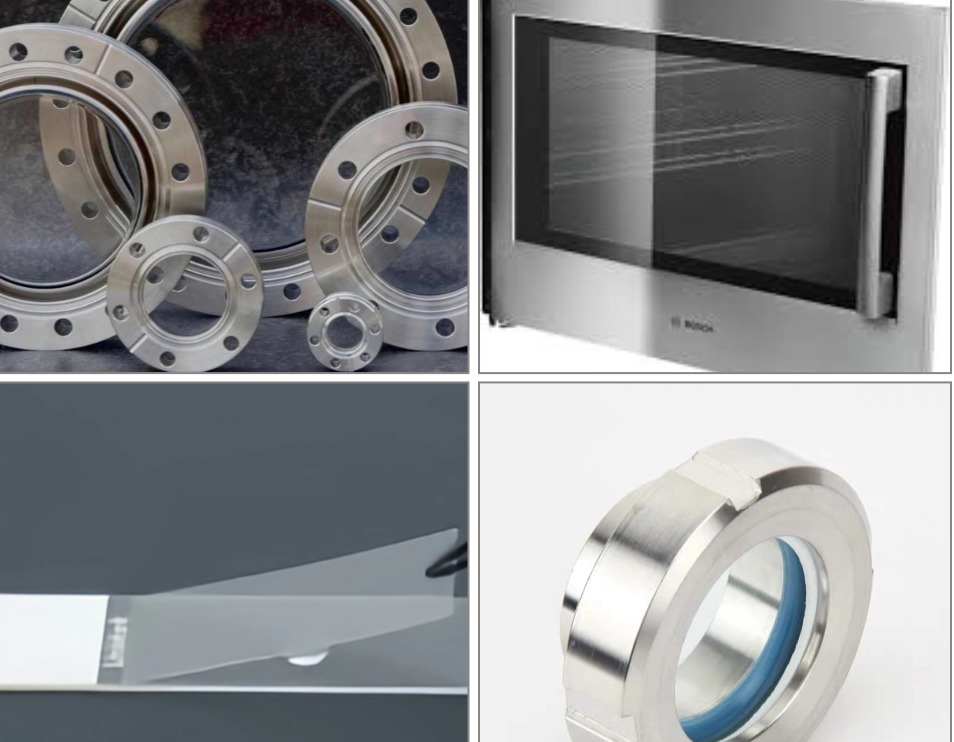
1. Architecture & Construction Used for high-end facades, railings, and skylights where clarity and a neutral aesthetic are critical. Requires precision cutting, edge polishing, tempering, and often drilling for structural fittings.
2. High-End Retail & Display Ideal for luxury display cases, museum vitrines, and shelving that demand flawless viewing. Processing involves precise cutting, superb edge finishing (polishing, mitering), and often laminating.
3. Lighting & Optical Devices Serves as premium lenses, diffusers, and light guides where maximum light transmission and minimal color distortion are essential. Requires high-tolerance CNC machining, grinding, and polishing.
4. Appliance & Electronics Used for high-quality oven doors, touch panel covers, and control interfaces. Needs precise cutting, hole drilling for controls, edge smoothing, and often tempering for thermal or safety requirements.
5. Solar Energy Critical as cover glass for photovoltaic panels to maximize sunlight capture. Demands precise cutting, edge grinding, and often anti-reflective coating application.
6. Technical & Industrial Applied in instrument covers, protective windows, and research equipment where optical purity is key. Involves complex CNC machining, tight-tolerance drilling, and functional surface treatments.
FAQ: Ultra-Clear Low-Iron Glass in Deep Processing
Why is low-iron glass more prone to visible scratches and handling marks during fabrication?
Does its high clarity mean it's stronger or easier to process than standard float glass?
What are the key quality checks for incoming low-iron glass before processing?
Are there differences in cutting, drilling, or polishing parameters compared to standard glass?
The core parameters are similar. However, to preserve the pristine surface finish, it’s advised to use sharper, newer tooling (diamond wheels, drill bits) and ensure coolants/lubricants are perfectly clean to prevent staining or residue that would be highly visible.
Why might there be color inconsistency (slight yellows or blues) between different batches or panels?
Minor variations in the ultra-low iron and trace element chemistry can cause subtle tonal shifts. For projects requiring absolute color uniformity (like a large facade), source all glass from a single production batch (batch coding) and conduct a visual pre-assembly check.
Can it be tempered or laminated as effectively as standard glass?
What is the most common cause of rejection in finished low-iron glass parts?
For which applications is standard clear glass a sufficient alternative?
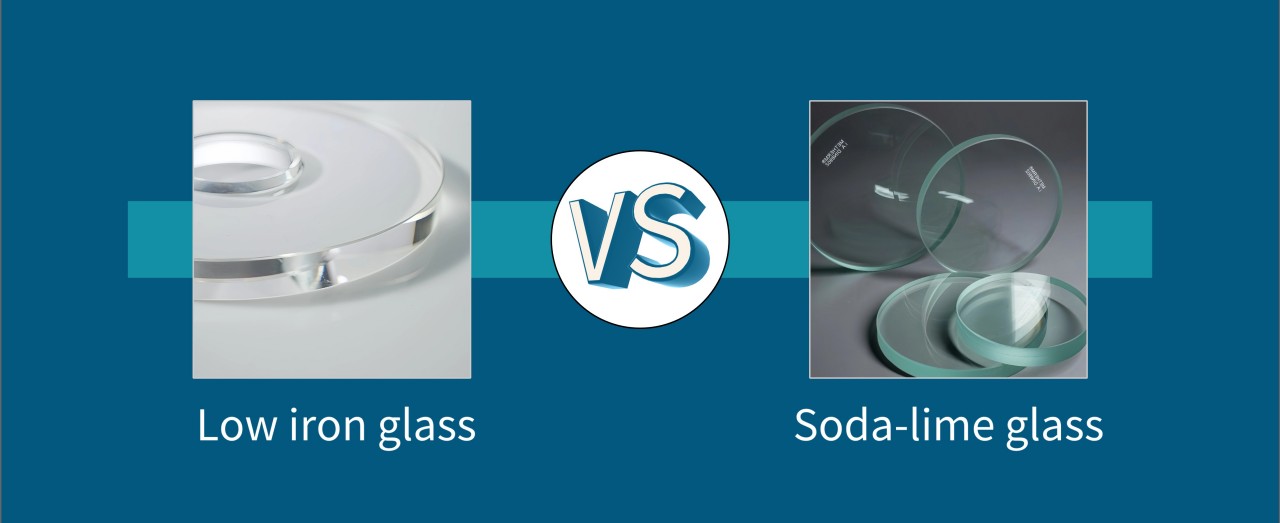
Why is low iron glass more expensive than soda-lime glass?
High-Purity Raw Materials
Low-iron glass is more expensive than soda-lime glass due to the high-purity raw materials required for its production. The silica sand used in low-iron glass must have significantly lower iron content—often less than 100 parts per million (ppm), compared to 500 ppm or higher in standard sand. This higher purity requirement makes sourcing and refining these raw materials more difficult and costly. The need for purer additives also contributes to the higher material cost, increasing the production cost by approximately 20-30%.
Additional Refining Processes
The production of low-iron glass involves additional refining processes to reduce the iron content, which gives it superior clarity. These refining processes require careful purification of raw materials, including acid leaching, which adds 10-15% to the overall production cost. Specialized handling to prevent contamination is also necessary, adding further expense. This contrasts with the simpler production of soda-lime glass, which typically has higher iron content and does not require as much refinement.
Production Scale and Efficiency
Low-iron glass is produced at a smaller scale compared to soda-lime glass, which is manufactured in large volumes—often millions of tons per year—to meet widespread demand. The smaller production scale of low-iron glass limits economies of scale, resulting in higher per-unit costs. Producing low-iron glass also involves precise melting and refining, which reduces production efficiency by 10-20% compared to the highly optimized processes used for soda-lime glass, leading to increased costs.
What are the ingredients of low iron glass?
Low-iron glass is composed mainly of silica, sodium oxide, and calcium oxide, similar to standard soda-lime glass but with significantly reduced iron content. The high-purity silica (SiO₂), which constitutes 70-75% of the glass, forms the core network and provides the structure, hardness, and transparency essential to the glass. This high silica content is key to the clarity that distinguishes low-iron glass.
What is the principle of low iron glass having so many advantages?
The role of iron oxide in standard glass
In standard soda-lime glass, iron oxide (Fe₂O₃) is present as a common impurity, typically around.
Light absorption characteristics of iron oxide:
- It absorbs specific wavelengths of light, particularly in the green and blue spectrums, causing the glass to exhibit a slight greenish tint.
- This greenish tint becomes more noticeable in thicker glass sections, affecting transparency and color accuracy.
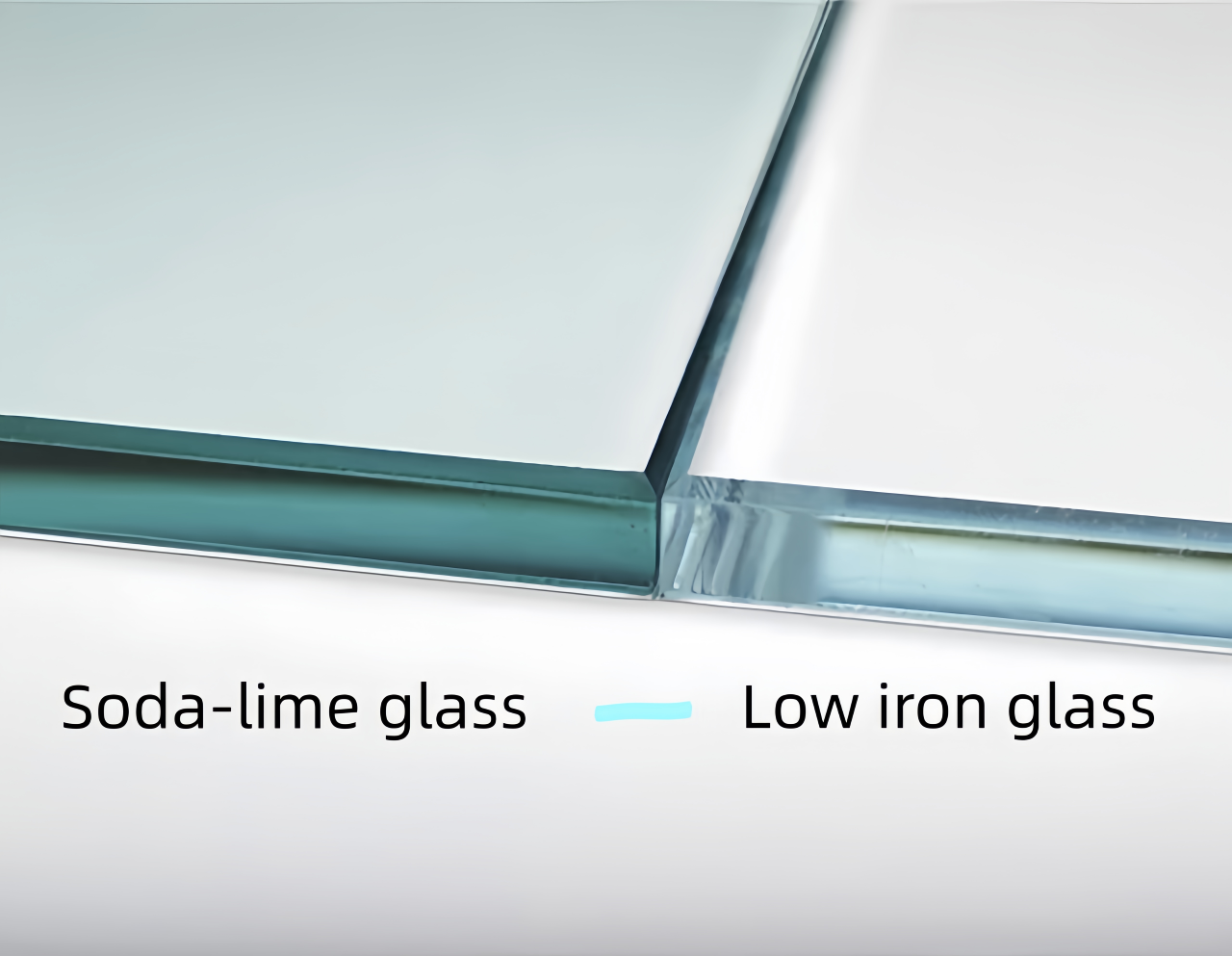
Core Principle of Low-Iron Glass: Reducing Iron Oxide Content
The iron oxide content is reduced to less than 0.01%, significantly lower than the 0.1% found in standard glass.
This reduction minimizes the light-absorbing effect of iron oxide, particularly in the green and blue wavelengths.
Enhanced Optical Performance
Results:
- Higher light transmittance: Low-iron glass can achieve up to 91% visible light transmittance compared to 83-85% for standard glass.
- More neutral color appearance: The glass appears almost colorless, eliminating the greenish tint and providing truer color representation.
Refining Process
During manufacturing, refining agents such as:
- Antimony oxide (Sb₂O₃)
- Arsenic trioxide (As₂O₃)
Are often added to:
- Remove bubbles from the molten glass, ensuring uniformity.
- Enhance the optical clarity and quality of the glass.
Role of High-Purity Silica
The primary component of low-iron glass is silica (SiO₂), typically comprising 70-75% of the composition.
High-purity silica forms the foundational network of the glass, providing hardness, transparency, and chemical stability.
The use of high-purity silica further reduces impurities, such as iron, in the glass.
What is the production process of clear float glass?
The batch is then melted in a furnace at approximately 1,500°C. During the melting process, refining agents such as antimony oxide or arsenic trioxide are added to remove bubbles and impurities, further enhancing the uniformity of the molten glass. The float glass process is used to form the molten glass into flat sheets. The glass is floated on a bath of molten tin, which helps achieve a smooth, uniform thickness without distortion or defects.
After forming, the glass sheets are slowly cooled in an annealing lehr to relieve internal stresses, a crucial step to prevent cracking and ensure the structural integrity of the glass. The annealed glass is then cut to the desired size using diamond-tipped tools. Depending on the intended application, the edges may also be polished for a refined finish.
Finally, the glass undergoes a rigorous quality control process to ensure it meets the required standards of clarity, uniformity, and light transmission. Spectroscopic analysis is used to confirm the iron content, ensuring that it remains below the required threshold for low-iron glass. This thorough quality control ensures that the resulting glass is free from imperfections, making it suitable for high-performance applications where transparency and aesthetic quality are paramount.
High-purity silica sand, soda ash, limestone
1,500°C furnace, refining agents added
Molten tin bath, uniform thickness
Slow cooling in annealing lehr
Diamond-tipped tools, edge polishing
Spectroscopic analysis, transparency check
Contact Us
Your feedback fuels our growth, and your questions drive our solutions.
We value your feedback, inquiries, and suggestions. Please feel free to get in touch with us
General inquiries
Please contact us via sales@bo-glass.com, and we will reply to you as soon as possible.
Interested to work with us
Drop your resume at info@bo-glass.com
and we will get back to you shortly.
We uses the contact information you provide to us to contact you about our relevent content, products, and services.