
Surface finishes
Sandblasting and frosting services
Sandblasted Glass Texture: An Art and a Science
The surface roughness (Ra) of sandblasted glass is not governed by a strict international standard, but is primarily determined by the abrasive media type, grit size, air pressure, and blasting technique.
| Surface roughness | Appearance | Method | Applications |
| Ra Range: ≈ 1.5 μm - 3.0 μm | A smooth, uniform, fine matte texture, similar to a satin finish. It feels relatively smooth to the touch. | Achieved using very fine abrasives (e.g., 200+ grit glass beads), low air pressure, and a greater blasting distance or quick passes. | High-end decorative items, electronic panels, light fixtures, logos requiring high definition. |
| Ra Range: ≈ 3.0 μm - 6.0 μm | The most common frosted glass effect. It produces a classic, opaque white finish that provides full privacy while transmitting soft, diffused light. A distinct grittiness can be felt. | Achieved with medium-grit abrasives (e.g., 80 to 150 grit aluminum oxide) and standard blasting parameters. | Pendant Lights: Ceiling Mounted Lights: Wall Sconces Task & Accent Lighting Table Lamps & Desk Lamps: Track Lighting Diffusers: Display Case Lighting: Light Panels Troffer Lights. Linear Suspended Lights Outdoor Wall Lights & Lanterns: For entrances and porches. Vapor-Tight Fixtures: Enclosed fixtures where moisture and dust resistance are needed. |
| Ra Range: > 6.0 μm (can reach 10μm or higher) | A very rough, intensely textured surface with a "frosted" or "ice crystal" look. It is opaque and offers strong tactile depth. | Uses coarse or sharp abrasives (e.g., 36 to 60 grit silicon carbide), high air pressure, and close-range or prolonged blasting. | Sculptural Pendant Lights: Chandeliers: Free-Standing Lamps: Industrial Cage Pendants: Wall Sconces with a "Brutalist" Influence Recessed Niche Lighting "Moonlight" Effect Lamps Uplighters (Floor Washers) |
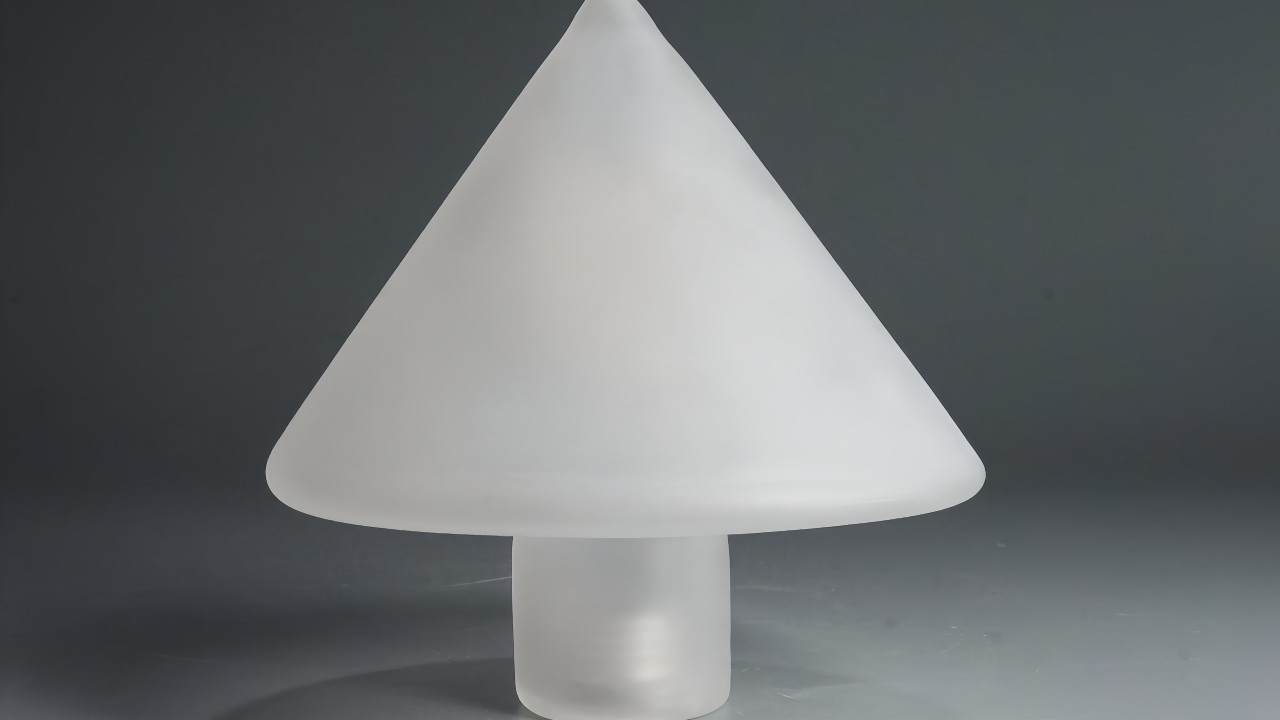
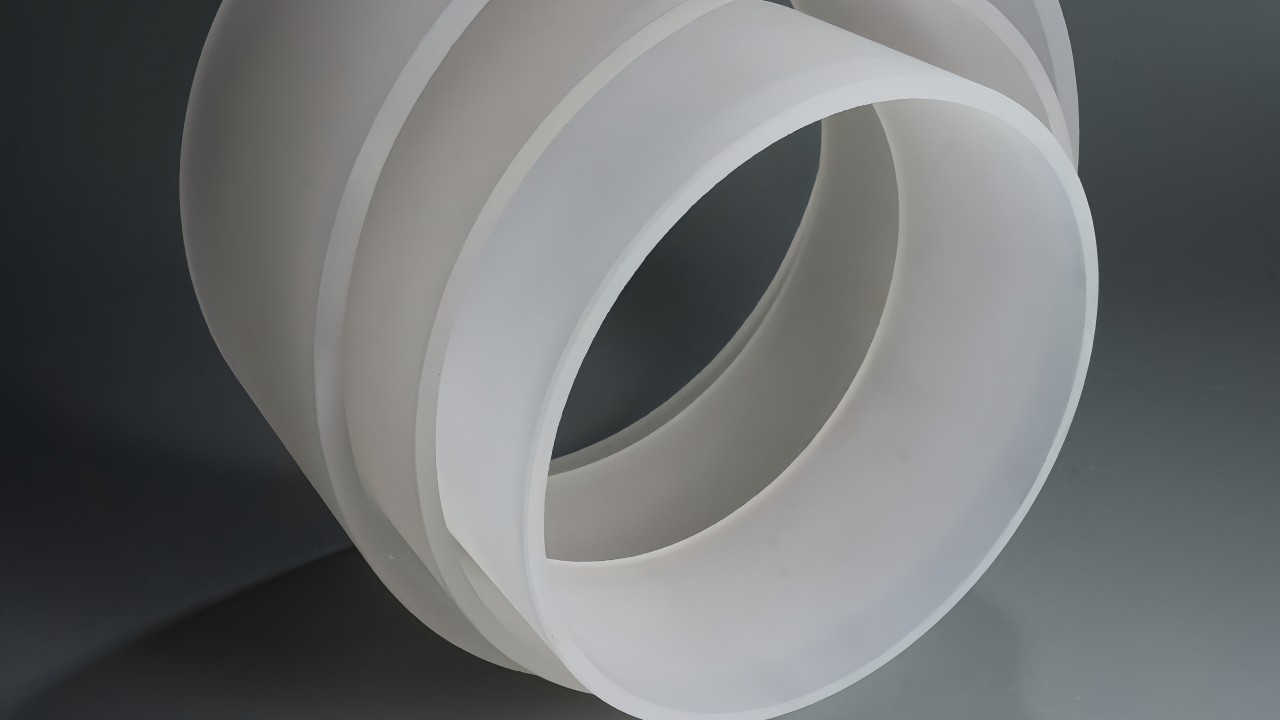
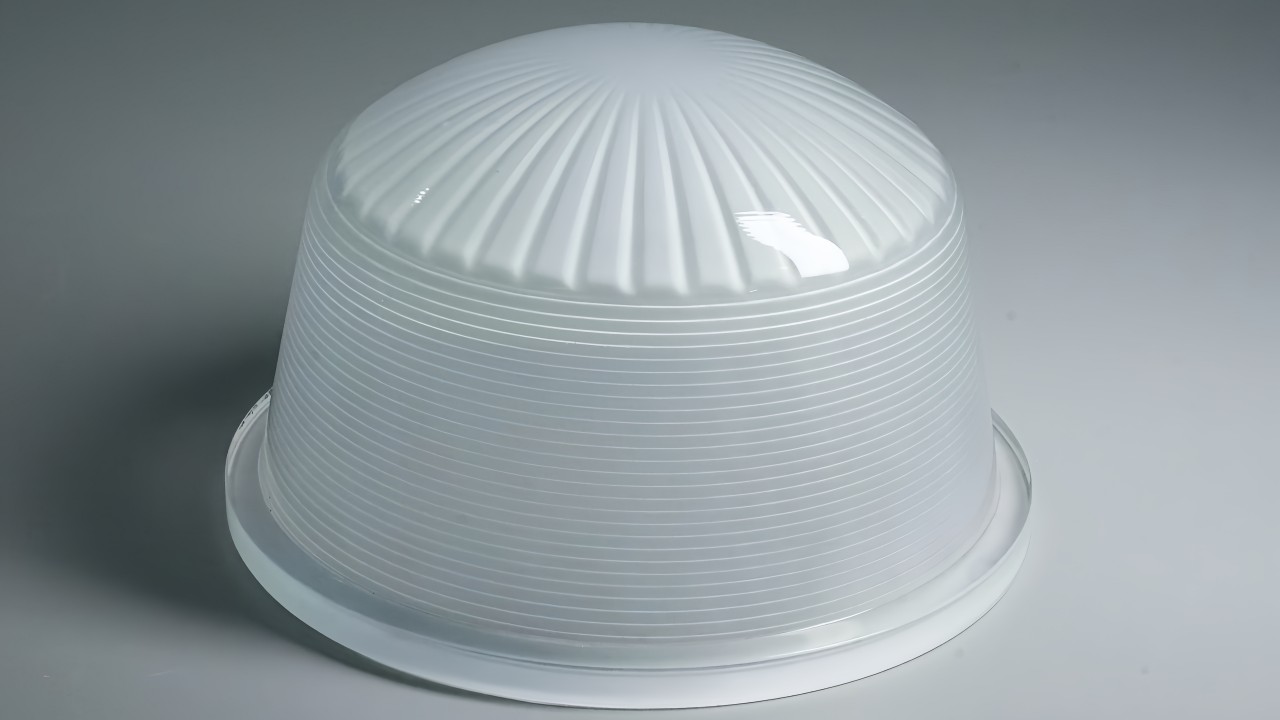
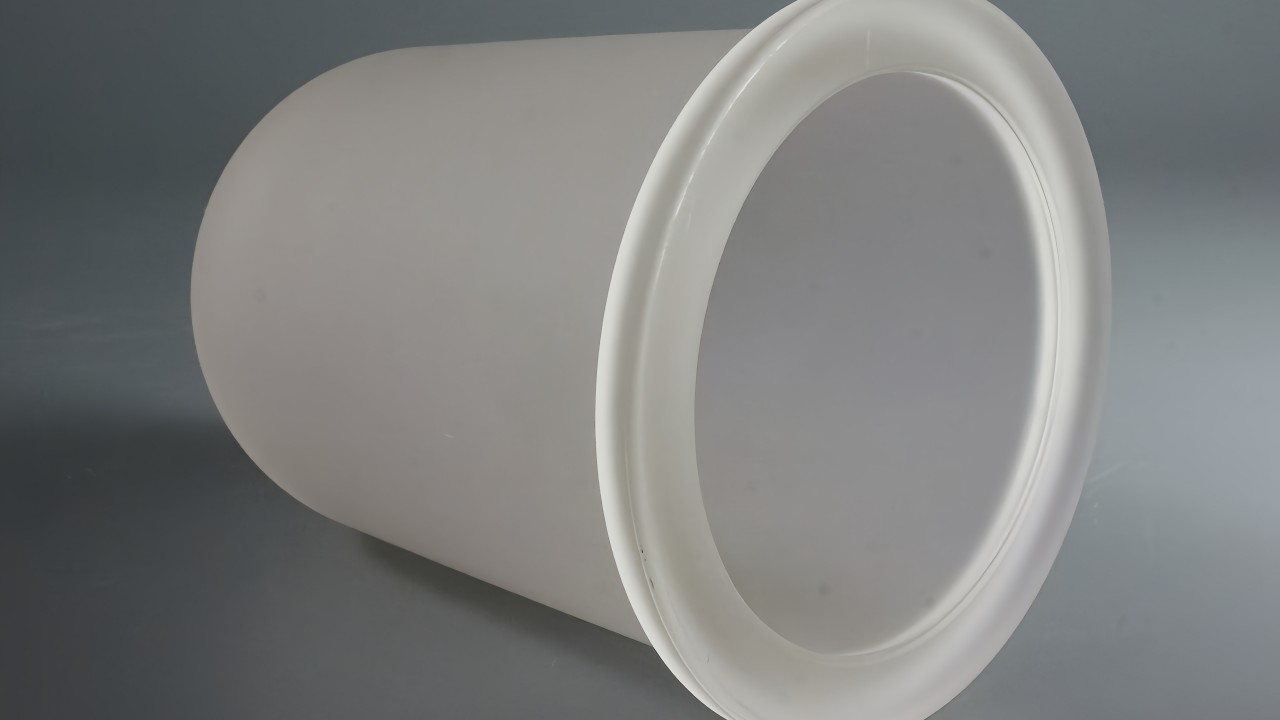
Example of an as machined part
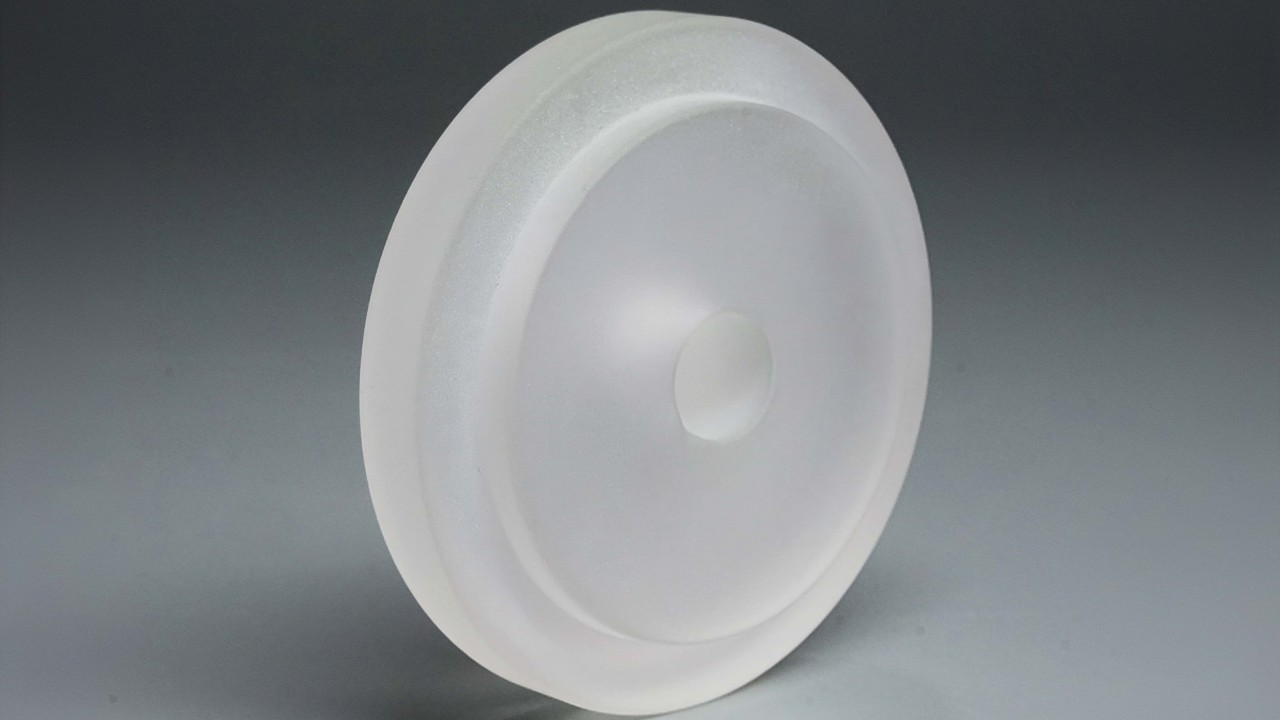
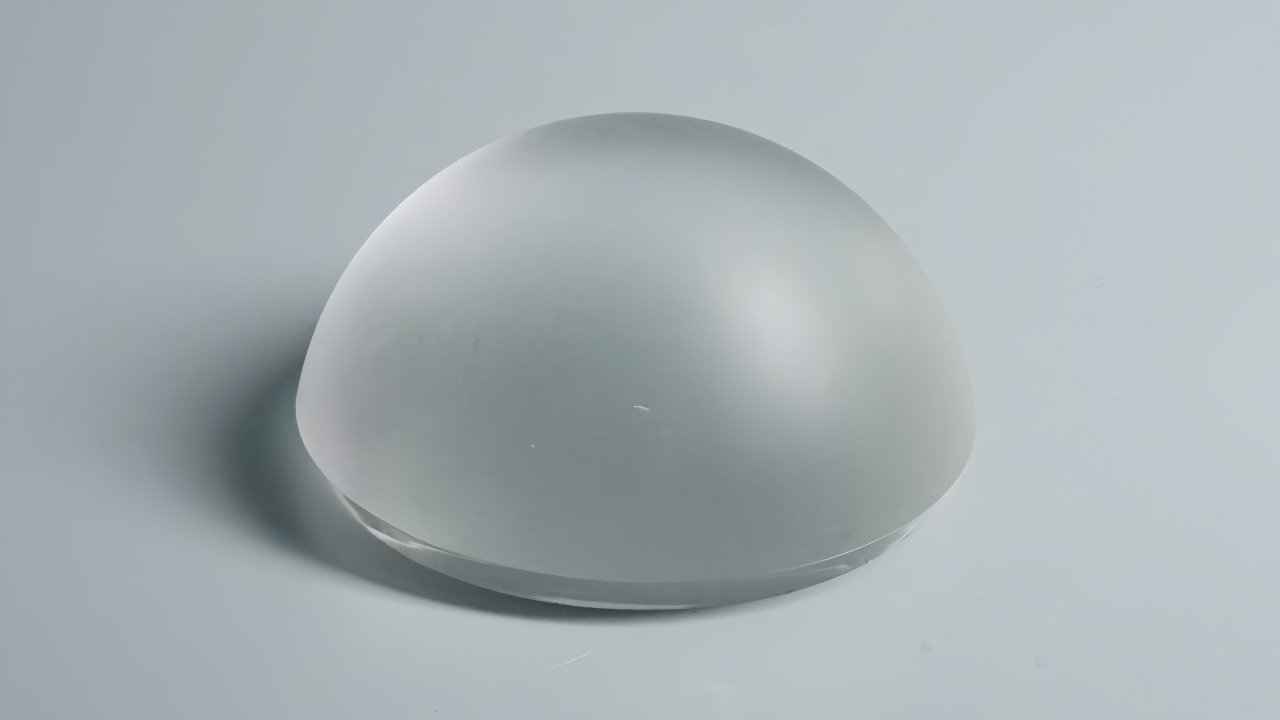
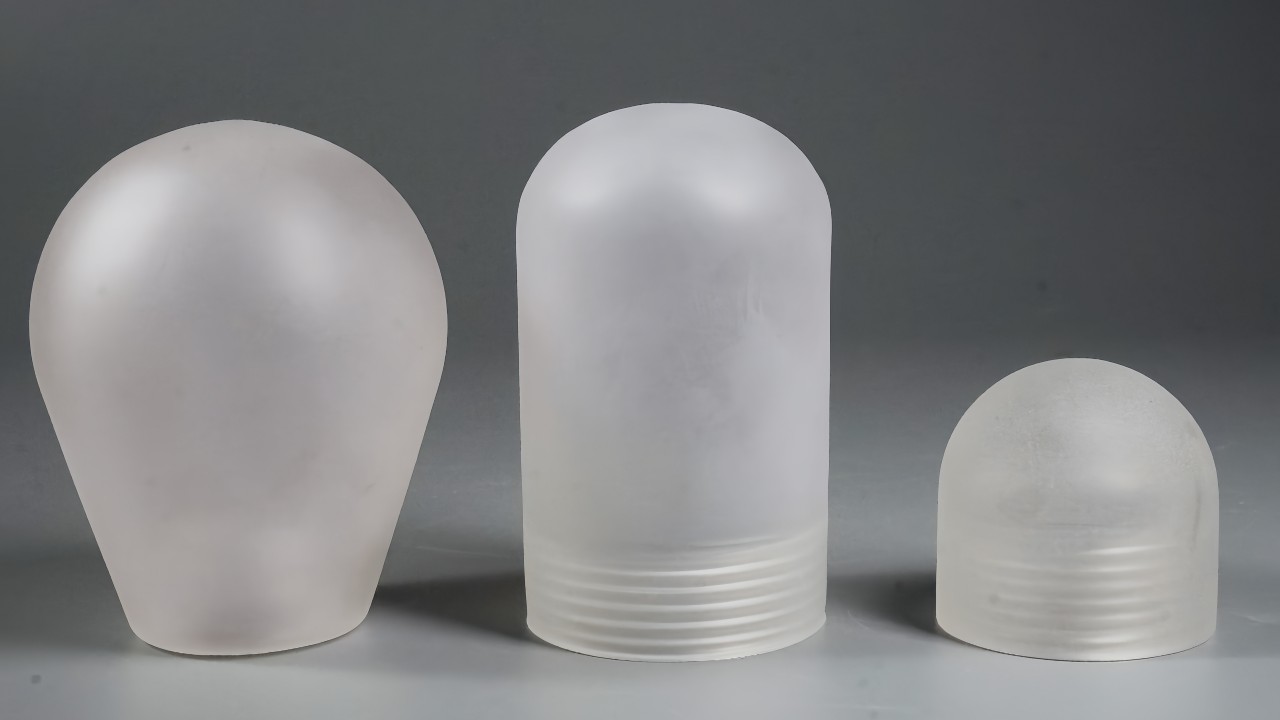
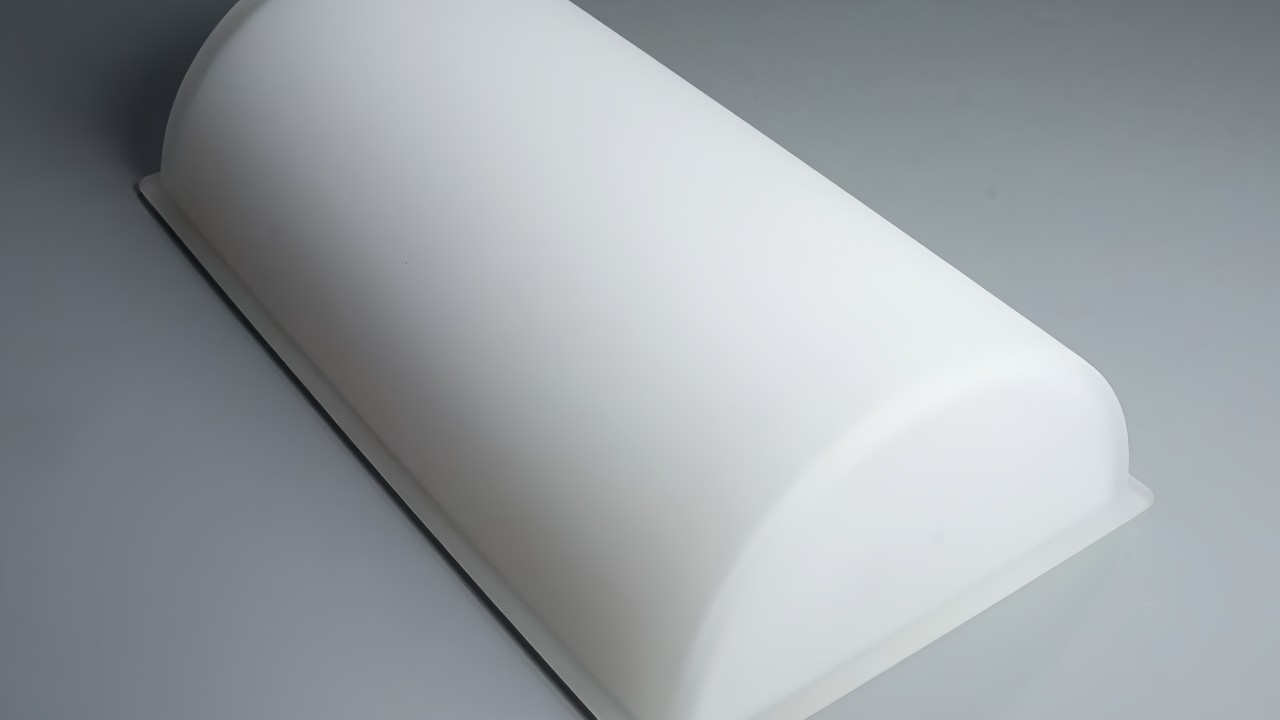
What are the processes and equipment for sandblasting?
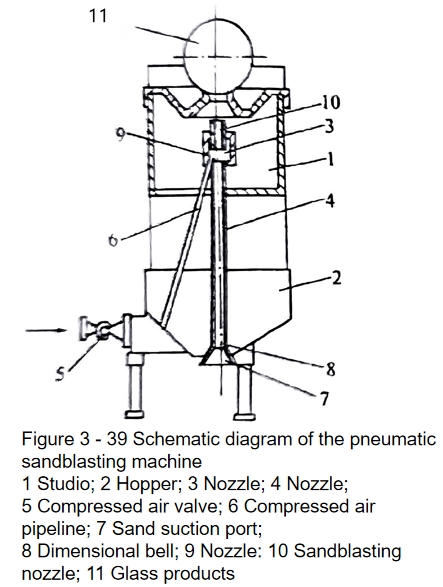
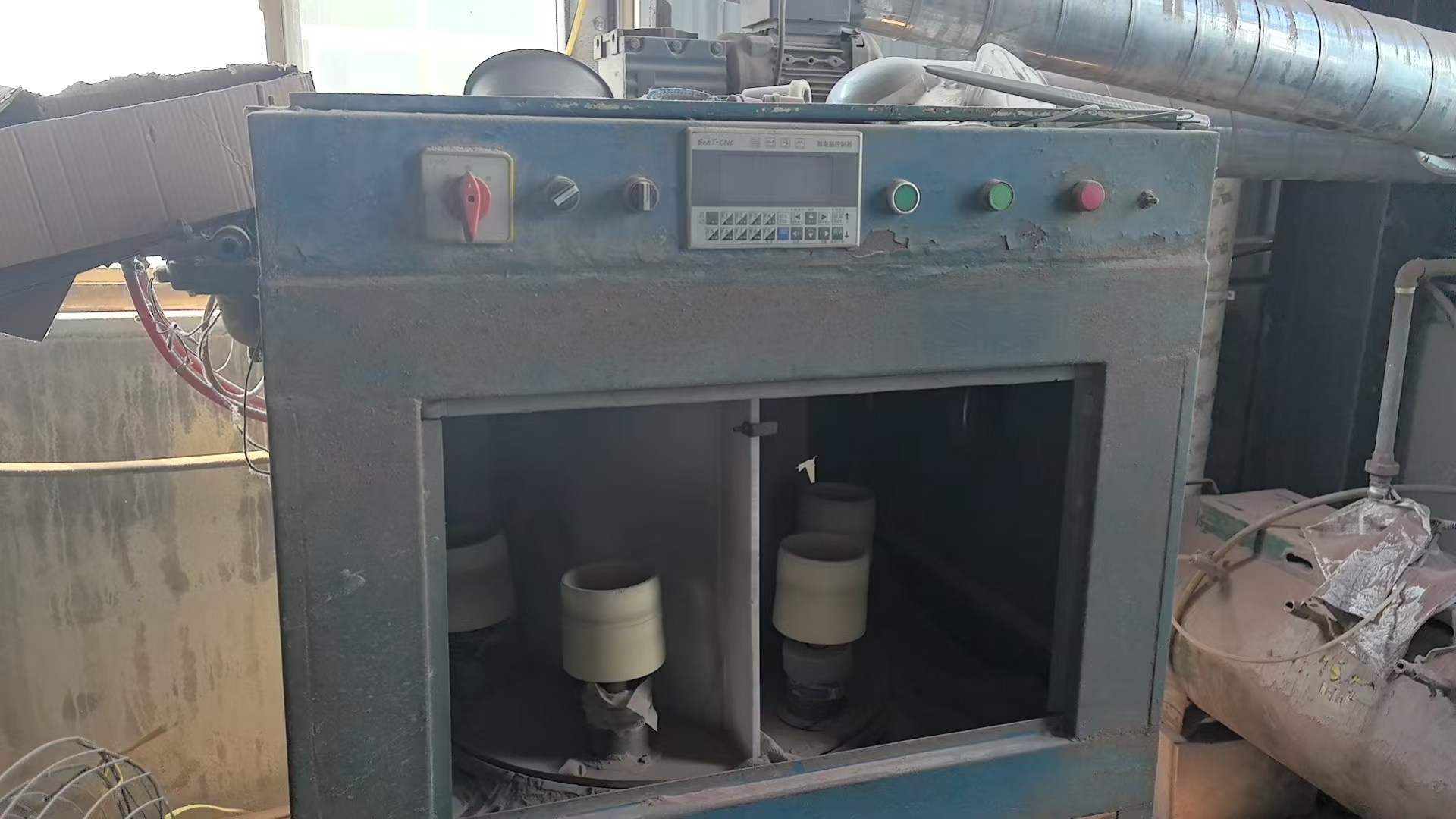
Figure 3-40 Air pressure sandblasting machine
The surface of sandblasted glass is easy to get dirty and lacks luster. Products with high requirements should be acid-polished with a mhydrofluoric and sulfuric acid mixture
What is sanding equipment?
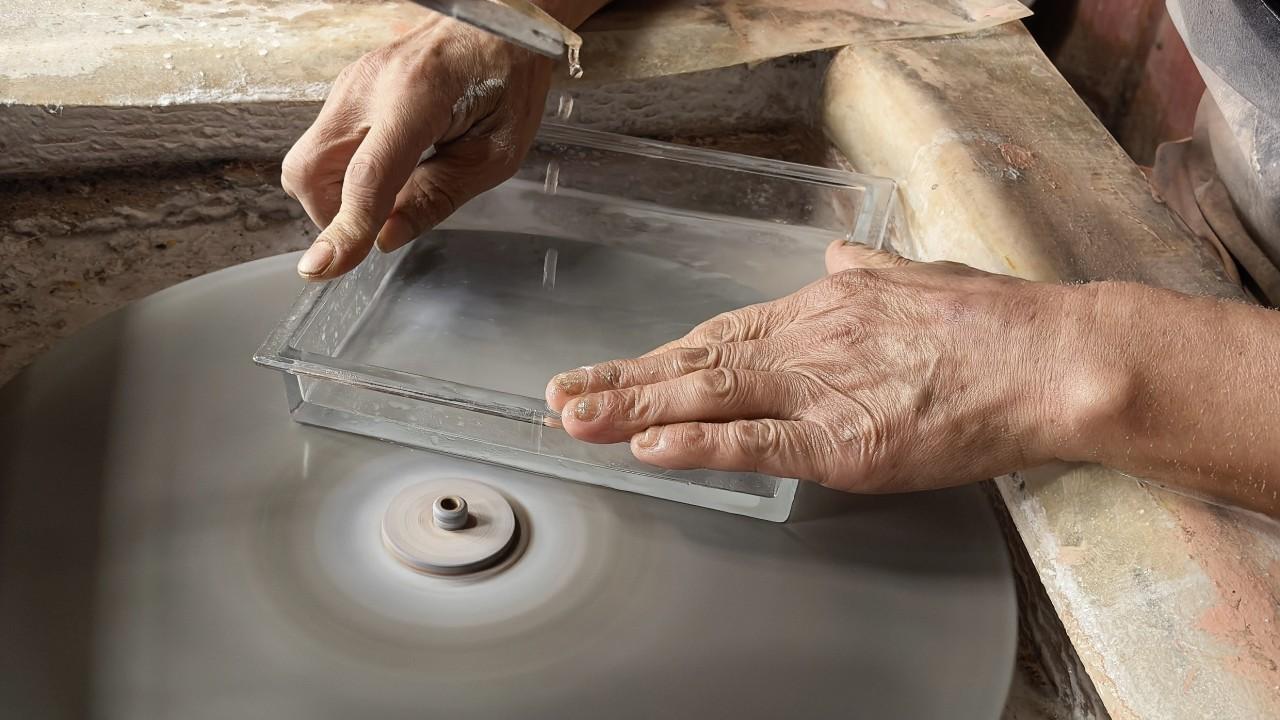
The manual grinder for loose abrasives is a rotating metal shaft with a clamp on the shaft. The glass is clamped in the clamp and rotates with the shaft. Then, an iron sheet positive mould or a harmful mould is put on the glass, water and abrasives are added, and the iron sheet mould is held tightly by hand to rotate coaxially with the glass workpiece. The abrasive grinds the glass under pressure transmitted by the iron sheet mould to achieve the purpose of frosting. For precision requirements of 0.1μm and Ra0.01 surface roughness, ultra-fine grinding machines are required.
Commonly used abrasives include quartz sand, silicon carbide (SiC), corundum (Al₂O₃), etc. Quartz sand is only used for coarse grinding; corundum is commonly known as diamond sand, with a Mohs hardness of 8 to 9 and a low price, making it the most widely used abrasive; silicon carbide has a higher hardness than quartz sand (Mohs hardness is 9.15 to 9.75), a moderate price, and is also often used as an abrasive. Abrasives are divided into 29 numbers according to particle size. Generally, the larger the number, the smaller the particle size, but the fine-grained abrasive marked with W40 to W0.5 is just the opposite. The smaller the number, the finer the particle size. Polishing materials include aluminium oxide (particle size of 1 to 2μm), red powder (ferric oxide, particle size of about 1μm), cerium oxide (CeO₂), etc.
Diamond is the most demanding abrasive, but the cost is too high. Diamond particles are not used directly as abrasives in instrument glass, but toothless saw blades and round punches bonded with diamond (usually artificial diamonds) are used.
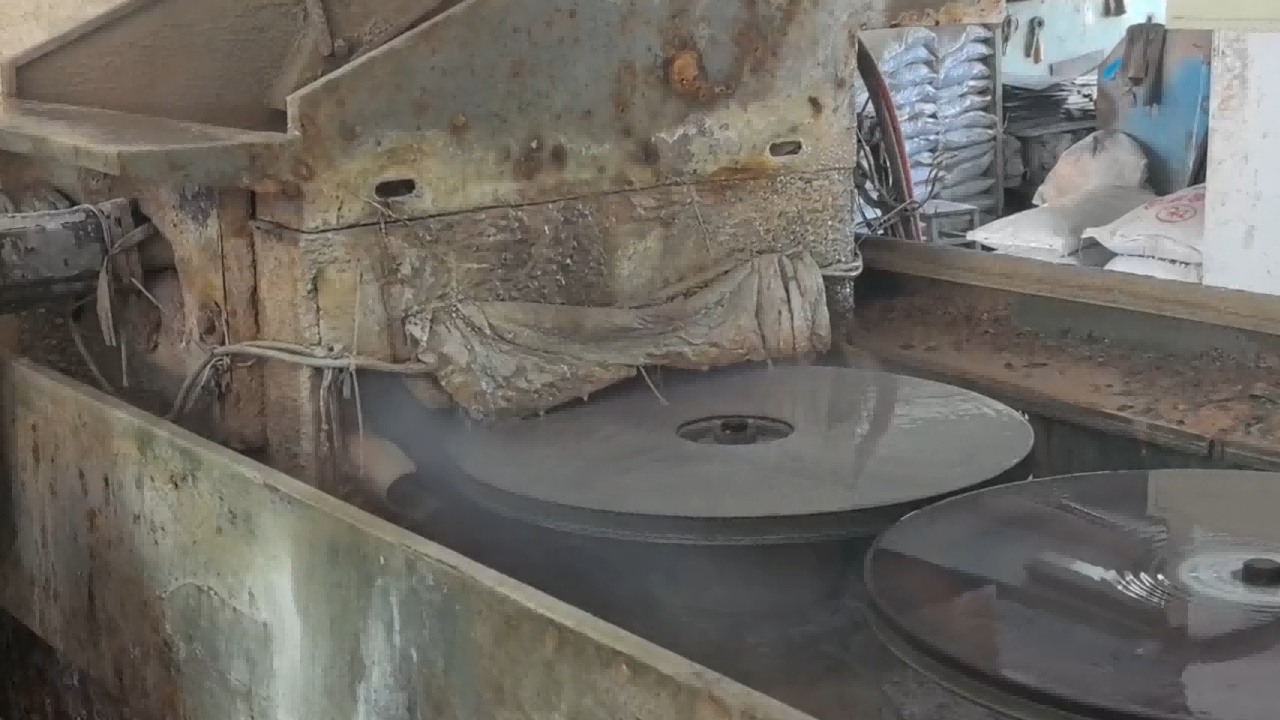
In addition to abrasives, water must be added during the grinding process. In addition to cooling, water also reacts with the glass surface. It promotes hydrolysis of the glass surface and generates silica film, which plays a chemical grinding role. When using diamond grinding tools, heat is generated when it contacts the glass due to high-speed rotation, and the heat must be removed by coolant. The coolant requires low viscosity, good thermal conductivity and slight surface tension. Water can no longer meet the requirements at this time, and aqueous solutions of propylene glycol and ethylene glycol are used.
Contact Us
Your feedback fuels our growth, and your questions drive our solutions.
We value your feedback, inquiries, and suggestions. Please feel free to get in touch with us
General inquiries
Please contact us via sales@bo-glass.com, and we will reply to you as soon as possible.
Interested to work with us
Drop your resume at info@bo-glass.com
and we will get back to you shortly.
We uses the contact information you provide to us to contact you about our relevent content, products, and services.