
Precision CNC-Machined Borosilicate Glass Plates | Custom Fabrication
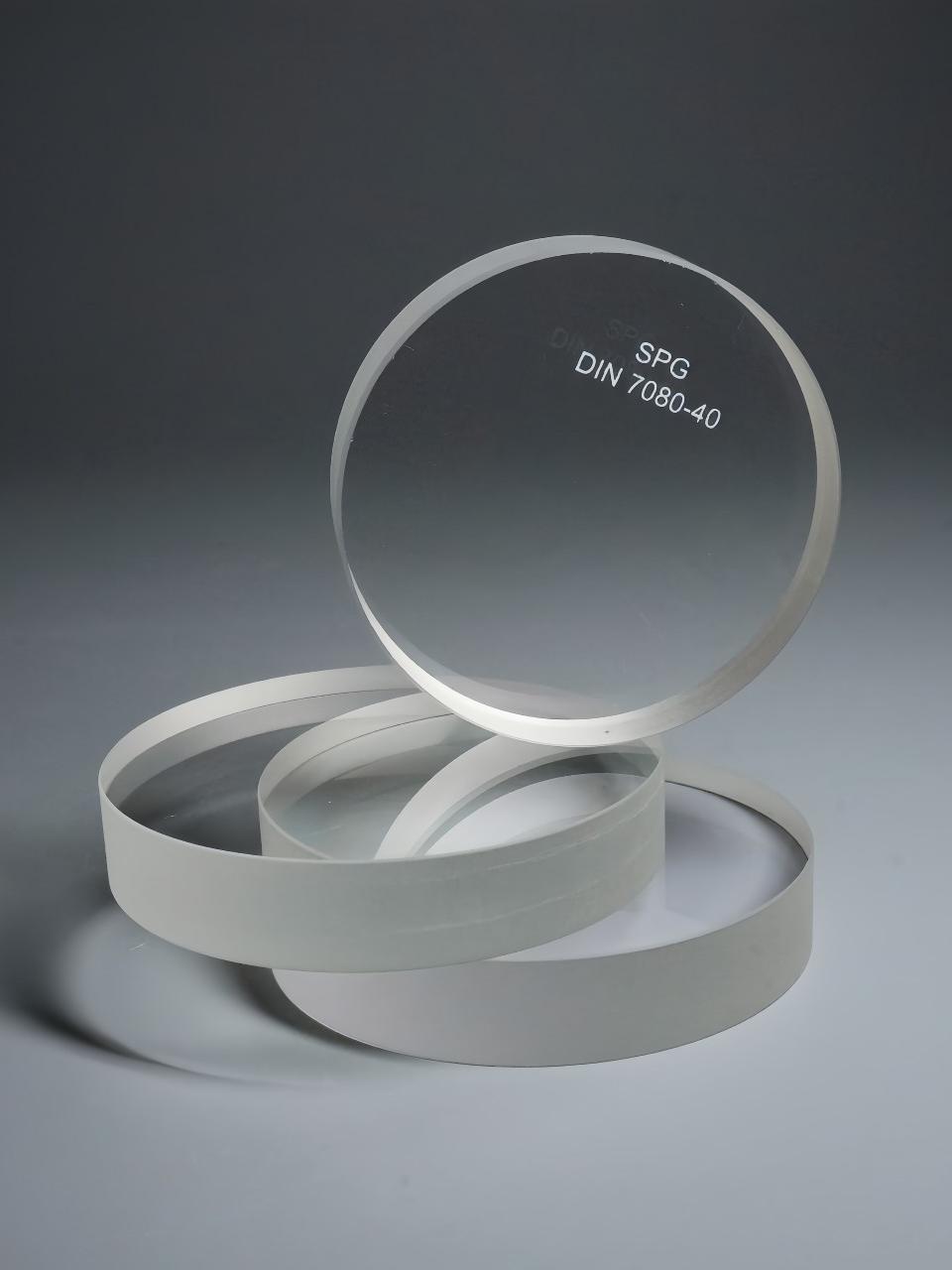
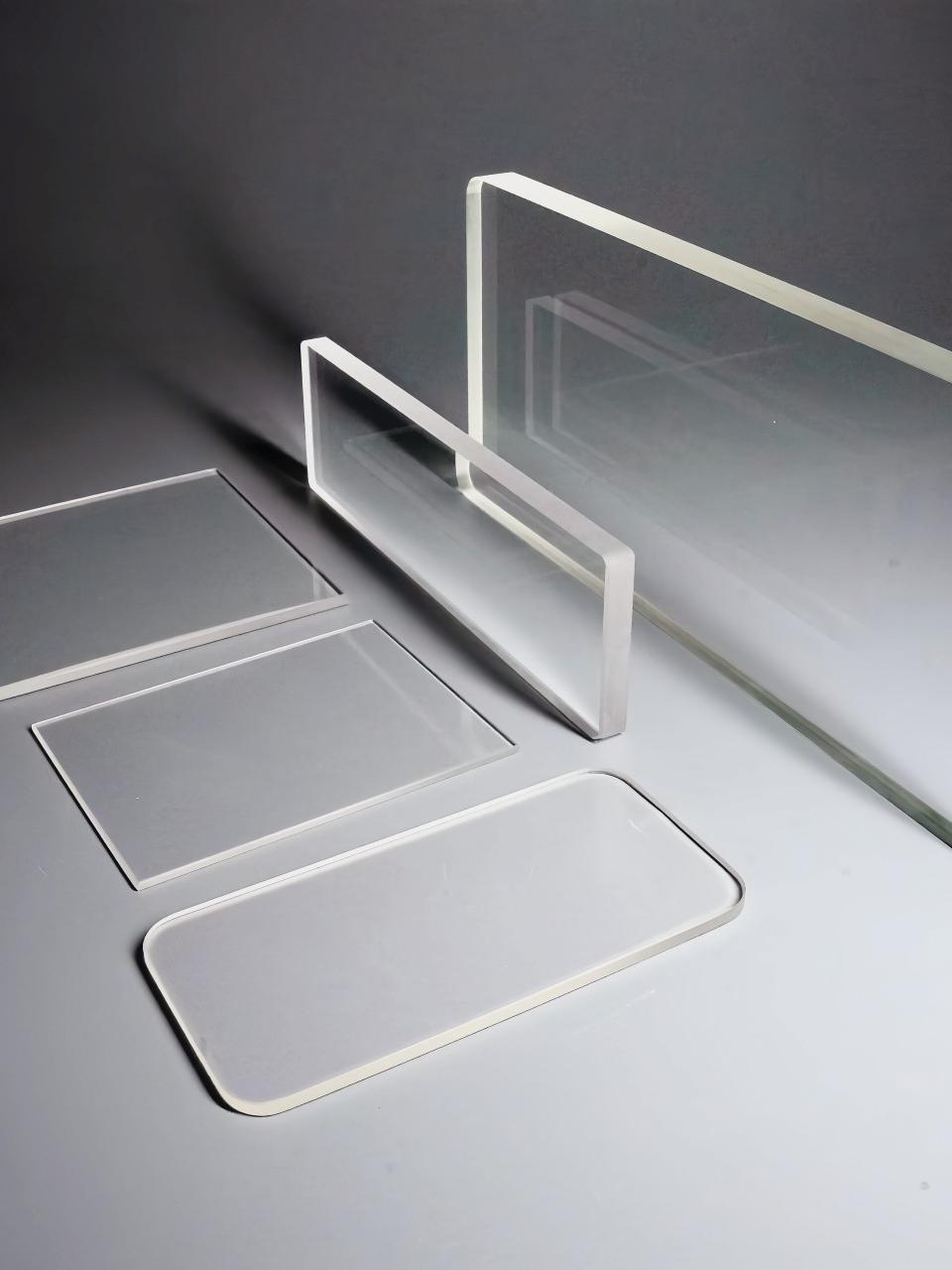

What Is Borosilicate Glass?
Max. Processing Size: | Sheets over 5m in length, large-format panels |
Min. Part Size: | Precision micro-components down to 10mm. |
Cutting Tolerance: | ±0.1 mm(CNC/Waterjet),±0.05 mm(Laser) |
Drilling/Milling Tolerance: | ±0.1 mmposition &diameter) |
Edge Profile Tolerance: | ±0.1 mm |
Standard Thickness Range: | From 1.5 mm and above. |
Ultra-Thin Processing Capability: | Down to sub-1.0 mm(e.g.,0.3-0.7 mm for specialty applications) |
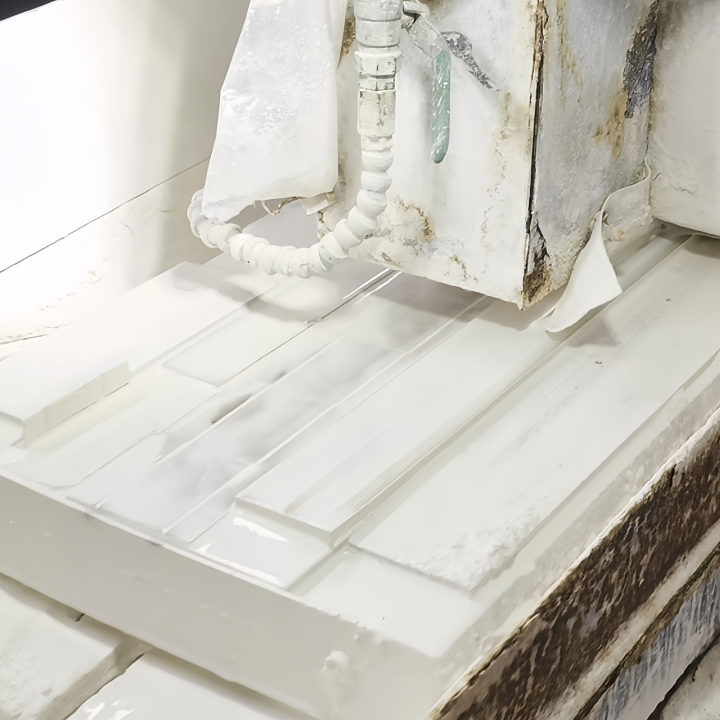
Borosilicate Glass for Blowing & Pressing
| Property Category | Specific Parameter | Typical Value / Description |
| Chemical Composition | Silicon Dioxide (SiO₂) | ~81% |
| Chemical Composition | Boron Oxide (B₂O₃) | ~13% |
| Chemical Composition | Other Oxides (Na₂O, Al₂O₃, etc.) | ~6% |
| Mechanical Properties | Knoop Hardness | ~480 - 540 kg/mm² |
| Mechanical Properties | Modulus of Elasticity | 64 - 67 GPa |
| Mechanical Properties | Density | 2.23 g/cm³ |
| Thermal Properties | Coefficient of Thermal Expansion | 3.25 × 10⁻⁶ /K (20-300°C) |
| Thermal Properties | Annealing Point | ~560°C |
| Thermal Properties | Softening Point | ~820°C |
| Thermal Properties | Maximum Service Temperature | ~450°C (short-term up to 500°C) |
| Optical Properties | Refractive Index | 1.47 (at 587.6 nm) |
| Optical Properties | Transmittance | >90% (across visible spectrum, for standard thickness) |
| Electrical Properties | Dielectric Constant | 4.6 (at 20°C, 1 MHz) |
| Electrical Properties | Volume Resistivity | 10⁸ Ω·cm (at 350°C) |
| Chemical Durability | Hydrolytic Resistance (ISO 719) | Class 1 (extremely low alkali release) |
| Chemical Durability | Acid Resistance (ISO 195) | Class 1 (highly resistant) |
| Chemical Durability | Alkali Resistance (ISO 695) | Class A2 (moderately resistant) |
Surface Finishing & Secondary Processing
We enhance Borosilicate Glass through specialized surface treatments. Our capabilities include screen printing for branding, coating (sputtering) for functional properties, sandblasting and acid etching for texture, along with precision polishing, CNC engraving, and durable painting/enameling. These processes customize glass for aesthetic, privacy, or performance needs in architectural, industrial, and consumer applications.
Screen Printing
Coating (e.g., Sputtering)
Sandblasting
Polishing / Grinding
Acid Etching
CNC Engraving
Painting / Enameling
Applies ceramic-based paint onto the surface, which is then fired at high temperature to fuse into a durable, colored coating.
Borosilicate Glass: Advantages & Challenges for Demanding Applications
Borosilicate glass offers superior thermal shock resistance, chemical durability, and optical clarity, ideal for harsh environments. However, it presents challenges like higher cost, complex processing, and impact sensitivity, which are key considerations for project selection.
Benefits
Exceptional Thermal Shock Resistance
With a very low coefficient of thermal expansion (typically around 3.3 x 10⁻⁶/K), it withstands rapid and extreme temperature changes without cracking, ideal for laboratory ware and high-temperature lighting.
High Service Temperature & Thermal Stability
It maintains structural integrity and properties at continuous operating temperatures far exceeding those of soda-lime glass, suitable for applications up to 450°C and higher.
Superior Chemical Durability
Highly resistant to water, acids, alkalis, and pharmaceutical substances, ensuring purity and longevity in aggressive chemical environments and medical applications.
Excellent Mechanical Strength
Its inherent hardness provides high resistance to scratching and abrasion, ensuring long-term clarity and durability in demanding use cases.
Outstanding Optical Clarity & Purity
Offers high light transmission with minimal inherent fluorescence, making it perfect for precision optics, sensitive sensors, and high-quality lighting systems.
Cost-Effective for Complex Shapes
While the raw material cost is higher, its excellent hot-workability through blowing and pressing allows for the formation of complex geometries using relatively simple and affordable metal molds, enabling efficient prototyping and small batches.
Limitations & Challenges of Borosilicate Glass
Higher Material & Processing Cost
The raw materials, particularly boron oxide, are more expensive than those for soda-lime glass. Its high melting temperature also requires more energy, increasing production costs.
Increased Processing Difficulty
Its high softening point and working temperature demand specialized, high-temperature furnaces and skilled operators, making forming processes like blowing and pressing more challenging.
Lower Damage Tolerance to Impact
While highly resistant to thermal shock, its hardness can make it more brittle and susceptible to mechanical impact or sharp point loads compared to some other materials.
Challenges in Complex Shape Forming
Its short working range (between softening and melting) can limit the ability to form highly intricate or delicate geometries that are possible with other types of glass.
Difficulty in Secondary Processing
Machining, cutting, or drilling after annealing is difficult due to its high hardness, often requiring diamond tools and specialized techniques, which increases the risk of breakage.
Limited Supplier Availability
Compared to the ubiquitous soda-lime glass, the production and supply chain for high-quality borosilicate glass are more specialized and limited, which can affect lead times and sourcing.
Application Fields of Borosilicate Glass
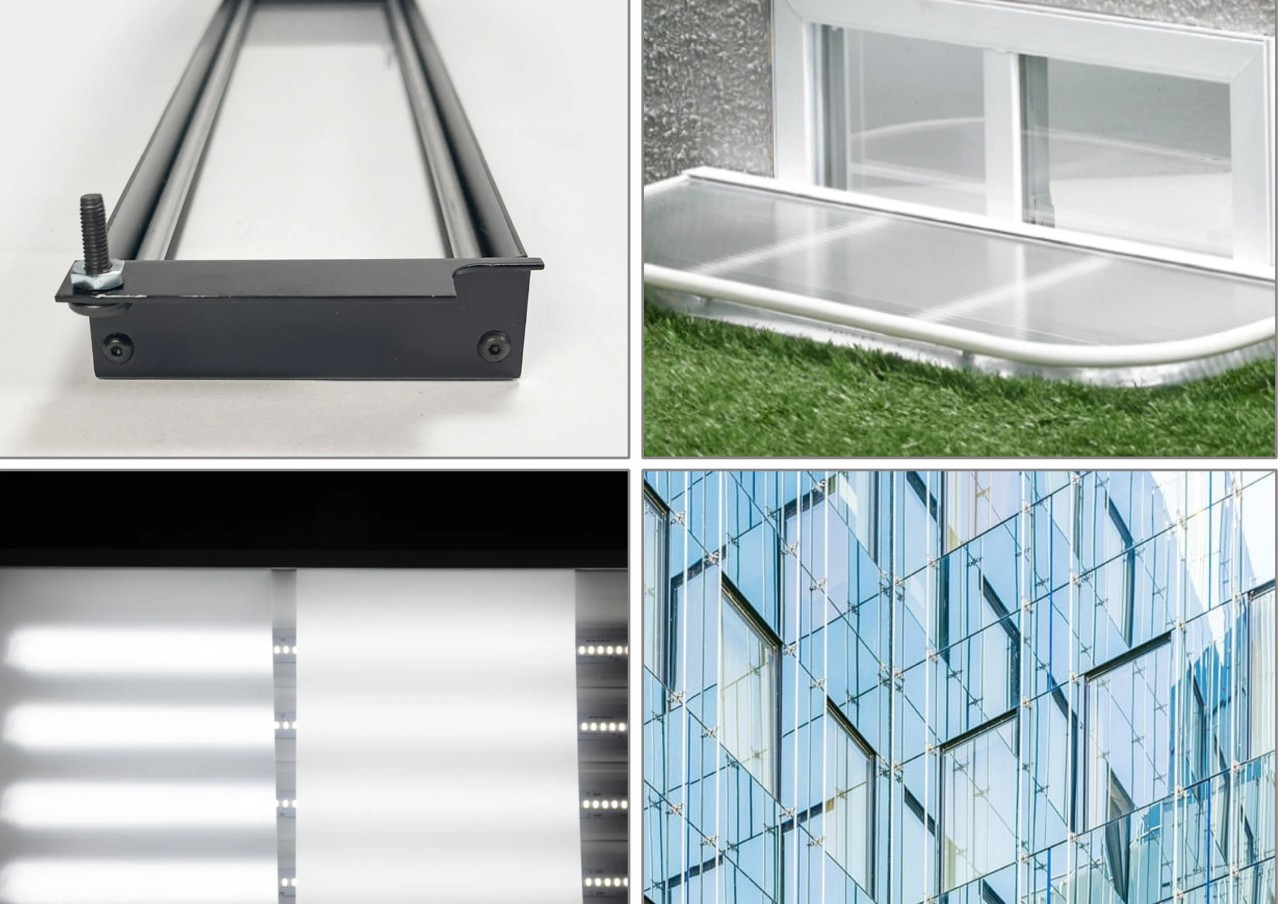
Borosilicate glass is indispensable in laboratories and chemical plants due to its supreme chemical inertness and resistance to thermal shock. It ensures purity and integrity in demanding processes, from withstanding aggressive acids and alkalis in reactors to enabling clear visibility in sight glasses and durable performance in complex apparatus like bioreactors.
Pharmaceutical Packaging
Chosen for its high chemical durability and thermal stability, borosilicate glass is the premium material for pharmaceutical containers like vials and ampoules. Its inert nature prevents interaction with sensitive drugs, ensuring product purity and stability throughout sterilization (e.g., autoclaving) and the entire shelf life.
High-Performance Lighting
With its excellent light transmission and superior resistance to heat, borosilicate glass is ideal for high-power lighting lenses and covers. It maintains clarity and structural integrity under intense heat from LEDs or HID lamps, preventing deformation or failure where ordinary glass would not survive.
Specialized Industrial Equipment
In demanding industrial settings, borosilicate glass provides critical viewports, sight glasses, and protective covers. Its ability to withstand high pressure, rapid temperature changes, and corrosive environments ensures safe observation and reliable operation in equipment from industrial ovens to chemical processing units.
FAQ: CNC Machining of Tempered Borosilicate Glass Panels
Can tempered borosilicate glass be machined using CNC processes?
What are the biggest challenges when CNC machining borosilicate glass?
Tool Wear: The material rapidly wears down standard tools. Industrial diamond-coated or diamond-embedded tools (drills, end mills, grinding wheels) are mandatory.
Cracking & Chipping: Managing heat and stress during machining is critical. Sub-optimal feed rates, spindle speeds, or coolant application can lead to micro-cracks or edge chipping.
Hole & Corner Breakout: Exiting a drill or creating sharp internal corners can cause breakout. Design must include appropriate clearances and radii.
What design rules should be followed for CNC-machined borosilicate parts?
Minimum Hole Diameter: Typically 1.2x the glass thickness for pre-tempering drilling.
Edge Distances: Maintain a distance from hole center to any edge of at least 2x the glass thickness.
Internal Radii: All inside corners should have a radius; sharp 90-degree corners are stress concentrators and will crack.
Avoid Notches & Thin Sections: These create weak points highly prone to fracture under stress.
What level of precision and tolerances can be achieved?
Dimensional Tolerances: Typically within ±0.1 mm to ±0.3 mm, depending on feature size and part geometry.
Hole Positional Tolerance: Can be held to around ±0.1 mm with specialized fixturing.
Surface Finish: Machined edges will have a ground appearance. Optical-quality polished edges or surfaces are a separate, post-machining polishing operation.
How is the glass held in place during CNC machining, and how does this affect design?
Can you machine complex features like threads or undercuts?
What about stress and post-machining treatment?
What information is needed for an accurate quote and manufacturability assessment?
Detailed Drawings: With all dimensions, tolerances, and critical surfaces/edges called out.
Material Specification: Exact borosilicate type (e.g., Borofloat 33, Pyrex).
Tempering Requirement: Specify if the final part must be tempered.
Edge Work Specifications: Detail the required edge finish (e.g., coarse ground, fine ground, polished, seamed).
Surface Quality: Specify any cosmetic requirements for the faces.
Application Context: Understanding the part’s use helps us advise on optimal design and processing.
Contact Us
Your feedback fuels our growth, and your questions drive our solutions.
We value your feedback, inquiries, and suggestions. Please feel free to get in touch with us
General inquiries
Please contact us via sales@bo-glass.com, and we will reply to you as soon as possible.
Interested to work with us
Drop your resume at info@bo-glass.com
and we will get back to you shortly.
We uses the contact information you provide to us to contact you about our relevent content, products, and services.