
Custom Tinted Glass Fabrication & Precision Machining
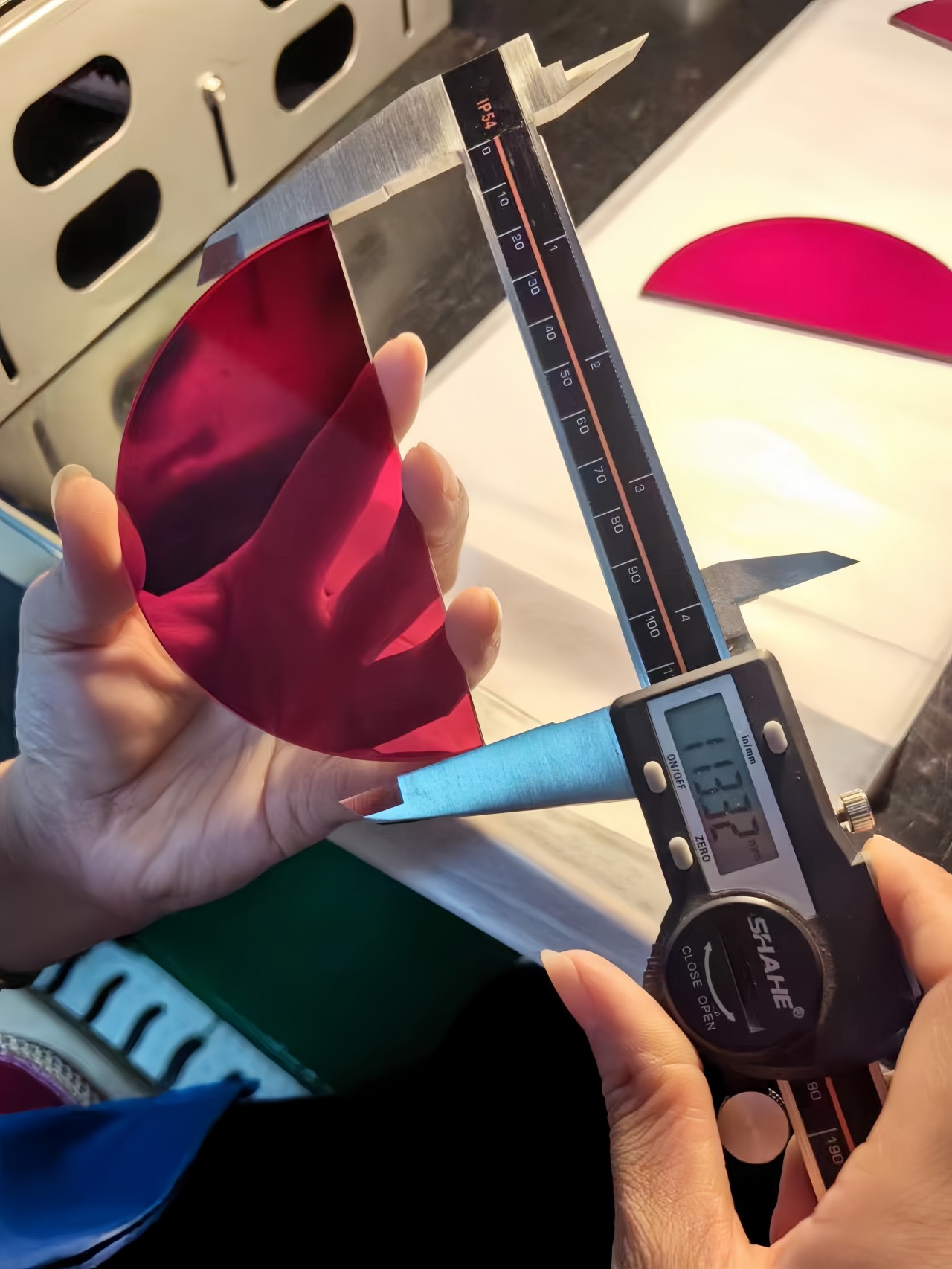
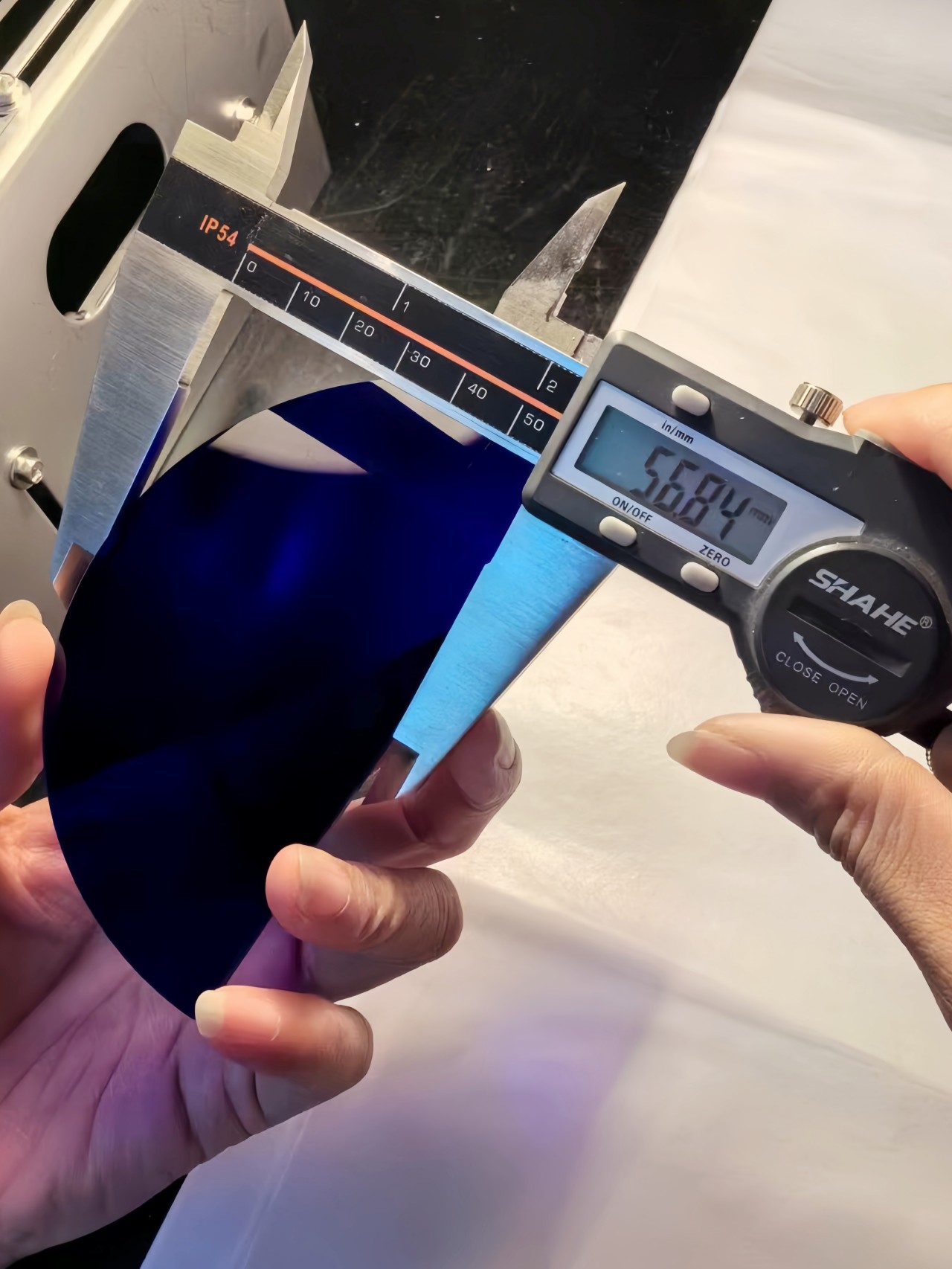

What Is Tinted Glass?
Max. Processing Size: | Sheets over 5m in length, large-format panels |
Min. Part Size: | Precision micro-components down to 10mm. |
Cutting Tolerance: | ±0.1 mm(CNC/Waterjet),±0.05 mm(Laser) |
Drilling/Milling Tolerance: | ±0.1 mmposition &diameter) |
Edge Profile Tolerance: | ±0.1 mm |
Standard Thickness Range: | From 1.5 mm and above. |
Ultra-Thin Processing Capability: | Down to sub-1.0 mm(e.g.,0.3-0.7 mm for specialty applications) |
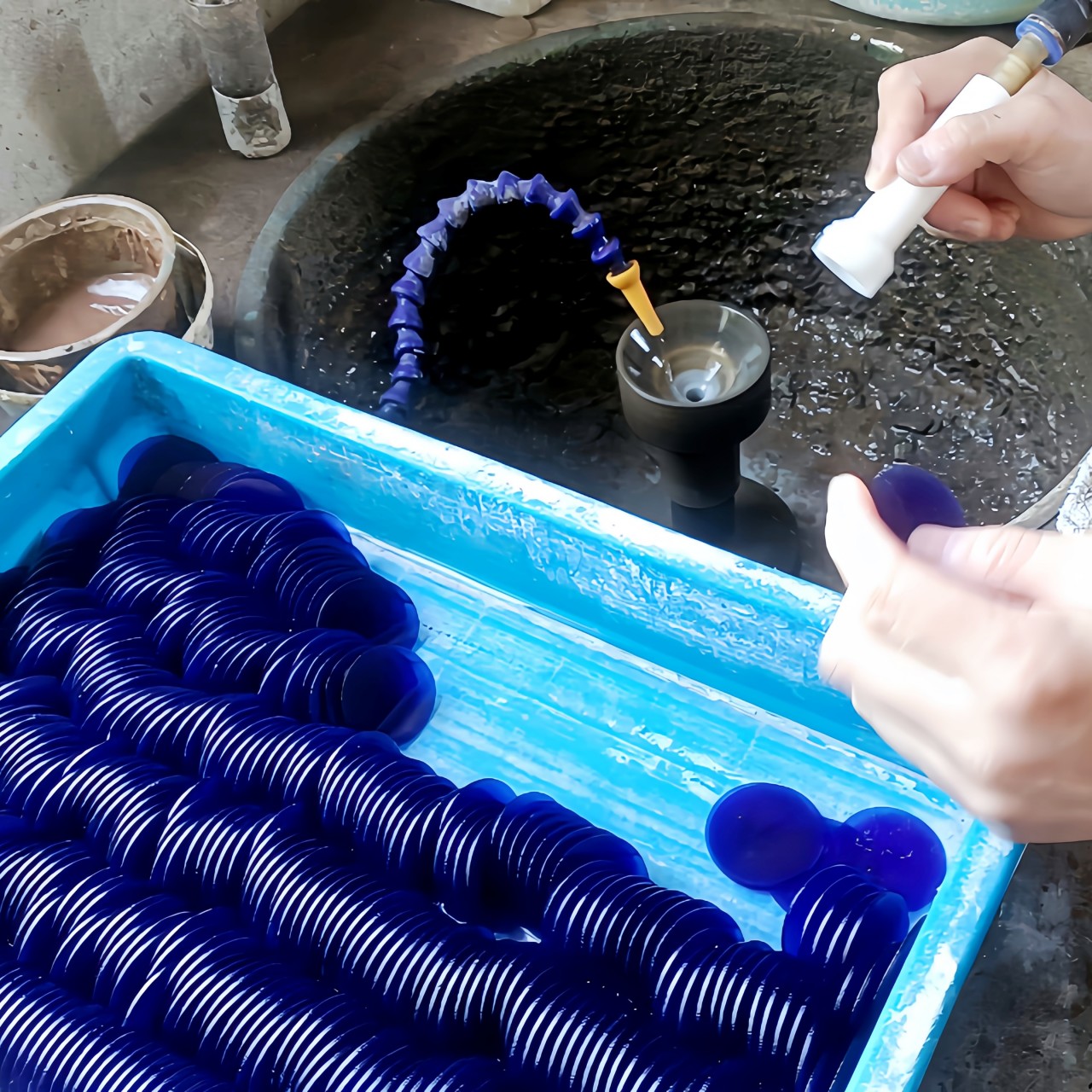
Custom Tinted Glass for CNC Machining
| Parameter / Property | Typical Value / Range | Description & Implication |
| Primary Chemical Composition | - | Base soda-lime silica glass with added colorants. |
| Silicon Dioxide (SiO₂) | ~70 - 73% | Forms the primary glass network. |
| Sodium Oxide (Na₂O) + Calcium Oxide (CaO) | ~12 - 15% | Fluxing and stabilizing agents. |
| Coloring Agents (e.g., Fe₂O₃, CoO, NiO, Se, etc.) | 0.1 - 5% (varies) | Metal oxides or elements added to produce specific, permanent body tints (e.g., Bronze, Gray, Blue, Green, Gold). |
| Physical & Mechanical Properties | - | Fundamental characteristics similar to clear float glass. |
| Density | ~2.5 g/cm³ | Standard density for soda-lime-silica glass. |
| Hardness (Knoop) | ~585 HK | Good surface scratch resistance. |
| Modulus of Elasticity | ~72 GPa | Standard stiffness. |
| Bend Strength (Annealed) | ~30 - 50 MPa | Can be heat-strengthened (70-150 MPa) or fully tempered (120-200 MPa) for safety. |
| Thermal Properties | - | Standard thermal performance. |
| Coefficient of Thermal Expansion | ~8.5 - 9.0 x 10⁻⁶ /K | Standard expansion for soda-lime glass. Compatible with standard framing systems. |
| Annealing Point | ~545 - 560 °C | Standard for float glass. |
| Softening Point | ~720 - 730 °C | Standard for float glass. |
| Optical & Solar Properties (Key Performance Metrics) | - | Varies significantly by color and thickness. |
| Visible Light Transmittance (VLT) | 10% - 80% (typical) | The percentage of visible light transmitted. Lower VLT provides more privacy and glare control. |
| Solar Heat Gain Coefficient (SHGC) | 0.2 - 0.7 (typical) | Fraction of incident solar radiation admitted. A lower SHGC indicates better solar heat rejection. |
| Ultraviolet (UV) Light Transmittance | < 25% (often much lower) | Effectively blocks a significant portion of UV radiation, protecting interiors from fading. |
| Light-to-Solar Gain (LSG) Ratio | Varies by product | Ratio of VLT to SHGC; a higher ratio indicates better daylighting efficiency relative to heat gain. |
| Key Fabrication Note | Fully Processible | Can be cut, drilled, edge-worked, laminated, and heat-treated (tempered) using standard glass fabrication methods after the tinting process. |
Surface Finishing & Secondary Processing
Screen Printing
Coating (e.g., Sputtering)
Sandblasting
Polishing / Grinding
Acid Etching
CNC Engraving
Painting / Enameling
Applies ceramic-based paint onto the surface, which is then fired at high temperature to fuse into a durable, colored coating.
Advantages of Tinted Glass in Component Design & Production
Tinted glass offers enhanced aesthetics, brand identity, and functional benefits like glare reduction. However, it can increase production cost/complexity and potentially impact light transmission for sensors.
Benefits
Established Manufacturing Process: It is produced using the standard float glass manufacturing line, making its production mature, scalable, and cost-effective compared to more exotic glass types.
In-Body, Permanent Color: The color is integral to the glass mass (not a surface coating), ensuring it is fade-resistant, scratch-proof, and uniform throughout the thickness for a consistent appearance.
Excellent Fabrication Compatibility: It can be cut, drilled, edged, laminated, and—most importantly—heat-treated (tempered or heat-strengthened) after coloring. This allows great design flexibility and the addition of safety properties.
Integrated Solar Performance: It provides inherent solar control (reduced heat gain and glare) and UV blocking as a primary material property, eliminating the need for additional films in many applications.
Design Versatility: Available in a wide range of standard and custom colors, thicknesses, and performance levels (VLT/SHGC), allowing it to meet diverse aesthetic and functional specifications for architecture and design.
Durability & Weather Resistance: It retains the excellent chemical and weathering durability of its base soda-lime glass, ensuring long-term performance in outdoor applications.
Cost-Effective Solar Control: Compared to adding after-market films or using complex laminated alternatives, body-tinted glass often presents a more economical and low-maintenance solution for achieving moderate solar management.
Key Limitations to Consider
Reduced Visible Light Transmission (VLT): Its primary function of solar control inherently reduces the amount of natural daylight entering a space, which can increase reliance on artificial lighting.
Higher Heat Absorption: Darker tints absorb more solar radiation, causing the glass itself to become hot. This can lead to higher thermal stress, increasing the risk of thermal breakage if not properly heat-treated or sized.
Color and Performance Variability: Achieving absolute color consistency across different production batches or under varying lighting conditions can be challenging. Its solar performance (SHGC, VLT) is also fixed and less tunable compared to coated glazing.
Limited Design Flexibility Post-Production: The color is integral and cannot be altered after manufacturing. Any application requiring specific spectral properties or dynamic control must look to alternative technologies like switchable films or coatings.
Potential for Higher Cost vs. Clear Glass: The addition of metal oxides and more controlled manufacturing process typically makes tinted glass more expensive than standard clear float glass of the same thickness.
Aesthetic Limitations in Reflection: In certain lighting conditions, the exterior reflected color may not match designers’ or architects’ exact expectations, as it is influenced by the base glass color and the added tint.
Not a High-Performance Insulator: While it reduces solar heat gain, it does not significantly improve the insulating value (U-value) of a window unit on its own. For thermal insulation, it must be used in insulated glass units (IGUs) with low-E coatings and gas fills.
Tinted Glass Solutions for Architecture, Automotive & Design
Architecture & Facades: Used in curtain walls, windows, and skylights for solar control, glare reduction, aesthetic design, and privacy.
Automotive & Transportation: Applied in vehicle side/rear windows, sunroofs, and windscreen bands to reduce interior heat and glare.
Furniture & Interior Design: Utilized in glass partitions, shelves, tabletops, and decorative panels for both functional and aesthetic purposes.
Solar Control & Glare Reduction: Specialized applications in museum skylights, library windows, and office buildings to protect interiors from UV damage and excessive heat.
Specialty Design & Signage: Employed in colored glass canopies, artistic installations, and back-painted signage glass for striking visual effects.
FAQ: Tinted Glass for Product Development & Design
What exactly is tinted glass, and how is the color achieved?
What are the main performance benefits of using tinted glass?
Can tinted glass be tempered or laminated?
How do we specify the color and performance? What are VLT and SHGC?
VLT (Visible Light Transmittance): The percentage of visible light that passes through.
SHGC (Solar Heat Gain Coefficient): The fraction of solar radiation admitted as heat.
Lower numbers for both mean less light and less heat gain.
Is the color consistent across different batches and production runs?
What are the limitations or challenges in working with tinted glass?
Reduced Light Transmission: It inherently darkens a space.
Thermal Absorption: Darker tints absorb more heat, which must be managed through proper tempering to prevent thermal stress breakage.
Fixed Properties: Its performance is “baked in” and less tunable than coated glass.
How does it compare to applying a film to clear glass?
What are typical applications and industries for your tinted glass?
Can you produce custom colors? What about shapes and machining?
What impacts the lead time and cost?
Contact Us
Your feedback fuels our growth, and your questions drive our solutions.
We value your feedback, inquiries, and suggestions. Please feel free to get in touch with us
General inquiries
Please contact us via sales@bo-glass.com, and we will reply to you as soon as possible.
Interested to work with us
Drop your resume at info@bo-glass.com
and we will get back to you shortly.
We uses the contact information you provide to us to contact you about our relevent content, products, and services.