
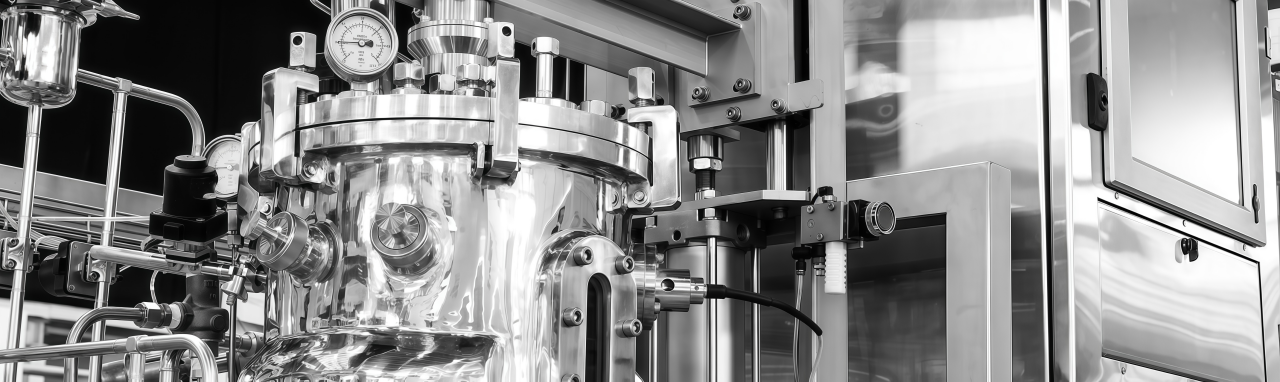
Precision Glass for Industrial Instruments
- Production-grade products
- ISO 9001:2015 certified
- 24/7 engineering support
BO-GLASS: Precision Glass Solutions for Industrial Instruments
BO-GLASS delivers certified, high-performance glass components for industrial applications. Our chemically strengthened glass withstands 5J+ impacts and 200°C thermal shock, meeting international standards. We accelerate your project from rapid prototyping to reliable mass production.
Why manufacture
Industrial Instruments
with BO-GLASS?

ISO-Certified Quality
End-to-End Service
Expert Engineering
Scalable Production
Rapid Delivery
Instant Quoting
What kind of Industrial Instruments glass parts can we make?
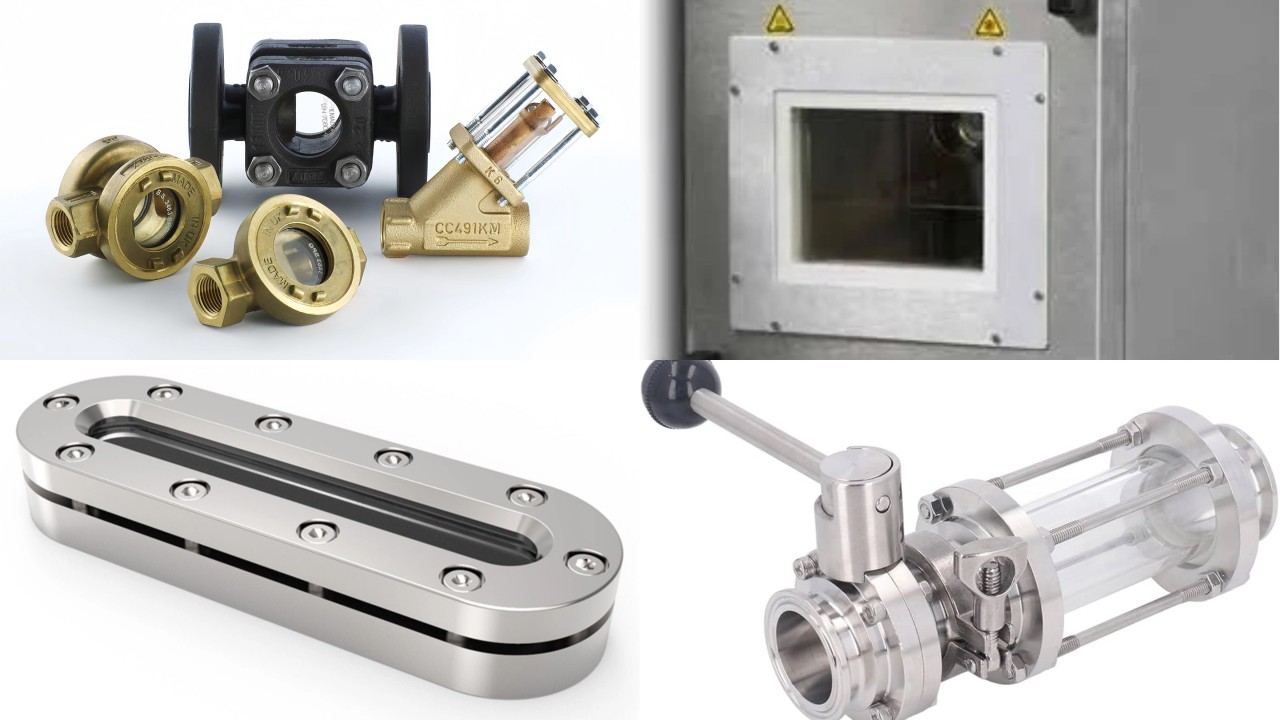
Observation Windows & Sight Glasses
Pressure Vessel Sight Glasses: Used in reactors, boilers, and steam pipelines to monitor internal processes and liquid levels.
Industrial Oven & Furnace Viewports: Used in heat treatment, sintering, and drying production lines, capable of withstanding sustained high temperatures.
Chemical Equipment Observation Windows: Used in reaction vessels and pipelines to monitor fluids and chemical reactions, requiring corrosion resistance.
Laser Cutter Protective Windows: Used to observe the cutting head status while protecting against laser scattering and splatter.
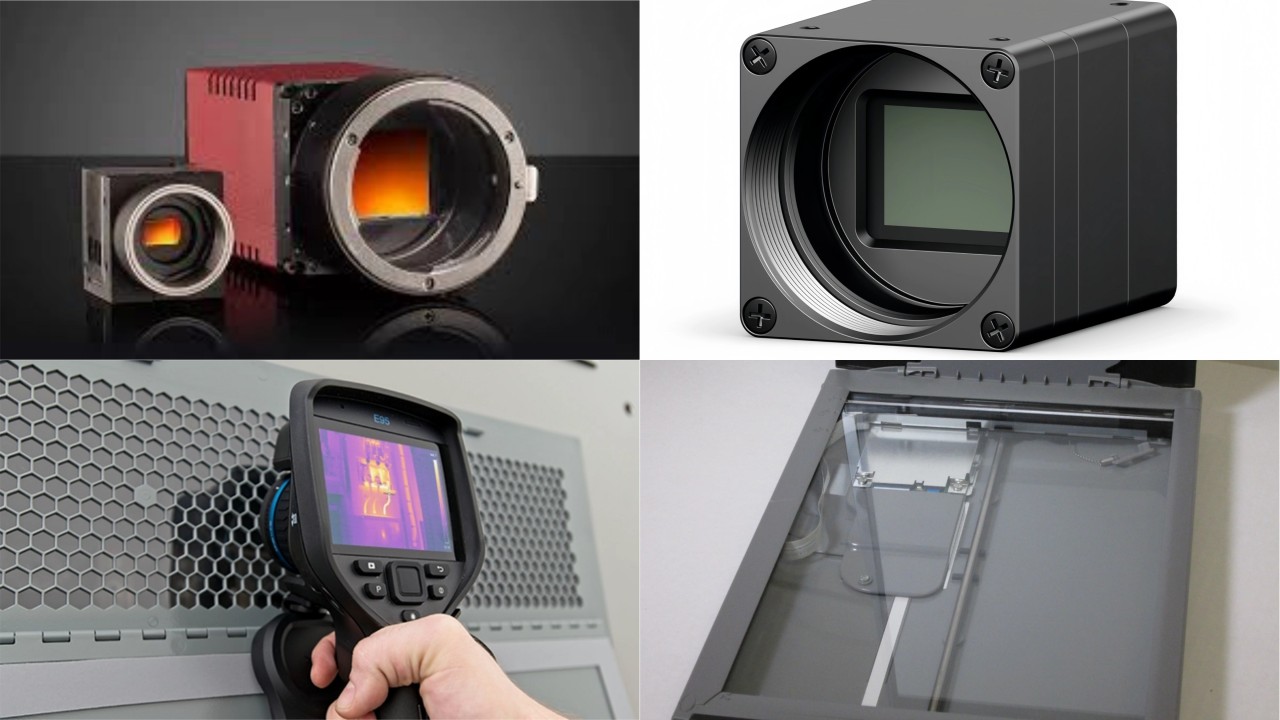
Optical & Sensing Components
Industrial Camera & Sensor Lenses: Used for machine vision, dimensional inspection, barcode reading, and positioning guidance.
Laser Optical Components: Including focusing lenses, reflector mirrors, and protective covers for laser marking, welding, and cutting equipment.
Thermal Imager Windows: Used for monitoring equipment temperature distribution, requiring high transmittance in the infrared spectrum.
Scanner & Copier Platen Glass: Requires high hardness and scratch resistance to protect internal precision optical components.
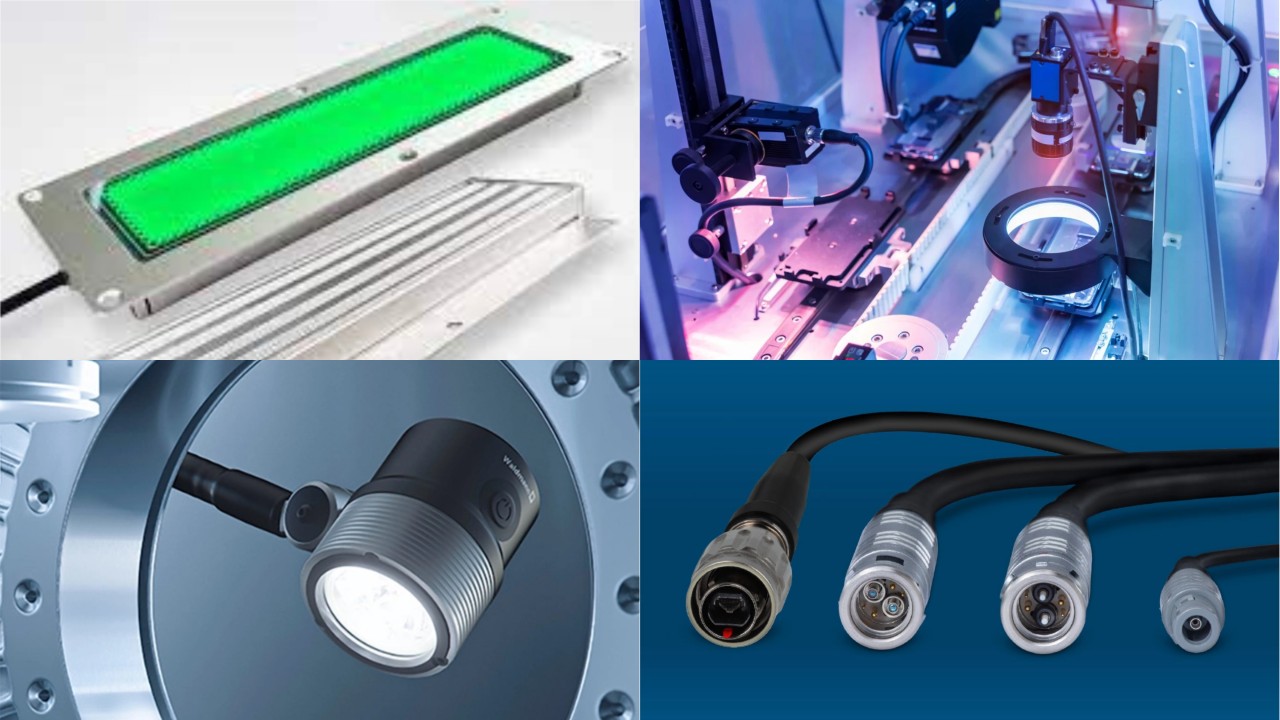
Lighting & Indication Components
Equipment Status Indicator Lenses/Covers: Used in control cabinets, machine tools, and automated equipment to display operational status, alarms, and faults.
Machine Work Area Lighting Covers: Provide internal illumination for CNC machining centers, measuring instruments, etc., requiring oil resistance and shatterproof properties.
Fiber Optic Terminals & Couplers: Used in industrial communication and sensing systems.
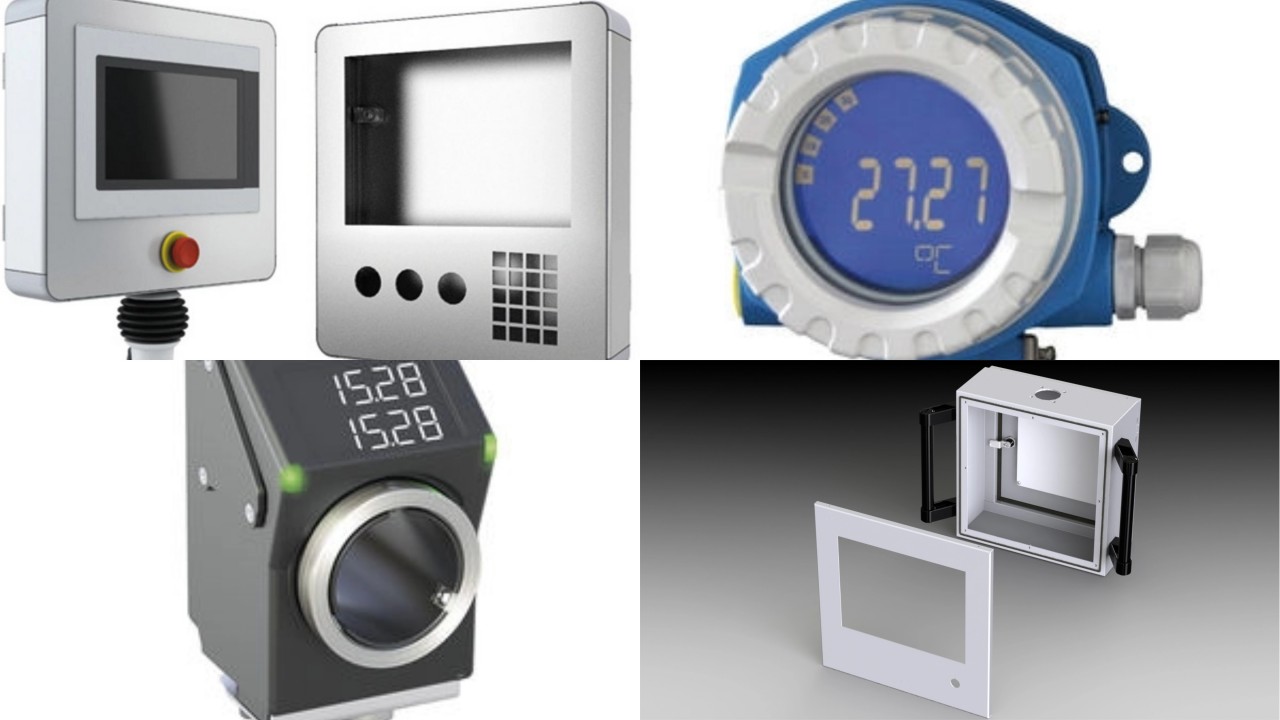
Thermal Insulation & Protection Components
High-Temperature Zone Insulation Windows: Used on welding stations or high-temperature furnaces to protect operators from radiant heat.
Equipment Protection Covers/Guards: Prevent dust, liquids, and debris from entering sensitive parts of equipment while allowing for observation.
X-ray Machine & NDT Equipment Windows: Require high transmittance for specific radiation while ensuring safety.
Industrial manufacturing capabilities
All our manufacturing processes offer a wide selection of materials. Below is a list of some commonly used materials in industrial projects.
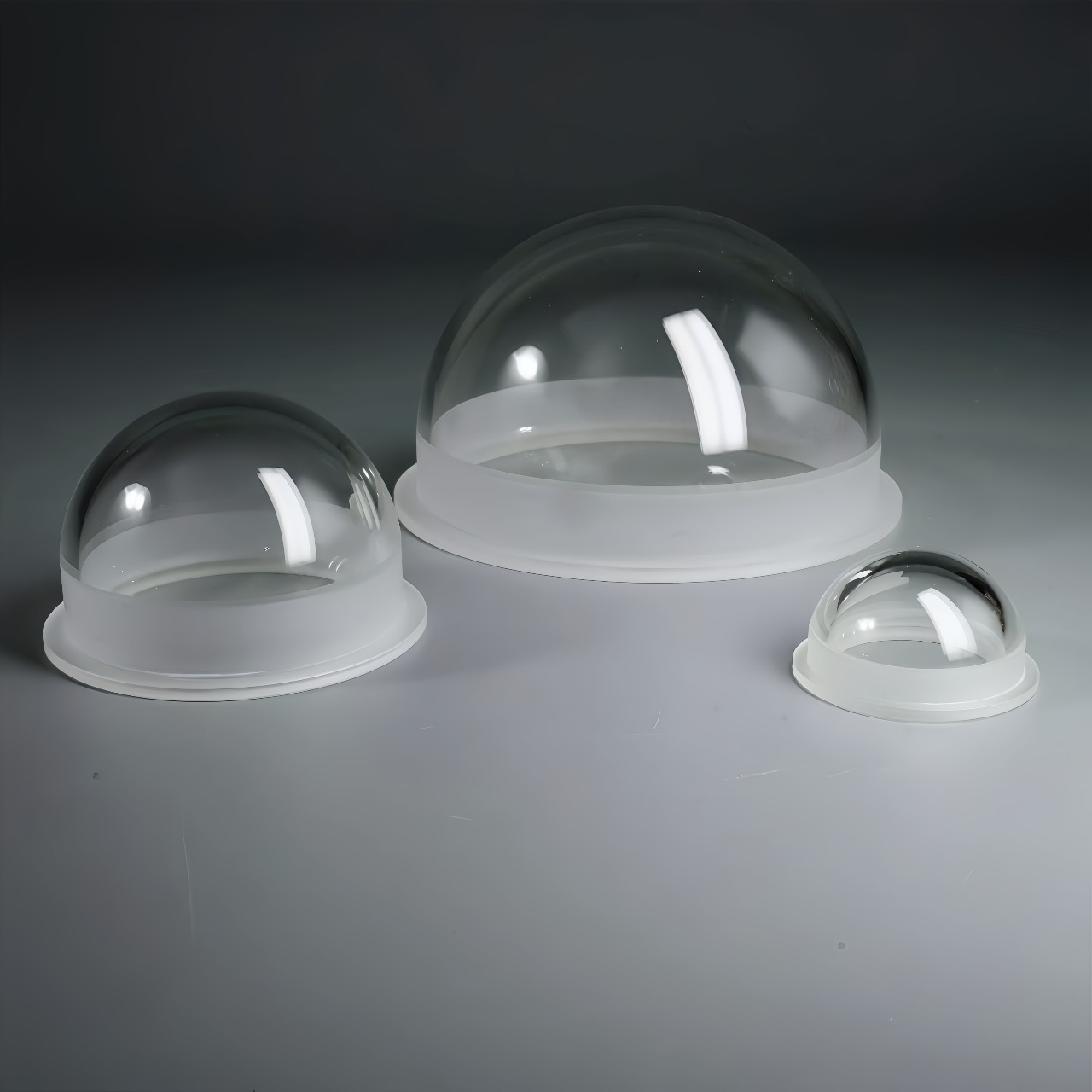
Precision Glass Molding Services
Precision molded optical lenses, prisms and domes for medium to high-volume production.
See our Precision Glass Molding Services
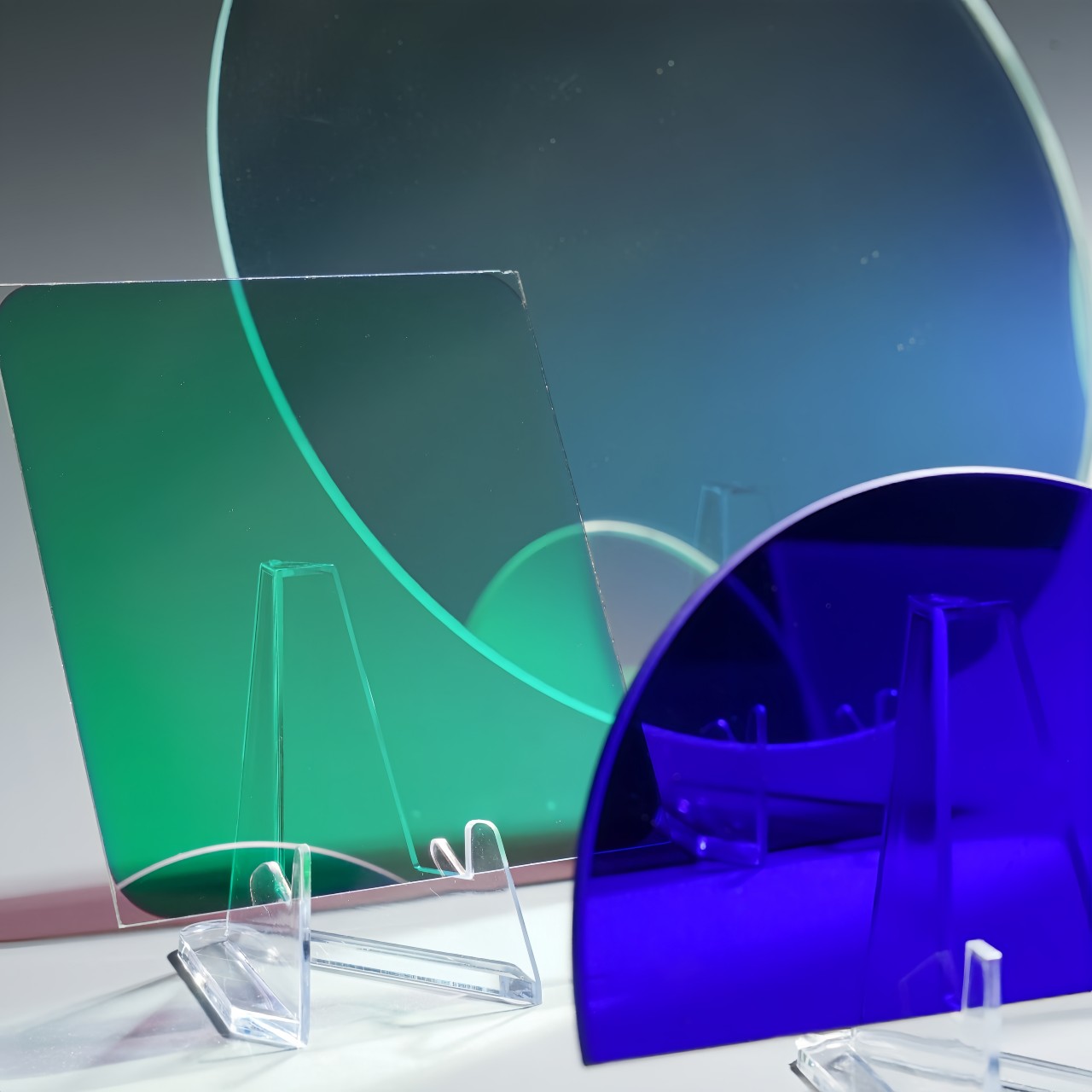
Glass Coatings for Enhanced Performance
Advanced glass coatings for enhanced performance & custom functionality
See our Glass Coatings for Enhanced Performance

Custom Glass Cutting Services
Precision CNC waterjet & laser glass cutting for complex designs and various materials.
See our Custom Glass Cutting Services
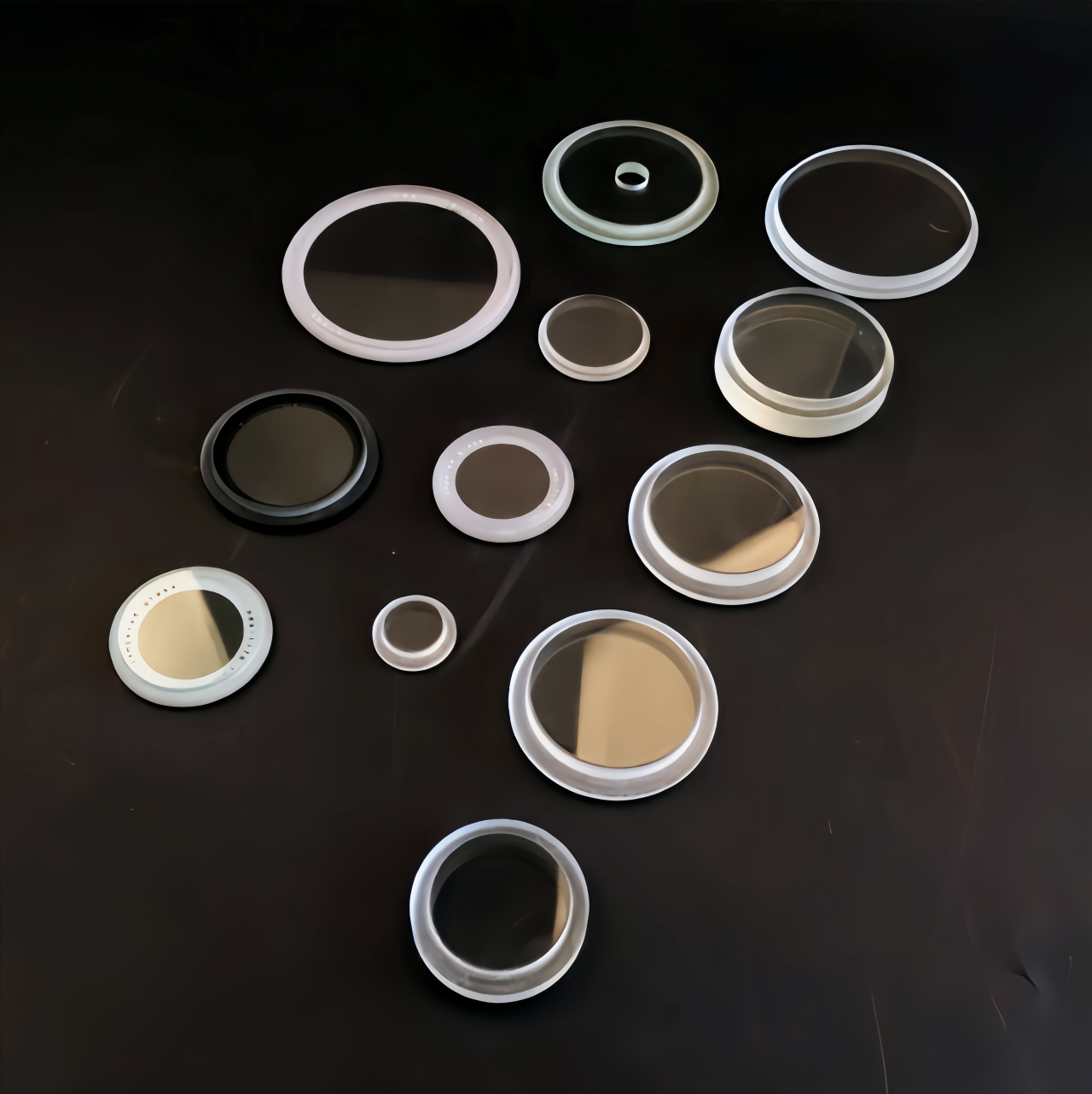
Surface Lapping & Polishing
See our Surface Lapping & Polishing
Industrial glass manufacturing materials
All our manufacturing processes offer a wide selection of materials. Below is a list of some commonly used materials in industrial projects.
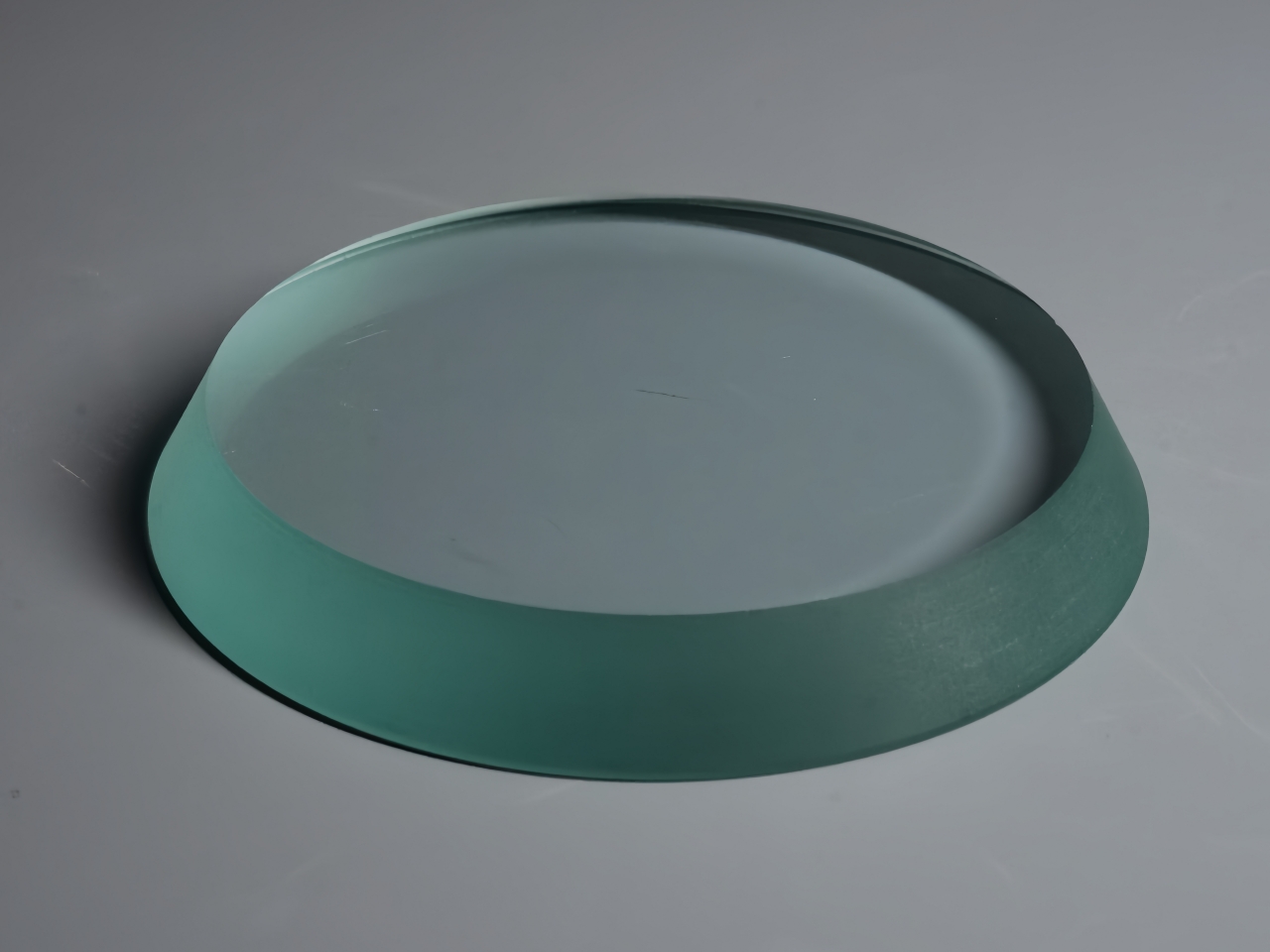
Float Glass (Soda-lime)
Composition:SiO₂, Na₂O, CaO
Appearance :Clear with slight green tint
Visible Light Transmission:~89%
Density (g/cm3)):~2.5
Knoop Hardness: ~5850 MPa
*CTE (x10⁻⁷/°C)*:~85 - 90
Softening Point (°C)):~600
Max. Working Temp. (°C):~200 - 250
Features:Most common, cost-effective
Applications:Windows, mirrors, furniture
Get a product quote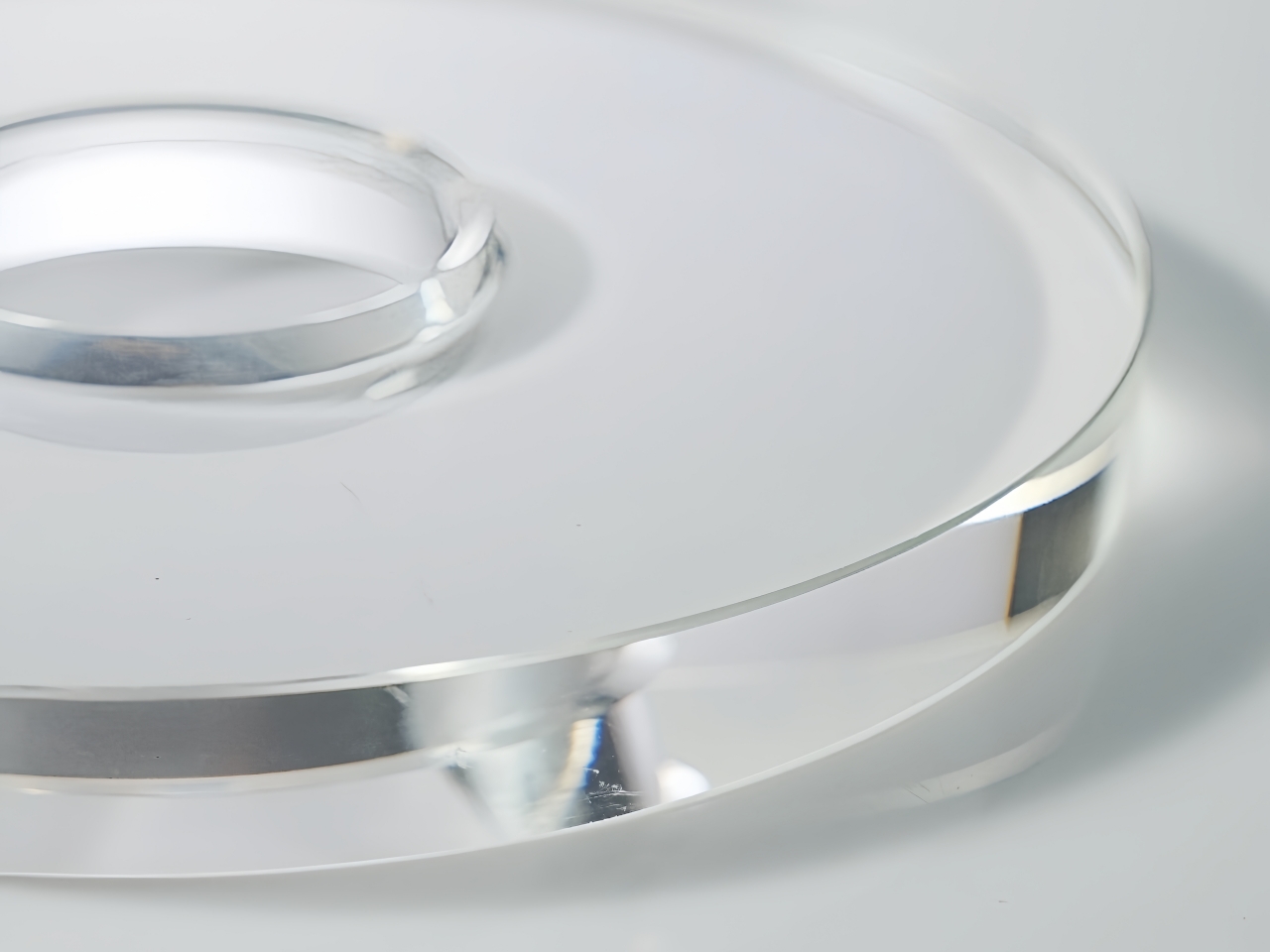
Low-iron Glass
Composition:SiO₂, very low Fe₂O₃
Appearance :Water-white, high clarity
Visible Light Transmission:~91% - 99%
Density (g/cm3)):~2.5
Knoop Hardness: ~5850 MPa
*CTE (x10⁻⁷/°C)*:~85 - 90
Softening Point (°C)):~600
Max. Working Temp. (°C):~200 - 250
Features:Superior clarity, minimal color distortion
Applications:Display glass, aquariums, high-end furniture
Get a product quote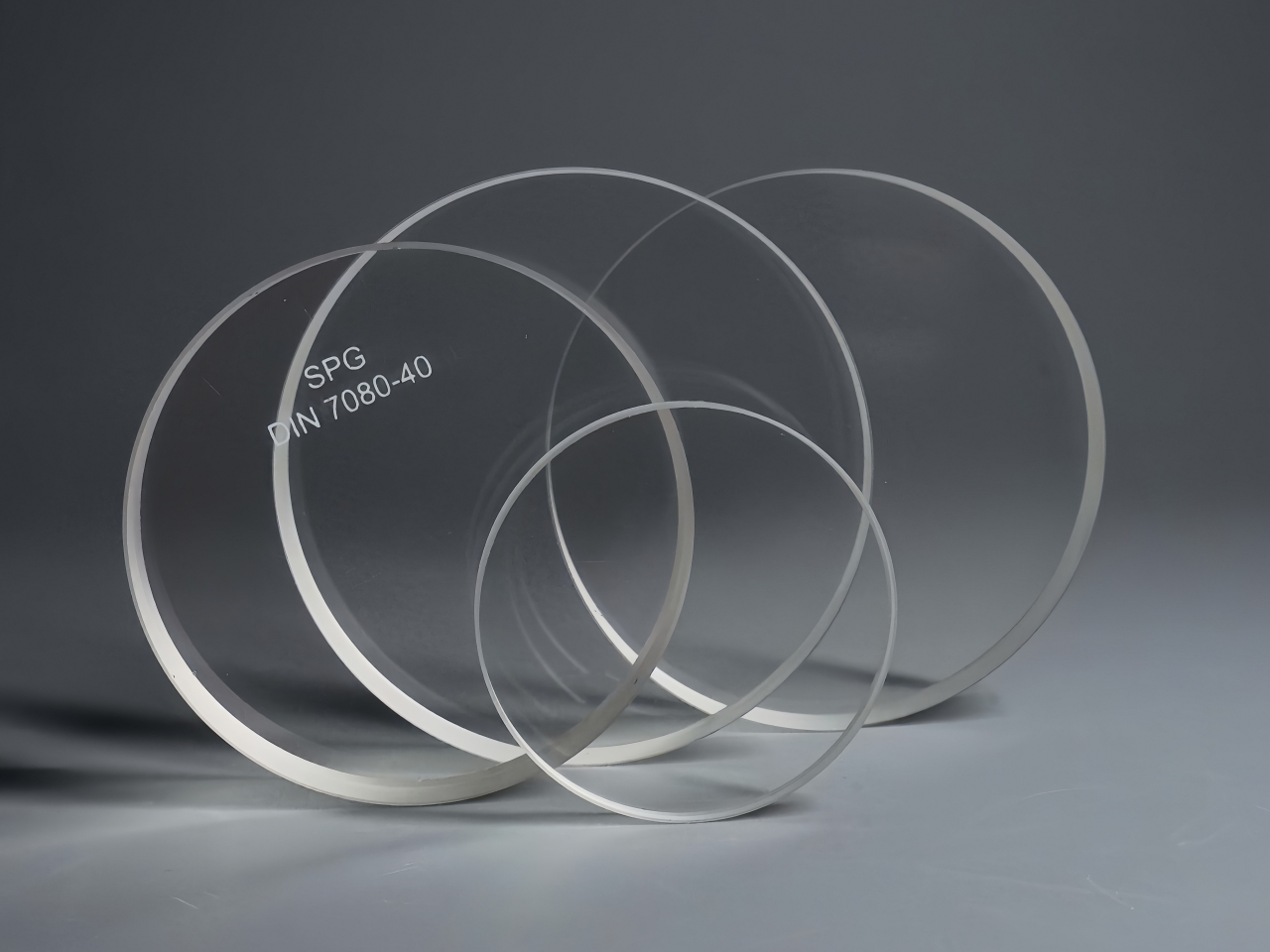
Borosilicate3.3
Composition:SiO₂, B₂O₃
Appearance :Clear, colorless
Visible Light Transmission:~90% - 92%
Density (g/cm3)):~2.23
Knoop Hardness: ~4800 MPa
*CTE (x10⁻⁷/°C)*:~33
Softening Point (°C)):~821
Max. Working Temp. (°C):~450 (short-term 500)
Features: Excellent thermal shock resistance, high chemical durability
Applications: Labware, sight glasses, high-temperature lighting
Get a product quote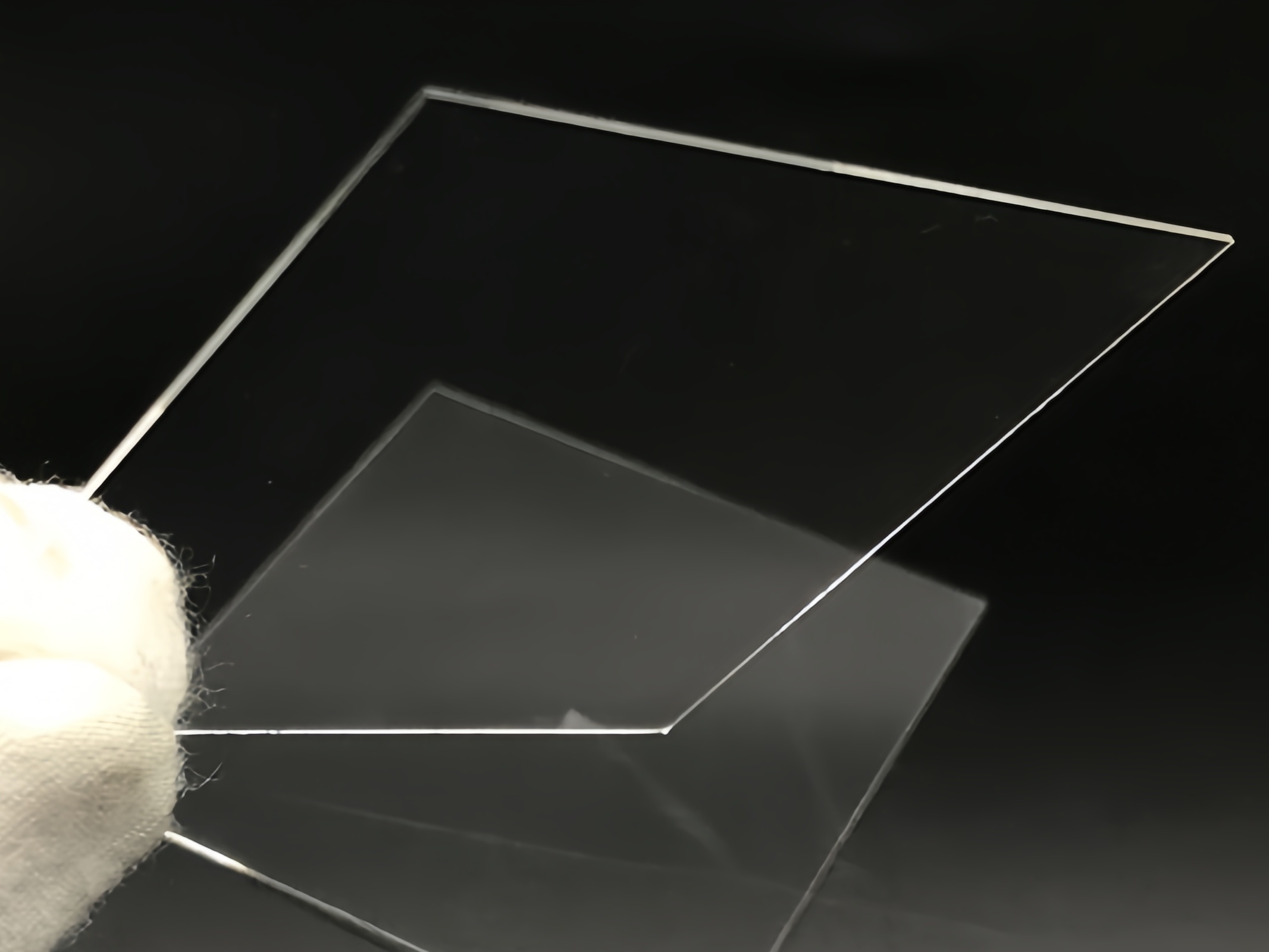
Aluminosilicate Glass
Composition:SiO₂, Al₂O₃, MgO, CaO
Appearance :Clear, colorless
Visible Light Transmission:~90%
Density (g/cm3)):~2.64
Knoop Hardness: ~6100 MPa
*CTE (x10⁻⁷/°C)*:~42 - 52
Softening Point (°C)):~975
Max. Working Temp. (°C):~600 - 800
Features:High mechanical strength, superior temperature & chemical resistance
Applications:Touchscreens, cover glass, aerospace
Get a product quote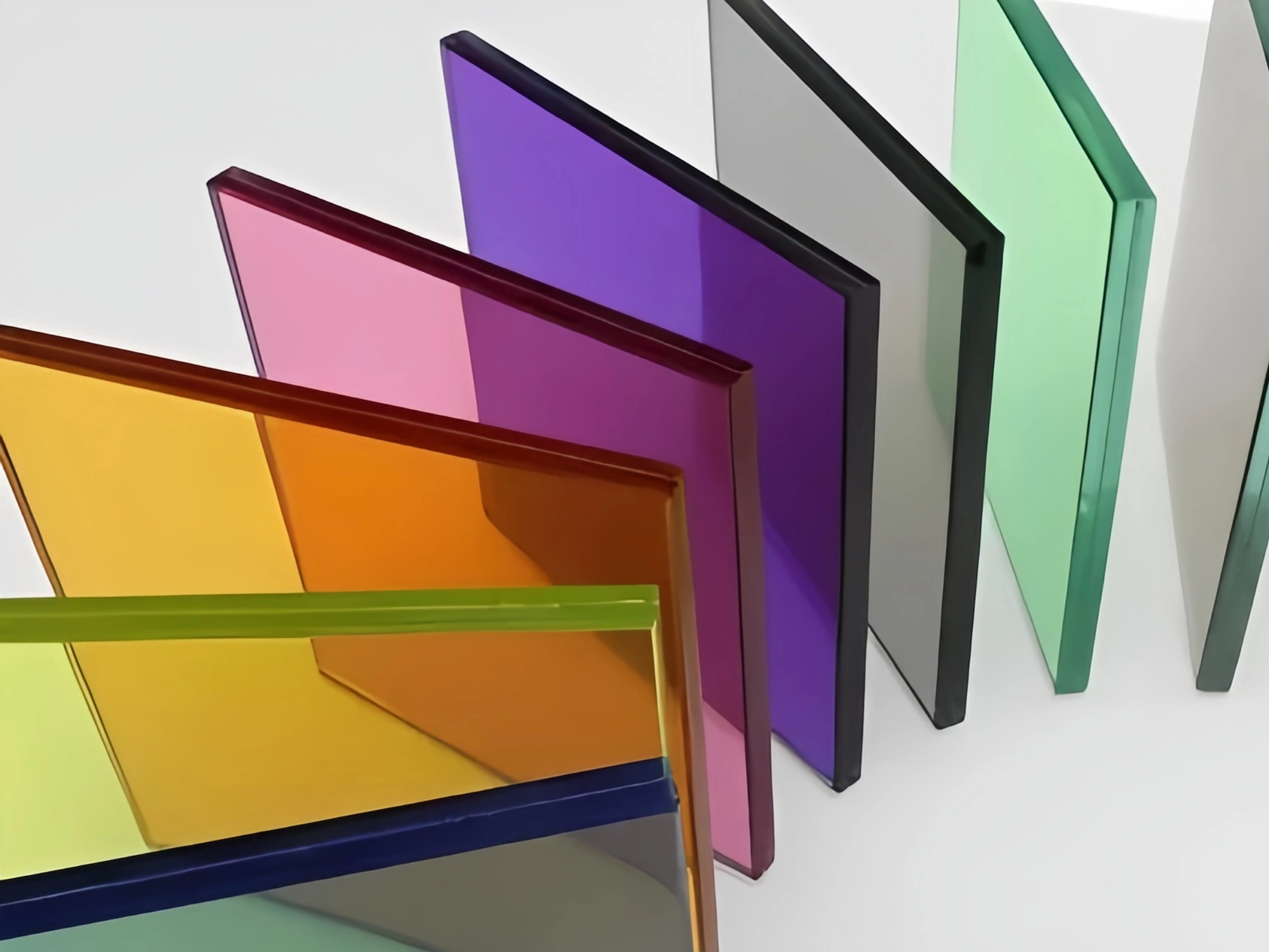
Tineted glass
Composition:Soda-lime base with colorants (Se, Co, Fe)
Appearance :Bronze, Grey, Green, etc
Visible Light Transmission:Varies (e.g., 20% - 70%)
Density (g/cm3)):~2.5
Knoop Hardness:~5850 MPa
*CTE (x10⁻⁷/°C)*:~85 - 90
Softening Point (°C)):~600
Max. Working Temp. (°C):~200 - 250
Features:Solar energy absorption, reduced glare, privacy
Applications: Facades, automotive windows, sun protection
Get a product quote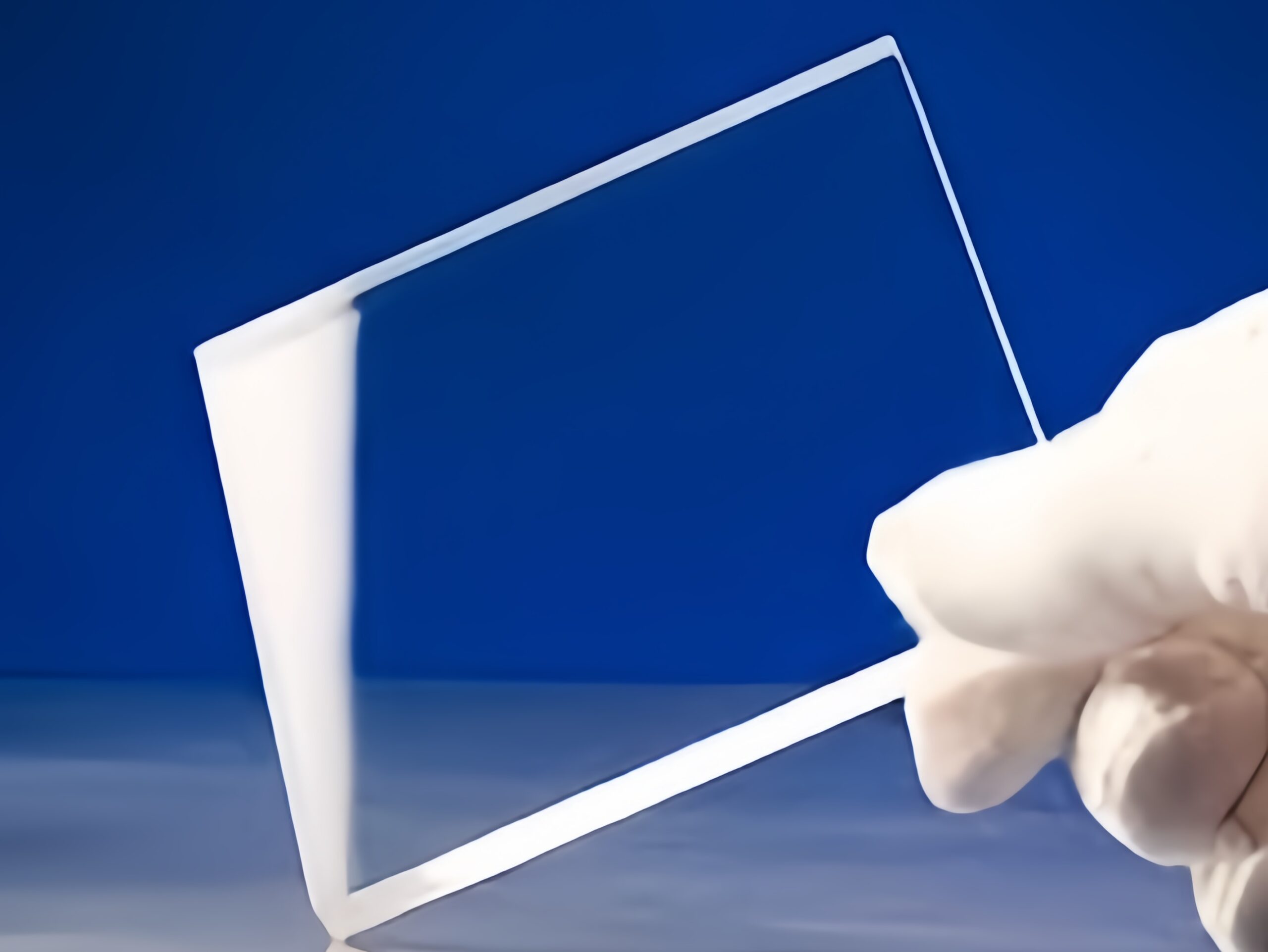
Anti-glare Glass
Composition:Soda-lime or low-iron with etched surface
Appearance :Matte, diffuse surface
Visible Light Transmission:Varies (e.g., 90% - 98% of base glass)
Density (g/cm3)):~2.5
Knoop Hardness:~5850 MPa
*CTE (x10⁻⁷/°C)*:~85 - 90
Softening Point (°C)):~600
Max. Working Temp. (°C):~200 - 250
Features:Scatters light to reduce reflections, improves readability
Applications:Picture framing, display cases, instrument covers
Get a product quote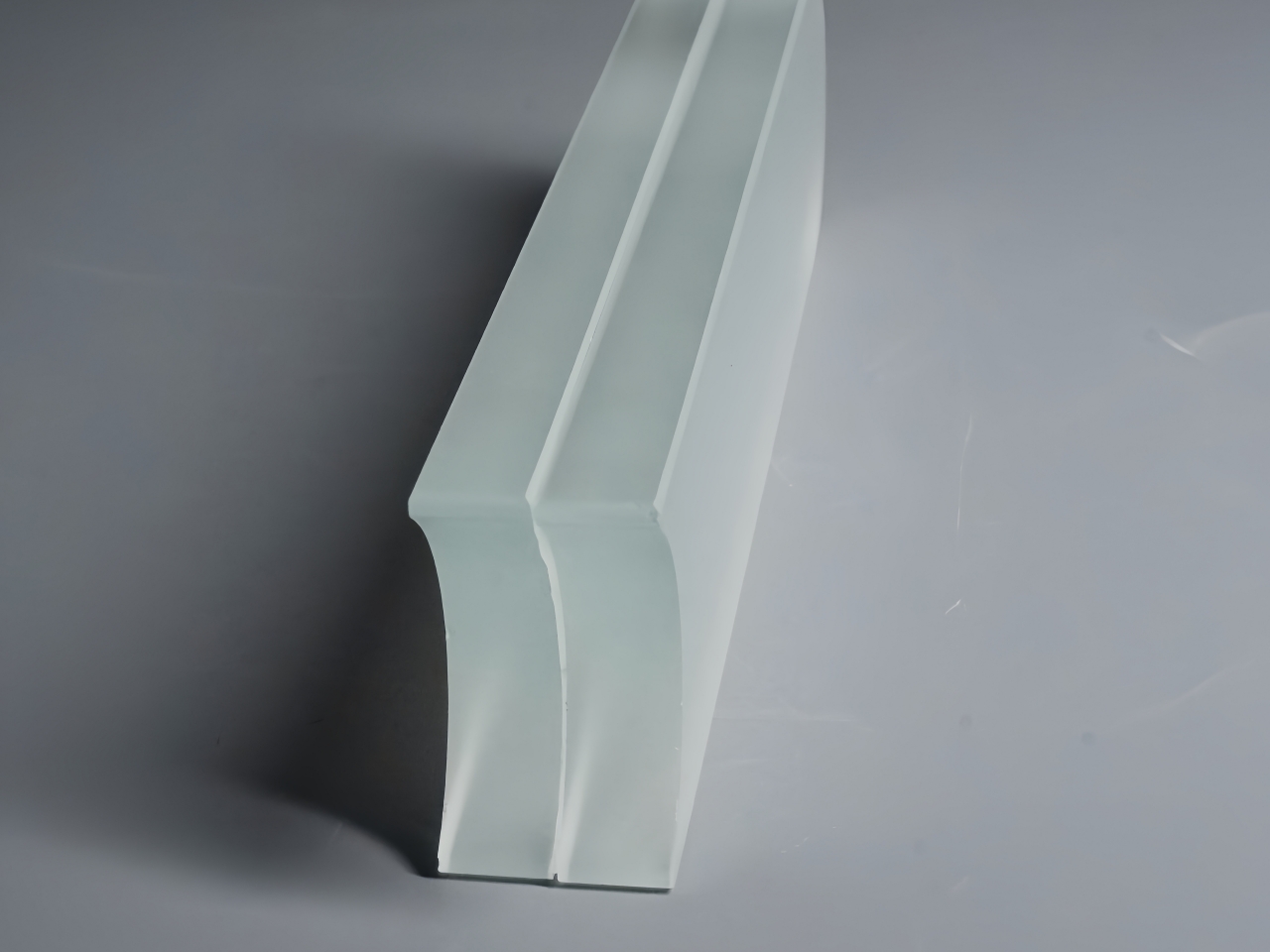
Laminated glass
Composition:Glass + PVB/IONPLAST interlayer
Appearance :Clear, Tinted, or with interlayer color
Visible Light Transmission:Depends on glass panes used
Density (g/cm3)):~2.5
Safety Rating:Safety Glass: holds together when broken
*CTE (x10⁻⁷/°C)*:~85 - 90
Softening Point (°C)):~600
Max. Working Temp. (°C):~200 - 250
Features:Security, sound insulation, UV control
Applications:Windshields, overhead glazing, security windows
Get a product quote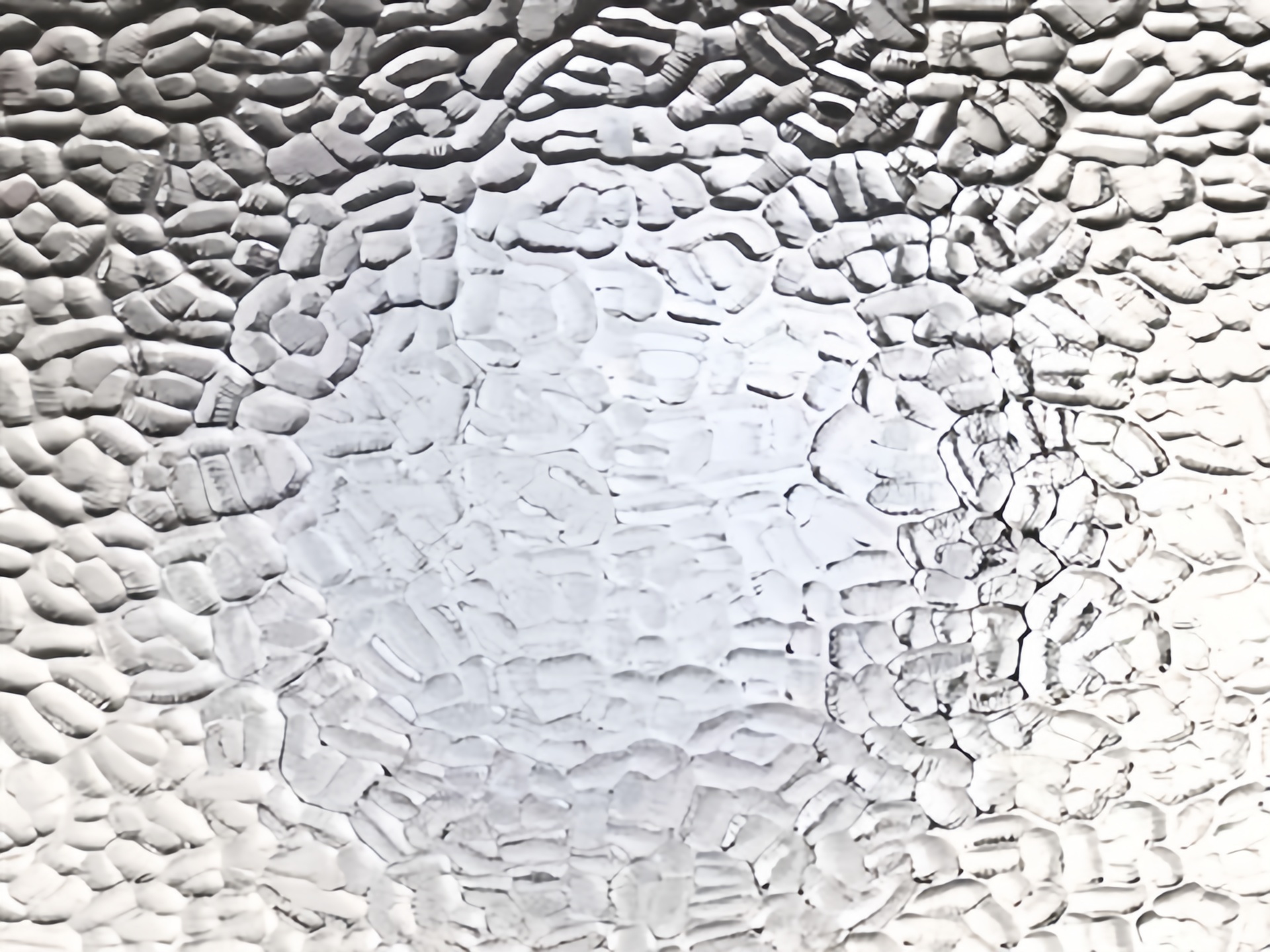
Patterned glass
Composition:Soda-lime, rolled with pattern
Appearance :Textured/obscured surface, various patterns
Visible Light Transmission:Varies with pattern (5% - 85%)
Density (g/cm3)):~2.5
Safety Rating:Breaks into sharp pieces (like float glass)
*CTE (x10⁻⁷/°C)*:~85 - 90
Softening Point (°C)):~600
Max. Working Temp. (°C):~200 - 250
Features: Decorative, provides privacy & light diffusion
Applications:Partitions, bathroom windows, decorative doors
Get a product quote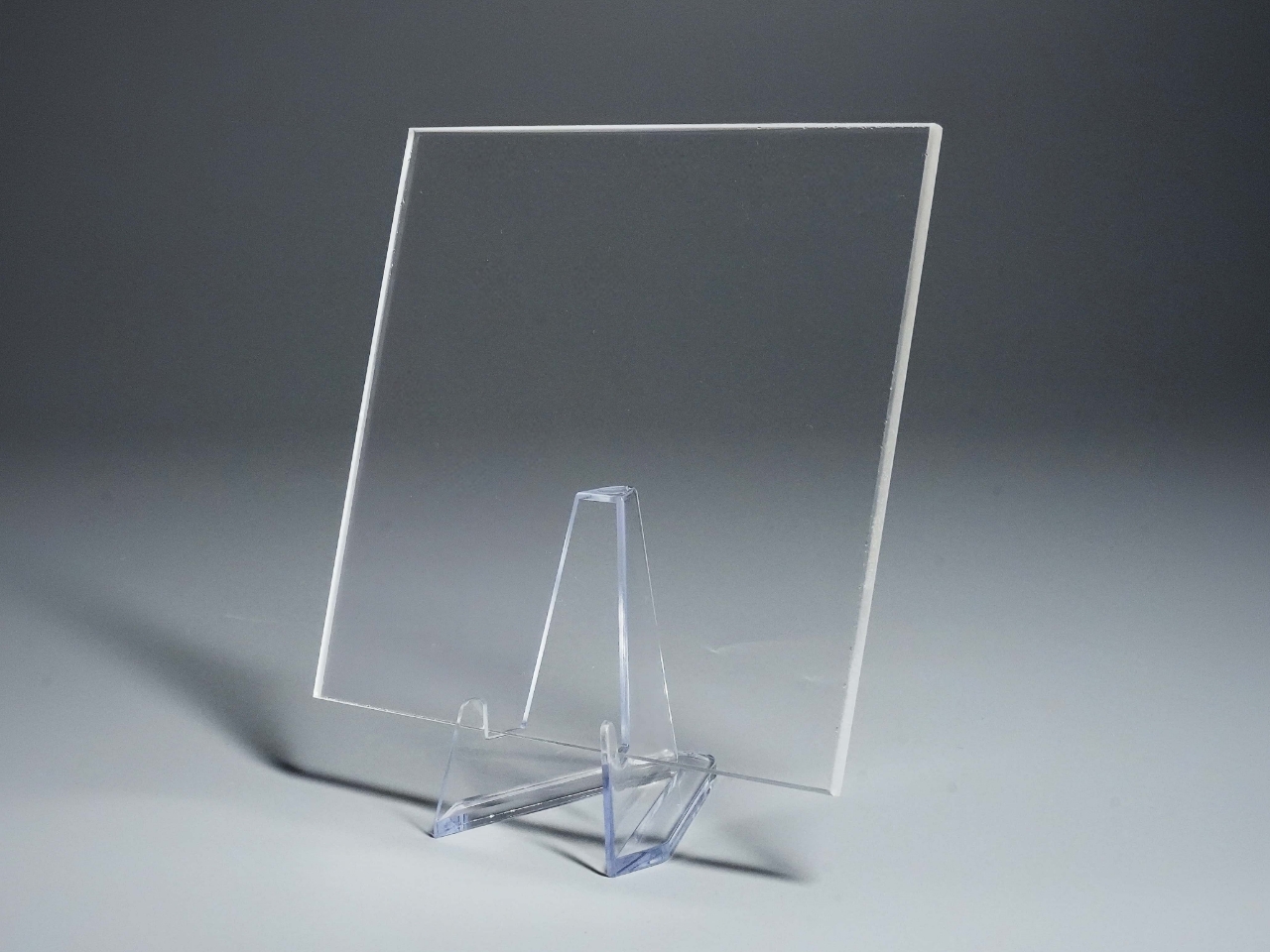
Quartz glass
Composition:>99.9% SiO₂
Appearance :Clear, colorless, high purity
Visible Light Transmission:>93% (up to UV range)
Density (g/cm3)):~2.2
Safety Rating:Breaks into sharp pieces
*CTE (x10⁻⁷/°C)*:~5.5
Softening Point (°C)):~1683
Max. Working Temp. (°C):~1100
Features: Ultra-high temp resistance, superior UV transmission, high purity
Applications:Optics, semiconductor, UV lighting, furnace viewports
Get a product quoteOur factory and our partner factories
BO-GLASS coordinates our core facility with a dedicated network of local specialists to deliver custom glass components. You benefit from our collective expertise while we manage all communication, quality control, and logistics for a seamless experience.


FAQ: Precision Glass Components for Industrial Instruments
Why should we choose glass over polycarbonate or other plastics for our instrument cover or sight glass?
Scratch Resistance: Maintains optical clarity and does not haze from abrasion.
Chemical Inertness: Resists corrosion from oils, solvents, and cleaning agents.
Thermal Stability: Withstands high operating temperatures without warping or deforming.
Durability: Provides a hard, long-lasting surface that maintains its properties over time.
How heat and impact resistant are your glass components?
Can you manufacture a part from our technical drawing or CAD file?
What is your lead time for prototypes and mass production?
What is your Minimum Order Quantity (MOQ)?
How do you ensure optical clarity and dimensional accuracy?
Contact Us
Your feedback fuels our growth, and your questions drive our solutions.
We value your feedback, inquiries, and suggestions. Please feel free to get in touch with us
General inquiries
Please contact us via sales@bo-glass.com, and we will reply to you as soon as possible.
Interested to work with us
Drop your resume at info@bo-glass.com
and we will get back to you shortly.
We uses the contact information you provide to us to contact you about our relevent content, products, and services.