
Precision Borosilicate Glass Processing
We craft custom glass parts through expert hand-blowing and die-pressing. From prototype to mass production, our streamlined process ensures fast turnaround without compromising quality.
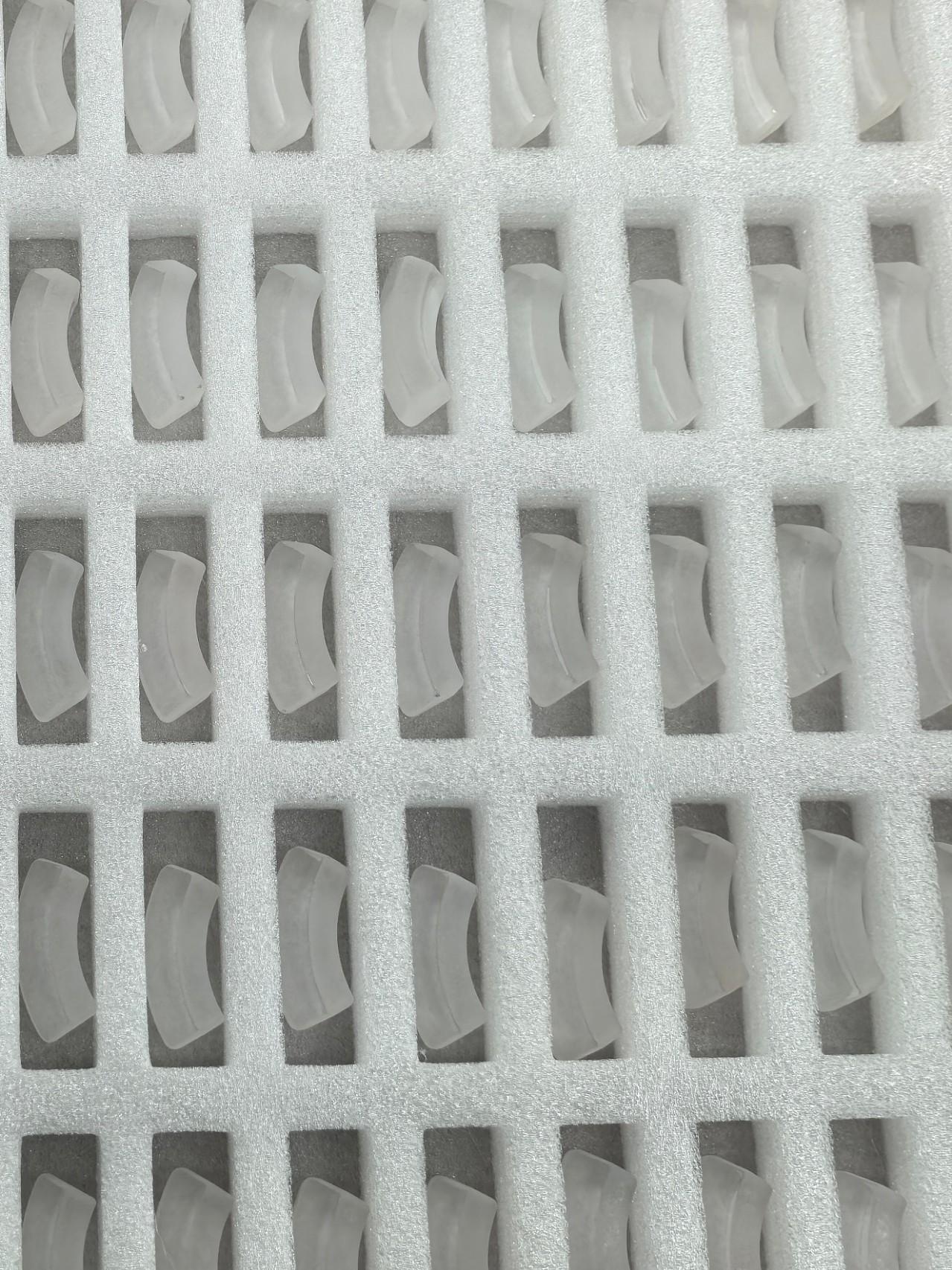
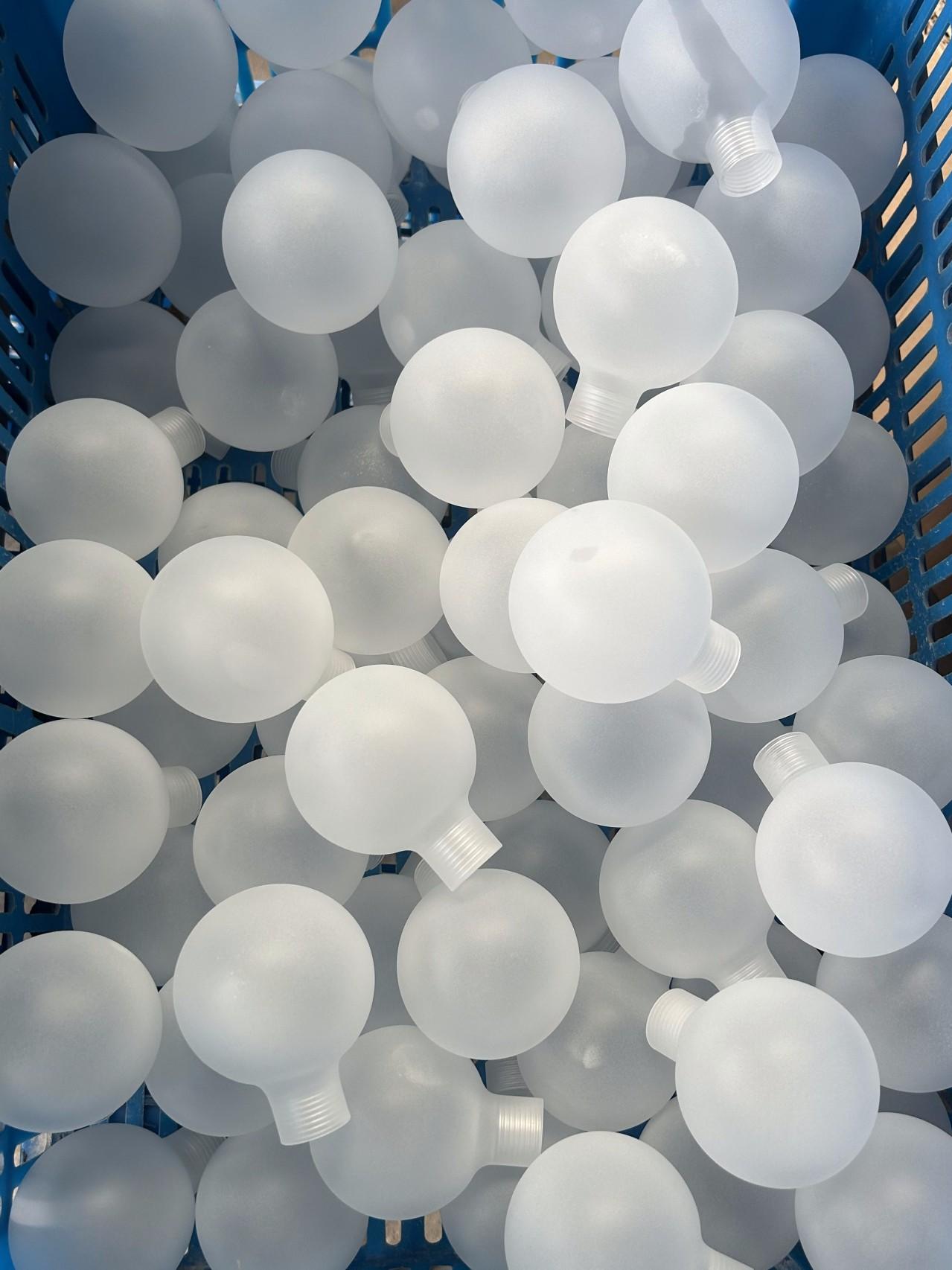

High-Borosilicate Glass Solutions: Superior Thermal & Chemical Resistance for Demanding Applications
Max Part Size (X/Y/Z): | 500 x 500 x 500 mm |
Dimensional Tolerance: | ±0.2 mm |
Minimum Wall Thickness: | 2 mm |
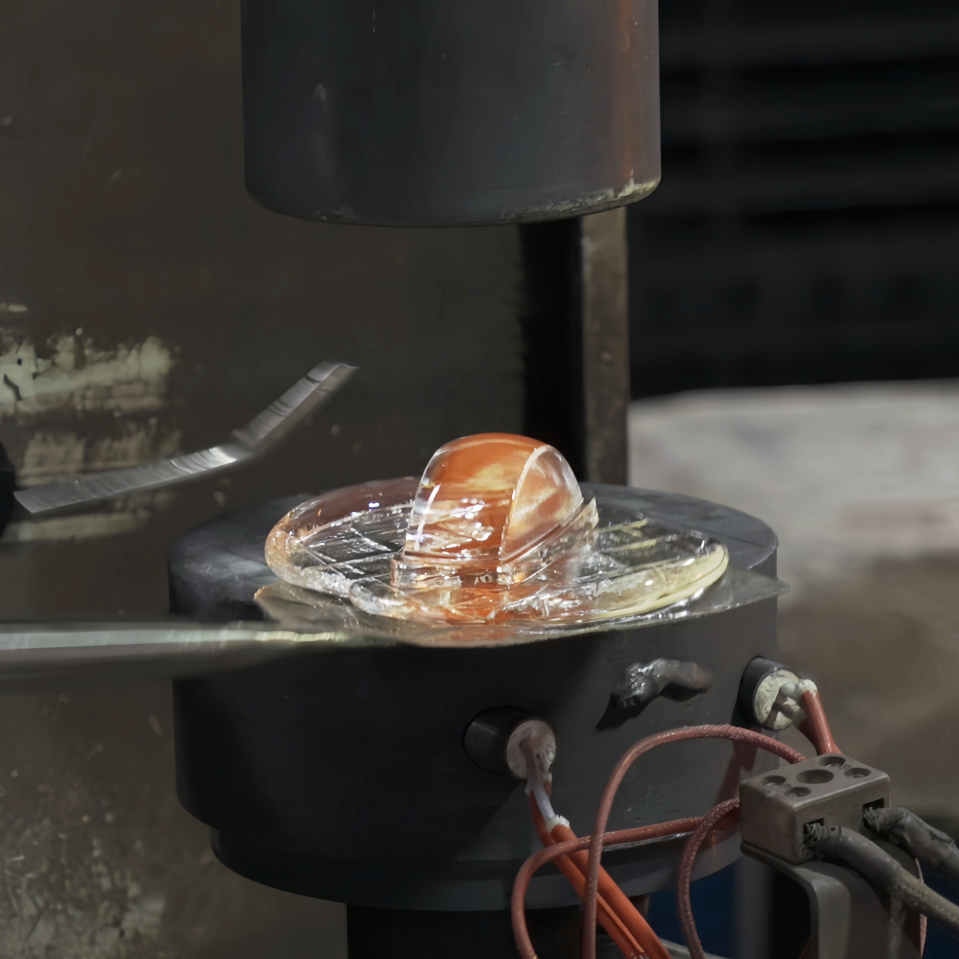
Borosilicate Glass for Blowing & Pressing
| Property Category | Specific Parameter | Typical Value / Description |
| Chemical Composition | Silicon Dioxide (SiO₂) | ~81% |
| Chemical Composition | Boron Oxide (B₂O₃) | ~13% |
| Chemical Composition | Other Oxides (Na₂O, Al₂O₃, etc.) | ~6% |
| Mechanical Properties | Knoop Hardness | ~480 - 540 kg/mm² |
| Mechanical Properties | Modulus of Elasticity | 64 - 67 GPa |
| Mechanical Properties | Density | 2.23 g/cm³ |
| Thermal Properties | Coefficient of Thermal Expansion | 3.25 × 10⁻⁶ /K (20-300°C) |
| Thermal Properties | Annealing Point | ~560°C |
| Thermal Properties | Softening Point | ~820°C |
| Thermal Properties | Maximum Service Temperature | ~450°C (short-term up to 500°C) |
| Optical Properties | Refractive Index | 1.47 (at 587.6 nm) |
| Optical Properties | Transmittance | >90% (across visible spectrum, for standard thickness) |
| Electrical Properties | Dielectric Constant | 4.6 (at 20°C, 1 MHz) |
| Electrical Properties | Volume Resistivity | 10⁸ Ω·cm (at 350°C) |
| Chemical Durability | Hydrolytic Resistance (ISO 719) | Class 1 (extremely low alkali release) |
| Chemical Durability | Acid Resistance (ISO 195) | Class 1 (highly resistant) |
| Chemical Durability | Alkali Resistance (ISO 695) | Class A2 (moderately resistant) |
Urface Finishing for Borosilicate Glass
Painting & Electroplating
Advantages: Excellent color fastness and scratch resistance for branding and aesthetics.
Applications: Consumer goods, decorative items, and architectural glass.
Sandblasting & Matte Coating
Advantages: Provides light diffusion, reduces glare, and ensures visual privacy. Surface roughness (Ra) can be customized from 1.0 to 5.0 µm.
Applications: Lighting shades, privacy screens, and laboratory equipment.
Lens Coating (e.g., AR Coating)
Advantages: Increases light transmission to >99.5% and reduces reflectivity for enhanced optical performance.
Applications: High-precision lenses, optical sensors, and instrument covers.
Borosilicate Glass: Advantages & Challenges for Demanding Applications
Borosilicate glass offers superior thermal shock resistance, chemical durability, and optical clarity, ideal for harsh environments. However, it presents challenges like higher cost, complex processing, and impact sensitivity, which are key considerations for project selection.
Benefits
Exceptional Thermal Shock Resistance
With a very low coefficient of thermal expansion (typically around 3.3 x 10⁻⁶/K), it withstands rapid and extreme temperature changes without cracking, ideal for laboratory ware and high-temperature lighting.
High Service Temperature & Thermal Stability
It maintains structural integrity and properties at continuous operating temperatures far exceeding those of soda-lime glass, suitable for applications up to 450°C and higher.
Superior Chemical Durability
Highly resistant to water, acids, alkalis, and pharmaceutical substances, ensuring purity and longevity in aggressive chemical environments and medical applications.
Excellent Mechanical Strength
Its inherent hardness provides high resistance to scratching and abrasion, ensuring long-term clarity and durability in demanding use cases.
Outstanding Optical Clarity & Purity
Offers high light transmission with minimal inherent fluorescence, making it perfect for precision optics, sensitive sensors, and high-quality lighting systems.
Cost-Effective for Complex Shapes
While the raw material cost is higher, its excellent hot-workability through blowing and pressing allows for the formation of complex geometries using relatively simple and affordable metal molds, enabling efficient prototyping and small batches.
Limitations & Challenges of Borosilicate Glass
Higher Material & Processing Cost
The raw materials, particularly boron oxide, are more expensive than those for soda-lime glass. Its high melting temperature also requires more energy, increasing production costs.
Increased Processing Difficulty
Its high softening point and working temperature demand specialized, high-temperature furnaces and skilled operators, making forming processes like blowing and pressing more challenging.
Lower Damage Tolerance to Impact
While highly resistant to thermal shock, its hardness can make it more brittle and susceptible to mechanical impact or sharp point loads compared to some other materials.
Challenges in Complex Shape Forming
Its short working range (between softening and melting) can limit the ability to form highly intricate or delicate geometries that are possible with other types of glass.
Difficulty in Secondary Processing
Machining, cutting, or drilling after annealing is difficult due to its high hardness, often requiring diamond tools and specialized techniques, which increases the risk of breakage.
Limited Supplier Availability
Compared to the ubiquitous soda-lime glass, the production and supply chain for high-quality borosilicate glass are more specialized and limited, which can affect lead times and sourcing.
Application Fields of Borosilicate Glass
Borosilicate glass is indispensable in laboratories and chemical plants due to its supreme chemical inertness and resistance to thermal shock. It ensures purity and integrity in demanding processes, from withstanding aggressive acids and alkalis in reactors to enabling clear visibility in sight glasses and durable performance in complex apparatus like bioreactors.
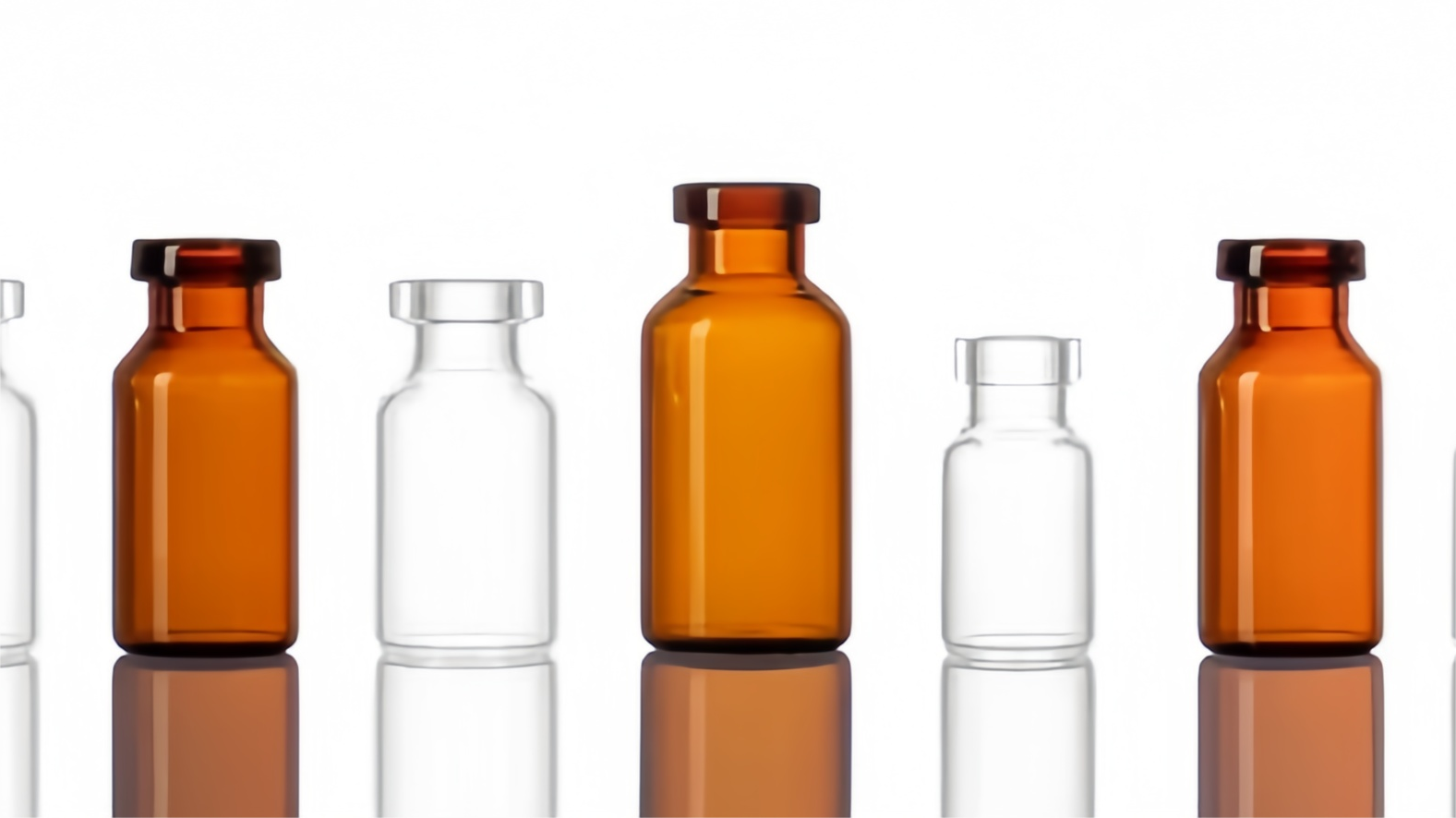
Pharmaceutical Packaging
Chosen for its high chemical durability and thermal stability, borosilicate glass is the premium material for pharmaceutical containers like vials and ampoules. Its inert nature prevents interaction with sensitive drugs, ensuring product purity and stability throughout sterilization (e.g., autoclaving) and the entire shelf life.
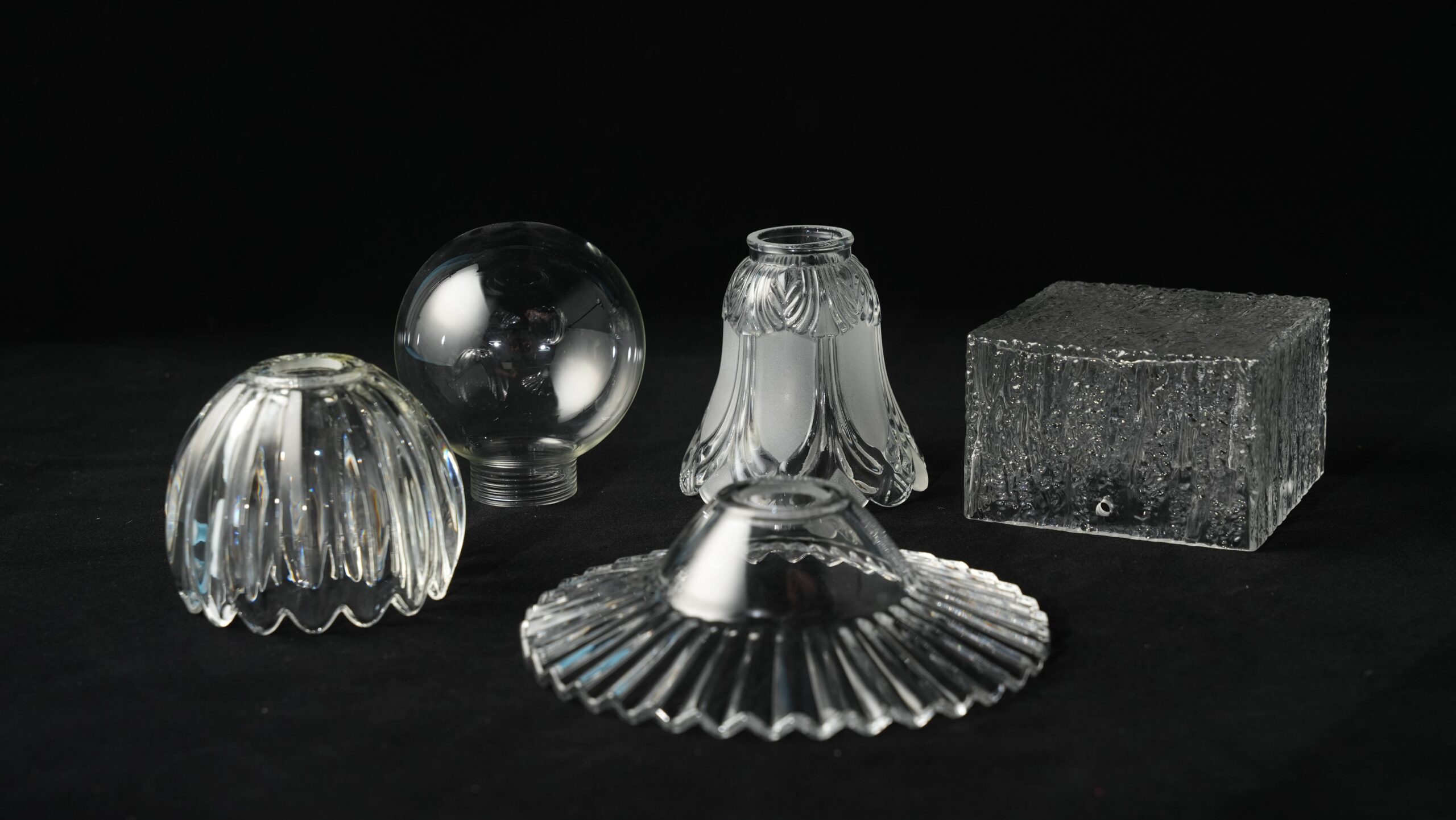
High-Performance Lighting
With its excellent light transmission and superior resistance to heat, borosilicate glass is ideal for high-power lighting lenses and covers. It maintains clarity and structural integrity under intense heat from LEDs or HID lamps, preventing deformation or failure where ordinary glass would not survive.
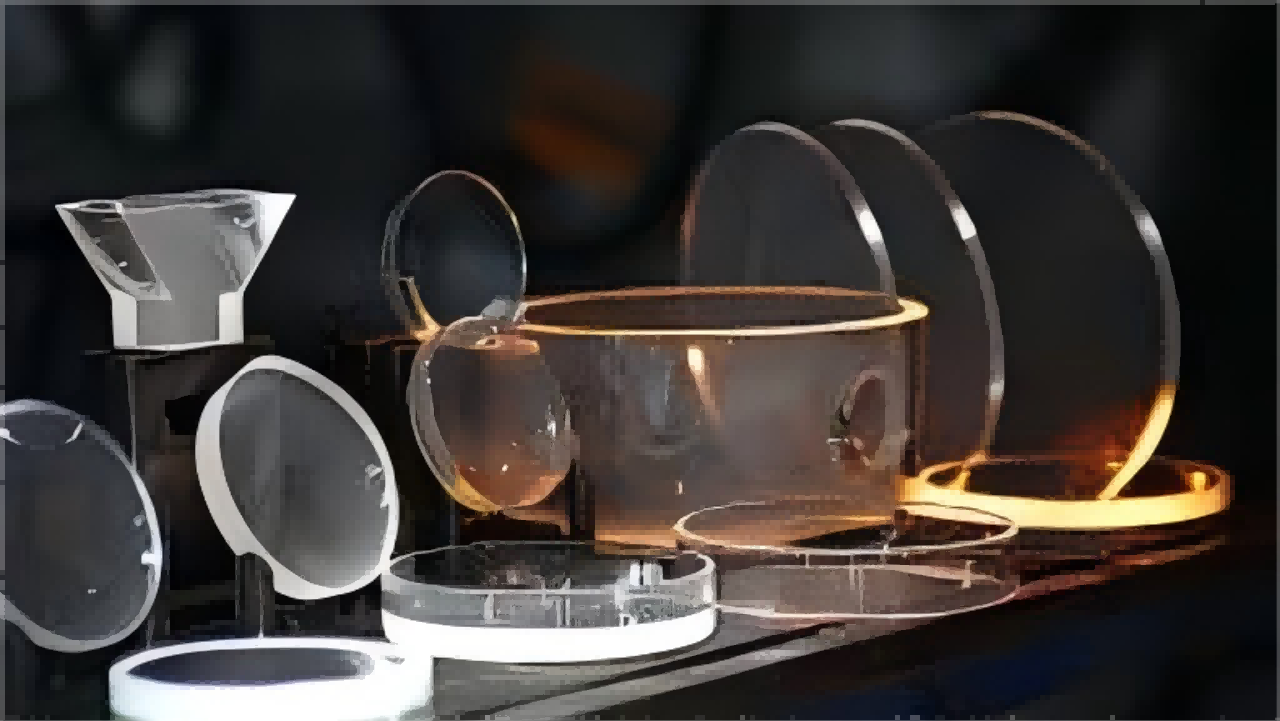
Specialized Industrial Equipment
In demanding industrial settings, borosilicate glass provides critical viewports, sight glasses, and protective covers. Its ability to withstand high pressure, rapid temperature changes, and corrosive environments ensures safe observation and reliable operation in equipment from industrial ovens to chemical processing units.
FAQ: Borosilicate Glass Hot-Forming (Blowing & Pressing)
What are the main advantages of using borosilicate glass for hot-formed components?
How does the hot-forming process for borosilicate glass differ from that of soda-lime glass?
What are the limitations in design for borosilicate glass components made by blowing or pressing?
Is borosilicate glass cost-effective for prototyping and small-batch production?
What level of dimensional tolerance can be achieved with these hot-forming methods?
Can the glass be re-worked or repaired after the initial hot-forming process?
What post-processing or secondary operations are available for hot-formed borosilicate parts?
How does the lead time for custom borosilicate components compare to other materials?
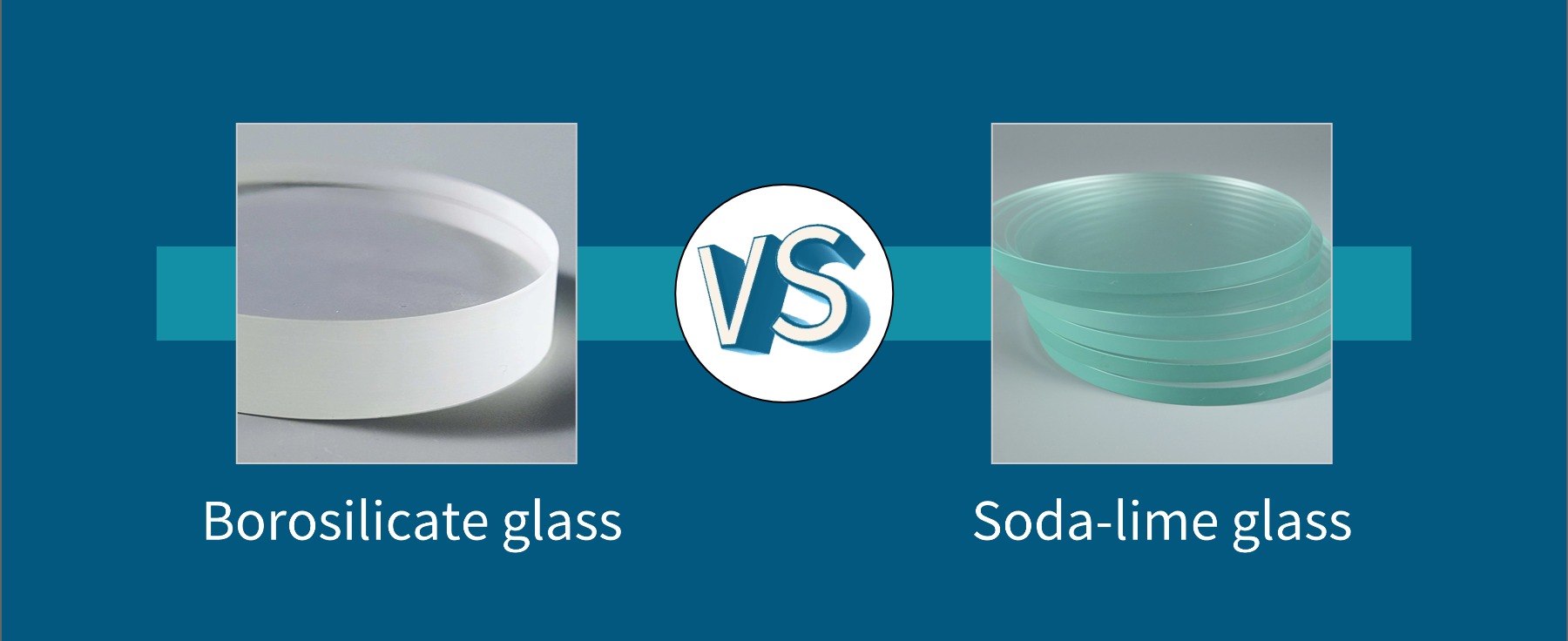
What’s the difference between borosilicate glass and soda-lime glass?
Ordinary glass refers to soda-lime glass, which has attracted many companies because of its cheap and easily available properties. It accounts for 90% of the glass manufactured worldwide and is used in furniture, vases, cups, and windows in daily life. Soda-lime glass can only withstand a temperature change of about 100 °F (55 °C), while borosilicate glass can withstand a temperature difference of about 330 °F (180 °C) before breaking. Borosilicate glass has better mechanical properties than soda-lime glass, and borosilicate glass has significantly improved scratch and abrasion resistance. Not only that, borosilicate glass also has high transmittance and optical clarity, which are not available in soda-lime glass. Interestingly, borosilicate glass is very resistant to chemicals and it is even used to store nuclear waste. So in terms of overall performance, borosilicate glass is far superior to ordinary glass.
Why is borosilicate glass more expensive than regular glass?
Composite materials
Boron trioxide is far less common than sodium and calcium. It makes up just 0.001% of the Earth’s crust and is, therefore, more expensive to use than other elements.
Energy consumption
Borosilicate glass melts only at extremely high temperatures. Therefore, it requires much energy to melt, increasing energy consumption and pushing up production costs.
Higher Quality
After an intense and complex production process, the final borosilicate glass objects are considered high-quality glassware and cost more than standard annealed glass.
What are the categories of borosilicate glass?
Low-alkali borosilicate glass
Rare-earth-doped borosilicate glass
Lanthanum borosilicate glass
Alkali-earth borosilicate glass
What are the advantages of borosilicate glass?
Low thermal expansion rate
In materials physics, the thermal expansion coefficient of glass usually denoted α, is a numerical value that describes how the dimensions of a glass material change with temperature. The coefficient of thermal expansion is usually expressed in units of one degree Celsius (1/°C) or one degree Fahrenheit (1/°F). For most types of glass, α ranges from about 5×10⁻⁶ to 10×10−6/°C.
This property is critical for applications involving significant temperature changes, as it affects the material’s ability to withstand thermal stress without cracking. Glass is a non-crystalline or amorphous material usually made by rapidly cooling a melt of silicate components. This rapid cooling prevents the formation of regular crystal structures, causing the molecules to arrange themselves in a disordered manner. When glass is heated, its molecules begin to vibrate more vigorously, causing the distance between them to increase. This phenomenon causes the material to expand. High borosilicate glass is known for its extremely low thermal expansion rate (approximately 3 × 10 −6 K −1 at 20 °C) compared to other types of glass, such as soda-lime glass. This property is critical for applications that require stability under rapid temperature changes, such as laboratory glassware, cookware, and certain industrial applications.
SiO2+B2O3→[SiO4]4− and [BO4]5− network
The addition of boron oxide (B2O3) causes B2O3 to interact with the silicon-oxygen network to form borosilicate glass, introducing boron-oxygen bonds into the structure. These bonds can form three- and four-membered rings, which contribute to the flexibility and stability of the glass network. The presence of B2O3 will therefore help reduce the thermal expansion of the glass by creating a more complex network that is less likely to expand under thermal stress. Compared to other types of glass, borosilicate glass contains lower amounts of alkali metals (such as sodium and potassium). This is because alkali metals weaken the glass network, making it more susceptible to thermal expansion. By minimizing these components, borosilicate glass maintains a more stable and rigid structure. The addition of aluminum oxide during the manufacturing process further enhances its thermal stability. Al2O3 is integrated into the glass network and connected with silicon to form a more complex and thermally stable structure. In this way, this big family can develop stably.

Thermal Expansion of Borosilicate Glass
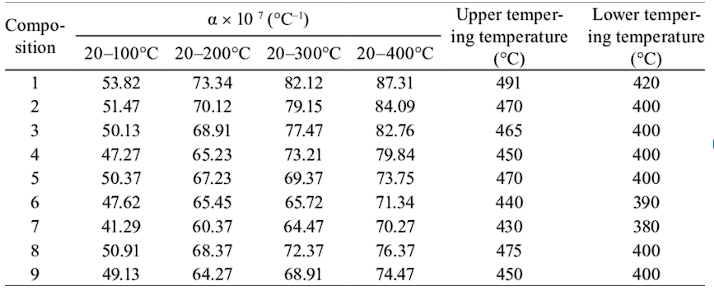
Coefficient of linear thermal expansion of glass
Thermal shock resistance
The low thermal expansion rate of high borosilicate glass can be attributed to its unique chemical structure of the silicon-oxygen network: the backbone of high borosilicate glass is a three-dimensional network of silicon-oxygen (Si-O) tetrahedrons. Silicon atoms are covalently bonded to four oxygen atoms, forming a rigid and stable matrix. Because the strength of the silicon-oxygen bond is one of the strongest, this Si-O network is inherently less prone to expansion when heated. The incorporation of boron into the glass matrix in the form of boron oxide (B2O3) is a key factor in reducing thermal expansion. Boron can exist in two coordination states in glass: trigonal (three oxygen atoms bonded to boron) and tetrahedral (four oxygen atoms bonded to boron). The presence of boron in both coordination states increases the complexity and rigidity of the glass network. This complexity inhibits the network’s ability to expand under thermal stress, thereby reducing the overall thermal expansion rate of the glass. Although high borosilicate glasses contain network modifiers such as sodium oxide (Na2O) and potassium oxide (K2O), their concentrations are relatively low compared to soda-lime glasses. These modifiers are less damaging to the glass network and help maintain the material’s low thermal expansion properties.
Due to the chemical structure of high borosilicate glass, in particular the dense Si-O network and the incorporation of boron, it is crucial for its low thermal expansion. The stiffness and stability of this network limit the movement of atoms and the expansion of the material when heated. Therefore, borosilicate glass can withstand sudden temperature changes without cracking, a property called thermal shock resistance.
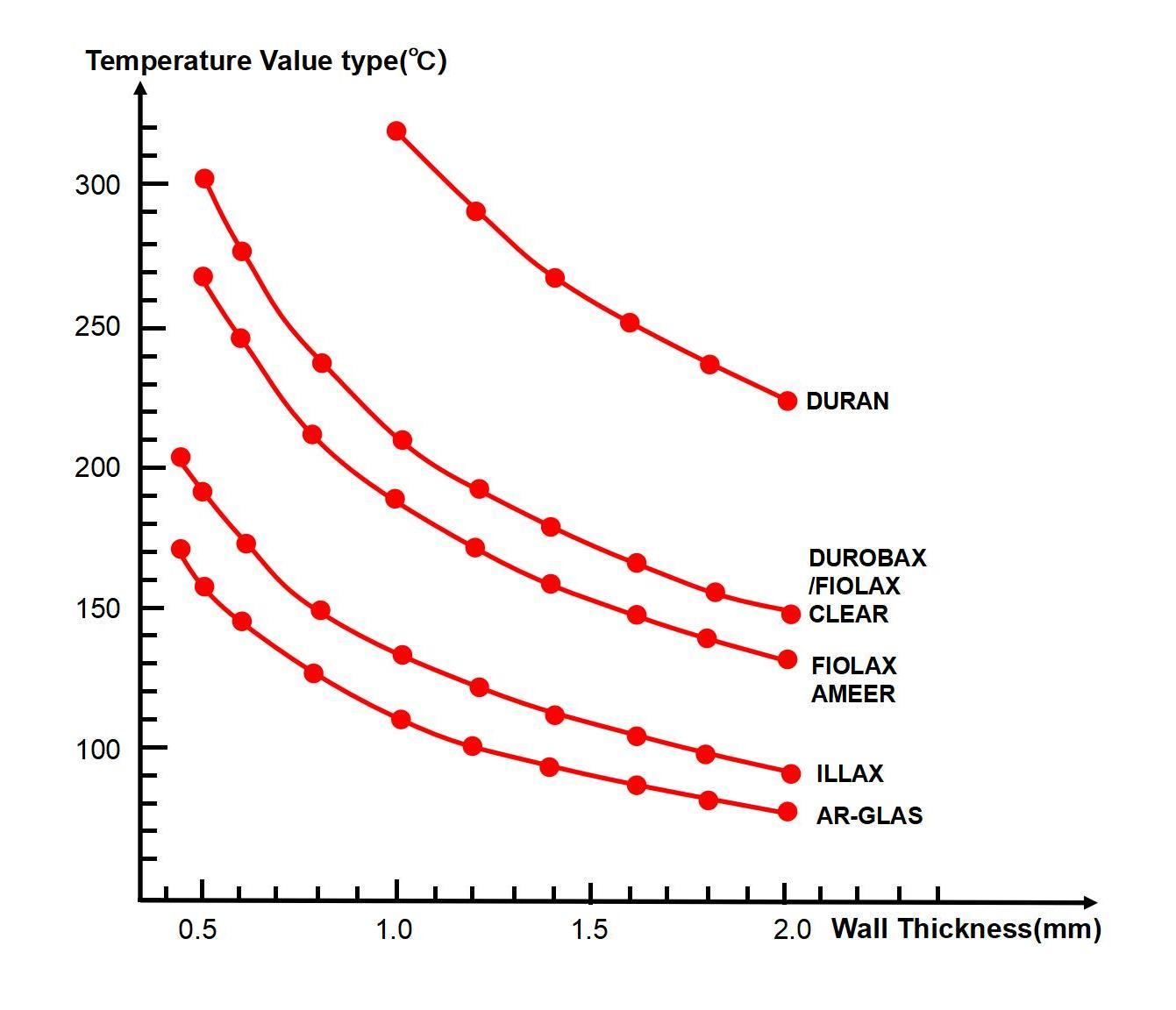
Low thermal expansion rate
Chemical resistance
It is known that corrosion of glass, including borosilicate glass, often occurs when it reacts with water or other chemicals. However, due to its unique composition, the corrosion mechanism of high borosilicate glass is somewhat different and slower than that of ordinary glass. Initial interaction with water: When borosilicate glass comes into contact with water, the first thing that occurs is a surface reaction. The water begins to react with the glass, causing the exchange of certain ions. In this case, the glass surface may lose some alkali ions (such as sodium), which will be replaced by hydrogen ions in the water. As this exchange continues, a silica-rich layer forms on the glass surface. This layer acts somewhat like a shield, slowing down further reactions between the glass and water.
Here we should praise the element boron, which plays a vital role here. It makes the structure of the glass more complex and tangled. This complexity makes it more difficult for water to penetrate the glass, thereby reducing the rate of corrosion that reacts with water.
In response, high borosilicate hydrochloric acid glass has gained durability in various environments. Corrosion resistance makes high borosilicate glass ideal for environments where there may be exposure to harsh chemicals or extreme conditions. This is why it is used in laboratory glassware as it may be exposed to corrosive substances for extended periods. And for it, this is also its unique ability.
Initial acid attack SiO2+2HCl→SiCl2+2H2OSiO2+2HCl→SiCl2+2H2O
Formation of boric acid protective layer B2O3+3H2O→2H3BO3
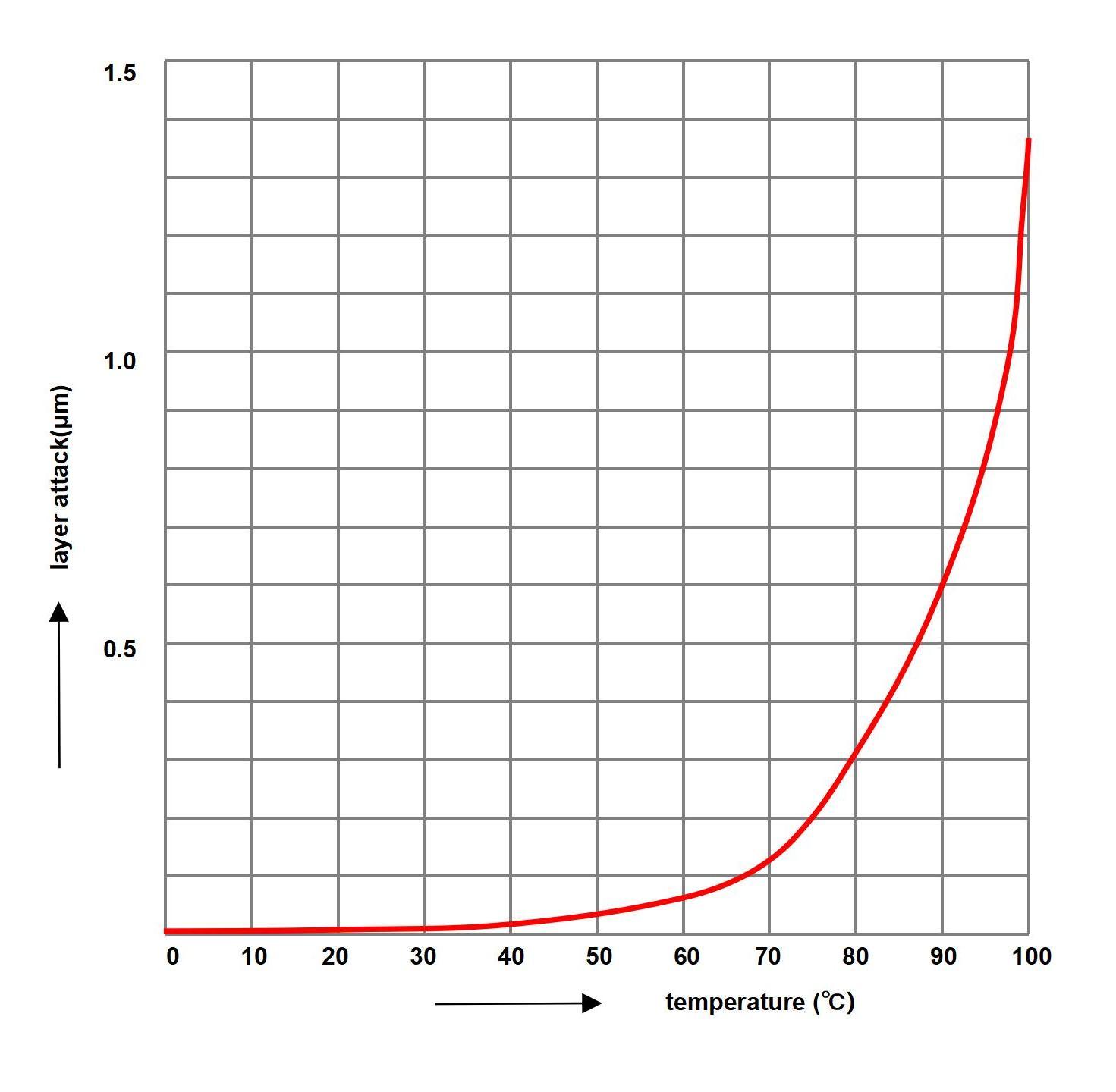
Alkali resistance
Step 1: Describe the acid attack on the SiO2 network, resulting in the formation of silicon chloride (SiCl2) and water.
Step 2: Explain how boron oxide reacts with water to form a boric acid protective layer.
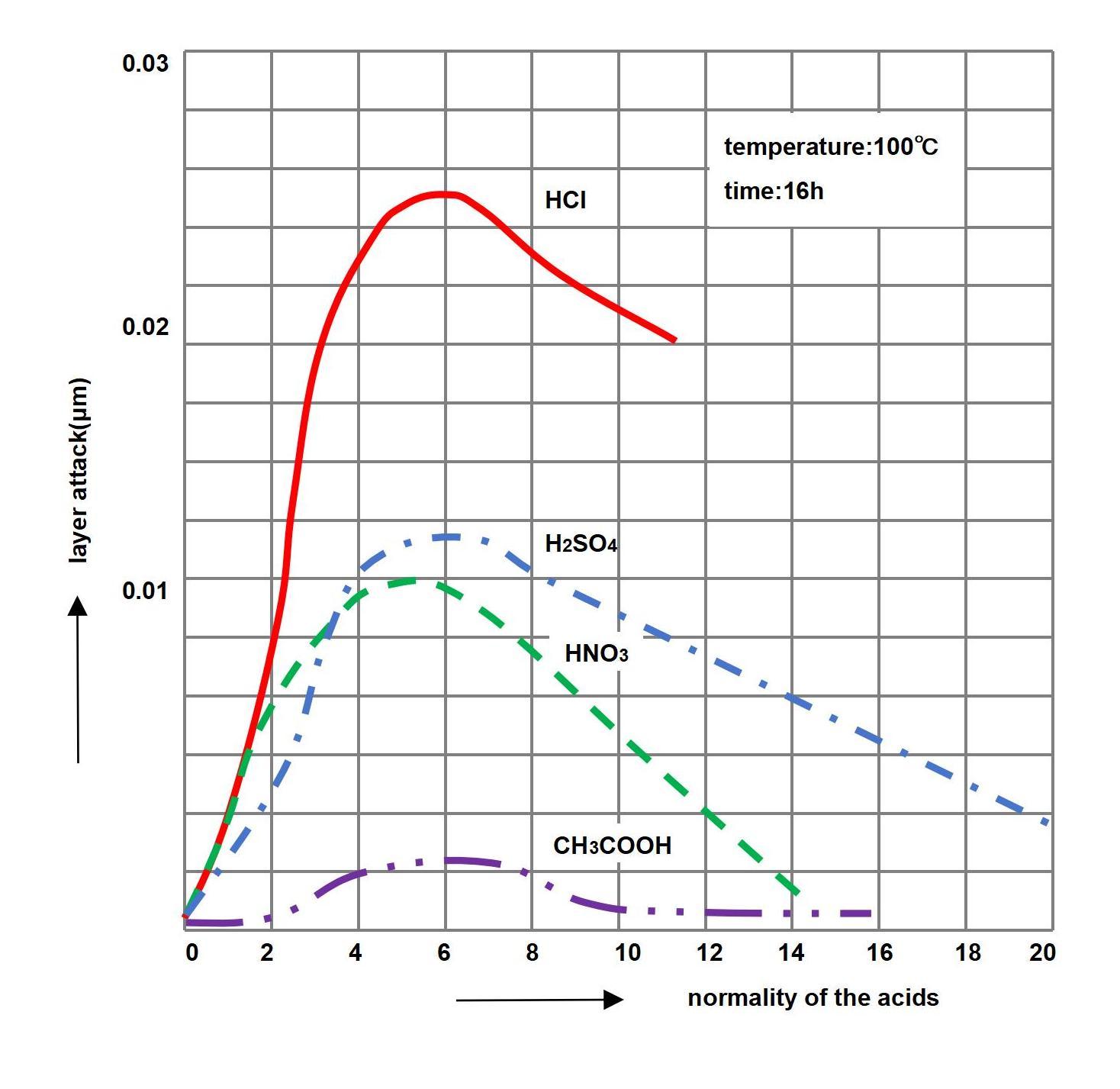
Acid resistance
Excellent optical transparency
(1) Low iron content
Borosilicate glass has a lower iron content. Iron impurities absorb light at the red end of the spectrum, causing the glass to appear green. High borosilicate glass maintains a clear, nearly colorless appearance by minimizing iron and other color-causing impurities, ensuring minimal light absorption and distortion. This is also a major innovation in our industrial technology.
(2) Uniform structure
The glass’s structure, characterized by a network of silicon-oxygen (Si-O) and boron-oxygen (B-O) bonds, is very homogeneous and free of crystalline inclusions that could scatter light. This uniformity allows light to be transmitted without significant scattering, thereby increasing its optical transparency.
High borosilicate glass’s resistance to chemical attack, including hydrochloric acid, means its surface remains smooth over time and does not etch. Rough or etched surfaces may scatter light, reducing clarity. The glass’s chemical stability ensures that its optical properties remain consistent even under harsh chemical exposure.
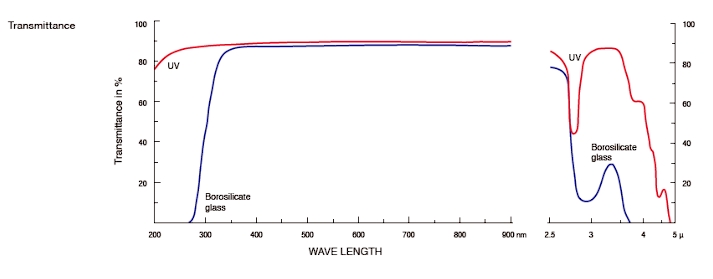
Light transmittance of high borosilicate glass
Why does borosilicate glass have so many advantages?
High silica content
Boron oxide contribution
Low alkali metal content
Additives and enhancers
Estimation of Expansion Coefficient of Borosilicate Glass
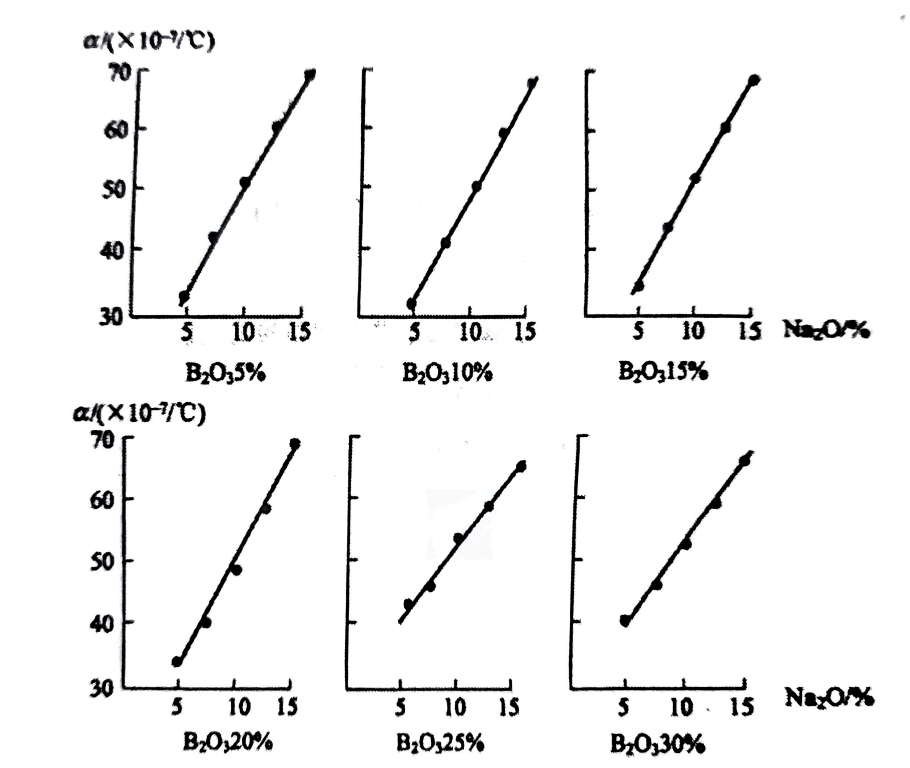
Relationship between expansion coefficient and borosilicate content
To address these issues, the composition range of commonly used alkali borosilicate vacuum glasses was studied, focusing on Na₂O at 5%–15%, B₂O₃ at 5%–30%, with the remainder being SiO₂ (all percentages by mass). The relationship between expansion coefficient and composition was examined and is illustrated in Figure . When the Na₂O content remains constant, the effect of replacing SiO₂ with B₂O₃ varies depending on the Na₂O level:
- Low Na₂O Content: At lower Na₂O levels, substituting SiO₂ with B₂O₃ significantly increases the glass expansion coefficient.
- Medium Na₂O Content: As the Na₂O content rises, the effect of B₂O₃ replacement diminishes. Around 12.5% Na₂O, replacing SiO₂ with B₂O₃ results in little to no change in the expansion coefficient.
- High Na₂O Content: When Na₂O exceeds 12.5%, substituting SiO₂ with B₂O₃ can actually decrease the expansion coefficient.
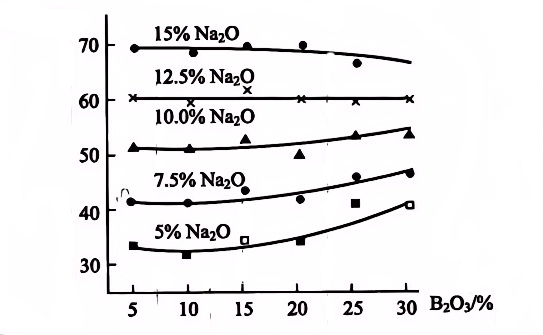
Relationship between expansion coefficient and borosilicate content
Calculate the constant value of αB₂o₃
| Content (mass fraction)/% | B₂O₃ | ||
|---|---|---|---|
| 5 | a: 0.0064 | b: -0.270 | c: 2.57 |
| 10 | a: -0.0032 | b: -0.004 | c: 0.68 |
| 15 | a: -0.0008 | b: -0.042 | c: 0.86 |
| 20 | a: 0.0050 | b: -0.137 | c: 1.01 |
| 25 | a: 0.0008 | b: -0.088 | c: 1.06 |
| 30 | a: 0.0008 | b: -0.076 | c: 0.91 |
The variation in expansion coefficient can be attributed to changes in the coordination number of boron oxide within the glass structure. Further details on this phenomenon can be found in the works of Professor Gan Fuxi. This observation indicates that the additive coefficient of boron oxide depends on the alkali metal oxide content and should not be treated as a fixed constant.
Based on this understanding, the expansion coefficient of boron oxide can be expressed as:
αB₂O₃ = a[R₂O]² + b[R₂O] + c
Where:
αB₂O₃ is the additive coefficient for boron oxide.
R₂O represents the alkali metal oxide content in the glass composition (%).
a, b, and c are constants, the values of which are listed in Table .
| Oxide | Expansion Additivity Coefficient (αi) | Oxide | Expansion Additivity Coefficient (αi) |
|---|---|---|---|
| SiO₂ | 0.05 | CaO | 1.63 |
| ZrO₂ | 0.23 | BaO | 1.40 |
| B₂O₃ | a[R₂O]²+b[R₂O]+c | PbO | 1.06 |
| Al₂O₃ | 1.10 | Na₂O | 4.32 |
| ZnO | 0.70 | K₂O | 3.90 |
| MgO | 0.45 | Li₂O | 4.90 |
| No. | Glass Type | B₂O₃ Content (% mass) | Actual Value (×10⁻⁷/°C) | Calculated Expansion Coefficient (×10⁻⁷/°C) | |||||||
|---|---|---|---|---|---|---|---|---|---|---|---|
| A | B | C | D | E | F | G | |||||
| 1 | N51A | 9.6 | 49 | 56.2 | 49.8 | 54.4 | 46.9 | 54.0 | 44.8 | ||
| 2 | GS4 | 10.5 | 44 | 51.3 | 46.7 | 49.5 | 43.4 | 50.6 | 47.3 | 44.8 | |
| 3 | Pyrex | 12.5 | 32 | 42.0 | 34.5 | 36 | 31.2 | 36.7 | 33.1 | ||
| 4 | Nonex | 14.5 | 36 | 41.4 | 41.8 | 49.6 | 36.3 | 44.1 | 41.3 | 39.3 | |
| 5 | 1646Ⅲ | 16.0 | 43 | 45.1 | 45.6 | 47.6 | 39.3 | 49.3 | 43.5 | ||
| 6 | DM-346 | 17.2 | 47 | 48.0 | 51.4 | 54.0 | 42.3 | 54.8 | 46.6 | ||
| 7 | DW-211 | 18.0 | 40 | 41.7 | 42.1 | 45.9 | 36.2 | 45.2 | 42.5 | 38.4 | |
| 8 | C-9 | 18.0 | 36 | 41.6 | 42.1 | 45.7 | 35.4 | 38.9 | 37.5 | ||
| 9 | DM-305 | 20.3 | 49 | 42.6 | 54.9 | 63.2 | 49.8 | 60.0 | 48.8 | ||
| 10 | DM-308 | 23.0 | 48 | 46.8 | 49.9 | 55.7 | 40.3 | 53.4 | 45.7 | ||
| 11 | C-40 | 24 | 48 | 46.1 | 51.2 | 58.1 | 51.5 | 40.0 | 52.0 | 48.0 | |
| 12 | FCN | 24.5 | 47 | 44.2 | 50.1 | 31.6 | 39.4 | 43.0 | 47.6 | ||
| 13 | DW-203 | 25.0 | 34 | 36.0 | |||||||
| 14 | DW-270 | 27.0 | 36.5 | 36.0 | |||||||
| 15 | C-53 | 30 | 30 | 23.5 | 27.2 | 41.5 | 16.3 | 22.6 | 28.5 | 30.5 | |
| Maximum Error (Δαmax) (×10⁻⁷/°C) | 10.0 | 7.7 | 15.4 | 13.7 | 11.9 | 9.0 | 3.3 | ||||
| Average Error (Δαav) (×10⁻⁷/°C) | 4.5 | 3.5 | 7.5 | 4.1 | 6.3 | 4.3 | 1.0 | ||||
Why annealing is required?
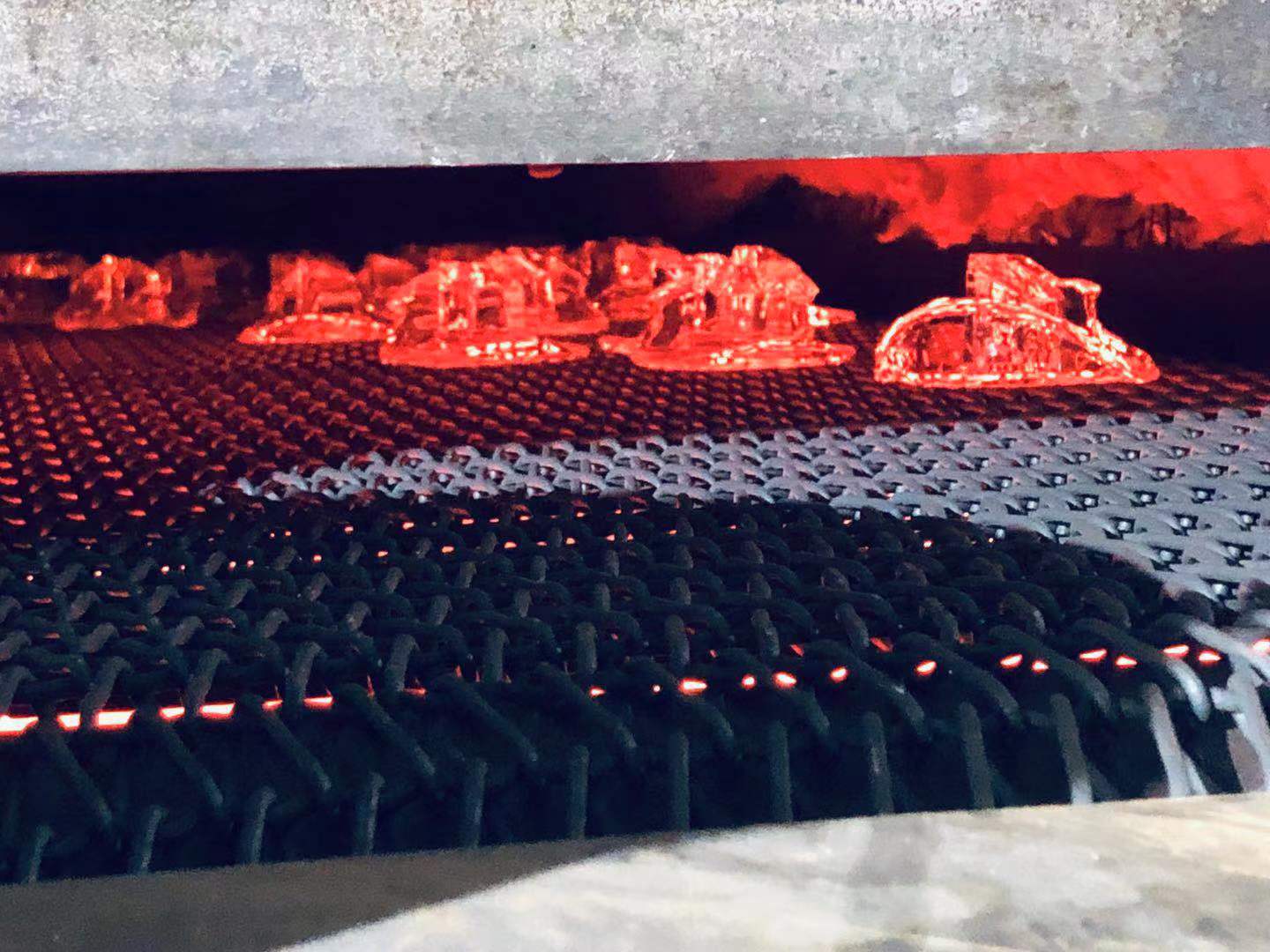
Mechanism of Thermal Stress Formation
Temporary Stress:
As the glass cools, the surface layers contract more quickly than the interior, creating tensile stress on the surface and compressive stress inside. Once the glass reaches a uniform temperature, these temporary stresses naturally dissipate.
Permanent Stress:
If cooling occurs too rapidly and the glass does not have time to equalize, residual stress remains locked in. This permanent stress can weaken the glass and reduce its reliability under thermal or mechanical loads.
Annealing Process
How is the anti-crystallization performance of borosilicate glass?
| Property | Value Range | Notes |
|---|---|---|
| SiO₂ Content (%) | 75–81 | High silica content provides network stability. |
| B₂O₃ Content (%) | 12–13 | Disrupts silica network, reduces crystallization tendency. |
| Alkali Oxides (e.g., Na₂O, K₂O) (%) | 2–5 | Minor amounts to adjust thermal properties, minimal crystallization effect. |
| Strain Point (°C) | 520–560 | Temperature below which residual stress is negligible. |
| Annealing Point (°C) | 550–600 | Temperature at which stress relaxation occurs. |
| Softening Point (°C) | 820–850 | Indicates the temperature range for forming. |
| Crystallization Onset (°C) | >900 | Above normal service and annealing temperatures, ensuring stability. |
| Thermal Expansion Coefficient (×10⁻⁷/°C) | ~32–36 | Low expansion helps prevent thermal shock, contributing to stability. |
Contact Us
Your feedback fuels our growth, and your questions drive our solutions.
We value your feedback, inquiries, and suggestions. Please feel free to get in touch with us
General inquiries
Please contact us via sales@bo-glass.com, and we will reply to you as soon as possible.
Interested to work with us
Drop your resume at info@bo-glass.com
and we will get back to you shortly.
We uses the contact information you provide to us to contact you about our relevent content, products, and services.