
Precision Glass Molding Services
What is Precision Glass Molding?

Precision Glass Molding: High-Performance Component Fabrication
This advanced process enables mass production of complex borosilicate glass components with exceptional accuracy, high yield, and significant cost savings for demanding applications.
| Complex geometry fabrication | High-efficiency, consistent mass production | Dimensional & surface precision | Cost-effectiveness in mass production | Versatile Materials & Applications |
| Enables aspheric, micro-lens array, and freeform optical surfaces. | High repeatability for mass production (>95% yield, million-unit scale). | Diameter tolerance: ±0.2 mm to ±0.5 mm. | Low per-part cost in high-volume production (>60% reduction vs. machining) | Borosilicate glass: thermal/chemical stability |
| Center thickness tolerance: ±0.2 mm to ±0.5 mm. | High material yield using preformed rods, minimizes waste vs. blank processing | B270: common optical glass applications | ||
| Forms high aspect-ratio structures beyond etching/bending limits. | Near-net shape minimizes post-processing, shortening cycle times. | Surface roughness <20 nm, eliminating secondary polishing. | BK7: standard precision optics material | |
| Form accuracy achieves wavefront error <λ/4 @632.8nm. | Chalcogenide glass: superior infrared performance | |||
| Integrates optical and mechanical features in single pressing. |
Mould Pressed Glass Materials

Borosilicate
Density (g/cm³): ~2.23
CTE (10⁻⁶/K): 3.3
Mechanical Properties:High hardness, good
Optical Properties (nd / Vd):Varies
Chemical Resistance: Excellent
Applications: Labware, lighting, sight glasses
Key Advantages: Exceptional thermal & chemical stability
Get a product quote
B270
Density (g/cm³): ~2.55
CTE (10⁻⁶/K): ~9.2
Mechanical Properties:Moderate
Optical Properties (nd / Vd):~1.5229 / 58.6
Chemical Resistance:Good
Applications: Consumer optics, lenses
Key Advantages: Cost-effective, general optical purpose
Get a product quote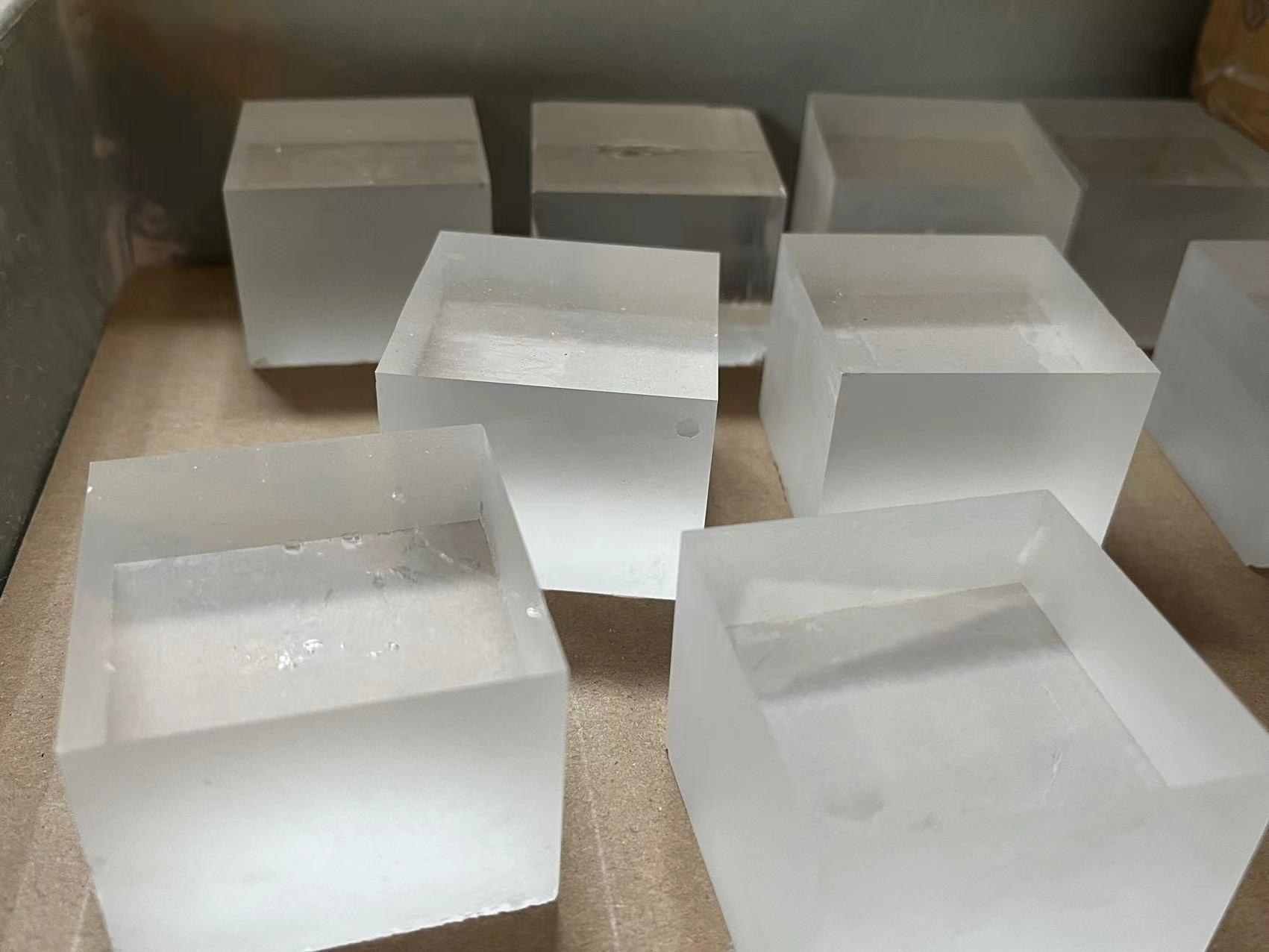
N-BK7
Density (g/cm³): ~2.51
CTE (10⁻⁶/K): 7.1
Mechanical Properties:High hardness, good
Optical Properties (nd / Vd):1.5168 / 64.2
Chemical Resistance:Very Good
Applications:Precision lenses, prisms
Key Advantages:Standard for high-quality optics, readily available
Get a product quote
Fused Silica
Density (g/cm³): ~2.20
CTE (10⁻⁶/K): 0.55
Mechanical Properties:High strength
Optical Properties (nd / Vd):~1.4585 / 67.8
Chemical Resistance:Excellent
Applications:UV lenses, semiconductor, aerospace
Key Advantages:Ultra-low expansion, high UV transmission
Get a product quote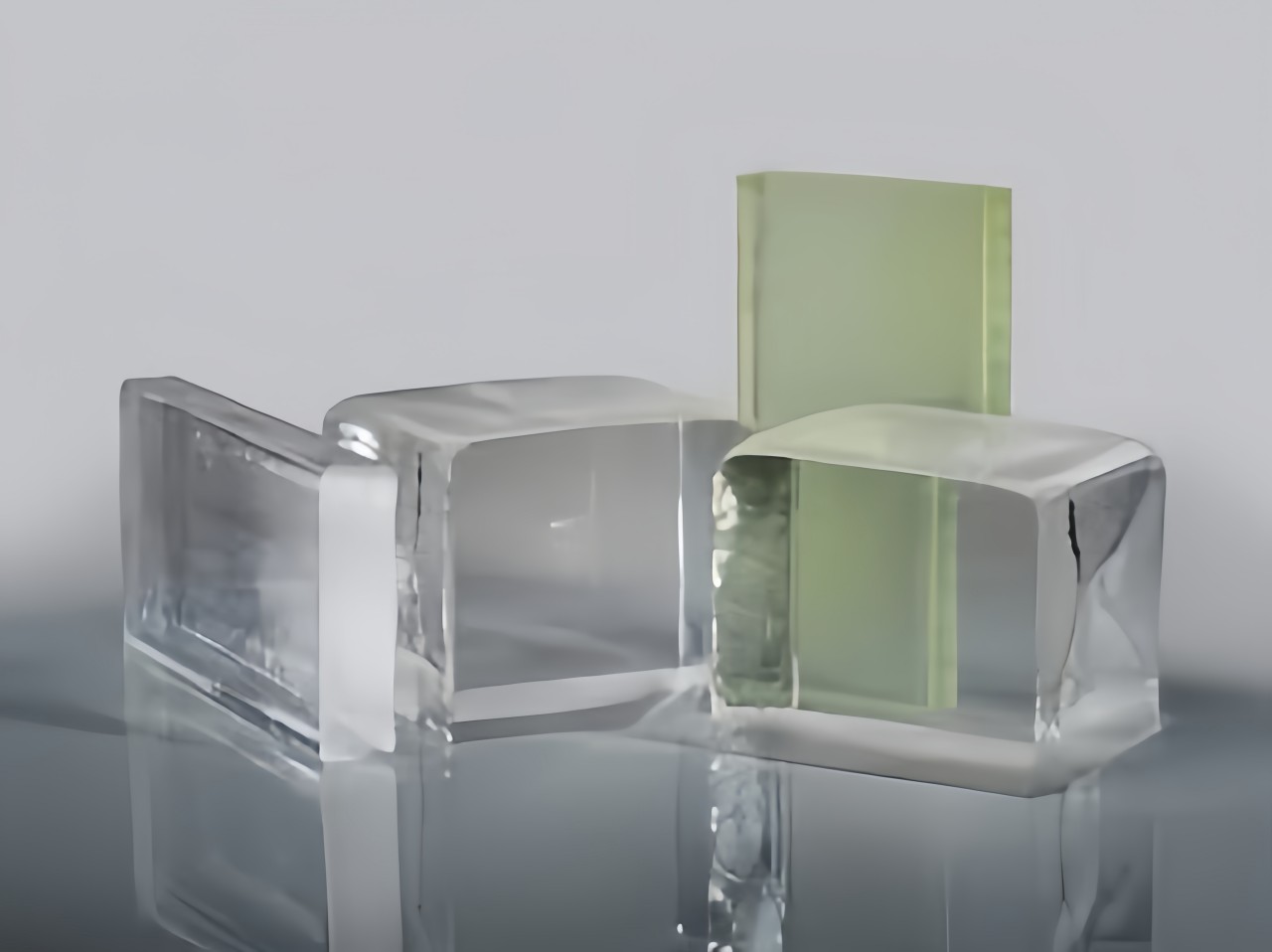
SF11
Density (g/cm³): ~4.74
CTE (10⁻⁶/K): 8.5
Mechanical Properties:Moderate
Optical Properties (nd / Vd):~1.7847 / 25.7
Chemical Resistance:Good
Applications:High-power lenses, condensors
Key Advantages:High refractive index, strong light-bending
Get a product quote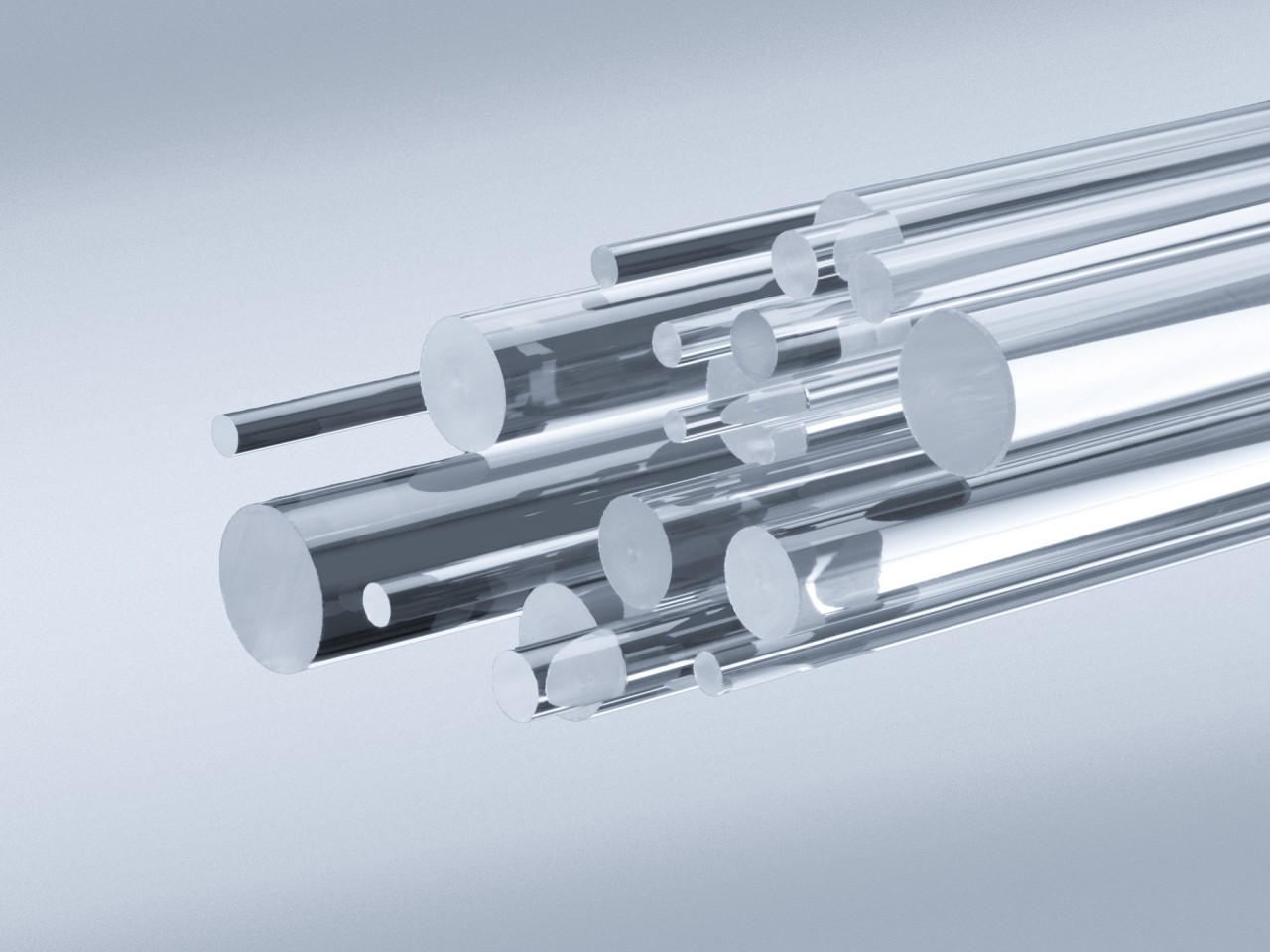
LF5
Density (g/cm³): ~3.42
CTE (10⁻⁶/K): 9.2
Mechanical Properties:Moderate
Optical Properties (nd / Vd):~1.5814 / 40.9
Chemical Resistance:Good
Applications:Achromatic doublets
Key Advantages:High dispersion, corrects chromatic aberration
Get a product quote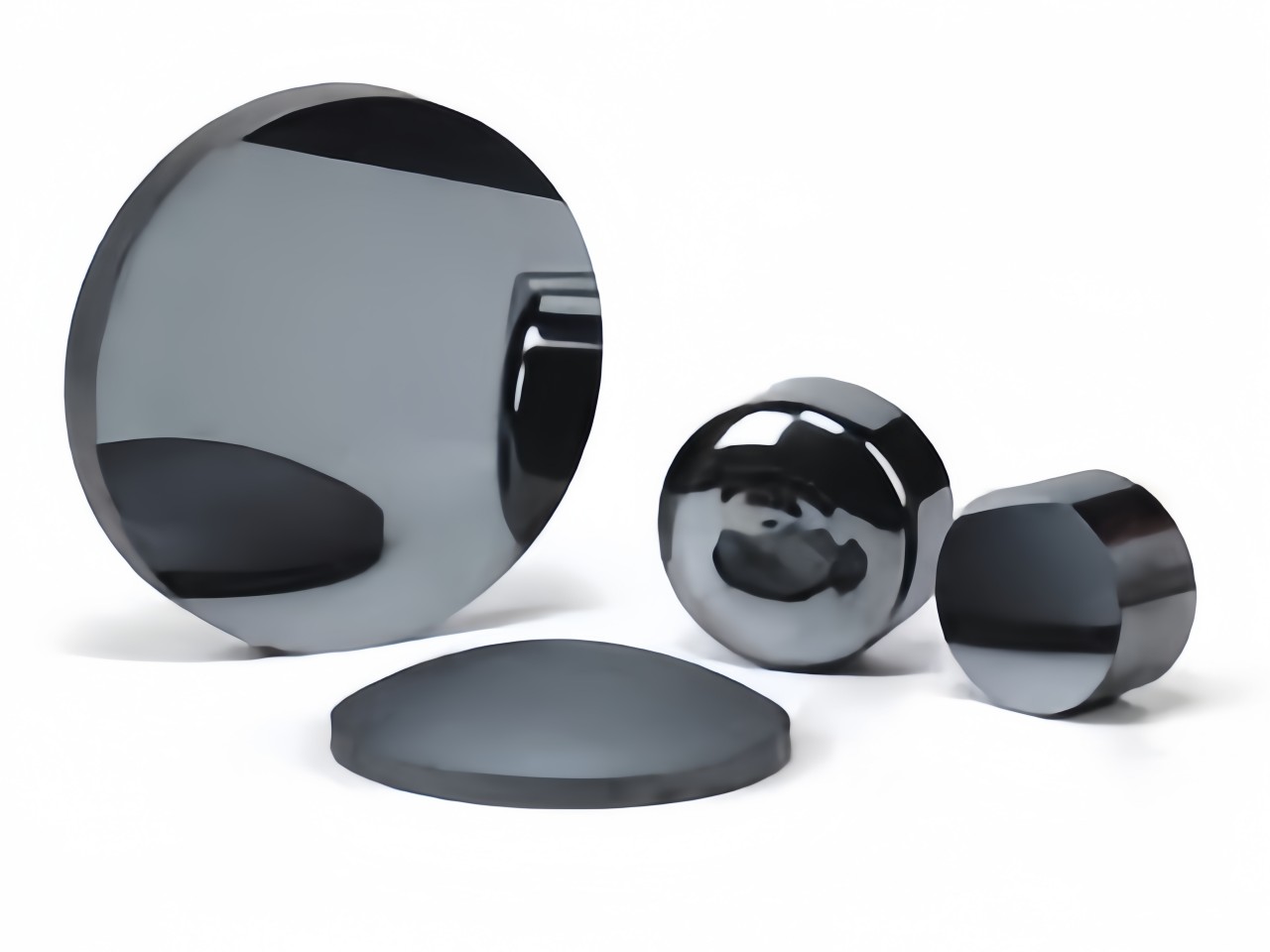
Chalcogenide Glass
Density (g/cm³): ~4.60
CTE (10⁻⁶/K): ~14-20
Mechanical Properties:Lower hardness
Optical Properties (nd / Vd):IR Transmission (e.g., 3-12 µm)
Chemical Resistance:Moderate
Applications:Thermal imaging, IR sensors
Key Advantages:Transmits infrared light, moldable
Get a product quote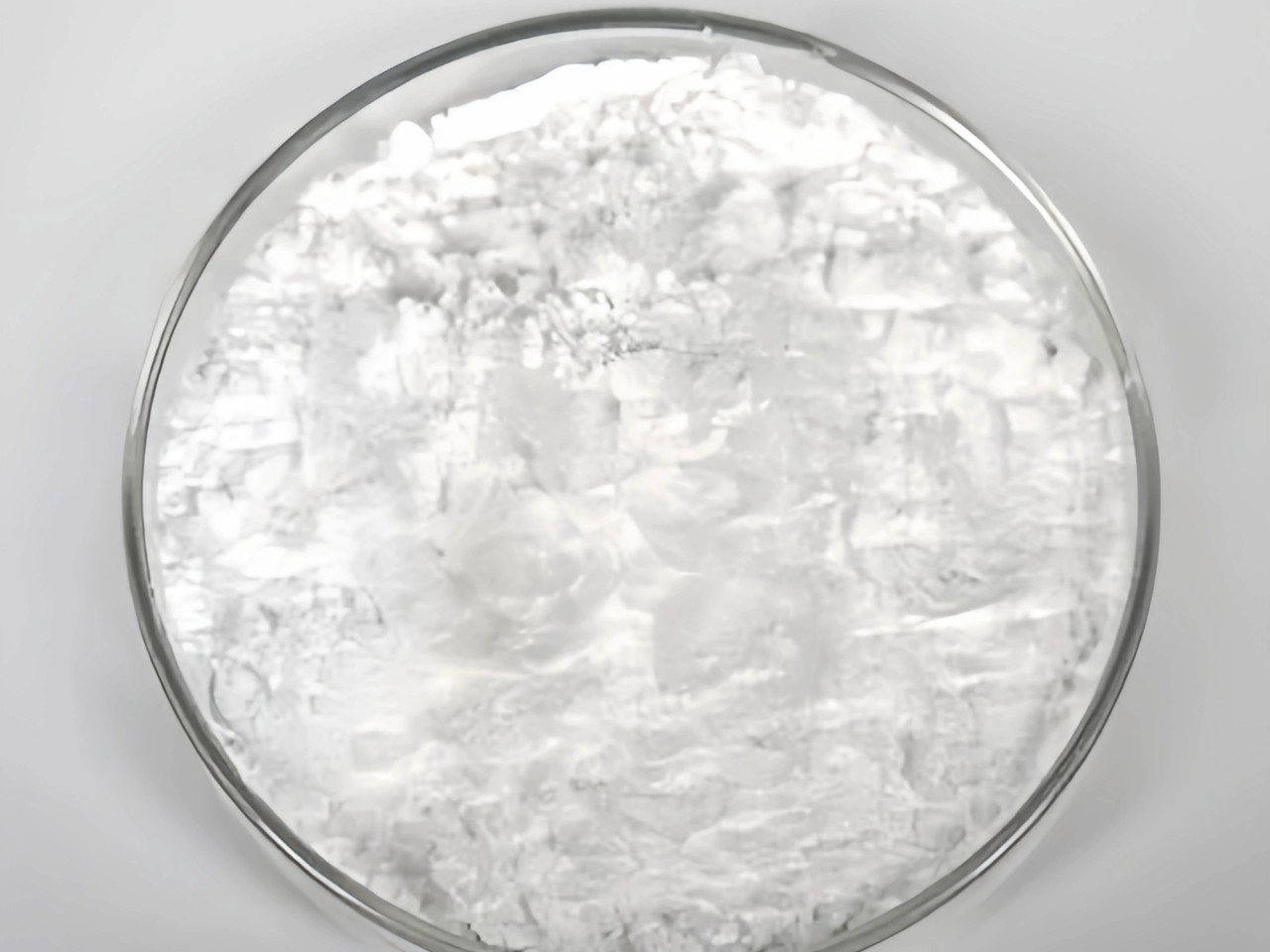
Phosphate Glass
Density (g/cm³): ~2.6-3.0
CTE (10⁻⁶/K): ~8-16
Mechanical Properties:Variable
Optical Properties (nd / Vd):Varies
Chemical Resistance:Fair
Applications:Laser gain media, filters
Key Advantages:High solubility for rare-earth ions
Get a product quote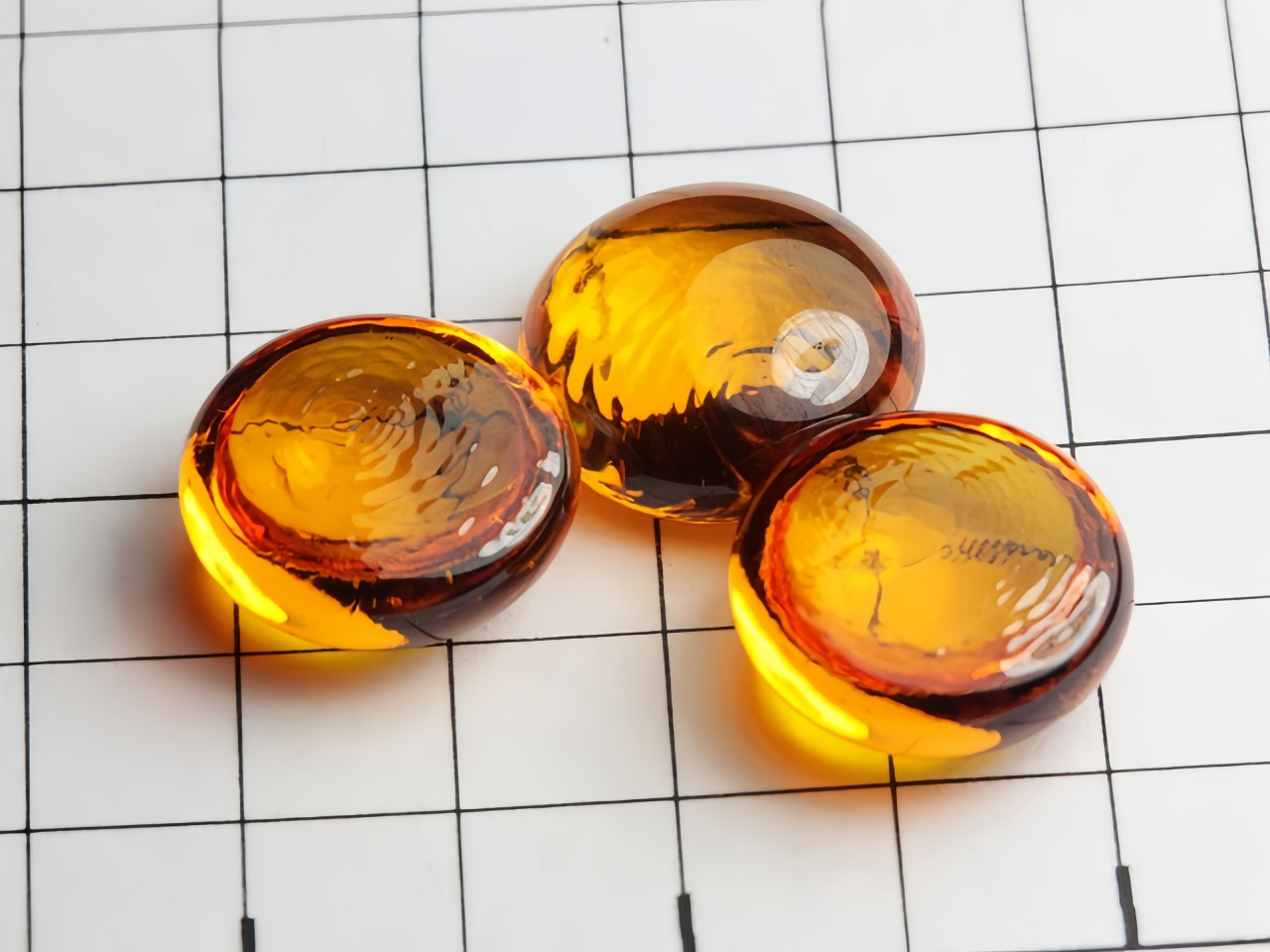
Fluorophosphate Glass
Density (g/cm³): ~3.1-3.6
CTE (10⁻⁶/K): ~12-16
Mechanical Properties:Lower hardness
Optical Properties (nd / Vd):Very Low (e.g., ~1.49 / 80+)
Chemical Resistance:Fair
Applications:Micro-lithography, low-dispersion lenses
Key Advantages:Extra-low dispersion, partial crystallinity
Get a product quoteGlass Rod Hot Pressing vs. Molten Glass Mold Pressing
| Glass Rod Hot Pressing (Precision Glass Molding - PGM) | Molven Glass Mold Pressing (e.g., Gob & Pressing) | |
| Production Cost | precision molds: $1k-$5k. Low per-part cost at high volumes (>10k units). | molds: $1k-$5k. Very low per-part cost, ideal for ultra-high volume (millions). |
| Dimensional Accuracy | Achieves tight tolerances, e.g., diameter ±0.2 mm, center thickness ±0.2 mm. | Tolerances are looser, e.g., ±0.5 mm to ±1 mm, due to higher thermal shrinkage. |
| Build Size / Part Size | Small to Medium. Typically from Ø3 mm to Ø100 mm. Limited by mold heating/pressing force uniformity. | Medium to Large. Commonly from Ø30 mm up to Ø500+ mm (e.g., large lenses, glass lampshade). |
| Strengths | • Complex geometries (aspheres, micro-lenses) | • Extremely high production speed (seconds per part) |
| Strengths | • Optical surface finish (Ra < 10 nm) | • Cost-effective for simple shapes |
| Strengths | • Excellent material properties retention | • Ability to produce large, transparent parts |
| Strengths | • High repeatability | - |
| Min. Feature Size | Very Small. Capable of sub-micron features and lenslet arrays with pitches < 100 µm. | Larger. Limited by glass flow and rapid cooling. Typically, features no smaller than 0.5-1.0 mm. |
| Process Tolerance | Tightly controlled. Wavefront error < λ/4, precise refractive index control via annealing. | Looser control. Primarily for structural/container shape; optical homogeneity is not a priority. |
| Primary Applications | Aspheric lenses for cameras, laser scanners, medical endoscopes, AR/VR optics. | Bottles, jars, simple lenses (e.g., traffic lights), dishware, glass lamp shade. |
Our applications of glass processing technology
We are committed to providing our customers with one-stop solutions, from prototype development to mass production, by addressing the entire value chain of materials science, engineering design, and precision manufacturing. Our goal is to transform the ultimate performance of glass materials into a core competitive advantage for your products.

Precision Medical Prototypes & Labware Manufacturing

Glass lamp shade for outdoor lighting
High-alumina glass covers, resistant to 600°C, for safe use in industrial and home heating applications.
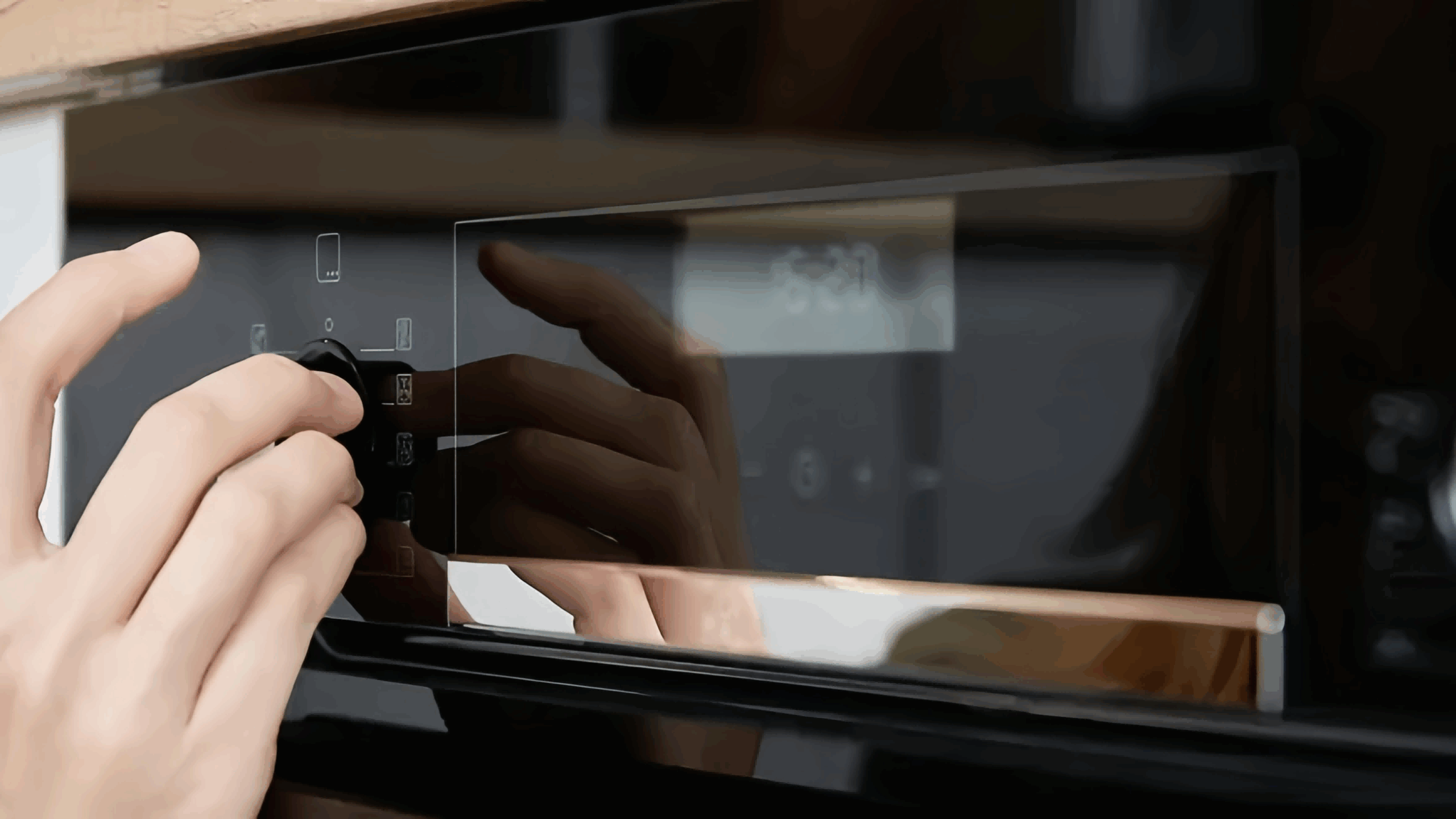
Electronices&Home appliance instruments products Prototyping

Aerospace Glass
Accelerate your aerospace projects with custom glass components, from precision prototypes to volume production.
We manufacture pressed glass lenses to exceptional standards.
Optical Surfaces: Pristine, uniform finishes free from pits or cracks. Minimal mold contact marks are acceptable.
Dimensional Accuracy: Consistent contour and thickness within tight tolerance ranges.
Material Purity: High-grade optical materials ensure clarity and homogeneity.
Cleanliness: All lenses are thoroughly cleaned, free from residues or visible handling marks.
Trustworthy expert in glass manufacturing solutions


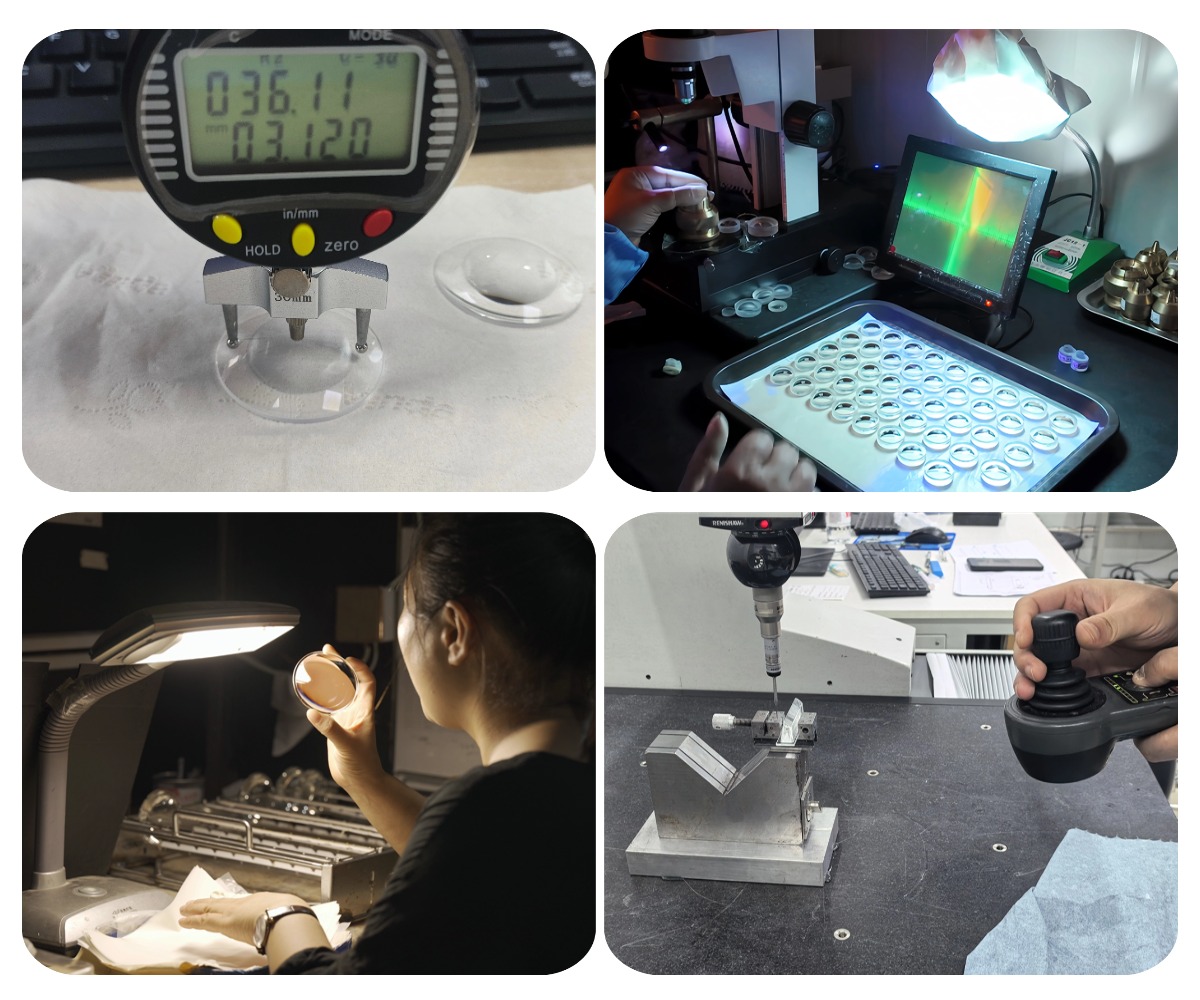
At BO-GLASS, our quality control begins with comprehensive design review and DFM analysis to optimize manufacturability. Throughout production, we implement rigorous process controls with material certification and in-process verification.
We utilize advanced metrology equipment including CMM, spectrophotometers, polariscopes, and surface roughness testers to validate dimensional accuracy, optical properties, stress distribution, and surface quality.
Our quality assurance includes first-article inspection, dimensional verification, and functional testing. Each component undergoes final inspection by certified technicians. Certified to ISO 9001:2015, we guarantee all components meet the highest standards for precision and reliability in every delivery.
Advantages of Lens Pressing vs Drawbacks of Lens Pressing
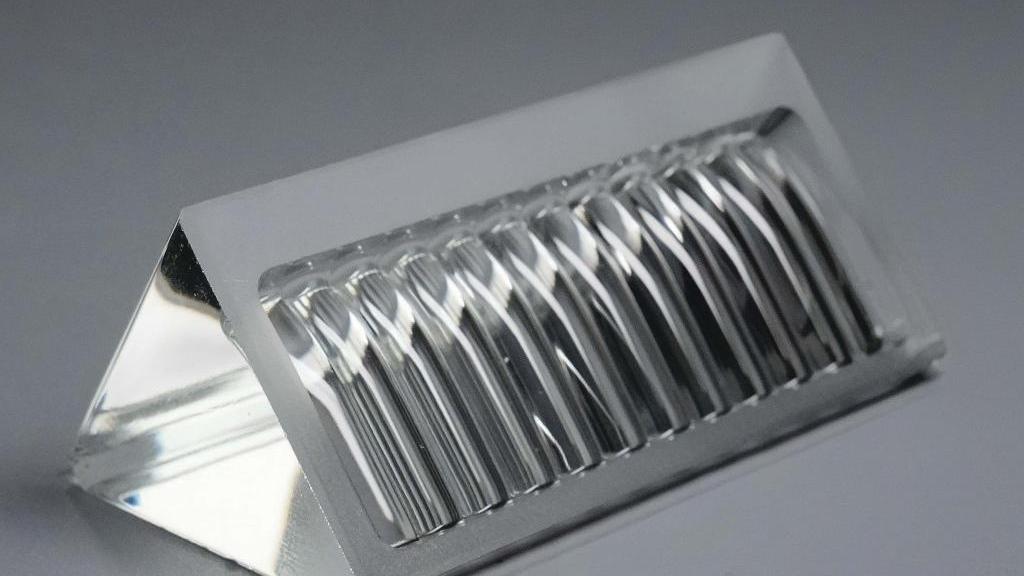
Advantages of Lens Pressing
- Highly cost-effective for medium to high-volume production.
- Delivers excellent surface quality and form accuracy, minimizing post-processing.
- Offers strong material consistency and optical performance.
- Capable of producing highly repeatable geometries.
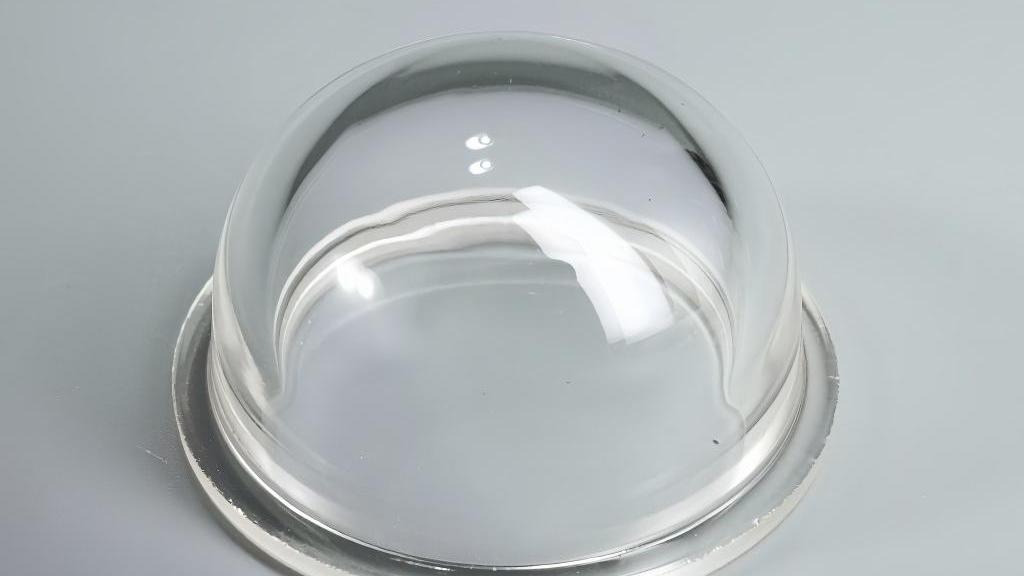
Drawbacks of Lens Pressing
- Not economical for prototyping or very low volumes due to high initial tooling costs./li>
- Design freedom is limited; complex undercuts and aspheric shapes are challenging.
- May leave slight witness marks from the mold on the glass surface.
- Lead times can be longer initially due to custom tooling fabrication.
Precision Glass Pressing: Design for Manufacturability Guide
This guide outlines key technical parameters for designing components suitable for the precision glass pressing process. Adhering to these guidelines ensures optimal manufacturability, performance, and cost-effectiveness.
Both processes require precision molds costing between $1,000 and $5,000. Glass Rod Hot Pressing (PGM) achieves a low per-part cost at high volumes, typically over 10,000 units. In contrast, Molten Glass Mold Pressing offers a very low per-part cost, making it ideal for ultra-high-volume production runs in the millions.
Draft Angle
A draft angle is essential for successful mold release without damaging the component. In PGM, typical draft angles are 4-5° for lenses and 6-8° for domes and covers. Molten Glass Pressing can achieve angles as low as 2-3°, though this increases both tooling cost and production risk.
Flange Thickness
This is the minimum thickness required for structural integrity during the pressing operation. PGM requires a flange thickness of at least 2.0 mm. Molten Glass Pressing can work with thinner flanges of around 1.5 mm, though this can make lenses more susceptible to breakage during production.
Concave Depth
This refers to the depth of a recessed surface. For PGM, the concave depth is typically limited to 40 mm or less. For Molten Glass Pressing, the feasible depth is subject to the diameter-to-depth ratio of the part.
Center Thickness (Lens)
Center thickness is critical for optical performance and ensuring uniform mold flow. PGM generally requires a center thickness of at least 5 mm. While Molten Glass Pressing can also achieve a center thickness of around 5 mm, doing so significantly increases the complexity of the process.
Overall Diameter
The practical size range for PGM using standard presses is up to 120 mm in diameter. Molten Glass Pressing can produce much larger components, with diameters up to 350 mm when using specialized equipment.
Diameter-to-Depth Ratio
This ratio is a key indicator of a part’s moldability, where a higher ratio is easier to press. PGM generally requires a ratio of at least 1.5:1. Molten Glass Pressing is capable of molding more challenging geometries, with ratios that can approach 1:1, though this increases the difficulty of the process.
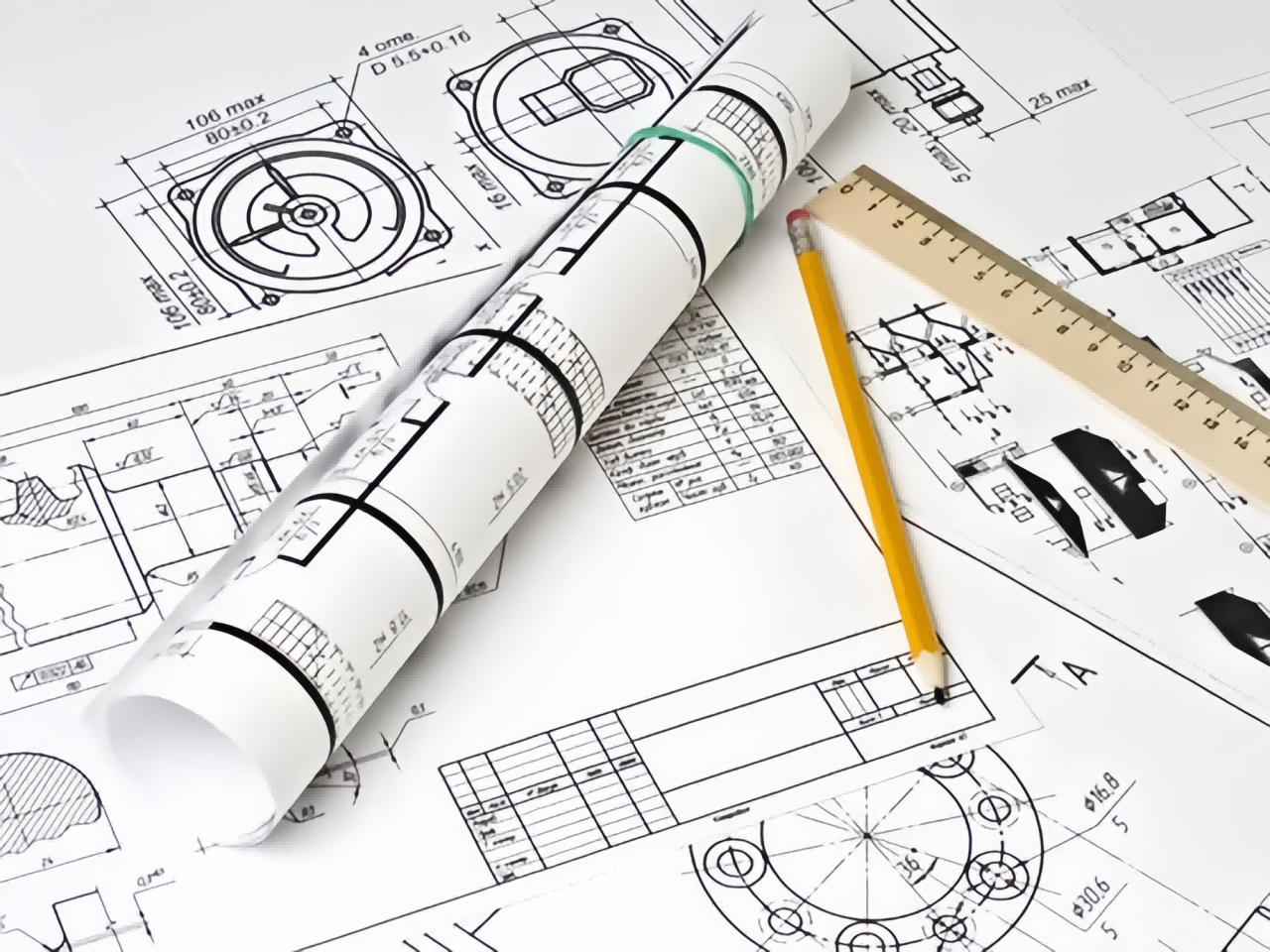
Our factory and our partner factories
BO-GLASS coordinates our core facility with a dedicated network of local specialists to deliver custom glass components. You benefit from our collective expertise while we manage all communication, quality control, and logistics for a seamless experience.


FAQ’s about Precision Glass Molding Services
What tolerance standards do you guarantee?
“Tolerance Standards for Pressed Glass Lenses from Glass Rods
Feature Standard Tolerance
Diameter ±0.2 mm
Center Thickness ±0.15 mm
Focal Length ±2%
Surface Quality 60-40 scratch-dig
Irregularity λ/2
Key Notes:
Tolerances apply to single-vision lenses from borosilicate glass
Custom tolerances available for complex aspheric designs
Surface quality per MIL-PRF-13830B standard
Material homogeneity: ≤ 5×10⁻⁵
Recommendation: For optimal results, provide optical drawings during RFQ. Our engineering team will validate feasibility and recommend cost-effective tolerance specifications.”
What are the minimum and maximum dimensions you can machine?
“BO-GLASS – Precision Pressed Glass Components: Size Capabilities
Standard Manufacturing Range
Lens & Dome Components
Maximum Diameter: 200 mm
Minimum Diameter: 3 mm
Other Pressed Forms (e.g., plates, simple asymmetrical shapes)
Width/Diameter Range: 5 mm – 180 mm
Height/Depth Range: 2 mm – 80 mm
Important Considerations
Precision-Driven: The pressing process excels at high-volume production of smaller, precision components with excellent repeatability.
Complexity Limit: While ideal for lenses and simple domes, deep undercuts or highly complex 3D geometries are not feasible with standard pressing.
Consultation Recommended: For components near the size limits or with specific optical/structural requirements, early technical consultation is advised to ensure optimal results.”
What cosmetic standards do you guarantee?
Visual Inspection Standards:
Surfaces must be free from cracks, chips, and deep scratches
No visible contamination or residue
Minimal acceptable flow lines from molding process
Defect Classification:
Major defects (cracks, breaks): 0% acceptance
Minor defects (light scratches, subtle flow lines): AQL-based acceptance
Dimensional Control:
Critical dimensions maintained within drawing specifications
Edge integrity preserved with minimal finishing marks
All components undergo 100% visual inspection under controlled lighting conditions, with statistical quality audits to ensure consistent standards. Specific acceptance criteria can be customized based on application requirements.”
How much does your lampworking service cost?
Our lens pricing is determined by three key factors:
Material Selection: We offer borosilicate, BK7, and B270 materials. Borosilicate provides the best cost efficiency due to its high yield during pressing.
Design Specifications: Cost increases with larger dimensions, complex geometries (e.g., concave bases), additional cold-working steps, and tighter tolerance requirements. For optimal pricing, we recommend specifying precision tolerances only where essential for assembly.
Order Quantity: Higher volumes reduce per-unit costs through mold cost amortization and improved production efficiency, resulting in better yields and lower prices.
We’re available to discuss specific requirements and provide design recommendations to achieve the most cost-effective solution for your optical application.
How can I reduce the cost of my ampworked parts?
“Cost-Reduction Strategies for Pressed Glass Lenses
To help optimize your project budget, consider these recommendations:
1. Material Selection
Prioritize borosilicate glass for optimal cost-effectiveness and production yield
Reserve specialty materials (BK7/B270) for applications requiring specific optical properties
2. Design Optimization
Minimize overall dimensions where possible
Avoid complex features like deep concaves when not functionally required
Limit tight tolerances to critical assembly interfaces only
Reduce secondary cold-working operations through smart design
3. Production Planning
Consolidate orders to maximize quantity discounts
Plan for batch production to amortize mold costs
Maintain consistent specifications across projects to improve manufacturing efficiency
The most effective cost control begins at the design phase. We recommend consulting our technical team early to identify optimization opportunities specific to your application.”
How BO-GLASS Custom Rod Precision Pressing Service Works
We begin by creating CAD models and quality specifications based on your requirements. Corresponding molds and fixtures are precision-made via CNC machining. Sample units are then produced for your dimensional and quality approval before mass production proceeds. Finally, we provide inspection reports and handle all shipping arrangements.
How to Start with BO-GLASS Part Manufacturing
Submit your CAD files and technical drawings via email or WhatsApp. Our facility and local partner network support projects from rapid prototyping to full production. You will promptly receive a machining quotation or DFM feedback from our engineers to begin manufacturing.
Our other manufacturing capabilities
We can provide you with a variety of glass processing techniques.
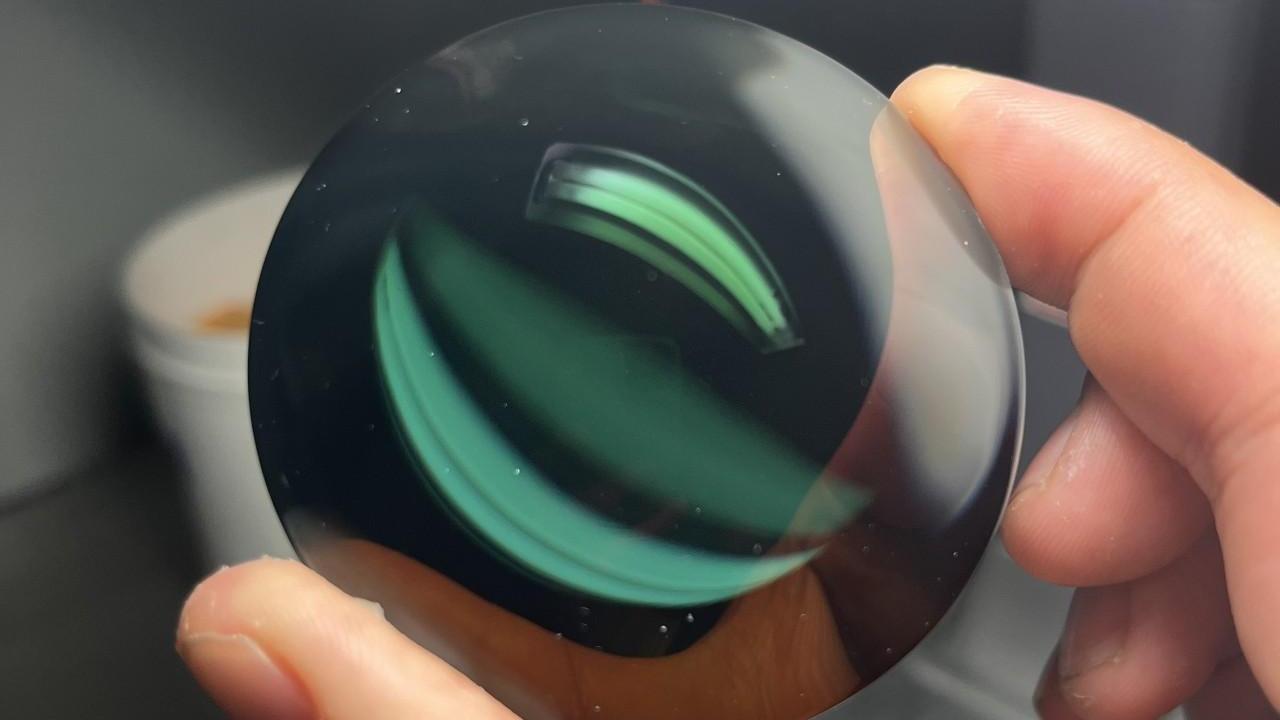
Glass Coatings for Enhanced Performance
Precision coatings upgrade glass for light, heat & durability control.

Ultrasonic Cleaning Service
Ultrasonic cavitation technology is used to thoroughly clean glass and precisely remove contaminants.
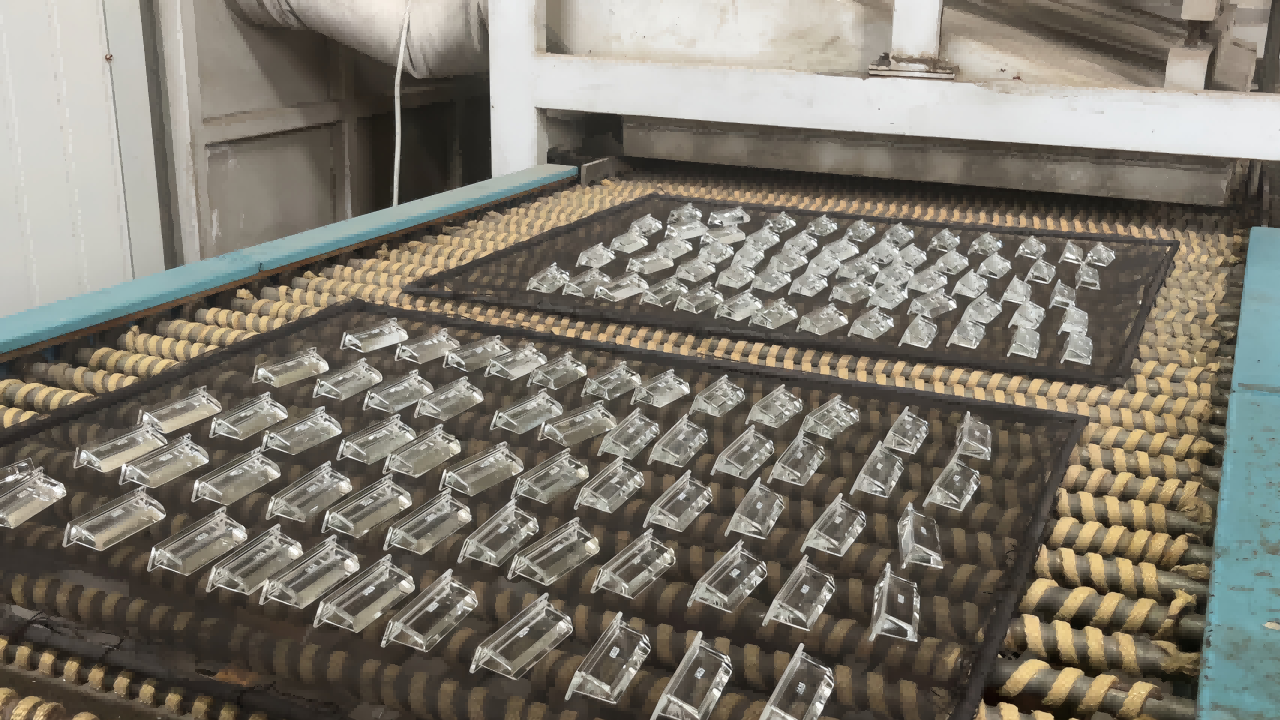
Physical Glass Tempering Services
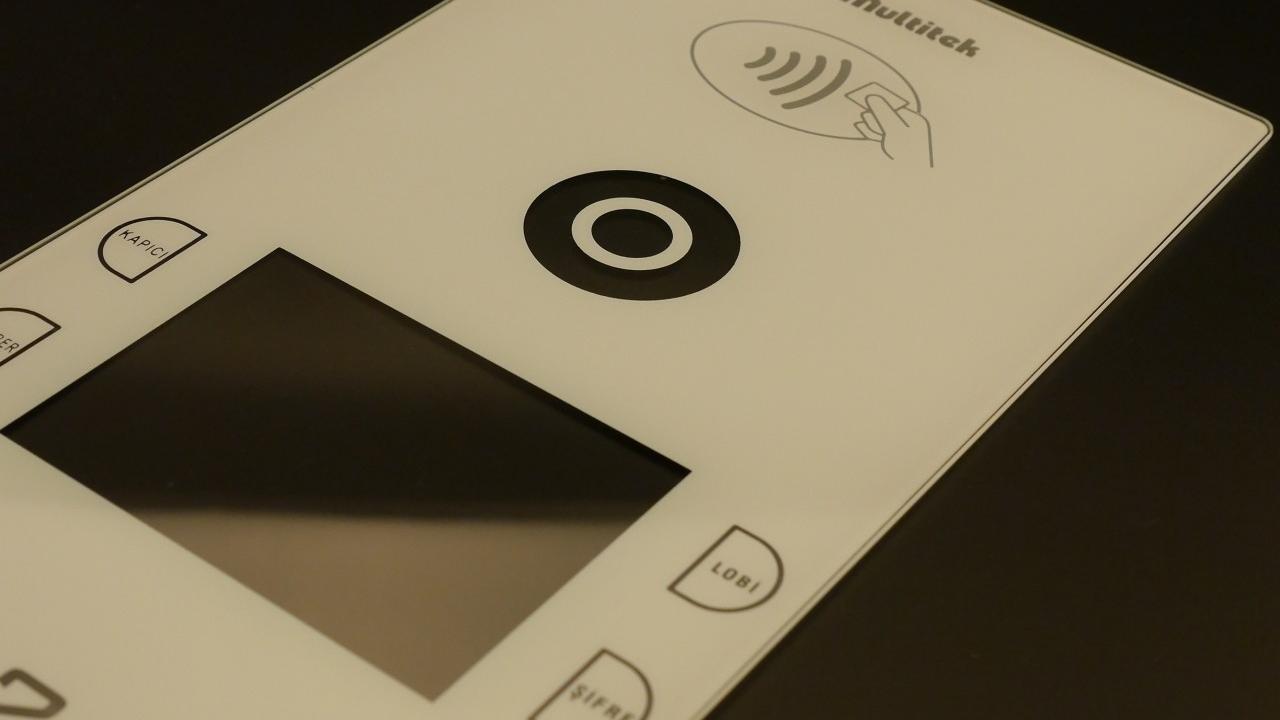
Silk Screened Glass service
Contact Us
Your feedback fuels our growth, and your questions drive our solutions.
We value your feedback, inquiries, and suggestions. Please feel free to get in touch with us
General inquiries
Please contact us via sales@bo-glass.com, and we will reply to you as soon as possible.
Interested to work with us
Drop your resume at info@bo-glass.com
and we will get back to you shortly.
We uses the contact information you provide to us to contact you about our relevent content, products, and services.