
Anti-Glare Glass Fabrication & Precision Machining
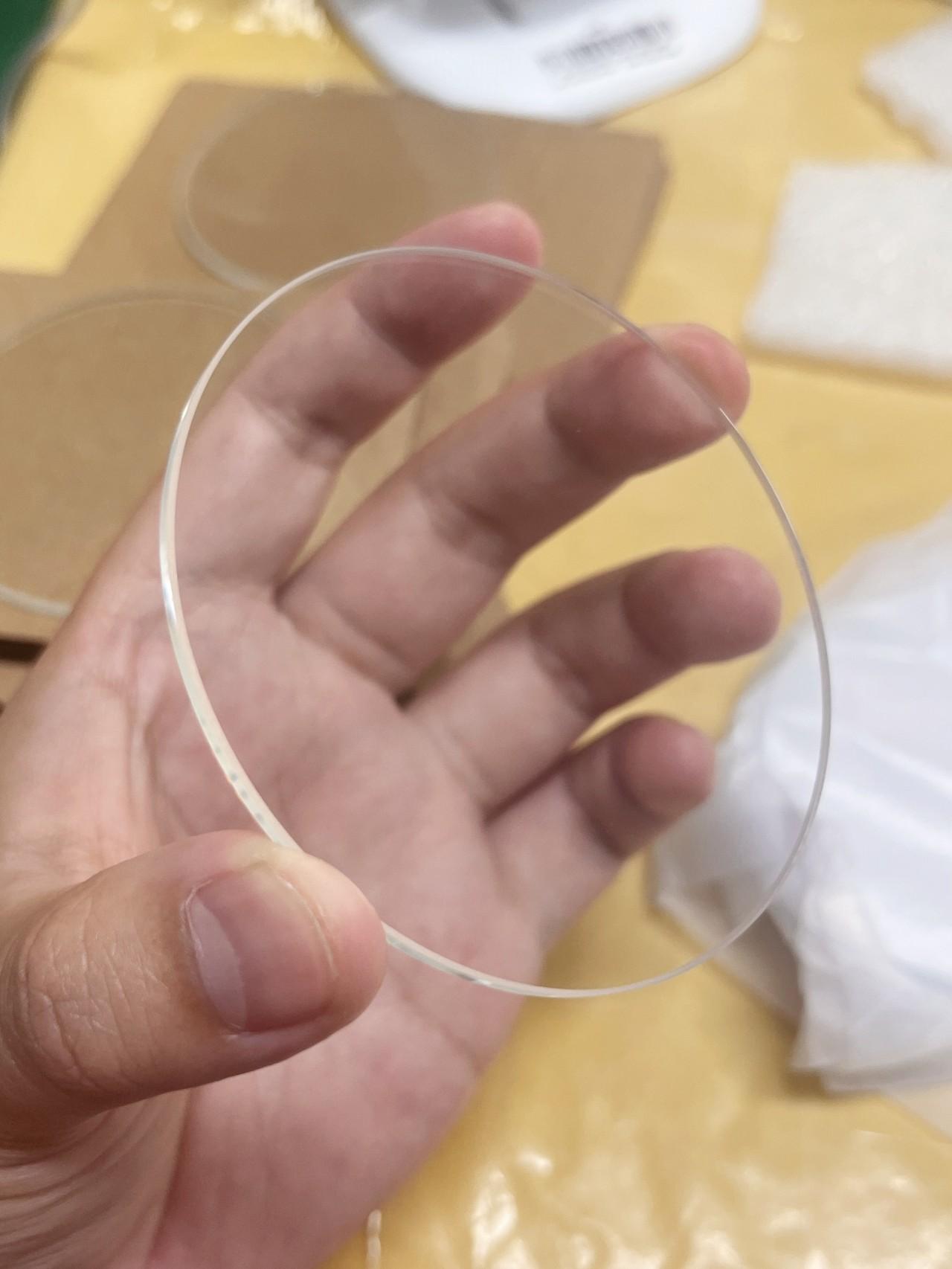
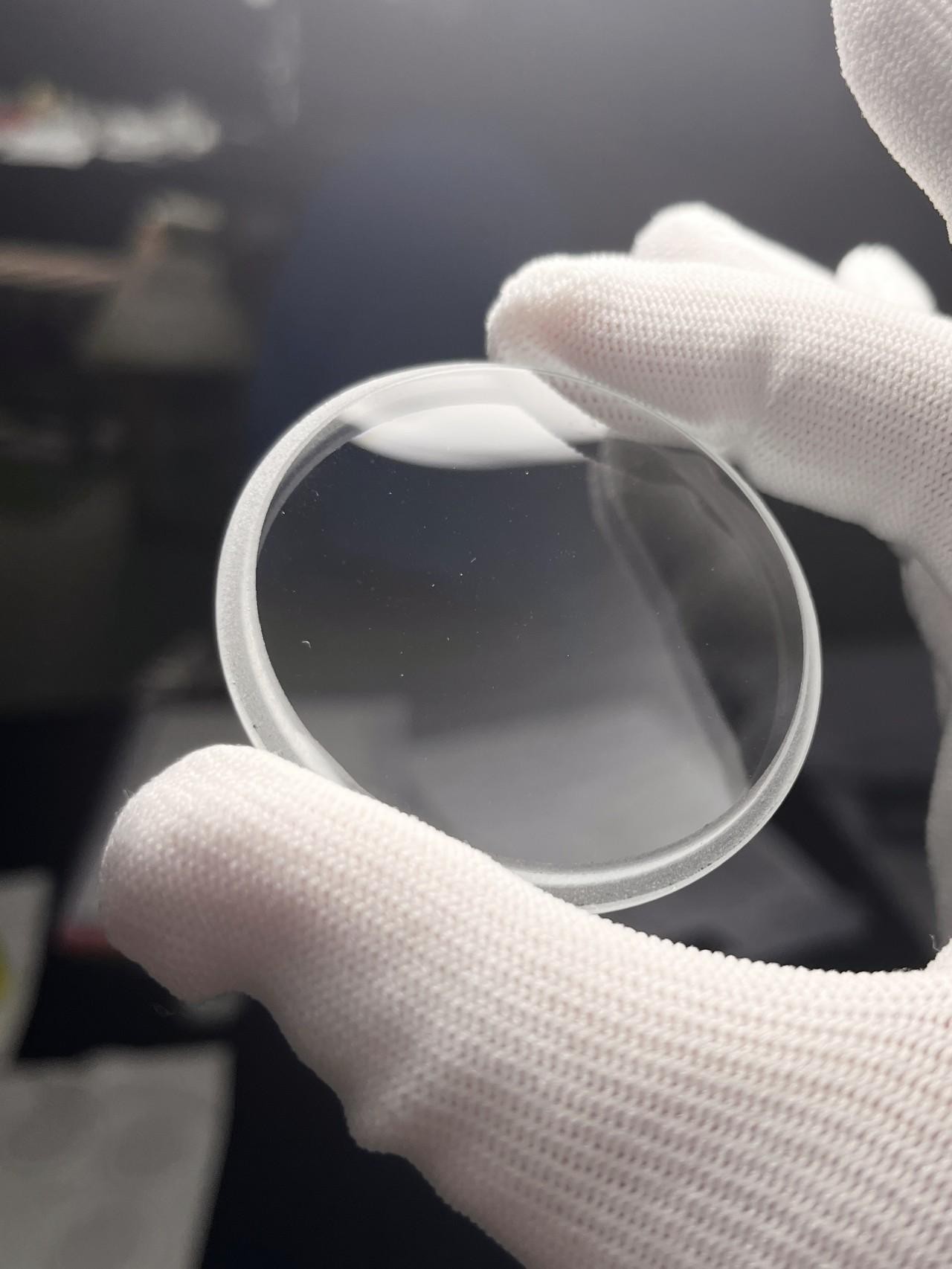

What is Anti-glare glass?
Max. Processing Size: | Sheets over 5m in length, large-format panels |
Min. Part Size: | Precision micro-components down to 10mm. |
Cutting Tolerance: | ±0.1 mm(CNC/Waterjet),±0.05 mm(Laser) |
Drilling/Milling Tolerance: | ±0.1 mmposition &diameter) |
Edge Profile Tolerance: | ±0.1 mm |
Standard Thickness Range: | From 1.5 mm and above. |
Ultra-Thin Processing Capability: | Down to sub-1.0 mm(e.g.,0.3-0.7 mm for specialty applications) |
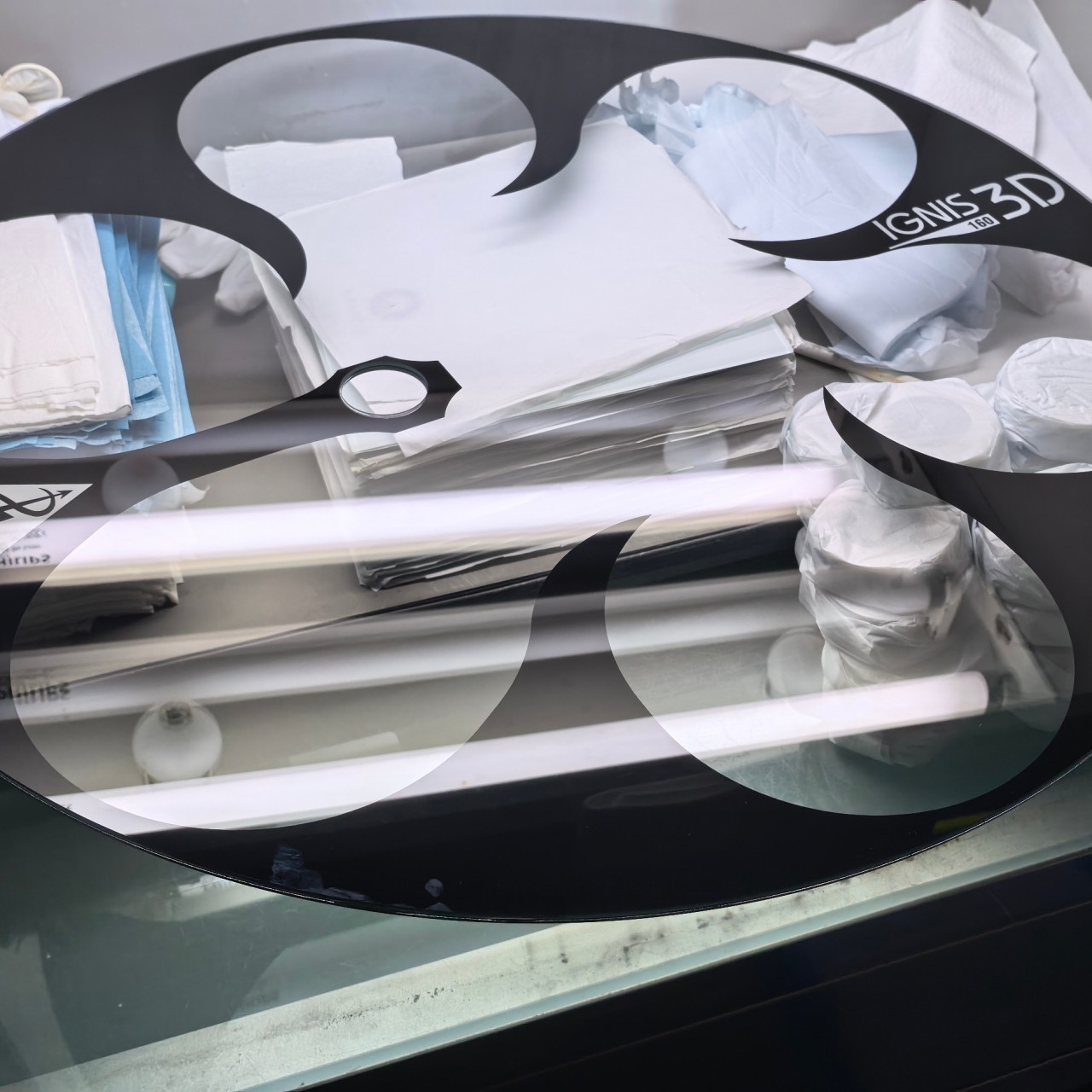
Anti-Glare Glass: Technical Specifications & Properties
This table details the key performance parameters of anti-glare glass, including surface reflectance (<2%), light transmittance, haze, and durability specs. These metrics define its clarity, glare reduction, and suitability for displays, touchscreens, and architectural uses.
| Parameter / Property | Typical Value / Range | Description & Implication |
| Base Material | Low-Iron Glass / Soda-Lime Glass / Borosilicate Glass | AG performance is achieved through a surface treatment applied to a chosen base glass. Low-iron glass is preferred for highest clarity and color neutrality. |
| Surface Treatment Method | Acid Etching / Coating | The micro-rough surface is created either by chemical etching (durable, matte finish) or by applying a particle-based coating (can offer specific optical performance). |
| Key Optical Performance | - | Defines the core functional benefit of reducing reflections. |
| Surface Reflectance | < 2% (can reach ~1%) | Dramatically reduced compared to standard glass (~8%), minimizing distracting reflections and glare under various lighting conditions. |
| Haze | 1% - 10% (typical for displays) | The degree of light diffusion. Higher haze spreads light more, reducing glare but potentially softening image sharpness. Optimized for application. |
| Total Light Transmittance | ~89% - 93% (on low-iron base) | Slightly lower than untreated glass due to surface scattering, but maintained at a high level for excellent brightness. |
| Physical & Durability Properties | - | Critical for real-world use and longevity. |
| Abrasion Resistance | Good to Excellent (varies by method) | Chemically etched surfaces are integral to the glass and highly durable. Coated surfaces may have specific abrasion ratings (e.g., pencil hardness ≥ 5H). |
| Chemical Durability | Good to Excellent (varies by method) | Resists common solvents and cleaners. Prolonged exposure to strong alkalis may affect the treated surface. |
| Fingerprint Resistance | Enhanced | The textured surface significantly masks fingerprints and smudges compared to a glossy surface. |
| Compatibility & Fabrication | - | Defines design and processing flexibility. |
| Post-Treatment Machining | Not Recommended | The AG surface must be applied after all cutting, drilling, and edging is complete, as machining will destroy the treated area. |
| Heat Treatability | Yes (pre-treatment) | The base glass can be tempered or heat-strengthened first, and then the AG treatment is applied to the tempered part, combining safety and function. |
| Lamination Compatibility | Excellent | AG glass is commonly used as the outer ply in laminated assemblies for touch screens or protective covers. |
| Visible Light Transmittance (VLT) | 10% - 80% (typical) | The percentage of visible light transmitted. Lower VLT provides more privacy and glare control. |
| Solar Heat Gain Coefficient (SHGC) | 0.2 - 0.7 (typical) | Fraction of incident solar radiation admitted. A lower SHGC indicates better solar heat rejection. |
| Ultraviolet (UV) Light Transmittance | < 25% (often much lower) | Effectively blocks a significant portion of UV radiation, protecting interiors from fading. |
| Light-to-Solar Gain (LSG) Ratio | Varies by product | Ratio of VLT to SHGC; a higher ratio indicates better daylighting efficiency relative to heat gain. |
| Key Fabrication Note | Fully Processible | Can be cut, drilled, edge-worked, laminated, and heat-treated (tempered) using standard glass fabrication methods after the tinting process. |
Anti-Glare Glass: Advantages & Key Considerations
Anti-glare glass offers superior glare reduction (<2% reflectance), durability, and smudge resistance. Key considerations include a slight haze effect, higher production costs, and post-processing limitations due to its specialized surface treatment.
Benefits
Superior Optical Clarity with Minimal Reflection: Significantly reduces surface glare and reflections (often to <2%), enhancing visibility and readability in high-ambient-light conditions.
Enhanced Durability & Surface Hardness: The etched or coated surface is highly resistant to scratches, abrasion, and frequent cleaning, ensuring long-term performance.
Versatile Functional & Aesthetic Application: Serves both functional needs (glare reduction for displays) and aesthetic design (matte, premium finish for architectural elements).
Excellent Post-Process Compatibility: Can be applied to pre-tempered or heat-strengthened glass, combining safety properties with anti-glare functionality, and is suitable for lamination.
Low Maintenance & Smudge Resistance: The textured surface effectively masks fingerprints, dust, and minor smudges, maintaining a cleaner appearance with less frequent cleaning.
Balanced Light Diffusion: Optimized haze level minimizes glare while preserving high light transmittance and image sharpness critical for displays and touch interfaces.
Key Limitations to Consider
Slightly Reduced Optical Clarity: The surface treatment inherently causes a minor decrease in total light transmittance and can introduce a subtle haze, potentially softening image sharpness.
Increased Production Cost & Steps: Requires an additional, specialized surface treatment process (etching/coating) after all primary fabrication (cutting, tempering) is complete, adding cost and complexity.
Post-Treatment Machining Limitation: The anti-glare surface cannot be altered after application. Any subsequent cutting, drilling, or edgework will destroy the treated area, requiring meticulous process planning.
Surface Cleaning Challenges: The micro-rough texture can make it more difficult to completely remove certain oils or adhesives compared to a smooth surface.
Potential for Reduced Contrast: In some lighting conditions, the light-diffusing property can slightly reduce perceived contrast compared to a perfectly clear, glossy surface.
Durability Constraints of Coated Types: Anti-glare coatings (as opposed to acid-etched surfaces) may have specific wear limitations and can be more susceptible to damage from harsh chemicals or abrasive cleaning.
Anti-Glare Glass Solutions for Displays, Interfaces & Design
Anti-Glare Glass: Key Application Fields
Consumer Electronics: Smartphone/tablet covers, laptop displays, TV screens, camera lens protectors.
Automotive & Transportation: Instrument clusters, center console displays, heads-up displays (HUDs).
Industrial & Human-Machine Interface (HMI): Control panel covers, industrial touchscreen monitors, measurement device displays.
Medical & Laboratory Equipment: Diagnostic monitor screens, medical imaging displays, analytical instrument interfaces.
Retail & Public Kiosks: ATM screens, self-service checkouts, interactive information displays.
Specialty Architecture & Interior Design: Display case covers, museum anti-reflection glazing, privacy glass partitions.
FAQ: Anti-Glare Glass for Product Development & Design
What is anti-glare glass and how does it work?
Anti-glare (AG) glass has a specially treated, microscopically rough surface that scatters incoming light. This significantly reduces direct reflections and glare compared to a smooth, glossy glass surface, improving readability under various lighting conditions.
How do you measure its effectiveness? What are key optical specs?
Key metrics are Surface Reflectance (often < 2% vs. 8% for standard glass), Total Light Transmittance (~89-93% on low-iron base), and Haze (typically 1-10%). Haze balances glare reduction with image sharpness.
How is the anti-glare effect created?
Primarily through two methods: Chemical Etching (durable, integral to the glass) or applying a Particle-Based Coating. Etching is generally preferred for its superior durability and feel.
Can it be tempered or laminated for safety?
Yes. The chosen base glass (e.g., soda-lime, aluminosilicate) must first be cut, edged, drilled, and thermally tempered. The anti-glare treatment is always the final step, applied after all other fabrication is complete.
What are the main design and processing limitations?
The AG surface cannot be machined after treatment. Any cutting, drilling, or edgework will destroy the treated area. All shaping must be finalized before the AG process, which adds cost and requires precise planning.
How durable and easy to clean is it?
Chemically etched AG glass is very durable, with high abrasion and chemical resistance. The textured surface also excellent at masking fingerprints and smudges. Cleaning requires a soft cloth; avoid harsh abrasives.
Does it affect display clarity or touch sensitivity?
It causes minimal clarity loss. The slight haze may soften sharpness marginally but dramatically improves viewability in bright light. It does not impact capacitive touch sensitivity.
What base glass types can be made anti-glare?
We can apply AG treatment to Ultra-Clear Low-Iron Glass (for best clarity), Standard Soda-Lime, Borosilicate, and even Chemically Strengthened Aluminosilicate Glass, depending on the application’s needs.
What are the trade-offs compared to clear glass?
Trade-offs include a slight reduction in light transmission, a subtle matte finish that can soften crispness, higher cost due to the extra processing step, and the post-treatment machining restriction.
What are the most common applications?
It is ideal for consumer electronics displays, automotive HMI/touchscreens, industrial control panels, medical monitor covers, public kiosks, and museum display cases where glare reduction is critical.
Contact Us
Your feedback fuels our growth, and your questions drive our solutions.
We value your feedback, inquiries, and suggestions. Please feel free to get in touch with us
General inquiries
Please contact us via sales@bo-glass.com, and we will reply to you as soon as possible.
Interested to work with us
Drop your resume at info@bo-glass.com
and we will get back to you shortly.
We uses the contact information you provide to us to contact you about our relevent content, products, and services.