
Laminated Safety Glass Manufacturing & Fabrication
BO-GLASS produces laminated safety glass with PVB/SGP interlayers for architectural, automotive, and security applications. We deliver multi-ply glazing with impact resistance, fragment retention, sound dampening, and UV blocking. Full-service from prototyping to volume production.
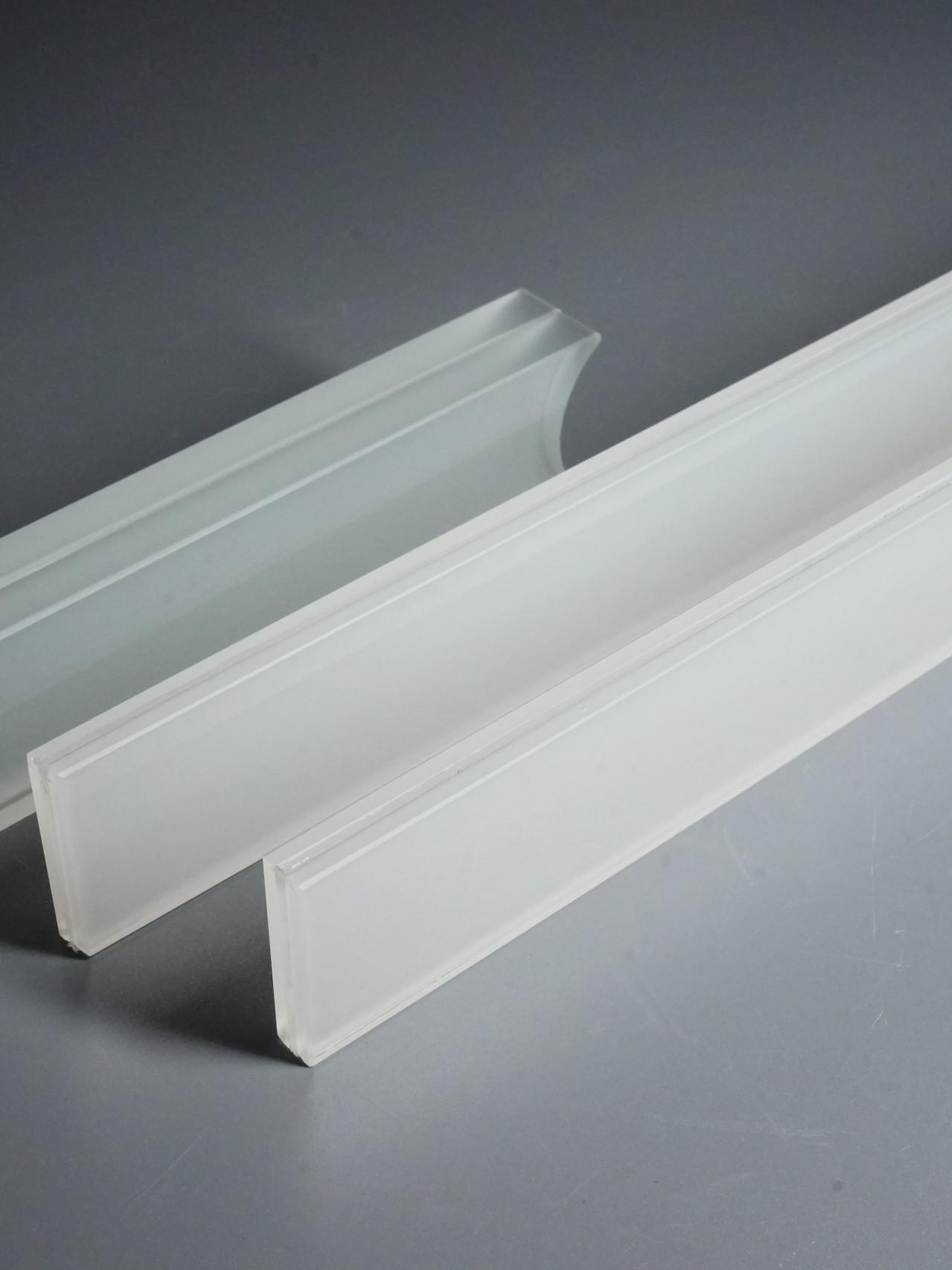
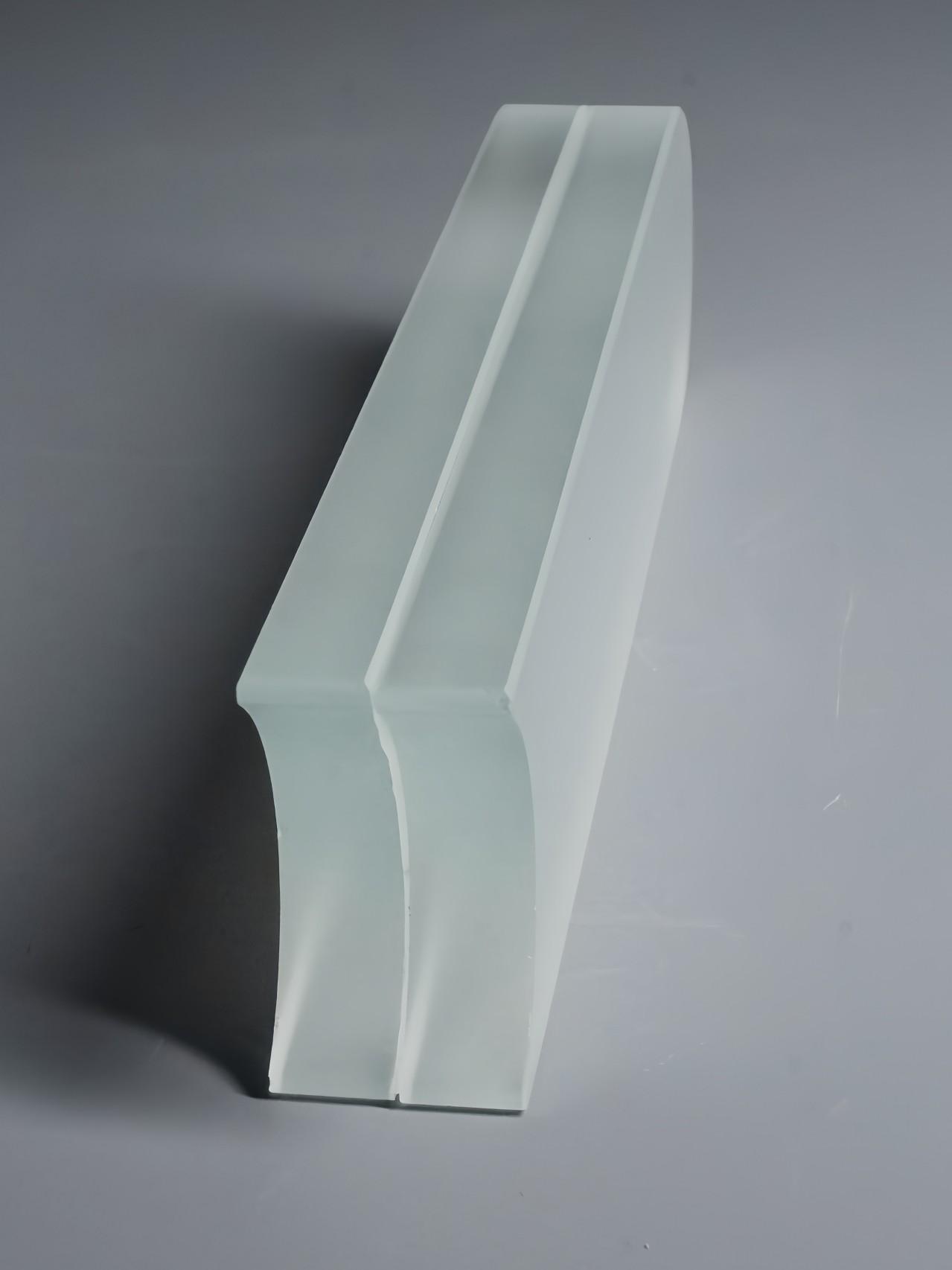

What Is Laminated Glass
Max. Processing Size: | Sheets over 5m in length, large-format panels |
Min. Part Size: | Precision micro-components down to 10mm. |
Cutting Tolerance: | ±0.1 mm(CNC/Waterjet),±0.05 mm(Laser) |
Drilling/Milling Tolerance: | ±0.1 mmposition &diameter) |
Edge Profile Tolerance: | ±0.1 mm |
Standard Thickness Range: | From 1.5 mm and above. |
Ultra-Thin Processing Capability: | Down to sub-1.0 mm(e.g.,0.3-0.7 mm for specialty applications) |
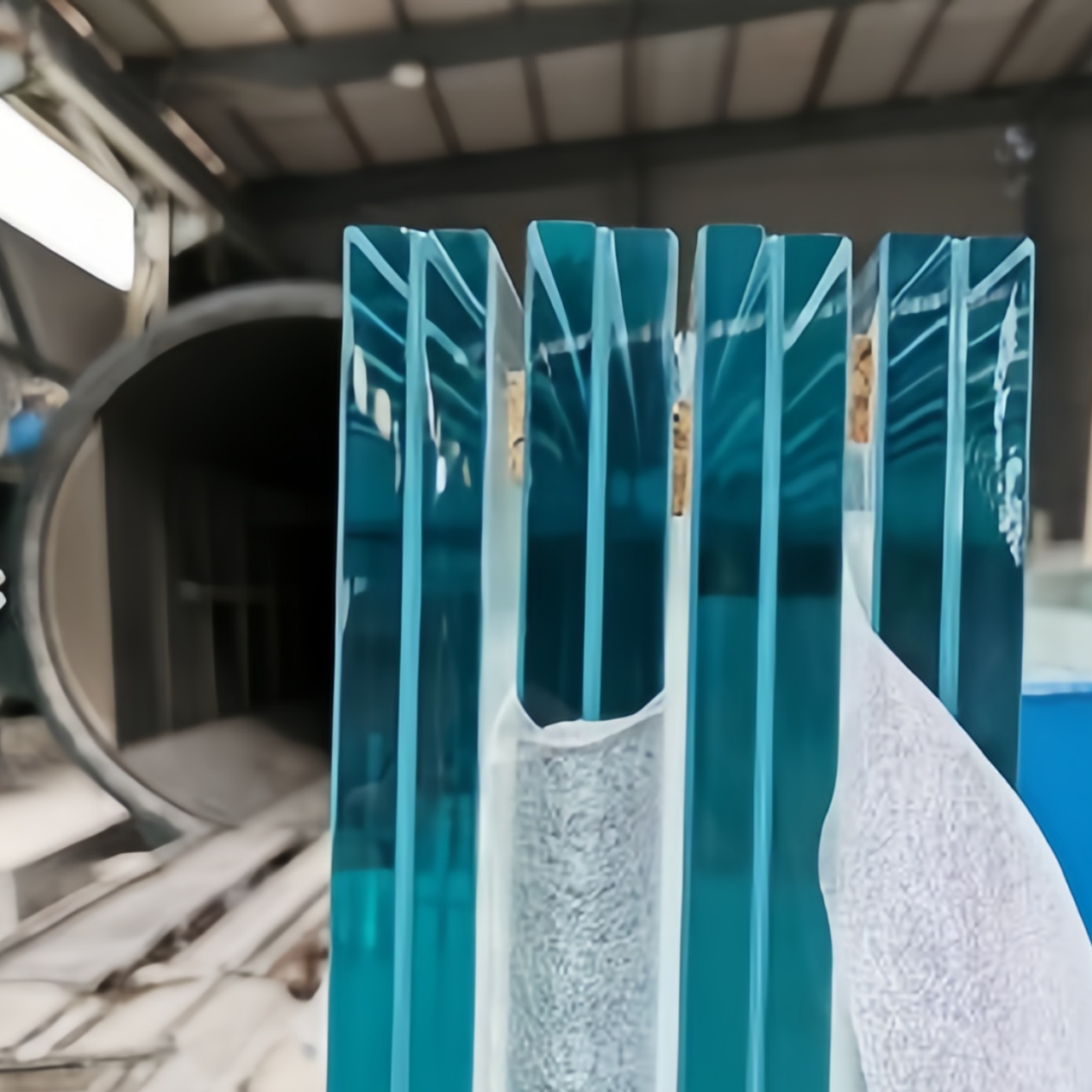
Laminated Glass: Detailed Technical Specifications & Characteristics
| Parameter / Property | Typical Value / Range | Description & Implication |
| Primary Structure | - | Composite safety glass with a polymer interlayer. |
| Glass Plies | 2 or more (Float, Tempered, etc.) | The outer layers. Can be combined (e.g., tempered + float) for specific performance. |
| Interlayer Type | PVB, SGP, EVA, Ionoplast | PVB is standard for safety/security. SGP/Ionoplast offer higher strength. EVA allows complex embossing. |
| Interlayer Thickness | 0.38mm (Standard) - 2.28mm+ | Thicker interlayers significantly improve impact resistance, security, and sound insulation. |
| Mechanical & Safety Performance | - | Defines core safety and structural benefits. |
| Impact Resistance (EN 12600) | Classes 1B1, 2B1, etc. | Rated for pedestrian safety. Glass breaks but remains largely adhered, preventing fall-through. |
| Post-Breakage Behavior | Fragments Adhere | Key safety feature. The interlayer holds broken glass in place, maintaining a barrier. |
| Penetration Resistance | Varies (up to Burglar-Resistant) | Multi-ply with thick interlayers can achieve high security ratings (e.g., EN 356). |
| Optical & Solar Properties | - | Varies based on glass and interlayer combination. |
| Visible Light Transmittance (VLT) | 65% - 90% (with clear glass) | High clarity achievable. Can be combined with tinted or coated glass for solar control. |
| UV Blocking | >99% (Standard with PVB) | The interlayer filters most ultraviolet light, protecting interiors from fading. |
| Solar Heat Gain Coefficient (SHGC) | Adjustable | Defined by the choice of glass plies (tinted, coated). Lamination itself has minor effect. |
| Acoustic Performance | - | Enhanced noise reduction is a key benefit. |
| Sound Insulation (STC/OITC) | Significantly Improved | The viscoelastic interlayer damps sound vibrations. Specialized acoustic PVB offers the best performance. |
| Physical & Fabrication Properties | - | Critical for design and installation. |
| Standard Total Thickness | 6.38mm (3mm+0.38PVB+3mm) and up | Widely configurable. Final thickness = sum of glass plies + interlayers. |
| Fabrication Tolerance | As per individual glass ply specs | All glass must be cut, edged, drilled, and (if required) tempered BEFORE the laminating process. |
| Edgework | Sealed or Exposed | Edges are permanently sealed by the interlayer. Polished, seamed, or beveled edges are finished pre-lamination. |
| Key Design Feature | Functional Combination | Uniquely combines safety, security, sound control, and UV protection in a single glazing unit, unlike monolithic or insulated glass. |
Laminated Glass: Advantages & Key Considerations
Laminated glass provides superior safety, security, UV blocking, and acoustic control. Key considerations include higher cost, increased weight, no post-lamination machining, and precise edge detailing requirements.
Benefits
Inherent Safety & Security: Its defining feature is the ability to hold glass fragments together upon impact. This provides critical fall-out prevention, reduces injury risk, and acts as a delay barrier against forced entry, meeting stringent safety and security codes.
Design Flexibility & Material Synergy: Different glass types (e.g., tempered + float, clear + tinted, annealed + heat-strengthened) can be combined in the layup. This allows designers to optimize cost and performance by placing specific glass where it’s needed most.
Multifunctional Performance Integration: It uniquely combines safety, sound insulation (acoustic damping), >99% UV blocking, and potential blast/impact resistance in a single glazing unit, eliminating the need for multiple separate components or films.
Enhanced Durability & Weather Resistance: The sealed interlayer protects against moisture ingress and environmental degradation at the edge seal, improving long-term durability compared to some insulated glass units (IGUs) in certain conditions.
Post-Breakage Structural Integrity: Even if fractured, the glass layer remains largely in the frame, maintaining a weather barrier and allowing time for safe replacement, which is crucial for overhead and façade applications.
Superior Acoustic Performance: The viscoelastic interlayer damps sound vibrations, significantly reducing noise transmission (higher STC/Rw ratings) compared to monolithic glass of the same total thickness, ideal for urban or high-noise environments.
Processing Compatibility: Individual glass plies can be cut, drilled, edged, and thermally tempered before lamination, allowing for complex shapes, holes, and safety requirements to be met in the final product.
Key Limitations to Consider
Higher Cost: Significantly more expensive than monolithic glass due to the cost of multiple glass plies, the polymer interlayer material, and the energy-intensive autoclaving process required for lamination.
Increased Weight & Thickness: For an equivalent thickness, it is heavier than monolithic glass. Achieving higher performance (security, acoustics) requires thicker, heavier interlayers, impacting structural support and handling.
Irreversible Process & No Post-Lamination Machining: Once laminated, the unit cannot be cut, drilled, or its edges reworked. All fabrication (cutting, hole drilling, edgework, tempering) must be flawlessly completed on each individual ply before the lamination process.
Risk of Optical Defects: The lamination process can introduce potential optical imperfections such as non-uniform adhesion (waves), trapped air bubbles, or interlayer cloudiness if not meticulously controlled, affecting clarity.
Complex Edge Sealing & Durability: The exposed glass edge at the perimeter is susceptible to moisture ingress into the interlayer over time, which can lead to delamination, discoloration, or edge clouding if not properly sealed or protected.
Thermal Stress Sensitivity: The interlayer acts as an insulating barrier, which can lead to different thermal expansion between plies or trap heat. This requires careful consideration to avoid thermal stress breakage, especially in spandrel or heated applications.
Limited Repairability: If damaged, the entire laminated unit typically must be replaced. Field repairs are generally not possible or effective for restoring structural or optical integrity.
Reduced Light Transmission (with certain interlayers): While clear interlayers have minimal effect, thicker or specialized (e.g., colored, acoustic) interlayers can reduce visible light transmittance compared to monolithic glass of the same nominal thickness.
Multifunctional Laminated Glass Solutions for Safety & Performance
Architectural Safety Glazing: Skylights, overhead glazing, glass railings, balustrades, and curtain walls where breakage safety is paramount.
Automotive & Transportation: Windshields for all vehicles, side and rear windows for enhanced security and sound insulation, high-speed train windows.
Security & Ballistic Protection: Bank teller windows, display cases in museums/jewelry stores, bullet-resistant glazing for vehicles and buildings.
Acoustic Control: Sound barrier windows for buildings near airports, highways, or railways; interior partitions in recording studios, hotels, and offices.
Hurricane & Storm Protection: Impact-resistant windows and doors in coastal regions to protect against wind-borne debris and maintain building envelope integrity.
Specialty & Design Applications: Canopy and façade glazing, sloped glazing, furniture (e.g., glass tables), and artistic installations where safety and design converge.
FAQ: Laminated Glass for Product Development & Design
What is laminated glass, and how is it different from standard or tempered glass?
What are the main performance benefits and certifications for safety?
Its core benefit is retained integrity after breakage. It is certified for impact resistance (e.g., EN 12600 for pedestrian safety) and can be rated for security (e.g., EN 356) and sound reduction (STC). The standard PVB interlayer also blocks over 99% of UV rays.
Can we combine different types of glass in one laminate?
What are the critical limitations in fabrication and design?
How does it handle edges and long-term exposure?
What interlayer options exist, and how do they differ?
Acoustic PVB: Specifically formulated for superior noise reduction.
SGP / Ionoplast: Offers higher structural strength, tear resistance, and rigidity for demanding applications.
Colored / Patterned Interlayers: For aesthetic and design effects.
Is laminated glass heavier and more expensive than other types?
What are the typical applications for laminated glass in different industries?
Architectural: Skylights, overhead glazing, railings, curtain walls, sound-sensitive buildings.
Automotive: Windshields (mandatory), side/rear windows for security and acoustic comfort.
Security: Bank teller windows, display cases, ballistic-resistant glazing.
Specialty: Hurricane-resistant windows, blast mitigation, and decorative design elements.
Can laminated glass be curved?
What impacts lead time and cost the most for a custom laminated unit?
Contact Us
Your feedback fuels our growth, and your questions drive our solutions.
We value your feedback, inquiries, and suggestions. Please feel free to get in touch with us
General inquiries
Please contact us via sales@bo-glass.com, and we will reply to you as soon as possible.
Interested to work with us
Drop your resume at info@bo-glass.com
and we will get back to you shortly.
We uses the contact information you provide to us to contact you about our relevent content, products, and services.