
Custom Glass Cutting Services | Precision Industrial Glass Shaping
Our Cutting glass fabrication capabilities
BO-GLASS masters advanced glass cutting technologies, specializing in laser and waterjet precision machining for bespoke glass components. Our China-based manufacturing center integrates state-of-the-art CO₂ laser cutters (±0.1mm accuracy) and ultra-high-pressure waterjet systems (60,000+ PSI) to handle intricate geometries, thick borosilicate glass, and multi-layer composites.

Laser Cutting
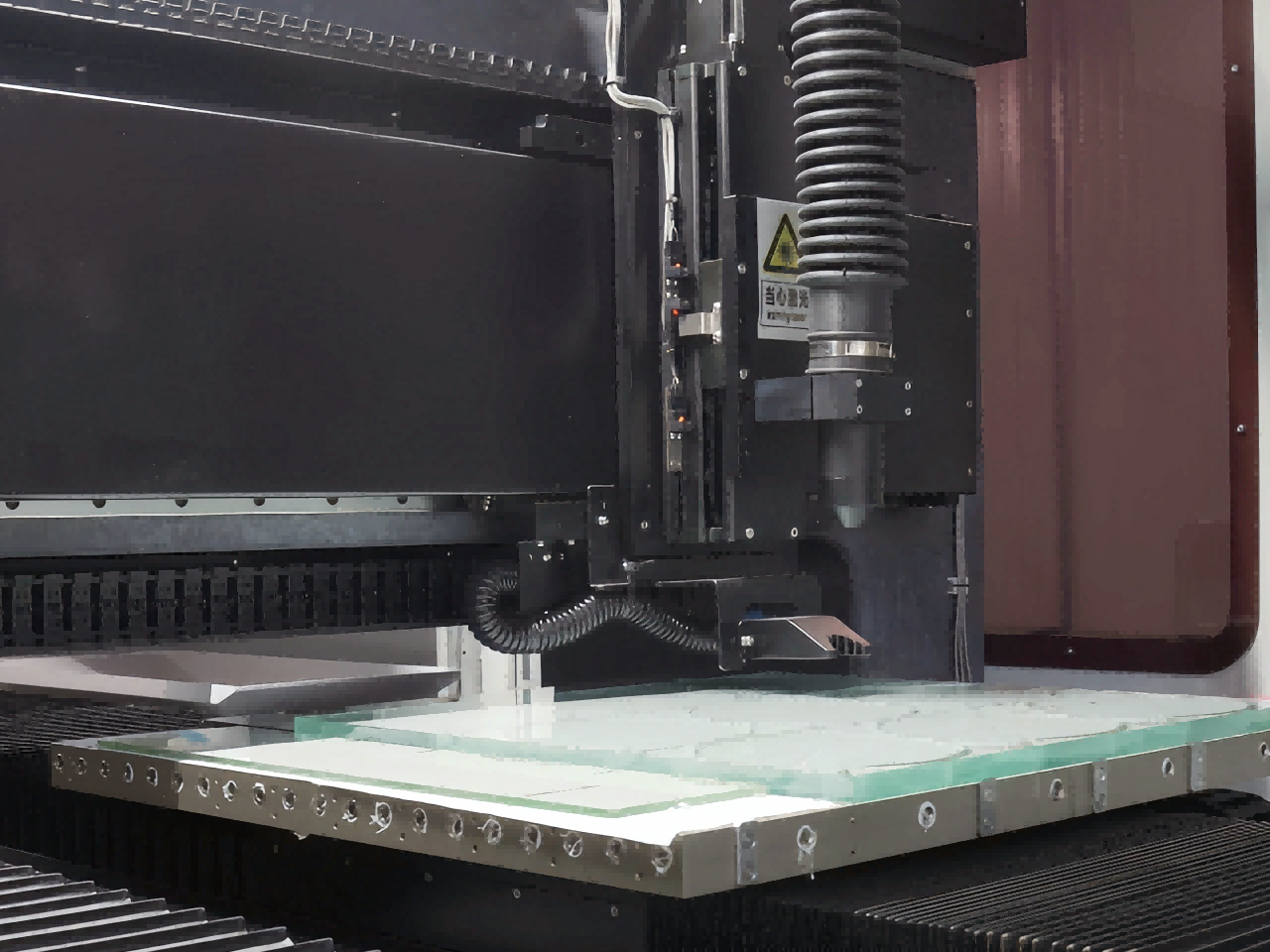
Laser cutting is a manufacturing process that uses a focused, high-power laser beam to melt, burn, or vaporize material. It is ideal for achieving extremely precise cuts and complex designs, resulting in smooth surfaces.
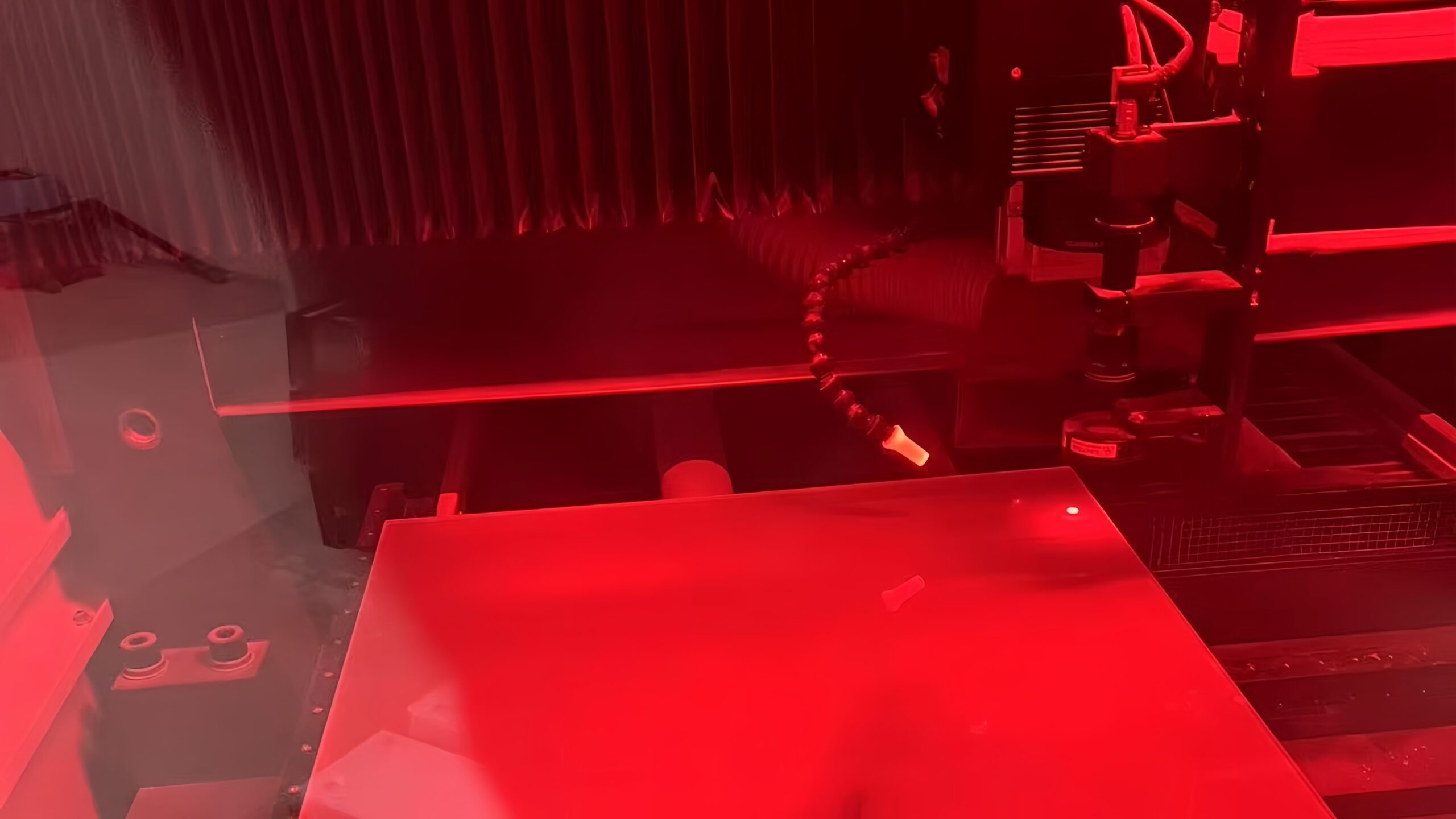
Laser Drilling
Laser drilling is a method that uses focused, high-energy laser pulses to rapidly heat and penetrate material to create holes. It is ideal for high-speed production of micro-holes and small-diameter holes with excellent consistency.

Waterjet Cutting
Waterjet cutting is a versatile cutting process that uses a high-pressure water jet mixed with abrasive particles to cut materials. It is ideal for cutting complex shapes in a wide variety of materials and produces no heat-affected zone.
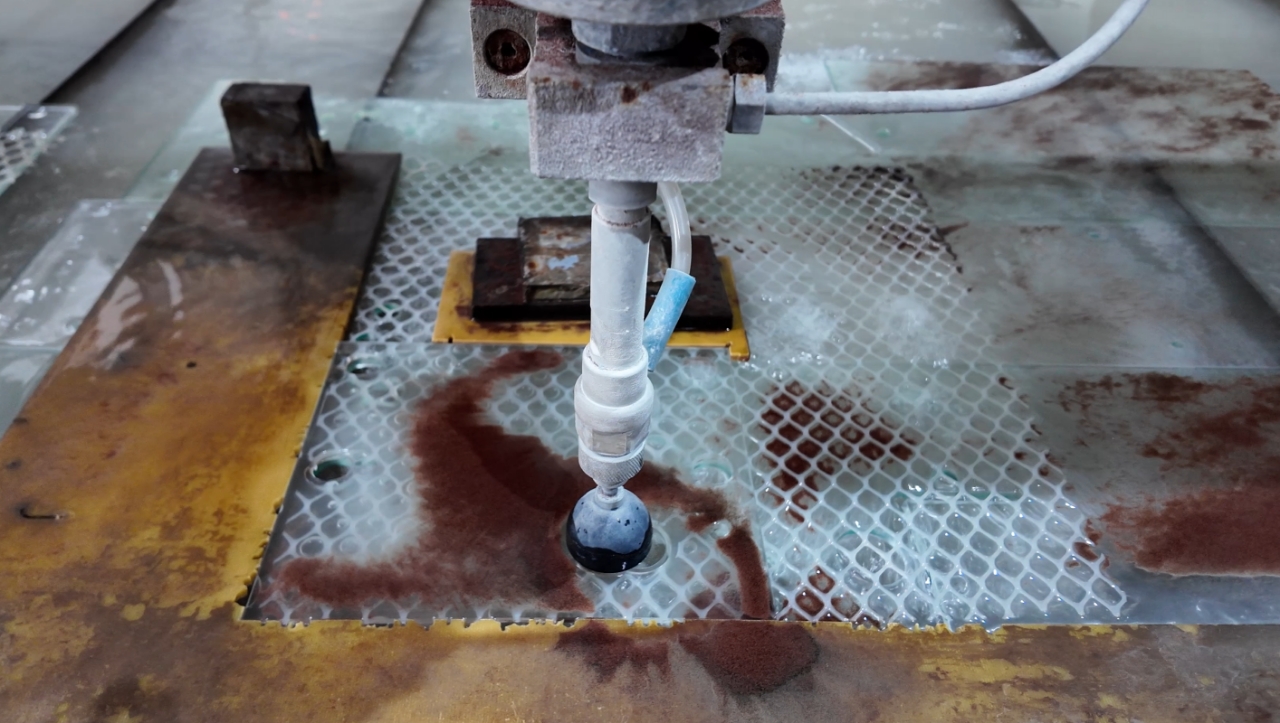
Waterjet Drilling
Precision-Cut Part Gallery
This gallery features a selection of prototype and end-use parts we have manufactured for our clients through our cutting processes.


CNC machining glass materials
We provide on-demand quotes for the machining of various glass materials.
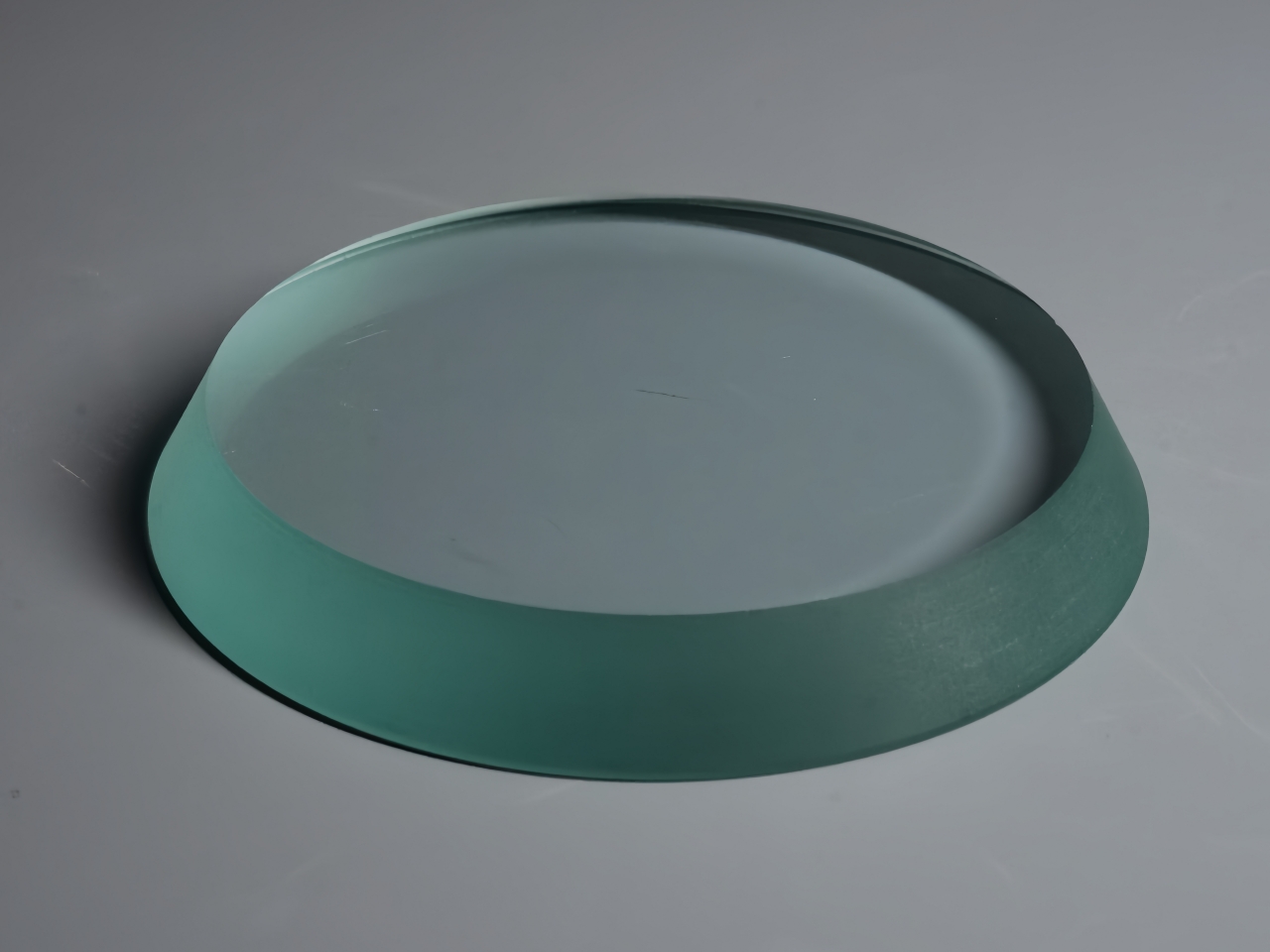
Float Glass (Soda-lime)
Composition:SiO₂, Na₂O, CaO
Appearance :Clear with slight green tint
Visible Light Transmission:~89%
Density (g/cm3)):~2.5
Knoop Hardness: ~5850 MPa
*CTE (x10⁻⁷/°C)*:~85 - 90
Softening Point (°C)):~600
Max. Working Temp. (°C):~200 - 250
Features:Most common, cost-effective
Applications:Windows, mirrors, furniture
Get a product quote
Low-iron Glass
Composition:SiO₂, very low Fe₂O₃
Appearance :Water-white, high clarity
Visible Light Transmission:~91% - 99%
Density (g/cm3)):~2.5
Knoop Hardness: ~5850 MPa
*CTE (x10⁻⁷/°C)*:~85 - 90
Softening Point (°C)):~600
Max. Working Temp. (°C):~200 - 250
Features:Superior clarity, minimal color distortion
Applications:Display glass, aquariums, high-end furniture
Get a product quote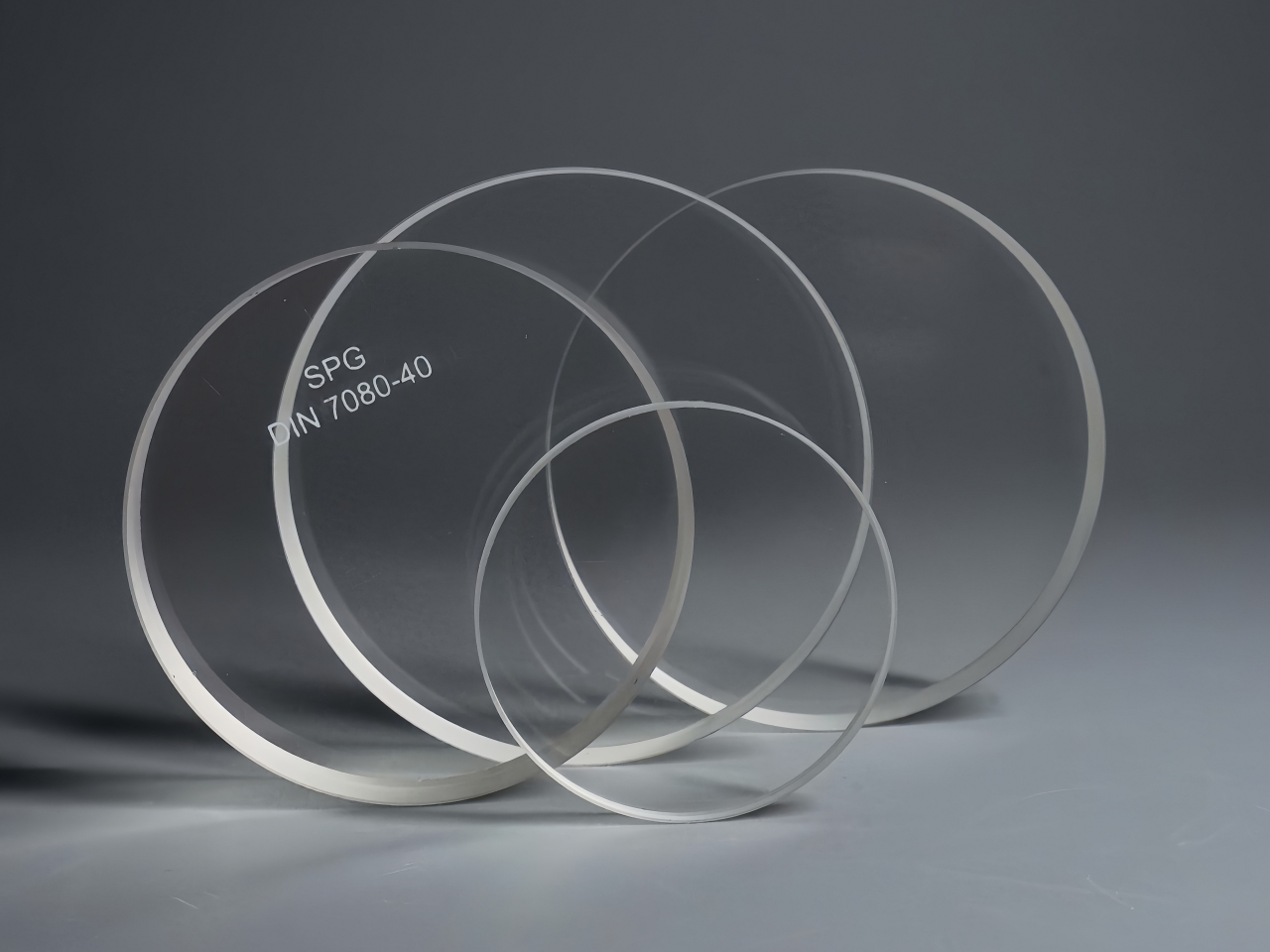
Borosilicate3.3
Composition:SiO₂, B₂O₃
Appearance :Clear, colorless
Visible Light Transmission:~90% - 92%
Density (g/cm3)):~2.23
Knoop Hardness: ~4800 MPa
*CTE (x10⁻⁷/°C)*:~33
Softening Point (°C)):~821
Max. Working Temp. (°C):~450 (short-term 500)
Features: Excellent thermal shock resistance, high chemical durability
Applications: Labware, sight glasses, high-temperature lighting
Get a product quote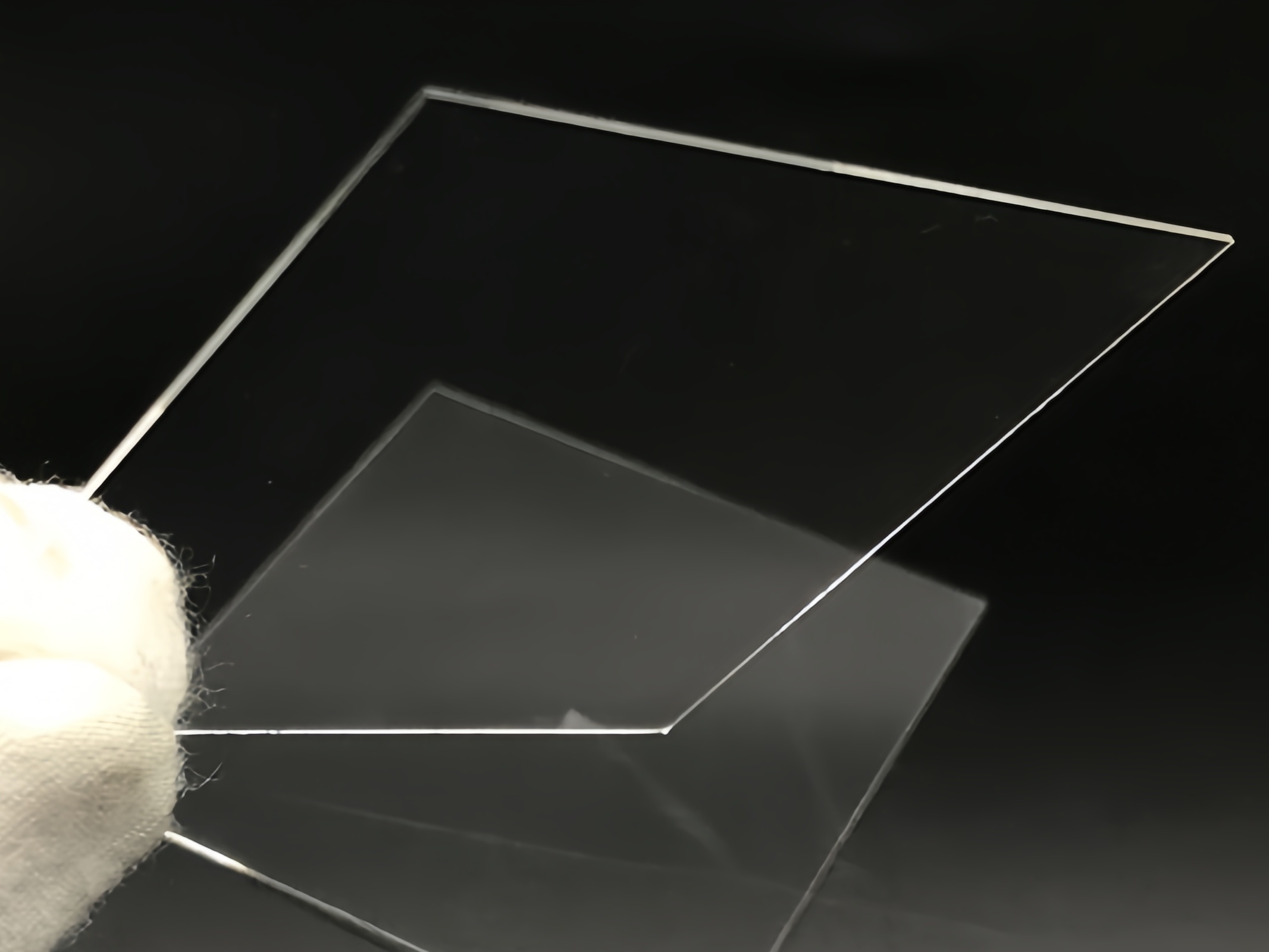
Aluminosilicate Glass
Composition:SiO₂, Al₂O₃, MgO, CaO
Appearance :Clear, colorless
Visible Light Transmission:~90%
Density (g/cm3)):~2.64
Knoop Hardness: ~6100 MPa
*CTE (x10⁻⁷/°C)*:~42 - 52
Softening Point (°C)):~975
Max. Working Temp. (°C):~600 - 800
Features:High mechanical strength, superior temperature & chemical resistance
Applications:Touchscreens, cover glass, aerospace
Get a product quote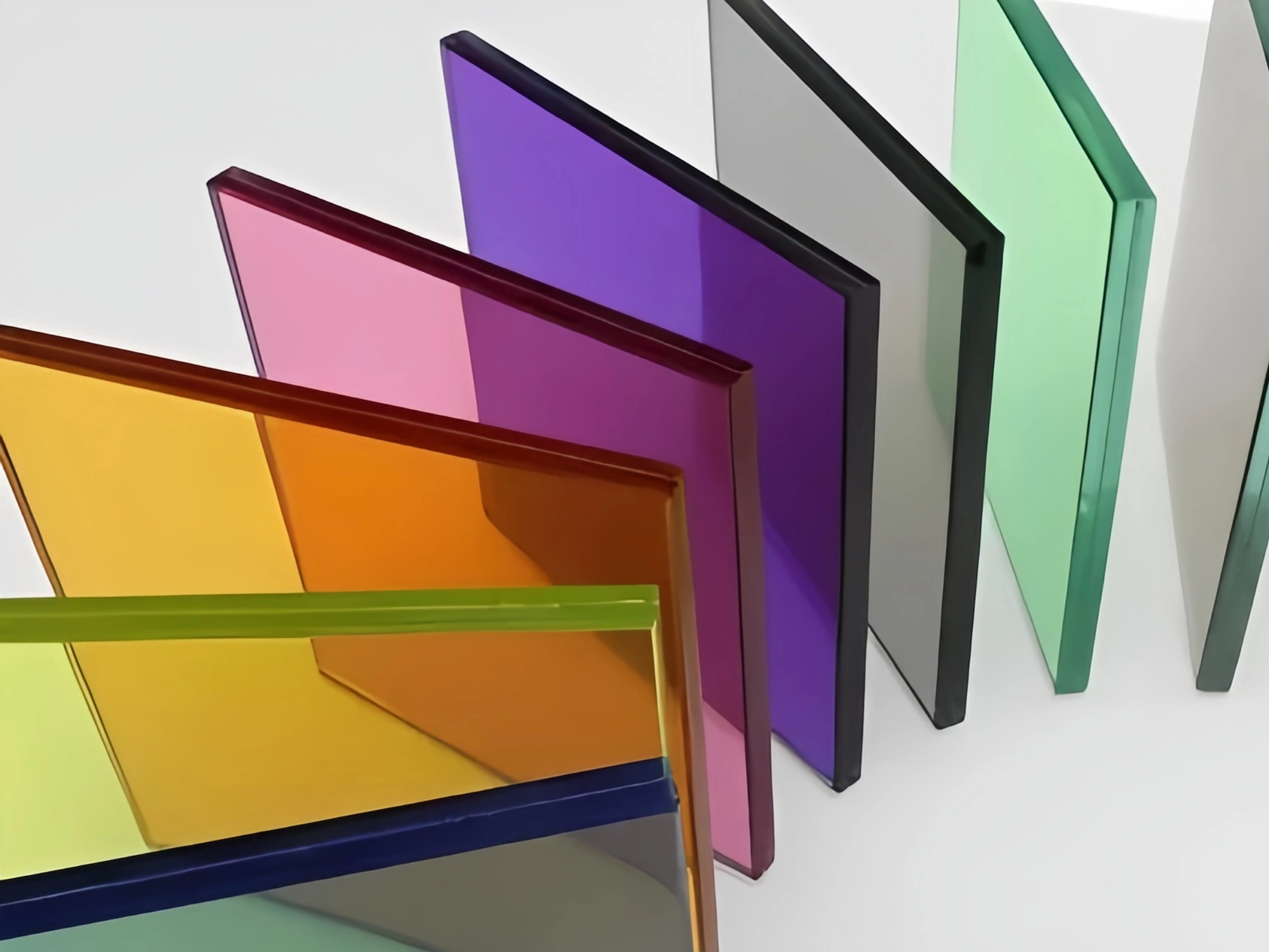
Tineted glass
Composition:Soda-lime base with colorants (Se, Co, Fe)
Appearance :Bronze, Grey, Green, etc
Visible Light Transmission:Varies (e.g., 20% - 70%)
Density (g/cm3)):~2.5
Knoop Hardness:~5850 MPa
*CTE (x10⁻⁷/°C)*:~85 - 90
Softening Point (°C)):~600
Max. Working Temp. (°C):~200 - 250
Features:Solar energy absorption, reduced glare, privacy
Applications: Facades, automotive windows, sun protection
Get a product quote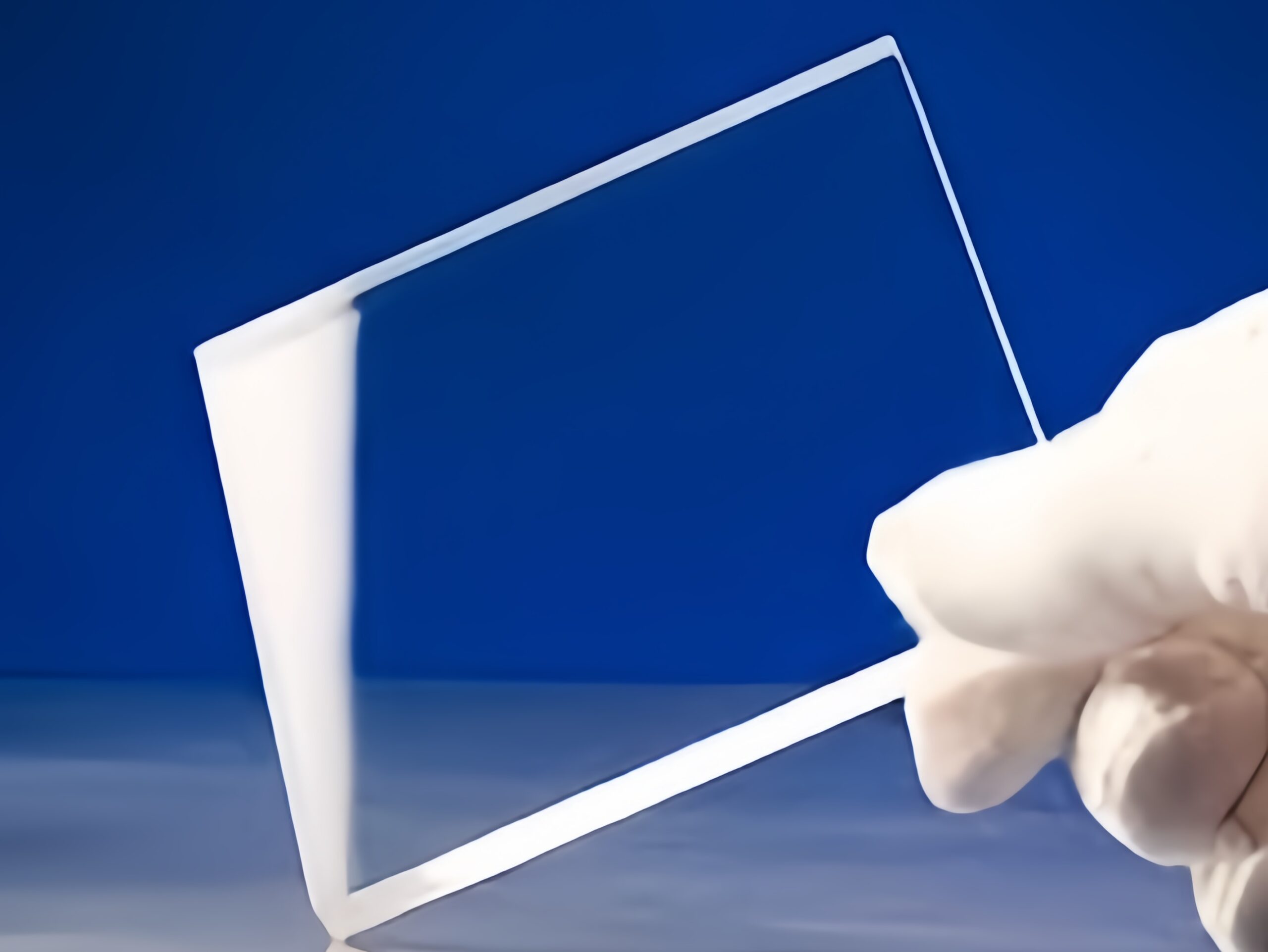
Anti-glare Glass
Composition:Soda-lime or low-iron with etched surface
Appearance :Matte, diffuse surface
Visible Light Transmission:Varies (e.g., 90% - 98% of base glass)
Density (g/cm3)):~2.5
Knoop Hardness:~5850 MPa
*CTE (x10⁻⁷/°C)*:~85 - 90
Softening Point (°C)):~600
Max. Working Temp. (°C):~200 - 250
Features:Scatters light to reduce reflections, improves readability
Applications:Picture framing, display cases, instrument covers
Get a product quote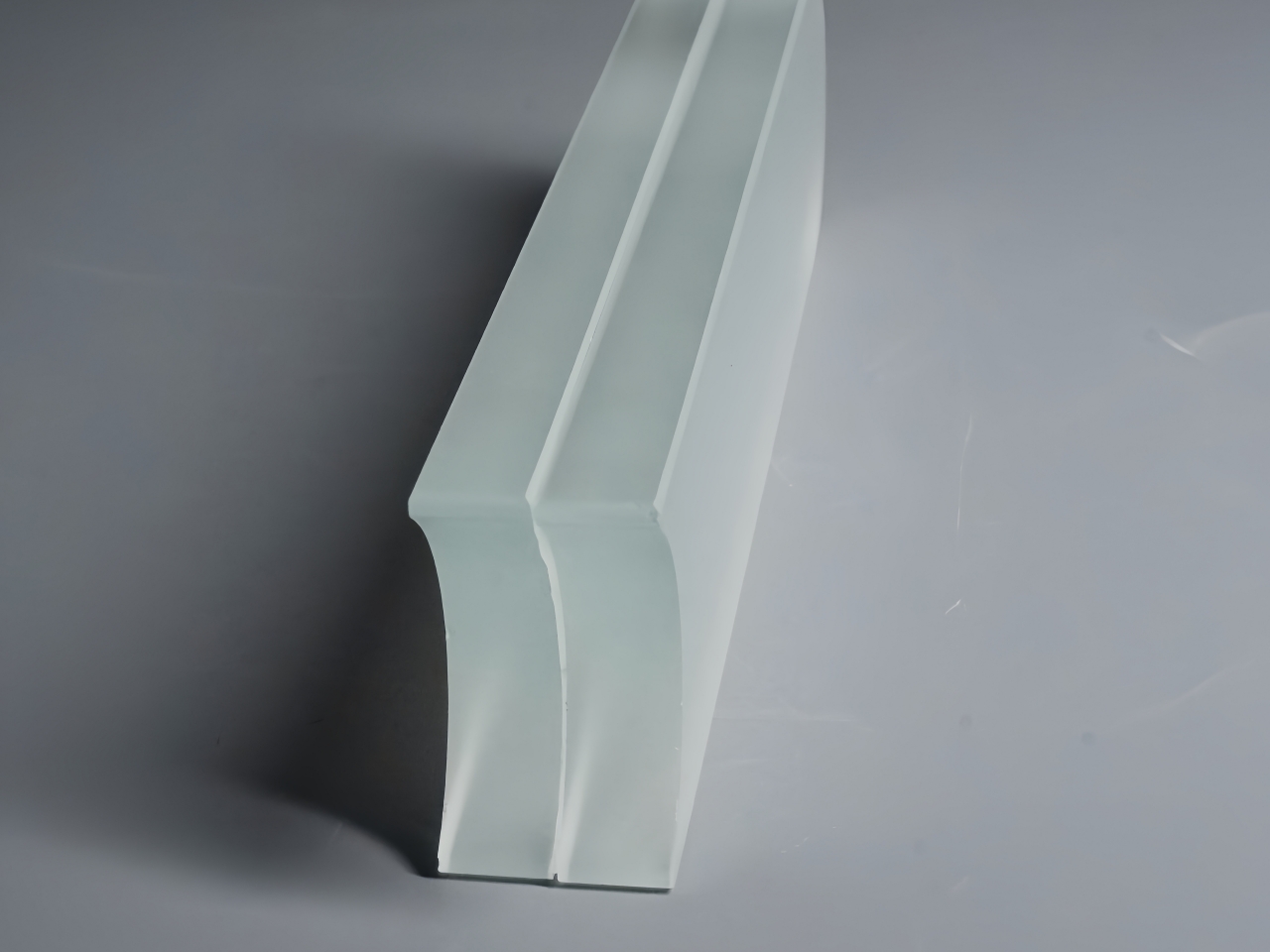
Laminated glass
Composition:Glass + PVB/IONPLAST interlayer
Appearance :Clear, Tinted, or with interlayer color
Visible Light Transmission:Depends on glass panes used
Density (g/cm3)):~2.5
Safety Rating:Safety Glass: holds together when broken
*CTE (x10⁻⁷/°C)*:~85 - 90
Softening Point (°C)):~600
Max. Working Temp. (°C):~200 - 250
Features:Security, sound insulation, UV control
Applications:Windshields, overhead glazing, security windows
Get a product quote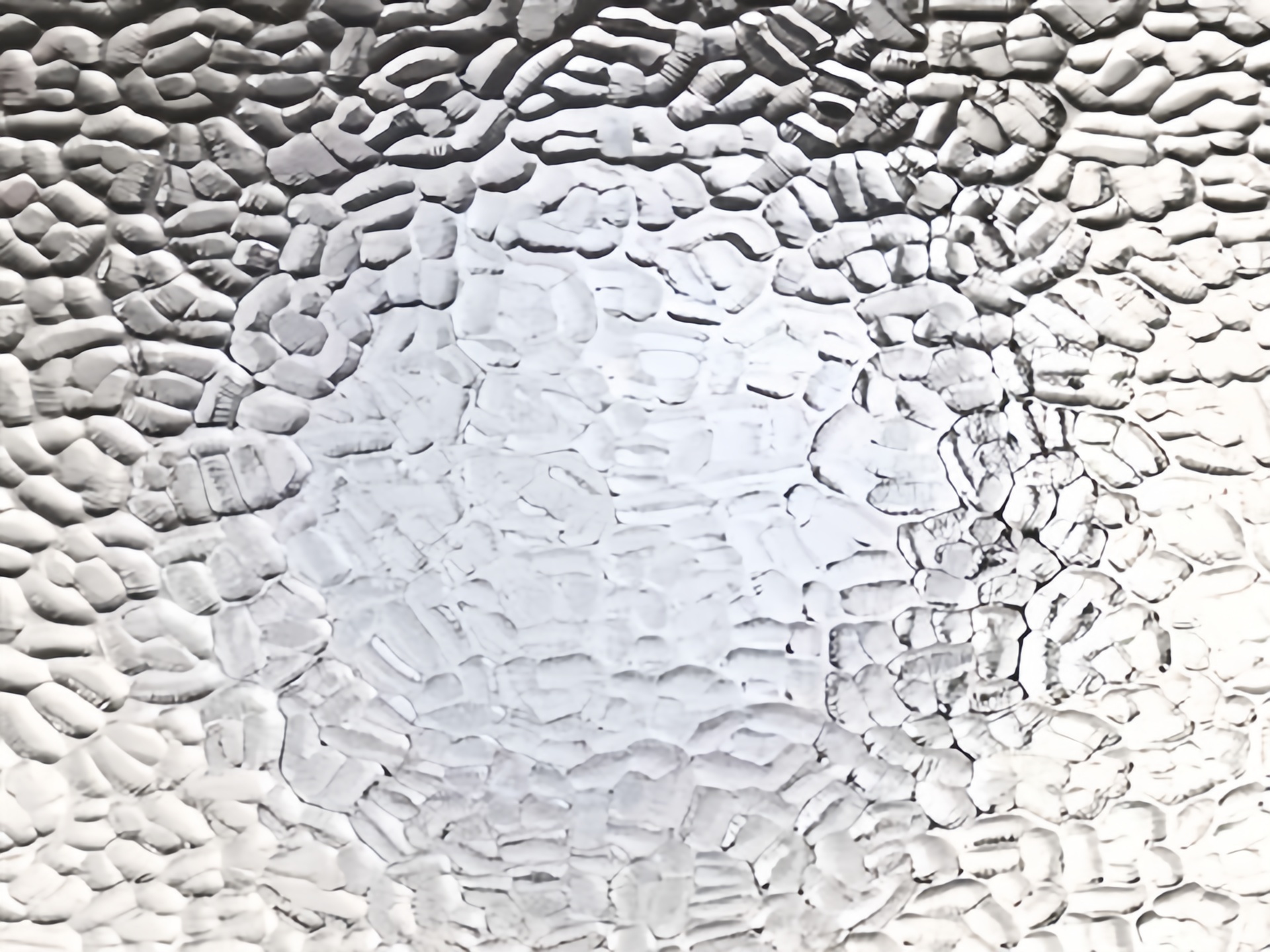
Patterned glass
Composition:Soda-lime, rolled with pattern
Appearance :Textured/obscured surface, various patterns
Visible Light Transmission:Varies with pattern (5% - 85%)
Density (g/cm3)):~2.5
Safety Rating:Breaks into sharp pieces (like float glass)
*CTE (x10⁻⁷/°C)*:~85 - 90
Softening Point (°C)):~600
Max. Working Temp. (°C):~200 - 250
Features: Decorative, provides privacy & light diffusion
Applications:Partitions, bathroom windows, decorative doors
Get a product quote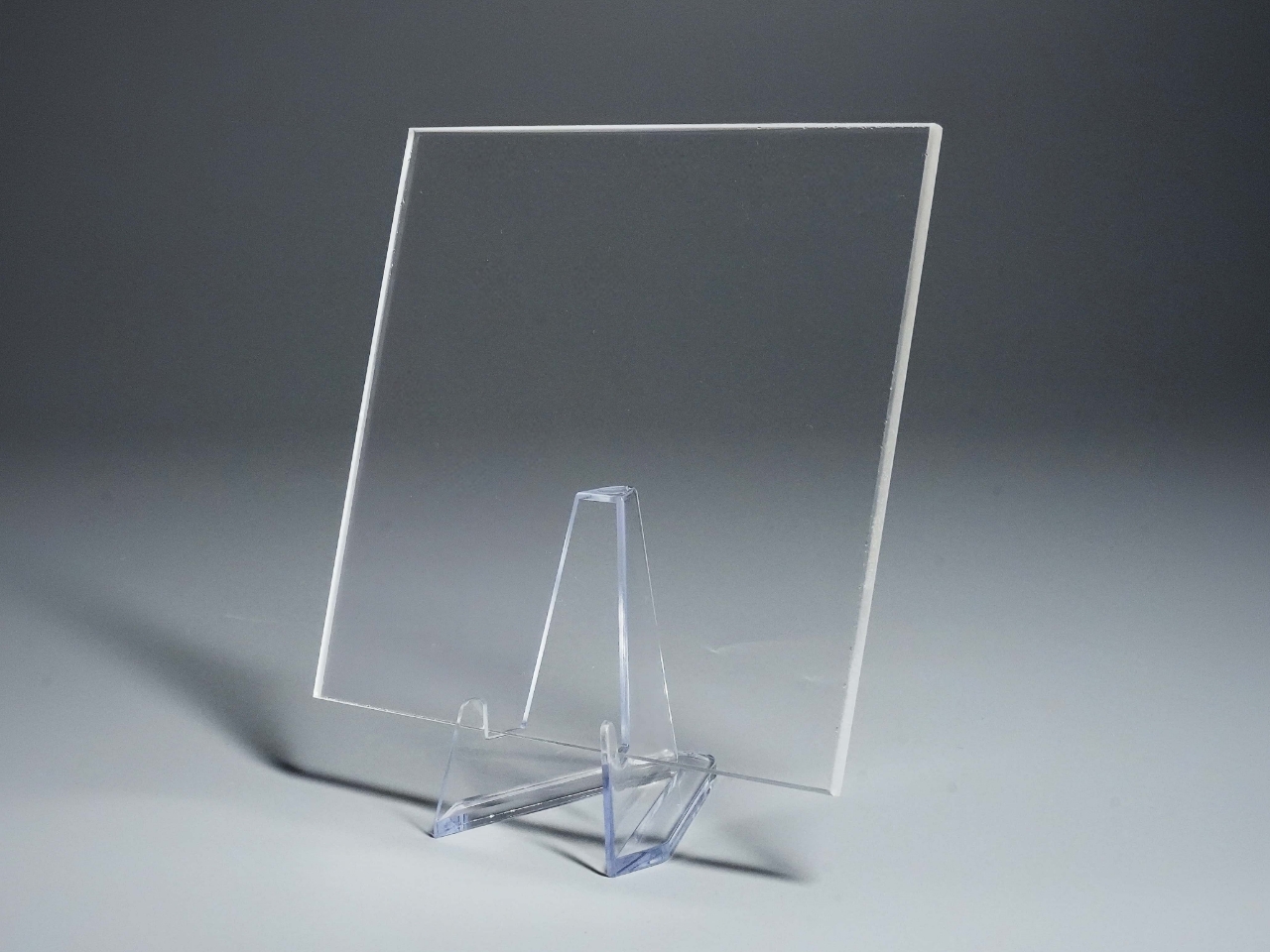
Quartz glass
Composition:>99.9% SiO₂
Appearance :Clear, colorless, high purity
Visible Light Transmission:>93% (up to UV range)
Density (g/cm3)):~2.2
Safety Rating:Breaks into sharp pieces
*CTE (x10⁻⁷/°C)*:~5.5
Softening Point (°C)):~1683
Max. Working Temp. (°C):~1100
Features: Ultra-high temp resistance, superior UV transmission, high purity
Applications:Optics, semiconductor, UV lighting, furnace viewports
Get a product quote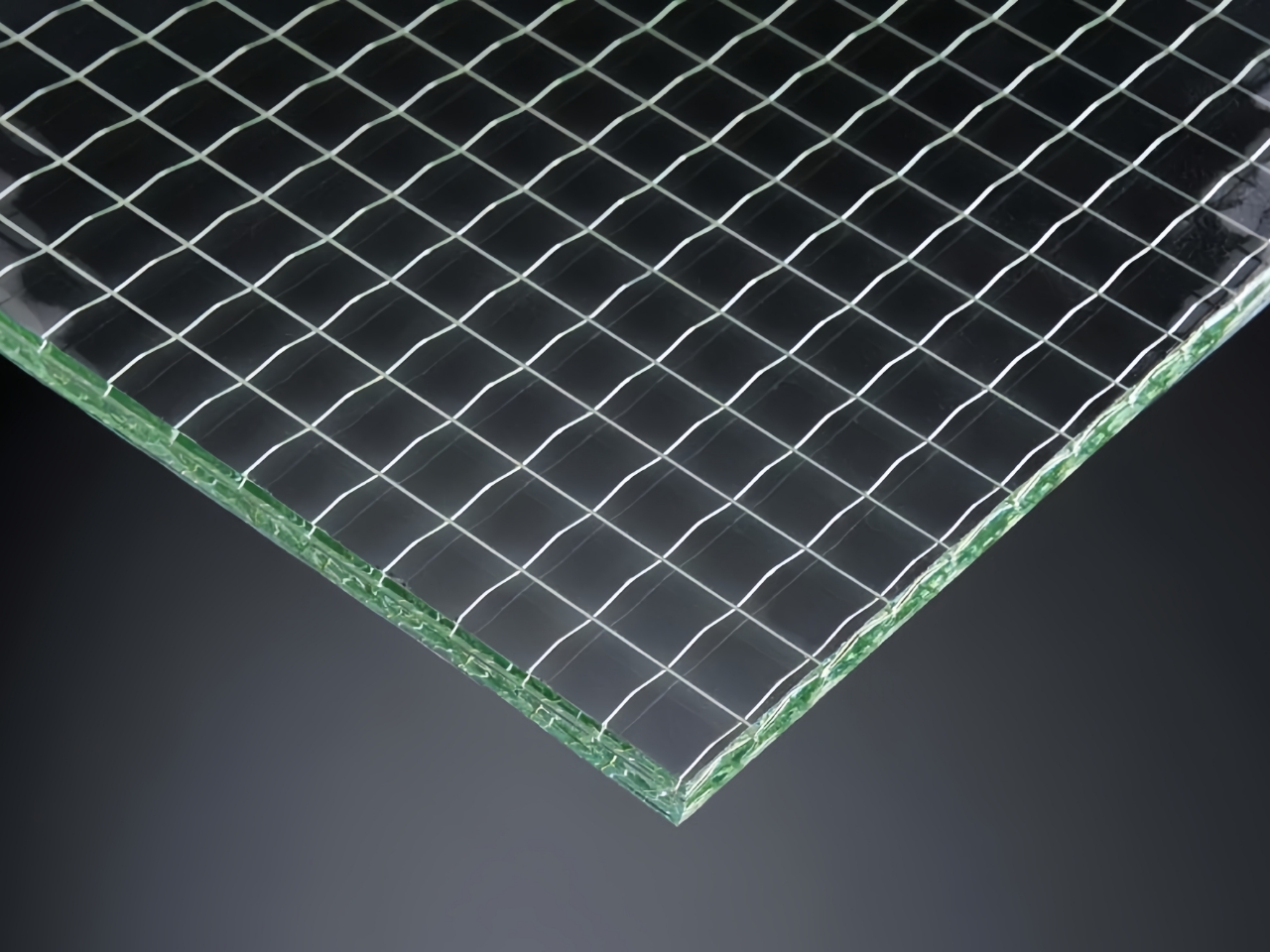
Wired glass
Composition:Soda-lime with embedded wire mesh
Appearance :Clear with visible wire mesh
Visible Light Transmission:~85%
Density (g/cm3)):~2.5
Safety Rating:Impact Resistant: mesh holds fragments)
*CTE (x10⁻⁷/°C)*:~85 - 90
Softening Point (°C)):~600
Max. Working Temp. (°C):~200 - 250
Features:Fire resistance, impact containment
Applications:Fire-rated windows, industrial skylights
Get a product quoteOur Custom Glass Fabrication Portfolio: See Our Success Stories
Explore our portfolio of bespoke glass projects. Each piece showcases our expertise in delivering precision-engineered custom glass solutions for clients across diverse industries and applications.
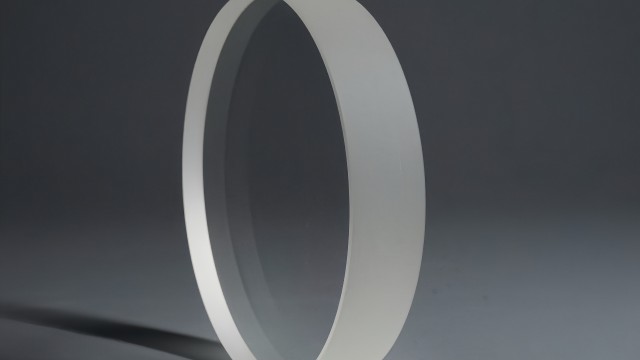
Borosilicate sight glass disc
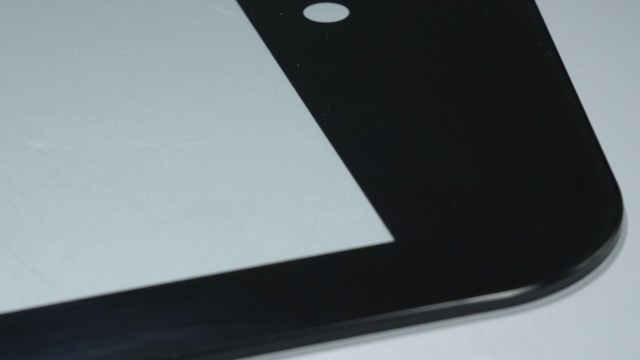
PLC control cabinet glass panel
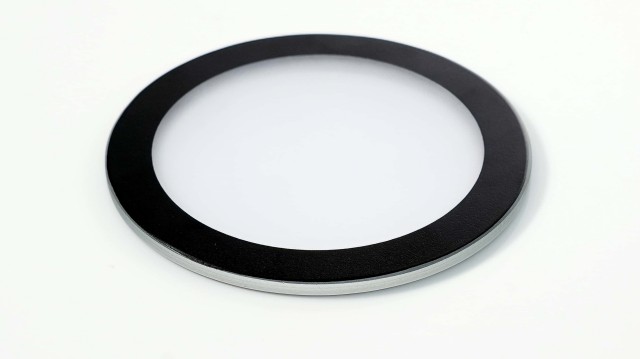
LED Downlight Glass panel
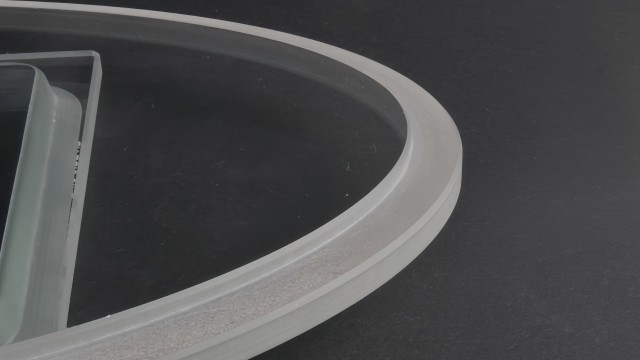
Glass cover Stepped edge
Machined step with chamfered edge & polished ±0.1mm tolerance.
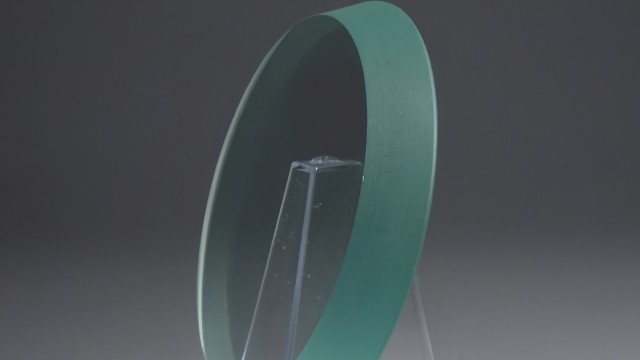
Float glass disc
45° smooth chamfered edge
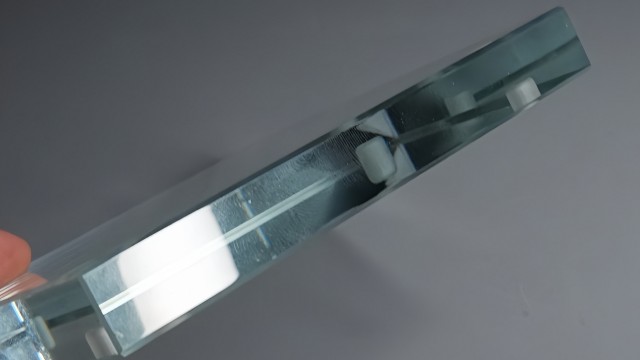
10mm ultra-clear glass
Waterjet cut , polished chamfer.
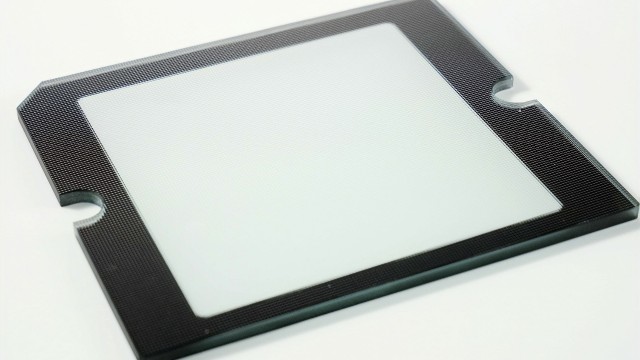
Ribbed glass square
Perimeter silk-screen printed
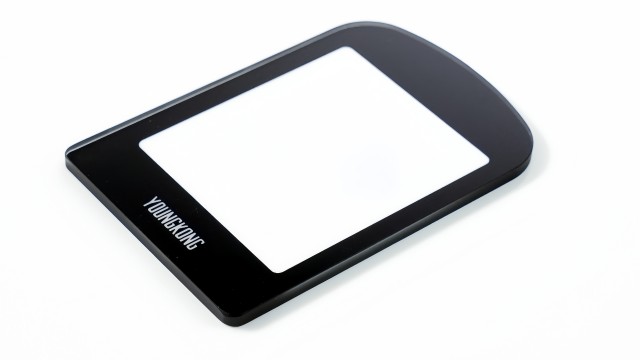
Electrical control panel switch
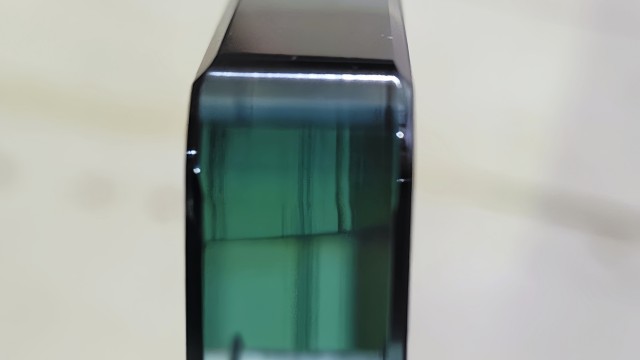
Float Glass Base Accessories
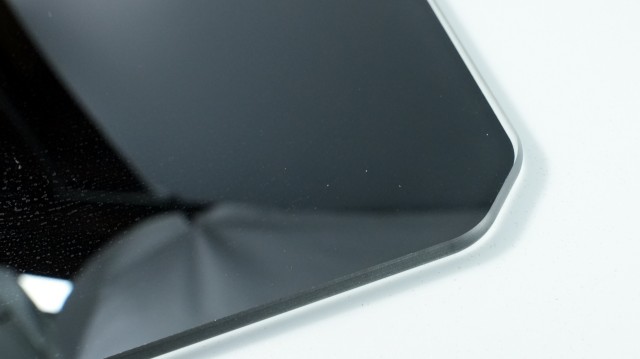
Industrial PC Front Panel
Our applications of glass processing technology
We are committed to providing our customers with one-stop solutions, from prototype development to mass production, by addressing the entire value chain of materials science, engineering design, and precision manufacturing. Our goal is to transform the ultimate performance of glass materials into a core competitive advantage for your products.

Aerospace Glass

Glass lamp shade for outdoor lighting
Custom heat-resistant glass for outdoor lighting. From precise prototypes to full-scale production, we can assist you every step of the way.

Precision Glass for Industrial Instruments

Artisan Glass Gifts & Custom-Made Decor
BO-GLASS is dedicated to creating exquisite glass gifts, from custom trophies to jewelry boxes, and everything in between.
Laser Cutting Advantages for Glass
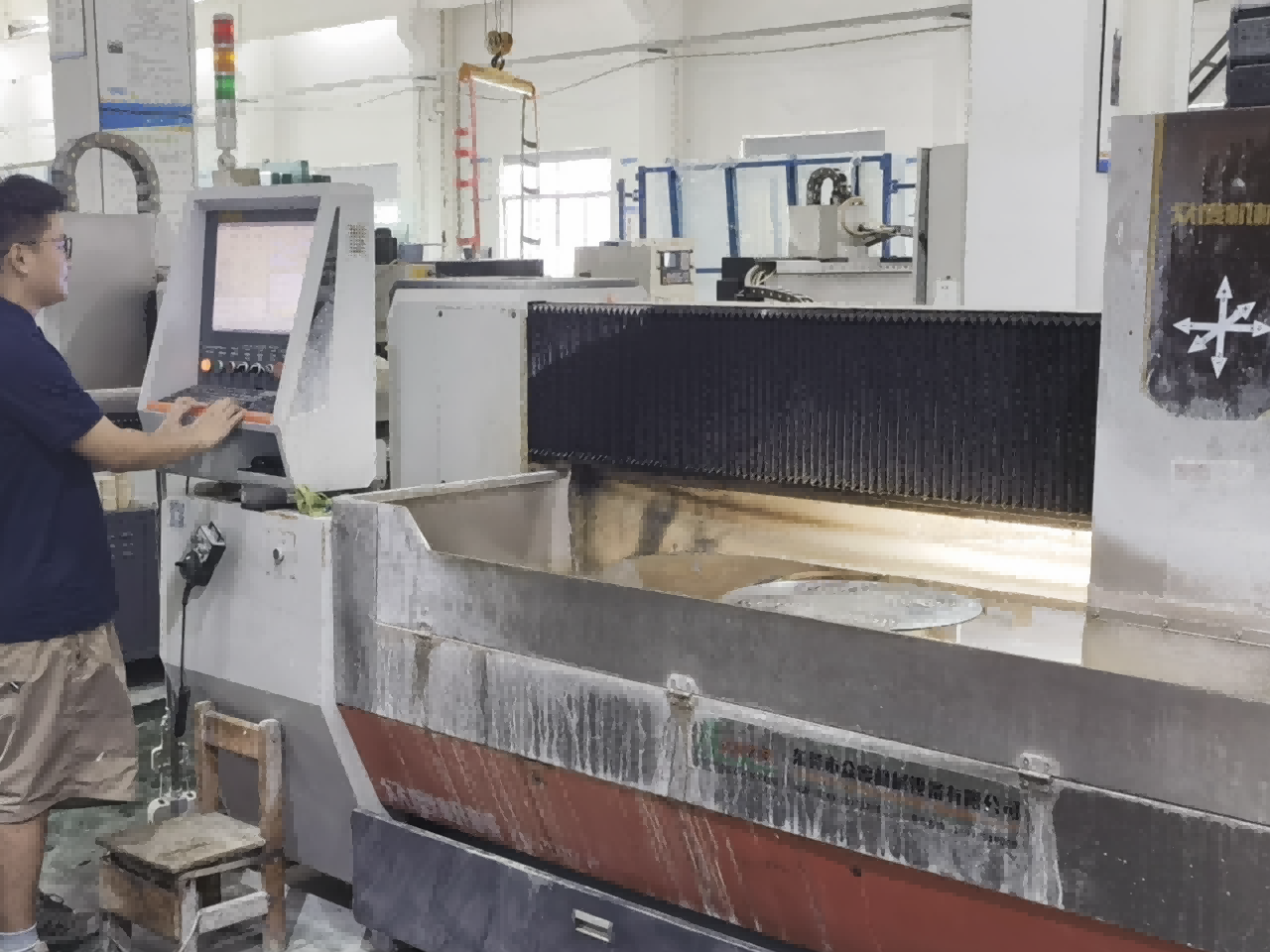
Waterjet Cutting Advantages for Glass
Glass Cutting and Drilling Design Guide
Glass Drilling & Cutting Design Guidelines
1. Hole Location
Maintain a minimum distance from the hole edge to the glass edge.
Minimum Edge Distance: 1.5 x Glass Thickness (T).
Recommended: 2.0 x T for higher strength and yield.
2. Hole Type
Through-holes are standard and cost-effective.
Blind holes are not recommended; they are difficult, expensive, and have a high failure rate.
Shape:
Round holes are strongly preferred (best for stress distribution).
Avoid sharp corners in slots or odd shapes. All internal corners must have a radius.
3. Hole Proximity & Density
Minimum Spacing Between Holes: 2.0 x T (edge to edge).
Closer spacing creates a weak zone and increases breakage risk.
4. Hole Size
Minimum Hole Diameter: ≥ 1.0 x T (for mechanical drilling).
Recommended: ≥ 1.5 x T for safer, more reliable production.
5. Other Critical Considerations
Tolerances: Glass machining is not high-precision. Specify realistic tolerances (e.g., ±0.5mm).
Edge Work: Always specify a slight chamfer or polish on hole edges. This removes micro-cracks, reduces stress, and improves safety.
Tempered Glass: All holes and cuts must be made before the tempering process. Tempered glass cannot be modified.
Glass Cutting Design Guidelines (Waterjet & Laser)
1. Geometry & Corners
Avoid sharp corners. They are stress concentrators and can lead to cracking.
All internal corners must have a radius.
Minimum Inside Radius: 1.5 x Material Thickness (T).
A larger radius significantly improves strength and manufacturability.
2. Feature Proximity
Maintain sufficient distance between cuts and the glass edge.
Minimum Edge Distance: 2.0 x T.
Minimum Distance Between Features: 2.0 x T. Prevents the creation of weak, fragile areas.
3. Tolerances
Waterjet Cutting: Typical tolerance ±0.1mm to ±0.5mm, depending on thickness and machine.
Laser Cutting: Offers high precision, typically around ±0.05mm to ±0.2mm.
Note: Tolerances are additive with material thickness.
4. Kerf & Tab Considerations (Waterjet)
Kerf Width: The waterjet stream creates a cut width (kerf). Standard kerf is ~1mm, but it varies with abrasive size and pressure.
Micro-Tabbing: For small or complex parts nested within a sheet, request micro-tabs. These small, temporary connections prevent part movement during cutting and are easily snapped off post-processing.
5. Thermal Effects (Laser Cutting)
The laser’s heat creates a Heat Affected Zone (HAZ).
The edge will have a characteristic polished, fused appearance.
Can induce minimal internal stress, which is generally not an issue for most applications.
6. Material Considerations
Tempered Glass: All cutting must be completed before the tempering process.
Thickness Limits: Each process has practical limits. Confirm your supplier’s capabilities for thick glass (e.g., >50mm).
Designer Checklist for Cutting
All inside corners have a radius ≥ 1.5T
Edge distance ≥ 2.0T
Distance between features ≥ 2.0T
Realistic tolerances are specified
For waterjet: Micro-tabs are considered for small/internal parts
All cutting is designed for the glass in its annealed (pre-tempered) state
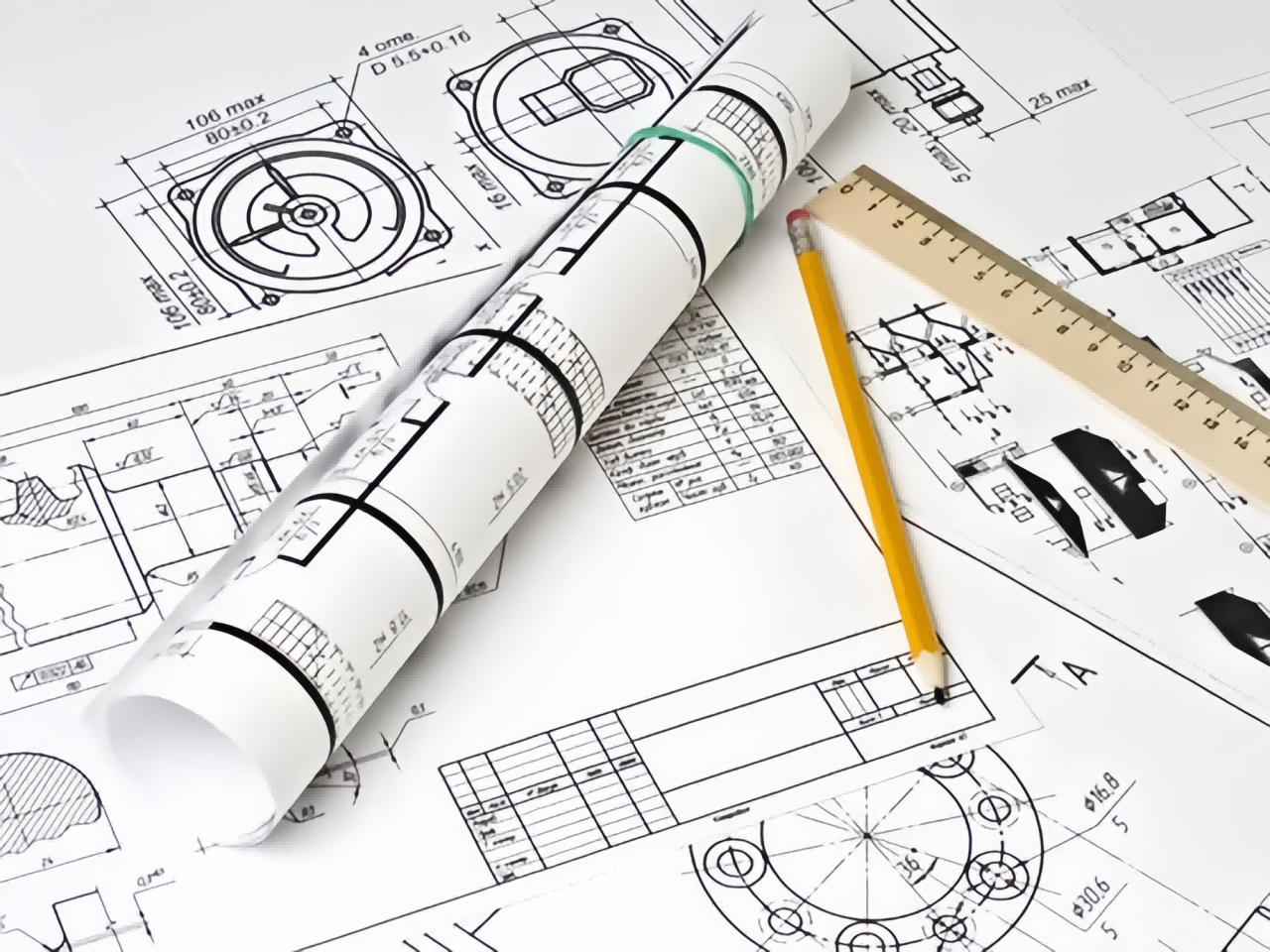
Trustworthy expert in glass manufacturing solutions


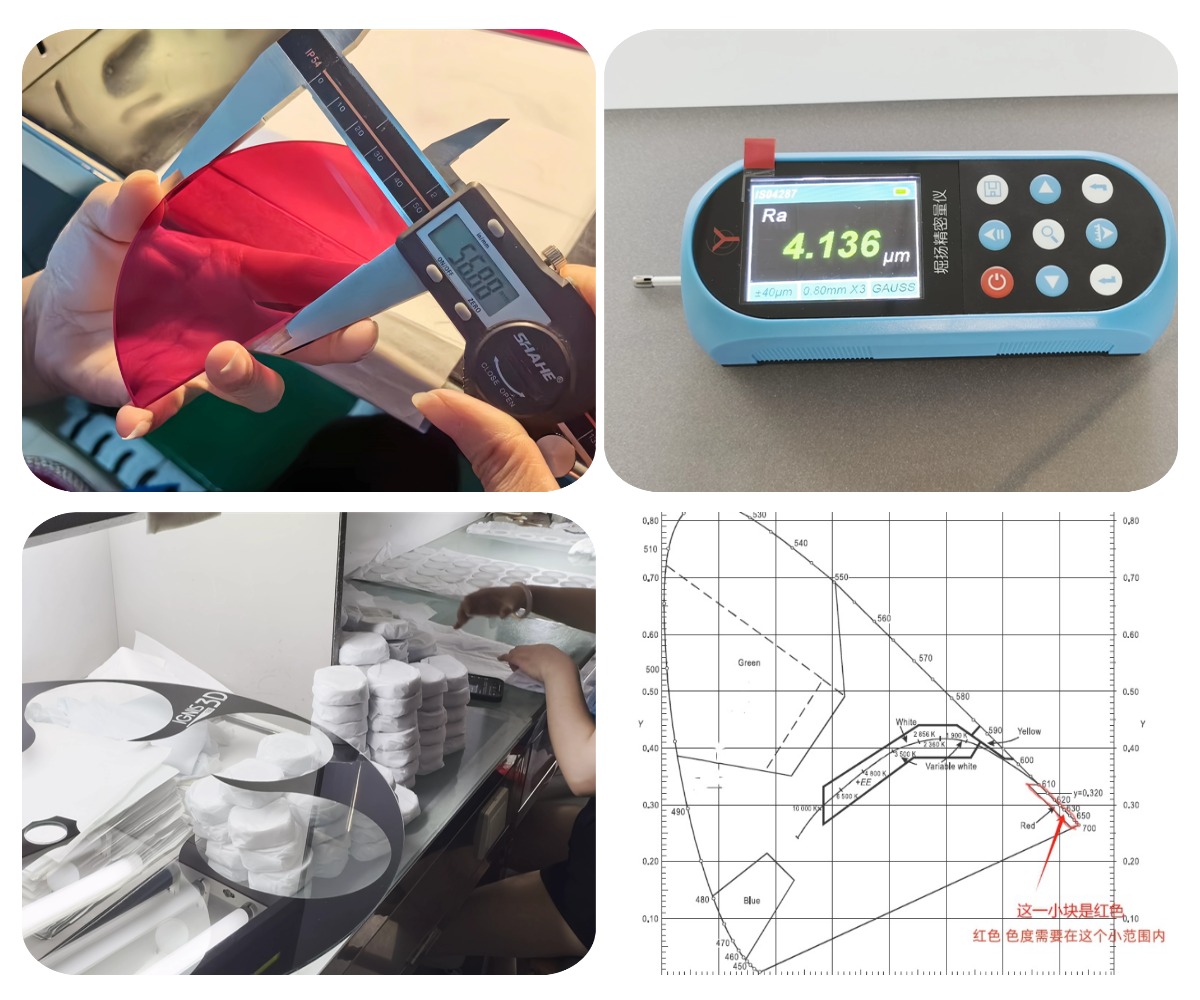
At BO-GLASS, our quality control begins with comprehensive design review and DFM analysis to optimize manufacturability. Throughout production, we implement rigorous process controls with material certification and in-process verification.
We utilize advanced metrology equipment including CMM, spectrophotometers, polariscopes, and surface roughness testers to validate dimensional accuracy, optical properties, stress distribution, and surface quality.
Our quality assurance includes first-article inspection, dimensional verification, and functional testing. Each component undergoes final inspection by certified technicians. Certified to ISO 9001:2015, we guarantee all components meet the highest standards for precision and reliability in every delivery.
BO-GLASS Product Release Standard
Surface Quality: Smooth and uniform, free from pits or cracks. Minimal mold contact marks are acceptable.
Dimensional Integrity: Consistent contour and thickness with tight tolerances.
Material Clarity: High-quality optical materials ensure excellent clarity and uniformity.
Cleanliness: All parts are thoroughly cleaned, free from residues or visible handling marks.
Our factory and our partner factories
BO-GLASS coordinates our core facility with a dedicated network of local specialists to deliver custom glass components. You benefit from our collective expertise while we manage all communication, quality control, and logistics for a seamless experience.


Glass Cutting & Drilling FAQ
What are your standard tolerance levels for cutting?
“Waterjet Cutting: ±0.1 mm to ±0.5 mm (Tighter tolerances achievable for thinner glass).
Laser Cutting: ±0.1 mm to ±0.2 mm.”
What level of precision can you achieve for drilling?
High-Precision Drilling (CNB/Ultrasonic): Up to ±0.1 mm or better.”
What is the maximum and minimum size for a sheet of glass you can process?
Minimum Part Size: As small as 10 mm x 10 mm after cutting from a larger sheet.”
What are the limits for hole size (minimum and maximum diameter)?
“Minimum Hole Diameter: Typically 1.0 to 1.5 times the glass thickness (e.g., 1.0 mm diameter in 1.0 mm thick glass is possible with laser).
Maximum Hole Diameter: Limited only by the sheet size. Can be cut up to the physical limits of the material.”
What is the range of glass thicknesses you can cut and drill?
Laser: 0.1 mm to 25 mm (optimal for thinner glass).”
What is the maximum thickness in which you can drill a hole?
How close can a hole be to the edge of the glass?
What is the minimum distance you can maintain between two holes?
How do you handle the edges after cutting? What edge finishes do you offer?
Arrised (Pencil Polish): A slight chamfer to remove the sharp edge.
Flat Polished: A fully polished, smooth, and transparent edge.
Is post-processing/polishing required after your cutting or drilling?
For most structural or hidden applications, as-cut edges are sufficient. Polishing is required for safety, aesthetics, or to remove the natural matte finish of a waterjet cut.
What is the typical edge quality from your waterjet and laser cutters?
Waterjet Cutting: Produces a finely satin-matte finish with minimal micro-chipping (Ra 3–6 µm).
Our other manufacturing capabilities
We can provide you with a variety of glass processing techniques.
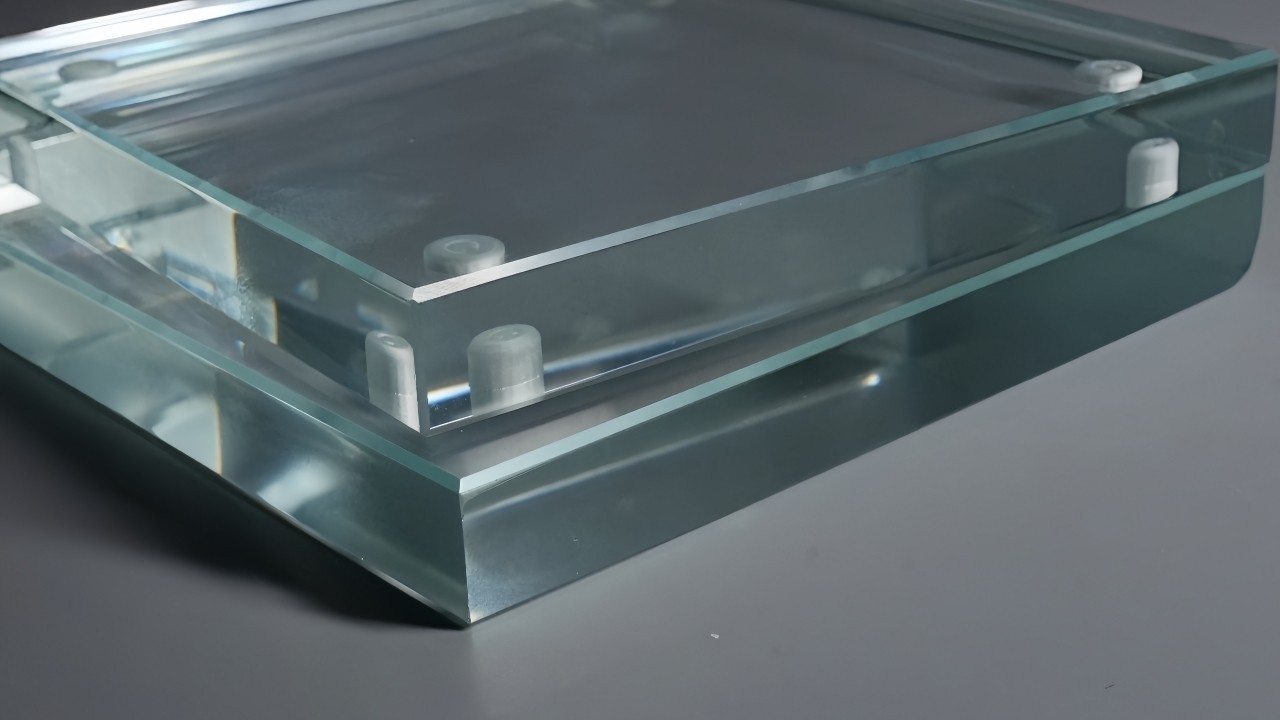
Glass Edge Grinding & Polishing Services
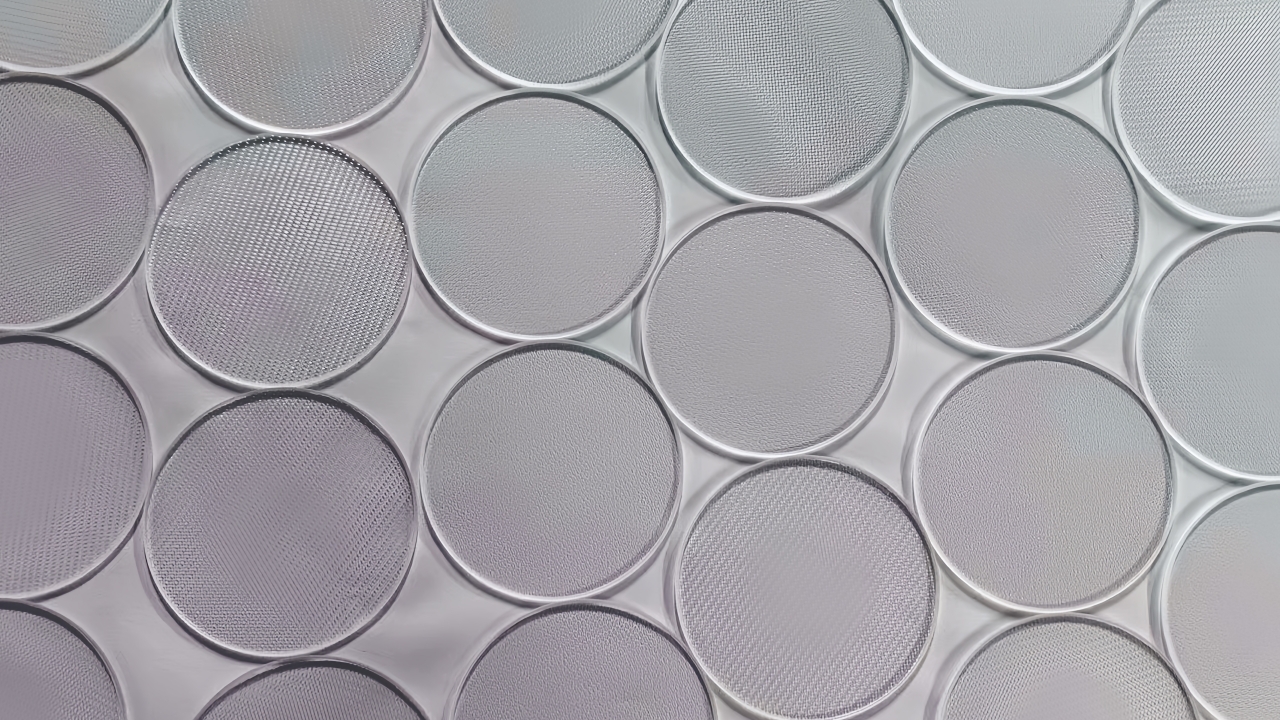
Surface Lapping & Polishing
We provide professional lapping and polishing services for specialized glass components.
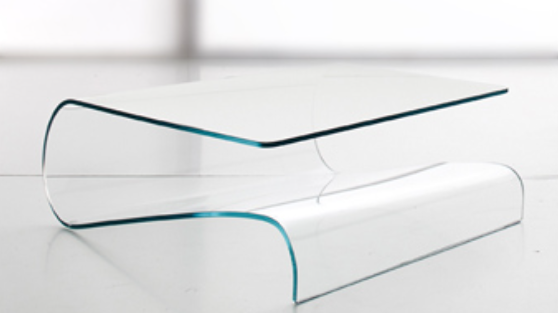
Custom Hot bend glass Services

Ultrasonic Cleaning Service
Contact Us
Your feedback fuels our growth, and your questions drive our solutions.
We value your feedback, inquiries, and suggestions. Please feel free to get in touch with us
General inquiries
Please contact us via sales@bo-glass.com, and we will reply to you as soon as possible.
Interested to work with us
Drop your resume at info@bo-glass.com
and we will get back to you shortly.
We uses the contact information you provide to us to contact you about our relevent content, products, and services.