
All Materials
| ⚡Image | Material | Describe | Price Reference | Browse | Get a quote |
|---|---|---|---|---|---|

| Soda-Lime Glass | Soda-lime glass combines excellent optical clarity, chemical stability, and scratch resistance, making it ideal for demanding applications. | $ | Browse Soda-Lime Glass → | Get a product quote |
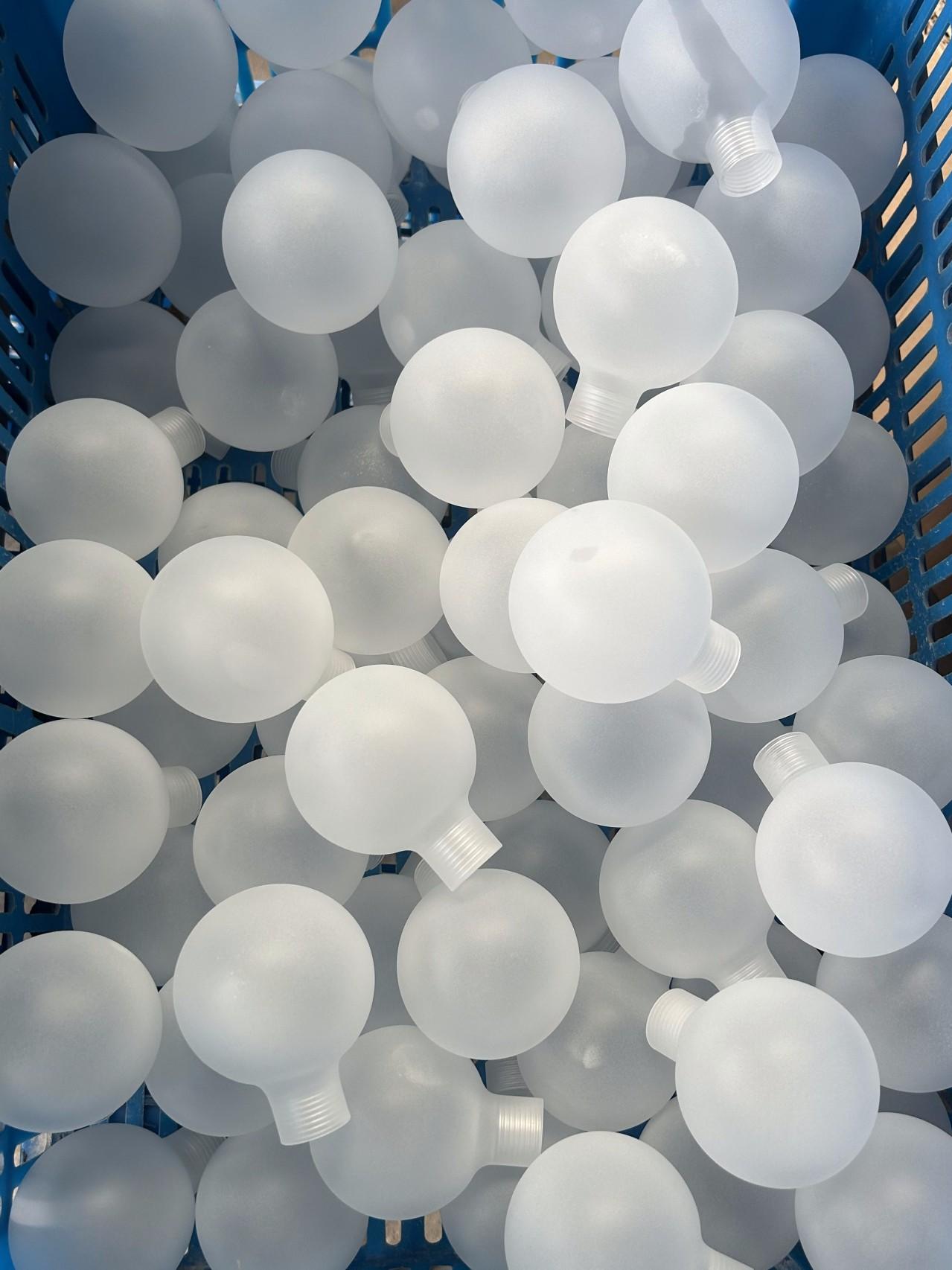
| Fused Borosilicate Glass | Very low thermal expansion, high resistance to thermal shock, ideal for labware and cookware. | $ $ $ | Browse Fused Borosilicate Glass→ | Get a product quote |
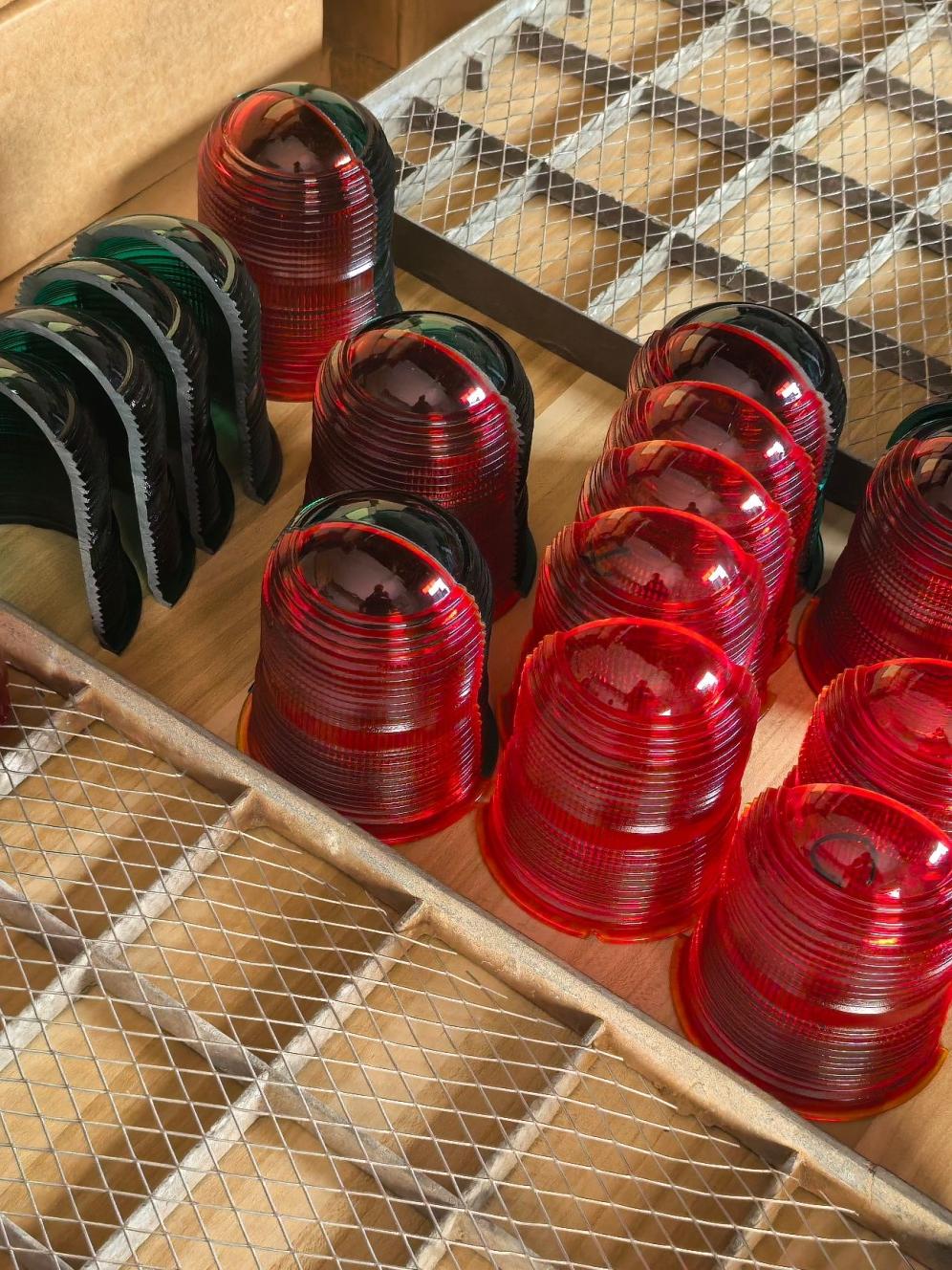
| Fused Colored Glass | Vibrant colors achieved by adding metal oxides, used in art, mosaics, and decorative panels. | $ $ $ $ $ | Browse Fused Colored Glass → | Get a product quote |
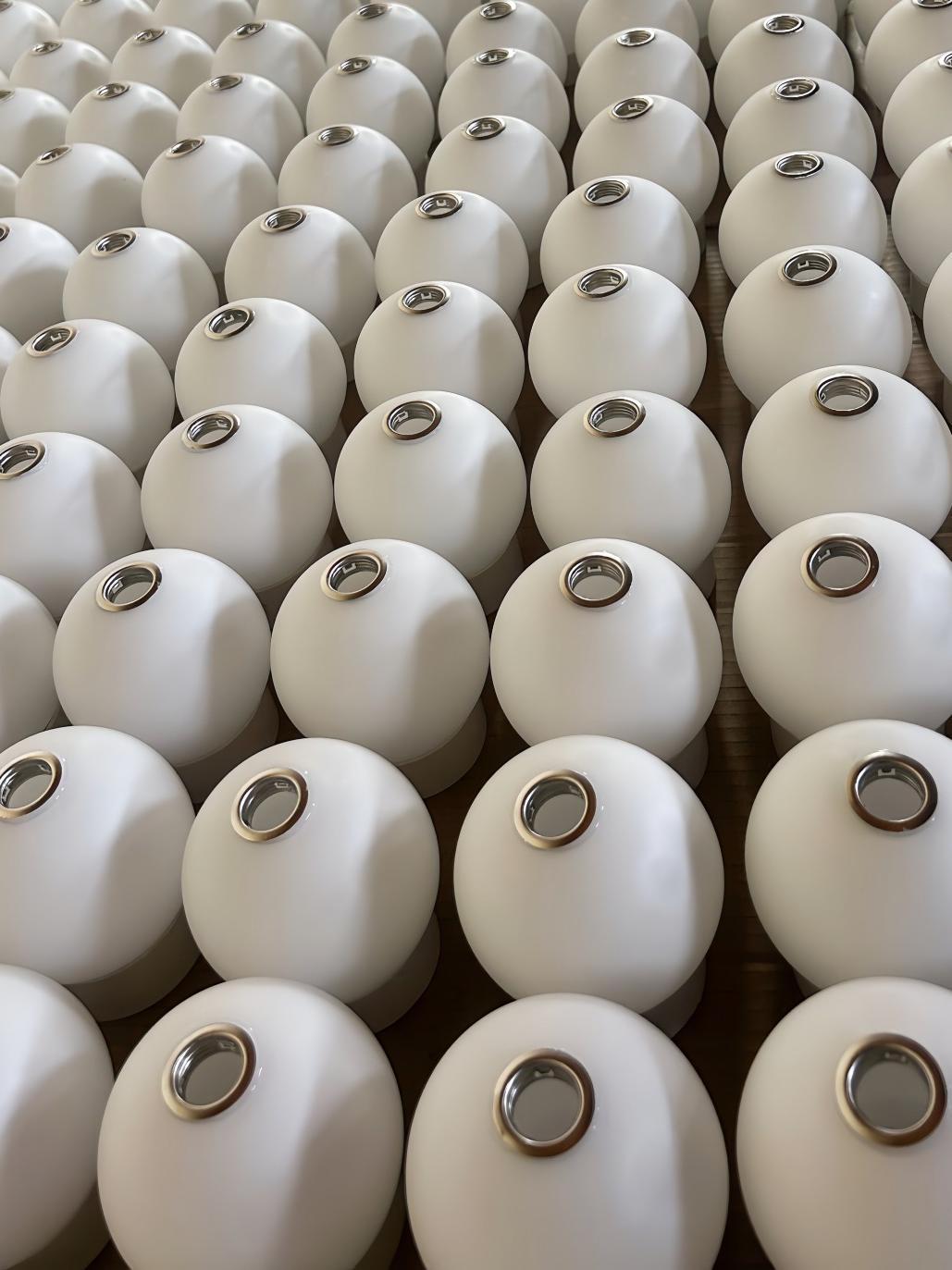
| Milk white Opal Glass | Uniform milky appearance with good light diffusion, commonly used in lighting and tableware. | $ $ | Browse Milk white Opal Glass → | Get a product quote |

| Float Glass | Perfectly flat and distortion-free, the standard for windows, mirrors, and architectural glazing. | $ | Browse Float Glass → | Get a product quote |
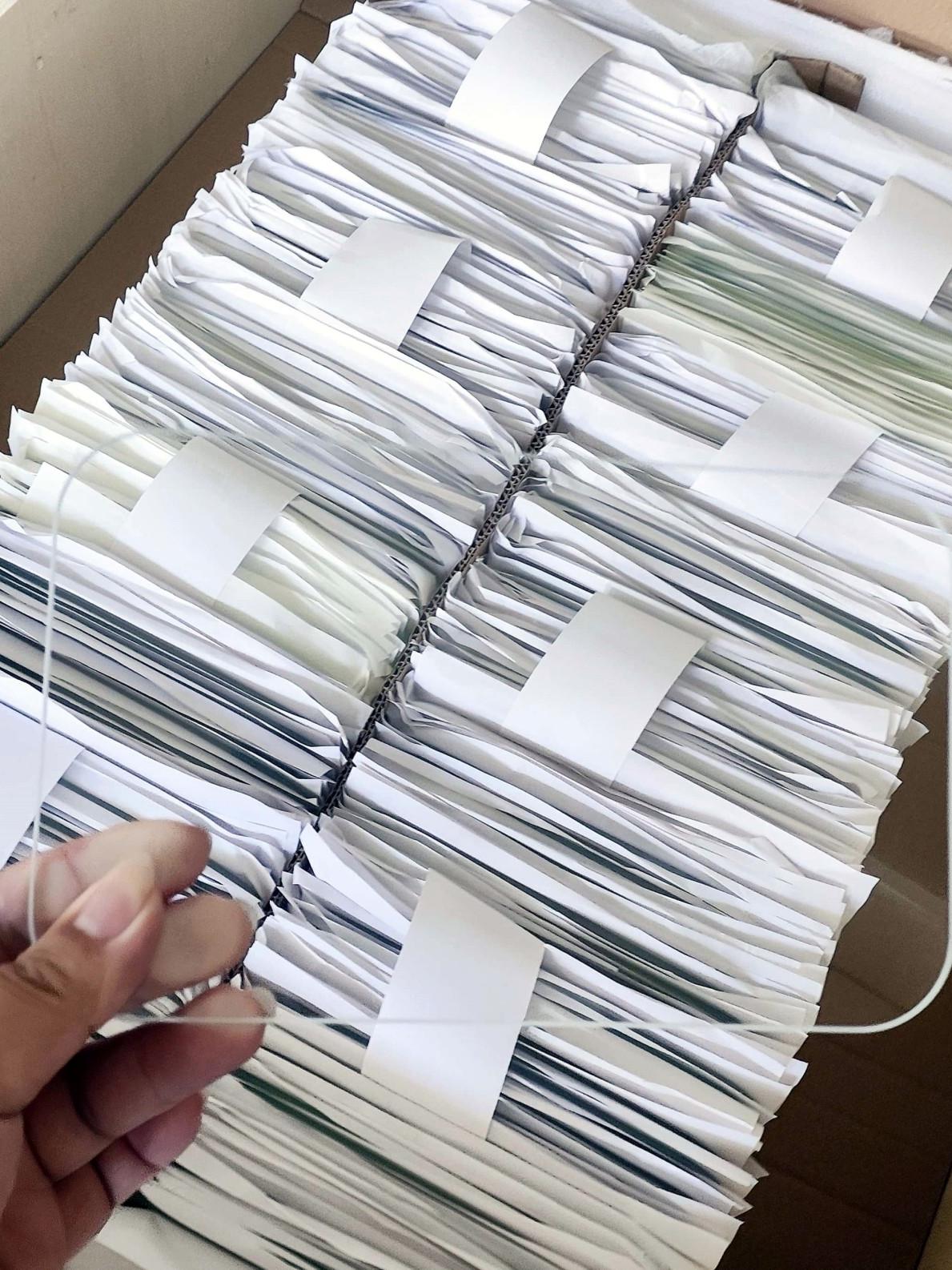
| Low Iron Glass | Ultra-clear with low iron content, offering superior transparency for solar and display applications. | $ $ | Browse Low Iron Glass → | Get a product quote |
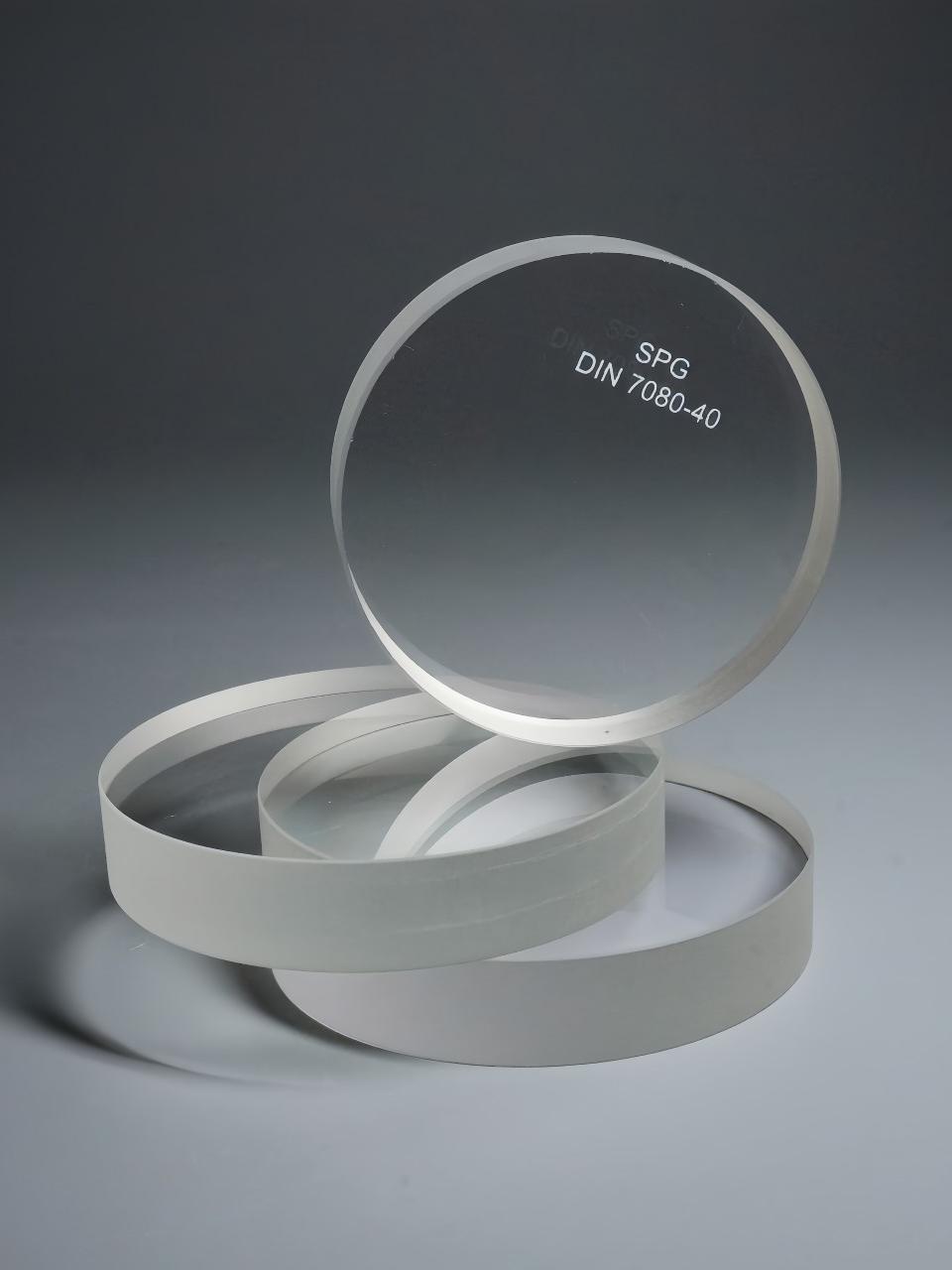
| Borosilicate 3.3 | High borosilicate glass with thermal expansion coefficient 3.3×10⁻⁶ /K, excellent chemical resistance. | $ $ $ | Browse Borosilicate 3.3 → | Get a product quote |
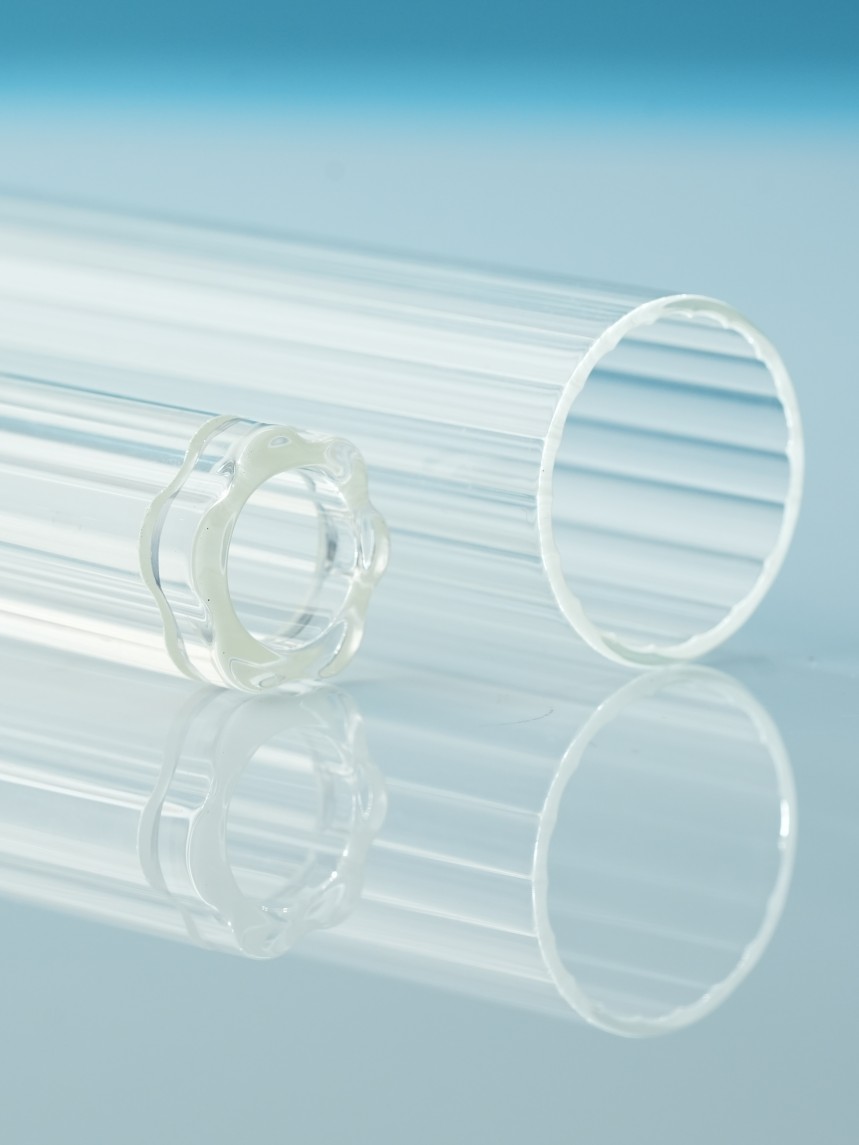
| Aluminosilicate Glass | Exceptional mechanical strength and scratch resistance, widely used in touchscreens and aerospace. | $ $ $ $ | Browse Aluminosilicate Glass → | Get a product quote |
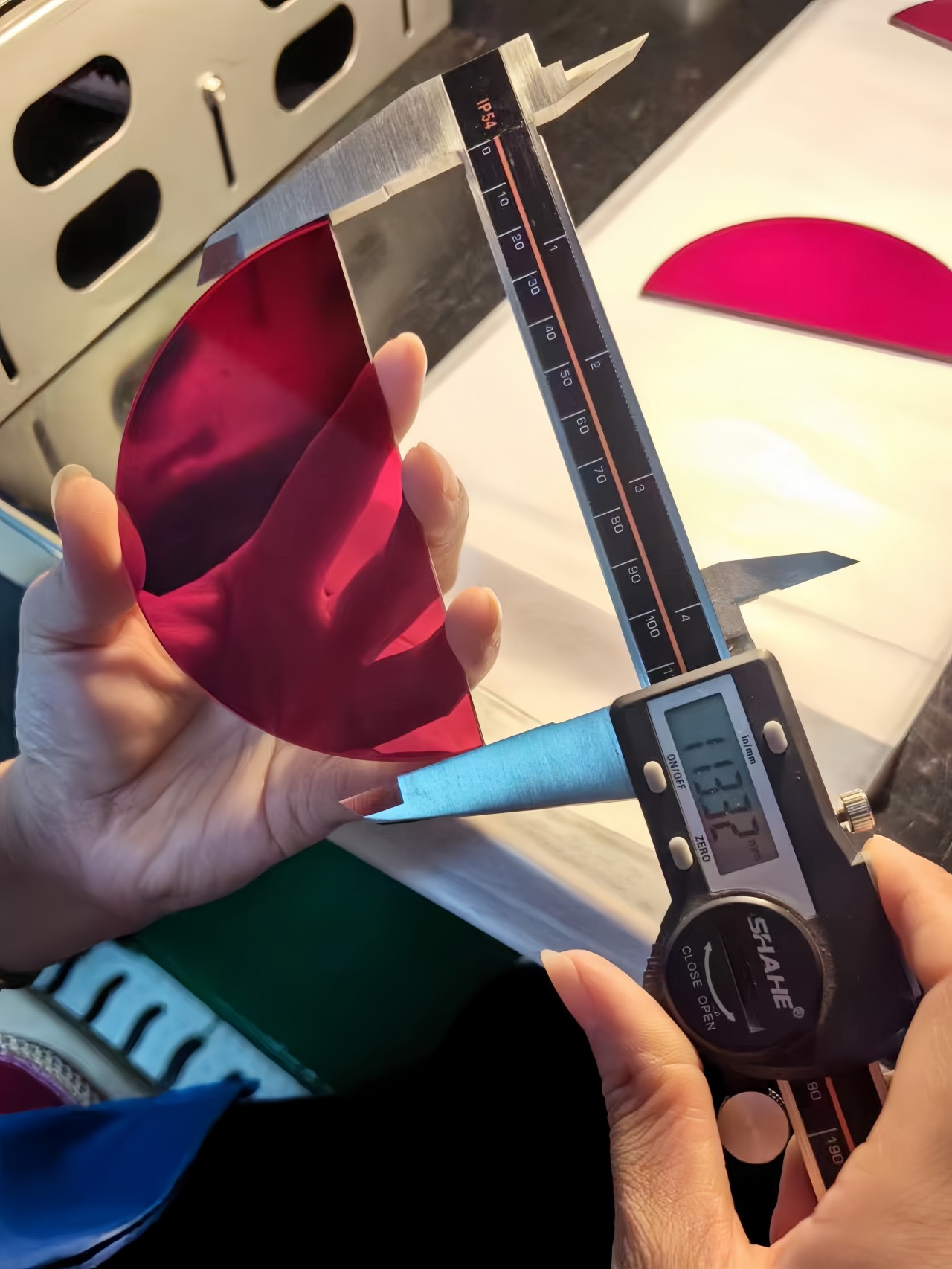
| Tineted Glass | Colored by metal oxides to provide solar control and aesthetic appeal in buildings and vehicles. | $ $ $ $ | Browse Tineted Glass → | Get a product quote |
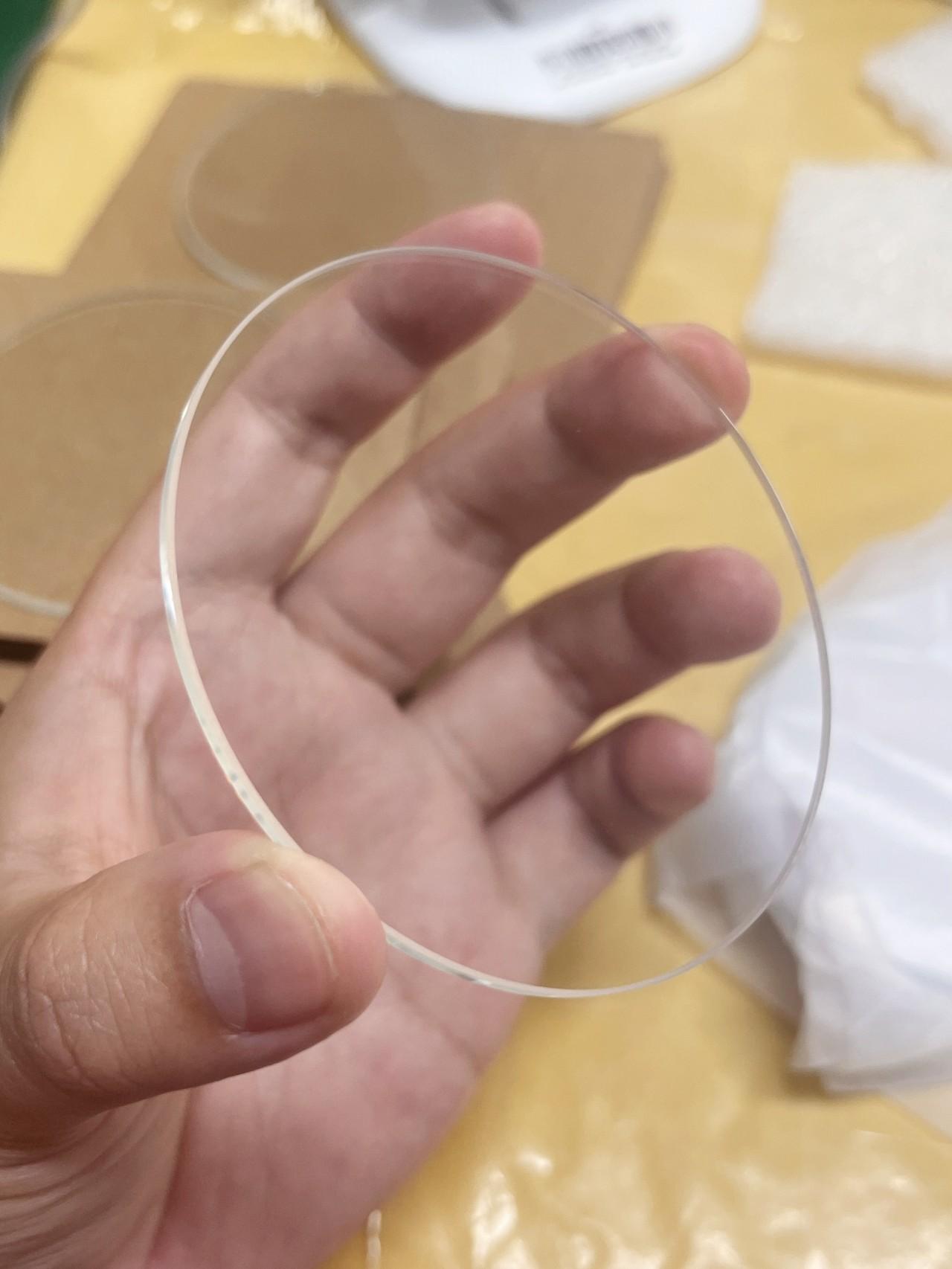
| Anti-glare Glass | Surface etched or coated to reduce reflections and improve display readability in bright environments. | $ $ $ $ | Browse Anti-glare Glass → | Get a product quote |
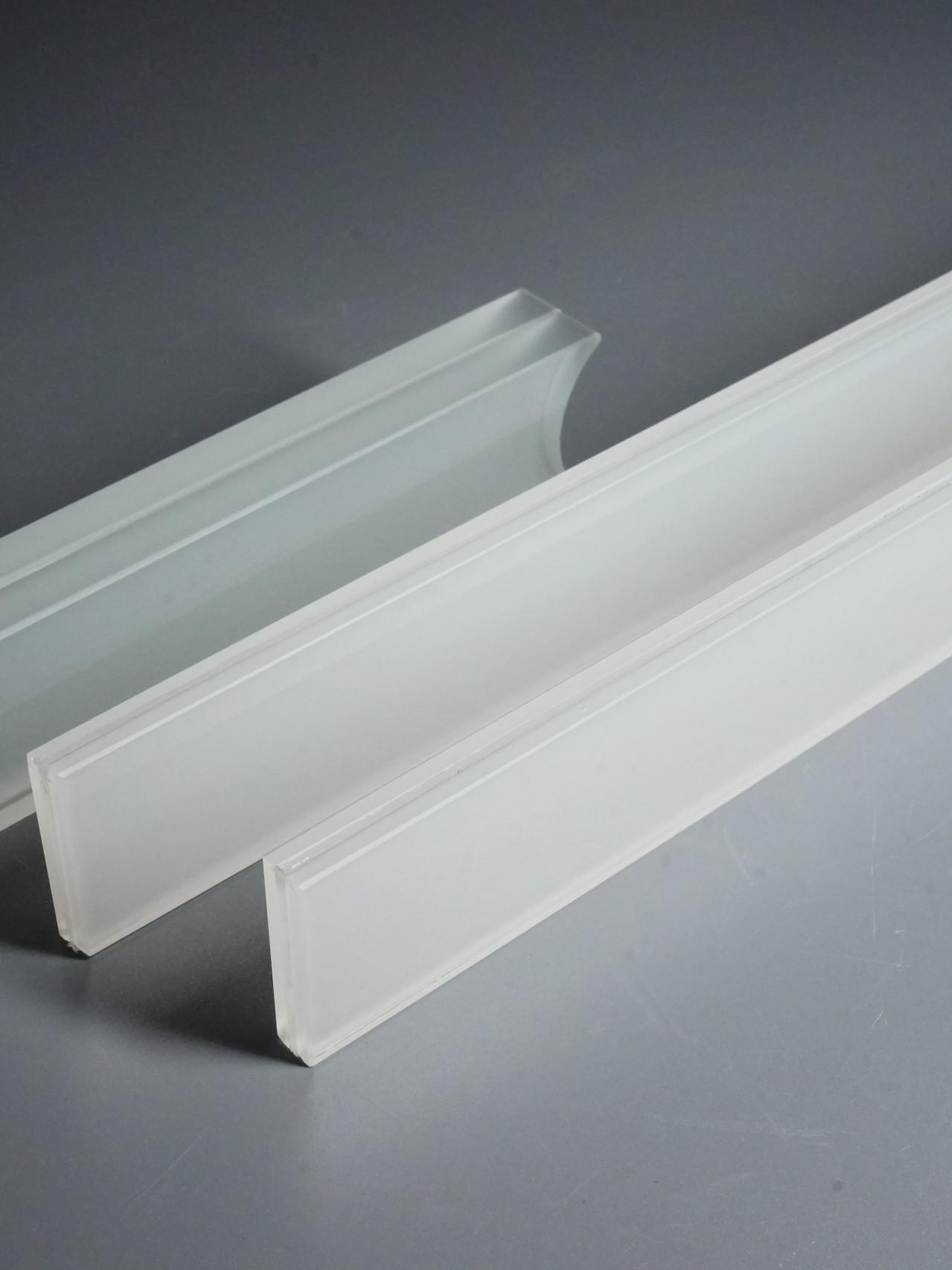
| Laminated Glass | Safety glass with plastic interlayer, holds fragments, offers sound and UV protection. | $ $ $ | Browse Laminated Glass → | Get a product quote |
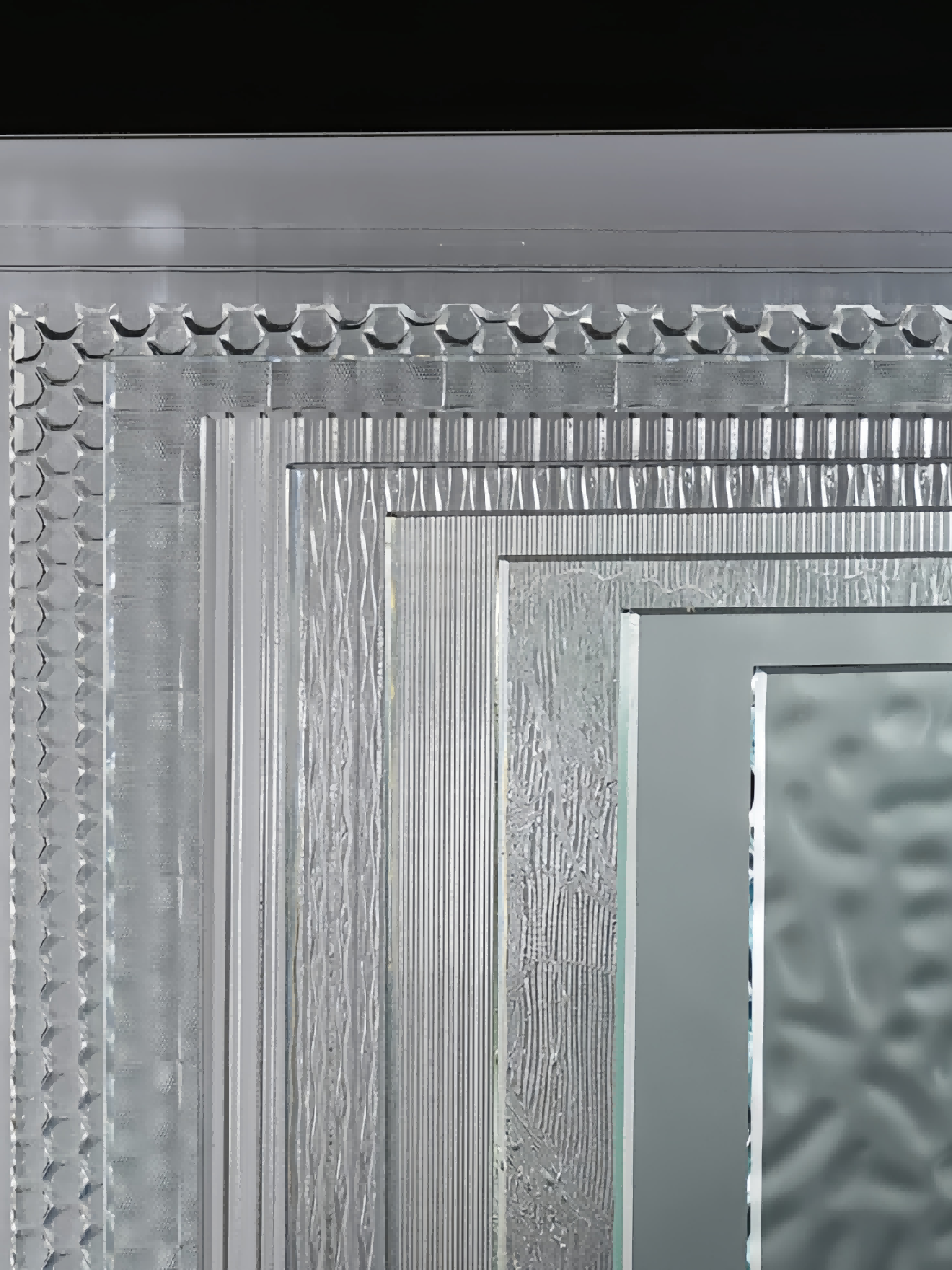
| Patterned Glass | Textured surface for privacy and decoration, diffuses light while maintaining brightness. | $ $ | Browse Patterned Glass → | Get a product quote |
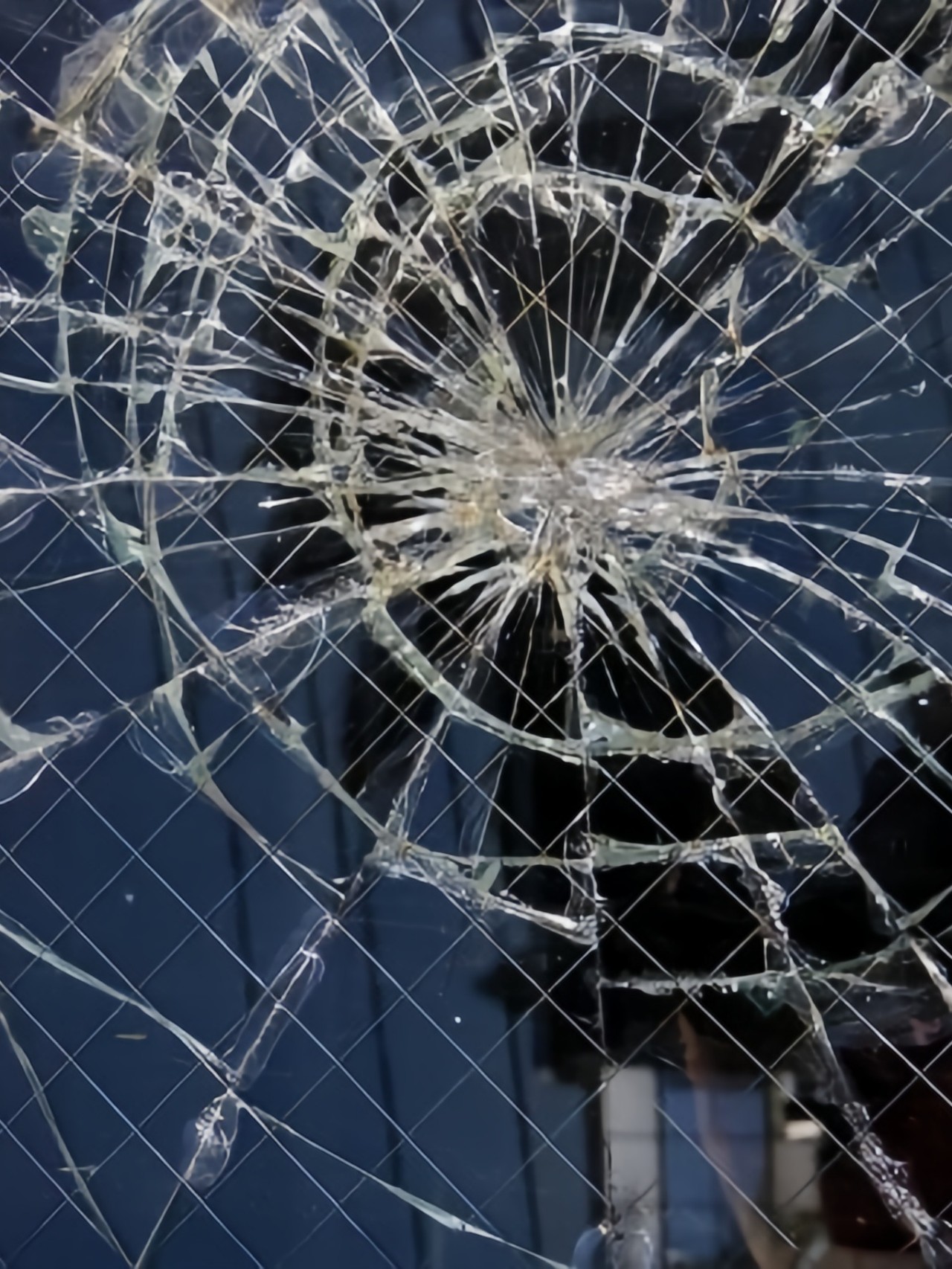
| Wired Glass | Wire mesh embedded for fire resistance and security, holds glass in place when broken. | $ $ | Browse Wired Glass → | Get a product quote |
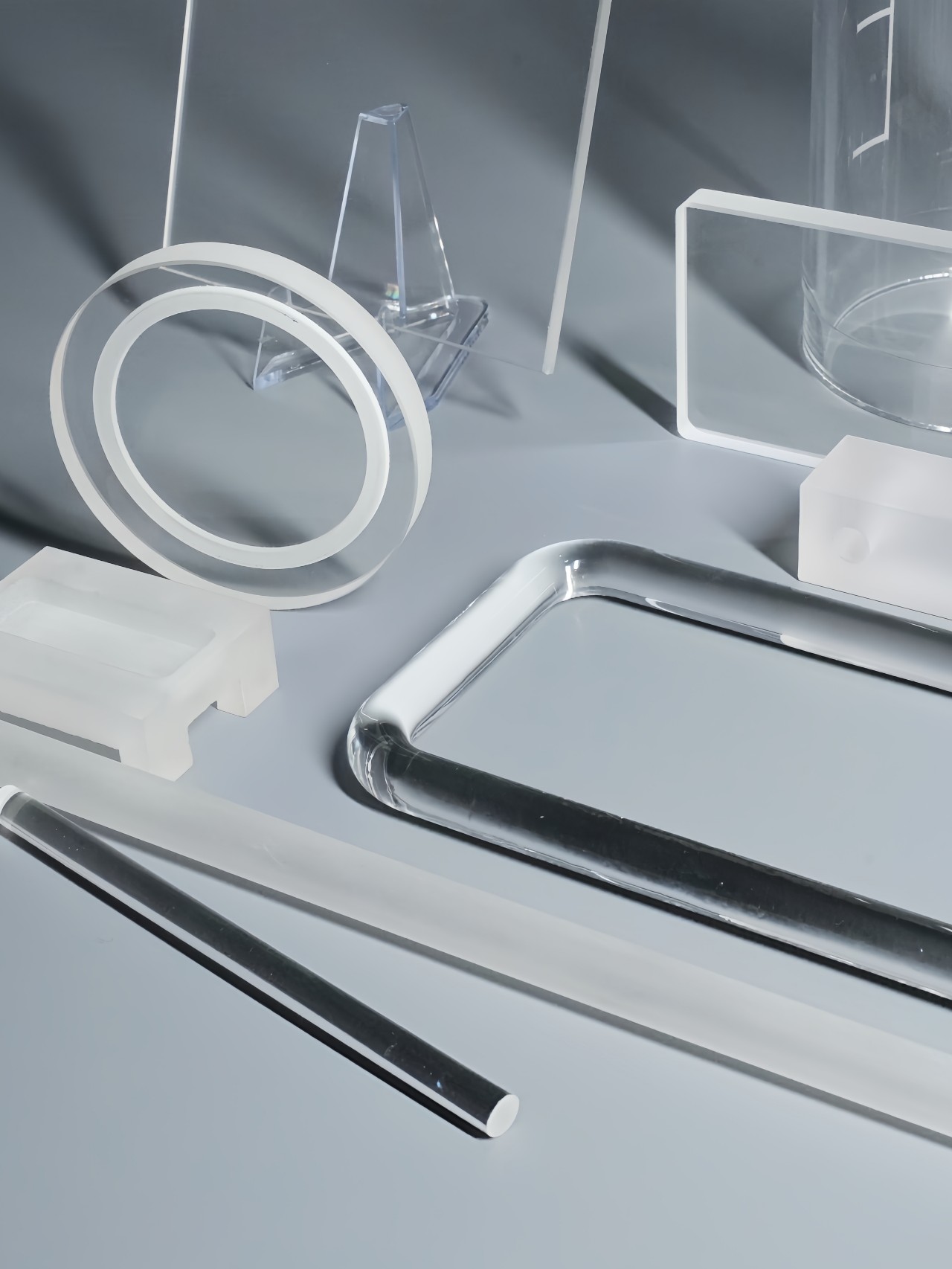
| Quartz | Extremely pure fused quartz, excellent optical transmission, high temperature resistance. | $ $ $ $ $ | Browse Quartz → | Get a product quote |
Glass Processing Services
All CNC Tempered Glass
Frequently asked questions
1. What are the main types of glass materials and how do I choose?
Glass materials come in many varieties, including soda-lime glass, borosilicate glass, aluminosilicate glass, and quartz glass. Consider these factors when selecting:
- Optical requirements: Low iron glass or quartz for high transparency; opal glass or patterned glass for light diffusion
- Thermal stability: Borosilicate and quartz glass excel in high-temperature environments
- Mechanical strength: Aluminosilicate and tempered glass offer superior impact resistance
- Application scenarios: Lampshades often use opal or colored glass; optical lenses prefer low iron or quartz; decorative applications suit patterned or laminated glass
2. What tolerances can be achieved in glass processing?
Tolerances depend on material properties, processing techniques, and product dimensions:
- CNC cutting: Generally ±0.1mm, precision machining up to ±0.05mm
- Drilling: Diameter tolerance typically ±0.2mm
- Bending: Relatively larger tolerance, generally ±1.0mm
- Edge grinding: Accuracy up to ±0.2mm
Actual tolerances should be evaluated based on specific designs and processes.
3. Can glass be customized? What is the minimum order quantity?
Yes, Bo-glass supports full customization from prototyping to mass production. MOQ varies by process complexity:
- Blowing and pressing: Typically 1,000 pieces, sample orders negotiable
- CNC machining: 1 piece supported, ideal for prototyping
- Cold processing (cutting, drilling): Small batches accepted
We recommend providing CAD drawings or samples for optimal production solutions.
4. What is the lead time for glass products?
Lead time depends on product complexity, process requirements, and order quantity:
- Samples/prototypes: 3-7 working days
- Small batch orders: 2-3 weeks
- Mass production: 4-6 weeks
Specific timelines will be confirmed upon quotation.
5. How temperature resistant are glass materials?
Temperature resistance varies significantly:
- Soda-lime glass: Maximum working temperature ~200°C, thermal shock resistance ~80°C
- Borosilicate glass: Maximum working temperature 450°C, thermal shock resistance >200°C
- Quartz glass: Maximum working temperature 1100°C, excellent thermal shock resistance
- Aluminosilicate glass: Enhanced temperature resistance after chemical strengthening
6. What surface treatments are available for glass?
Various surface treatments meet different functional needs:
- Frosting/Etching: Creates translucent effect, reduces reflection
- Coating: Anti-reflective coating improves transmission; reflective coating for mirrors; anti-fingerprint coating for easy cleaning
- Silk screen printing: Achieves patterns and decorative text
- Chemical strengthening: Enhances mechanical strength and impact resistance
- Polishing: Flame or chemical polishing for smooth, glossy surfaces
7. What factors determine the price of glass products?
Glass product pricing considers:
- Material cost: Soda-lime glass is economical; specialty glasses like quartz cost more
- Process complexity: Simple cutting costs less; precision molding and 5-axis CNC machining cost more
- Tooling/mold costs: Blowing and pressing products require mold amortization
- Surface treatment: Additional processes like coating increase costs
- Order quantity: Larger volumes enjoy better unit pricing
Upload drawings or describe requirements for detailed quotations.
8. Is glass prone to breakage during processing? How is this controlled?
Glass is brittle and does carry processing risks. Bo-glass ensures yield rates through:
- Optimized cutting paths and feed rates to reduce stress concentration
- Specialized diamond tools and coolant to minimize thermal stress
- Tempering or chemical strengthening pretreatment to enhance toughness
- Strict quality control at every stage
- Material-specific parameters (e.g., gentler cutting for borosilicate)
Contact Us
Your feedback fuels our growth, and your questions drive our solutions.
We value your feedback, inquiries, and suggestions. Please feel free to get in touch with us
General inquiries
Please contact us via sales@bo-glass.com, and we will reply to you as soon as possible.
Interested to work with us
Drop your resume at info@bo-glass.com
and we will get back to you shortly.
We uses the contact information you provide to us to contact you about our relevent content, products, and services.