
Wired Safety Glass Manufacturing & Fabrication
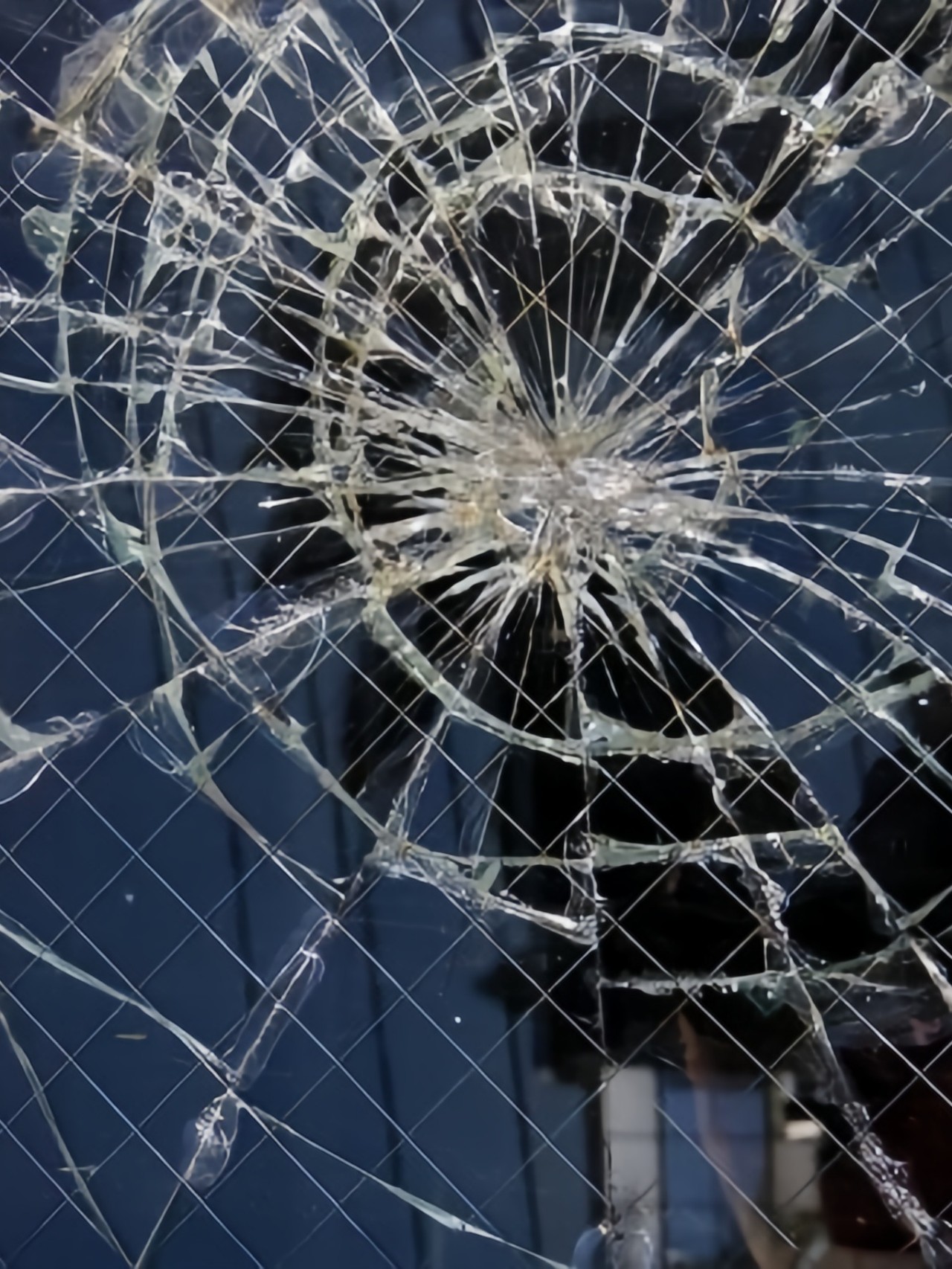
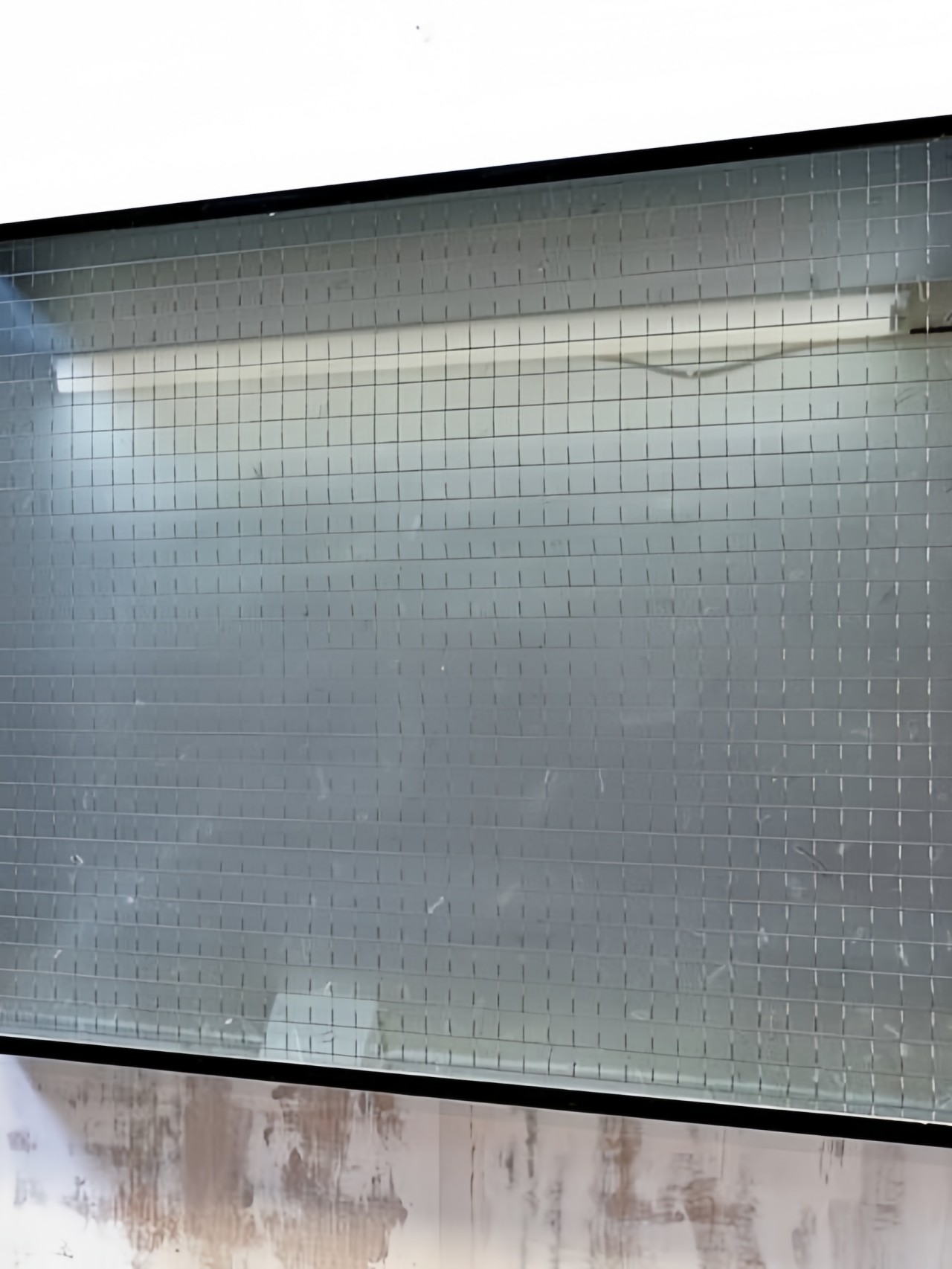

What Is Low Wired glass
Max. Processing Size: | Sheets over 5m in length, large-format panels |
Min. Part Size: | Precision micro-components down to 10mm. |
Cutting Tolerance: | ±0.1 mm(CNC/Waterjet),±0.05 mm(Laser) |
Drilling/Milling Tolerance: | ±0.1 mmposition &diameter) |
Edge Profile Tolerance: | ±0.1 mm |
Standard Thickness Range: | From 1.5 mm and above. |
Ultra-Thin Processing Capability: | Down to sub-1.0 mm(e.g.,0.3-0.7 mm for specialty applications) |
Wired Glass: Detailed Technical Specifications & Characteristics
| Parameter / Property | Typical Value / Range | Description & Implication |
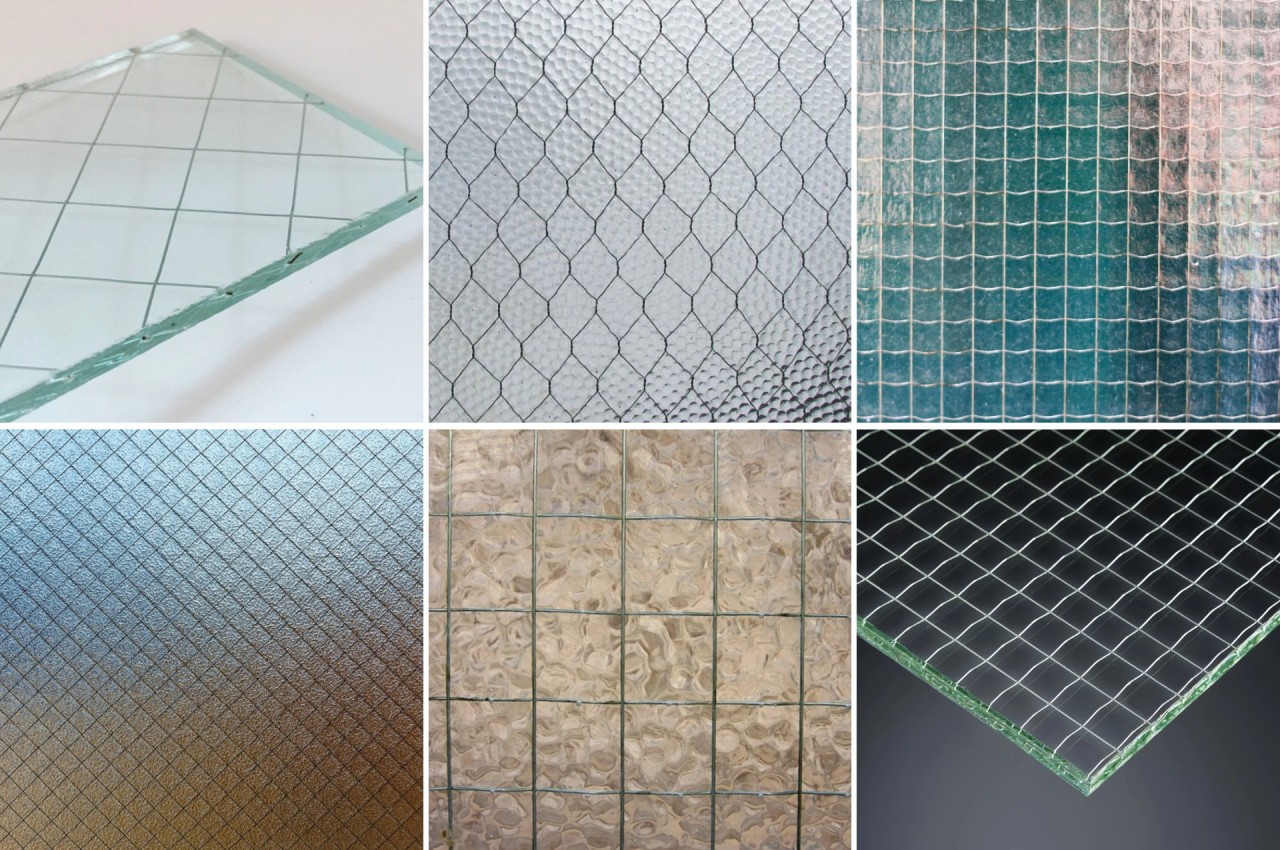
| Base Material | Polished or patterned soda-lime glass. | Standard float glass is used as the base material before wire mesh embedding. |
| Embedded Wire Mesh | Square or hexagonal welded steel wire mesh. | Provides containment of glass fragments upon breakage and contributes to fire resistance. Wire diameter and grid spacing vary. |
| Optical Properties | - | Clarity is significantly impacted by the wire mesh. |
| Visible Light Transmittance (VLT) | ~70% - 80% (for clear wired polished glass) | Lower than clear glass of the same thickness due to light obstruction by the wires. |
| Visual Clarity | Distorted | The wire mesh creates visible lines and can cause optical distortion, reducing clear visibility through the glass. |
| Mechanical & Safety Performance | - | Provides basic safety containment but is not a high-performance safety glass. |
| Post-Breakage Behavior | Fragments are loosely held by the mesh. | Prevents glass from collapsing but does not provide a secure, bonded barrier like laminated glass. Sharp fragments may remain. |
| Impact Resistance | Limited | Can withstand minor impact but may shatter easily under significant force. Not suitable for high-security or overhead safety glazing by modern standards. |
| Fire Resistance | - | A traditional application, but performance is limited. |
| Integrity Rating (e.g., EW) | Typically provides integrity (E) only, not insulation (I). | Can prevent flames and hot gases from passing for a rated period (e.g., 20-45 minutes) but does not effectively limit heat transfer. |
| Physical & Fabrication Properties | - | Standard processing is possible but with limitations. |
| Standard Thickness | 6mm or 7mm (common for fire-rated applications). | Thicker than standard single glazing to accommodate the wire mesh. |
| Cutting & Drilling Tolerance | Lower than plain glass (±0.5 mm or more). | Cutting is possible but challenging. The wire mesh can cause edge spalling, and cutting through it requires specialized tools. Drilling near wires is not recommended. |
| Tempering Compatibility | Cannot be thermally tempered. | The embedded wire mesh prevents uniform heating and cooling during the tempering process, which would cause the glass to shatter. |
| Key Design Consideration | Legacy Material | Largely superseded by laminated fire-rated glass and ceramic glass for safety and fire applications, which offer superior clarity, strength, and true insulation ratings. Wired glass remains specified in some legacy or cost-sensitive retrofit projects. |
Wired Glass: Advantages & Limitations
Wired glass offers basic fire integrity and impact containment at a lower cost, suitable for some legacy applications. Key limitations include poor optical clarity, low safety performance, fabrication challenges, and its status as an obsolete material compared to modern alternatives.
Benefits
Basic Fire Resistance: Provides a degree of fire integrity (E-rating), helping to prevent the passage of flames and hot gases for a limited time, which meets some traditional building code requirements.
Impact Containment: The embedded wire mesh helps hold broken glass fragments in place upon impact, preventing total collapse and providing a basic level of post-breakage safety.
Cost-Effectiveness: Historically, it has been a lower-cost option for achieving basic fire-rated and safety glazing compared to more advanced laminated or ceramic fire-resistant glass.
Code Compliance for Legacy Applications: It is sometimes specified for renovations or in projects where existing building codes or historical preservation guidelines mandate its use.
Key Limitations to Consider
Poor Optical Quality: The wire mesh significantly reduces clarity, causes visible distortion, and obstructs the view, making it unsuitable for applications requiring good visibility.
Low Safety Performance: It does not meet modern impact safety standards (e.g., for human impact). Upon breakage, sharp, loosely held glass fragments pose a significant laceration hazard. It is not considered a true safety glass by current standards.
Inability to be Tempered: The embedded wire mesh prevents it from undergoing thermal tempering. This means it cannot be strengthened, limiting its mechanical strength and making it more prone to breakage.
Difficult Fabrication: Cutting and drilling are challenging and often result in rough edges, spalling, and exposed sharp wire ends. Secondary processing is highly limited.
Wired Glass: Key Application Fields
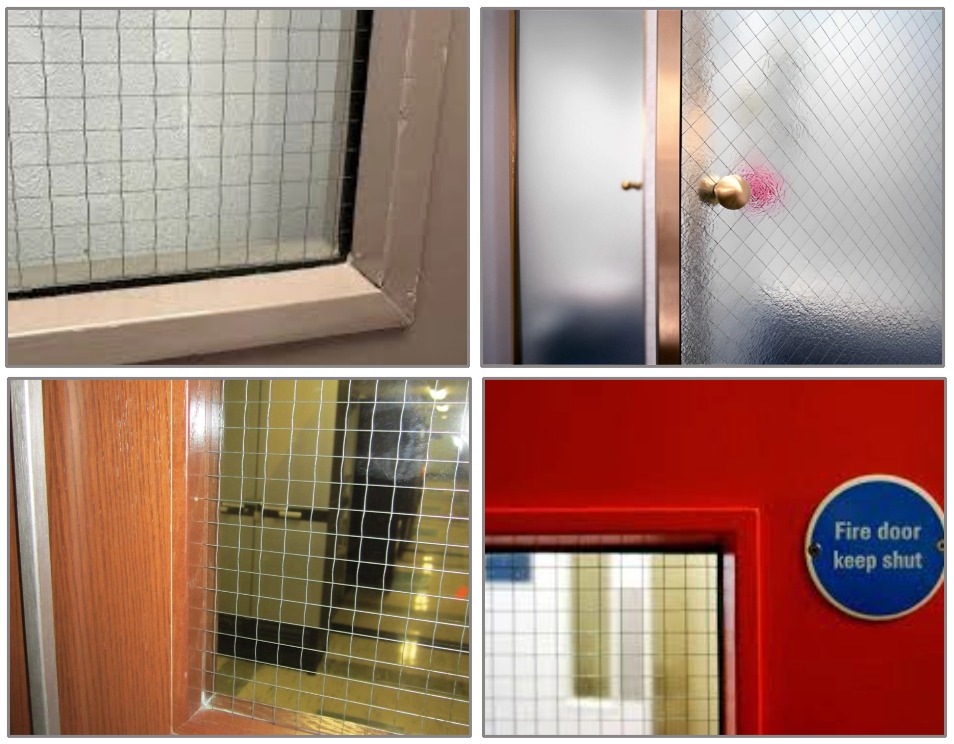
Description: Wired glass has been traditionally specified for vision panels in fire-rated doors, corridor partitions, and internal windows within factories, schools, and older institutional buildings. Its primary role is to provide a basic level of fire integrity (E-rating), helping to prevent the spread of flames and smoke for a prescribed duration (e.g., 20-45 minutes) while allowing limited visibility.
2. Fire Escapes and Stairwell Enclosures
Description: It is sometimes found in windows and panels enclosing fire escapes and stairwells. Here, its function is to contribute to the fire compartmentalization of escape routes. However, its poor impact safety makes it a suboptimal choice where human contact is likely, and modern codes often now require safer materials in these locations.
3. Renovation and Legacy Building Compliance
Description: This is a key contemporary application. During the renovation of older buildings constructed when wired glass was standard, it may be used for like-for-like replacement to meet existing code compliance or historical preservation guidelines without requiring a complete redesign of the glazing system.
4. Limited-Security Partitions (Non-Human Impact)
Description: In some industrial settings (e.g., warehouse partitions, machine guard screens), it can be used where the requirement is for a physical barrier that contains fragments upon accidental breakage from minor impacts or vibration, and where high optical clarity is not a priority. It is not suitable for areas with risk of deliberate human impact.
FAQ: Wired Glass for Specification & Retrofit Projects
What exactly is wired glass, and what is its primary purpose?
Does wired glass meet modern safety glass standards for impact?
Can wired glass be used in fire-rated applications? What are its limitations?
Is it possible to cut, drill, or temper wired glass?
Tempering: It cannot be thermally tempered. The embedded wire mesh prevents uniform heating and cooling, causing the glass to shatter in the tempering oven.
Why would someone specify wired glass today?
What are the main alternatives to wired glass, and why are they better?
For Fire Resistance: Fire-Rated Ceramic Glass or Glass Ceramic provides both fire integrity (E) and insulation (I) ratings, withstanding higher temperatures and offering much better clarity.
Both alternatives are safer and outperform wired glass in almost every aspect.
What are the key optical drawbacks?
Is wired glass cheaper than modern alternatives?
Contact Us
Your feedback fuels our growth, and your questions drive our solutions.
We value your feedback, inquiries, and suggestions. Please feel free to get in touch with us
General inquiries
Please contact us via sales@bo-glass.com, and we will reply to you as soon as possible.
Interested to work with us
Drop your resume at info@bo-glass.com
and we will get back to you shortly.
We uses the contact information you provide to us to contact you about our relevent content, products, and services.