
Ultrasonic Cleaning Service
Why Ultrasonic Cleaning is Essential for Our Glass Components?

(1)Conventional cleaning methods often fall short in removing all contaminants from glass surfaces, which can severely impact product performance and reliability. Even visually clean glass may retain microscopic pollutants that compromise quality.
(3)For our final glass components, this means:
• Complete removal of sub-micron particles and residues
• Consistent cleaning results regardless of component complexity
• Elimination of contaminants that affect optical clarity and coating adhesion
• Preservation of surface integrity through non-abrasive action

(2)Ultrasonic cleaning addresses these limitations through controlled cavitation. High-frequency sound waves generate millions of microscopic bubbles in the cleaning solution that implode with tremendous energy, effectively dislodging contaminants from even the most complex geometries. This process reaches where manual cleaning cannot, removing particulate matter, thin films, and organic residues at a molecular level.
(4)This advanced cleaning ensures optimal performance in your applications, particularly for optical systems, analytical instruments, and high-precision equipment where even minimal contamination can cause significant issues. By implementing ultrasonic cleaning as our final manufacturing step, we guarantee glass components that meet the highest standards of purity and reliability.
Our factory and our partner factories
BO-GLASS coordinates our core facility with a dedicated network of local specialists to deliver custom glass components. You benefit from our collective expertise while we manage all communication, quality control, and logistics for a seamless experience.


Our applications of glass processing technology
We are committed to providing our customers with one-stop solutions, from prototype development to mass production, by addressing the entire value chain of materials science, engineering design, and precision manufacturing. Our goal is to transform the ultimate performance of glass materials into a core competitive advantage for your products.

Aerospace Glass
Accelerate your aerospace projects with custom glass components, from precision prototypes to volume production.

Precision Glass for Industrial Instruments

Artisan Glass Gifts & Custom-Made Decor

Glass Lampshade Manufacturing
Trustworthy expert in glass manufacturing solutions


At BO-GLASS, our quality control begins with comprehensive design review and DFM analysis to optimize manufacturability. Throughout production, we implement rigorous process controls with material certification and in-process verification.
We utilize advanced metrology equipment including CMM, spectrophotometers, polariscopes, and surface roughness testers to validate dimensional accuracy, optical properties, stress distribution, and surface quality.
Our quality assurance includes first-article inspection, dimensional verification, and functional testing. Each component undergoes final inspection by certified technicians. Certified to ISO 9001:2015, we guarantee all components meet the highest standards for precision and reliability in every delivery.
BO-GLASS Product Release Standard
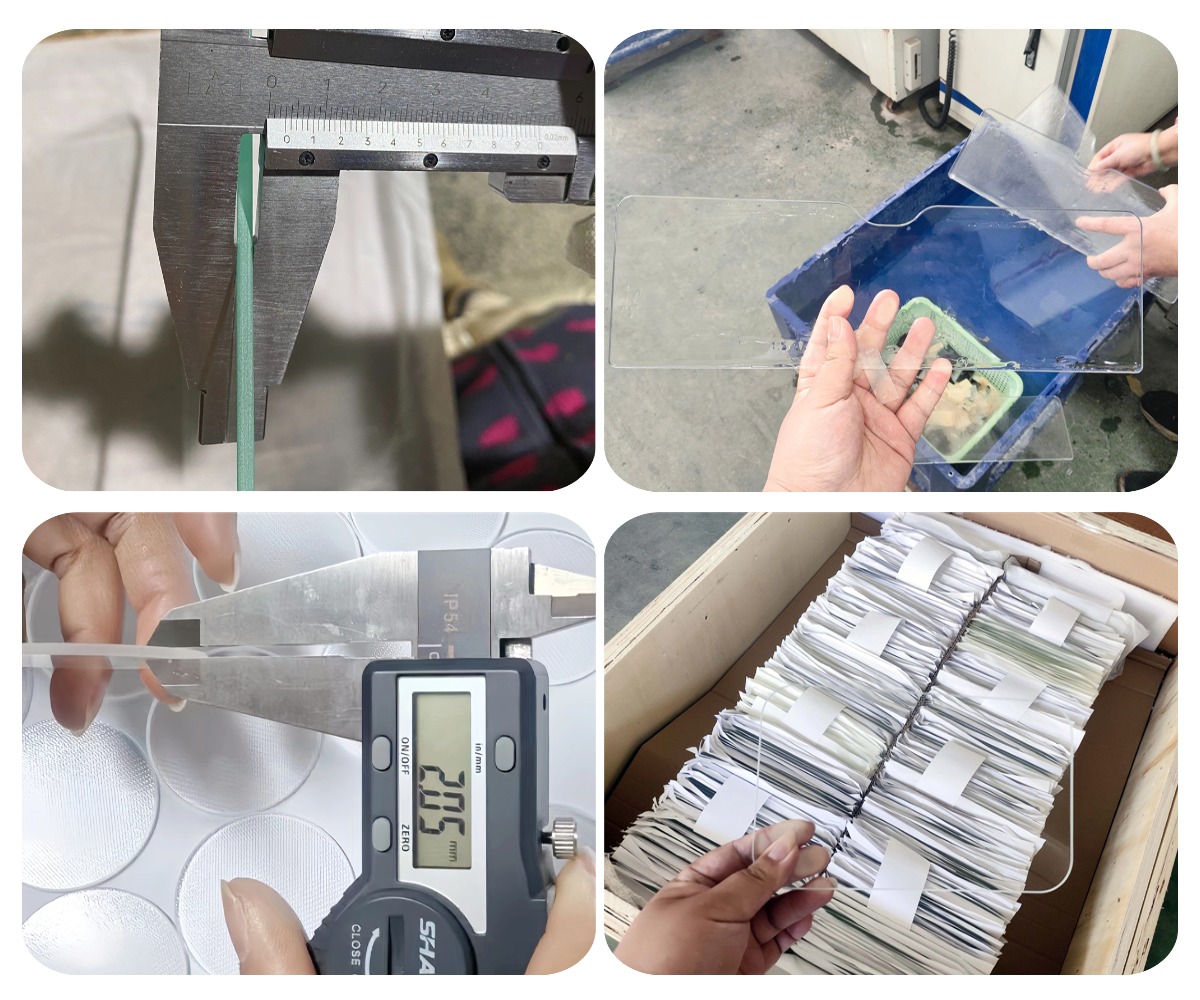
Surface Quality: Smooth and uniform, free from pits or cracks. Minimal mold contact marks are acceptable.
Dimensional Integrity: Consistent contour and thickness with tight tolerances.
Material Clarity: High-quality optical materials ensure excellent clarity and uniformity.
Cleanliness: All parts are thoroughly cleaned, free from residues or visible handling marks.
Our Products
Custom Glass Fabrication Is Our Hallmark of Success.
View some of the custom projects we have worked on.


Related knowledge
We have an extensive range of online resources developed to help worker improve their capabilities.
Related knowledge pages
FAQ ——
What types of glass washing machines are there?
(1) QXJ-001 glass washing machine: this glass washing and drying unit is a pre-treatment equipment for laminated glass production line, tempered glass, insulating glass decorative glass, and other glass deep processing. The equipment adopts a horizontal structure; the cleaning section uses imported high-temperature resistant nylon wire to make the brush, and the water-carrying section is made of stainless steel plate, which can effectively prevent rust during rest.
(2) The YR-series glass washing machine is equipped with a step-less transmission, which can adjust the cleaning speed. The temperature controller can adjust the blowing temperature, and a high-pressure air knife type air drying device can be installed. The equipment has a dense drum drive design, a large processing area, and circulating water that can be used to clean the glass in one go.
(3) HBSQ2500 automatic glass cleaning and drying machine. This series of cleaning machines is a multi-purpose machine for flat glass. It adopts horizontal conveying, four brushes for cleaning, and three oblique air knives for drying. This machine is not only suitable for cleaning and drying Yizhou glass but is also widely used in cleaning coated, laminated, tempered, vacuum, and Low-E glass with higher cleaning requirements.
What should I pay attention to when choosing cleaning fluid?
① The cleaning fluid does not corrode the glass.
② The cleaning fluid does not corrode the brush.
③ The cleaning fluid is easily soluble in water.
④ The cleaning fluid does not affect the various parts of the equipment.
⑤ It does not damage the deionized water.
What are the possible defects in the cleaning and drying process?
② Scratches There is broken glass under the cleaning machine and stacked glass during operation.
③ The water tank is not cleaned, and the water is not clean. The brush is stained with too much glass powder. The air drying section is not filtered or not filtered cleanly, and the dust content is large.
④ The air volume and air pressure are insufficient, and the wind knife or blowing angle is unsuitable.
How to prevent glass from getting stuck in the machine?
① Do not put in glass that exceeds the maximum thickness of the cleaning and drying machine.
② When feeding, the distance between the glass should be large enough.
③ Do not clean glass more petite than the minimum size specified by the equipment. When cleaning glass that meets the requirements but is still very small, a dedicated person should be assigned to guard the cleaning machine’s wind knife and roller brush. If the glass is stuck or abnormal, stop the machine immediately to eliminate it.
④ When cleaning narrow, long, or small glass, the long side should be placed forward.
⑤ The angle of the wind knife should be adjusted to meet the requirements, the blowing direction should not be too far towards the direction of feeding, and the wind knife should not be moved at will.
What types of glass washing machines are there?
(1) QXJ-001 glass washing machine: this glass washing and drying unit is a pre-treatment equipment for laminated glass production line, tempered glass, insulating glass decorative glass, and other glass deep processing. The equipment adopts a horizontal structure; the cleaning section uses imported high-temperature resistant nylon wire to make the brush, and the water-carrying section is made of stainless steel plate, which can effectively prevent rust during rest.
(2) The YR-series glass washing machine is equipped with a step-less transmission, which can adjust the cleaning speed. The temperature controller can adjust the blowing temperature, and a high-pressure air knife type air drying device can be installed. The equipment has a dense drum drive design, a large processing area, and circulating water that can be used to clean the glass in one go.
(3) HBSQ2500 automatic glass cleaning and drying machine. This series of cleaning machines is a multi-purpose machine for flat glass. It adopts horizontal conveying, four brushes for cleaning, and three oblique air knives for drying. This machine is not only suitable for cleaning and drying Yizhou glass but is also widely used in cleaning coated, laminated, tempered, vacuum, and Low-E glass with higher cleaning requirements.
What are the standards for glass cleaning?
It is essential to stabilize and maintain a clean surface. If it is not well protected, various pollutants, such as dust particles and condensation of chemical vapors, will contaminate the glass surface. The glass surface is usually sealed in a sealed drying device or a vacuum-sealed container. The best way is to try to make the time interval from cleaning to processing as short as possible.
What are the parts of glass washing machine?
Our other manufacturing capabilities
We can provide you with a variety of glass processing techniques.
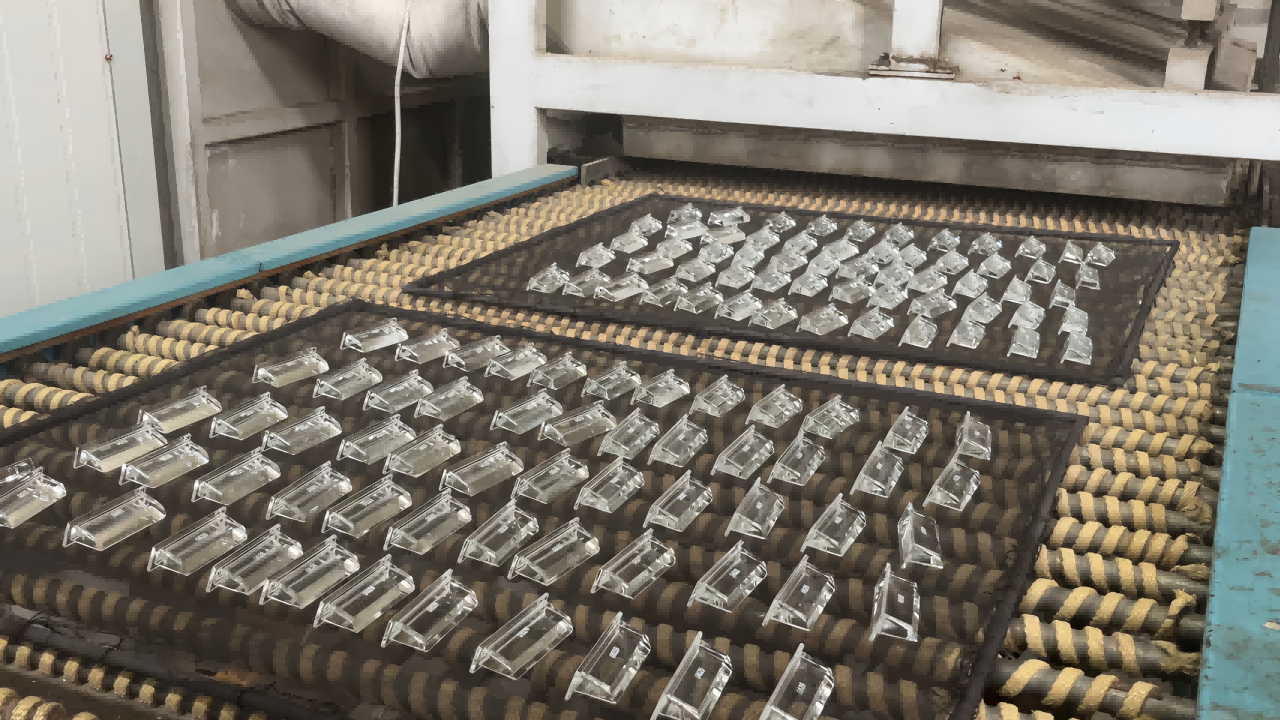
Physical Glass Tempering Services
Physical tempering enhances glass strength and creates safer, break-resistant panels for any application.
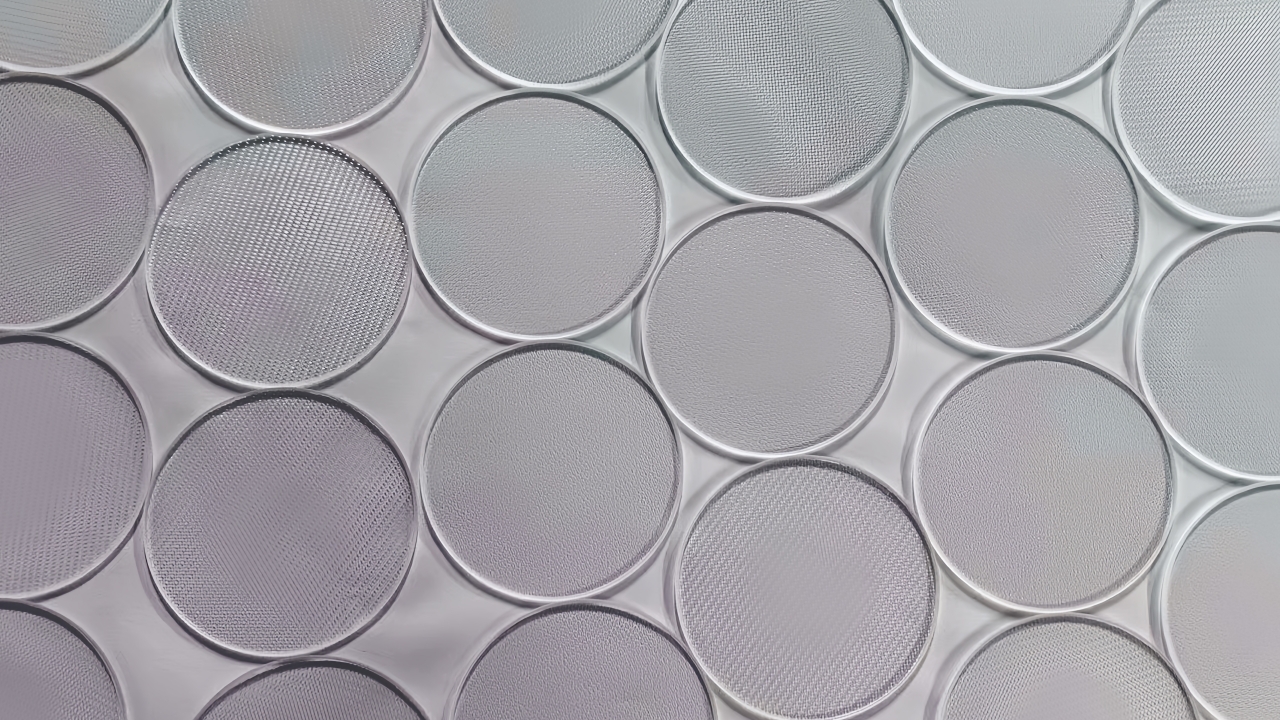
Surface Lapping & Polishing
We provide professional lapping and polishing services for specialized glass components.
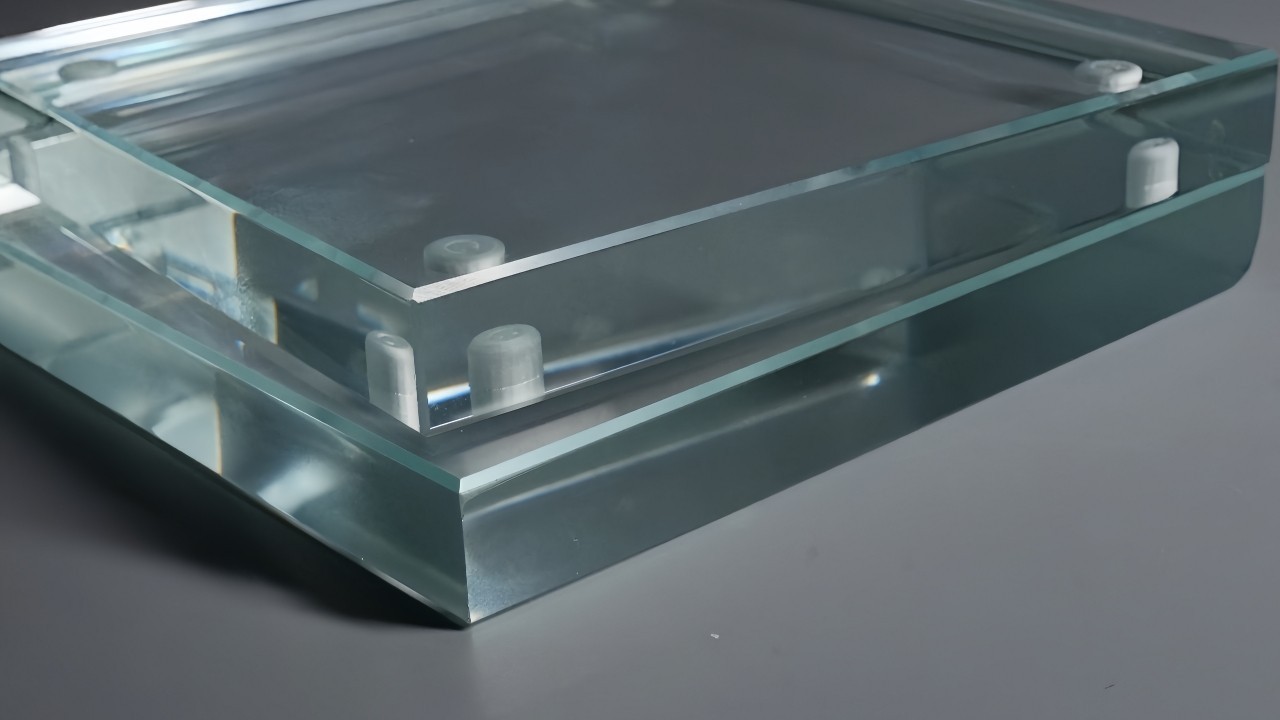
Glass Edge Grinding & Polishing Services
Precision glass edge grinding and polishing for safety, aesthetics, and flawless results in any application.
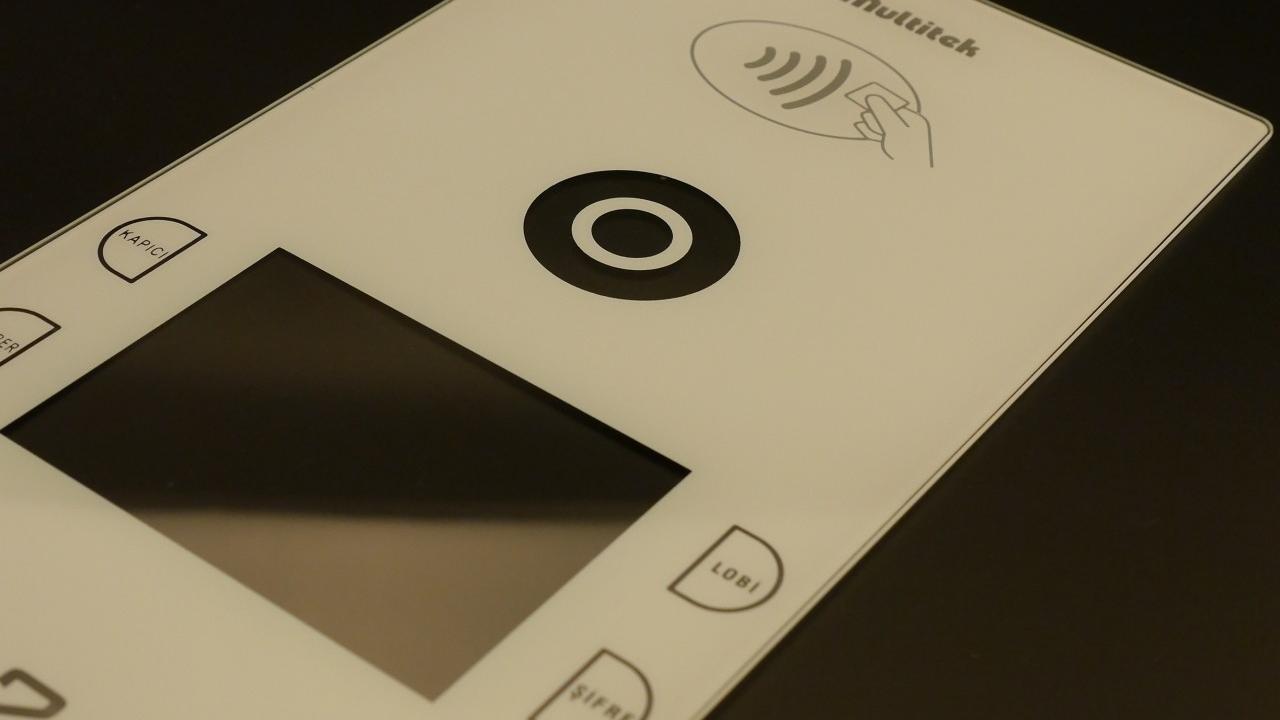
Silk Screened Glass service
Contact Us
Discuss Your Custom Glass Project
Share your drawing, photos or dimensions, together with the intended use and target quantity. We will review your requirements and discuss the next steps.
Sales Enquiries
Email sales@bo-glass.com with your part description, intended use and target quantity.
Send Your Design
Use the form to upload a drawing or describe an existing part. Mark critical dimensions and tell us which surfaces or features matter most.
Request a Custom Glass Quote
Upload a drawing or share dimensions, quantity, intended use and finish. Include any heat, pressure or chemical exposure.
Your drawings remain confidential.
We use the contact details you provide to respond to your enquiry. See our Privacy Policy for more information.