
Precision Quartz Glass Processing & Fabrication
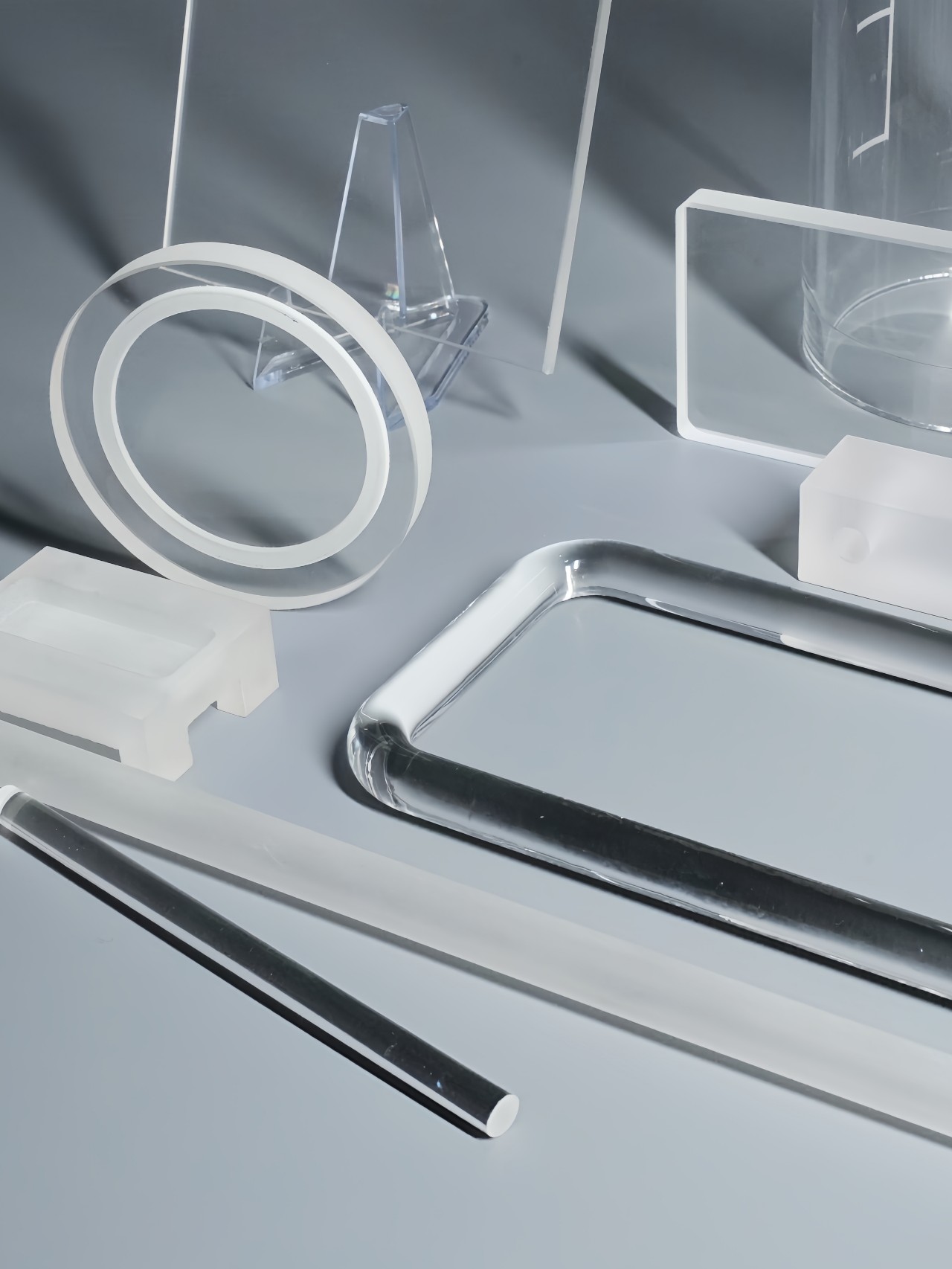
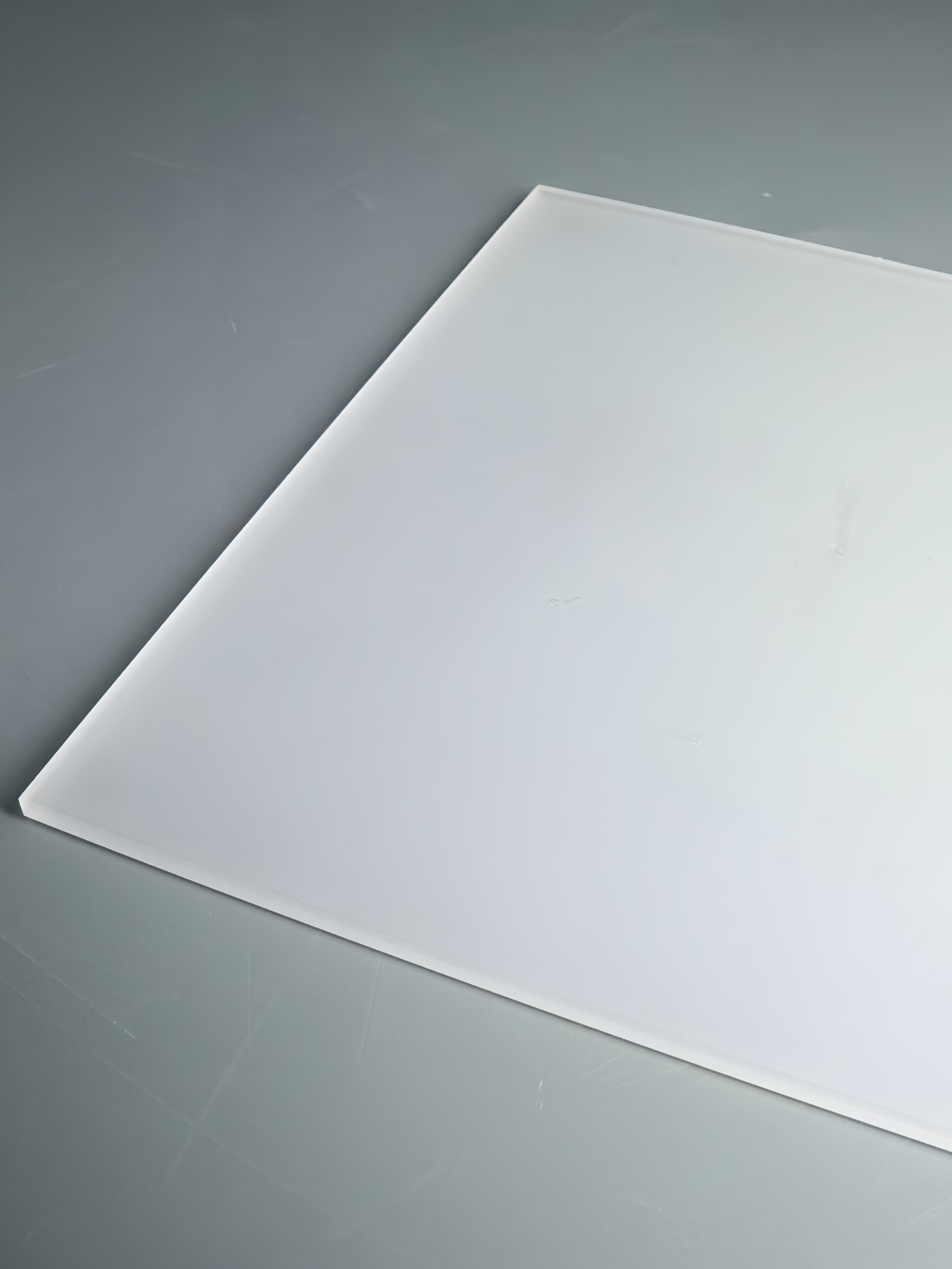

What Is Quartz Glass (Fused Silica)
Max. Processing Size: | Sheets over 5m in length, large-format panels |
Min. Part Size: | Precision micro-components down to 10mm. |
Cutting Tolerance: | ±0.1 mm(CNC/Waterjet),±0.05 mm(Laser) |
Drilling/Milling Tolerance: | ±0.1 mmposition &diameter) |
Edge Profile Tolerance: | ±0.1 mm |
Standard Thickness Range: | From 1.5 mm and above. |
Ultra-Thin Processing Capability: | Down to sub-1.0 mm(e.g.,0.3-0.7 mm for specialty applications) |
Quartz Glass (Fused Silica): Detailed Technical Specifications & Characteristics
| Parameter / Property | Typical Value / Range | Description & Implication |
| Primary Chemical Composition | - | Extreme purity defines its performance. |
| Silicon Dioxide (SiO₂) | > 99.9% (up to 99.999% for high-purity grades) | Near-pure amorphous silica. Absence of metallic impurities (like iron) enables superior optical and thermal properties. |
| Physical & Mechanical Properties | - | Combines hardness with a degree of brittleness. |
| Density | ~2.2 g/cm³ | Lower than most other technical glasses. |
| Knoop Hardness (HK) | ~550 - 750 | Very high surface hardness, providing excellent scratch and abrasion resistance. |
| Young's Modulus (Modulus of Elasticity) | ~72 GPa | High stiffness, similar to other glasses. |
| Thermal Properties (Key Advantage) | - | Outstanding performance under extreme temperature. |
| Coefficient of Thermal Expansion (CTE) | ~0.55 x 10⁻⁶ /K | Extremely low, providing unparalleled thermal shock resistance and dimensional stability. |
| Softening Point | ~1680 °C | Can operate continuously at temperatures over 1000°C where other glasses would melt or flow. |
| Maximum Service Temperature (Continuous) | ~1100 - 1200 °C | Exceptional for high-temperature applications. |
| Optical Properties (Key Advantage) | - | Excellent transmission across a wide spectrum. |
| Spectral Transmission Range | Deep UV (~170 nm) to Near IR (~2500 nm) | Transmits well in ultraviolet, visible, and infrared wavelengths, unlike most glasses. |
| Refractive Index (@587.6 nm) | ~1.458 | Low refractive index and high homogeneity are critical for precision optics. |
| Electrical & Chemical Properties | - | Superior insulation and chemical resistance. |
| Volume Resistivity (350°C) | ~10⁷ - 10⁸ Ω·cm | Maintains high electrical resistance at elevated temperatures, acting as an excellent insulator. |
| Chemical Durability | Exceptional | Highly resistant to water and acids (except hydrofluoric and hot phosphoric). Resists crystallization and devitrification. |
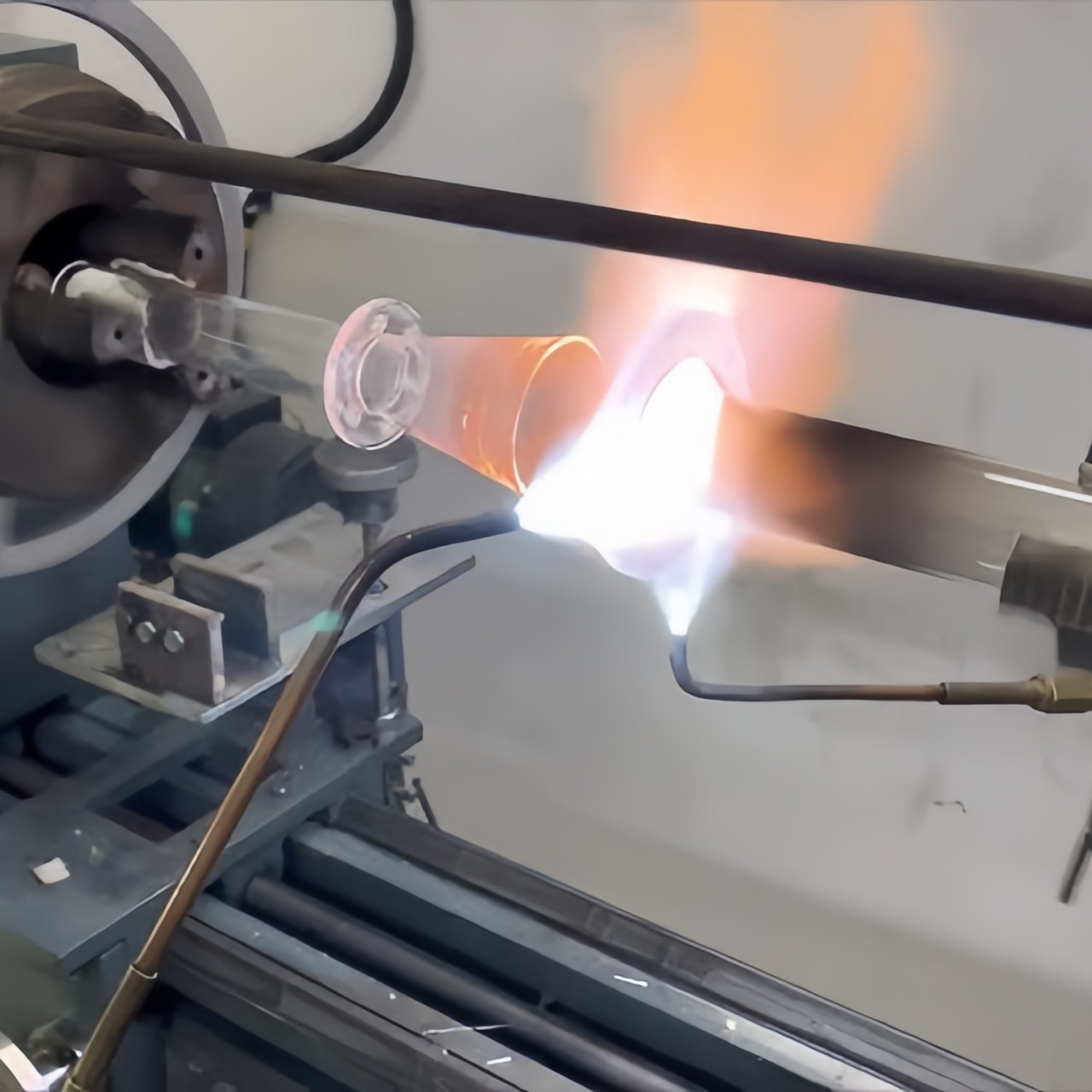
| Key Design & Fabrication Note | High-Temperature Processing Machining (cutting, drilling) requires diamond tools. Final high-temperature flame | Machining (cutting, drilling) requires diamond tools. Final high-temperature flame polishing or annealing (>1100°C) is often necessary to achieve optical surfaces and relieve stress. |
Surface Finishing & Secondary Processing
We enhance Quartz Glass through specialized surface treatments. Our capabilities include screen printing for branding, coating (sputtering) for functional properties, sandblasting and acid etching for texture, along with precision polishing, CNC engraving, and durable painting/enameling. These processes customize glass for aesthetic, privacy, or performance needs in architectural, industrial, and consumer applications.
Screen Printing
Applies decorative patterns, logos, or functional borders using ink fired onto the glass for permanence and color.
Coating (e.g., Sputtering)
Sandblasting
Polishing / Grinding
CNC Engraving
Painting / Enameling
Applies ceramic-based paint onto the surface, which is then fired at high temperature to fuse into a durable, colored coating.
Quartz Glass: Advantages & Key Considerations
Quartz glass offers unparalleled thermal stability, optical clarity from UV to IR, and exceptional chemical purity. Key considerations include high material cost, processing complexity, and inherent brittleness, which must be evaluated for demanding applications.
Benefits
Extreme Thermal Stability & Shock Resistance: Possesses an exceptionally low coefficient of thermal expansion (CTE ~0.55 x 10⁻⁶/K) and a very high softening point (~1680°C), enabling it to withstand rapid temperature changes and operate continuously in environments above 1000°C where other materials fail.
Superior Optical Clarity Across Broad Spectrum: Offers excellent transmission from deep ultraviolet (UV) to near infrared (IR) wavelengths, making it the material of choice for precision optics, UV lighting, and laser applications where standard glasses are opaque.
Outstanding Chemical Purity & Inertness: With a composition of >99.9% SiO₂ and minimal metallic impurities, it is highly resistant to water and most acids, preventing contamination and ensuring long-term stability in corrosive or ultra-clean environments.
Excellent Electrical Insulation at High Temperatures: Maintains high volume resistivity even at elevated temperatures, making it a reliable insulator for semiconductor processing, high-temperature sensors, and electrical furnaces.
High Dimensional Stability: Its near-zero thermal expansion ensures that components maintain their precise shape and tolerances across wide temperature ranges, critical for metrology, space optics, and precision instruments.
Design Flexibility for Demanding Shapes: Can be fabricated into complex custom components, including transparent parts for viewports, crucibles, and intricate optical elements, though it requires specialized machining and finishing processes.
Low Thermal Conductivity: Provides good thermal insulation in high-temperature applications, helping to protect surrounding components from extreme heat.
Long-Term Reliability & Durability: Resists devitrification (crystallization) and maintains its properties over time under harsh conditions, ensuring consistent performance and reducing failure rates in critical applications.
Key Limitations to Consider
High Material Cost: The raw material and manufacturing process for high-purity quartz glass are significantly more expensive than for borosilicate or soda-lime glass.
Processing Difficulty and Cost: Machining (cutting, drilling) requires specialized diamond tools and is time-consuming. Achieving optical-quality surfaces often necessitates high-temperature flame polishing or annealing (>1100°C), adding complexity and expense.
Brittleness and Handling Sensitivity: Like all glasses, it is inherently brittle and can be prone to chipping or cracking if not handled with extreme care, especially after machining and before final polishing.
Limited Size and Thickness Availability: Producing very large, thick, or complex monolithic pieces is challenging and costly due to material and processing constraints, compared to standard float glass.
Challenging Secondary Processing: Bonding, sealing, or fusing quartz glass to other materials (like metals or different glasses) is difficult due to its extremely low thermal expansion, often requiring specialized techniques and materials.
Potential for Devitrification: If exposed to high temperatures for prolonged periods in certain conditions, it can undergo devitrification (crystallization), forming cristobalite on the surface, which degrades its thermal and optical properties.
Susceptibility to Specific Chemicals: While highly resistant to most acids, it is severely attacked by hydrofluoric acid (HF) and hot phosphoric acid, limiting its use in some chemical processes.
Heavier than Some Alternatives: While its purity is high, its density is not the lowest. For extreme lightweight optical applications, materials like fused silica with engineered voids or other specialty glasses might be considered.
High Melting Point Limiting Forming Options: Its very high softening point makes it unsuitable for many conventional glass-forming techniques, restricting some design geometr
Quartz Glass Solutions for Extreme Applications
Our quartz glass components serve critical roles in semiconductor fabrication, precision optics, laboratory equipment, and high-temperature lighting. This material is chosen for its unmatched purity, thermal stability, optical clarity, and chemical resistance in demanding environments.
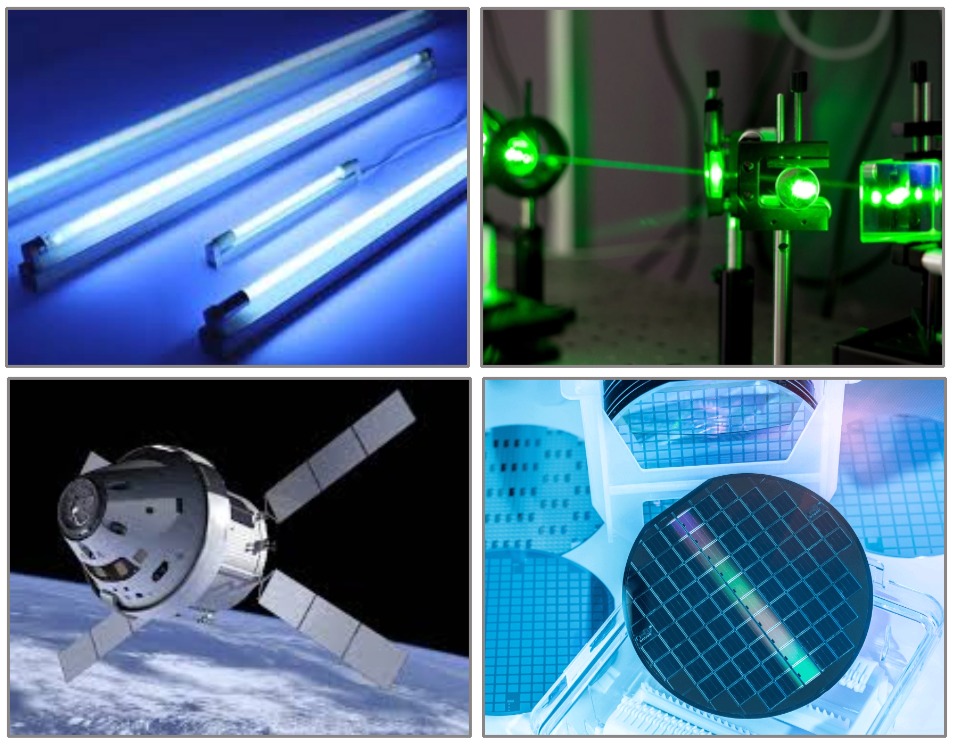
Description: Quartz glass is indispensable in semiconductor manufacturing due to its extreme purity, high-temperature resistance, and excellent dielectric properties. It is used for critical components such as diffusion furnace tubes, wafer carriers (boats), crucibles for silicon melting, and optical components in photolithography equipment, where it prevents contamination and withstands aggressive thermal and chemical processes.
2. High-Precision Optics & Photonics
Description: Its superior optical clarity across a broad spectrum (from deep UV to near IR) and exceptional homogeneity make it the premier material for laser optics, UV and IR lenses, mirrors, windows for space telescopes, and substrates for optical coatings. It enables high-performance optical systems where standard glass would fail.
3. Laboratory & High-Temperature Process Equipment
Description: In scientific and industrial settings, quartz glass is used for laboratoryware (e.g., crucibles, tubes), sight glasses for high-temperature reactors, and thermocouple protection sheaths. Its chemical inertness allows it to handle highly corrosive materials, while its thermal shock resistance is vital for processes involving rapid heating and cooling.
4. High-Intensity & Specialty Lighting
Description: It serves as the envelope material for high-intensity discharge (HID) lamps, UV sterilization lamps, and halogen heater elements. Its ability to transmit UV light efficiently and withstand the extreme operating temperatures of these light sources is unmatched by other glasses.
5. Aerospace, Defense & Sensing
Description: Quartz glass is used in radar and satellite communication windows, UV/IR sensor optics, and thermal protection viewports due to its stability under extreme environmental conditions, low thermal expansion, and ability to protect sensitive instrumentation while maintaining signal clarity.
More resources for Precision Glass Pressing
FAQ: Quartz Glass (Fused Silica) for Development & Design
What is quartz glass, and how does it differ from regular borosilicate glass?
Quartz glass (fused silica) is a high-performance material composed of over 99.9% pure silicon dioxide (SiO₂). Its key differences are an extremely low thermal expansion (CTE ~0.55×10⁻⁶/K), a much higher softening point (~1680°C), and superior optical transmission from UV to IR wavelengths, making it suitable for far more demanding applications than borosilicate.
What are the primary advantages that justify its higher cost?
Its cost is justified by unmatched properties: extreme thermal shock resistance for rapid temperature cycling, high optical clarity across a broad spectrum, exceptional chemical purity and inertness, and the ability to operate continuously above 1000°C. These are critical for semiconductor, optical, and high-temperature applications.
Can quartz glass be machined into complex custom shapes? What are the challenges?
Yes, it can be CNC machined into complex components. However, machining is difficult and costly, requiring specialized diamond tools. Achieving optical-quality surfaces or relieving machining stress often requires subsequent high-temperature flame polishing or annealing (>1100°C), adding steps and cost.
Is it compatible with thermal tempering like other glasses?
No. Due to its very low thermal expansion, quartz glass cannot be thermally tempered for strengthening via the standard process used for soda-lime or borosilicate glass. Its strength comes from its inherent material properties and pristine surface finish.
Why might there be color inconsistency (slight yellows or blues) between different batches or panels?
Minor variations in the ultra-low iron and trace element chemistry can cause subtle tonal shifts. For projects requiring absolute color uniformity (like a large facade), source all glass from a single production batch (batch coding) and conduct a visual pre-assembly check.
What are its main limitations or weaknesses in design?
Key limitations include high material and processing cost, inherent brittleness requiring careful handling, difficulty in sealing or bonding to other materials due to CTE mismatch, and susceptibility to devitrification (surface crystallization) if exposed to high temperatures in certain conditions for prolonged periods.
In which applications is quartz glass the mandatory or best choice?
It is essential for: Semiconductor fabrication (furnace tubes, wafer carriers), Deep UV and IR optics (lenses, laser components), High-intensity lighting (UV lamp envelopes), and High-temperature viewports/equipment (sight glasses, reactor linings) where no other material performs adequately.
How does its optical performance compare, especially in UV applications?
It is the benchmark material for UV transmission. Unlike most glasses that absorb UV light, high-purity fused quartz offers excellent transparency down to 170 nm, making it irreplaceable for UV lithography, sterilization, and spectroscopic applications.
What drives the lead time and cost for custom quartz components?
Cost is driven by material grade (optical vs. technical), part complexity, and required surface finish (e.g., optical polish). Lead time is influenced by machining complexity and the need for post-process annealing or polishing. Prototypes are feasible, but full production requires detailed planning.
Can it be joined or fused to other materials?
Joining is challenging. It can be fusion-welded to itself in a high-temperature flame. However, creating durable seals with metals or different glasses requires specialized techniques using graded seals or compatible adhesives due to its vastly different thermal expansion.
What quality control measures are critical for quartz parts?
What are the advantages of quartz glass compared to other glasses?
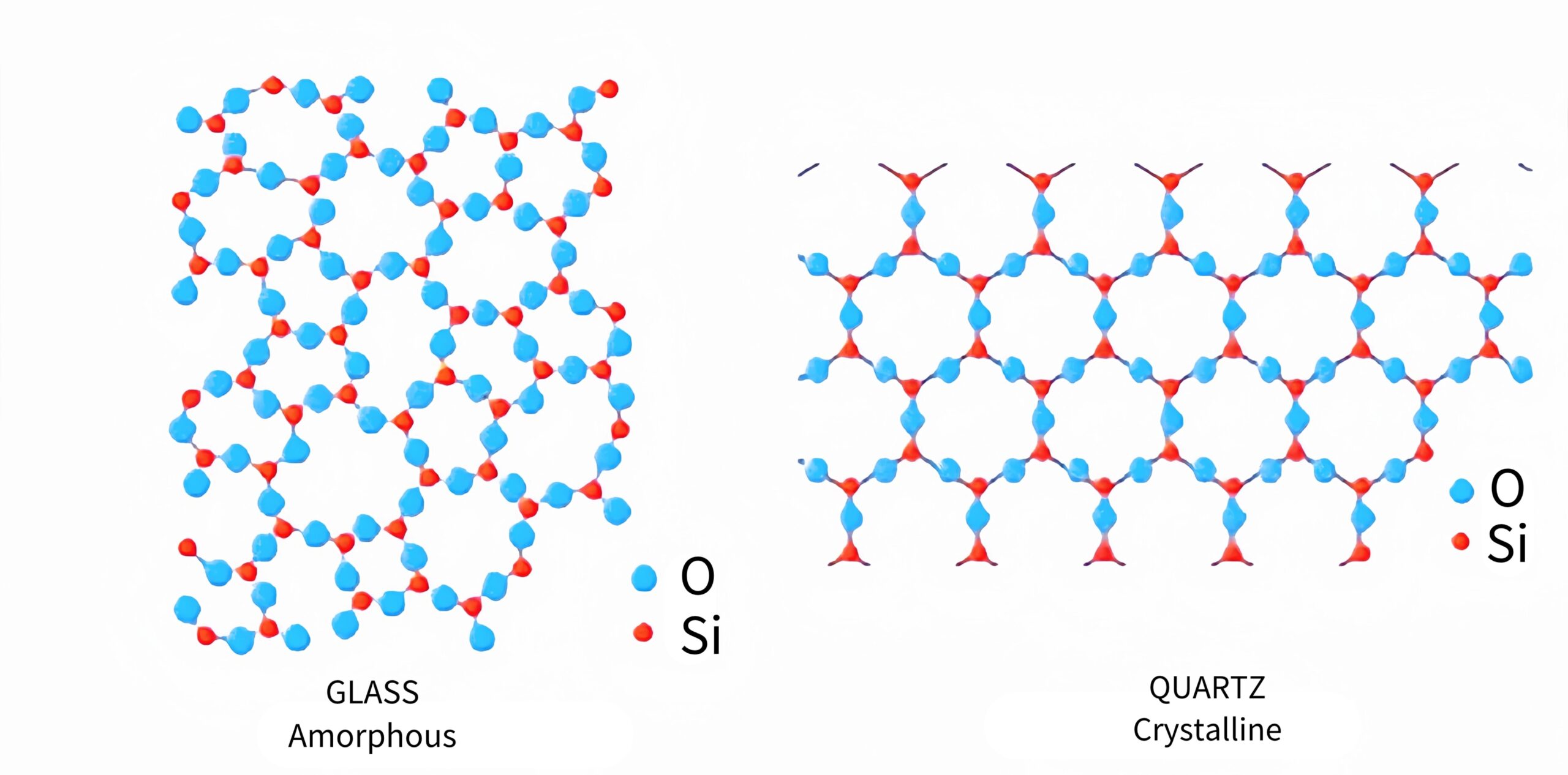
What is the anti-crystallization performance of quartz glass?
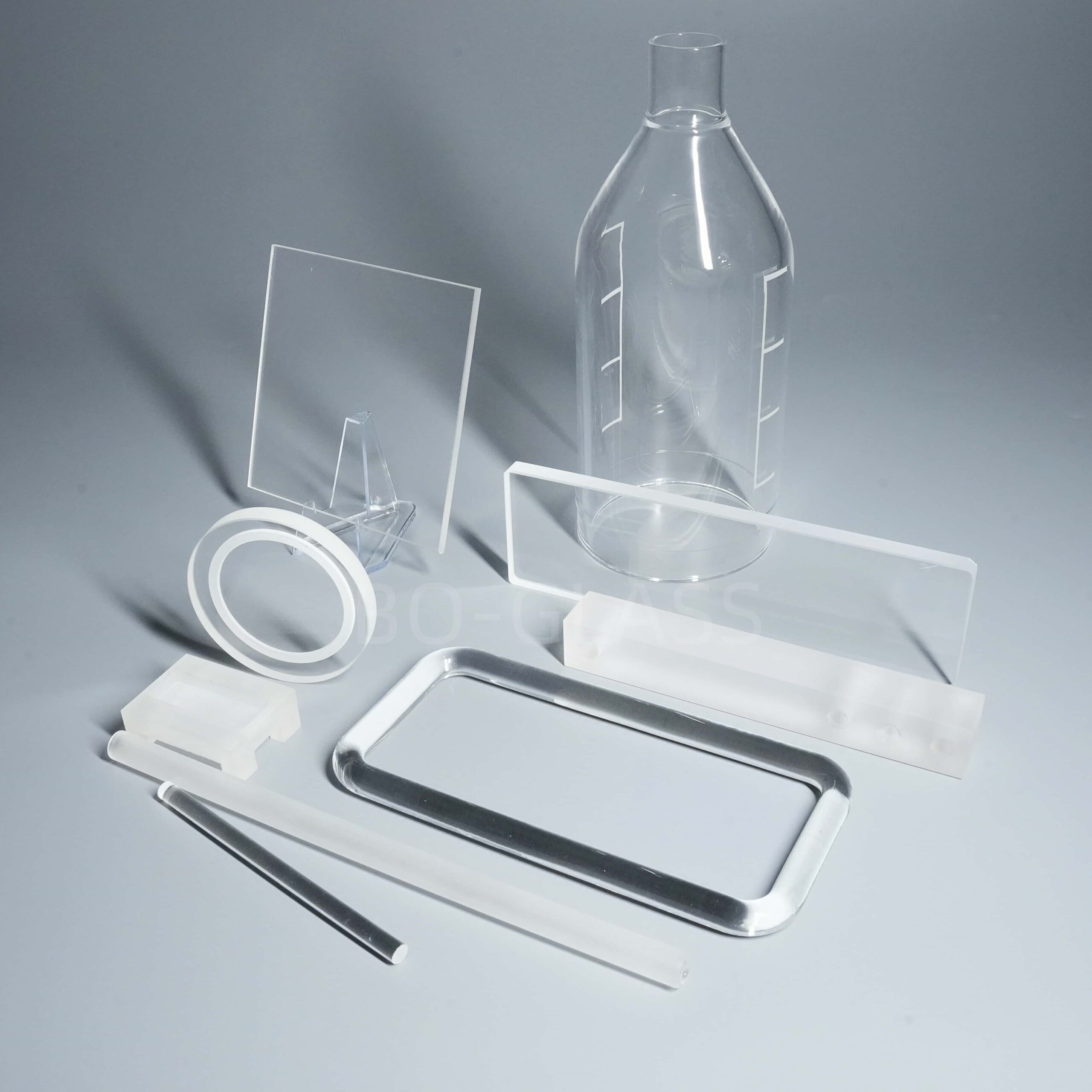
1. The higher the temperature, the faster the crystallization. There is no crystallization below 1000℃. At 1280℃ (in a clean electric furnace), the crystallization rate of the quartz glass surface is 0.01μm/h, and 1400℃ is 9~12μm/h. The crystallization rate of quartz glass reaches its maximum at 1630℃.
2. Surface contamination seriously affects crystallization. For example, impure hydrofluoric acid, insufficient water purity, hand sweat, watermarks, and dust will aggravate crystallization when touched directly by hand. Due to surface contamination, the crystallization temperature can be reduced by 200~300℃, and crystallization begins at 800℃.
3. When using quartz glass, water vapor, chlorine, fluoride, and phosphate in the furnace atmosphere will promote crystallization.
4. The furnace refractory materials using quartz glass contain a large amount of alkali metals and alkaline earth metal components, which will volatilize at high temperatures and cause serious crystallization. The crystallization rate at 1280℃ can be as high as 10μm/h, which is 1000 times higher than normal. In particular, sodium ions have the most serious impact. The author has done such an experiment. The quartz glass sheet is placed in a quartz glass box, and there will be no crystallization at 1400℃. Therefore, the quartz glass annealing furnace uses quartz wool as the furnace refractory material (also a heat preservation material) to maintain the quality of the quartz glass surface.
5. The best fuel gas for the hot processing of quartz glass is hydrogen and oxygen, and it should be filtered and purified.
6. If there is a large amount of hydroxyl in quartz glass, it will reduce the viscosity of quartz glass and aggravate crystallization. Synthetic quartz glass contains 1200×10-6 hydroxyl, its temperature resistance drops by 70℃, and the crystallization performance is poor, but crystallization only occurs on the surface.
7. The bubble surface, white spots, black spots, raw material particles, etc. in the quartz glass will become crystal nuclei, around which crystallization will first occur and accelerate the growth of cristobalite particles.
According to the JC/T597-95 industry standard, the average thickness of the crystallization layer of a quartz tube should be less than 100μm when it is kept at a constant temperature of (1400±5)℃ for 6h to be qualified. The results of the crystallization rate measurement of various quartz glasses at 1400℃ are shown in Table 16-13. The samples are mechanically polished and pickled, and the measurement accuracy is 0.1μm.
| Type | Inner Wall - Max | Inner Wall - Min | Inner Wall - Avg | Inner Wall - Max | Inner Wall - Min | Inner Wall - Avg |
| Gas-refined tube | 49 | 25 | 37 | 64 | 34 | 49 |
| Gas-refined material | 58 | 30 | 44 | 73 | 37 | 55 |
| Japanese tube | 58 | 51 | 54.5 | 64 | 46 | 55 |
| British tube | 41.8 | 41.8 | 41.8 | 39.5 | 39.5 | 39.5 |
| Synthetic quartz | 70.8 | 70.8 | 70.8 | 86.1 | 86.1 | 86.1 |
Why is quartz glass more expensive than soda-lime glass?
High Purity Raw Materials
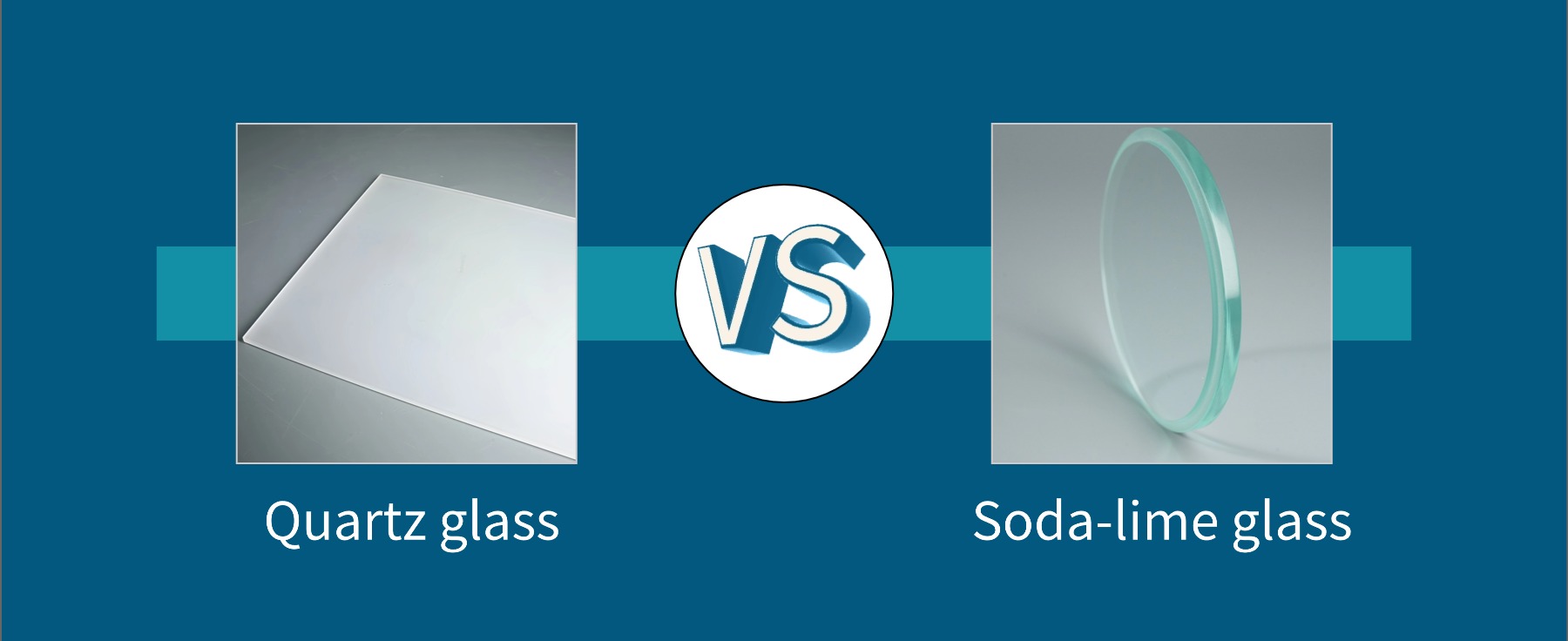
First off, quartz glass demands extremely high-purity silicon dioxide (SiO₂), usually over 99.9% pure. Obtaining and refining raw materials to this level of purity is neither easy nor cheap, which naturally drives up the cost. On the other hand, the materials of soda-lime glass are silicon dioxide (sand), sodium carbonate (soda), and calcium oxide (lime), which are very cheap, making quartz glass more expensive than soda-lime glass.
Complex Manufacturing Process
The production of quartz glass is a completely different world compared to soda-lime glass. Quartz has a very high melting point – around 1700°C – which means you need specialized high-temperature furnaces and a lot of energy to melt it. In contrast, soda-lime glass melts at a lower temperature of around 1500°C, and you only need a basic furnace and minimal energy to melt it. So quartz glass is more expensive in the manufacturing process.
Quartz glass is hard and brittle, so it is difficult to shape and cut. Specialized tools and techniques are required to process quartz glass, which adds a lot of cost and time. Soda-lime glass is easy to shape and process, resulting in low cost. Therefore, quartz glass is more expensive.
What are the characteristics of quartz glass and what is its principle?
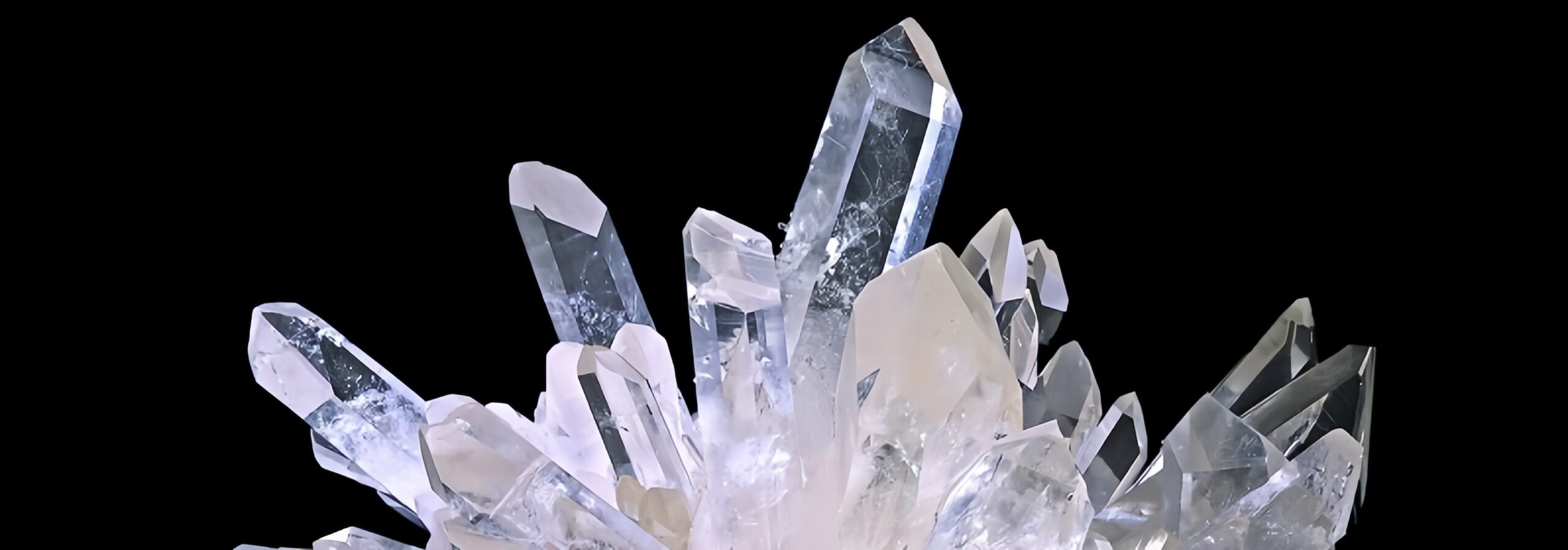
High Purity and Chemical Stability
| Acid Name | Relative Density | Temperature(℃) | Treatment Time(h) | Weight Loss(g/㎡)- | Weight Loss(g/㎡)- |
| Sulfuric acid | 1.84 | 20 | 240 | 0.016 | 0.046 |
| Sulfuric acid | 1.84 | 205 | 24 | 0.06 | 0.13 |
| Nitric acid | 1.4 | 20 | 240 | 0.06 | 0.092 |
| Nitric acid | 1.4 | 115 | 24 | 0.11 | 0.15 |
| Hydrochloric acid | 1.19 | 20 | 240 | 0.18 | 0.33 |
| Hydrochloric acid | 1.19 | 66 | 24 | 0.14 | 0.33 |
| Acetic acid(70%) | 70%(content) | 108 | 24 | 0 | 0.03 |
| Oxalic acid(30%) | 30%(content) | 108 | 24 | 0.05 | 0.15 |
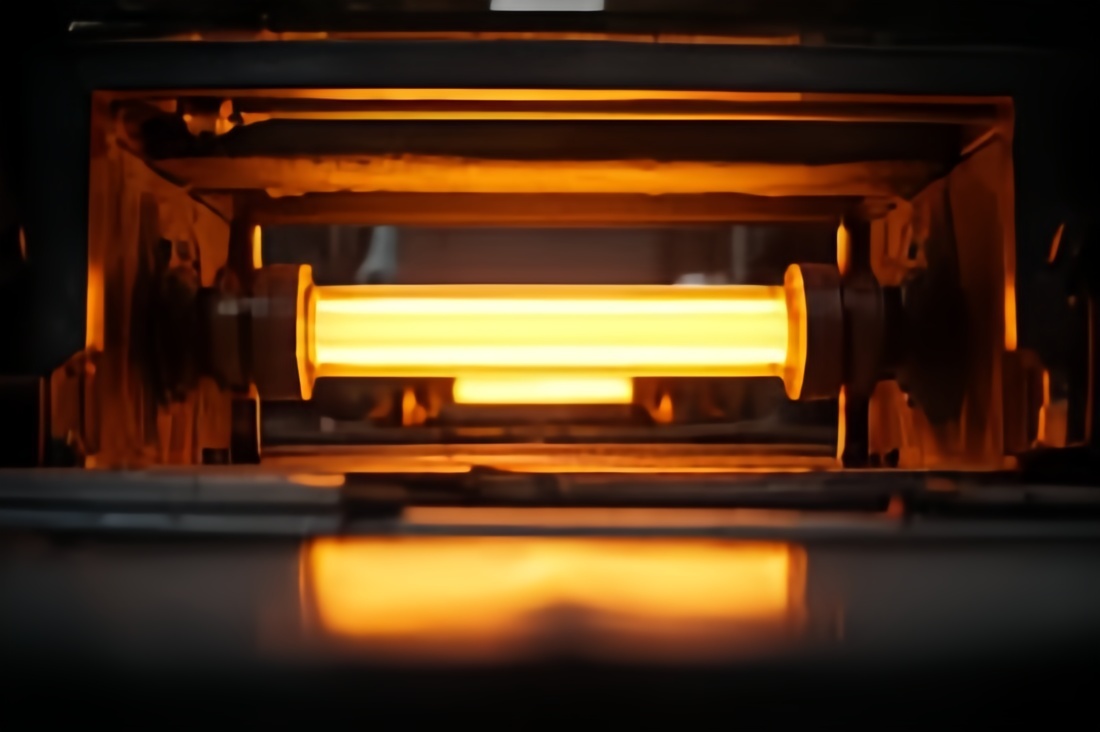
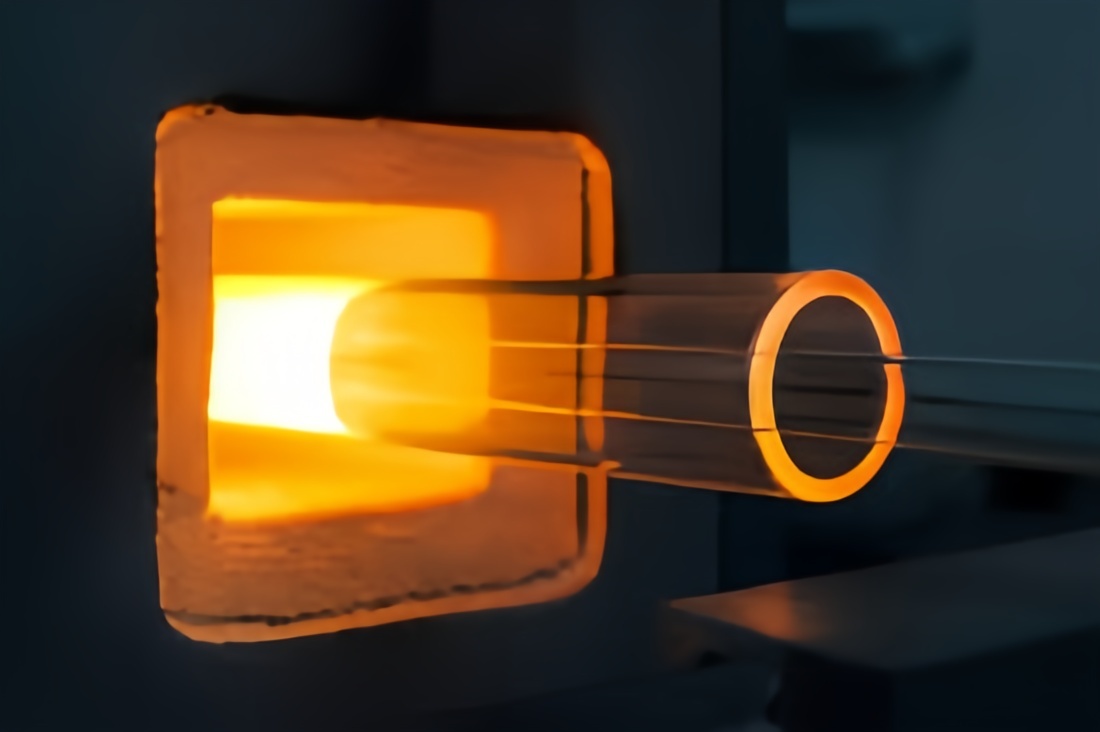
Quartz glass is the strain point at 10¹³-5Pa·s, and the temperature of the electric melting tube at this point is 1122℃. This temperature is kept for 4h, and most of the stress is eliminated; 1012.2Pa·s is the annealing point, and the temperature of the electric melting tube at this point is 1215℃. Maintaining this temperature for 15min will eliminate most of the stress. Quartz glass hot-processed products often have stress, which can be annealed (stress eliminated) at this temperature. The cooling rate of annealing is: products with a thickness of less than 25mm drop by 100℃ per hour.
| Temperature(℃) | lg viscosity/Pa·s | |||
| 510 Crucible (Arc Method)(Points) | 214 Type(Standard) | 219 Type(Ozone-free)(Points) | 254 Type(UV Tube) | |
| Annealing Point(℃) | 1200 | 1215 | 1204 | 1163 |
| Strain Point(℃) | 1100 | 1122 | 1106 | 1066 |
| Temperature range(℃) | Linear expansion coefficient/(×10-7/℃) | Tenperature range/℃ | Linear expansion coefficient/(×10-7/℃) |
| -50~0 | 2.7 | 0~300 | 5.9 |
| 0~100 | 5.1 | 0~600 | 5.4 |
| 0~200 | 5.8 | 0~900 | 4.8 |
Hydroxyl Treatment
(1)Hydroxyl Formation: Hydroxyl groups form in quartz glass during the manufacturing process, depending on the raw material and heating conditions. For example, quartz glass made from SiCl₄ using hydrogen-oxygen flames can contain hydroxyl groups in the range of 1000 – 1400 × 10^-6.
(2)Mechanism of Hydroxyl Removal: Hydroxyl removal occurs through a reversible reaction involving high-temperature water vapor or hydrogen, under conditions of low H₂ and water vapor pressure. When treated under vacuum or dry nitrogen at temperatures between 950°C and 1100°C, hydroxyl groups can be effectively removed.
(3)Hydroxyl Removal Process: The time and conditions for removing hydroxyl groups depend on the type of quartz glass, the thickness, and the processing atmosphere. In reducing atmospheres, the removal process is faster and more efficient.
What are the specific properties of quartz glass?
Mechanical properties
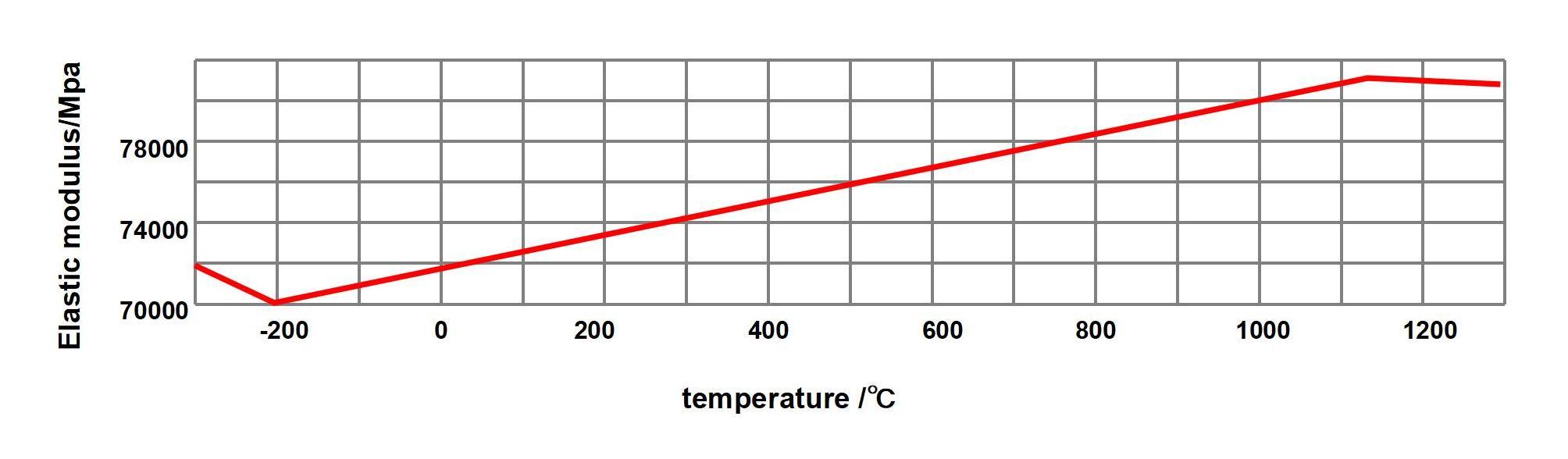
Figure 1-1 Relationship between elastic modulus of quartz glass and temperature
| Property | Transparent Quartz Glass | Synthetic Quartz Glass | Opaque Quartz Glass |
|---|---|---|---|
| Density (g/cm³) | 2.203 | 2.201 | 2.07 - 2.12 |
| Elastic Modulus (MPa) | 7.25×10⁴ | 7×10⁴ | Approx. 500 |
| Poisson's Ratio | 0.17 | 0.17 | Approx. 40 |
| Compressive Strength (MPa) | 1150 | 1150 | Approx. 60 |
| Tensile Strength (MPa) | 50 | 50 | Approx. 67 |
| Flexural Strength (MPa) | 67 | 67 | Approx. 67 |
| Mohs Hardness | 5.5 - 6.5 | 5.5 - 6.5 | 8000 - 9000 |
Table 1-2 Mechanical properties of quartz glass
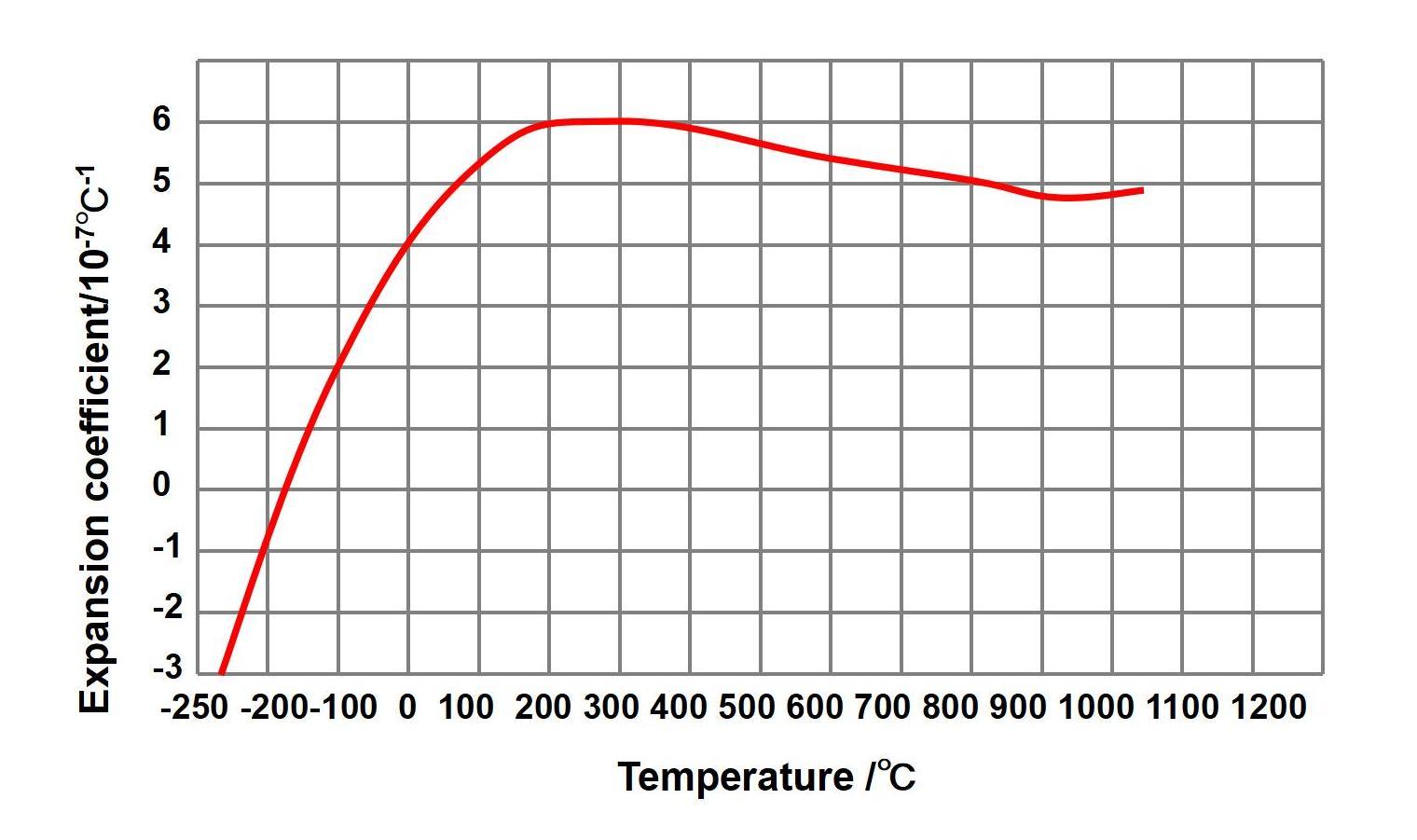
Figure 1-2 Relationship between line shadow coefficient and temperature of quartz glass
Thermal Properties
| Temperature (°C) | Transparent Quartz Glass (W/°C·m) | Opaque Quartz Glass (W/°C·m) |
|---|---|---|
| -253 | 0.10 | - |
| -223 | 0.50 | - |
| 20 | 1.38 | 1.1 |
| 100 | 1.47 | - |
| 200 | 1.55 | 1.5 |
| 300 | 1.67 | - |
| 400 | 1.84 | 1.8 |
| 900 | 2.68 | 2.3 |
| 0-100 | - | 1.4 |
Table 1-3 Relationship between thermal conductivity of quartz glass and temperature
| Temperature (°C) | Quartz Wool Thermal Conductivity (Density 0.04g/cm³) [W/(°C·m)] | Quartz Wool Thermal Conductivity (Density 0.1g/cm³) [W/(°C·m)] |
|---|---|---|
| 50 | 0.044 | 0.047 |
| 100 | 0.057 | 0.056 |
| 200 | 0.091 | 0.074 |
| 300 | 0.135 | 0.098 |
| 400 | 0.188 | 0.125 |
| 500 | 0.247 | 0.156 |
| 600 | 0.316 | 0.189 |
| 700 | 0.397 | 0.227 |
| 800 | 0.488 | 0.273 |
Table 1-4 Relationship between thermal conductivity of quartz glass wool and temperature
The factors that influence the viscosity of quartz glass include temperature, thermal history, hydroxyl content, and impurity levels.
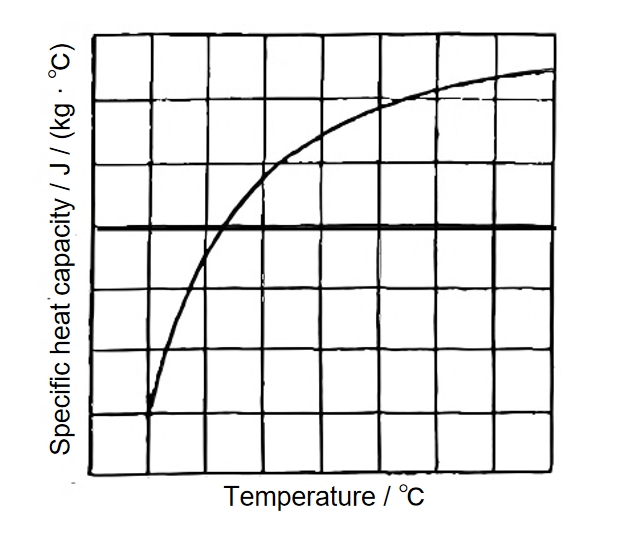
Figure 1-3 Relationship between the average specific heat capacity of quartz glass and temperature
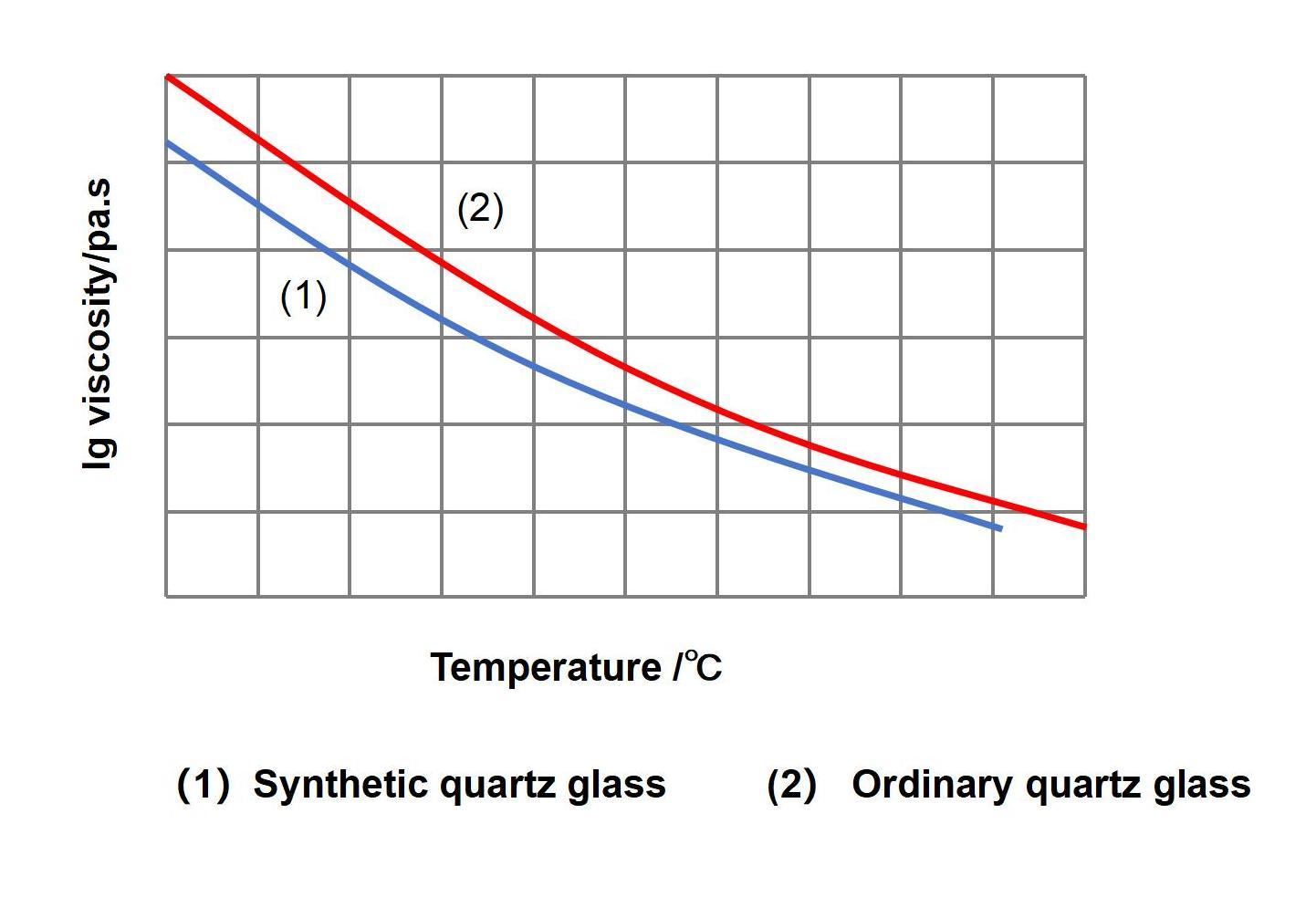
Figure 1-4 Relationship between viscosity and temperature of quartz glass
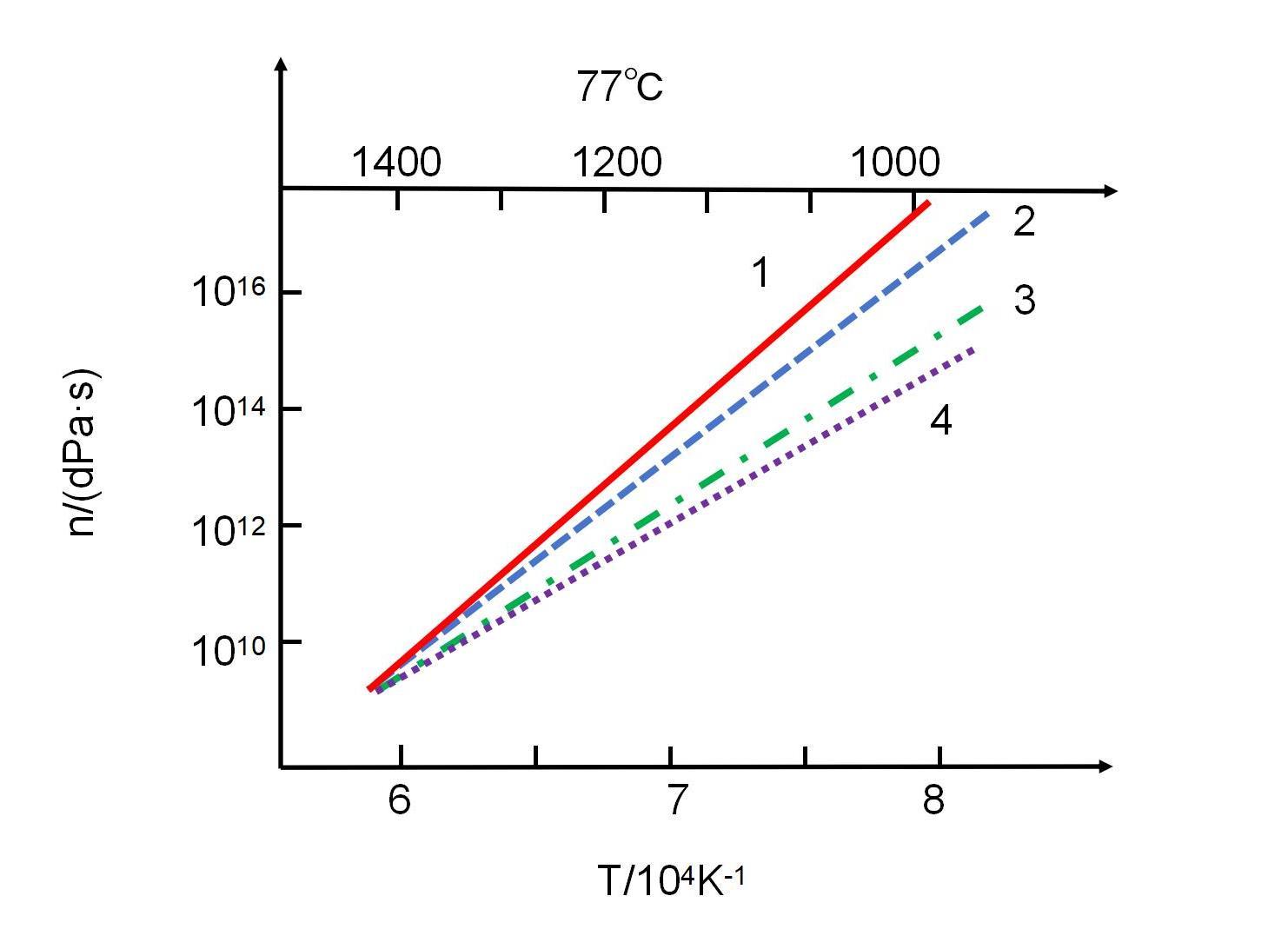
Figure 1-5 Viscosity of quartz glass made by different processes
3-gas quartz glass (hydroxyl content about 400 × 10-), 4-gas phase deposition synthesis quartz glass
(hydroxyl content about 1200 × 10-6)
Annealing Treatment
Mechanism of Thermal Stress Formation
Thermal stress can be categorized into:
- Temporary Stress: This type of stress occurs when the temperature gradient causes a difference in cooling rates between the inner and outer layers of the glass. The outer layer cools faster, creating tensile stress, while the inner layer resists, creating compressive stress. This stress disappears when the temperature gradient is eliminated.
- Permanent Stress: When the temperature gradient disappears but stress remains in the glass, it becomes permanent stress, also known as internal stress. This occurs if the cooling rate is too fast and does not allow stress relaxation.
Annealing Process
Homogenization Process
The diffusion rate of ions in glass depends on the diffusion coefficient (D), the contact area between the diffusing phases (ds), and the concentration difference (ΔC). The diffusion coefficient (D) and the contact area (ds) should be increased to improve the degree of homogenization in glass. The diffusion coefficient (D) is a function of temperature (T) and activation energy (Q).
To increase the diffusion coefficient, the glass temperature must be raised to lower viscosity. However, since quartz glass has a high melting temperature, conventional glass stirring methods cannot be used to enhance the contact area between the phases. Instead, high temperatures and pressure are applied to promote the displacement of particles, increasing the contact area.
Determining Process Parameters
Homogenization Process Flow
Contact Us
Your feedback fuels our growth, and your questions drive our solutions.
We value your feedback, inquiries, and suggestions. Please feel free to get in touch with us
General inquiries
Please contact us via sales@bo-glass.com, and we will reply to you as soon as possible.
Interested to work with us
Drop your resume at info@bo-glass.com
and we will get back to you shortly.
We uses the contact information you provide to us to contact you about our relevent content, products, and services.