
What is Chemical Vapor Deposition?
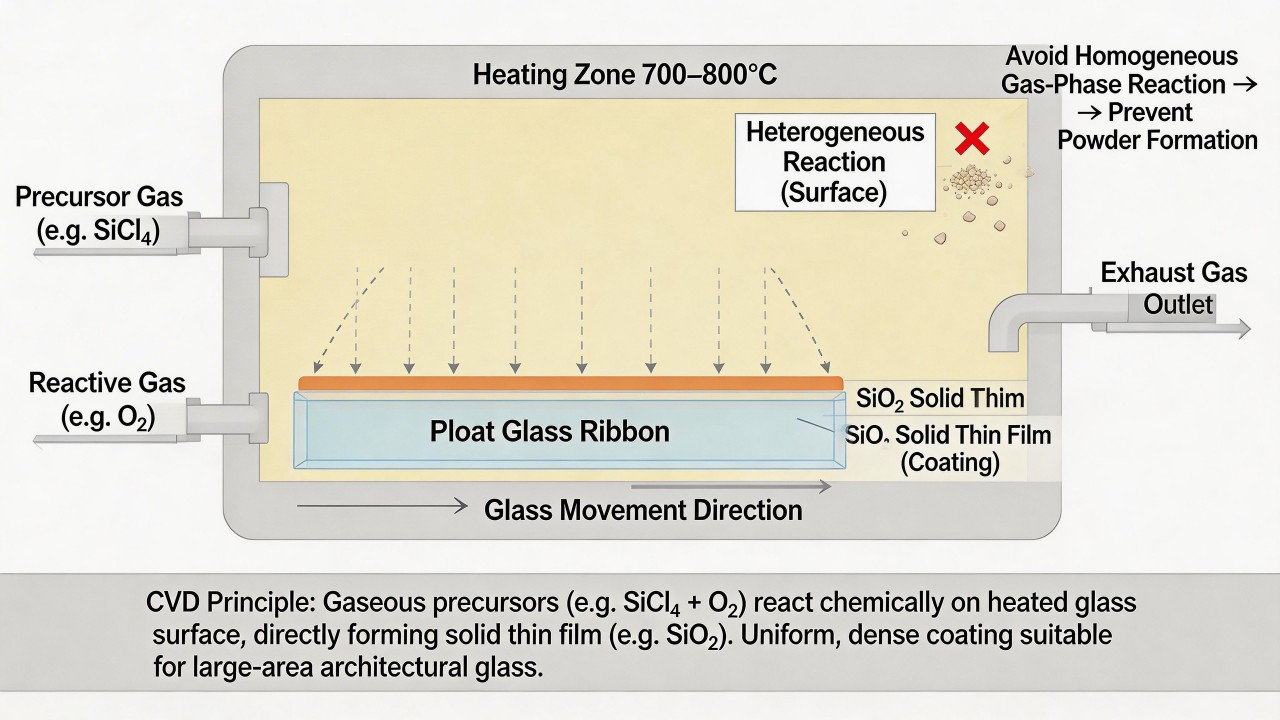
Offline CVD
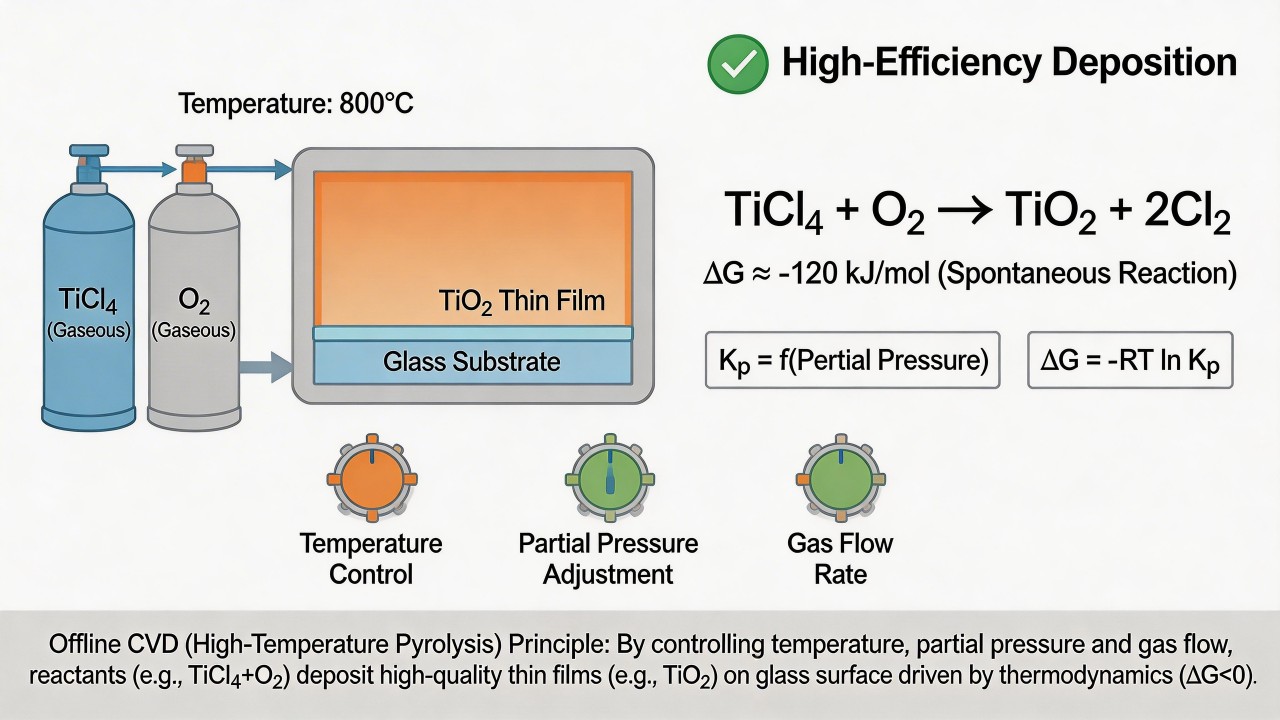
What is the role of high temperature in offline CVD production?
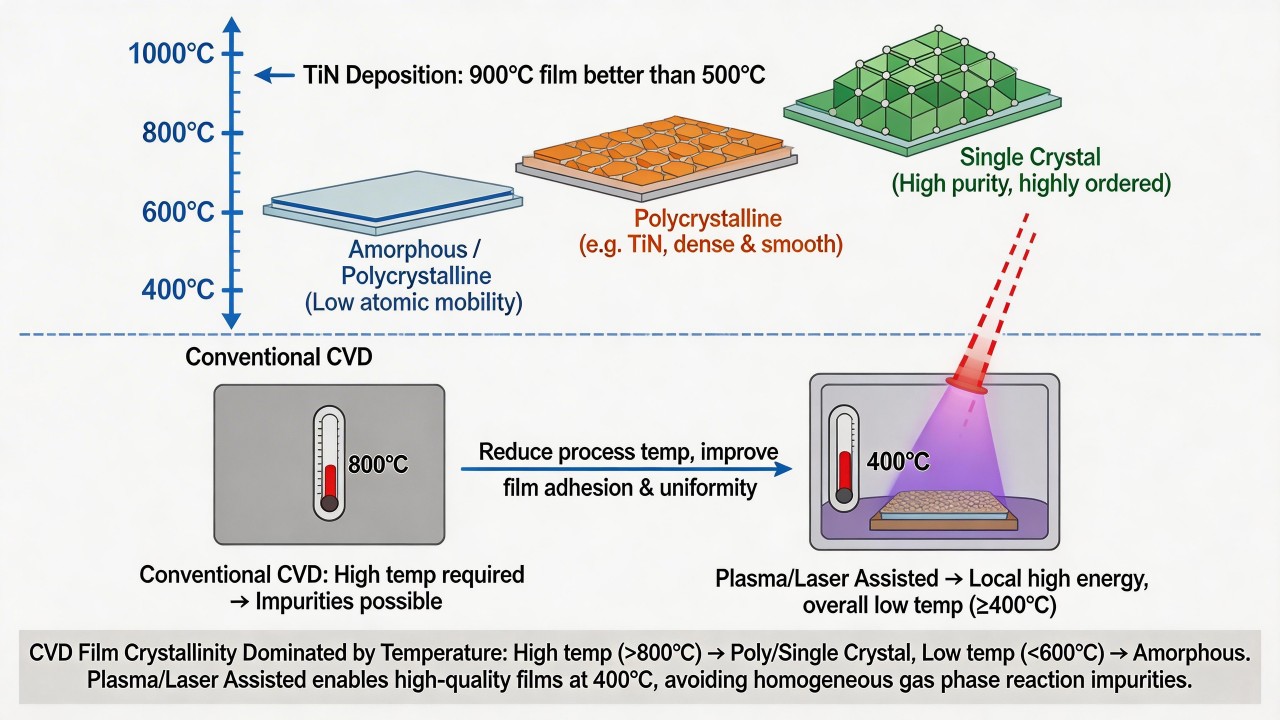
What is the process flow of offline CAD?
The process flow of the offline CVD system is shown in the figure.Gaseous precursors, such as water vapor and titanium tetrachloride (TiCl₄), are pre-mixed with a carrier gas, typically nitrogen, in specific proportions. This mixture is then introduced beneath the coating reaction chamber’s walls. At a controlled temperature near the glass surface, chemical reactions occur, resulting in the formation of solid reaction products that condense on the glass surface as a thin film. By-products of the reaction are expelled through the exhaust system. For instance, in a typical titanium dioxide (TiO₂) coating process, the deposition temperature ranges from 700°C to 800°C, with a gas flow rate of 500–1000 sccm (standard cubic centimeters per minute).
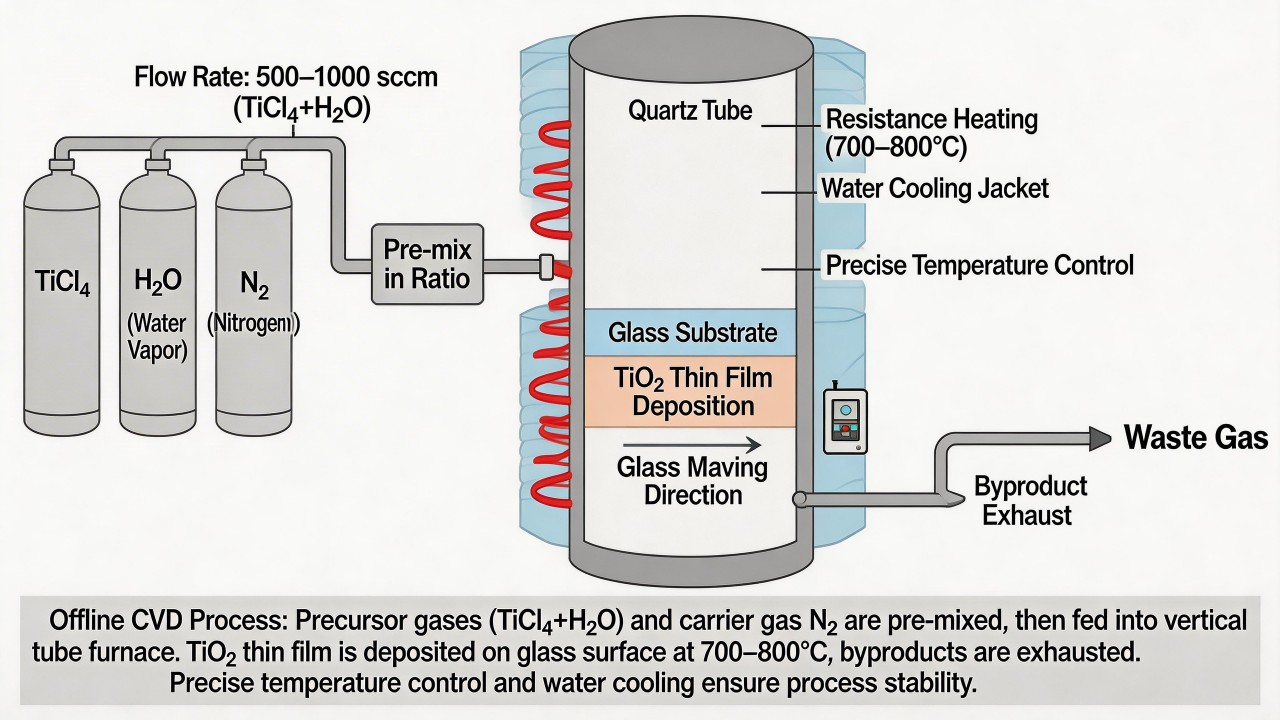
On-Line CVD Method
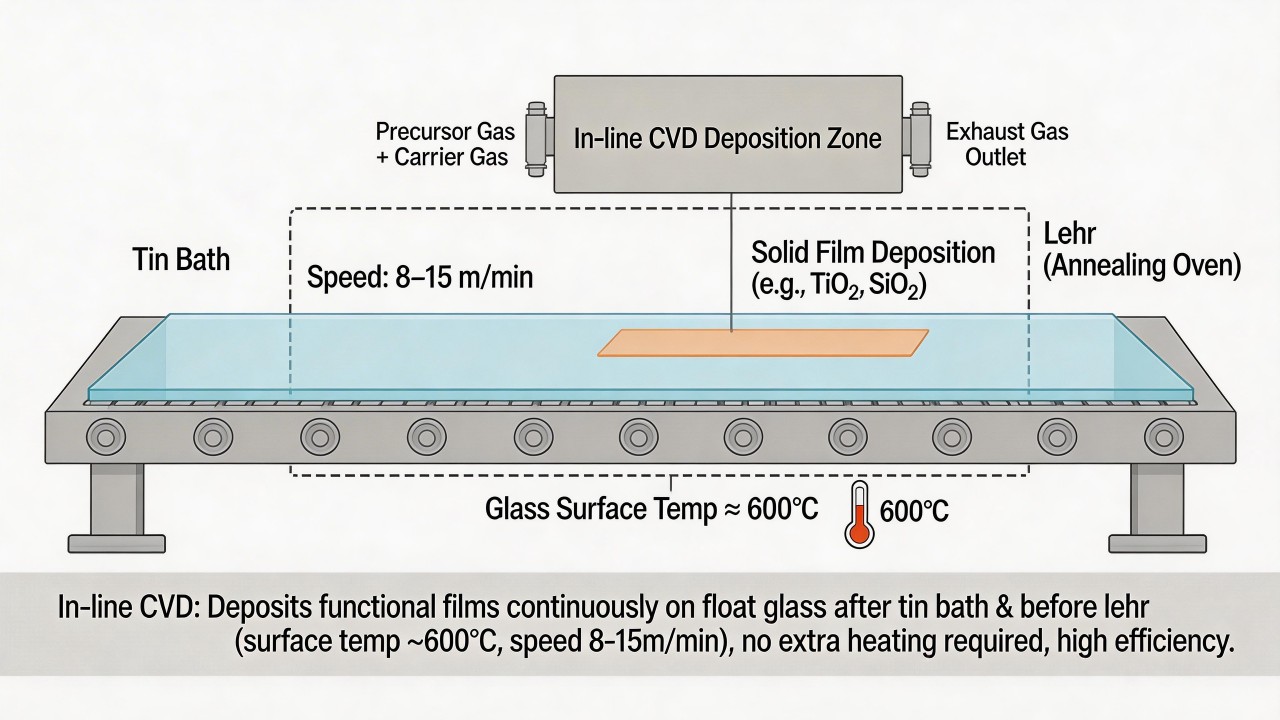
What is the principle of online CVD film formation?
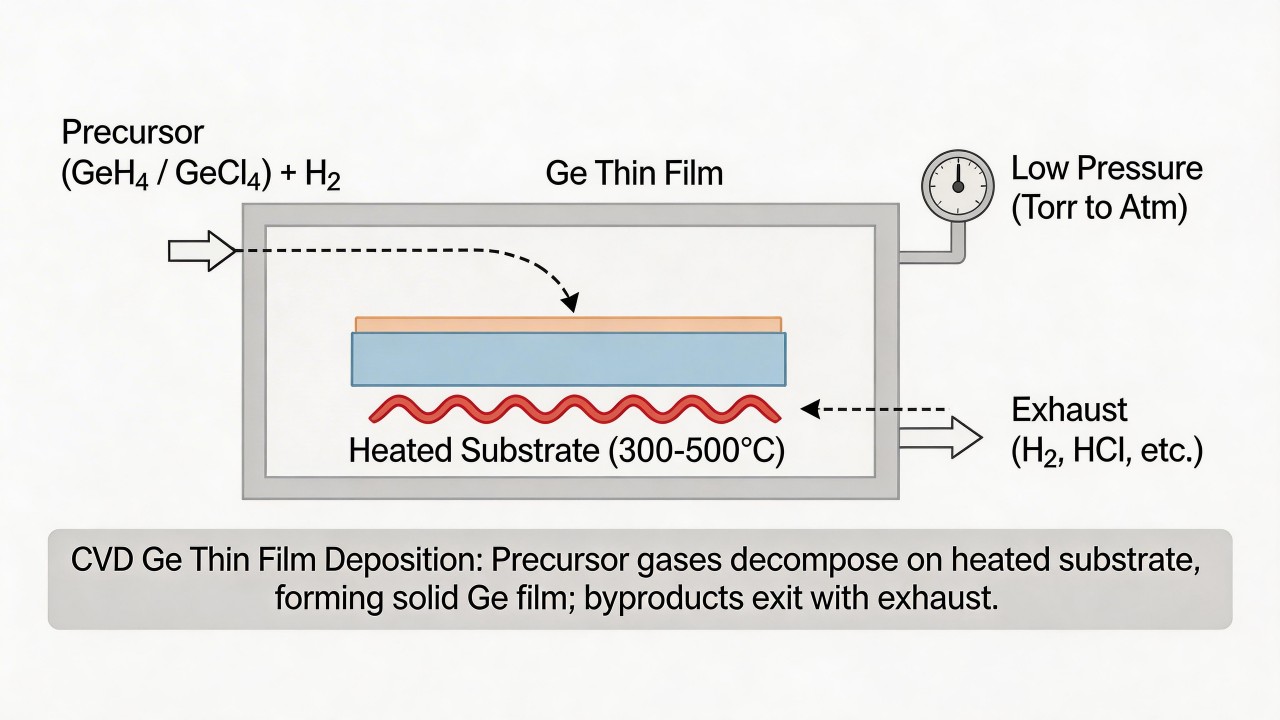
Schematic diagram of the simplified CVD reactor used for deposition of the Ge thin films.
Reactor Types and Characteristics
The cross-sectional schematic of the deposition system is shown in Figure 4-4. The system consists of the following key components:
1. Reaction gas inlet.
2. Carrier gas inlet.
3. Glass surface (substrate).
4. Exhaust system for residual gases.
5. Identical nozzles for uniform gas delivery.
In the system, reaction gases are transported through controlled-temperature pipes using a carrier gas (typically nitrogen) to a deposition apparatus consisting of multiple narrow nozzles. The gas expands in the first chamber of the nozzle and then accelerates through a narrow slit 0.5 mm wide. The reaction gas exits the nozzle in a laminar flow, mixing with the carrier gas only by diffusion.
The optimal distance between the slit nozzle and the glass surface depends on the total gas flow rate. For instance, when the flow rate is 1 m³/h per meter of nozzle length, the ideal distance is 3 mm.
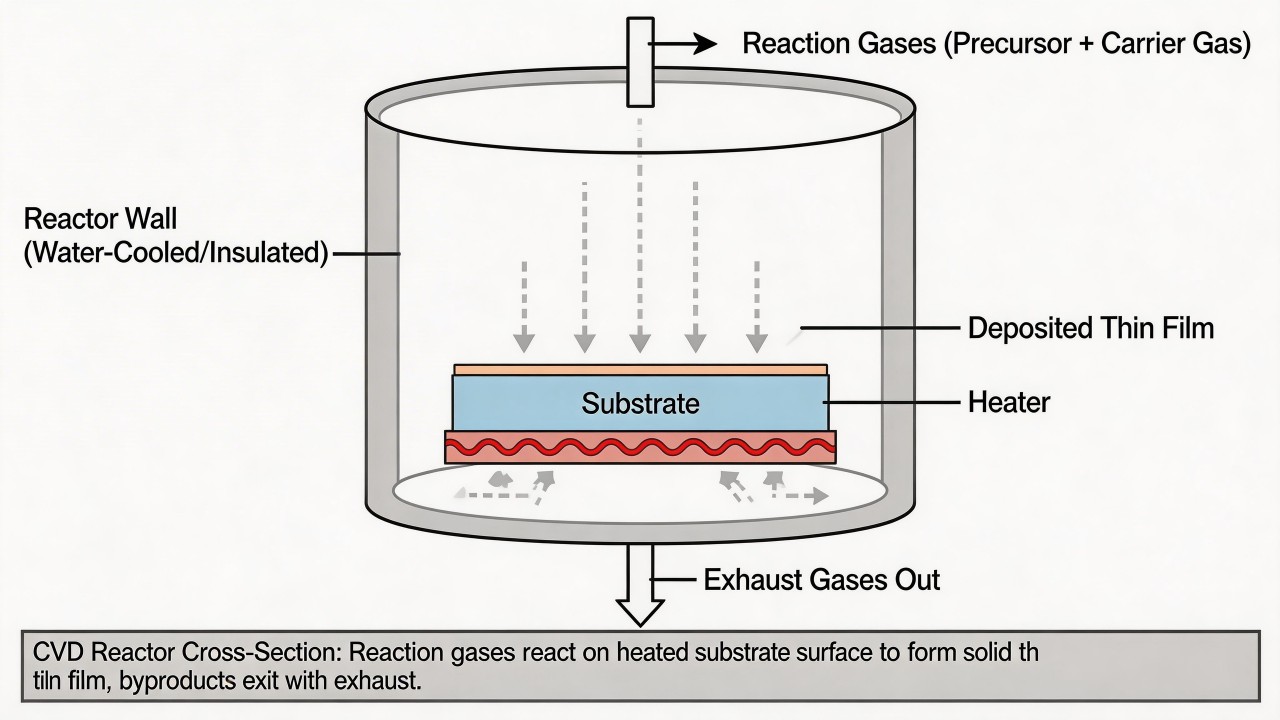
1—reaction gas inlet; 2—carrier gas inlet; 3—glass surface;
4—residual gas exhaust; 5—same nozzle
Reactor Types and Characteristics
- Controlling the flow of reactive and dilution gases through the reactor.
- Heating the substrate (glass surface) to maintain a defined temperature.
Safely exhausting residual gases. For atmospheric-pressure CVD on glass, low-temperature reactors are generally used. Based on gas flow characteristics and design, reactors are categorized into four main types, as illustrated in Figure 4-5:
- Horizontal Tube Flow Reactor: Gas flows horizontally along a tubular reactor, commonly used for thin-film production over large areas.
- Vertical Rotating Bath Reactor: Gas is introduced into a vertically rotating chamber, suitable for intermittent processing.
- Expanded Area Diffusion Reactor: Pre-mixed gases flow through a slotted diffusion plate for continuous deposition over an expanded surface area.
- Layered Flow Nozzle Reactor: Laminar flow nozzles direct gas streams toward the substrate for precise, continuous deposition.
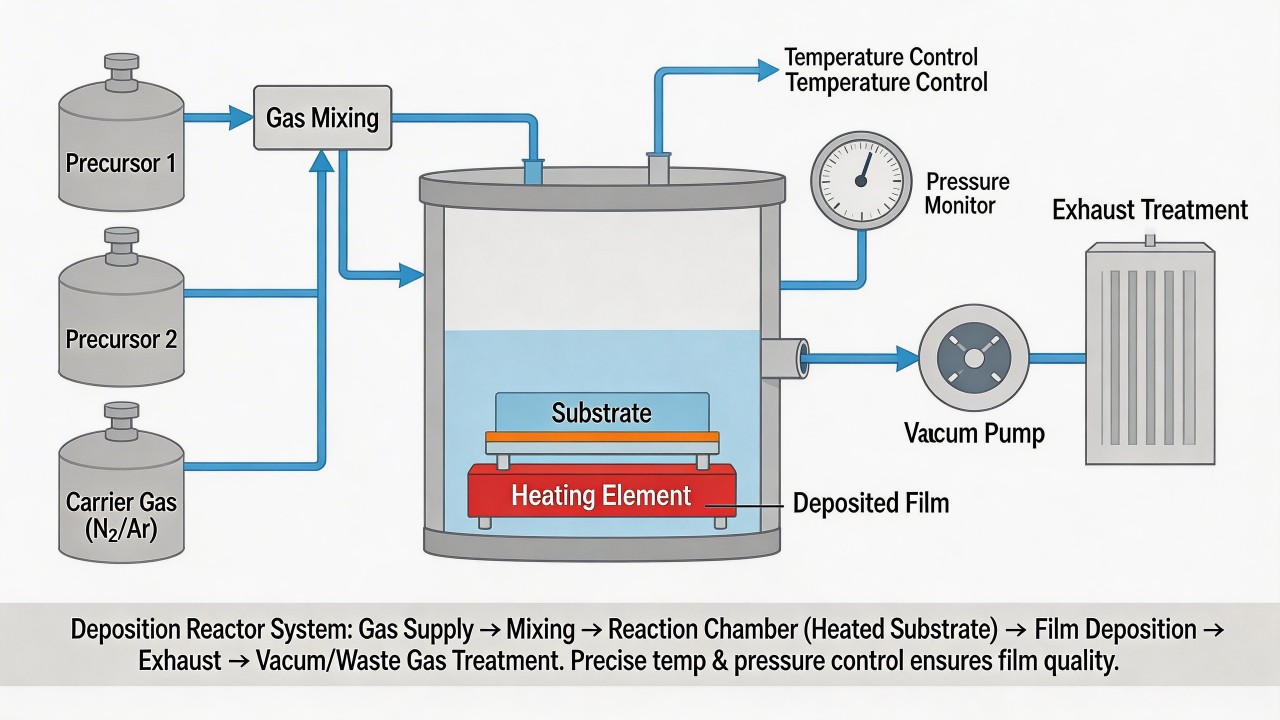
Characteristics and Advantages of On-Line CVD for Coated Glass Production
Factors Affecting Quality
Contact Us
Your feedback fuels our growth, and your questions drive our solutions.
We value your feedback, inquiries, and suggestions. Please feel free to get in touch with us
General inquiries
Please contact us via sales@bo-glass.com, and we will reply to you as soon as possible.
Interested to work with us
Drop your resume at info@bo-glass.com
and we will get back to you shortly.
We uses the contact information you provide to us to contact you about our relevent content, products, and services.