
Outdoor Lighting Glass Optics, Glare and Visual Comfort
Optical performance should connect each measurable glass property to the installed result. Light transmission alone cannot describe LED visibility, surface-luminance uniformity, glare, beam angle, spill light, uplight, CCT shift, or Duv shift. This guide explains how protective cover glass, diffusing finishes, opal body glass, texture, color, and optical glass lenses affect the complete luminaire, and how to define comparable test conditions.
Optical Effects, Glare, and Visual Comfort
- Transmittance method
- ISO 9050 provides a method for light transmittance. Report glass type, thickness, surface treatment and spectral/photometric geometry.
- Product example
- One 3 mm low-iron float product reports 91.1% light transmittance; do not apply that value to frosted, opal, textured or coated parts.
- White-light color
- Measure spectral power distribution and report both CCT and Duv; equal CCT does not guarantee equal perceived tint.
- Haze comparison
- Use one integrating-sphere geometry and distinguish total from regular transmittance. State the method because no single haze limit fits every lighting glass.
How should the target light transmittance of outdoor-lighting glass be specified?
The light transmittance of outdoor lighting glass should be selected based on the purpose of the lighting, installation height, target illumination and visual comfort. Street lights, floodlights, wall washers and solar lights usually pay more attention to high light transmittance to reduce light loss; garden lights, path lights and wall lights cannot only pursue light transmittance, but also consider glare control and light softness.
Higher light transmittance does not necessarily produce a better result. Untreated clear glass can expose high-luminance LED images; opal glass or clear glass with a frosted/acid-etched finish can improve source hiding and uniformity but may reduce useful output. Confirm the trade-off with the assembled luminaire rather than an unlit glass sample.
Engineering decision: Set the target at the system level. Measure the glass to ISO 9050 or the agreed optical method, then measure complete-luminaire output with and without the glass using the same LED, current and thermal state. Report glass type, thickness, surface finish and angle; a material data-sheet value cannot predict losses from texture, frosting, curvature or assembly reflections.
How should the target haze of outdoor-lighting glass be specified?
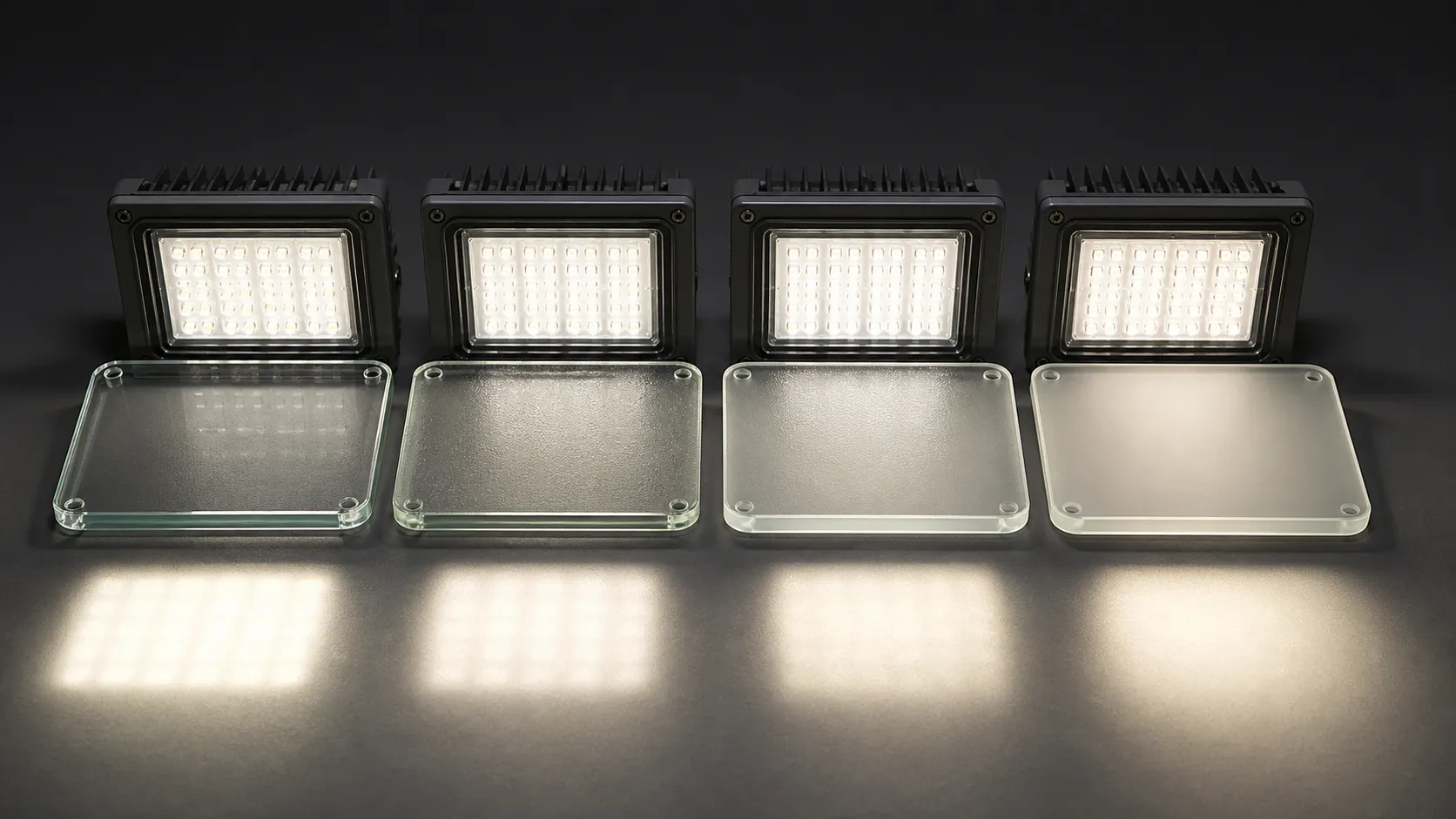
Glass haze determines how much light is diffused. Low haze glass is closer to the transparent effect and is suitable for luminaires that require high brightness, high light efficiency or have internal lens light distribution; medium haze is suitable for most garden lights, wall luminaires and path lights, which can soften LED point light sources while retaining better brightness; high haze glass is more suitable for hiding light sources and creating a uniform luminous surface.
If the haze is too low, it may cause glare, while if the haze is too high, the illumination may be reduced, the beam range may be expanded, or the light may appear dull. Outdoor projects should choose a haze based on viewing distance, installation height, LED arrangement and maintenance requirements, and confirm the nighttime effect by lighting a sample, rather than just looking at the unlit glass appearance.
Engineering decision: Haze is not interchangeable with diffusion quality. Use one integrating-sphere geometry, distinguish total from regular transmittance and record sample thickness and treated side. Approve the haze range together with luminaire output, luminance uniformity, beam spread and glare observations; no universal “medium haze” percentage fits every fixture.
What are the differences in light transmittance requirements for landscape lights, street lights, wall washers and underwater lights?
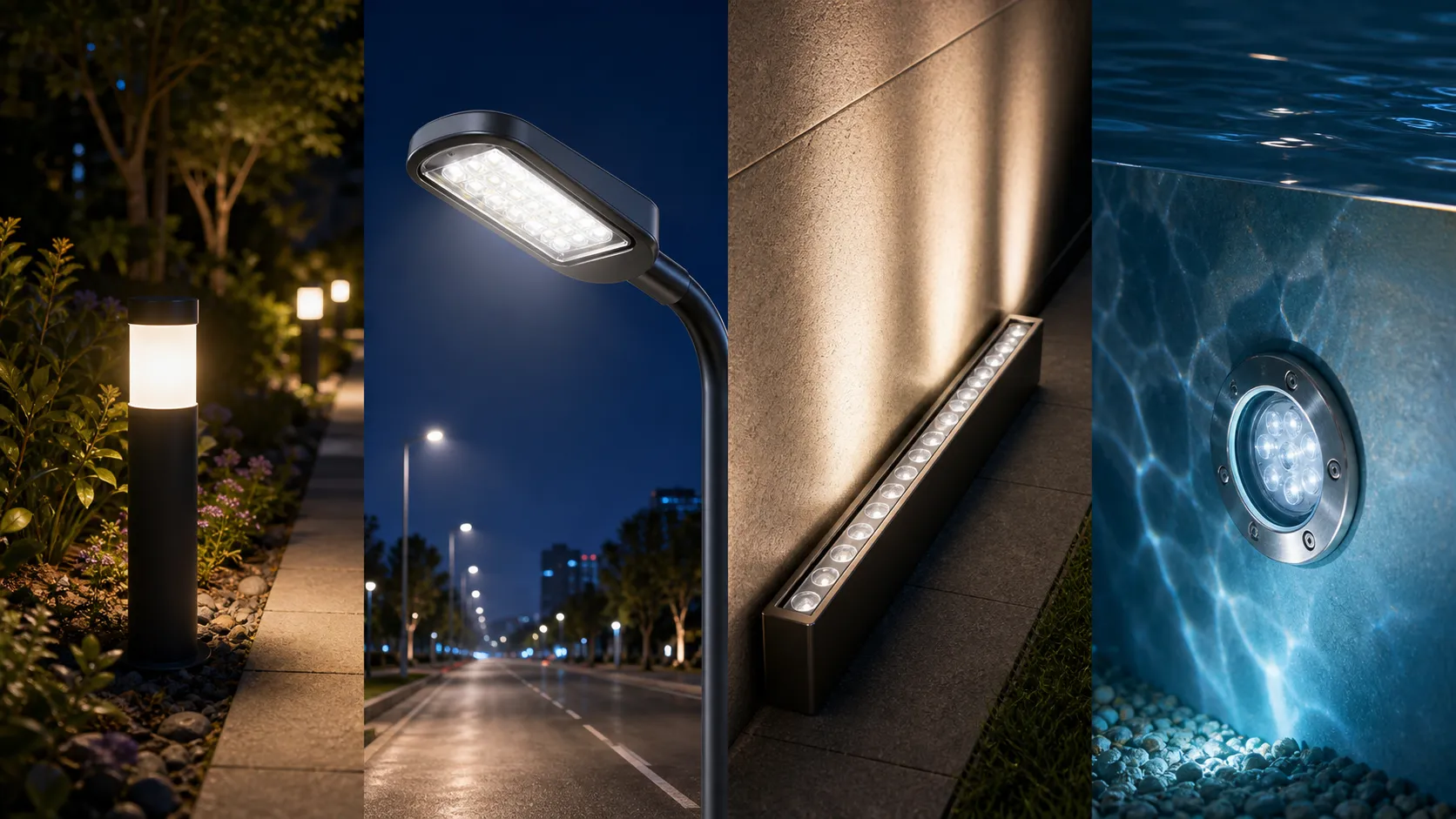
Landscape lights often prioritize visual comfort rather than maximum transmittance. They may use opal shades or clear shades with an internal frosted/acid-etched finish. Street and area lighting places greater emphasis on efficiency and controlled distribution, so the outer protective cover is normally clearer and paired with lenses and cutoff structures.
Wall washers are very sensitive to light transmittance and consistency. If the long protective cover glass has uneven light transmission, it will affect the light spot on the wall. Underwater lights must take into account light transmittance, color performance and long-term underwater sealing. Scale and water quality on the glass surface will also affect the actual light output. The selection of light transmittance of different luminaires should serve the overall optical goal, rather than using a unified standard.
Why can opal glass hide LED point light sources?
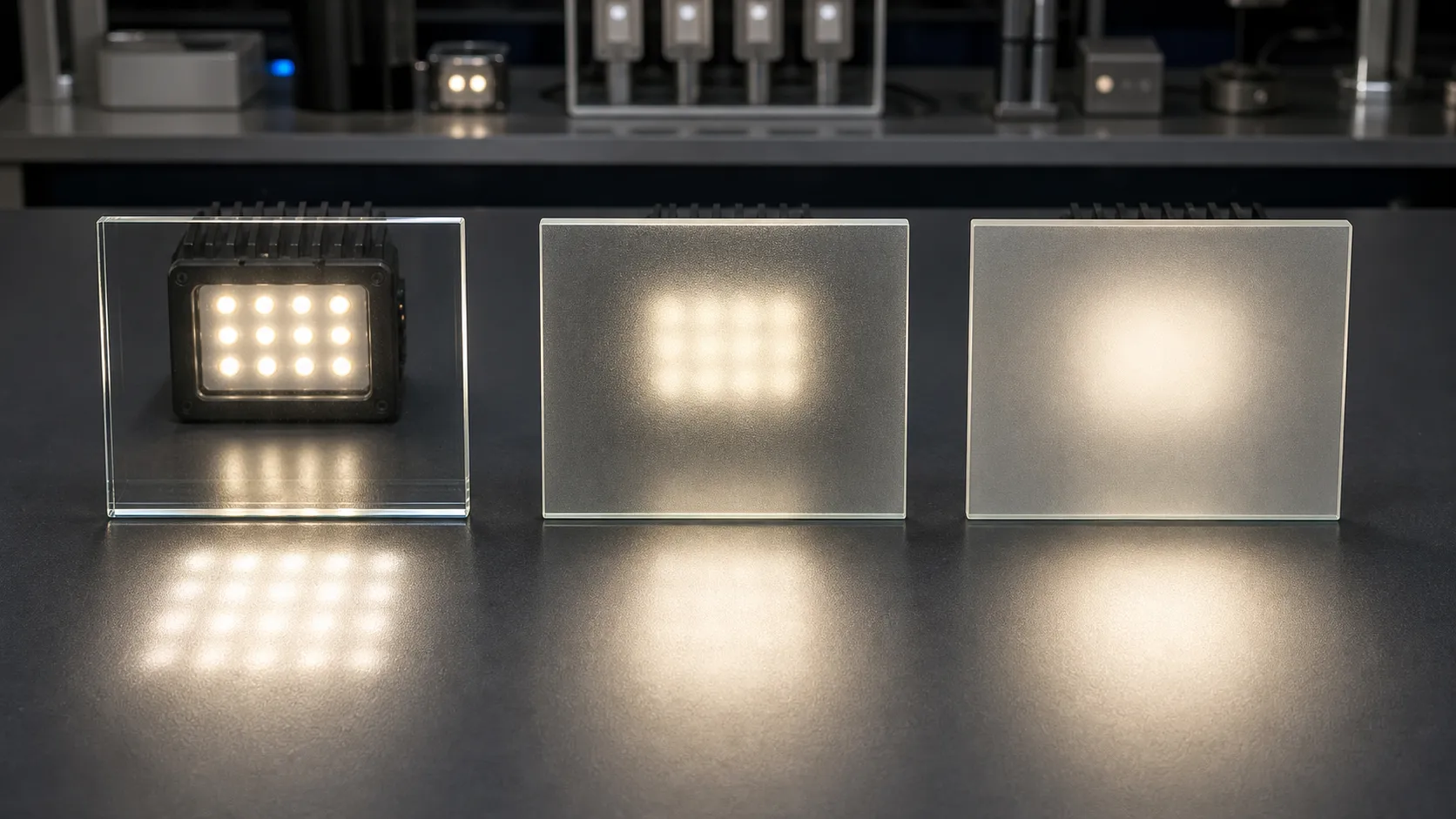
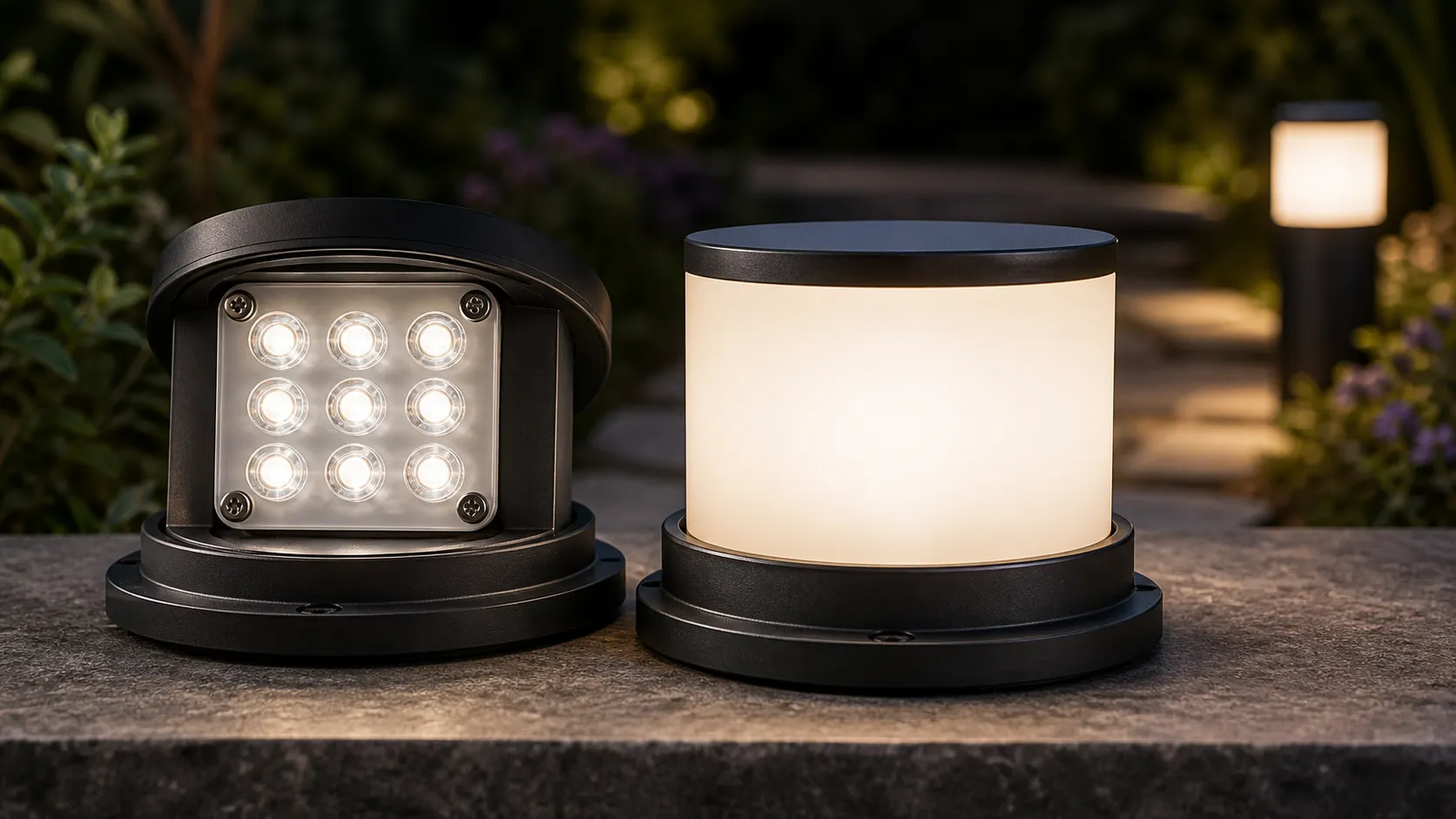
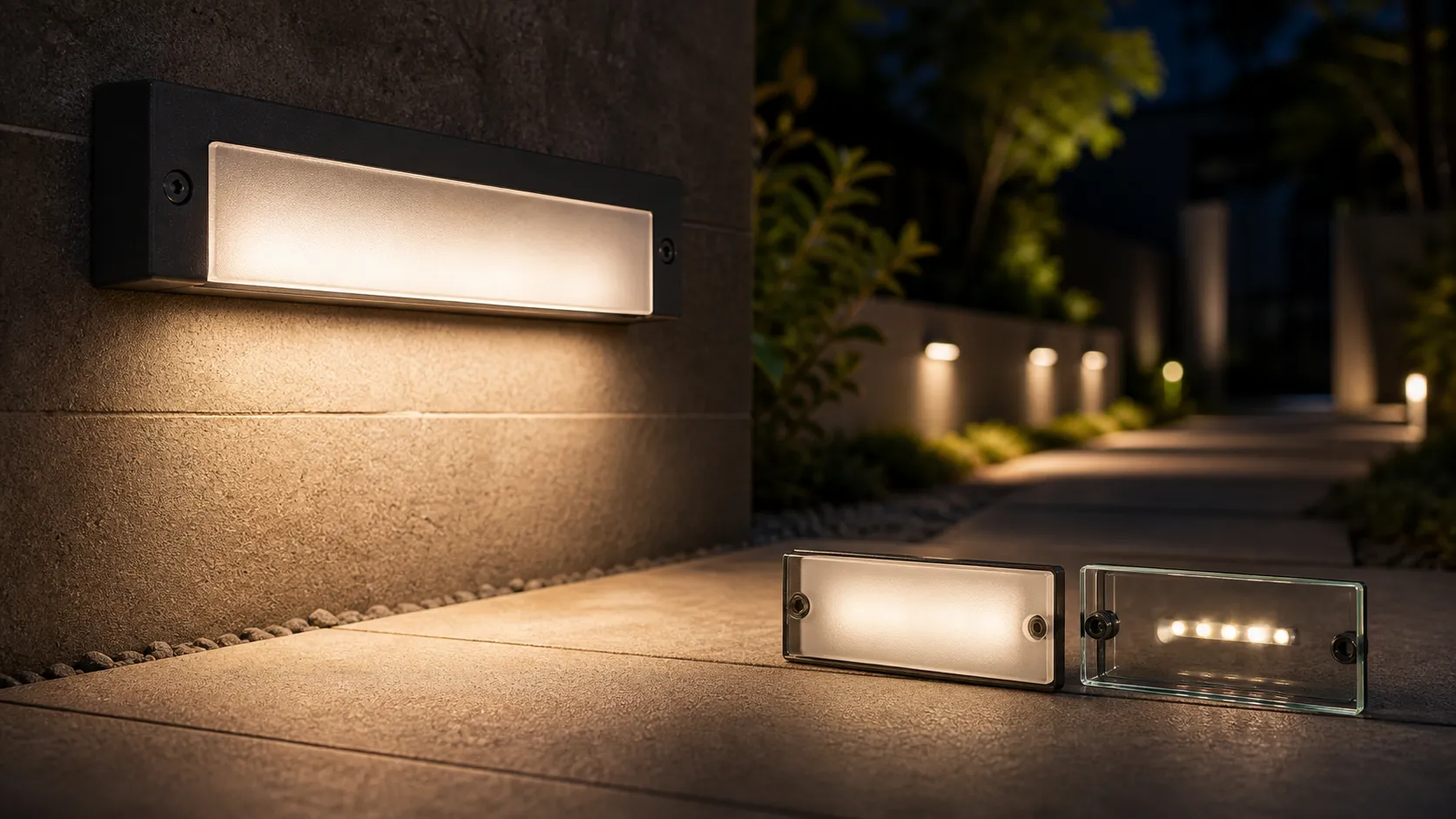
The scattering structure within or on the surface of opal glass transforms the intense point sources produced by LEDs into a larger luminous surface, softening the outlines and hot spots of the LED emitters. For garden lights, bollard lights, wall lights and decorative fixtures, this diffusion creates more uniform light and reduces glare at close viewing distances.
However, the ability of opalescent glass to hide LEDs is usually accompanied by a certain amount of light loss. The higher the degree of opalescence, the lower the light transmittance may be. The degree of opalescence should be selected when designing based on the number of LEDs, distance from the light source to the glass, glass thickness and target brightness. If the space is too small or the LED is too close to the glass, you may still see local bright spots even with opal glass.
How does a frosted or acid-etched finish create soft light and support glare control?
Frosting is a surface-processing effect rather than a glass composition. Sandblasting, acid etching or another controlled surface process changes scattering at the treated interface, softening sharp LED images and localized reflections.
The finish cannot correct a high-luminance source aimed directly at the eye. The luminaire still needs source setback, shielding or beam control. For outdoor products, placing the treated surface inside and retaining a smooth exterior generally reduces dirt retention, water marks and cleaning damage. Specify treated side, process, haze, transmittance and approved appearance range.
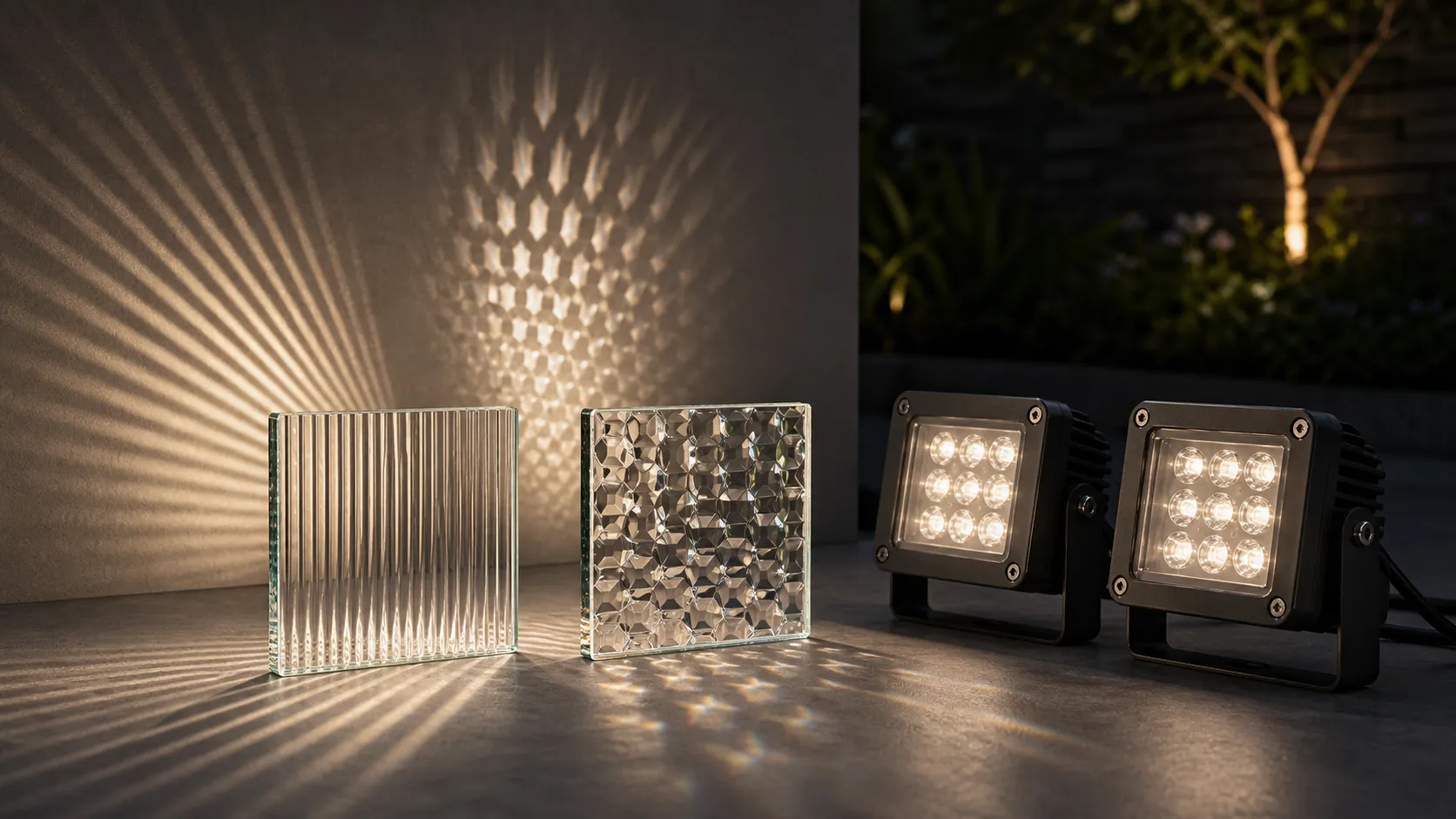
How do striped and patterned glass change the direction of light from outdoor lighting fixtures?
Striped glass and embossed glass will change the direction of light refraction and scattering through surface texture, causing the luminaire to produce stretched, diffused, rippled or dispersed light and shadow effects. Vertical grained glass may make light diffuse more obviously in the horizontal direction, water rippled glass will create a softer dynamic feel, and finely embossed glass can weaken point light sources and increase decorative levels.
This type of glass is more suitable for landscape lights, decorative wall lights, lantern lights and garden lights. If used for wall washers, floodlights, or luminaires that require precise light distribution, the texture may cause spot deformation or stray light, so it must be confirmed with a sample luminaire. The role of textured glass should be understood as helping to adjust light and appearance, rather than replacing professional lens light distribution.
How can glare through clear glass and glare from exposed LEDs be reduced?
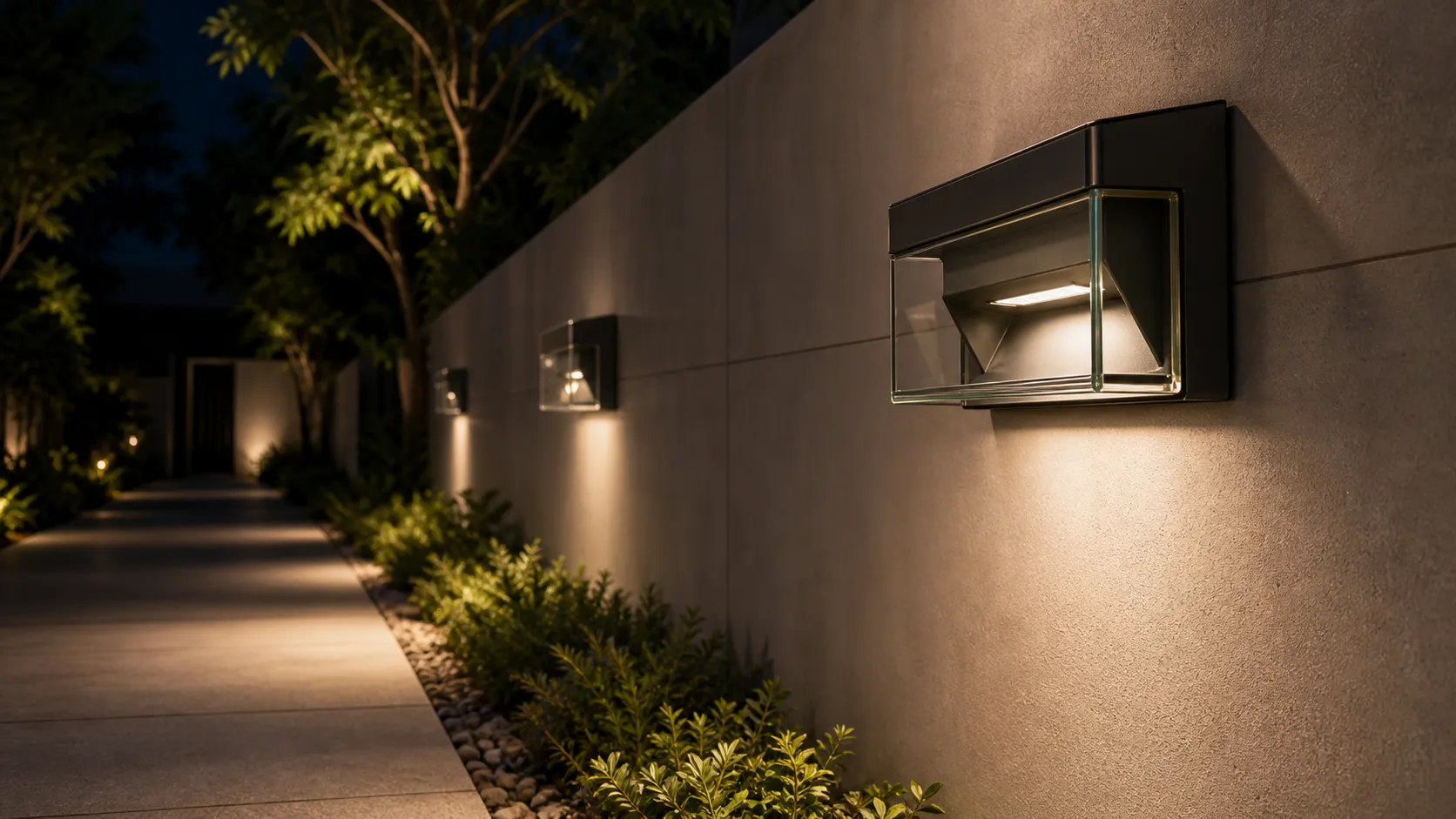
Transparent glass does not diffuse light. If LED emitters, reflector cups or high-luminance light sources are directly visible, uncomfortable glare can result. This should be addressed through the light-source position, shielding structure, internal lens, reflective cavity and installation angle rather than by relying on the protective cover glass alone.
Clear glass is suitable for fixtures that require high light transmittance, display bulbs, or protection of internal optical systems. If it is used for wall lights, path lights or garden lights near human height, it can be used with low-brightness filament light sources, built-in diffusion covers, light-shielding rings or partial frosted structures. This not only retains the transparent appearance, but also reduces the discomfort caused by looking directly at the light source.
Will colored glass change the original color temperature of the LED?
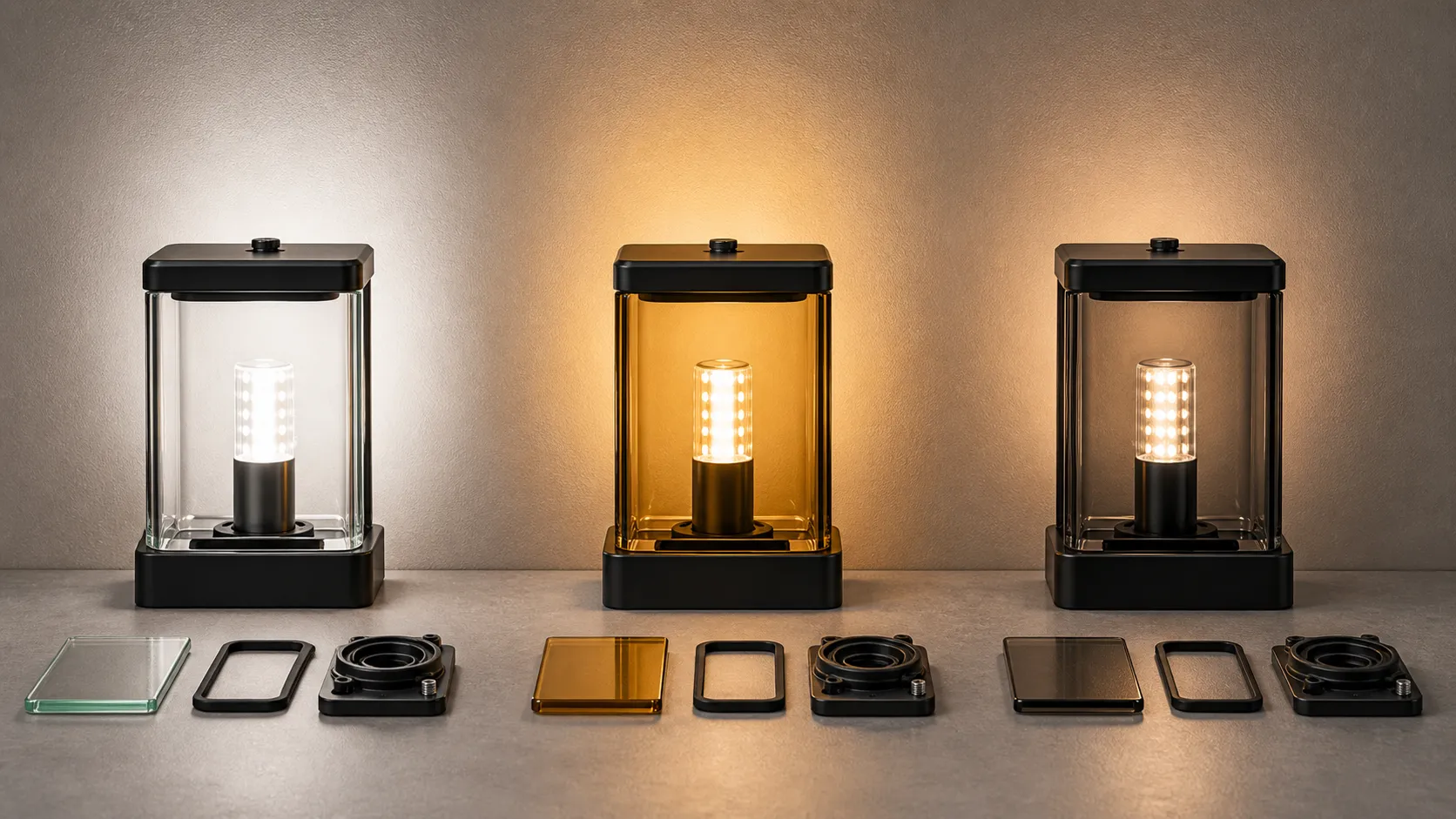
Colored glass often changes the visual color temperature and color rendering of LED light. Amber glass will make the light appear warmer, brown and smoky gray glass will reduce some of the brightness and change the overall look, and blue, green or red glass will filter the spectrum more significantly, shifting the color of the object being illuminated.
If the project requires accurate color temperature and good color rendering, colored glass should be used with caution and the lighting effect should be confirmed through a sample luminaire. If the main goal is to create a decorative atmosphere, colored glass can become part of the design language, but color depth, batch consistency and light transmittance must still be controlled to avoid obvious color differences in the same project.
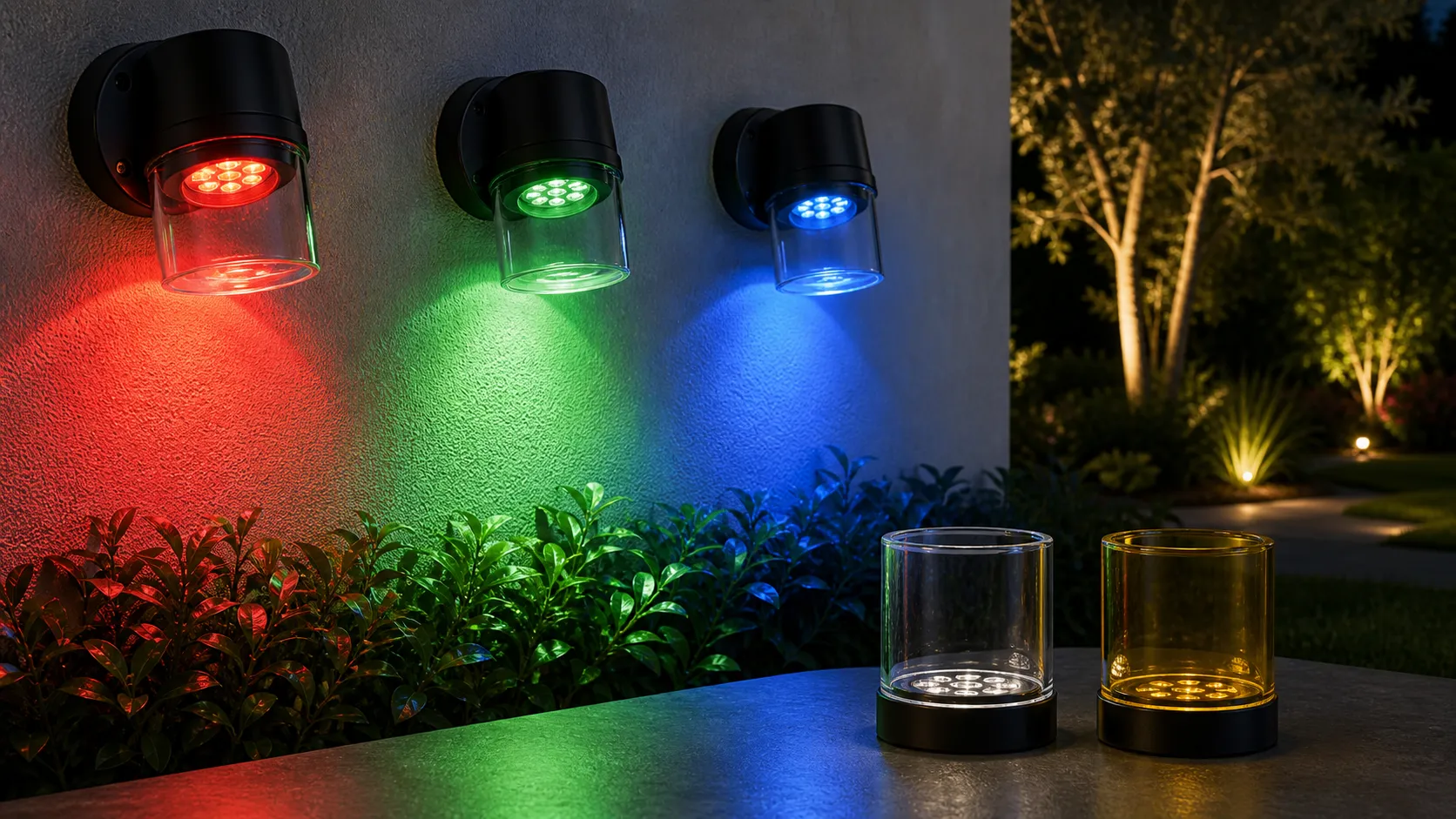
How should optically neutral protective cover glass be selected for RGB outdoor luminaires?
RGB outdoor lighting fixtures need to choose protective cover glass that is optically neutral, color stable, and have uniform light transmission. Clear low-iron glass or light haze neutral diffusion glass is more suitable for maintaining the original expression of red, green, blue and mixed colors; glass with obvious colors will filter part of the spectrum, causing some colors to be darkened or cast.
If there is uneven color mixing in RGB luminaires, it can be improved through moderate haze, internal diffusion cover, increasing light mixing distance and optimizing LED arrangement instead of using colored glass to correct it. The final effect should be tested under the actual control mode, installation distance and night environment, especially checking whether the white light, warm color, blue and gradient scenes are consistent.
How does outdoor lighting glass take into account brightness, comfort and glare control?
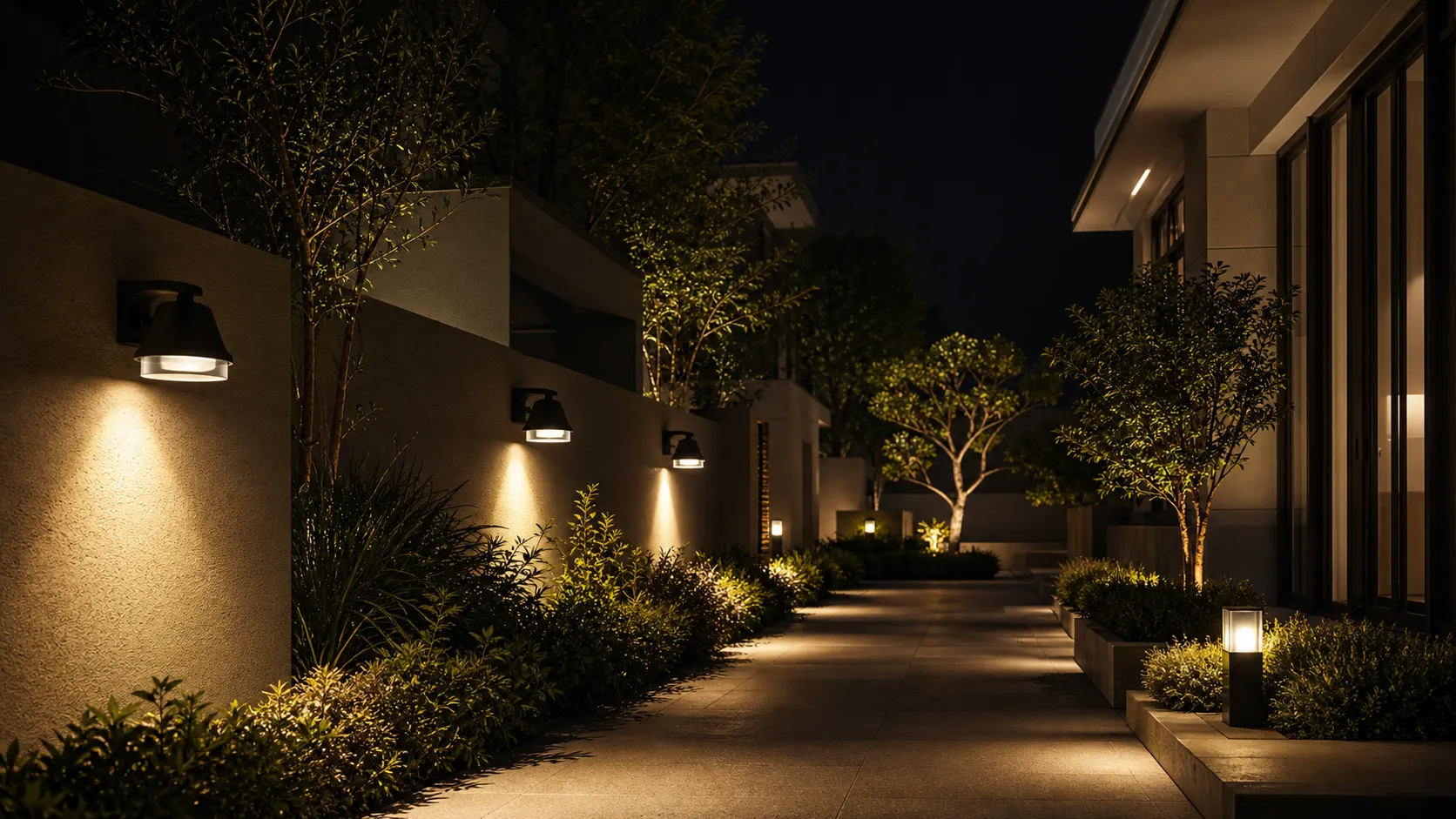
Outdoor lighting glass must take into account brightness, comfort and glare control. The key is to design the glass as part of the complete luminaire optical system. Highly transparent glass is good for brightness and efficiency, and frosted, opalescent or textured glass is good for soft light and hiding the light source, but excessive diffusion will reduce the effective illumination or expand the spilled light.
A more reasonable solution is to let the glass assume the functions of protection, moderate diffusion and appearance, while the LED arrangement, lens, reflector, light-shielding structure and installation angle jointly control glare. For engineering projects, it is best to confirm the ground illumination, direct viewing brightness, spot uniformity and viewing comfort through a sample luminaire lighting test.
How can glass design reduce spill light and light intrusion into neighboring properties?
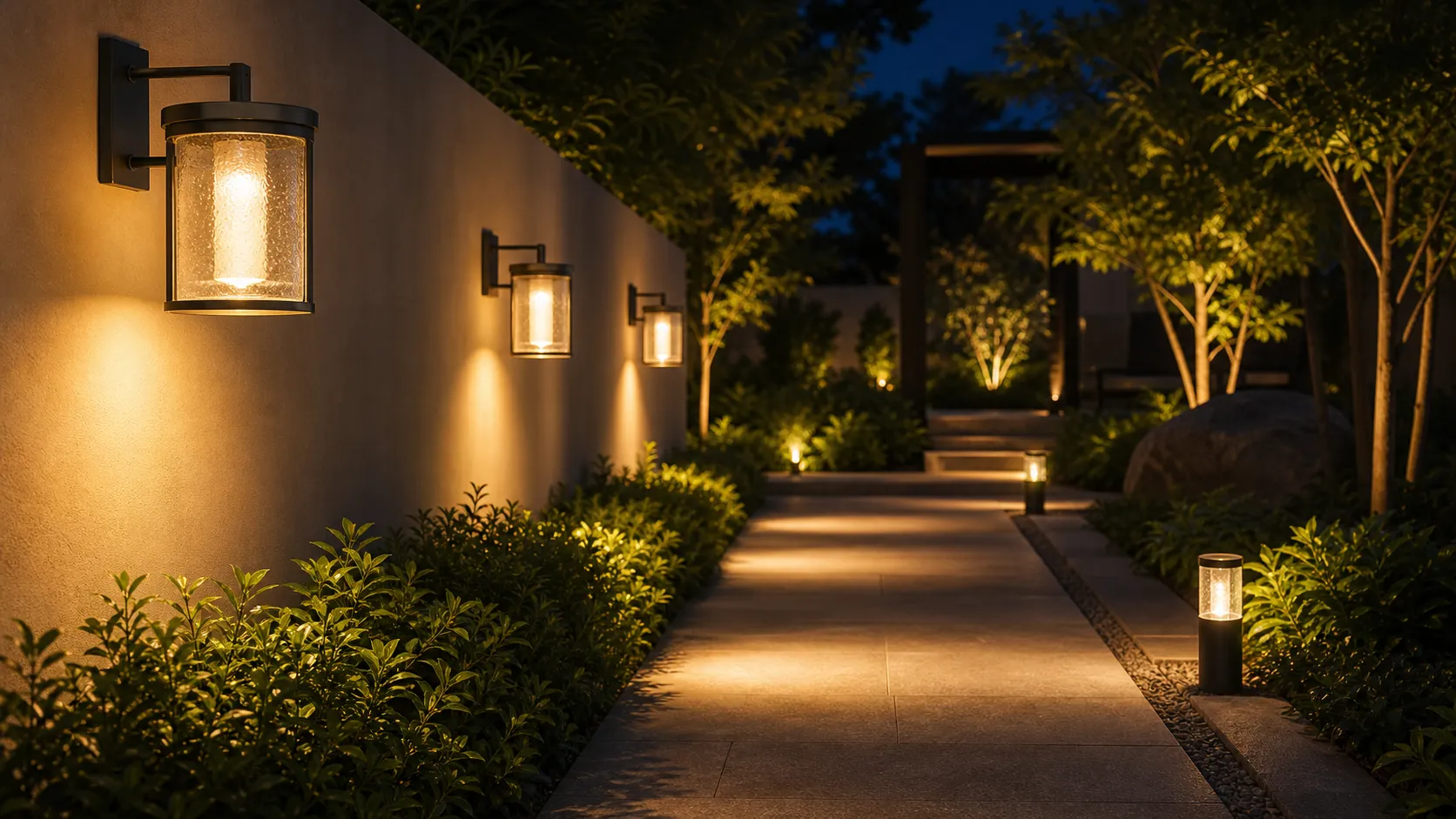
Glass design can help reduce stray light, surface reflections and unnecessary glare, but light pollution and neighborhood light intrusion are ultimately determined by the overall light distribution, installation angle, power and control method. Highly transmissive, low-reflective, flat, and optically stable protective cover glass help light travel in the direction it was designed, rather than being scattered by scratches, stains, or uneven surfaces.
For outdoor projects that require low glare, micro-diffusion glass, hoods, lenses and cutoff structures can be used to allow more light to fall on the target area and reduce upward light and horizontal spill light. Glass components are one of the important components that affect the results, but they should ultimately be confirmed through complete-luminaire optical testing and on-site lighting evaluation.
Contact Us
Your feedback fuels our growth, and your questions drive our solutions.
We value your feedback, inquiries, and suggestions. Please feel free to get in touch with us
General inquiries
Please contact us via sales@bo-glass.com, and we will reply to you as soon as possible.
Interested to work with us
Drop your resume at info@bo-glass.com
and we will get back to you shortly.
Request a Custom Glass Quote
Tell us about your project or upload a drawing.
Your drawings remain confidential.
We uses the contact information you provide to us to contact you about our relevent content, products, and services.