
High-Volume LED Automotive Glass Lenses for Mass Production
In automotive lighting, consistency is everything.
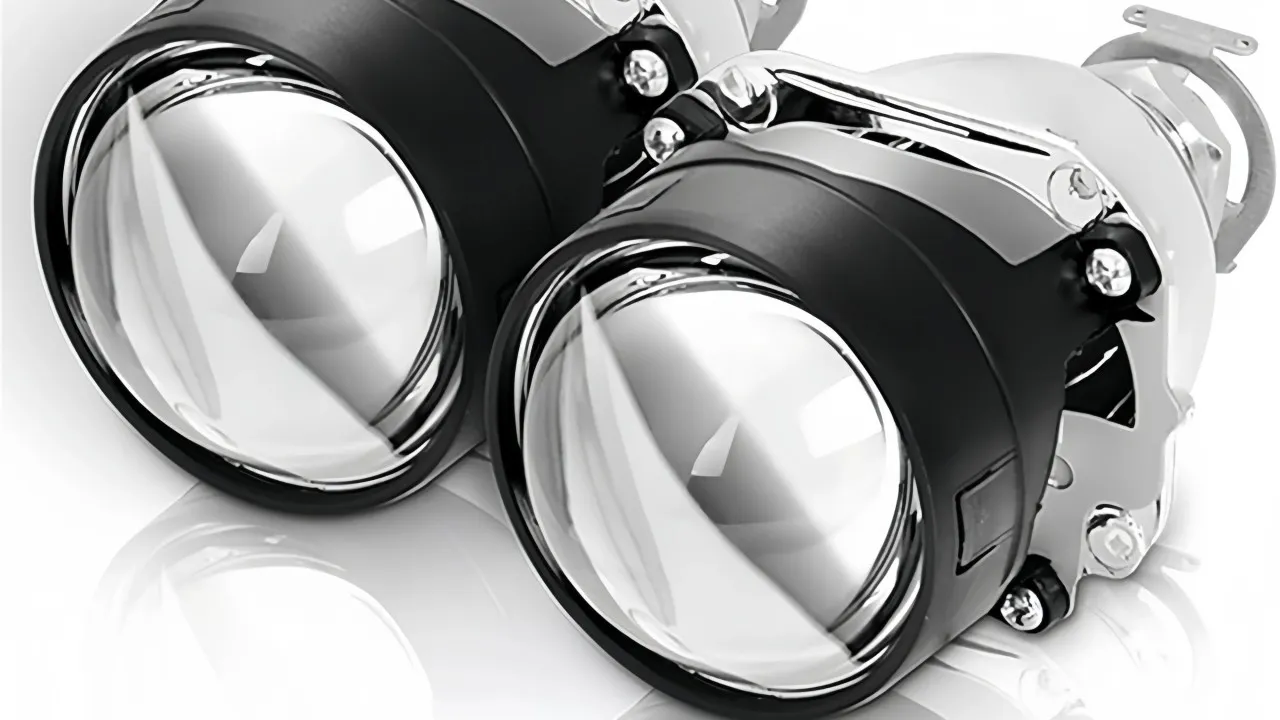
High-Volume LED Automotive Glass Lenses
The Challenge
The client supplies headlamp systems to several well-known automotive brands. Their LED lighting module required a standard glass lens, but the expectations were anything but ordinary.
The monthly order was 45,000 pieces. The annual commitment reached 540,000 pieces. Delivery had to be arranged weekly, with no tolerance for delays.
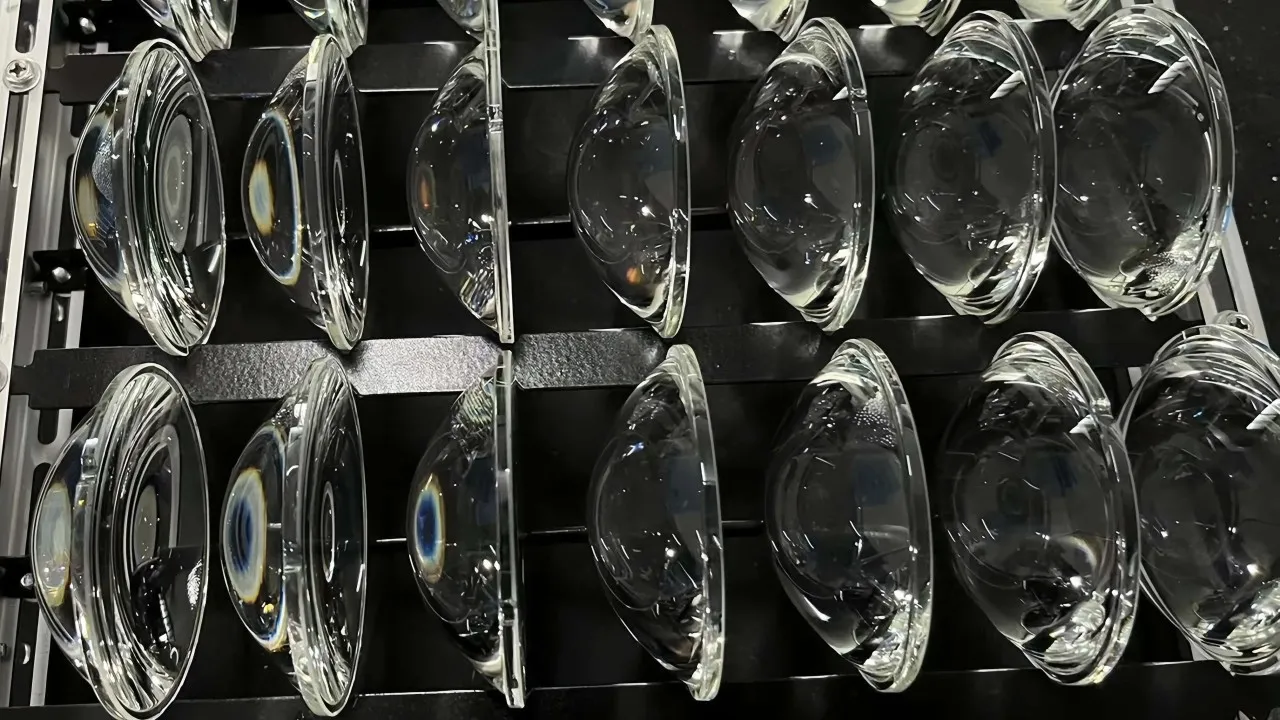
Surface quality was also strict. The lenses had to be free from visible scratches, free from bubbles larger than 0.2 mm, and free from inclusions that could affect appearance or optical performance.
For automotive lighting, consistency is non-negotiable. Lens #1 and lens #50,000 must behave the same way. If the outer diameter, thickness, or surface texture starts drifting, the client’s assembly line can face delays, rejections, or shutdown risk.
Price pressure was another major challenge. Automotive customers care about every cent because the lens is used in large quantities. The product had to meet quality requirements while staying under the client’s cost target.
This was not a job for manual processing or one-by-one finishing. It required automated production, stable tooling, strong process control, inventory planning, and reliable quality inspection.
Our Solution
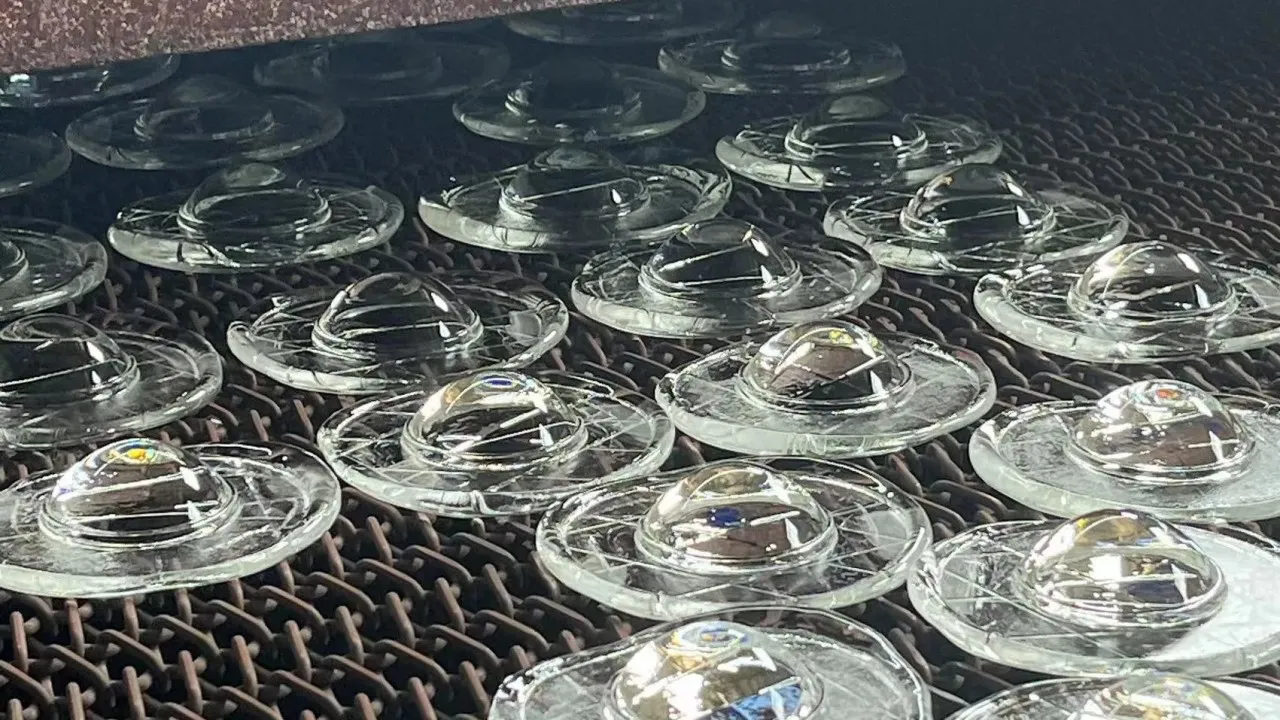
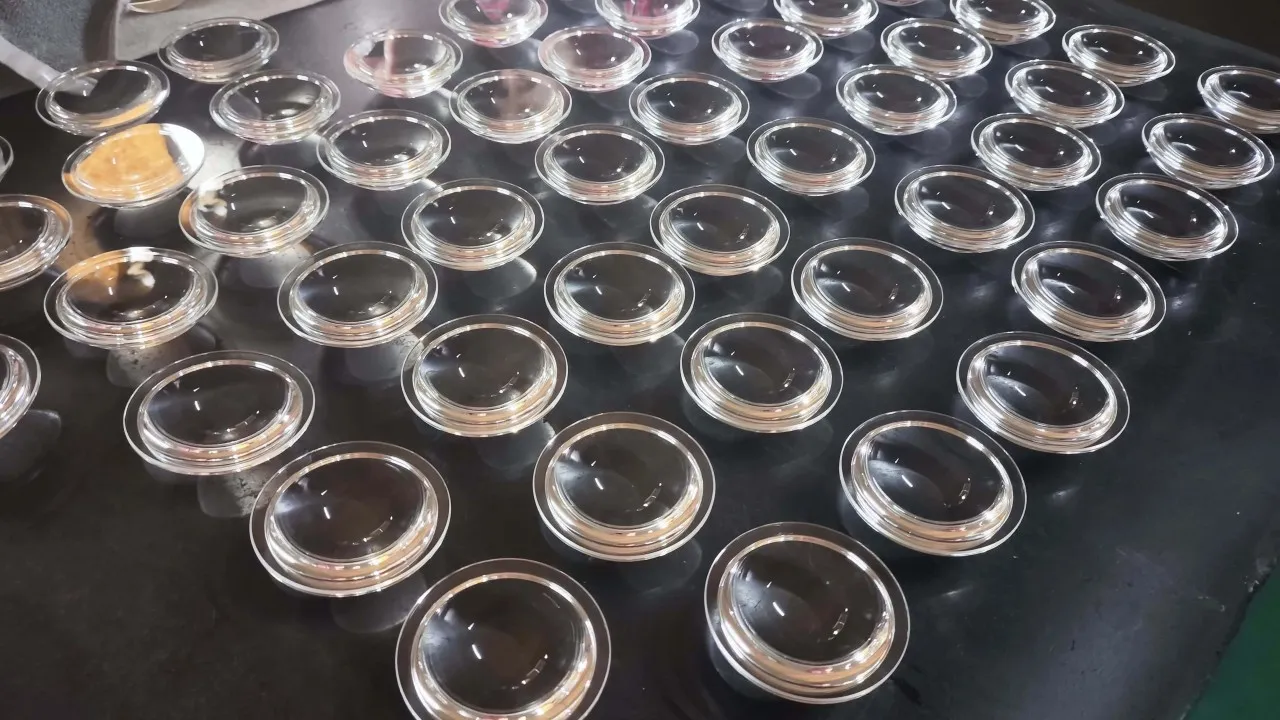
BO-Glass developed a high-volume automated glass pressing solution for the client’s LED automotive lens.
Instead of focusing only on the lens shape, we built the process around the client’s real production needs: stable output, controlled cost, repeatable dimensions, clean surface quality, and weekly delivery reliability.
Automated Pressing Production
This project was handled on our fully automated pressing lines.
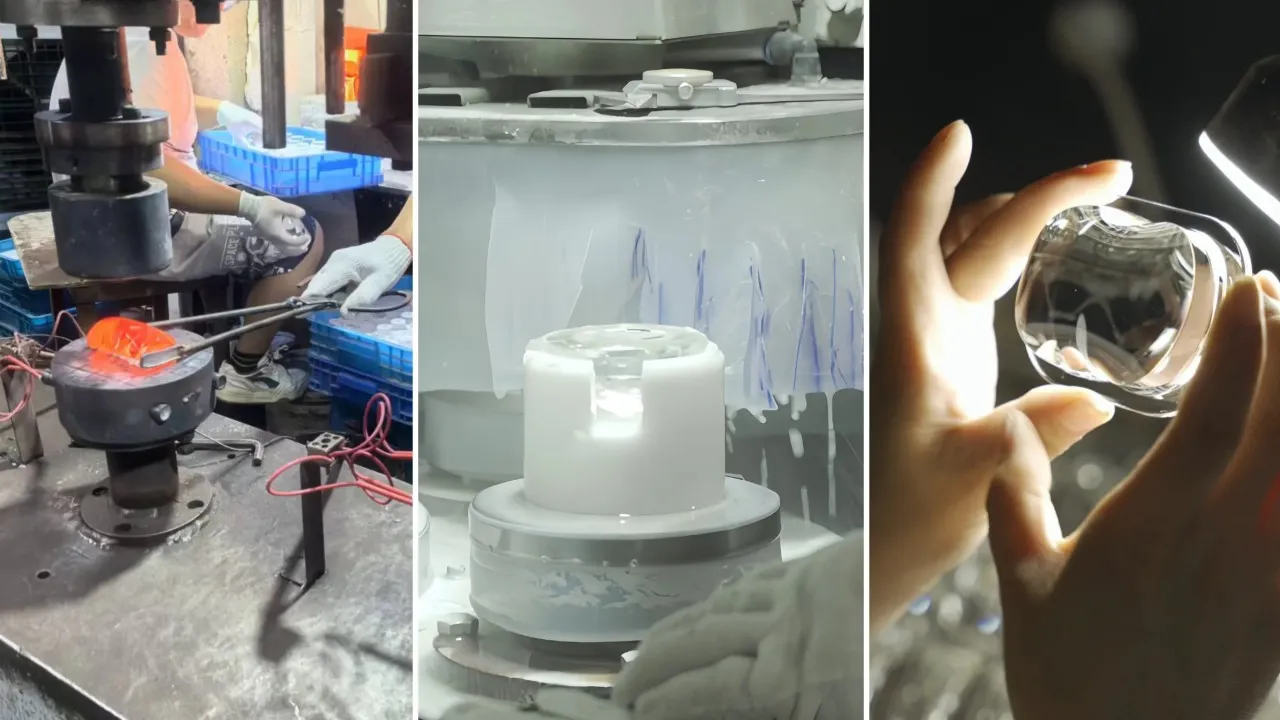
Each line was designed for high-volume lens production, with controlled heating, pressing, cooling, and handling. The process was monitored through a central PLC system, allowing our team to track temperature, pressure, cycle time, and other key production parameters.
If any parameter moved outside the control range, the system alerted the operator immediately. This helped us reduce process drift before it could become a batch-level quality issue.
For BO-Glass, automation is not only about speed. It is about making every lens repeatable.
Standard Borosilicate Glass for Cost and Performance
We selected standard borosilicate glass rod for this project.
The lens did not require specialty optical glass with unusual refractive index or dispersion performance. What the client needed was stable optical function, good durability, reliable forming behavior, and a cost structure suitable for automotive volume.
Using the right material helped us keep production practical without over-engineering the lens or pushing the price beyond the client’s target.
This is one of BO-Glass’s strengths: we help customers choose the material that fits the application, not just the most expensive option.
Mould Surface Replication
To control cost, the lens had to come out of the press at final dimensions as much as possible.
We did not rely on grinding and polishing each optical surface after forming. Instead, the mould surface was polished to a mirror finish, allowing the hot glass to replicate the required lens surface directly during pressing.
This reduced secondary processing, lowered labor cost, shortened production time, and helped the client reach the required unit price.
For high-volume automotive lenses, avoiding unnecessary finishing steps is one of the keys to commercial success.
Mould Maintenance and DLC Coating
In high-volume pressing, surface quality is often the hardest part to maintain.
As moulds run through thousands of cycles, heat and micro-wear can gradually create small marks that transfer onto the glass surface. For automotive lighting, even small scratches can cause batch rejection.
BO-Glass solved this with a strict mould maintenance system.
Every 8,000 cycles, we stopped the line, replaced the mould inserts, and sent the used inserts back to our toolroom for re-polishing. Multiple mould sets were kept in rotation to avoid production delays.
We also applied diamond-like carbon coating to the mould cavities. This DLC layer reduced friction, improved glass release, and helped protect the mould surface from scratching. With DLC coating, mould life increased significantly, supporting more stable long-term production.
Hourly Golden Sample Checks
To keep production consistent, BO-Glass used an hourly golden sample inspection process.
Every hour, we pulled one lens from each cavity, measured it on a CMM, and checked it with a surface defect scanner. This allowed us to track dimensional stability and surface quality throughout the production shift.
Instead of waiting until the end of the batch, we monitored quality continuously.
This approach helped us maintain tight control over outer diameter, center thickness, surface appearance, and overall process consistency.
Inventory and Delivery Control
For automotive customers, reliable delivery is just as important as product quality.
The client needed weekly shipments, and there was no room for “we will ship when it is ready.” To support this requirement, BO-Glass maintained a buffer stock of around 15,000 finished lenses at all times.
This meant that even if a machine needed maintenance or a batch required extra inspection, we could still fulfill the weekly delivery schedule.
We also coordinated raw material supply and kept around three months of borosilicate rod stock. This helped reduce the risk of supply chain interruptions.
BO-Glass understands that in automotive production, reliability is part of the product.
Automated Packaging
To reduce handling damage and improve packing efficiency, the lenses were automatically sorted into trays and shrink-wrapped for shipment.
This reduced manual contact, lowered the risk of scratches, and helped keep labor cost under control.
For a high-volume lens program, every step matters: forming, inspection, handling, packing, and shipping must all work together.
The Result
After the first month of production, the yield remained consistently above 98.5%.
The outer diameter was held within ±0.03 mm, and center thickness was controlled within ±0.05 mm. The surface scratch failure rate stayed below 0.2%.
Most importantly, BO-Glass achieved 100% on-time delivery for the past 18 months.
The client audited our facility twice, including one unannounced audit, and both audits were passed successfully. After seeing stable production performance, the client awarded BO-Glass two additional lens variants.
The total monthly volume for this customer has grown to more than 120,000 pieces.
For the client, BO-Glass became more than a lens supplier. We became a dependable production partner that could support automotive volume without drama, delay, or quality surprises.
Why Choose BO-Glass?
BO-Glass helped the client solve the real challenge of automotive lens production: not just making one good lens, but making tens of thousands of identical lenses every month.
With automated pressing lines, controlled process parameters, DLC-coated mould cavities, regular mould maintenance, CMM inspection, surface defect scanning, buffer stock, raw material planning, and automated packaging, we delivered the speed, consistency, and discipline required by the automotive industry.
Our strength is not only custom glass development. BO-Glass can also support high-volume optical component production where cost, quality, and delivery must all be controlled at the same time.
For automotive lighting manufacturers that need stable LED glass lenses with reliable output and zero production drama, BO-Glass has the lines, tooling, inspection systems, and production discipline to make it happen.
Contact Us
Your feedback fuels our growth, and your questions drive our solutions.
We value your feedback, inquiries, and suggestions. Please feel free to get in touch with us
General inquiries
Please contact us via sales@bo-glass.com, and we will reply to you as soon as possible.
Interested to work with us
Drop your resume at info@bo-glass.com
and we will get back to you shortly.
We uses the contact information you provide to us to contact you about our relevent content, products, and services.