
Custom Opal Glass Lamp Shades for Commercial and Residential Lighting
A good opal glass shade does not call attention to the bulb. It transforms the light.
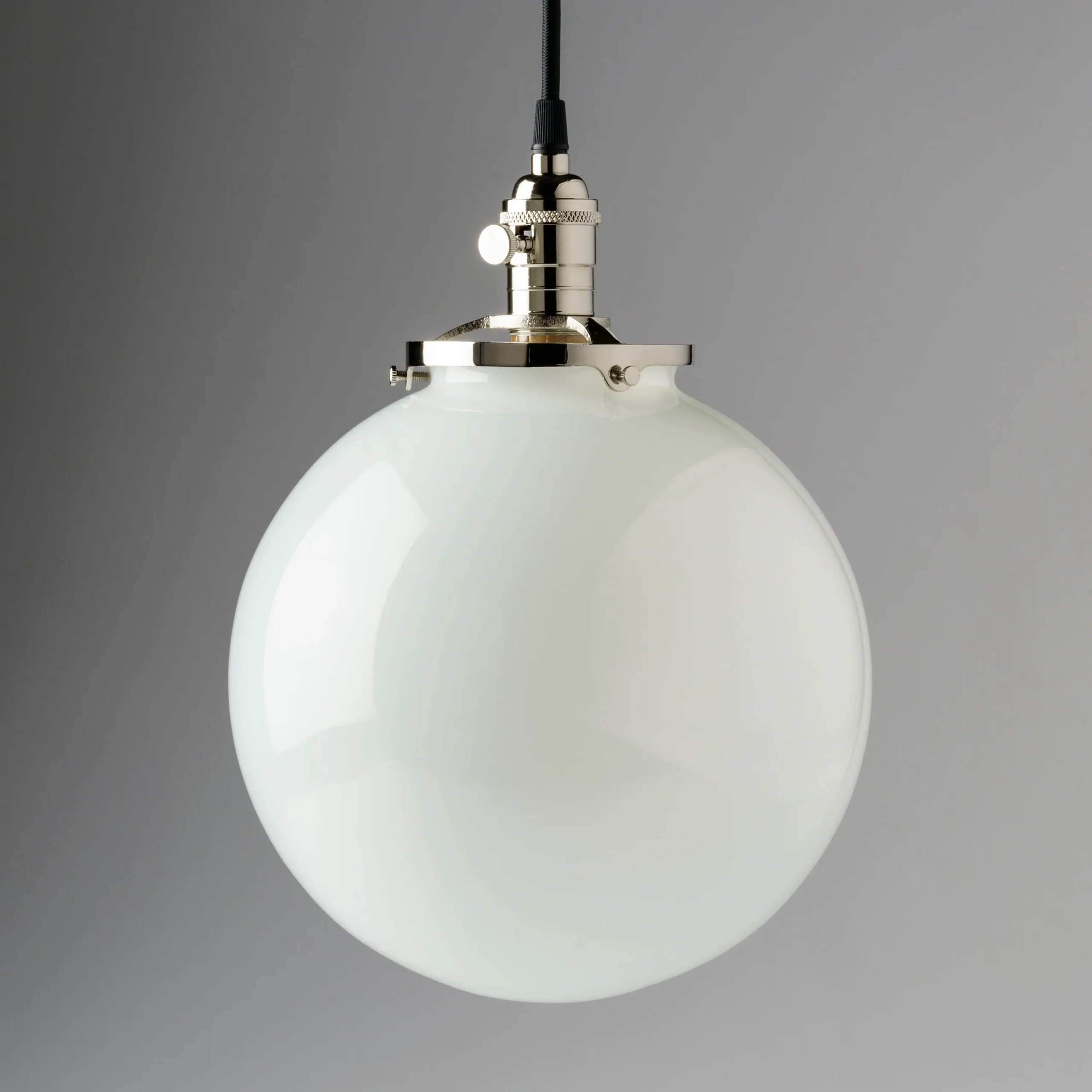
For commercial and residential lighting, the glass must soften glare, distribute illumination evenly, fit the fixture securely, and maintain the same milky-white appearance across different sizes and production batches.
That was the challenge this lighting client brought to BO-Glass.
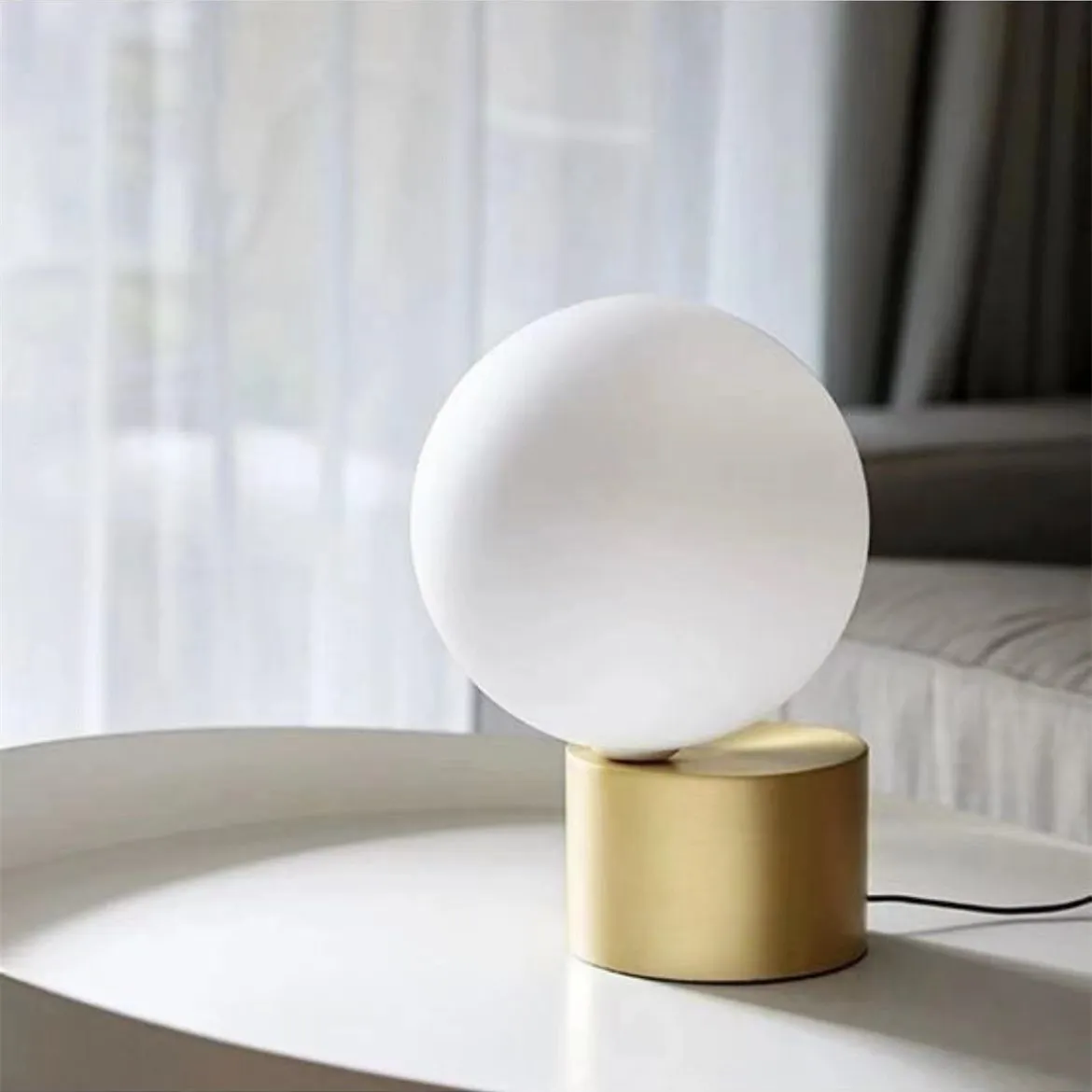
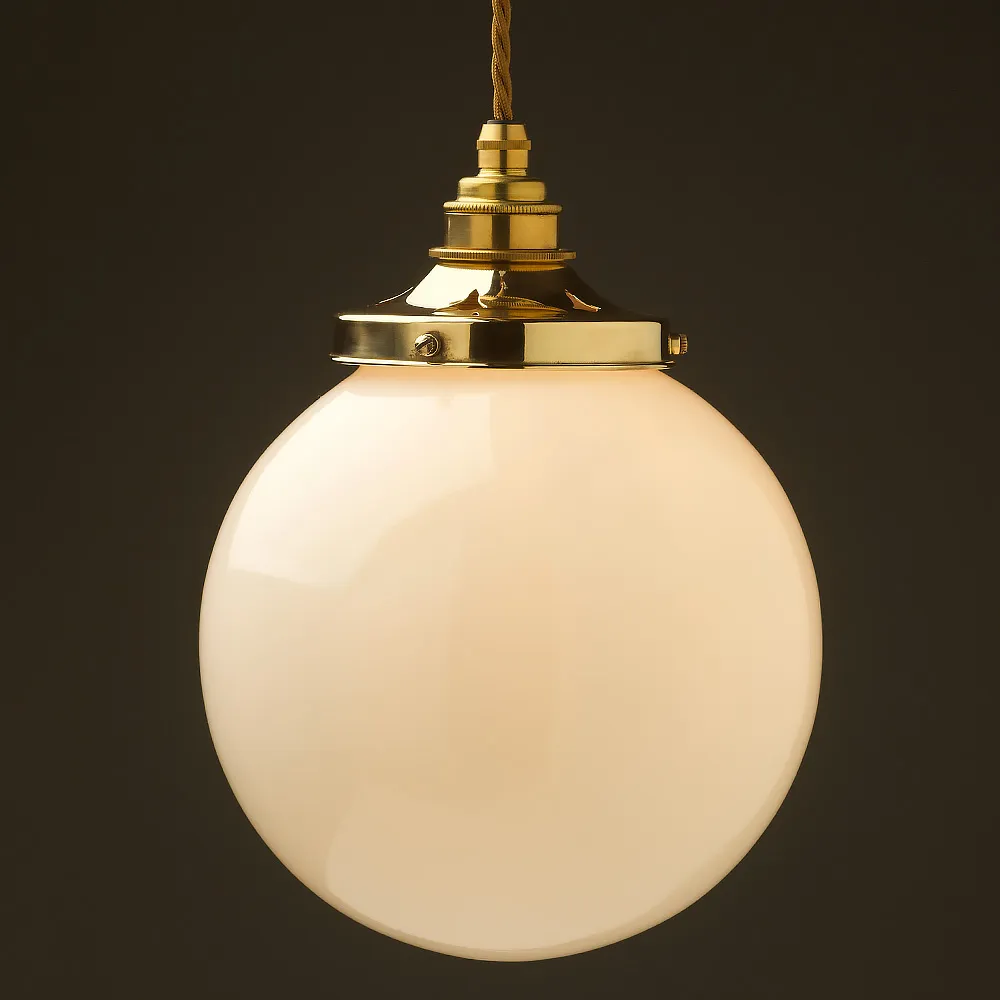
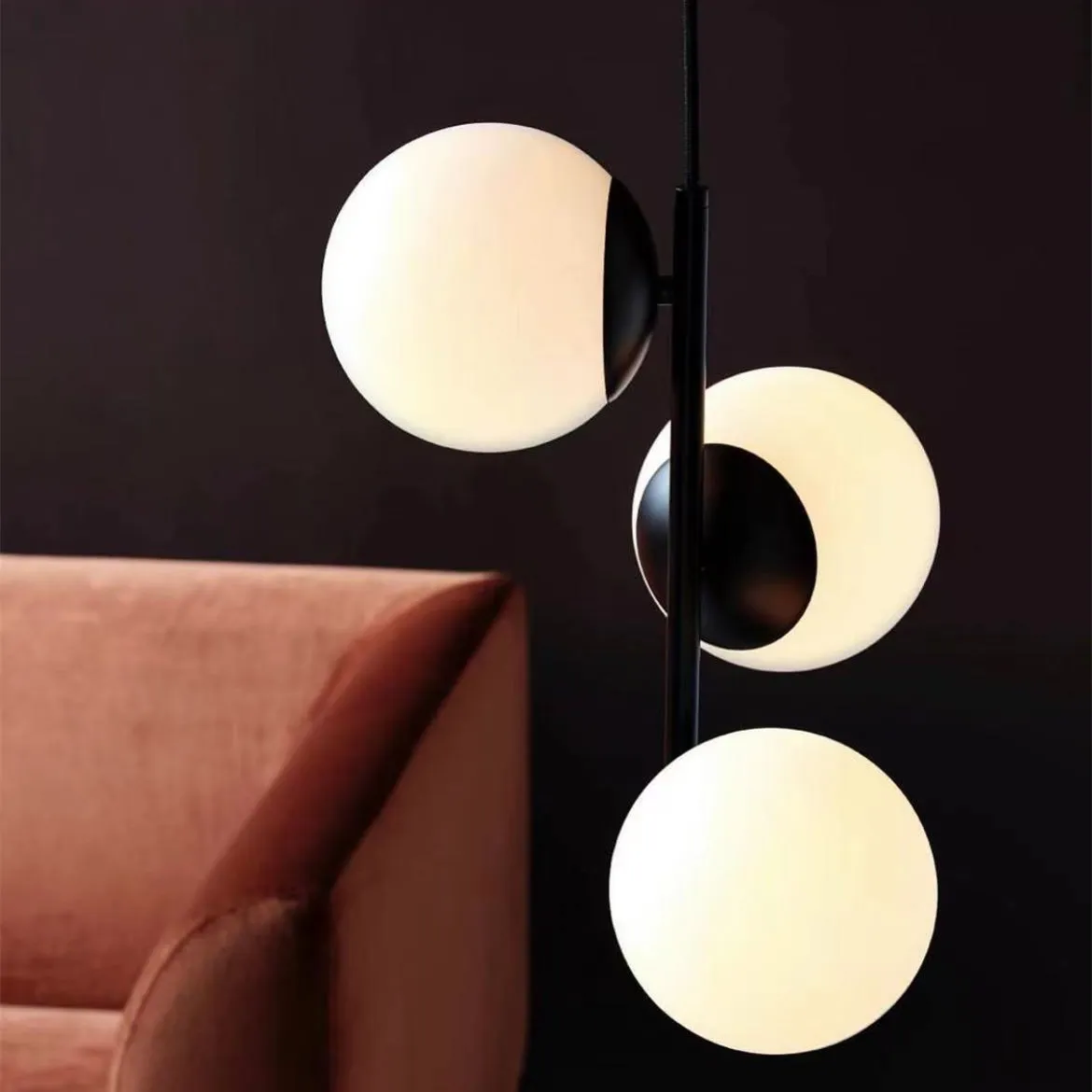
The client was sourcing opal glass lamp shades for resale through commercial and residential lighting channels. The collection included classic globe shades, bell-shaped profiles, and cylindrical designs suitable for mid-century modern, Art Deco, and contemporary lighting.
The product range extended from small 12 cm decorative shades to large 400 mm statement pieces. Depending on the fixture, the shades also required lip-fitter, threaded, or neck-style mounting systems.
Every model needed to produce a soft, uniform glow without visible bubbles, streaks, dark areas, or distracting hotspots.
Custom Opal Glass Lamp Shades
The Challenge
The defining quality of opal glass is its milky-white, semi-translucent appearance.
This appearance is created by adding carefully controlled opacifying materials to the glass batch. These microscopic particles scatter the light passing through the shade, reducing glare and creating the soft illumination associated with opal glass.
The difficulty is achieving the same opacity throughout the entire shade.
If the opacifying materials are not distributed evenly, the glass may develop streaks or patches. Some areas appear brighter, while others look darker or more opaque. These differences become especially noticeable when the lamp is switched on.
Visible bubbles presented another major challenge.
In seeded glass, bubbles are an intentional decorative feature. In opal glass, they are defects. A bubble inside the shade may create a dark shadow or bright spot that interrupts the smooth illuminated surface.
The client also required multiple sizes, shapes, and mounting configurations. Each variation needed its own forming method, dimensional standards, wall-thickness controls, tooling, and annealing schedule.
BO-Glass needed to combine optical consistency, dimensional precision, mounting compatibility, and stable batch production within one flexible manufacturing system.
Our Solution
BO-Glass developed a controlled opal glass production process covering batch preparation, opacity management, glass fining, bubble inspection, size-specific forming, mounting measurement, wall-thickness control, annealing, and illuminated visual grading.
Instead of inspecting only the appearance of the unlit shade, we evaluated how the glass performed when illuminated. Opacity, wall thickness, bubbles, surface defects, and color variation all had to be judged under light.
Uniform Milky-White Opal Appearance
The opal effect begins with the glass batch.
BO-Glass controlled the raw-material proportions, weighing process, mixing time, and melting conditions to distribute the opacifying materials as evenly as possible.
Pre-production samples were used to establish the approved level of whiteness, translucency, and light transmission before batch production.
The target was not completely opaque white glass. The shade needed enough opacity to hide the direct glare of the bulb while still allowing sufficient light to pass through.
Because wall thickness affects apparent opacity, the process also had to be adjusted for different shade sizes. A small decorative shade and a large 400 mm globe cannot always use exactly the same forming parameters and still produce the same illuminated appearance.
Bubble Minimization and Backlight Inspection
Bubbles are among the most visible defects in illuminated opal glass.
They can form when gases from the raw materials remain trapped in the molten glass or when air is introduced during melting and forming.
BO-Glass used controlled batch preparation, extended melting and fining, and carefully managed furnace conditions to help trapped gases rise and escape before forming.
Because microscopic bubbles cannot always be eliminated completely in hand-blown glass, the practical objective was to prevent bubbles from being visible under normal installation conditions.
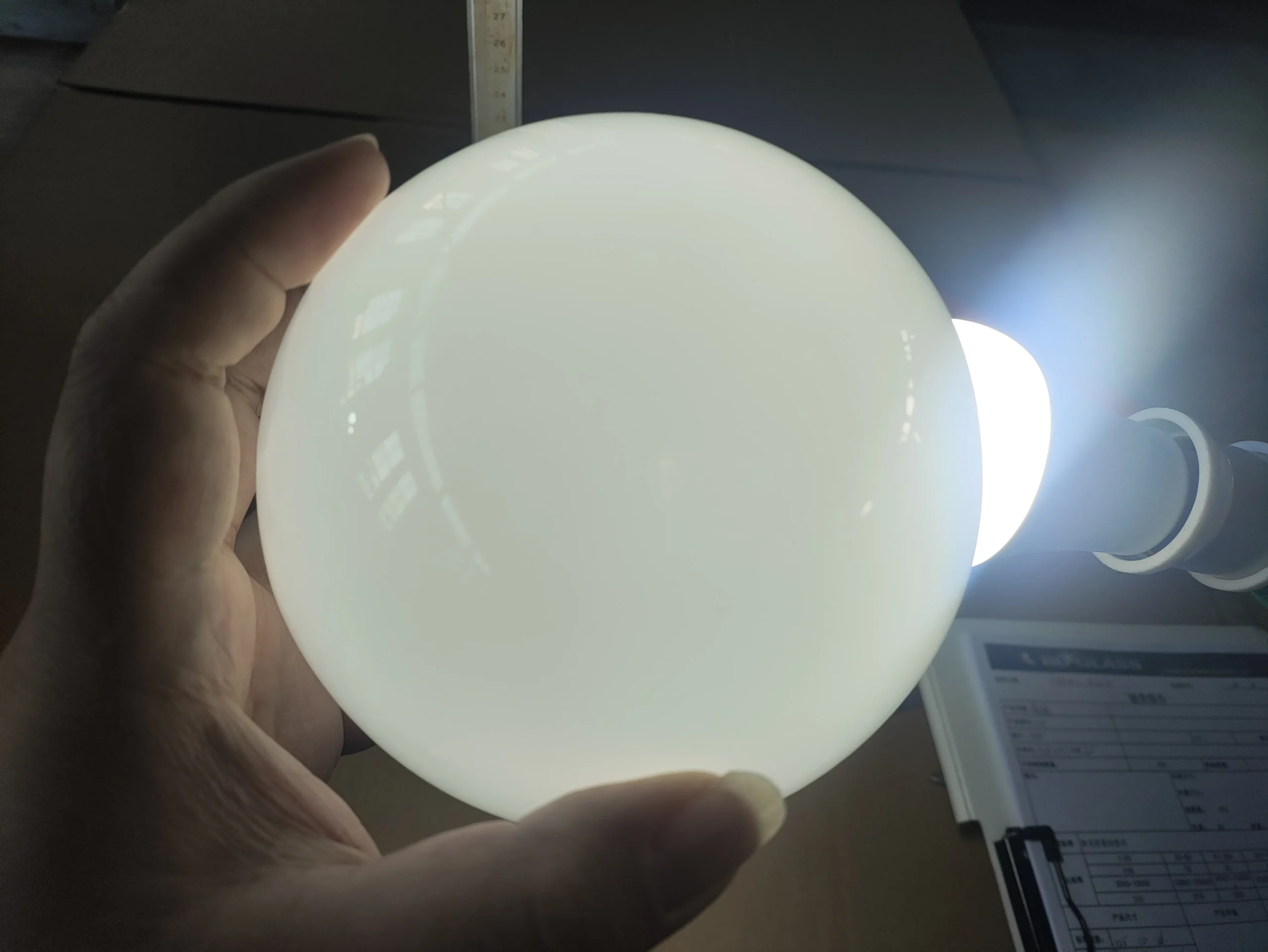
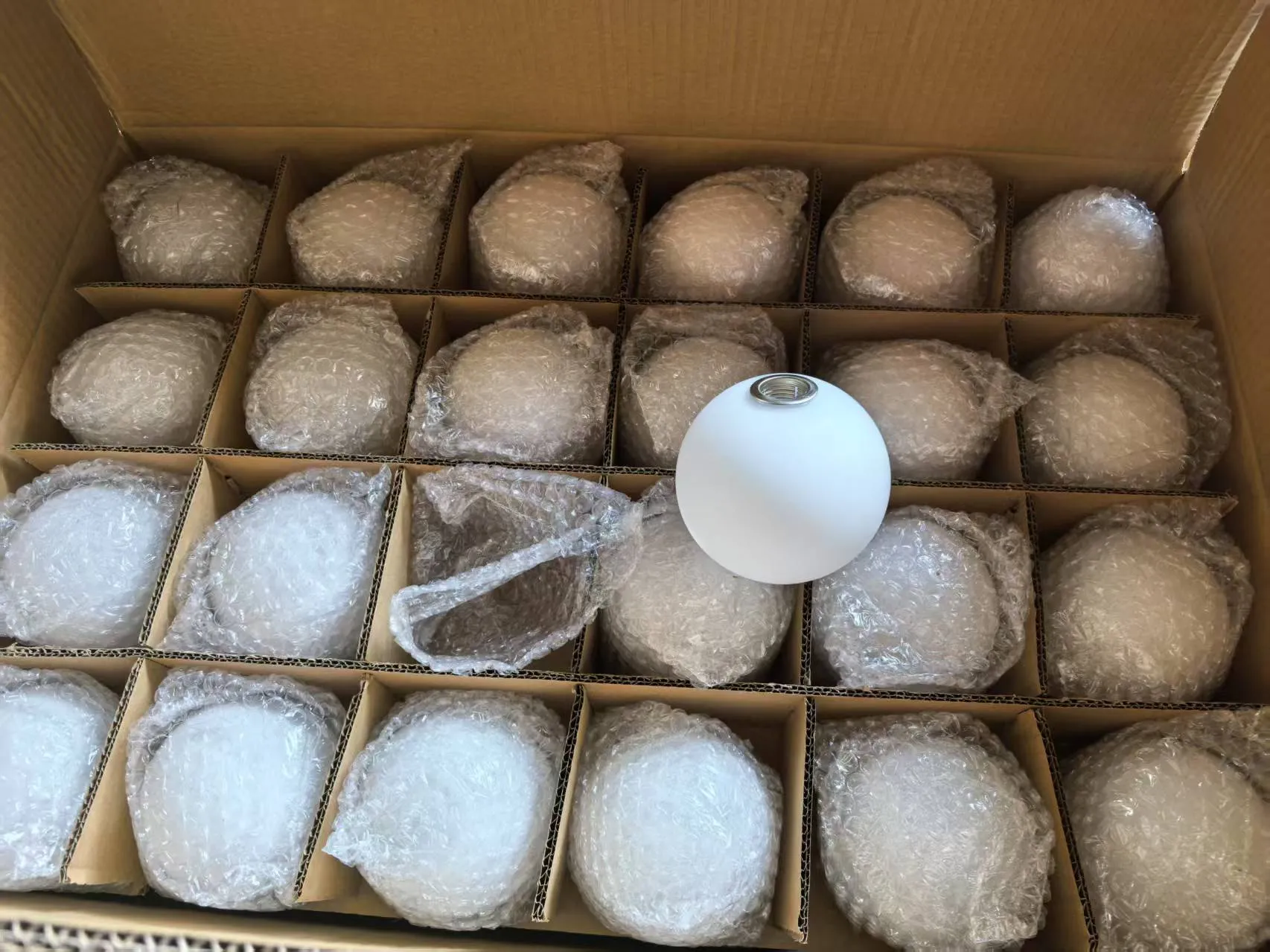
Each shade was inspected against a standardized light source. Pieces with prominent bubbles, clustered defects, dark shadows, or bright spots in the visible area were separated before packing.
This inspection method evaluated the shade in the same way the customer would see it: illuminated.
Dimensional Control Across Multiple Sizes
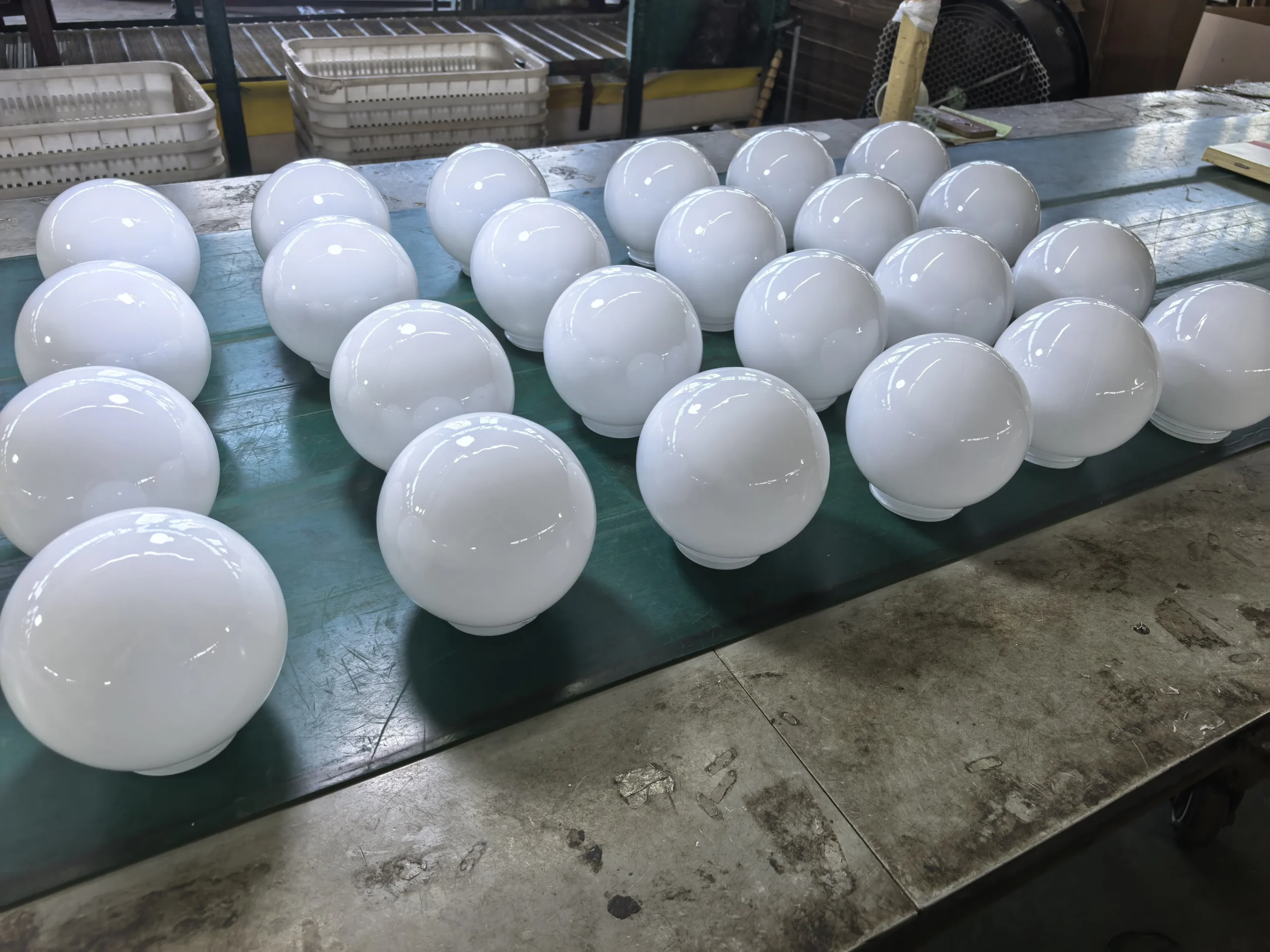
The client required shades ranging from approximately 12 cm to 400 mm.
Each size demanded a different amount of glass, inflation sequence, forming time, mold or tool configuration, and handling technique.
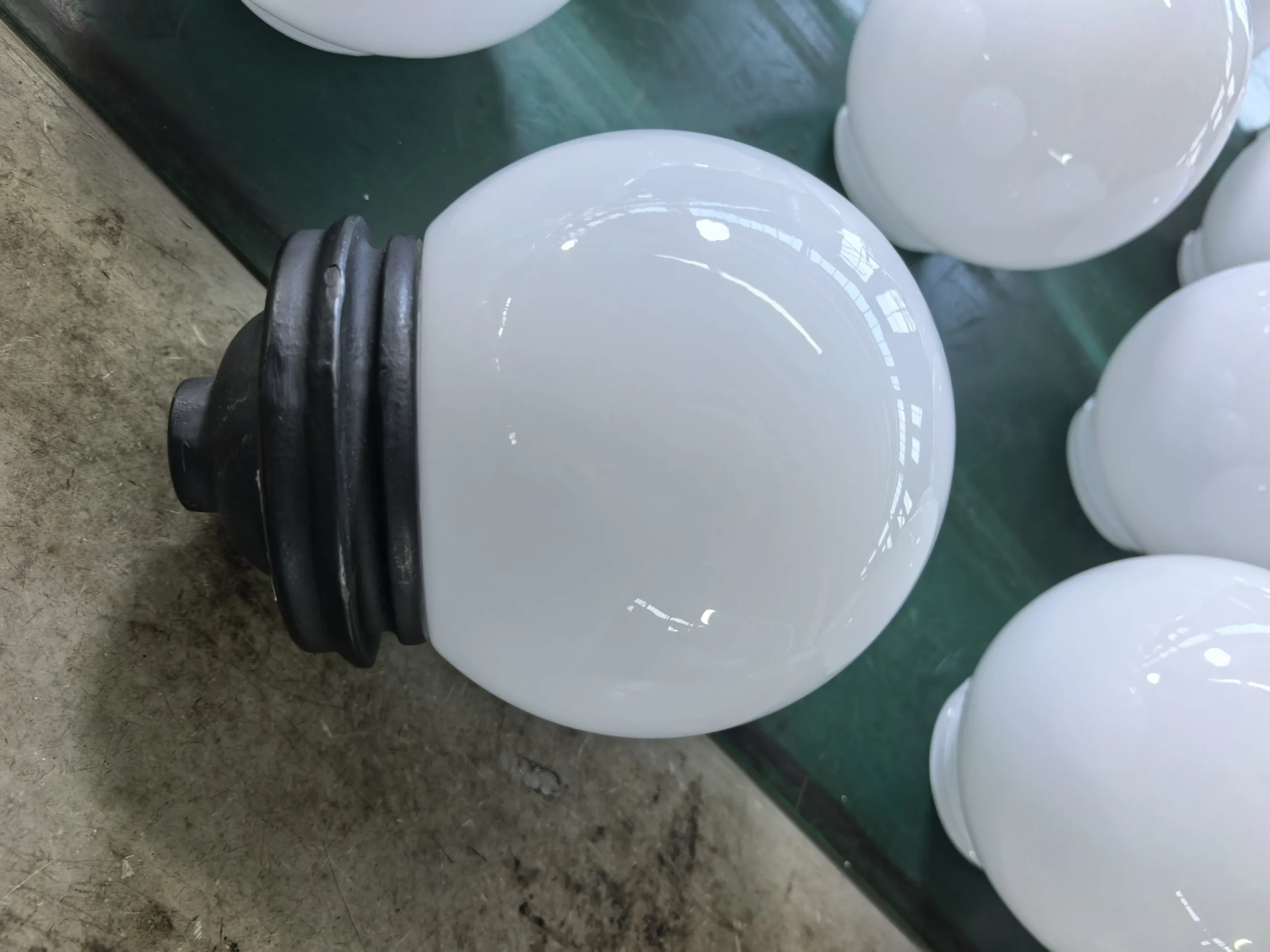
BO-Glass developed size-specific forming procedures to control diameter, height, roundness, opening dimensions, and overall symmetry.
Smaller shades required precise control to avoid excessive wall thickness. Larger globes required continuous rotation and careful support to prevent sagging, distortion, or a heavier lower section.
Dimensional gauges and approved samples were used to check each model against its corresponding specification rather than applying one general tolerance to the entire collection.
Mounting Options and Hardware Fit
The collection included lip-fitter, threaded, and neck-style mounting systems.
Each mounting option required a different production and inspection method.
For lip-fitter shades, the flange needed a consistent diameter, width, and level seating surface. An uneven lip could cause the shade to tilt, rock, or sit insecurely on the holder.
For threaded shades, the thread diameter, pitch, alignment, and definition needed to match the corresponding socket. Poorly formed threads could prevent installation or cause the shade to bind.
For neck-style shades, the opening needed to remain concentric with the shade body and fit over the intended fixture without wobbling or becoming stuck.
BO-Glass inspected the mounting area separately from the decorative body because a visually attractive shade still fails if it cannot be installed correctly.
Wall Thickness and Even Illumination
Wall thickness affects both the strength and optical performance of opal glass.
A thin area appears brighter when illuminated and may create a visible hotspot. A thick area appears darker and can interrupt the uniform glow.
BO-Glass controlled the initial glass gather, inflation, rotation, and forming sequence to distribute the material more evenly across the shade.
The target wall thickness depended on the size and application, with typical specifications falling between approximately 2.5 and 4 mm.
Large globes required particular attention because gravity naturally pulls the soft glass downward. Continuous rotation and controlled shaping helped reduce heavy lower sections, thin upper walls, and asymmetrical silhouettes.
Size-Specific Annealing
Every opal glass shade must cool gradually to release internal stress.
The opal glass composition and its opacifying materials can behave differently from ordinary clear glass during heating and cooling. Larger shades also retain heat longer than smaller pieces.
BO-Glass therefore used annealing schedules calibrated to the shade size, wall thickness, and mounting structure.
Large globes and models with thicker lips or narrow necks required slower cooling so heat could dissipate evenly through areas with different glass masses.
This process reduced residual stress that could otherwise contribute to delayed cracking during transport, installation, or later use.
Quality Standards Under Illumination
Opal glass must be inspected both switched off and switched on.
When unlit, inspectors checked the shade’s color, surface condition, silhouette, opening, mounting area, and overall dimensions.
When illuminated, they checked for visible bubbles, streaks, opacity variation, bright spots, dark bands, uneven wall thickness, and other defects that disturbed the uniform glow.
BO-Glass worked with approved samples and defined acceptance standards for opacity, bubble visibility, shade dimensions, wall thickness, surface quality, and mounting fit.
Minor characteristics that did not affect normal appearance or lighting performance could be accepted as part of the handmade process. Visible bubbles, strong color variation, unstable dimensions, uneven mounting surfaces, obvious hotspots, or distorted shapes were rejected.
The Result
The resulting production approach gave the client a coordinated range of opal glass shades suitable for different fixtures, interior styles, and lighting applications.
The milky-white glass softened direct bulb glare and created a clean, evenly diffused appearance. When illuminated, approved shades presented a more continuous glow without prominent bubbles, dark bands, or distracting bright spots.
Although the collection included different shapes, dimensions, and mounting systems, each model was controlled according to its own forming, measurement, and annealing requirements.
For the client, this meant the ability to offer a broader opal glass shade collection while maintaining a recognizable standard of color, light diffusion, mounting fit, and overall quality.
For BO-Glass, the project demonstrated that the most important achievement in opal glass is often what the customer does not see: no harsh glare, no obvious bubbles, no uneven shadows, and no distracting visual defects.
Why Choose BO-Glass?
BO-Glass helped the client address the central challenge of opal glass production: creating a clean, uniform illuminated surface across multiple sizes and mounting configurations.
An opal glass shade must do more than look white when the lamp is switched off. It must control glare, transmit light evenly, fit its hardware correctly, and maintain a consistent appearance during use.
With controlled batch preparation, opacity management, enhanced fining, size-specific forming, dimensional inspection, mounting-fit verification, wall-thickness control, calibrated annealing, and backlight quality grading, BO-Glass can develop opal glass shades that combine soft illumination with practical production consistency.
For commercial lighting suppliers, residential fixture brands, interior design collections, and replacement-shade distributors, BO-Glass can create custom opal glass shades that make the finished fixture feel softer, cleaner, and more refined.
Contact Us
Your feedback fuels our growth, and your questions drive our solutions.
We value your feedback, inquiries, and suggestions. Please feel free to get in touch with us
General inquiries
Please contact us via sales@bo-glass.com, and we will reply to you as soon as possible.
Interested to work with us
Drop your resume at info@bo-glass.com
and we will get back to you shortly.
We uses the contact information you provide to us to contact you about our relevent content, products, and services.