
Clear Vision in Extreme Conditions
How We Delivered Zero-Defect Specialty Glass Components for Airport Runway Lighting
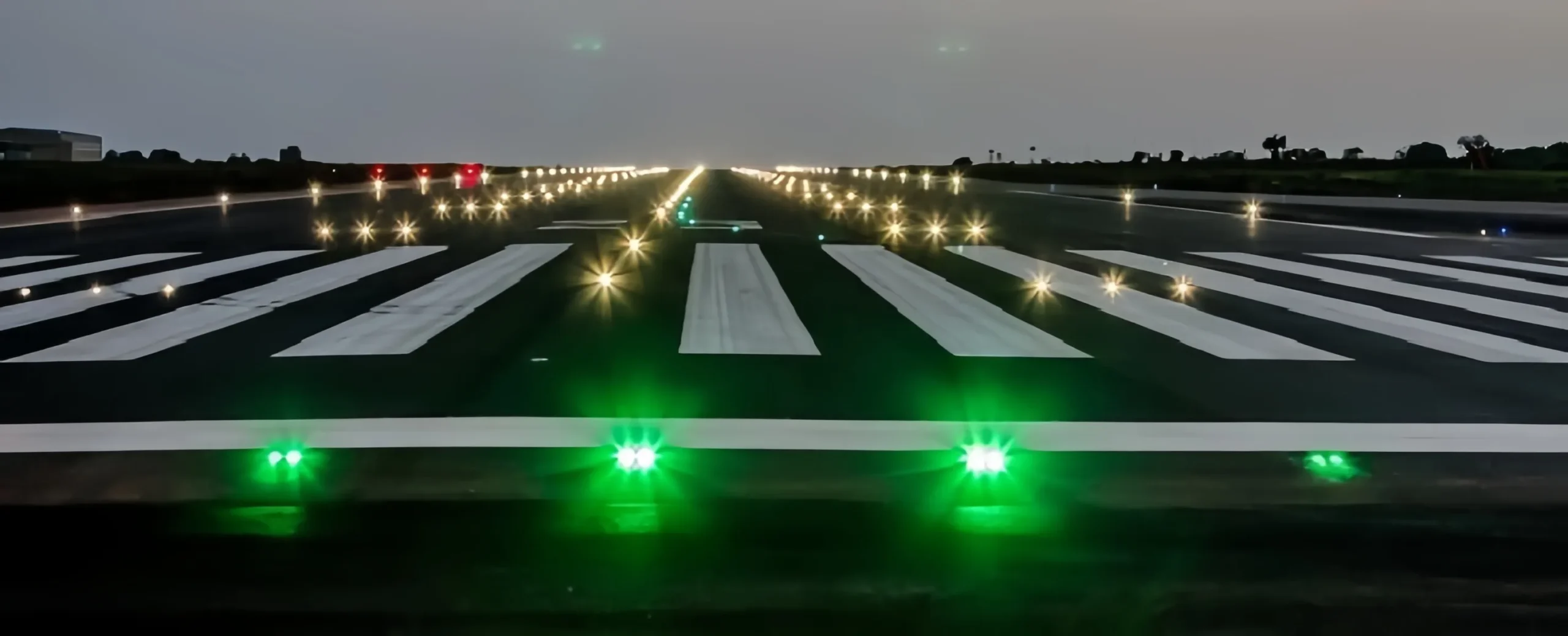
Airport runway lighting glass? It’s way more than a simple cover—it’s the last line of safety. If one lens fails, you’re not just replacing a part; the whole lighting system shuts down. And these lights live in a brutal world: jet tires slam down with massive force on every landing, temperatures swing between -40°C and +150°C, and de‑icing fluids and fuel residues attack the glass constantly. The fixtures are low‑profile halogen lights, sticking up only 10 mm from the pavement, yet they have to stay optically clear, precisely focused, and mechanically strong for years. Pilots rely on them to see runway edges, taxiway centerlines, and approach paths in all weather—rain, snow, fog, or pitch darkness. That’s the extreme environment our German client was dealing with, and that’s exactly why they chose BO‑GLASS. We delivered precision‑molded B270 glass lenses with tight tolerances and a flawless surface finish, built to survive it all.
Specialty Glass Components for Airport Runway Lighting
A German company that makes airport ground lighting—supplying big European airports and beyond—came to us with a tough challenge. Their runway and taxiway lights use 6.6A halogen bulbs inside low‑profile aluminum housings. They needed glass lenses tough enough to survive the harsh airport environment, while still delivering perfect optical clarity.
The client had tried bigger optical suppliers before, but kept running into the same three issues.
First, standard tempered glass had internal stress and distortion that scattered the light—and on a runway, even a tiny misalignment is a safety hazard.
Second, the lenses needed extremely precise dimensions and a perfect surface. They required precision molding for the curved shape, then grinding and polishing the other side—a two‑step process that few mass‑producers could handle consistently.
Third, this was only a 100‑piece prototype order. Big manufacturers, focused on high volumes, either said no outright or quoted tooling costs so high that it made no business sense. They kept hearing: “Your quantity isn’t worth our setup time.”
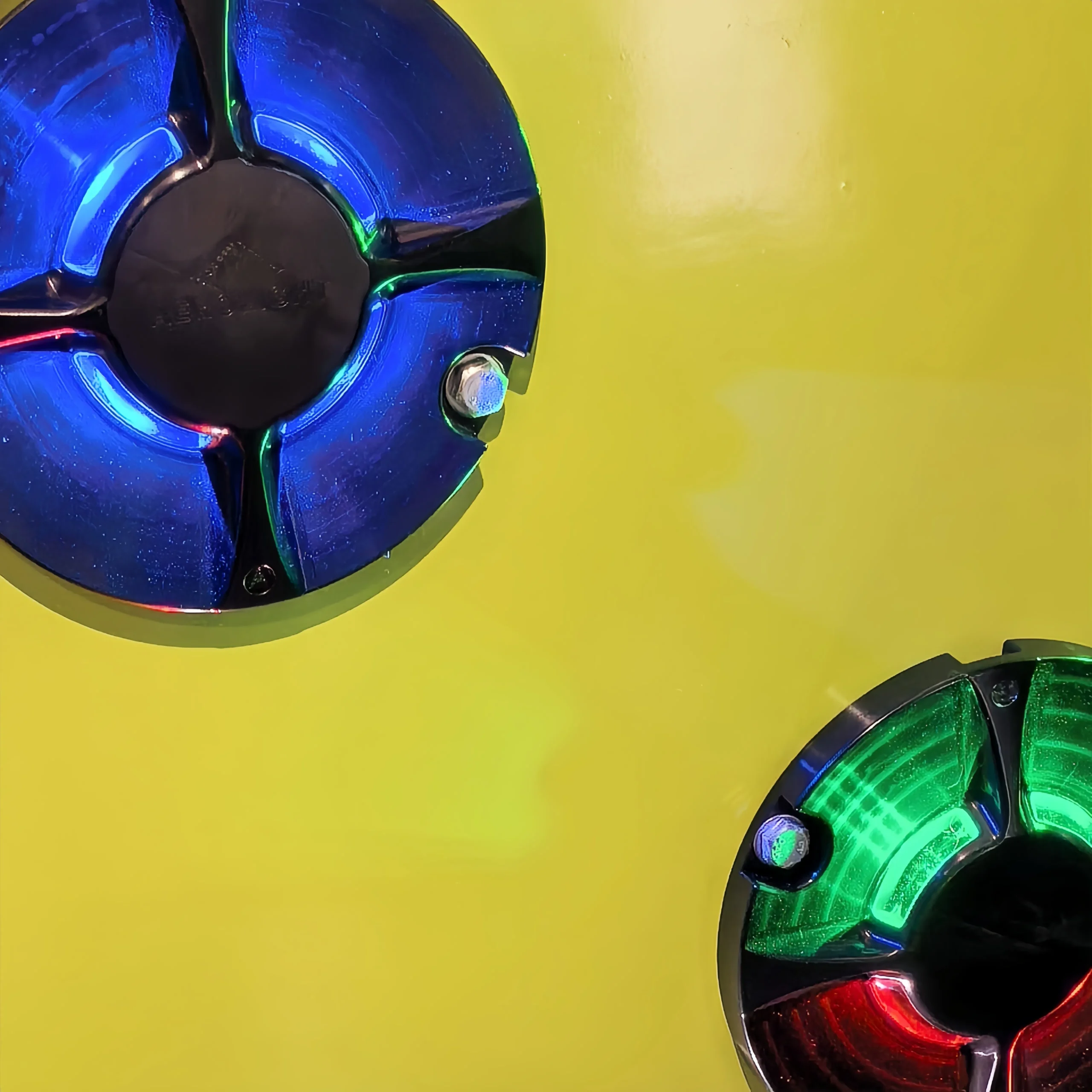
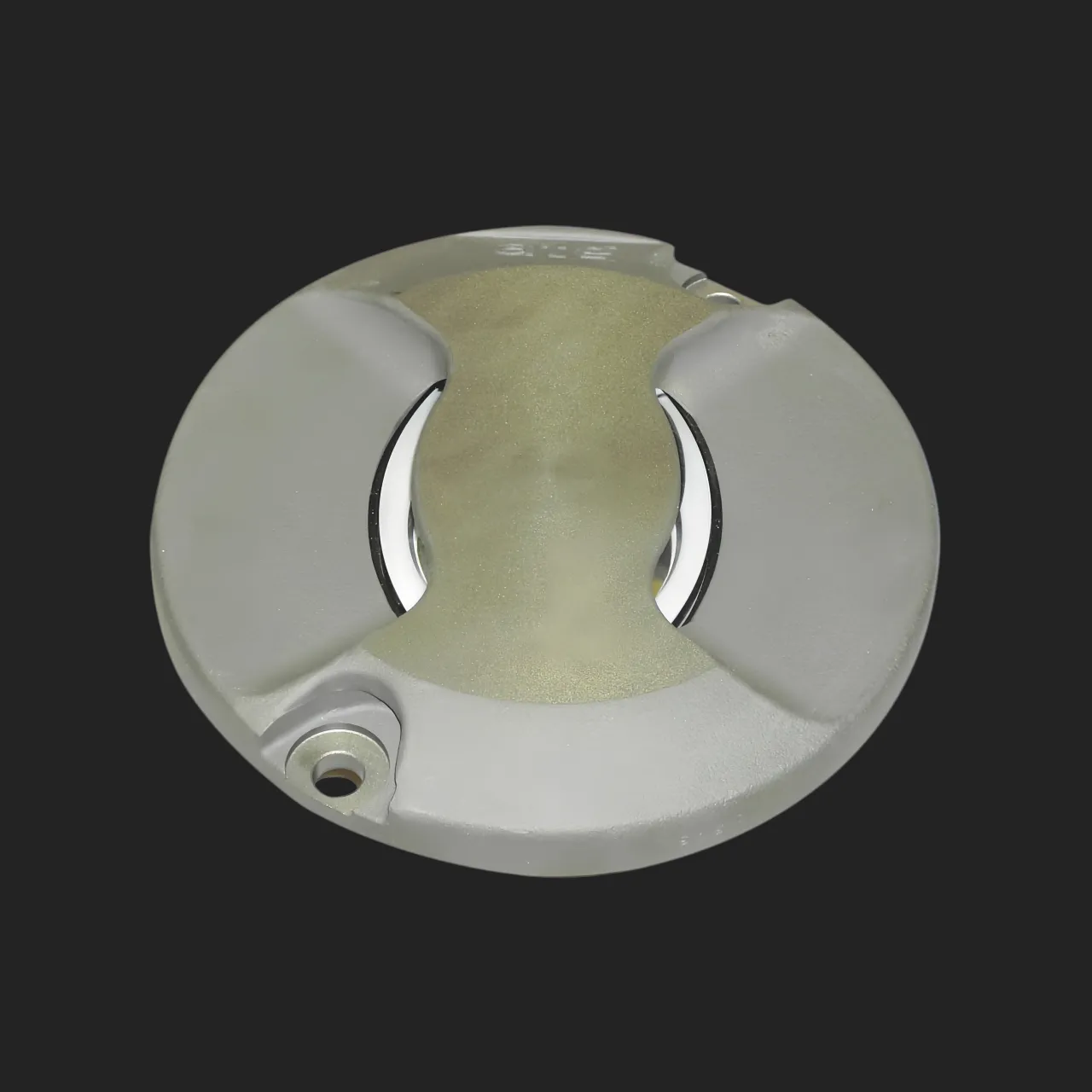
Our approach? Flexible precision manufacturing with no minimum order quantity.
We chose SCHOTT B270® crown glass (Superwhite) for this job. It’s a modified optical glass that transmits over 91% of visible light, has a 1.52 refractive index, resists UV damage from high‑intensity lamps, and behaves consistently no matter the thickness—perfect for optical lenses.
The making? A two‑step hybrid: precision molding plus grinding and polishing. We have two small semi‑automatic presses that are set up specifically for low‑volume work. Unlike massive automated lines that take forever to change over, our setup lets us swap tools quickly and run small batches economically. Our tooling partner can produce sample molds in just one week, and we ship sample lenses within ten days.
For critical dimensions, we design the mold with built‑in grinding allowance—we leave a little extra material on key surfaces. Then we grind and polish each lens to hit the final numbers. This removes micro‑cracks and surface flaws from molding, boosting both strength and optical clarity.
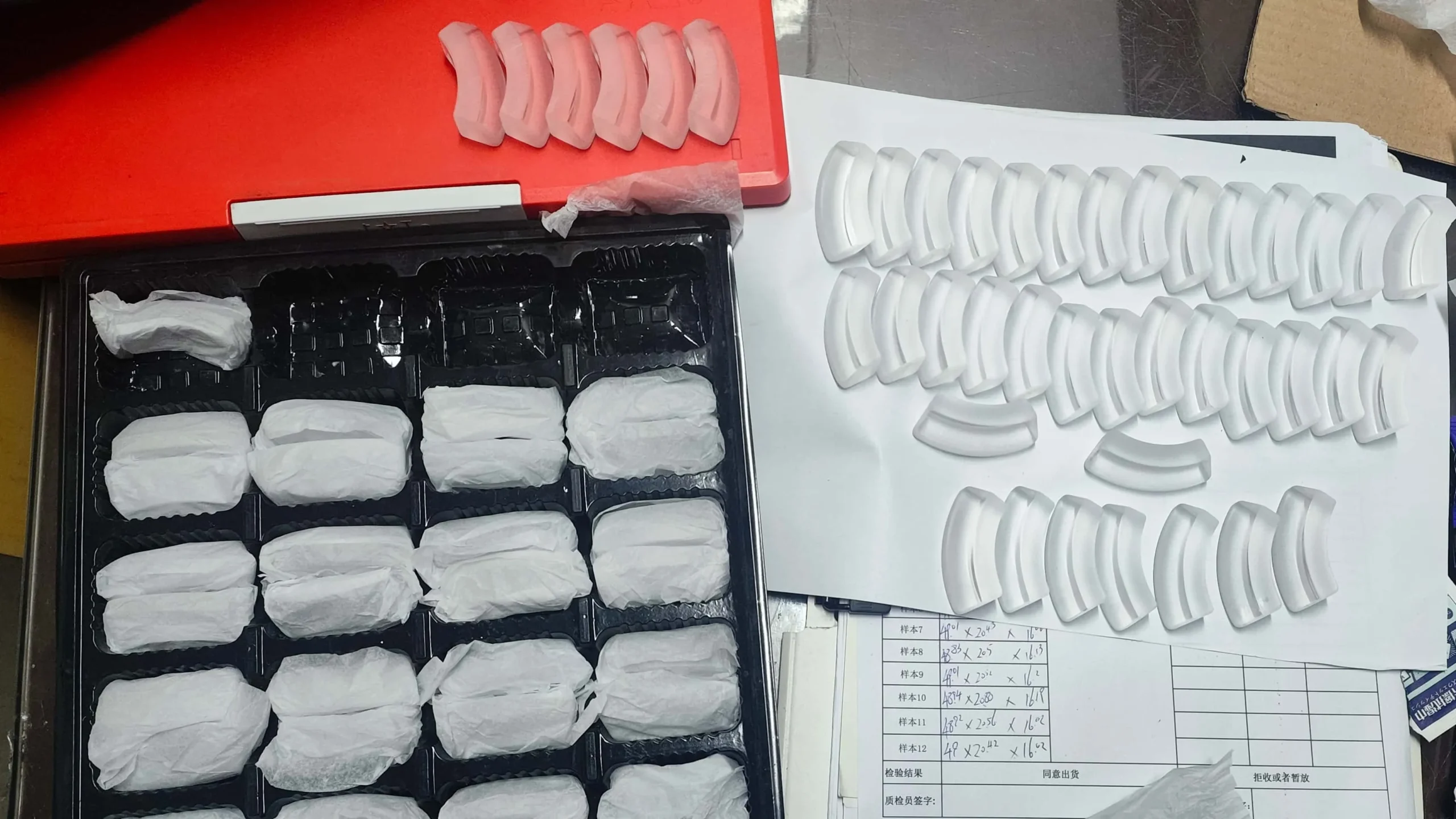
The results: We hold dimensional tolerances of ±0.05mm or better, surface roughness below 1nm RMS, scratch‑dig 40/20 or finer, and surface irregularity within 2 fringes. That translates into lenses that have zero stress birefringence and no distortion, keep beam patterns ICAO‑ and FAA‑compliant, resist thermal shock and chemical attack, and stand up to years of aircraft tire pounding—all while keeping the lights on for pilots in any weather.
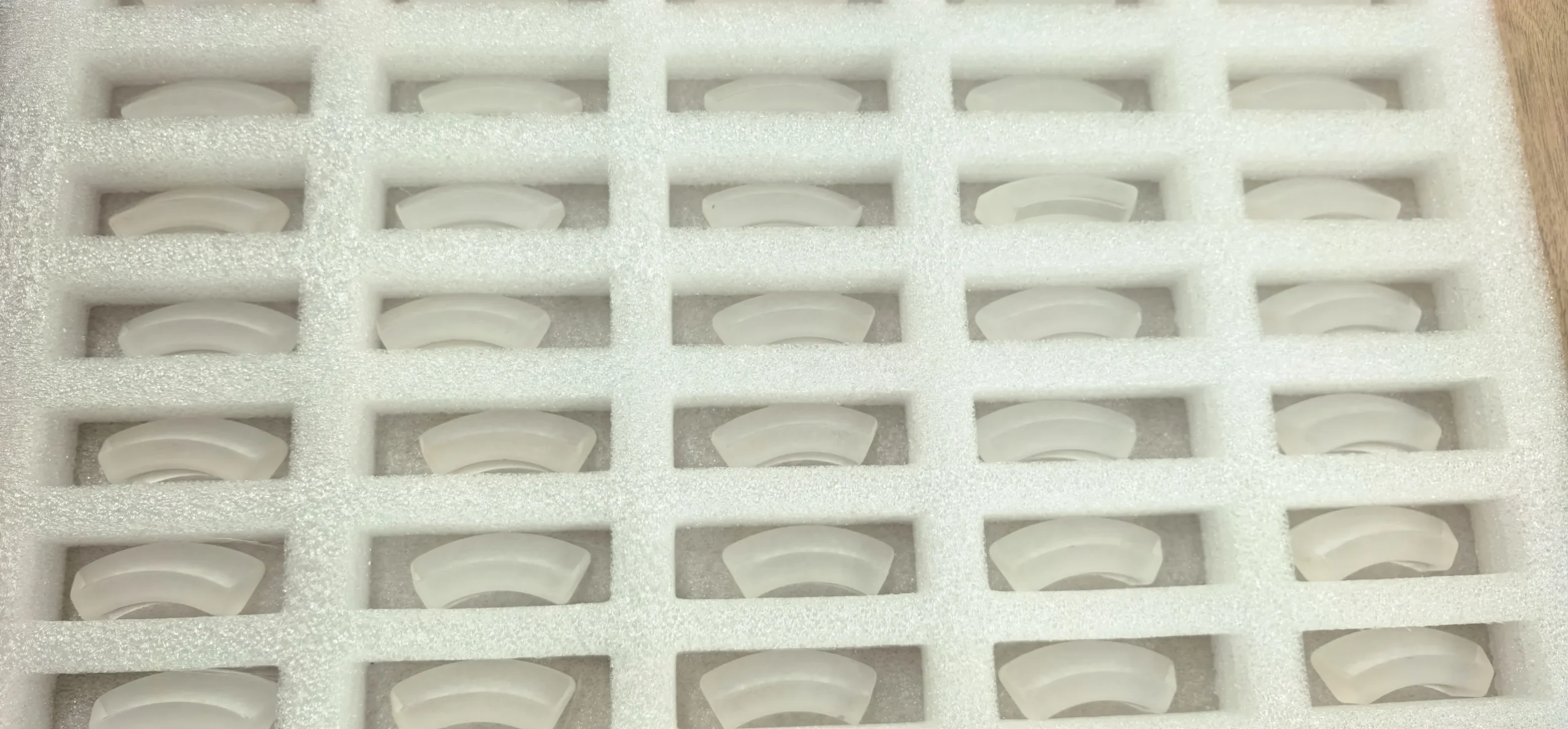
We delivered all 100 precision‑molded B270 lenses on time, hitting every target for size, optics, and surface quality.
But it’s not just about the parts—it’s how we work. Every single lens went through a full check before shipping: we measured dimensions with calibrated tools and gave you a detailed report, inspected surfaces under 40x magnification for scratches or defects, and ran each one through an imported polarimeter to make sure there was zero internal stress (because any stress would mess up the light beam).
We also respond within 24 hours to any urgent request—whether it’s a design tweak, a faster delivery, or an emergency reorder. And we have no minimum order quantity. That 100‑piece prototype? We treated it like a high‑volume run. We never penalize small orders—something big manufacturers simply won’t do.
The result? Our client validated their runway lighting system with our lenses, passed all required certifications, and deployed them across multiple European airports. The lenses have been performing flawlessly under extreme conditions ever since.
“We didn’t realize how complex glass components could be—until we started working with BO‑GLASS. Other suppliers told us our specs were too tight and our 100‑piece order wasn’t worth their time.
BO‑GLASS proved them wrong. They cracked the aspheric lens design and—even better—delivered five days early. That’s not a supplier; that’s a partner.
When we needed fast design changes, they replied in hours. When we needed certification paperwork, they gave us complete reports. When we needed extreme durability, their glass has held up perfectly.
We’re still using them for larger runs, and we’d recommend them without hesitation to any engineer who’s got a tough glass problem.”
— Markus Schneider, R&D Director, Germany
What Makes BO-GLASS Different
Surface Quality That Speaks for Itself
We don’t just promise quality—we prove it. Our polishing process removes micro‑cracks that weaken glass, so our lenses can take the thermal and mechanical beating of airport runways without failing.
Inspection That Leaves Nothing to Chance
Metals just need measuring. Glass needs measuring and optical checking. That’s why we inspect every single lens with imported stress birefringence gear, 40x magnification light inspection for scratches, and precision measurement tools with up‑to‑date calibration. It’s quality control that goes way beyond what most shops bother with.
Precision That Actually Matters
When our client said “tight tolerances,” they meant it. For us, that means surface roughness under 1nm RMS and dimensional accuracy of ±0.05mm. That’s the difference between a lens that just works and one that excels.
Built to Survive the Extremes
Ordinary glass cracks under thermal shock or chemical attack. Our B270 lenses? They handle -40°C to +150°C cycling, shrug off UV radiation from high‑intensity lamps, and resist de‑icing fluids and jet fuel.
The Bottom Line
This airport lighting project is exactly what BO‑GLASS is built for: tough specs, complex shapes, small quantities—and we delivered more than they expected.
We don’t try to beat anyone on volume. We win on capability, flexibility, and partnership. Whether you’re in airport lighting, aerospace, medical optics, or industrial sensing—if you need precision glass that holds up under extreme conditions, we’d love to show you what we can do.
Contact Us
Your feedback fuels our growth, and your questions drive our solutions.
We value your feedback, inquiries, and suggestions. Please feel free to get in touch with us
General inquiries
Please contact us via sales@bo-glass.com, and we will reply to you as soon as possible.
Interested to work with us
Drop your resume at info@bo-glass.com
and we will get back to you shortly.
We uses the contact information you provide to us to contact you about our relevent content, products, and services.