
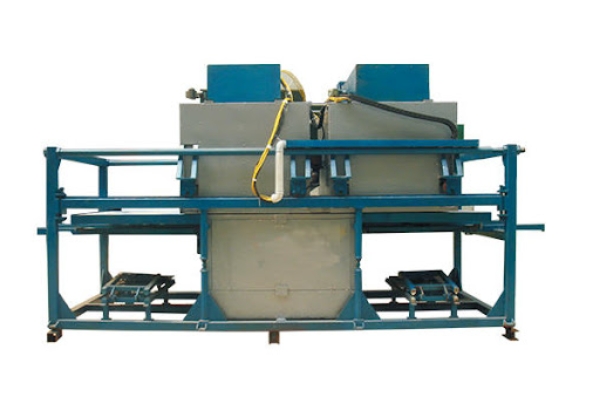
Chemical tempering equipment
(1) The control system is generally equipped with a central computer system, which consists of a control console, a control cabinet, on-site detection elements, and operation buttons. The display is installed on the operating table to provide users with process status simulation. The temperature control system is output to the power adjustment board by the computer through thermocouple sampling and intelligent calculation. The power adjustment board then triggers the solid-state relay to control the power of the heating element to heat the molten salt control the temperature, and control the ion exchange time according to the process requirements.
(2) Molten salt tank The molten salt tank is generally made of heat-resistant stainless steel and its specifications are determined according to the maximum size of the processed glass. The heating methods include resistance heating, gas combustion heating, etc. Resistance heating is easy to adjust, has high thermal efficiency, and does not produce pollution, so resistance heating is widely used. When heating the molten salt, thermocouples are installed on the walls around the molten salt tank so that the computer can control the molten salt temperature.
(3)The heating temperature range of the preheating furnace and the cooling furnace is 0-400℃. The preheating furnace and the cooling furnace are only different in function. The same furnace switches between the preheating and cooling functions. The preheating furnace can be designed according to the specifications of the processed glass and the maximum size of the glass arrangement. The chemical tempering furnace uses a track to move the preheating furnace horizontally above the molten salt tank and uses the oil pressure lifting system on the top of the furnace to put the glass into the molten salt tank for ion exchange. When one preheating furnace and the glass hanger are performing the ion exchange process together, the other preheating furnace is preheating another batch of glass. The left and right preheating furnaces work in turn, thereby improving production efficiency. The heating elements for preheating, the hot air circulation fan, and the cooling fan are all installed in the same furnace cavity, saving manufacturing costs.
(4) Lifting and conveying equipment and glass hangers. Glass hangers are non-standard equipment and need to be designed and manufactured according to production scale and product specifications. Lifting and conveying equipment uses hydraulic lifting and transportation equipment.
Contact Us
Your feedback fuels our growth, and your questions drive our solutions.
We value your feedback, inquiries, and suggestions. Please feel free to get in touch with us
General inquiries
Please contact us via sales@bo-glass.com, and we will reply to you as soon as possible.
Interested to work with us
Drop your resume at info@bo-glass.com
and we will get back to you shortly.
We uses the contact information you provide to us to contact you about our relevent content, products, and services.