
Design for Manufacturing for Custom Glass
Bring your glass design closer to production. Review materials, geometry and tooling requirements before mold development begins.
Discuss Your Glass Design
What is DFM for custom glass parts?
Design for manufacturing, also called design for manufacturability, means reviewing how a part will be made while its design can still be adjusted.
For custom glass, this means reviewing the material, forming process, geometry, finishing and inspection together. The aim is to identify issues early, such as a profile that cannot release from the proposed mold or an appearance requirement that is too vague to inspect, and agree how to address them before tooling.
Start with the function. Identify what the glass must do, which dimensions control its fit, and which surfaces affect its performance. These priorities guide the manufacturing review.
What should be reviewed before tooling?
Application and material
Describe the operating conditions, including temperature changes, contact with chemicals, mounting loads and any optical requirements. Select the glass against those needs and the proposed forming process. A material name or maximum temperature alone does not define performance in the finished assembly.
Wall thickness and transitions
Review thin sections, thick bosses, rims and the transitions between them. Local changes in section thickness affect how glass flows and cools. Where the function allows, smoother transitions and suitable radii can make forming and cooling easier to manage. The appropriate wall profile depends on the part size, material and process.
Mold access and release
Check how the mold opens and how the part is removed. Draft, undercuts, internal features and parting lines should be considered together. A geometry change, a different mold arrangement or a secondary operation may be needed. There is no single draft angle suitable for every glass design.
Critical dimensions and tolerances
Identify the mounting diameter, sealing face, locating features and other dimensions that control function. Define their reference datums and how they will be measured. Review demanding requirements individually, including whether they can be achieved by forming or need machining, grinding or polishing.
Surface and optical requirements
Separate visible surfaces from hidden areas and functional optical zones. State what matters: texture, clarity, transmission, surface form, chips or other defects. For appearance checks, agree the inspection area, viewing conditions and acceptance criteria. A general request for “high quality” is not an inspection specification.
Cooling, finishing and inspection
Include annealing and any later operations in the manufacturing route. Residual stress, edge condition, finish and dimensional inspection may all matter to the application. Agree which characteristics will be checked on samples, which will be monitored during production, and what additional application testing is needed.
Pressing and blowing need different reviews
Both routes use molds for BO-GLASS custom projects, but they shape the glass differently. A design should be reviewed for its intended route instead of applying the same rules to every component.
Do not assume a fixed wall profile. In a blown part, a mold-controlled outside shape does not automatically establish a precisely defined inside shape. State the internal clearance or wall-thickness requirement explicitly if it controls the function.
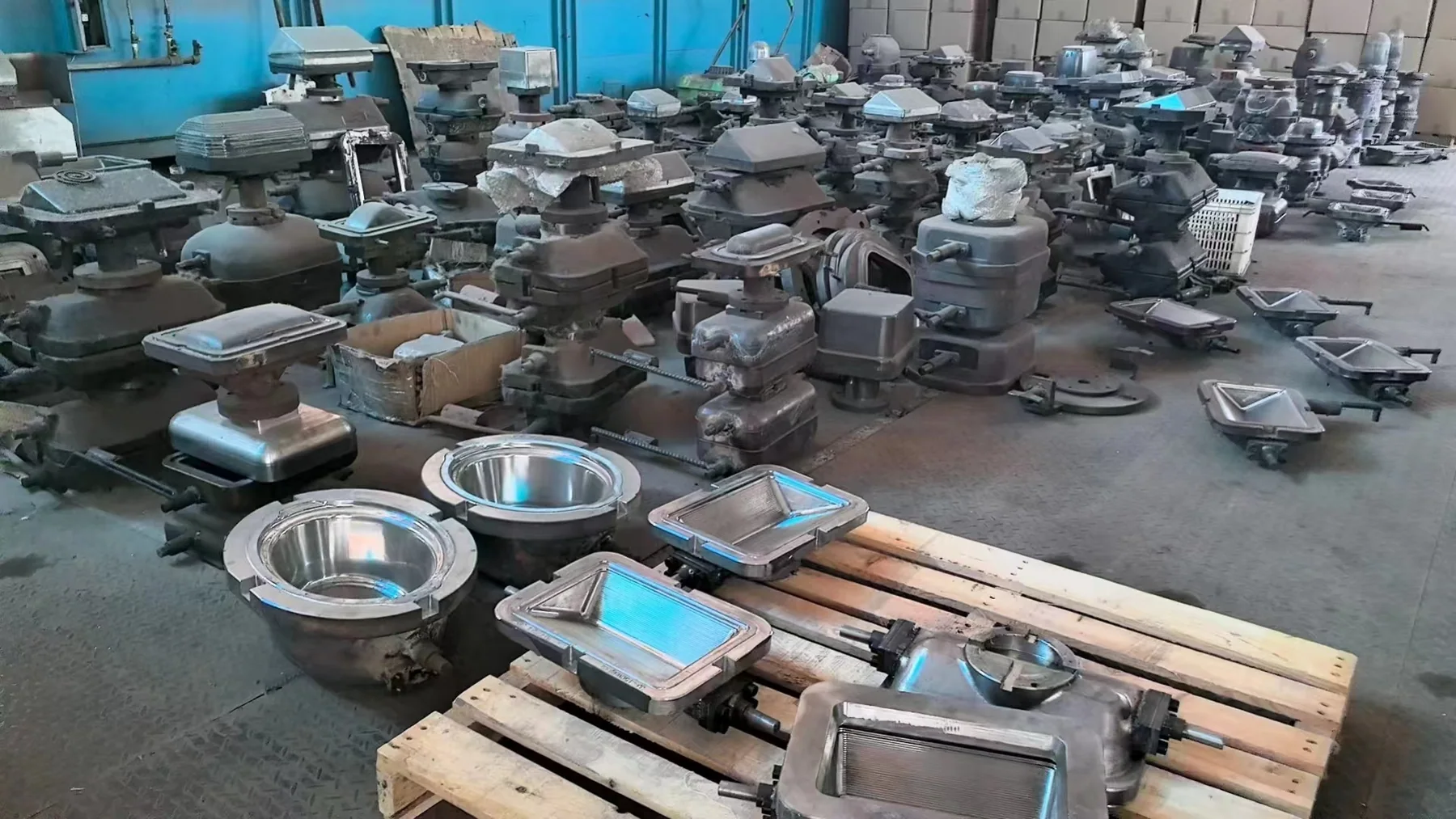
Pressed glass
A plunger shapes hot glass within a mold. Review the geometry of both the cavity and the plunger.
- Can the glass fill the required details?
- Can the plunger and mold withdraw from the part?
- Where are thickness changes, edges and parting lines?
- Which surfaces need finishing after forming?
Blown glass
Air expands hot glass into a hollow form. Review the outside profile together with wall distribution and openings.
- How will glass be distributed around the shape?
- Are corners, necks and transitions practical?
- How will the opening be formed or finished?
- Which internal dimensions can be controlled and checked?
Example: reviewing a glass lighting cover
A lighting cover may need to fit a housing, tolerate its operating environment and produce a particular appearance or light distribution. A useful DFM review treats those as separate requirements.
- A
Fit and mounting. Define the mating diameter, seating surface and assembly clearance. If a seal is involved, identify the contact surface and the relevant flatness, edge and finish requirements.
- B
Wall profile. Review the transition into the rim together with forming and cooling. A change proposed for manufacturability must still meet the required fit, strength and operating conditions.
- C
Visible or optical surface. Specify whether appearance, light transmission or an optical function controls acceptance. Assess representative samples in the intended assembly when the application requires it.
Illustrative example: a parting line on a visible surface. The drawing specifies the cover shape but does not show where a parting line is acceptable.
Review: Discuss the proposed mold layout and mark acceptable parting-line areas on the drawing. Agree any design changes before tooling begins.
Confirmation: Check samples against the agreed appearance criteria and viewing conditions.
Confirm the design. Validate the samples.
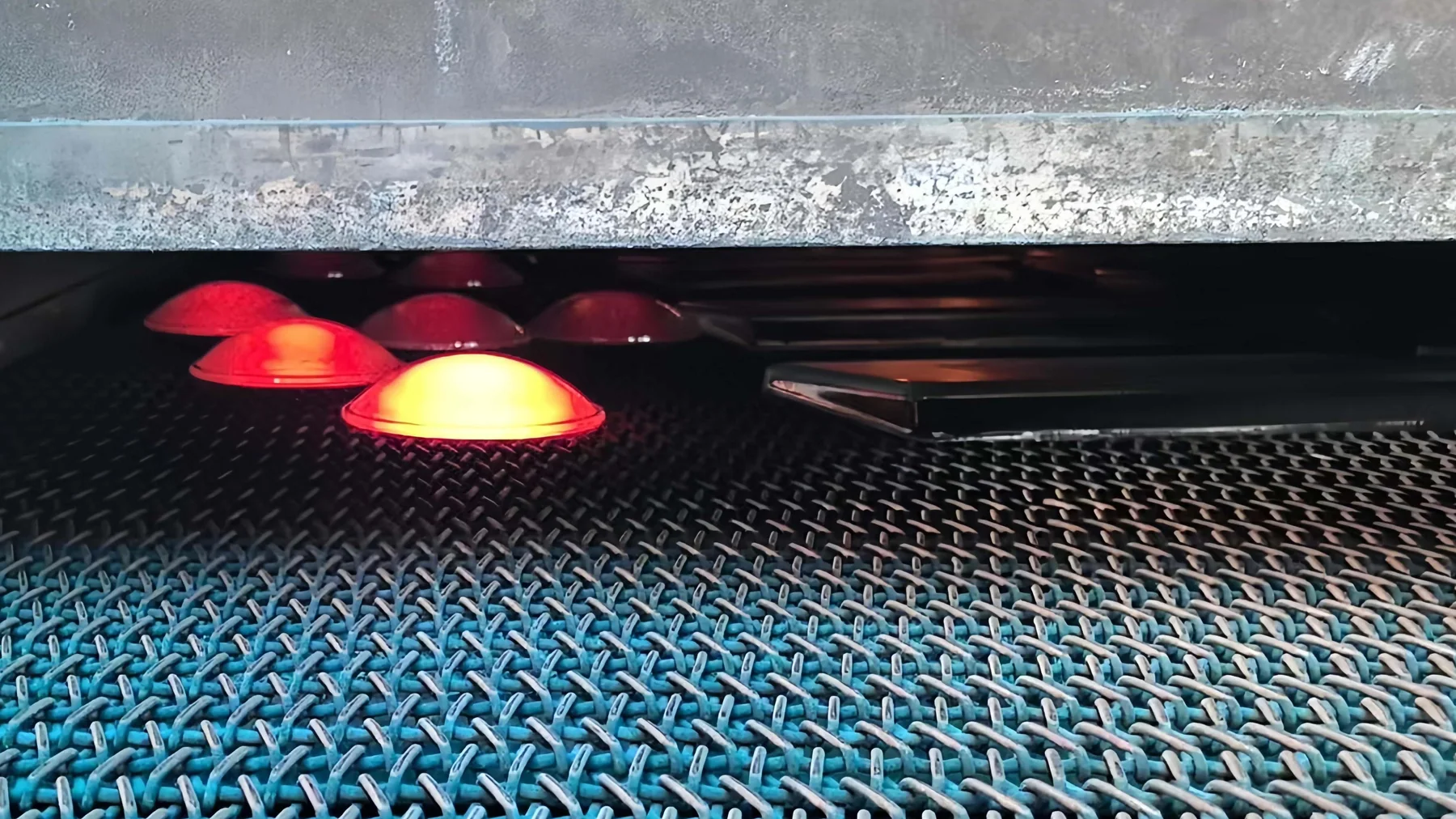
Technical review comes before tooling. Once the drawings, requirements and project arrangements are confirmed, mold development and sampling follow. Our pressed and blown glass projects require molds. Production begins after sample approval, using the agreed drawings, samples and order requirements.
A design review does not replace validation. Sample inspection and any required testing in the finished application remain part of deciding whether the component is suitable.
What to send for a useful review
Bring the drawing and the requirements behind it. Clear priorities help us understand what can change and what must stay fixed.
Still defining the details? Tell us what is missing so we can discuss the next steps. Product evaluation requires drawings, and the design and technical requirements must be agreed before mold development.
Start with three essentials
- Your current drawing: include its revision and units, and mark any details still being developed.
- The application: explain what the glass does and how it fits into the assembly.
- The quantity: state your sample needs and expected production quantity.
If available, also include:
- Material and operating conditions: the glass grade, temperatures, chemical exposure and other performance needs.
- Critical features: mating parts, tolerances, reference datums and features that cannot change. A 3D model can help explain the geometry.
- Surface and optical requirements: visible areas, textures, optical zones, finishing or coating needs.
- Acceptance criteria: inspection methods, application tests and any documentation requirements.
Frequently asked questions
When should I start a glass DFM review?
Start while the geometry and specifications can still be adjusted, ideally before the mold design is finalized. Revisit the review when the material, drawing revision or application requirements change.
Can I begin with a sketch or an existing sample?
A sketch or sample can help explain the concept. For product evaluation and mold development, BO-GLASS needs product drawings that define the geometry and relevant requirements. Discuss any missing information at the start.
Does DFM mean relaxing all tolerances?
No. Keep the tolerances needed for fit and function, and identify them clearly. Review other dimensions according to their purpose. A critical feature may need a different process or a finishing operation rather than a wider tolerance.
Is there a standard minimum wall thickness or draft angle?
There is no universal value for all pressed and blown glass parts. Suitable values depend on geometry, material, size, forming route and tooling. They should be reviewed against the particular drawing.
What should be agreed before tooling begins?
Confirm the drawing revision, glass material, forming route, critical dimensions and acceptance criteria. Record any agreed design changes in the drawings or specification, together with the confirmed project arrangements.
Can manufacturing constraints affect the quotation?
Yes. Tooling complexity, material, secondary operations and inspection requirements can affect the proposed manufacturing route and cost. Confirm the technical basis of the quotation before tooling begins.
Contact Us
Your feedback fuels our growth, and your questions drive our solutions.
We value your feedback, inquiries, and suggestions. Please feel free to get in touch with us
General inquiries
Please contact us via sales@bo-glass.com, and we will reply to you as soon as possible.
Interested to work with us
Drop your resume at info@bo-glass.com
and we will get back to you shortly.
We uses the contact information you provide to us to contact you about our relevent content, products, and services.