
Custom Seeded Glass Lamp Shades for Vintage and Farmhouse Lighting
A lamp shade is not just a cover for the bulb. It shapes the light and changes the atmosphere of the entire room.
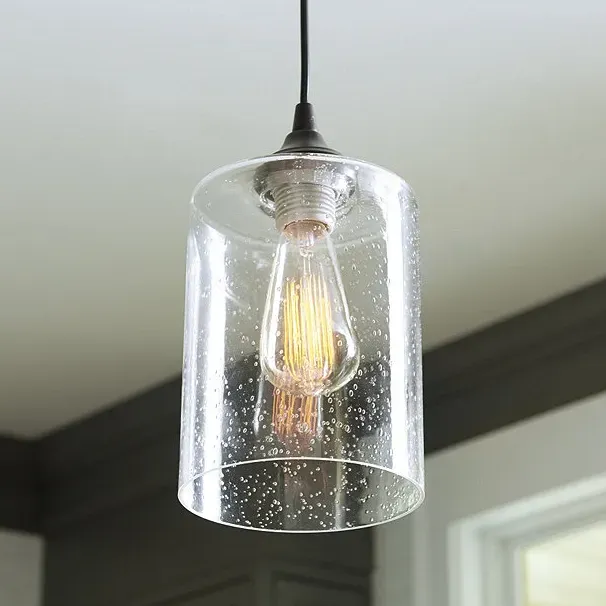
For replacement lighting products, the glass shade must diffuse light beautifully, fit standard hardware correctly, remain stable during use, and match the other shades installed on the same fixture.
That was the challenge a US-based lighting client brought to BO-Glass.
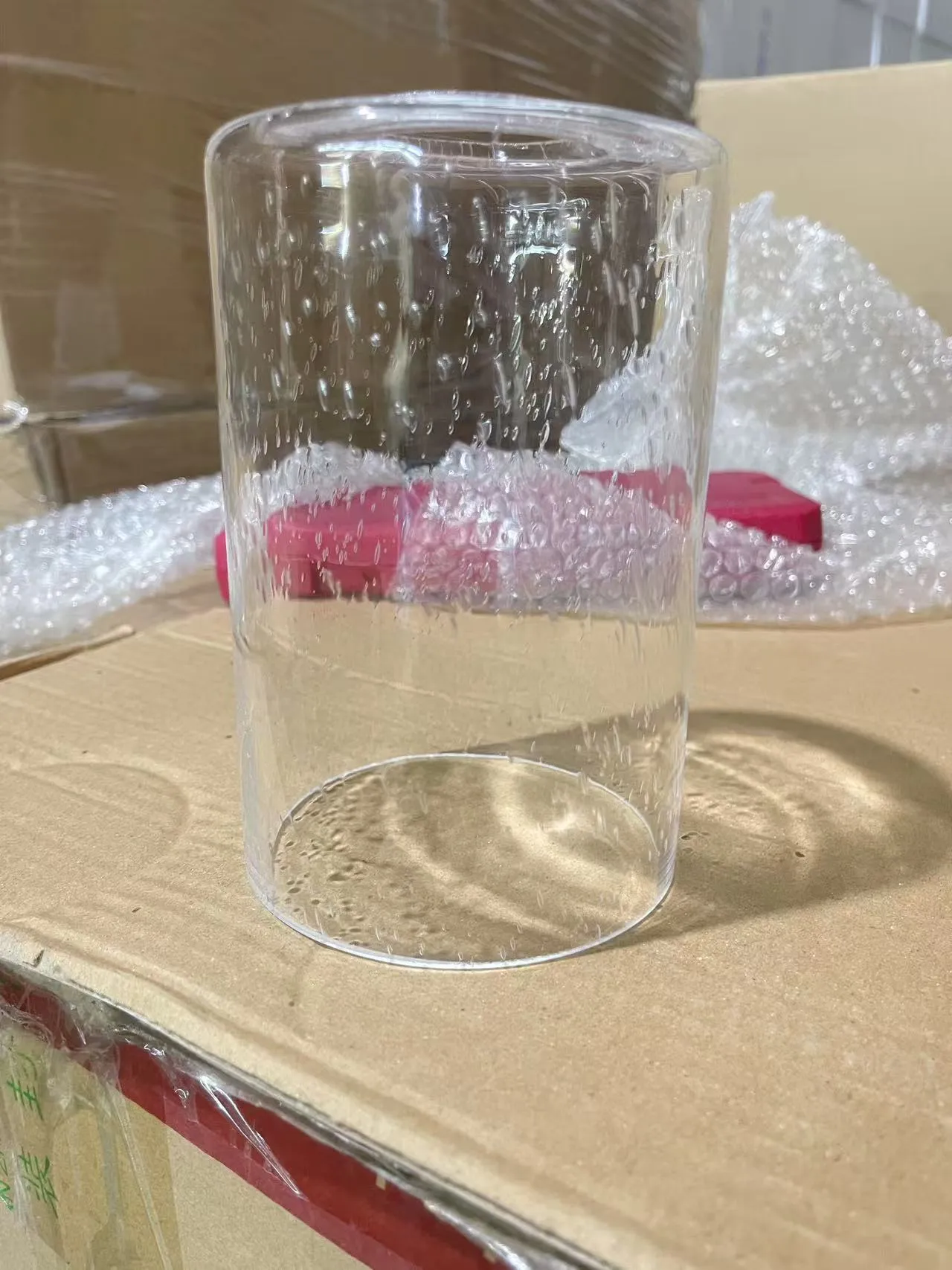
The client was developing clear seeded glass lamp shades for online retail and replacement lighting applications. The shades featured tiny air bubbles suspended inside the glass, creating the vintage appearance commonly known as bubble glass or seeded glass.
The collection included cylindrical and globe-shaped profiles in common sizes such as 4-inch and 6-inch diameters, with heights ranging from approximately 6 to 8 inches. The upper fitter opening needed to measure 1-5/8 inches, or approximately 41 mm, so the shades could be installed on compatible lighting fixtures.
The finished product needed to feel handcrafted and decorative while remaining consistent enough for retail customers purchasing multiple matching shades.
Custom Seeded Glass Lamp Shades
The Challenge
The defining feature was the seeded bubble effect.
These bubbles are not printed, painted, or applied to the surface. They are formed inside the molten glass during the hand-blowing process.
That natural process gives every shade its character, but it also creates a production challenge. If the bubbles are too sparse, the glass loses its distinctive seeded appearance. If they are too large or too concentrated, the shade can look uncontrolled and may become more vulnerable to internal stress.
The client also needed dimensional consistency.
Because the shades would be sold as replacement components, the diameter, height, and fitter opening had to work with existing lighting hardware. A shade that looks beautiful but does not fit the fixture will still be returned by the customer.
The 1-5/8-inch fitter opening was especially important. If it was too large, the shade could wobble after installation. If it was too small or irregular, it might not seat correctly and could be damaged when tightened.
Wall thickness presented another challenge. Uneven glass thickness can create visible bright and dark areas when the lamp is switched on. The bubbles already scatter the light, so uncontrolled thickness can make the lighting effect look inconsistent.
BO-Glass needed to balance the organic character of hand-blown seeded glass with the dimensional and visual consistency expected in the retail replacement market.
Our Solution
BO-Glass developed a custom high-borosilicate BO-Glass developed a controlled production process combining seeded bubble formation, dimensional measurement, fitter-opening inspection, wall-thickness control, fire polishing, extended annealing, and visual quality grading.
Instead of treating the shade as a simple decorative glass cover, we treated it as a complete lighting component. Bubble distribution, light transmission, fixture fit, edge finish, silhouette, and production consistency all had to work together.
Controlled Seeded Bubble Effect
The seeded appearance was created by controlling how air became trapped inside the glass during forming.
The goal was not to make every bubble identical. That would remove the handcrafted character of the product. Instead, BO-Glass established an acceptable visual range for bubble size, density, and distribution.
Pre-production samples helped define the target appearance before batch production. This gave the client a clear reference for acceptable handmade variation and made it easier to identify shades with bubbles that were too sparse, too large, or unevenly concentrated.
The resulting glass retained its natural character while presenting a more consistent appearance across matching sets.
Dimensional Precision for Replacement Fit
Replacement lamp shades must fit the fixtures customers already own.
BO-Glass used dimensional templates and precision gauges to check the shade diameter, overall height, and fitter opening after forming and cooling.
Common configurations included 4-inch and 6-inch outer diameters, heights from approximately 6 to 8 inches, and a 1-5/8-inch fitter opening.
Pieces outside the agreed dimensional range could be separated before packing. This helped reduce the risk of loose installation, poor seating, and customer returns caused by incompatible dimensions.
Clear measurement guidance could also be supplied for product listings, helping retail customers confirm their fixture size before ordering.
Consistent Wall Thickness and Light Diffusion
A glass lamp shade must manage light as well as provide decoration.
If one area of the shade is much thicker than another, the light can appear uneven. Thick areas may look darker, while thin areas may become overly bright and more vulnerable to damage.
BO-Glass controlled the amount of glass gathered during forming and monitored the inflation of each shade. The glassblower continuously rotated and shaped the piece to reduce the natural tendency for molten glass to become heavier at the bottom.
Wall-thickness inspection helped maintain more balanced light transmission and a consistent visual weight from shade to shade.
Fitter Opening and Edge Finishing
The fitter opening was one of the most important functional details.
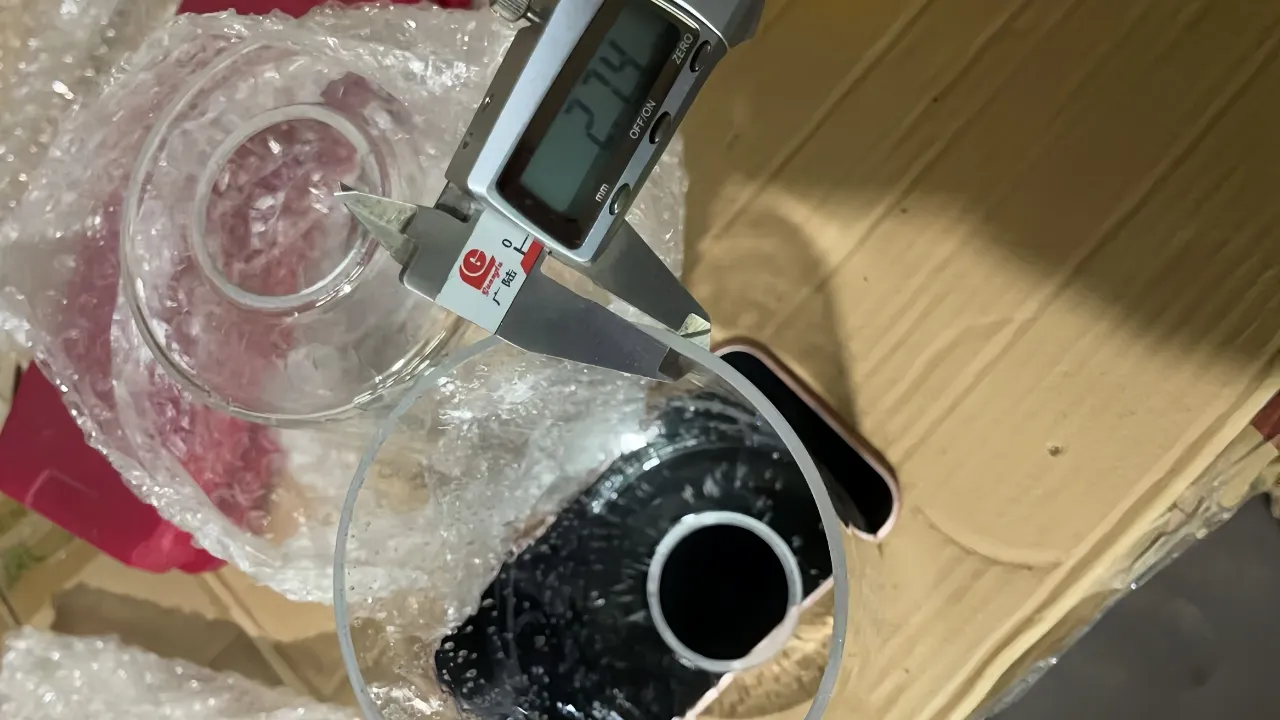
In hand-blown production, an opening formed only by eye can become slightly oval, oversized, or undersized. That variation is unsuitable for a shade intended to fit standard lighting hardware.
BO-Glass checked the opening after the shade had cooled and stabilized. Its diameter, roundness, and seating surface were inspected against the approved specification.
The rim was then carefully finished and fire-polished to remove sharp or irregular edges. This produced a smoother fitter opening and helped the shade sit more securely on the fixture.
For BO-Glass, a replacement lamp shade is not finished until it fits correctly.
Extended Annealing for Seeded Glass
Seeded glass requires careful cooling.
Every bubble forms a small void inside the glass. The area surrounding that bubble may cool differently from the rest of the shade, creating points where internal stress can concentrate.
If the cooling cycle is too fast, that stress may remain inside the glass and contribute to cracking during shipping, installation, or later use.
BO-Glass used a controlled, extended annealing profile to cool the shades gradually and reduce residual stress. The process was adjusted for the seeded structure and the wall thickness of the shade.
This step helped improve long-term stability while preserving the decorative bubble effect.
Quality Standards for Handmade Variation
No two hand-blown seeded glass shades will have exactly the same bubble pattern, and that individuality is part of their appeal.
Retail customers, however, still expect shades installed on the same fixture to look like a coordinated set.
BO-Glass established quality standards covering bubble density, bubble size, bubble distribution, overall shape, wall thickness, surface condition, fitter diameter, rim finish, and dimensional tolerance.
Small differences in bubble placement and surface character were accepted as signs of handmade production. Uneven silhouettes, unstable dimensions, poor fitter openings, excessive bubble concentration, visible defects, or annealing cracks were rejected.
This approach preserved the artisan appearance without allowing natural variation to become uncontrolled inconsistency.
The Result
The resulting shade specification gave the client the vintage seeded-glass appearance required for the collection while addressing the practical demands of replacement lighting.
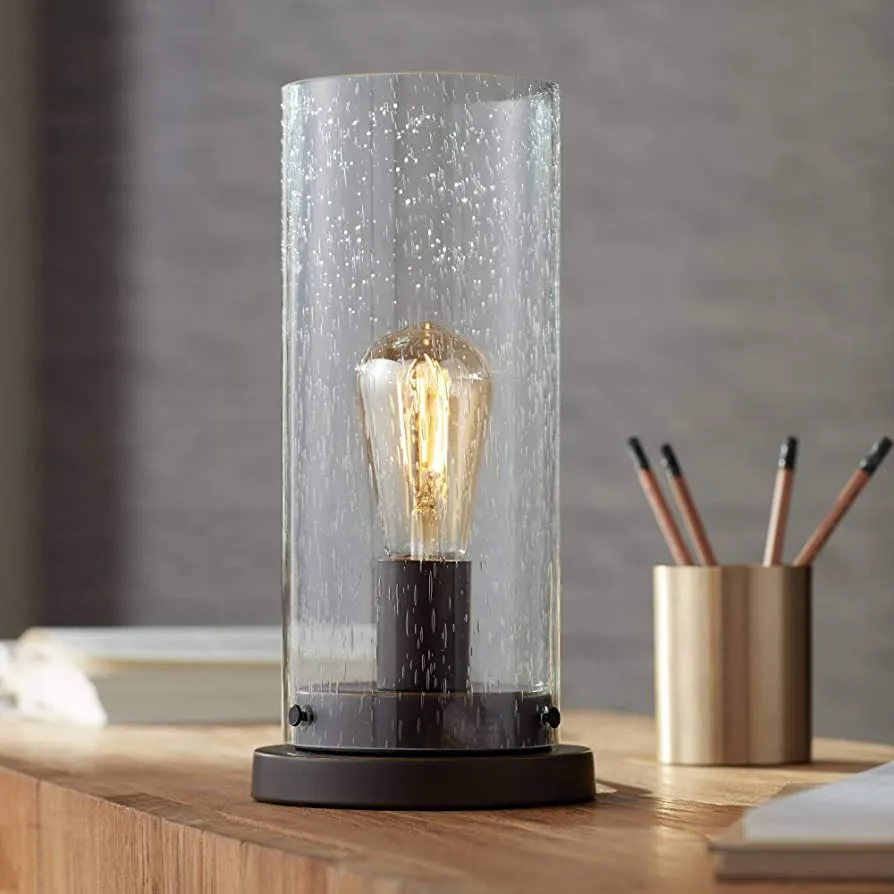
The internal bubbles softened and scattered the light, creating a warm decorative effect suited to vintage, industrial, and farmhouse interiors.
Each shade retained its own natural bubble pattern, but the overall bubble density, silhouette, wall thickness, fitter size, and surface quality were controlled within an approved range. This helped multiple shades look coordinated when installed on the same fixture.
For the client, the glass shade became more than a replacement component. It became an important part of the product’s visual identity: functional, decorative, handcrafted, and compatible with familiar lighting styles.
For BO-Glass, the project demonstrated how the natural variation of seeded glass can be managed through skilled forming and clear production standards.
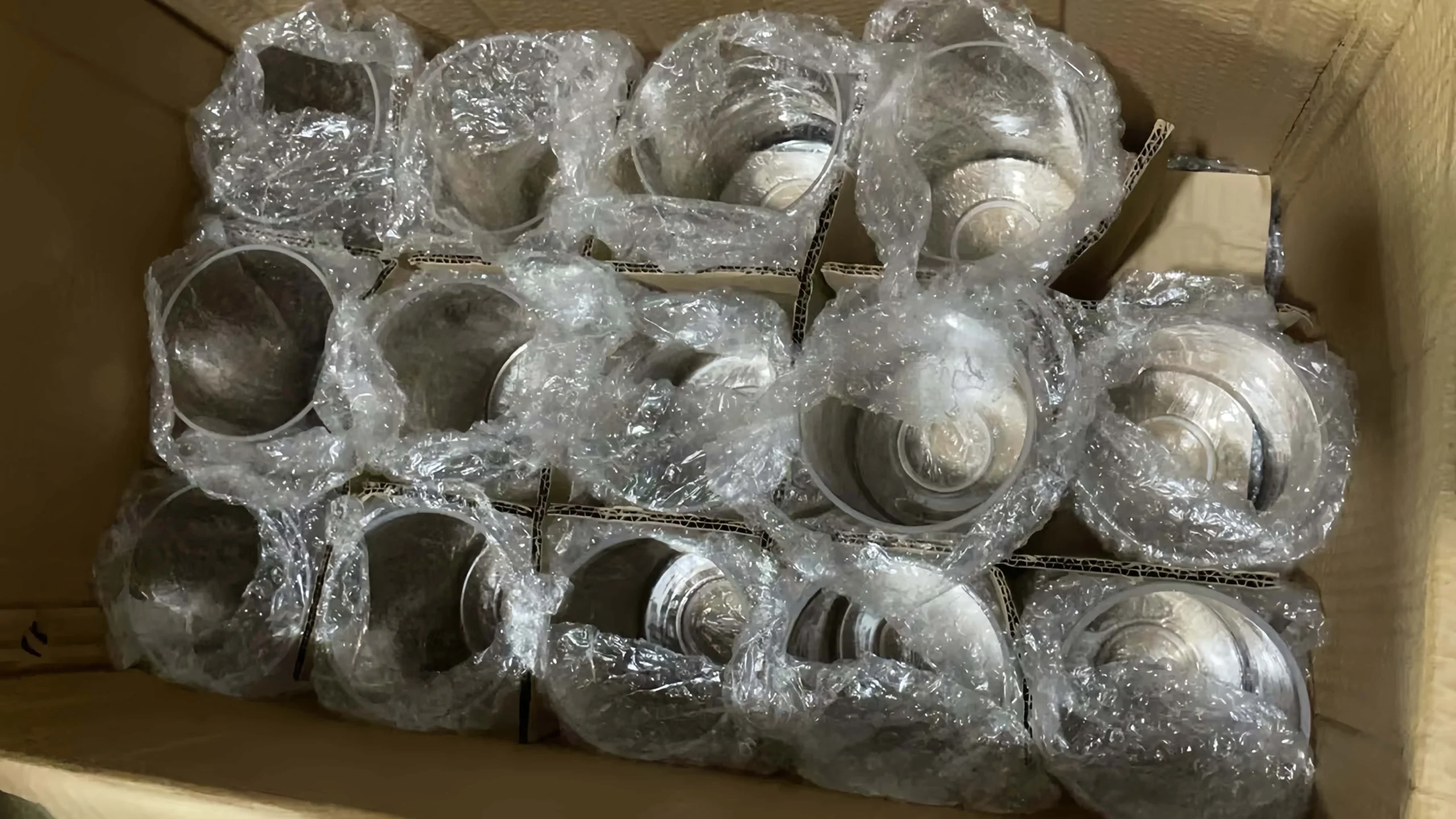
Why Choose BO-Glass?
BO-Glass helped the client solve the central challenge of this project: preserving the natural beauty of handmade bubble glass while achieving dependable fit and retail-ready consistency.
A seeded glass lamp shade should not look machine-perfect, but it also cannot have uncontrolled bubbles, unstable dimensions, uneven light transmission, sharp edges, or an inaccurate fitter opening.
With hand-blown glass expertise, pre-production sampling, bubble-pattern standards, precision measurement, wall-thickness inspection, fire-polished rims, extended annealing, and strict quality grading, BO-Glass can create custom lamp shades that feel genuinely handcrafted while meeting practical lighting requirements.
For lighting brands, replacement-parts suppliers, interior décor companies, and online retailers, BO-Glass can develop custom seeded glass shades that add texture, warmth, and distinctive vintage character to the finished fixture.
Contact Us
Your feedback fuels our growth, and your questions drive our solutions.
We value your feedback, inquiries, and suggestions. Please feel free to get in touch with us
General inquiries
Please contact us via sales@bo-glass.com, and we will reply to you as soon as possible.
Interested to work with us
Drop your resume at info@bo-glass.com
and we will get back to you shortly.
We uses the contact information you provide to us to contact you about our relevent content, products, and services.