
Fly-Eye Glass Lens Arrays for High-Power Stage Lighting
A stage light beam only looks simple after the optics have done the hard work.
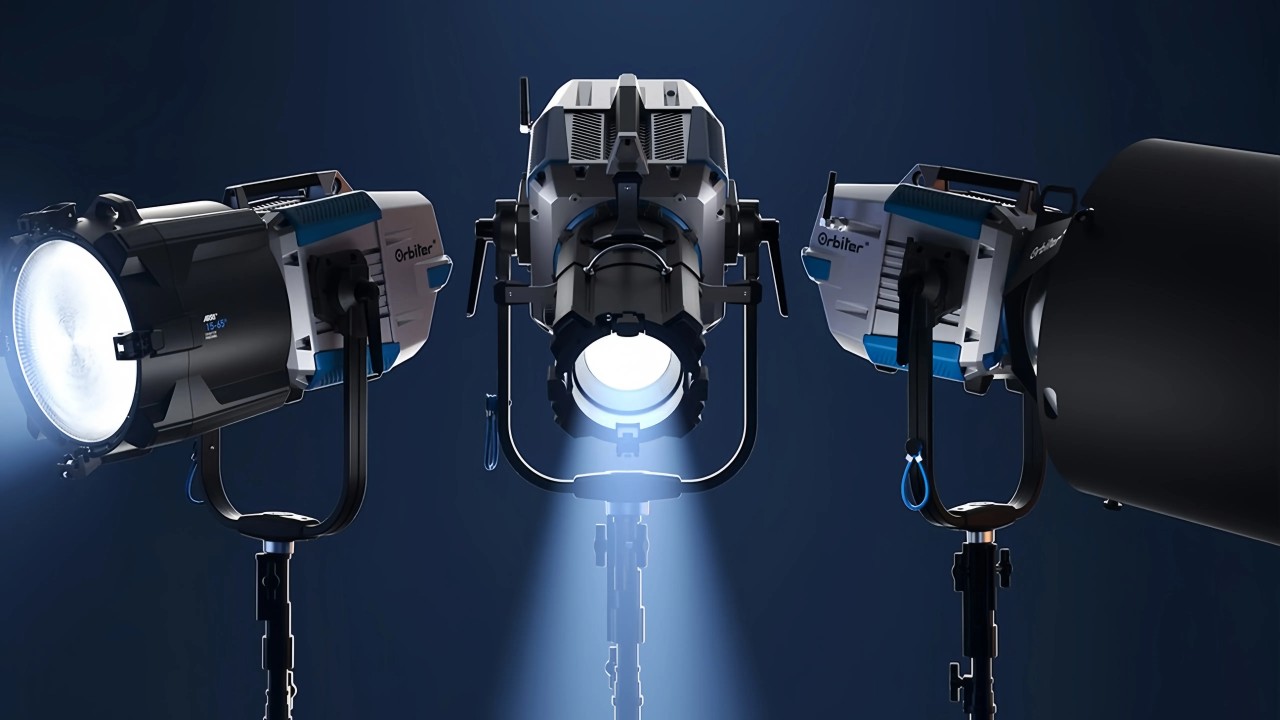
In high-power moving-head stage lights, dozens of LEDs must be shaped into one smooth, powerful beam. If the optical system cannot control each LED properly, the final light becomes uneven, with hotspots, dark streaks, glare, or the “corn-cob” effect often seen in low-quality LED washes.
That was the problem this stage lighting manufacturer brought to BO-Glass.
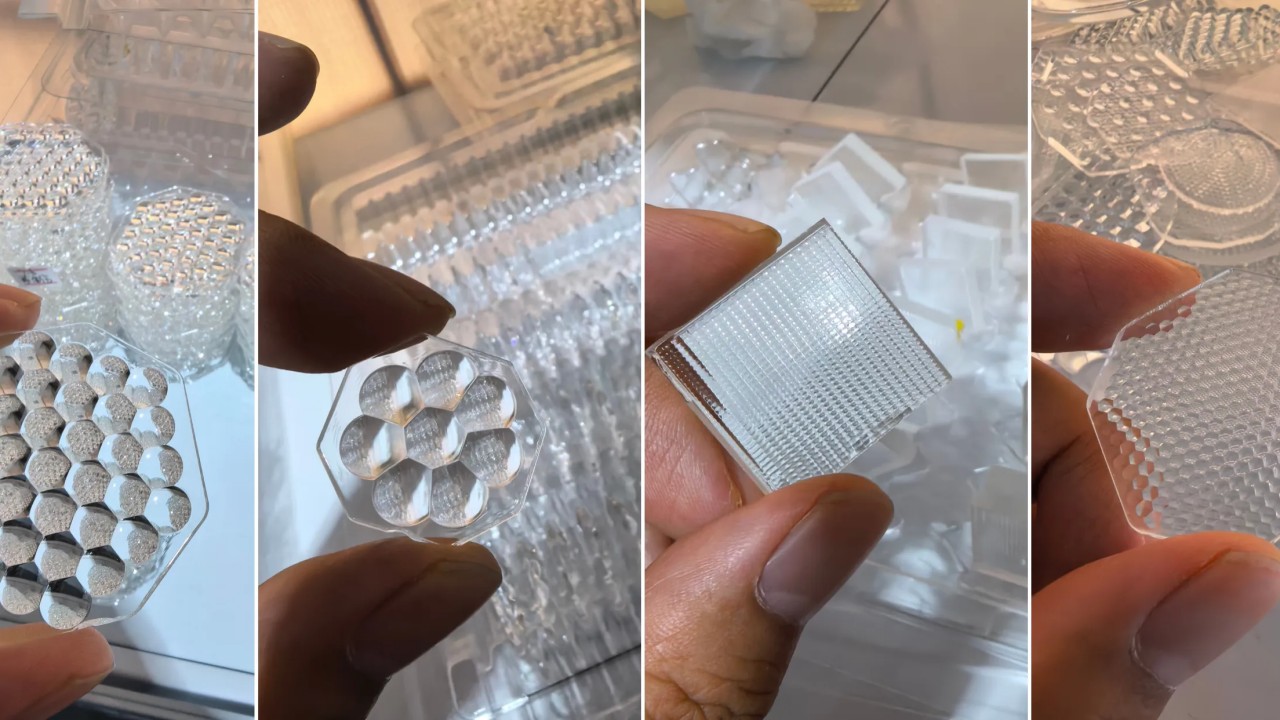
The client had designed a fly-eye lens array: 64 small lenslets on one glass plate, arranged in an 8×8 grid. Each lenslet was designed to collimate one LED chip, allowing all beams to overlap into a smooth and uniform output.
The optical idea was strong. The production process was not.
Their previous supplier could not produce the lens arrays reliably. Yield stayed below 30%, with many parts breaking during demoulding or showing chips, cracks, and distorted lenslet surfaces.
The client needed a glass partner who could solve the real manufacturing problem, not just quote the drawing.
Fly-Eye Glass Lens Arrays for Stage Lighting
The Challenge
The product looked simple at first: a square glass plate around 60 mm across, carrying 64 small spherical lenslets.
But producing it was extremely difficult.
When hot glass is pressed into a mould with 64 small cavities, the glass flows into every fine detail. After cooling, the glass shrinks slightly.
That shrinkage creates friction and mechanical locking between the lenslets and the mould.
In other words, the glass does not want to come out.
The previous supplier used a two-piece mould with a central ejector pin. The problem was that the pin pushed only from the middle. The center released first, while the edges remained stuck. This uneven release force caused cracks along the lenslet boundaries.
Sometimes the entire plate shattered.
Sometimes only a few lenslets chipped. But for a fly-eye array, one damaged lenslet can make the whole part unusable.
The client tried different release agents, mould materials, and cooling speeds, but the yield still could not rise above about 35%.
For BO-Glass, the key issue was clear: this was not only an optical moulding problem. It was a demoulding problem.
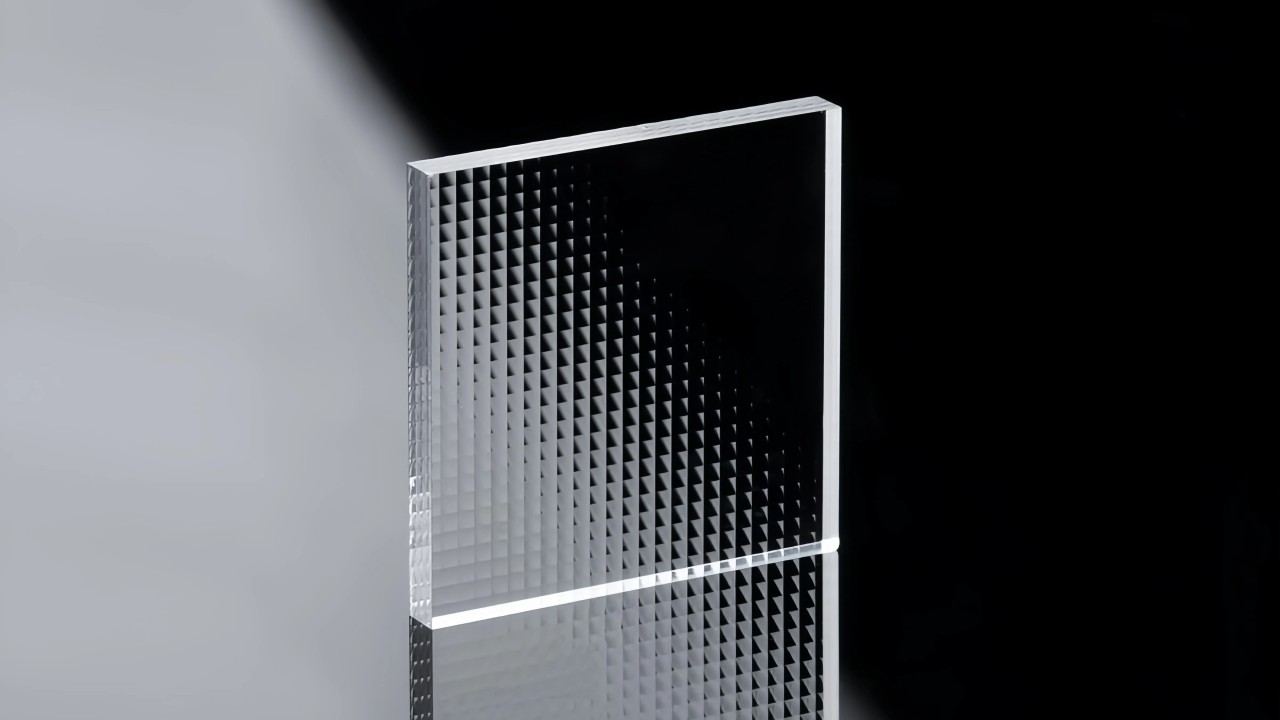
Our Solution
BO-Glass redesigned the mould and ejection system around the real failure point: release force.
Instead of trying to force the glass out of one large mould cavity, we built a process that allowed each lenslet area to release more evenly and safely.
Segmented Insert Mould Design
The first change was the mould structure.
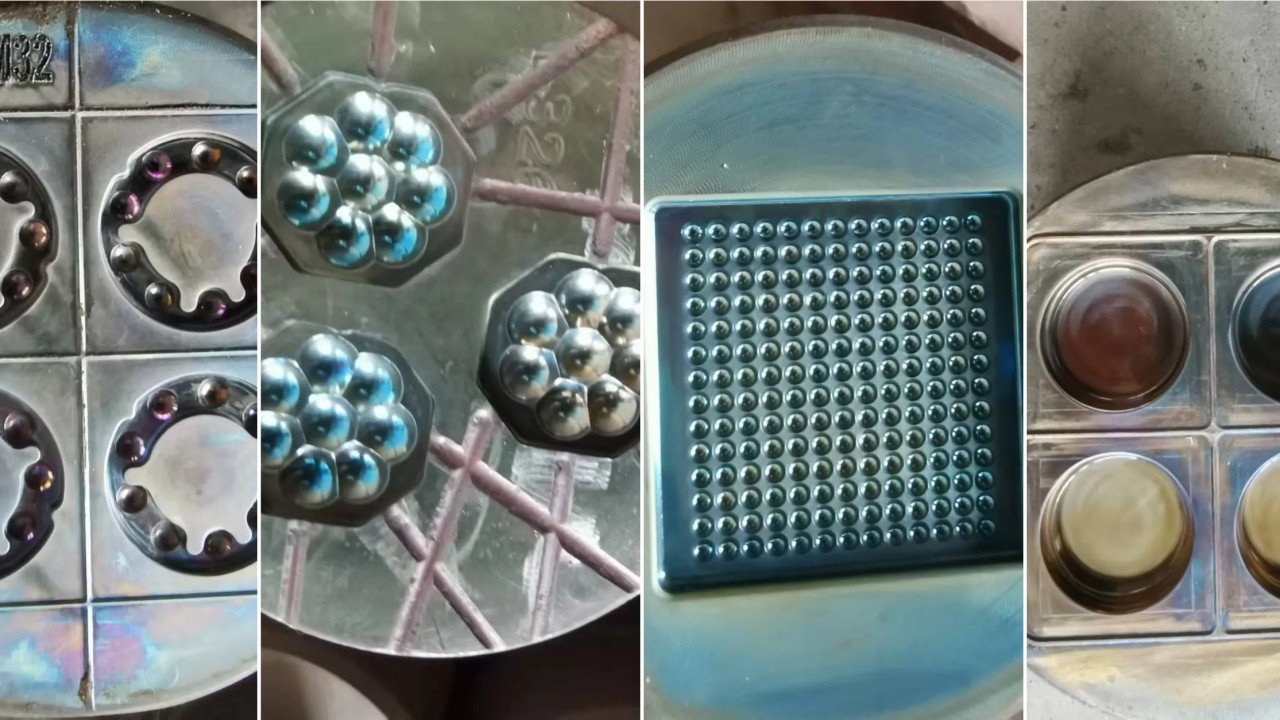
Instead of using one monolithic mould plate, BO-Glass developed a segmented insert system with 64 individual pin-type inserts. Each insert formed one lenslet.
After pressing and cooling, the mould opened and the spring-loaded inserts pushed independently. This distributed the release force across the entire lens array instead of concentrating it in the center.
This change reduced cracking dramatically because the glass was no longer being forced out unevenly.
For complex lens arrays, BO-Glass does not only think about the optical surface. We also design the mould around how the glass will release after forming.
Optimized Draft Angle
We also adjusted the side wall of each lenslet cavity.
A vertical cavity wall increases friction during demoulding. To reduce grip, BO-Glass added a 1.5° draft angle to the cavity design.
This small taper made a major difference. It helped the glass release more easily without changing the optical function of the lenslet.
Too much taper would affect the surface shape.
Too little taper would not solve the sticking problem. After CAD simulation and release-force analysis, 1.5° became the best balance.
Tungsten-Carbide Mould with DLC Coating
The mould material also had to change.
BO-Glass switched from standard tool steel to tungsten-carbide inserts with diamond-like carbon coating.
The tungsten-carbide base provided strong wear resistance under repeated high-temperature pressing. The DLC coating reduced friction between the glass and the mould surface, helping the lens array release more cleanly.
For a part with 64 delicate optical elements, this coating was not a luxury. It was one of the keys to making production stable.
Controlled Ejection Timing
Demoulding timing was another important detail.
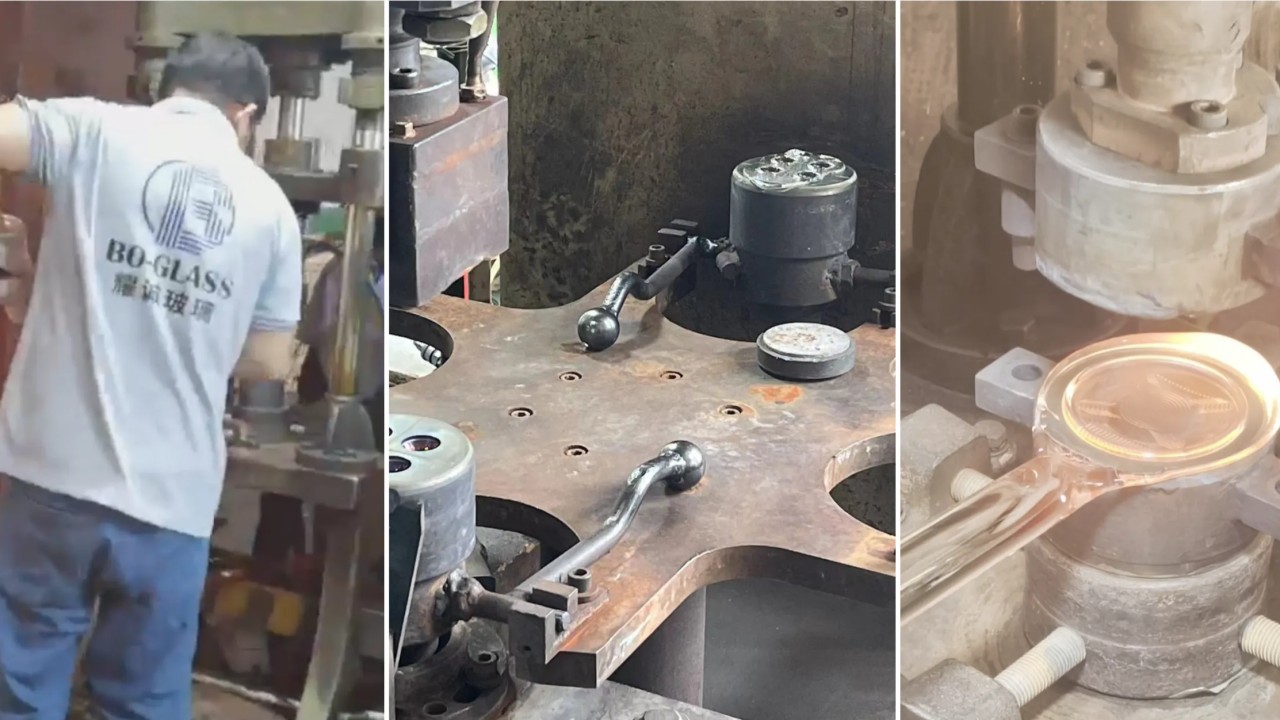
In early trials, we found that ejecting too soon increased stress and breakage. BO-Glass adjusted the process so the pin activation was delayed by 2 seconds after mould opening.
This short delay allowed the glass to equalize before release, reducing stress during ejection.
Combined with distributed pin ejection, the timing adjustment helped increase yield from the first trial level to a much more stable production result.
Release Agent Optimization
After improving the mould and ejection system, BO-Glass also added a thin boron-nitride spray as a release agent before each press.
The release agent reduced sticking without damaging the optical surface. Once the spray amount and application method were stabilized, the yield rose again.
Across a 2,000-piece run, yield reached 91%, compared with below 30-35% from the client’s previous supplier.
This turned the lens array from a risky, expensive part into a realistic production component.
Optical Verification
Yield was not the only requirement. The lens array still had to perform optically.
BO-Glass measured the surface form error of the lenslets using a laser interferometer. The lenslet surface form error was controlled within ±2 um RMS, meeting the client’s specification.
The client also mounted the array onto a 200 W LED engine and projected the beam onto a screen. Illuminance variation across the field was under 8%, much better than the roughly 20% variation they had seen before.
The final beam was bright, smooth, and uniform, without the visible LED pattern or uneven “corn-cob” effect.
Production Stability
After process optimization, the client placed a standing order of 500 pieces per month.
They later asked BO-Glass to begin development for a larger 12×12 lens array for a next-generation stage lighting fixture.
For BO-Glass, this project showed that precision optics are not only about design accuracy. They also require practical manufacturing thinking: mould release, coating, cooling, ejection timing, and process repeatability.
The Result
The first BO-Glass trial run reached 68% yield, already more than double the client’s previous result.
After adjusting the ejection timing, the yield increased to 82%. After adding a controlled boron-nitride release process, the yield reached 91% across a 2,000-piece run.
The client was extremely satisfied because the parts could finally be produced at a realistic cost and quality level.
Optically, the result also met the requirement. Each lenslet remained accurate, the beam became smooth and uniform, and illuminance variation across the field was reduced to under 8%.
The stage lighting fixture produced a bright, even beam without obvious hotspots, dark streaks, or unwanted LED patterns.
The client placed a standing order for 500 pieces per month and later asked BO-Glass to support a larger 12×12 lens array for their next-generation product.
For the client, the project changed a fragile optical concept into a stable production part.
Why Choose BO-Glass?
BO-Glass helped the client solve the problem that mattered most: not whether a fly-eye lens array could be designed, but whether it could be produced reliably.
With custom mould engineering, segmented inserts, distributed ejection, DLC coating, release-force simulation, controlled cooling, optical testing, and practical process optimization, we turned a low-yield part into a repeatable production component.
Our strength is not only making optical glass parts. It is understanding why difficult parts fail in production and redesigning the process around that failure point.
For stage lighting, architectural lighting, projection systems, and LED optical applications, BO-Glass can develop custom lens arrays that deliver optical performance while staying realistic for manufacturing.
Contact Us
Your feedback fuels our growth, and your questions drive our solutions.
We value your feedback, inquiries, and suggestions. Please feel free to get in touch with us
General inquiries
Please contact us via sales@bo-glass.com, and we will reply to you as soon as possible.
Interested to work with us
Drop your resume at info@bo-glass.com
and we will get back to you shortly.
We uses the contact information you provide to us to contact you about our relevent content, products, and services.