
Custom Glass Elbows and Tees for Plastic Pellet Conveying Systems
In factory pipe networks, visibility can save hours of downtime.
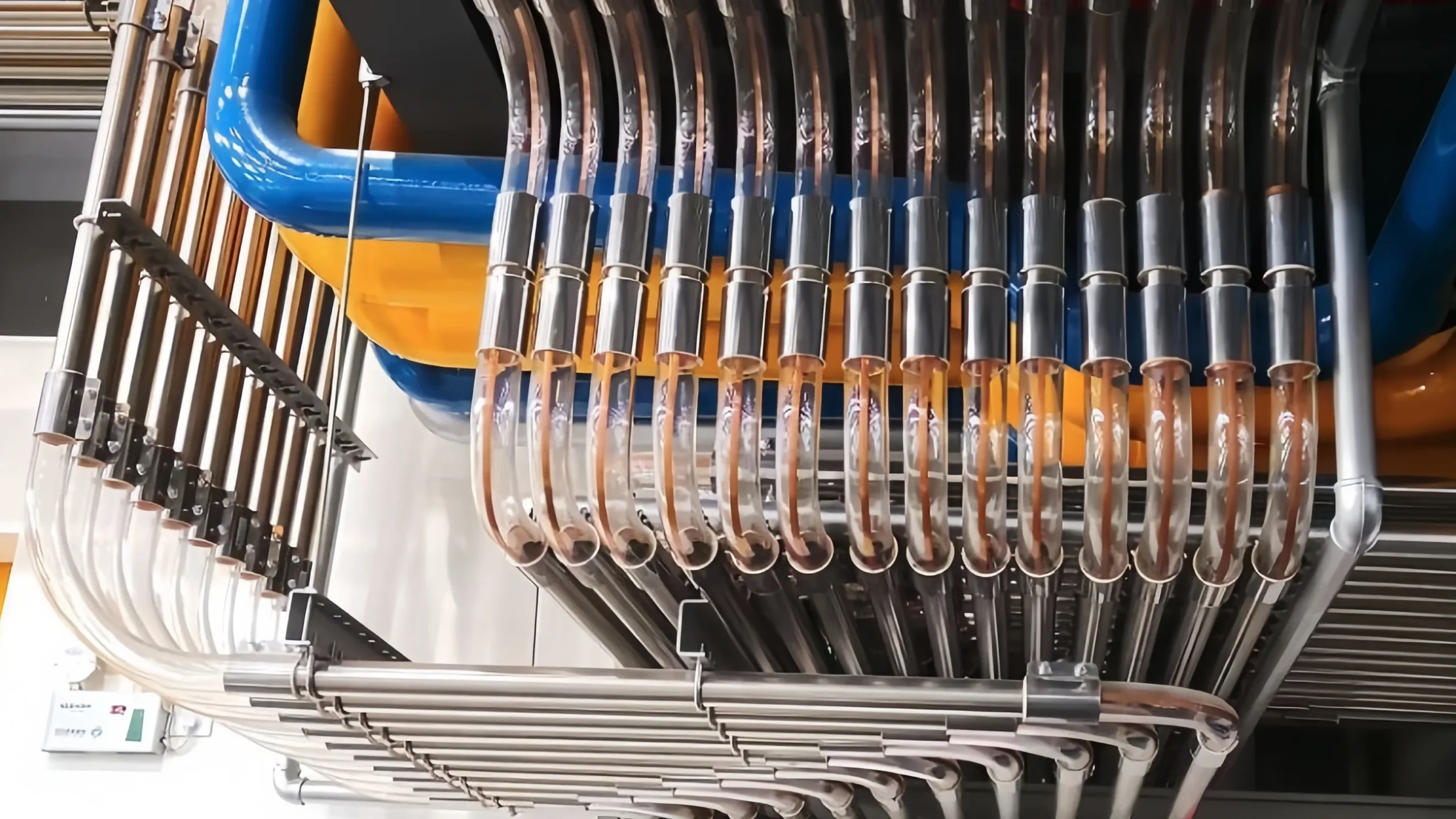
For plastic pellet conveying systems, elbows and tees may look like ordinary pipe fittings. But when pellets move at high speed through a pneumatic line, every bend becomes a critical point for wear, blockage, static buildup, and production reliability.
That was the challenge behind this project. A European company that builds pneumatic conveying systems for plastic injection moulding factories came to BO-Glass with a problem they could no longer solve with standard stainless steel fittings.
Their customers needed to move plastic pellets through complex pipe networks every day. Steel elbows and tees were familiar, but they created two serious problems: operators could not see what was happening inside the line, and the fittings wore out faster than expected.
The client asked us a practical question: could BO-Glass make transparent glass elbows and tees that lasted longer than steel, allowed operators to see pellet flow, and still connected perfectly to their existing stainless steel flange system?
Custom Glass Elbows and Tees for Plastic Pellet Conveying
The Challenge
The client supplied complete conveying pipe networks to plastic processing factories, including automotive parts manufacturers, toy manufacturers, and other injection moulding plants.
In these systems, plastic pellets are blown through stainless steel pipes at high speed. At every elbow or tee, the pellets hit the wall, change direction, and create concentrated abrasion.
The first problem was visibility. When pellets jammed, bridged, or flowed unevenly, operators had no quick way to locate the issue. They often had to stop the line and disassemble sections of pipe just to find the blockage.
The second problem was wear. Although plastic pellets look harmless, they act like abrasive media when they move continuously at high speed. The client’s steel elbows could wear through in about 6 to 12 months, causing leaks, contamination risk, and costly downtime.
The client had heard about glass pipe fittings, but they were concerned about breakage. They needed a material that could resist abrasion, handle temperature changes, and remain transparent without creating a safety risk.
Fit was another major requirement. The glass fittings had to connect to standard stainless steel pipes using O-ring seals. This meant the inner diameter, outer diameter, and sealing surfaces had to be extremely accurate. The target tolerance was ±0.05 mm.
If the fitting was slightly too large, assembly would be difficult. If it was too small, the O-ring could leak.
The project needed more than glass forming. It required controlled dimensions, sealing reliability, abrasion resistance, static control, and strict inspection.
Glass Elbow Price List — May 2026
No. 1–5
No. 2 — Φ40: R300, R350, R400 and R500 at 90°; R300 at 45°; SV100. The source PDF also repeats R350, R400 and R500 as 90° specifications.
No. 3 — Φ45: R350, R400 and R500 at 90°; R300, R350, R400 and R500 at 45°; SV100.
No. 4 — Φ47: R250, R300, R350, R400 and R500 at both 90° and 45°; SV100.
No. 5 — Φ51: R250, R300, R350, R400 and R500 at both 90° and 45°; SV100.
No. 6–10
No. 7 — Φ60: R250, R300, R350, R400 and R500 at both 90° and 45°; SV100.
No. 8 — Φ63: R250, R300, R350, R400 and R500 at both 90° and 45°; SV100.
No. 9 — Φ66: R250, R300, R350, R400 and R500 at both 90° and 45°; SV100.
No. 10 — Φ68: R300, R350, R400 and R500 at both 90° and 45°; SV100.
No. 11–14
No. 12 — Φ76: R300, R350, R400 and R500 at both 90° and 45°; SV100.
No. 13 — Φ80: R300, R350, R400 and R500 at both 90° and 45°; SV100.
No. 14 — Φ85: R300, R350, R400 and R500 at both 90° and 45°; SV100.
No. 15–20
No. 16 — Φ100: R300, R350, R400 and R500 at 90°; SV100.
No. 17 — Φ110: R300, R350, R400 and R500 at 90°; SV100.
No. 18 — Φ120: R300, R350, R400 and R500 at 90°; SV100.
No. 19 — Φ130: R400 and R500 at 90°; SV100.
No. 20 — Φ140: R400 and R500 at 90°; SV100.
No. 21
Our Solution
BO-Glass developed custom high-borosilicate glass elbows and tees for the client’s pneumatic pellet conveying systems.
Instead of simply replacing steel with glass, we designed the fittings around the full working environment: pellet abrasion, flange fit, O-ring sealing, static discharge, pressure, thermal changes, and operator visibility.
High-Borosilicate Glass for Abrasion Resistance and Visibility
We selected high-borosilicate glass because of its strength, thermal stability, chemical resistance, and excellent transparency.
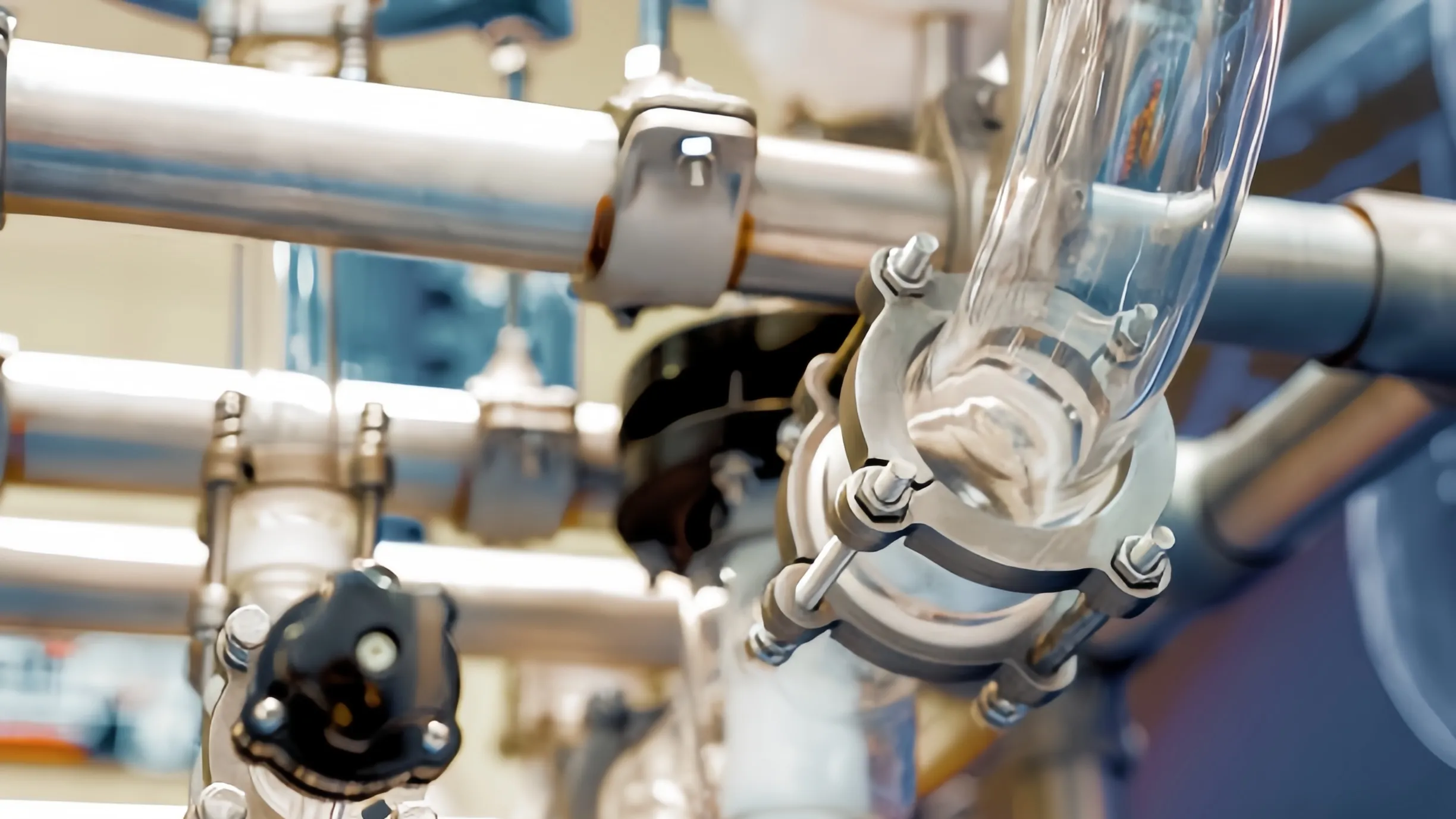
For this application, transparency was not only an aesthetic benefit. It allowed operators to check pellet flow visually at every bend and junction. This made blockages easier to detect and reduced the need to dismantle pipe sections during troubleshooting.
BO-Glass also tested the material against actual PE pellets. After 5,000 hours of continuous cycling, the glass showed less visible wear than the client’s stainless steel sample. The steel developed grooves, while the glass surface remained much cleaner.
This result gave the client confidence that glass could do more than improve visibility. It could also extend service life in abrasive conveying conditions.
Precision Forming with Mandrels and Rotary Jigs
Glass elbows and tees need careful forming because the internal bore must stay round and smooth.
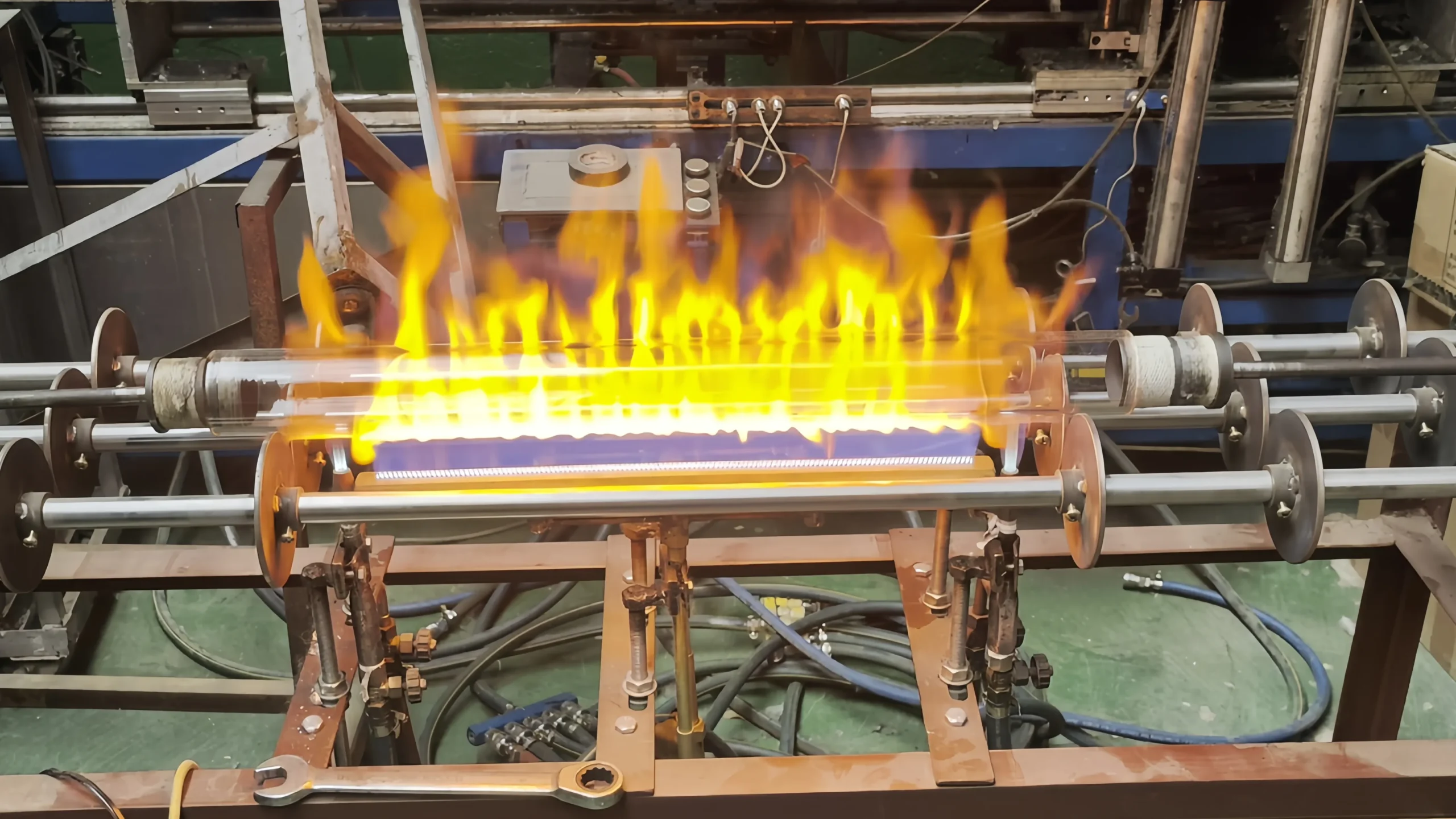
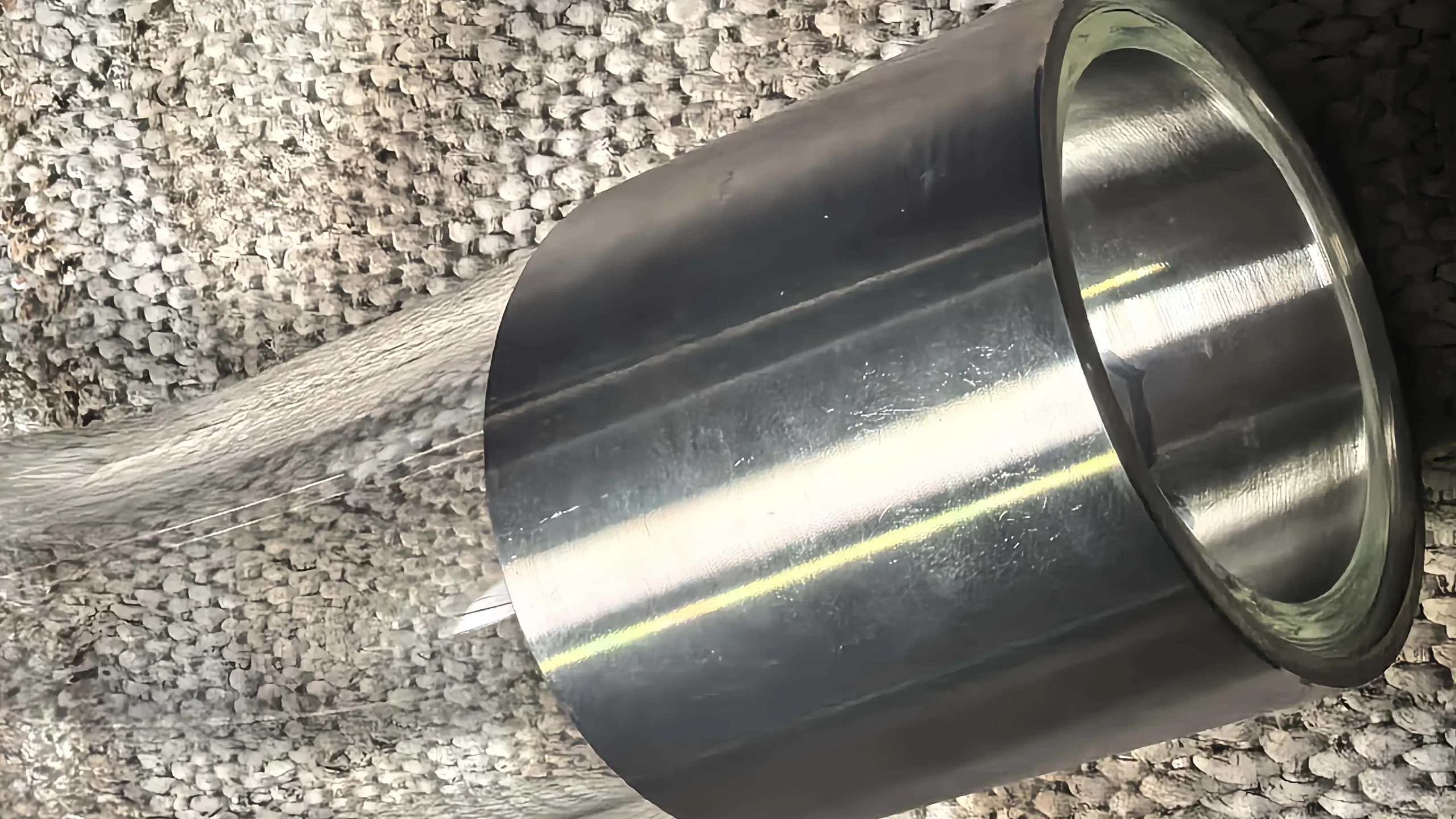
BO-Glass started with precision-drawn borosilicate tubing. During forming, we used custom internal mandrels and external collet chucks to hold and support the glass while it was heated and shaped.
The mandrels helped maintain the inner bore shape, while rotary jigs with adjustable stops controlled the bend angle and centerline radius.
This process allowed us to produce 90° elbows with consistent geometry and smooth internal flow paths.
For the client, this mattered because poor internal shape could create pellet buildup, flow resistance, or uneven wear.
Post-Forming Grinding for Sealing Accuracy
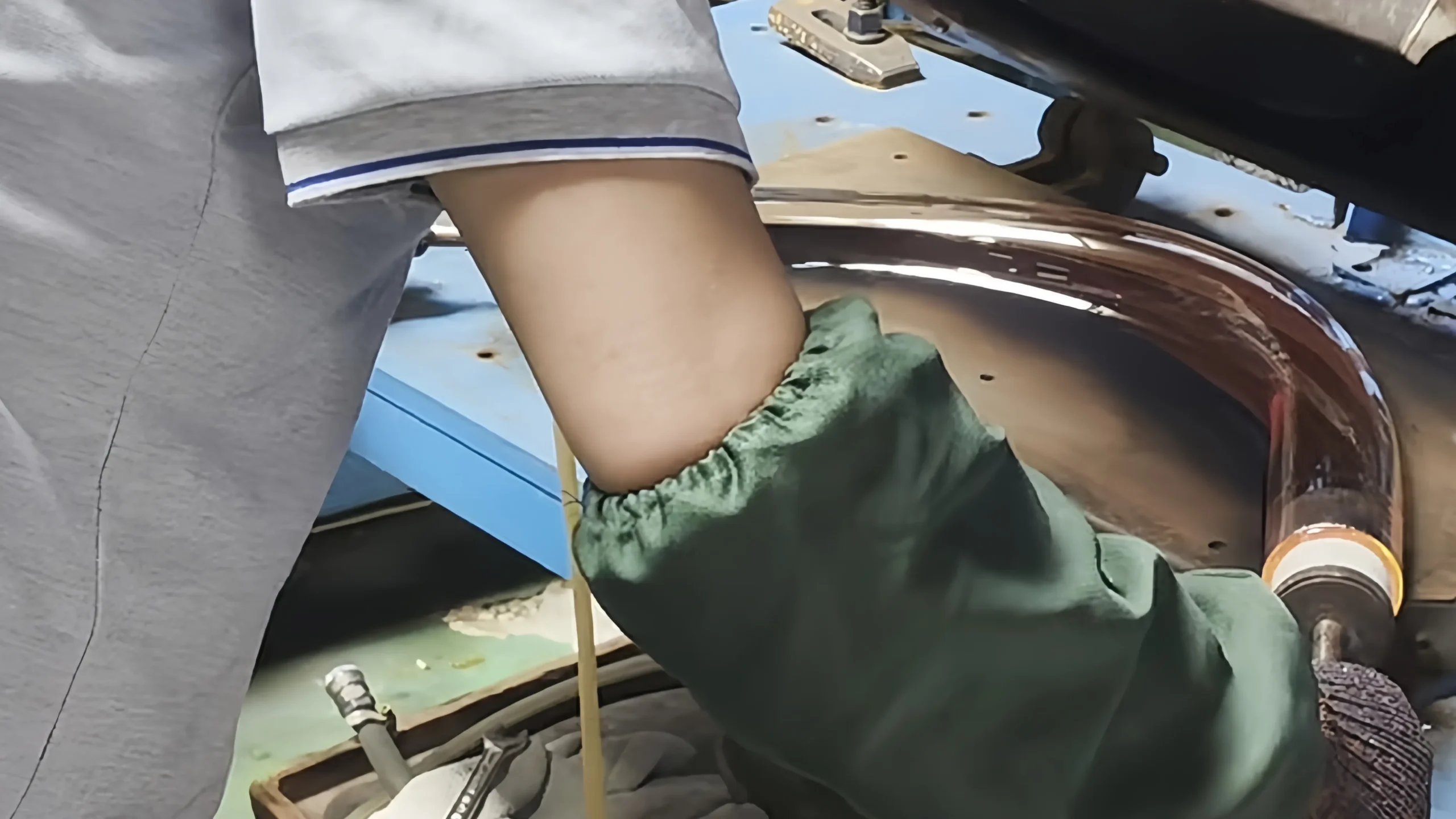
After forming, the end faces and outer sealing surfaces were ground on diamond wheels with constant water cooling.
This step was essential for O-ring sealing. The glass fitting had to connect to existing stainless steel components, so the sealing surface could not be treated as a rough handmade feature.
Water-cooled grinding helped prevent microcracks while improving dimensional accuracy and surface quality.
BO-Glass also made go/no-go gauges for each size. If a fitting was too loose or too tight on the gauge, it was rejected.
In the first batch, about 8% of parts were rejected for dimensional issues. By the third batch, after fine-tuning heating time and mandrel pressure, the rejection rate dropped below 1%.
This is where BO-Glass brings real value: skilled forming supported by practical tooling and disciplined inspection.
Static Discharge Control
During testing, another issue appeared: static electricity.
When plastic pellets rubbed against glass during pneumatic conveying, surface voltage could build up significantly. In a factory with plastic dust, static discharge can become a safety risk and may also disturb sensors.
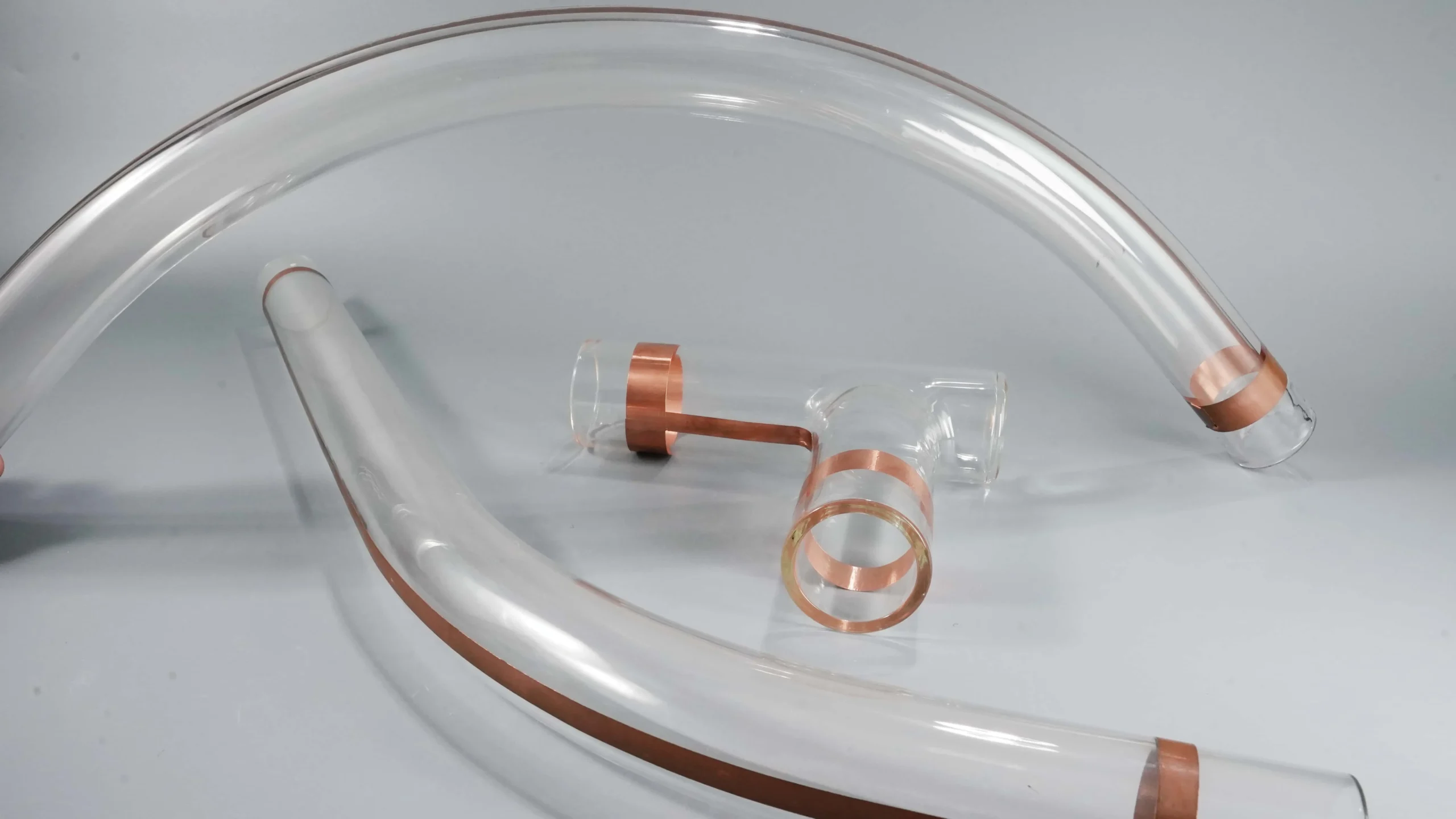
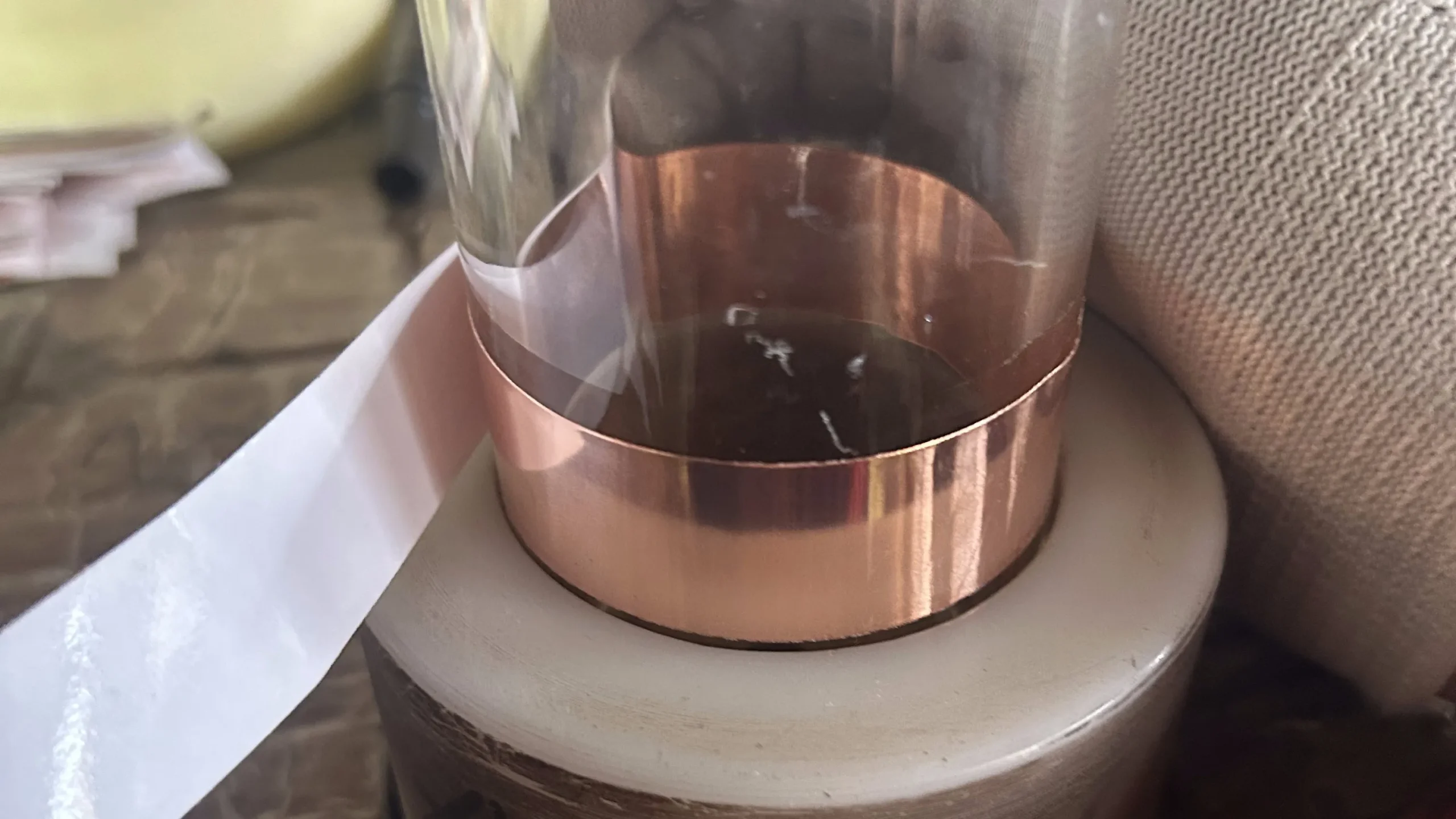
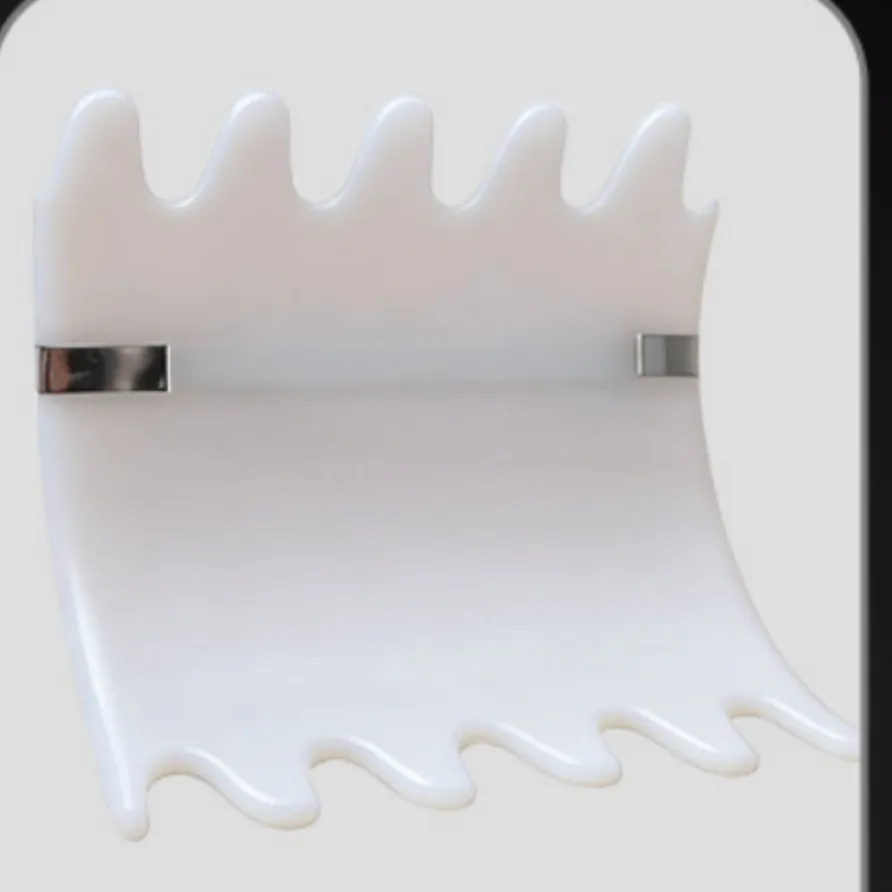
BO-Glass solved this with a thin copper foil grounding strip.
We wrapped a 0.05 mm copper foil strip around the outside of each elbow and tee, positioned away from the main viewing area. The strip was connected to a ground wire so static charge could be discharged continuously.
Testing with an electrostatic voltmeter showed the difference clearly. Without the copper strip, surface voltage reached 15 kV. With the grounding strip, it dropped to less than 50 V.
The client was initially concerned about adding visible tape to a premium glass fitting, but after seeing the data and confirming that visibility was not affected, they approved the solution.
Pressure, Thermal, and Visual Inspection
Every finished piece went through multiple quality checks before shipment.
We measured inner diameter, outer diameter, and flange seating depth at three angles using a profile projector.
Each fitting was pressure tested by capping one end, filling it with water, and pressurizing it to 10 bar for 5 minutes. No leaks or cracks were allowed.
Thermal shock testing was also performed by moving the fittings from 80°C water into 20°C water.
For static safety, each piece was checked to confirm that the copper strip was properly grounded.
Finally, we inspected the glass under strong backlight. Any bubble or inclusion over 0.5 mm was rejected.
The client’s quality manager later visited our workshop and was impressed by the inspection routine. For BO-Glass, this level of checking is part of making glass reliable in industrial environments.
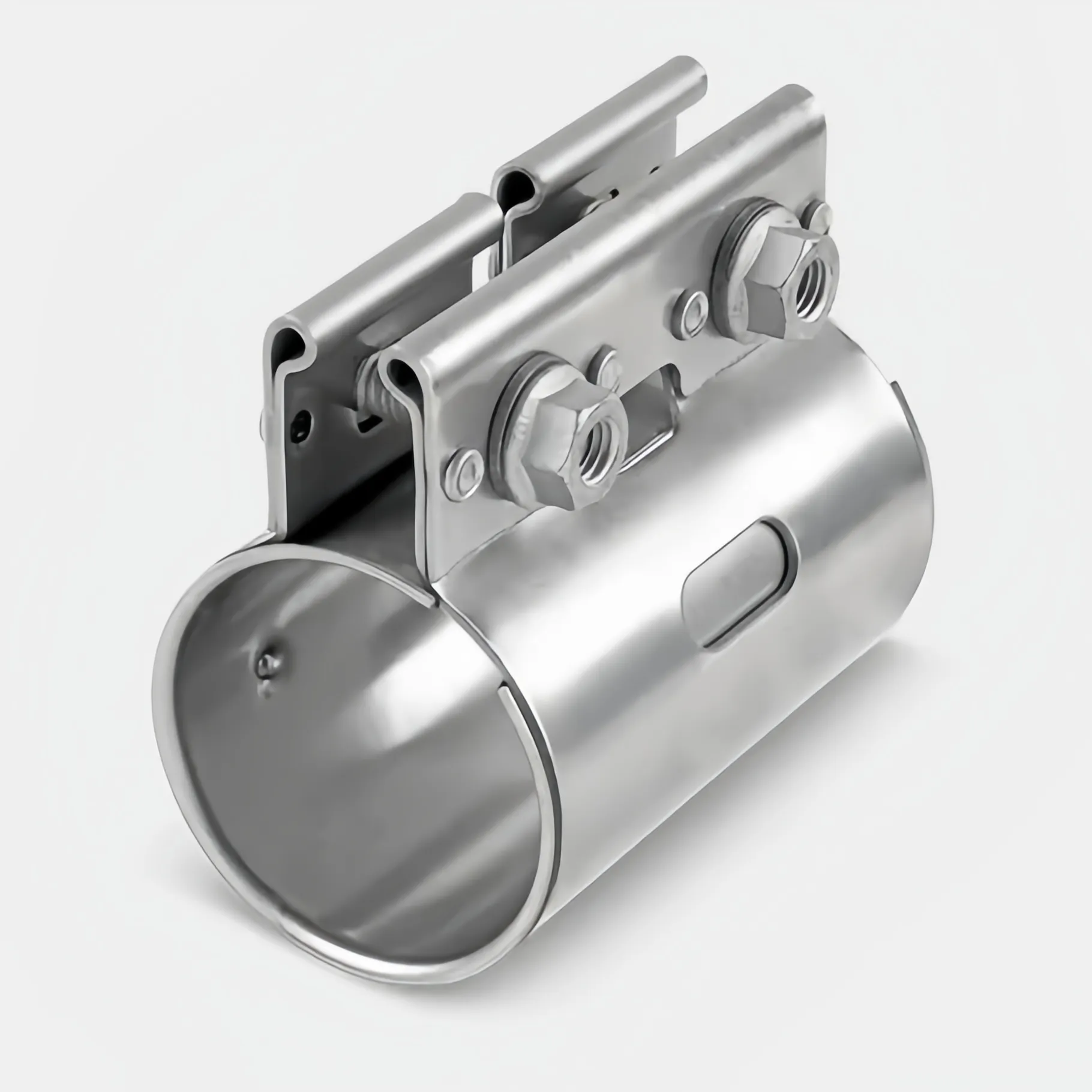
Matching Stainless Steel Clamp Customization
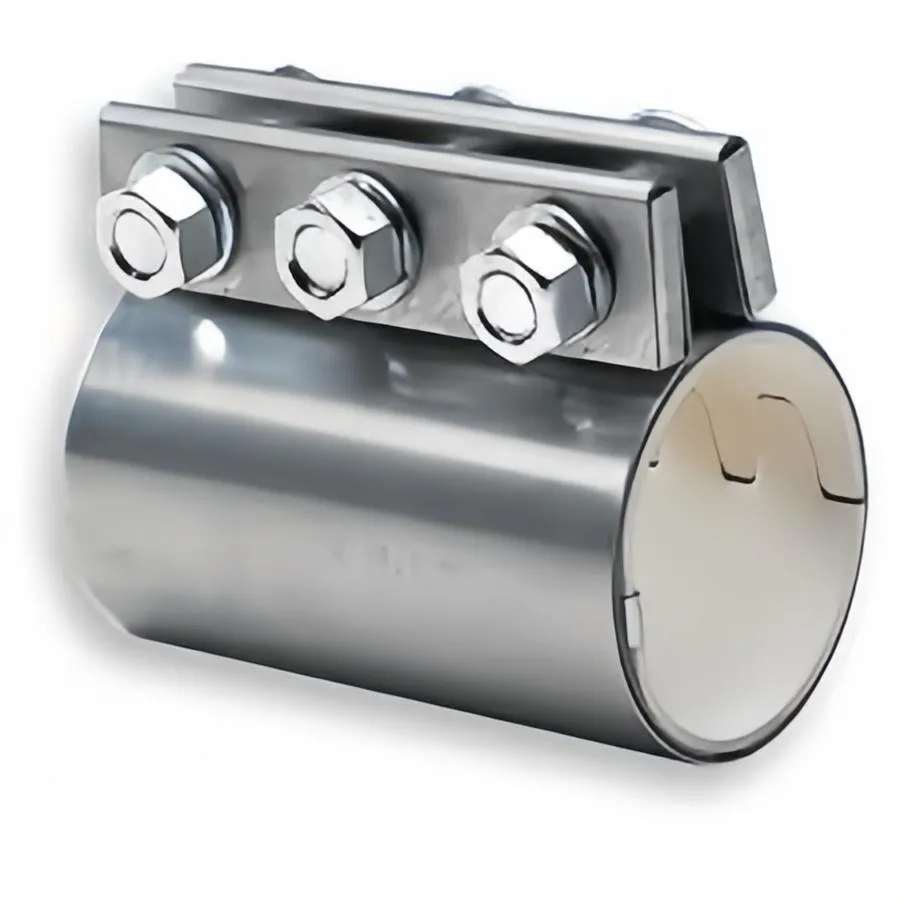
To make installation easier, BO-Glass can also provide matching stainless steel pipe clamp customization for glass elbows and tees.
These clamps can be made according to the customer’s pipe size, flange structure, and installation requirements. The minimum order quantity starts from 50 pieces, and dimensions can be customized to match different conveying system layouts.
This allows customers to source both the transparent glass fittings and the matching stainless steel connection parts from one supplier, reducing coordination work and improving installation compatibility.
The Result
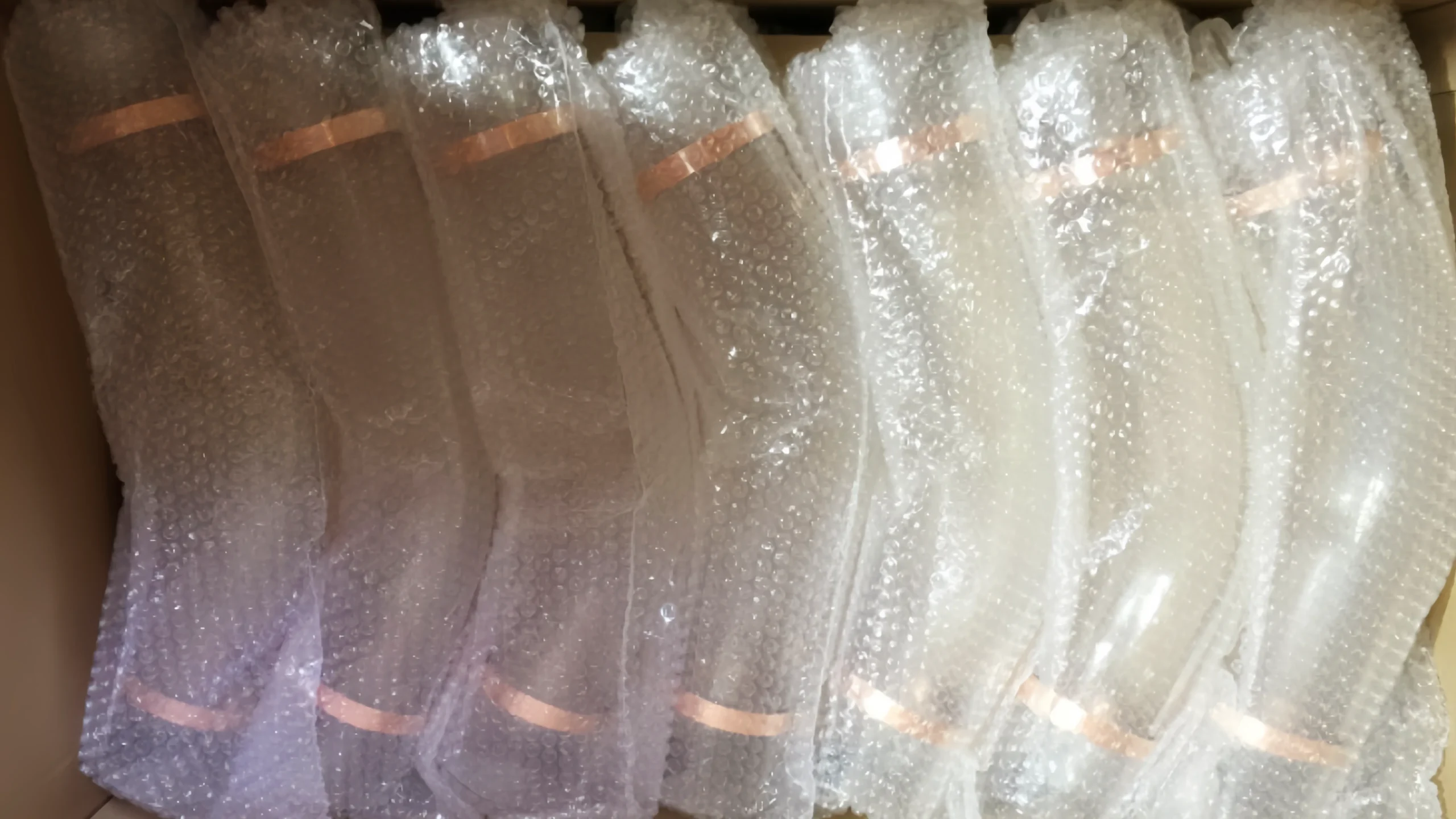
BO-Glass delivered an initial 500 pieces, including elbows and tees in three sizes.
The client installed them in a pilot line at one of their customer’s plastic processing plants. After six months of 24/7 operation, the feedback was clear.
There were zero breakages.
Blockages could be spotted quickly because operators could see the pellet flow through the transparent glass. Instead of dismantling pipe sections, they could locate problems in seconds.
The copper grounding strip stayed firmly in place, and the line had no static-related shutdowns.
After the pilot success, the client ordered another 2,000 pieces and began recommending glass fittings for their new system designs.
Their marketing team even used the transparent elbows in trade show videos, showing plastic pellets swirling through the fittings. The visual effect helped demonstrate the product benefit better than a brochure ever could.
For the client, the glass fittings solved both a maintenance problem and a visibility problem. For BO-Glass, the project showed how custom glass can outperform metal when the application is understood properly.
Why Choose BO-Glass?
BO-Glass helped the client prove that glass is not only for laboratories, lighting, or decoration. In the right material and design, glass can solve real industrial problems.
With high-borosilicate glass, precision tube forming, custom mandrels, rotary bending jigs, diamond grinding, tight gauge control, pressure testing, thermal shock testing, visual inspection, and copper grounding, we delivered transparent pipe fittings that were durable, accurate, and practical.
Our strength is not just making a glass shape. It is understanding the whole working environment: abrasion, sealing, flow visibility, static electricity, maintenance, and downtime.
For plastics processing, pneumatic conveying, material handling, and industrial pipe systems, BO-Glass can create custom glass elbows, tees, and transparent fittings that help operators see more, stop less, and trust the line.
Contact Us
Your feedback fuels our growth, and your questions drive our solutions.
We value your feedback, inquiries, and suggestions. Please feel free to get in touch with us
General inquiries
Please contact us via sales@bo-glass.com, and we will reply to you as soon as possible.
Interested to work with us
Drop your resume at info@bo-glass.com
and we will get back to you shortly.
We uses the contact information you provide to us to contact you about our relevent content, products, and services.