
Glass Edge Grinding & Polishing
This guide focuses on industrial and CNC edge processing for custom glass components rather than household or handheld glass sanding.
Quick Answer
Grinding removes sharp edges, cutting damage, and dimensional irregularities. Polishing follows fine grinding to create a smoother satin or transparent-looking finish. Ground edges are usually sufficient for concealed components, while visible furniture, display, and precision parts may require polishing. All edgework should normally be completed before tempering.
What Is Glass Edge Grinding and Polishing?
What Is Glass Edge Grinding?
Glass edge grinding is a controlled material-removal process. Diamond or other suitable abrasive tools remove sharp arrises, cutting damage, excess material, and geometric irregularities from the edge. Grinding may be used only to make an edge safer to handle, or it may create a specified flat, beveled, rounded, stepped, or custom profile.
What Is Glass Edge Polishing?
Glass edge polishing is the finishing stage performed after the edge has been ground sufficiently fine. Finer abrasives and polishing media reduce the visible grinding pattern and light scattering, producing a satin, glossy, or transparent-looking edge. It is distinct from surface lapping and polishing, which controls the broad optical or sealing faces of a component. Edge polishing improves appearance, but it cannot reliably hide deep chips, cracks, taper, or inaccurate geometry left by cutting or rough grinding.
Why Are Cut Glass Edges Processed?
Freshly cut glass can have sharp arrises, small chips, subsurface cracks, and dimensional variation. Edge processing significantly reduces cut risk during handling and assembly, creates the profile required by the drawing, improves the appearance of exposed edges, and prepares the part for subsequent operations such as tempering, bonding, coating, or assembly. The required finish depends on whether the edge is concealed, framed, exposed, decorative, optical, or structurally significant.
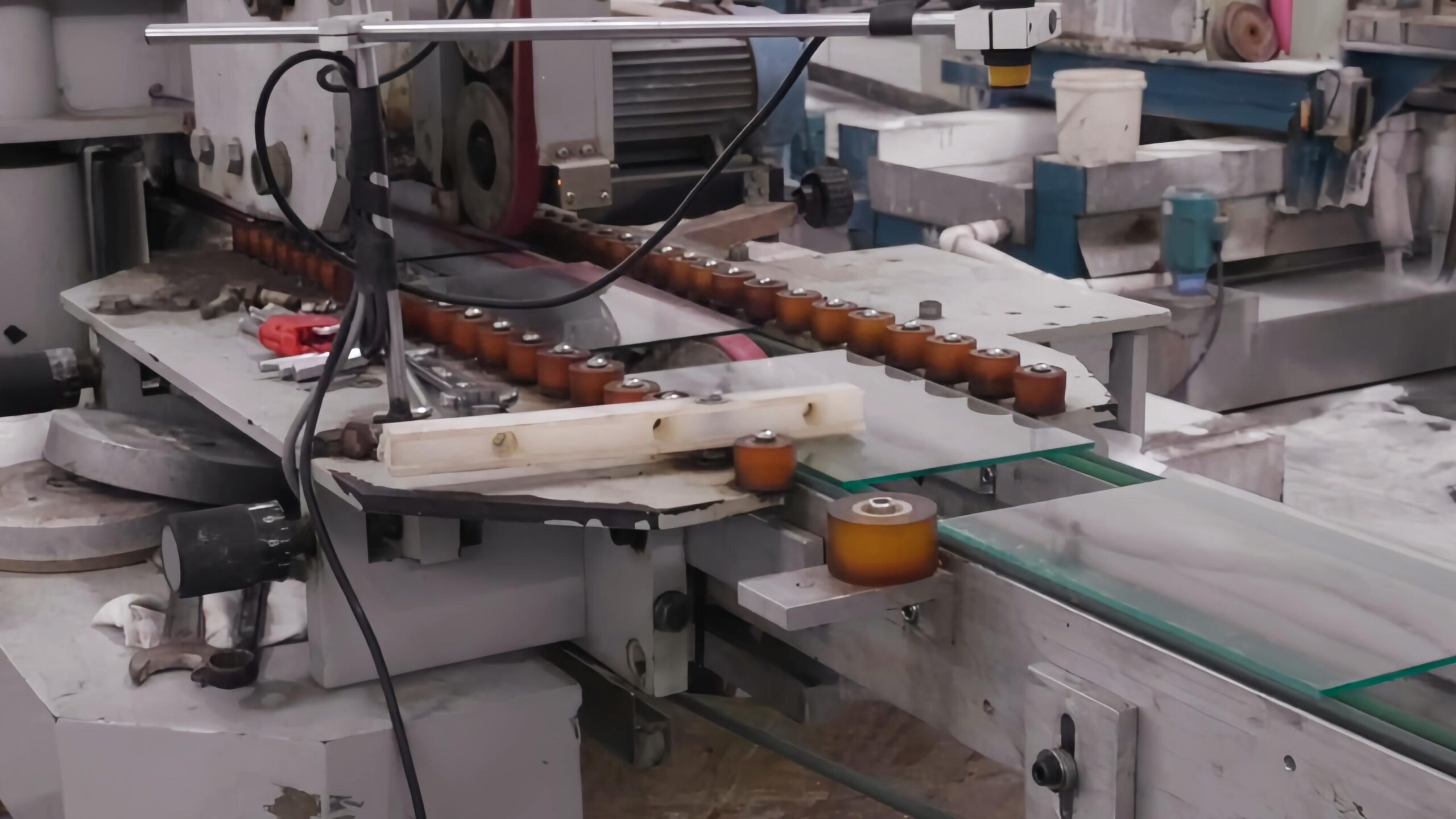
Production Evidence and Sample Inspection
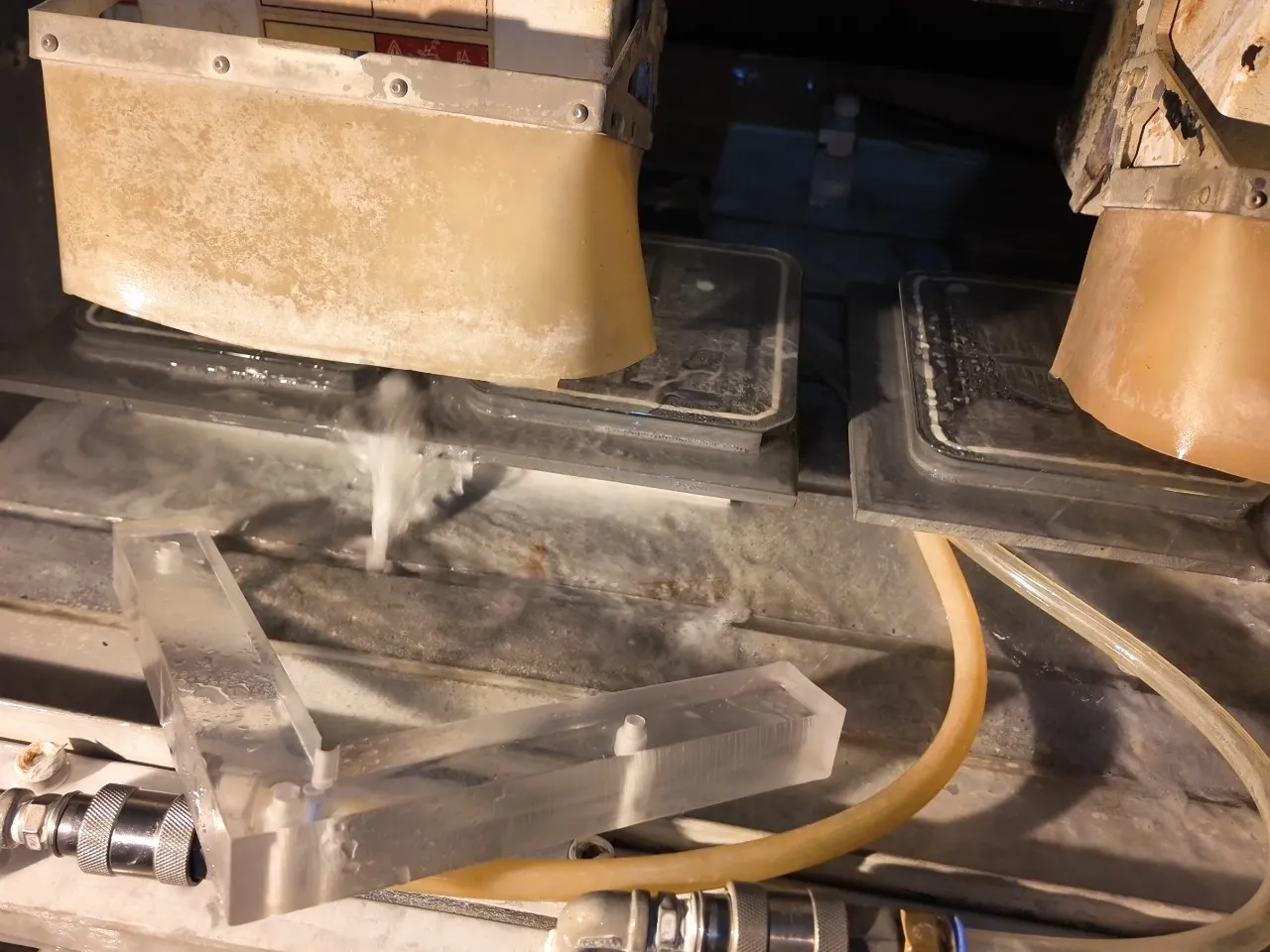
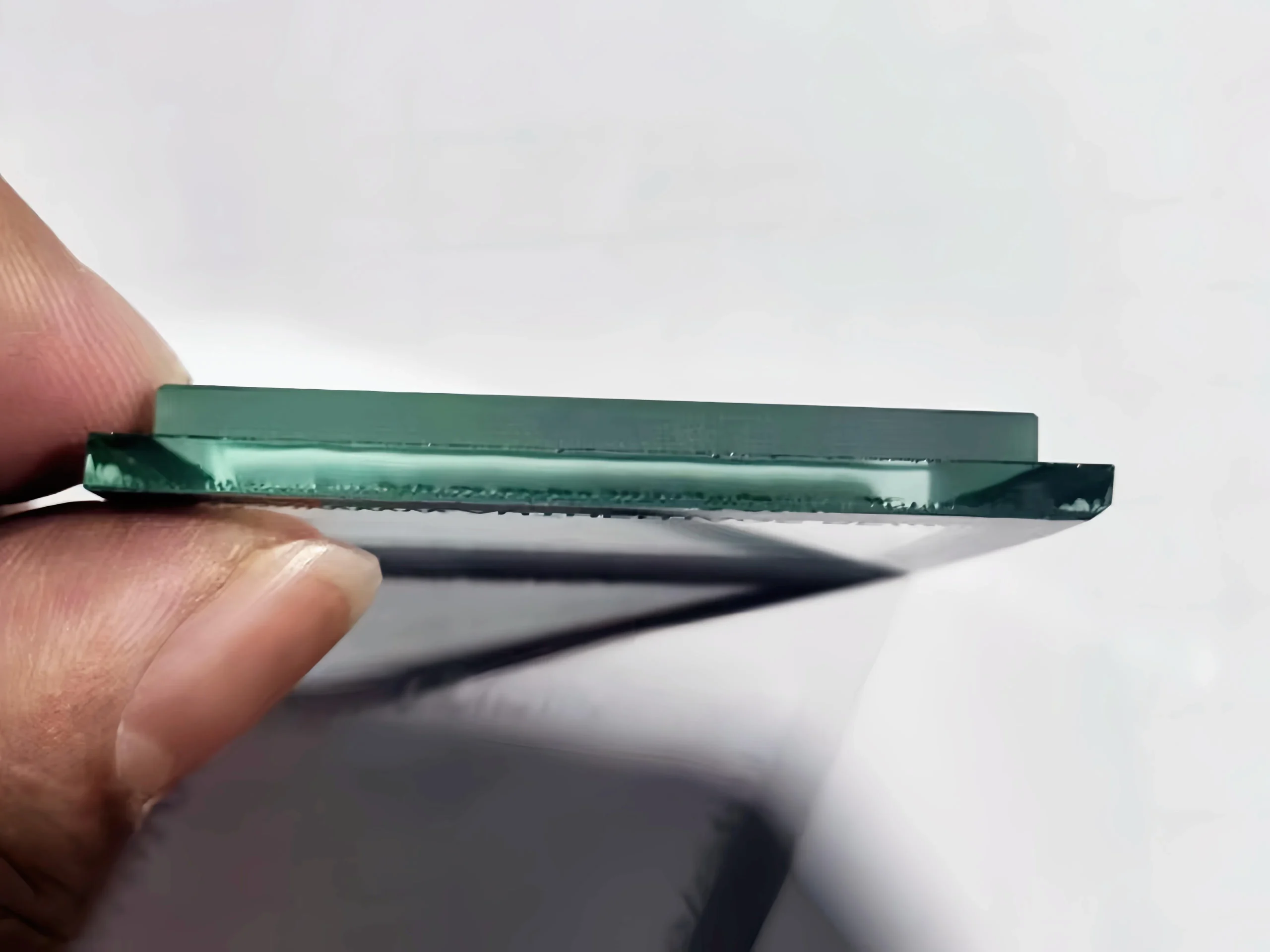
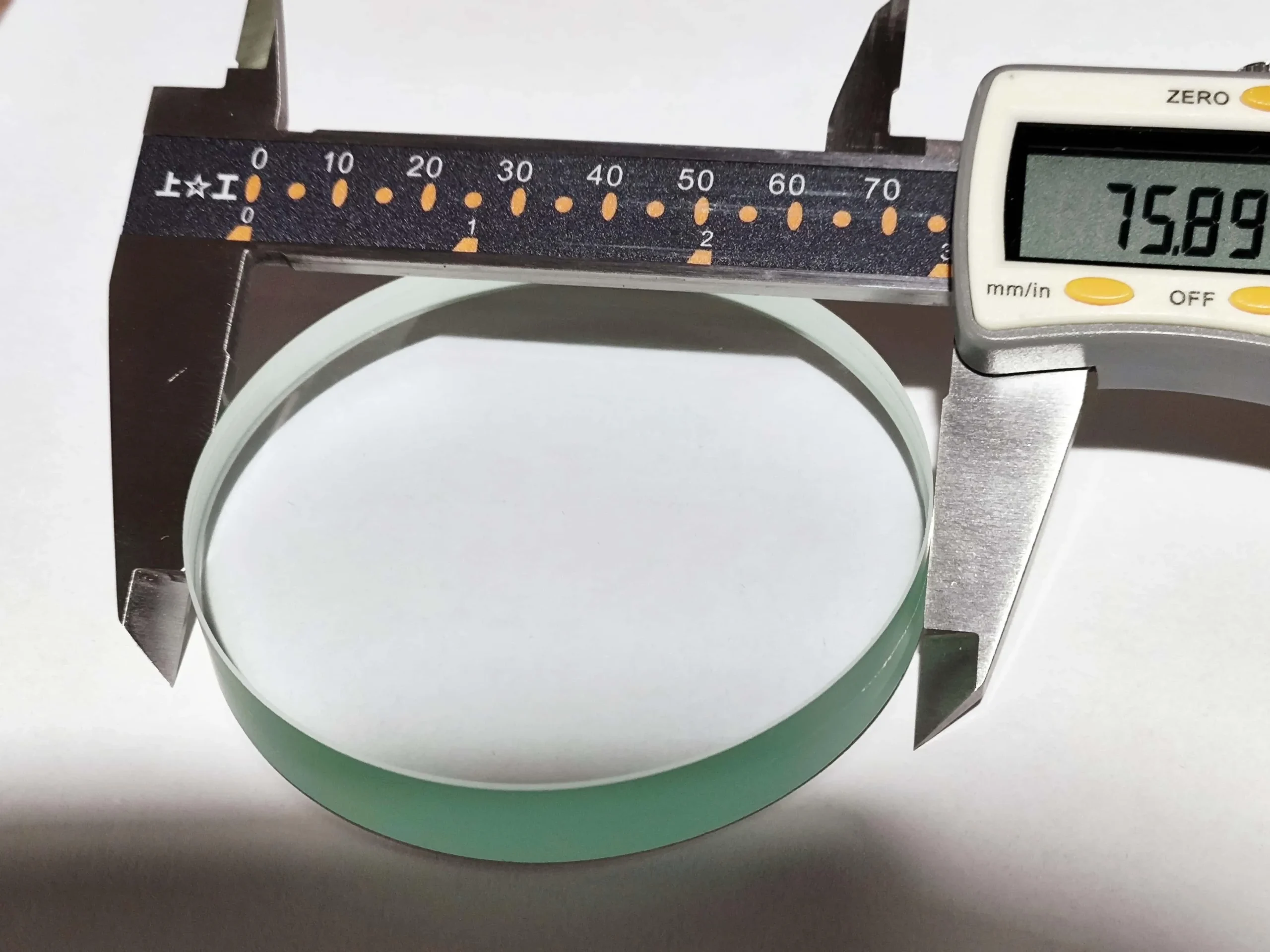
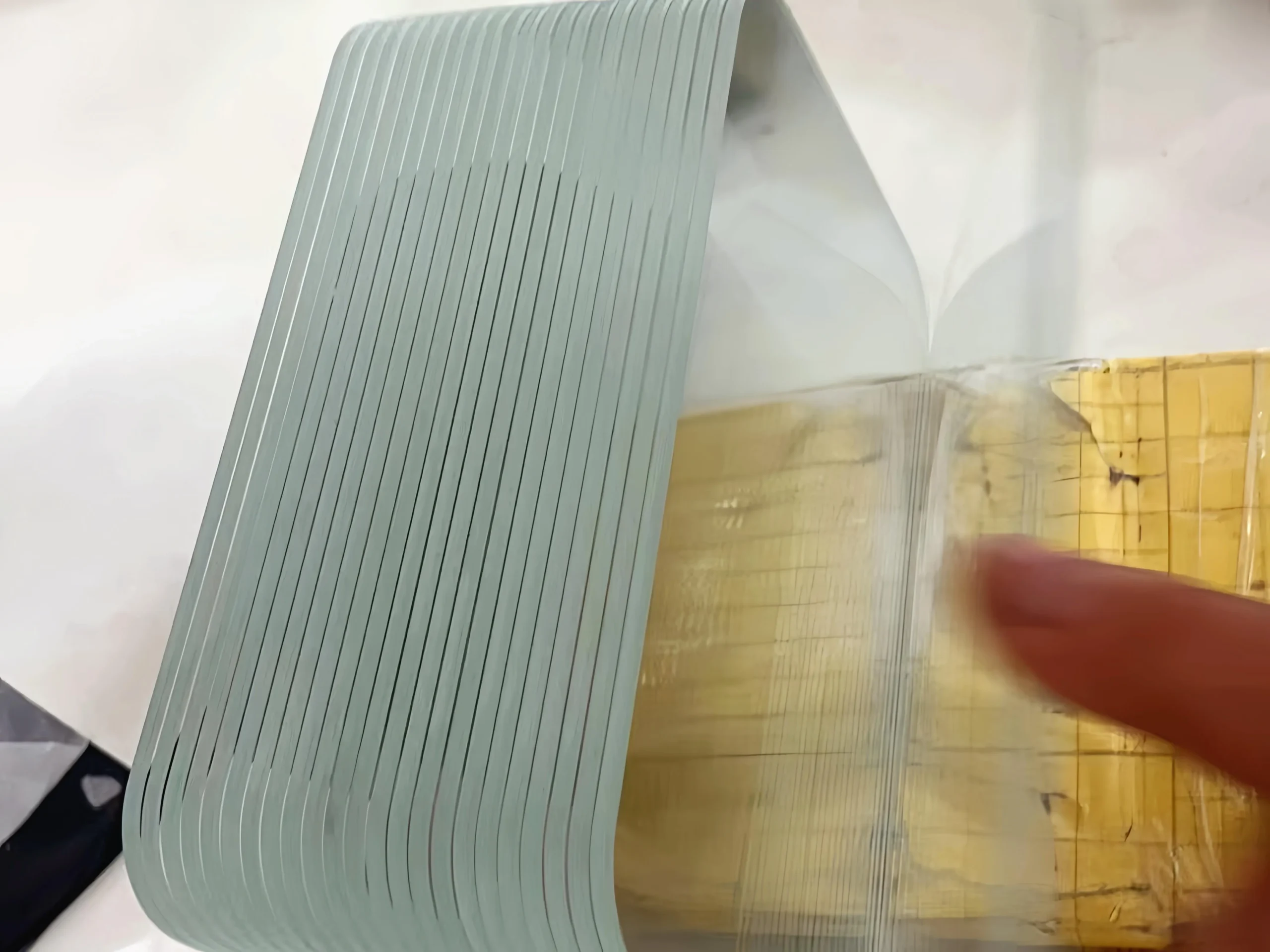
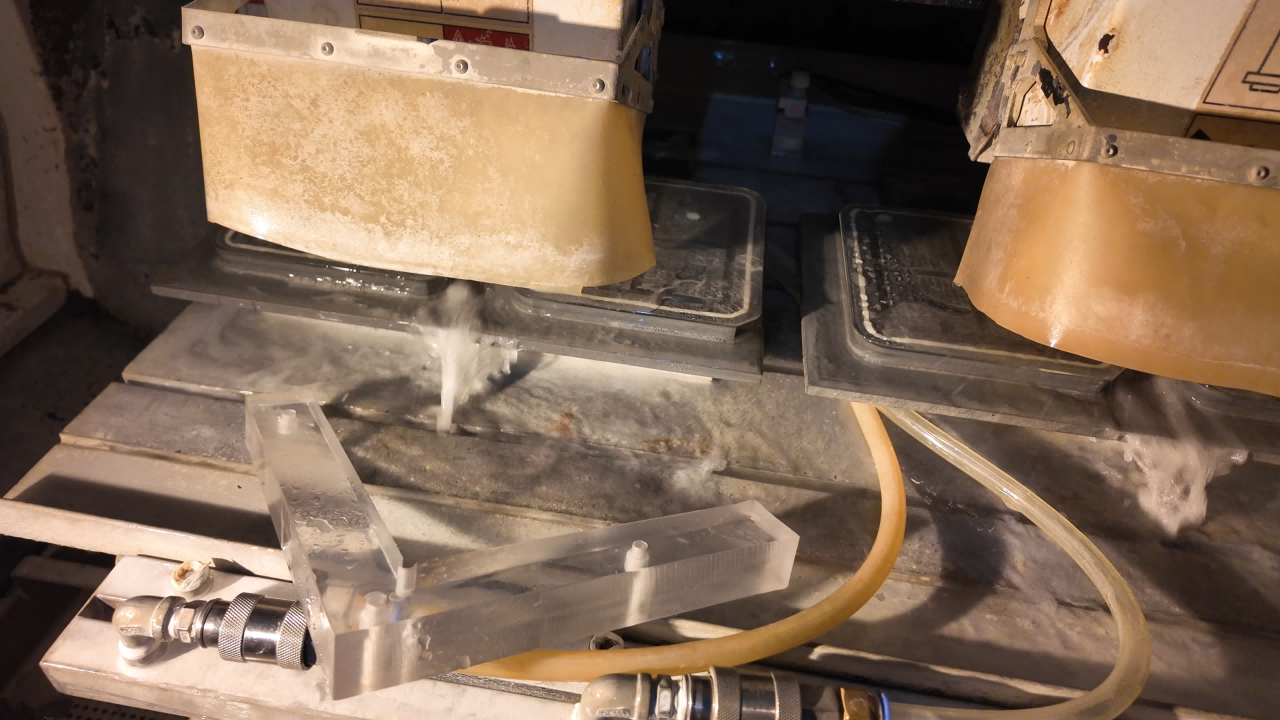
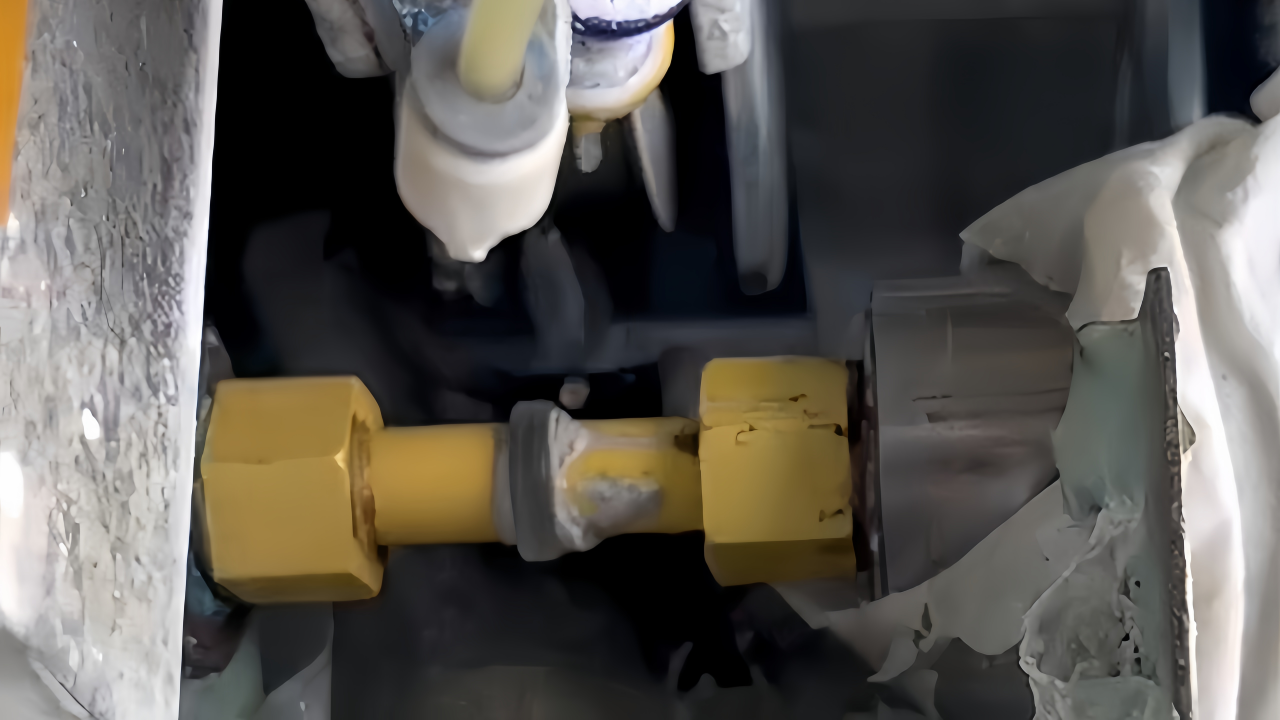
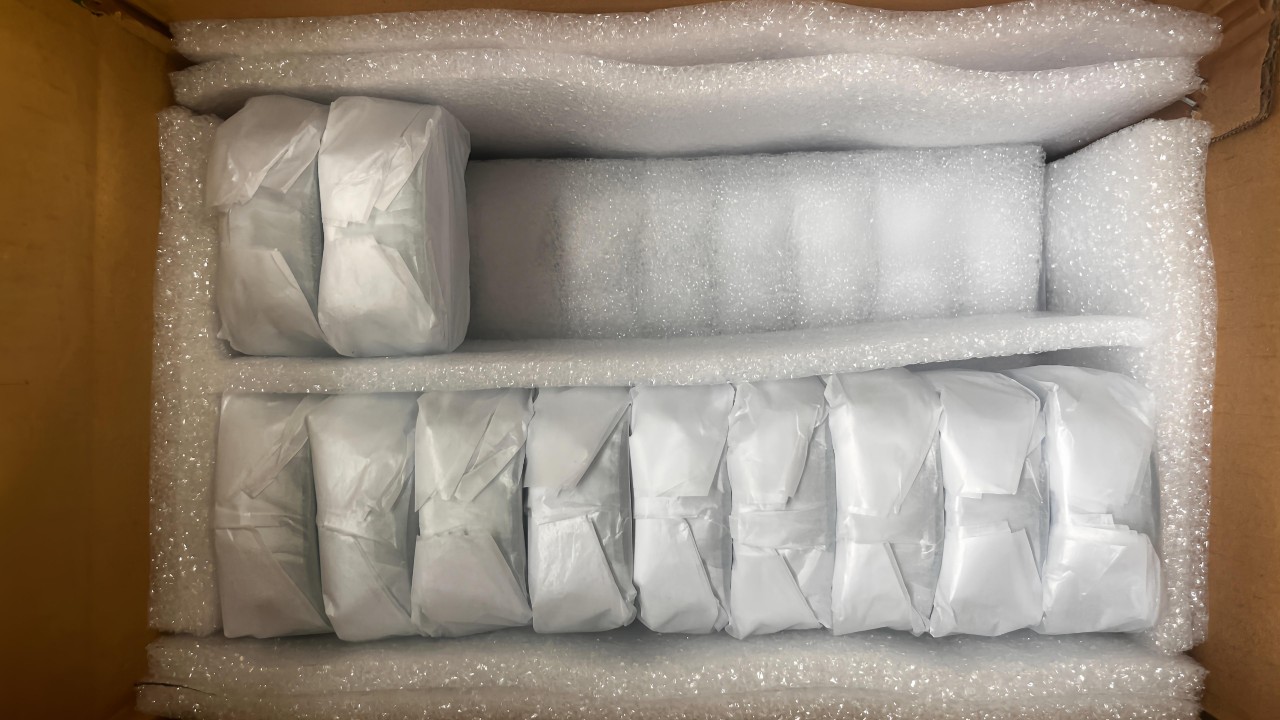
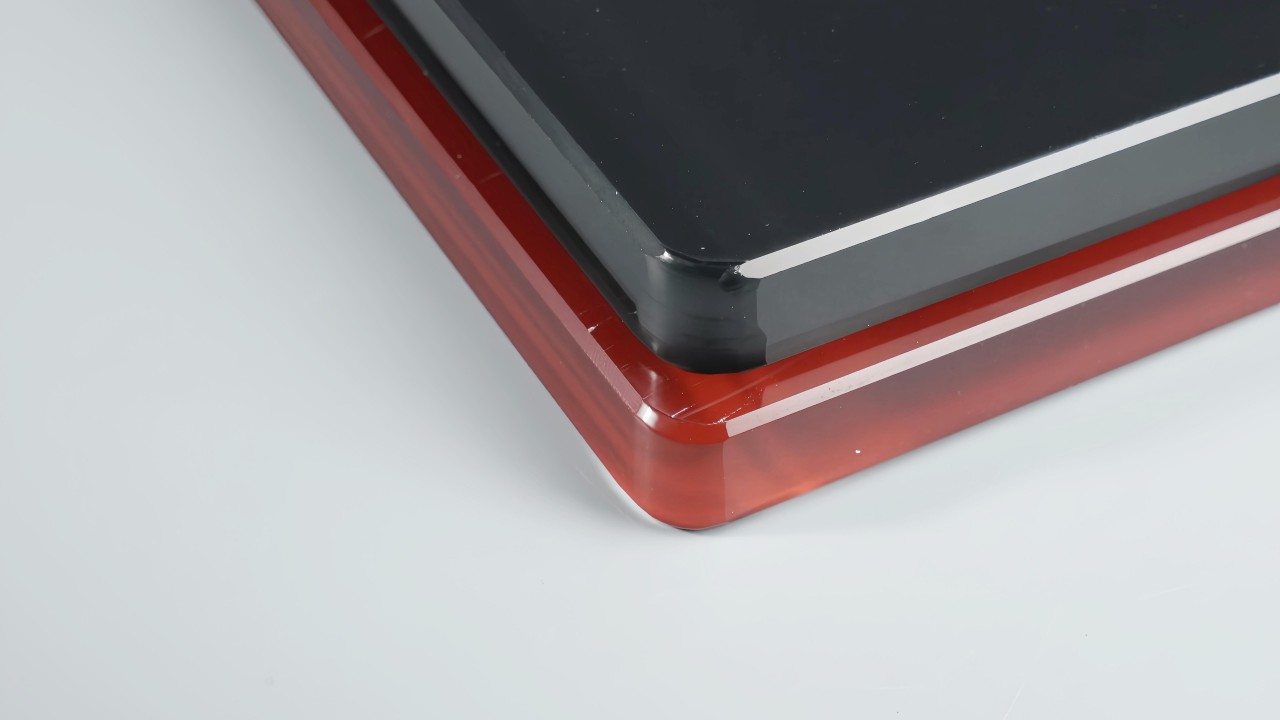
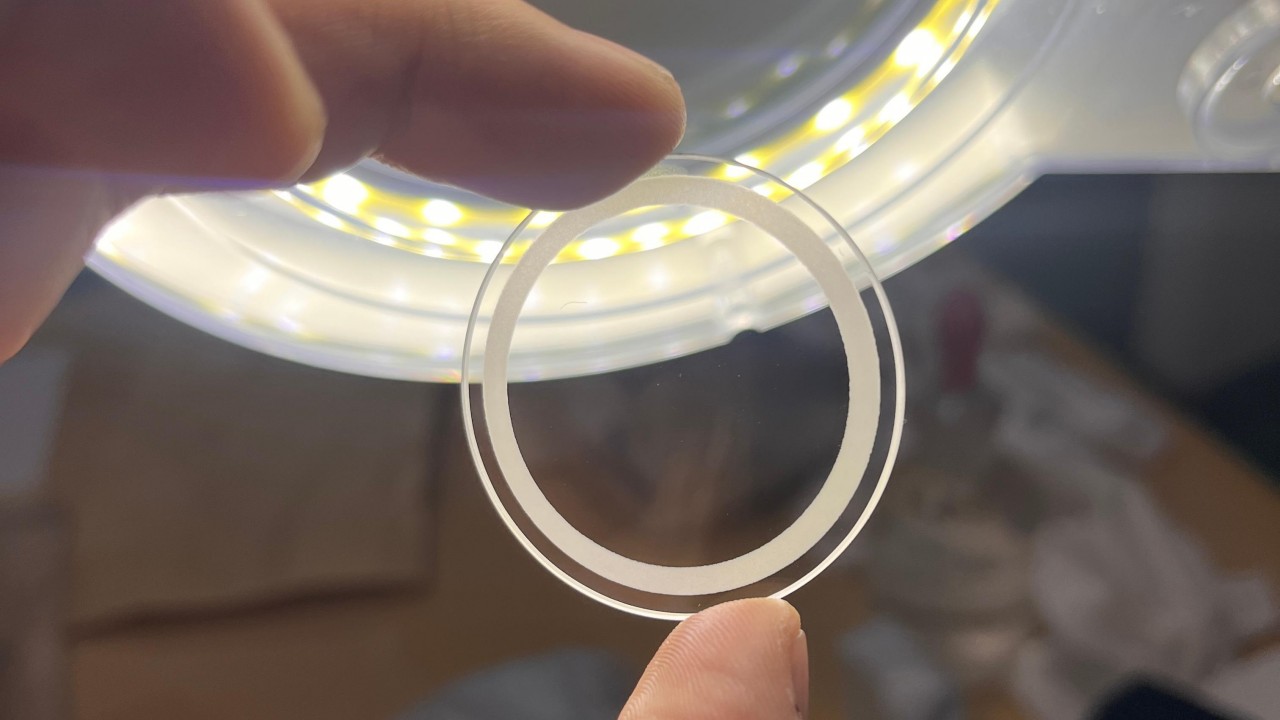
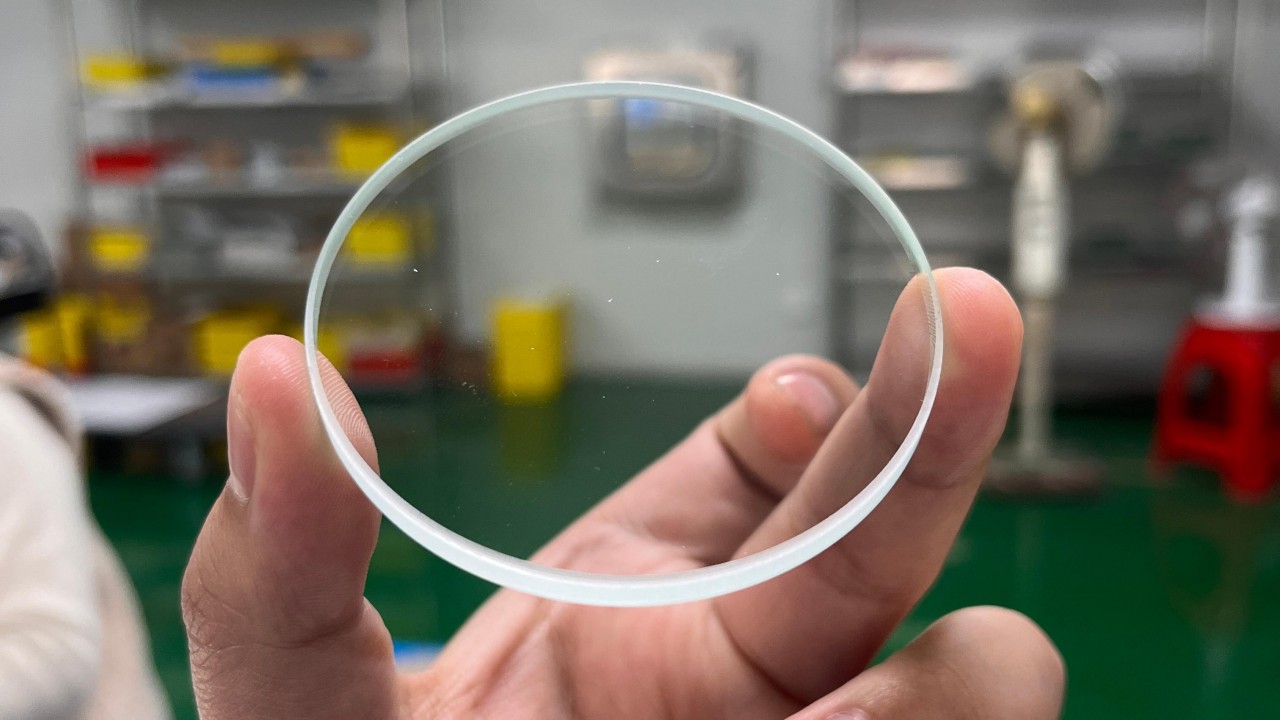
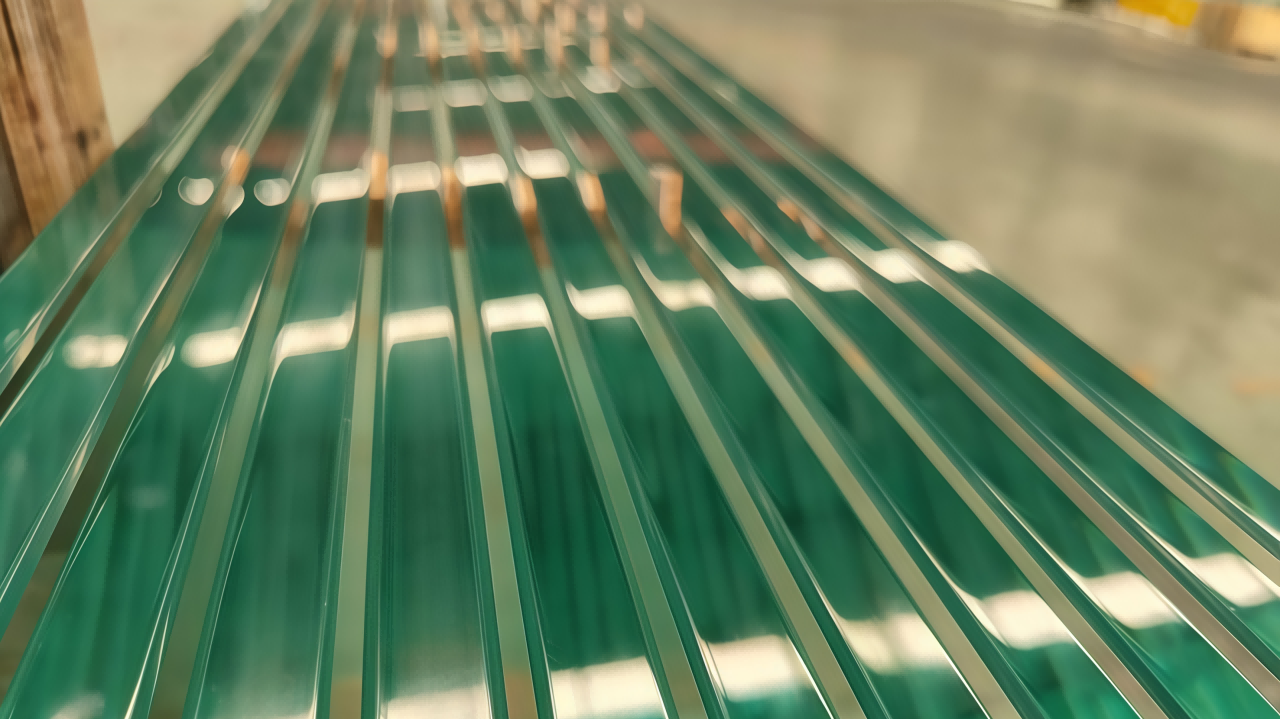
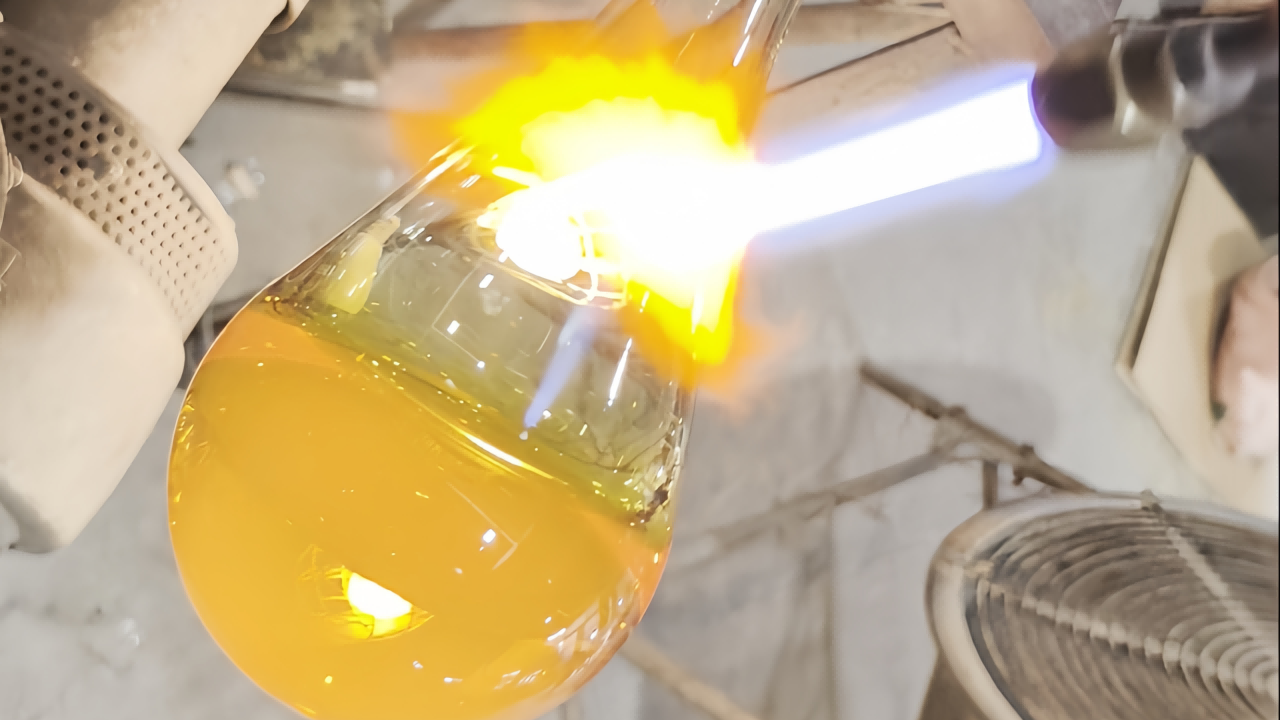
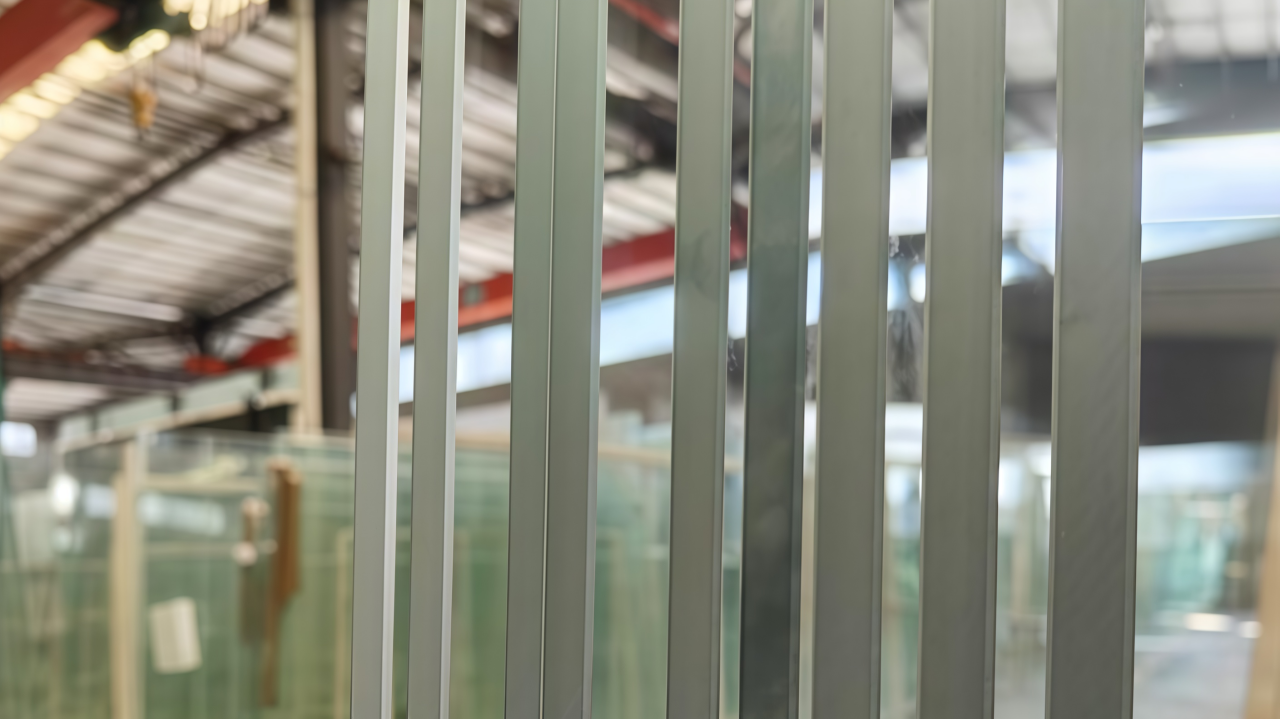
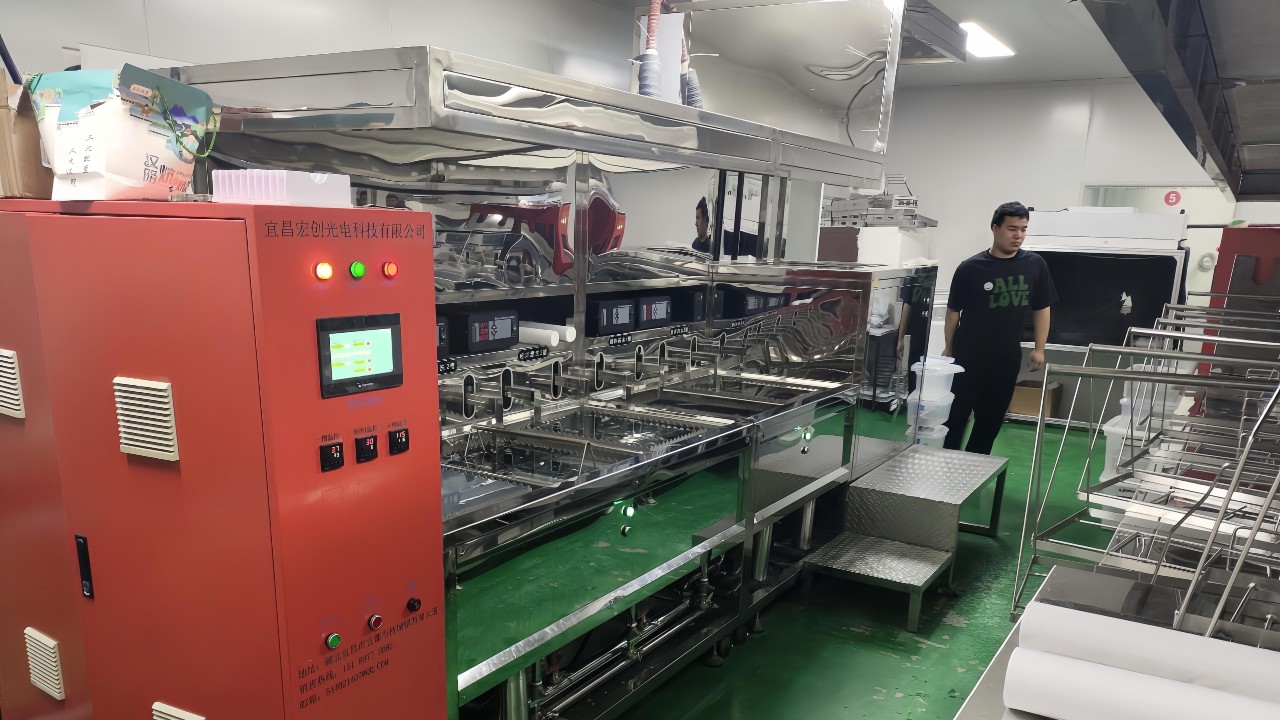
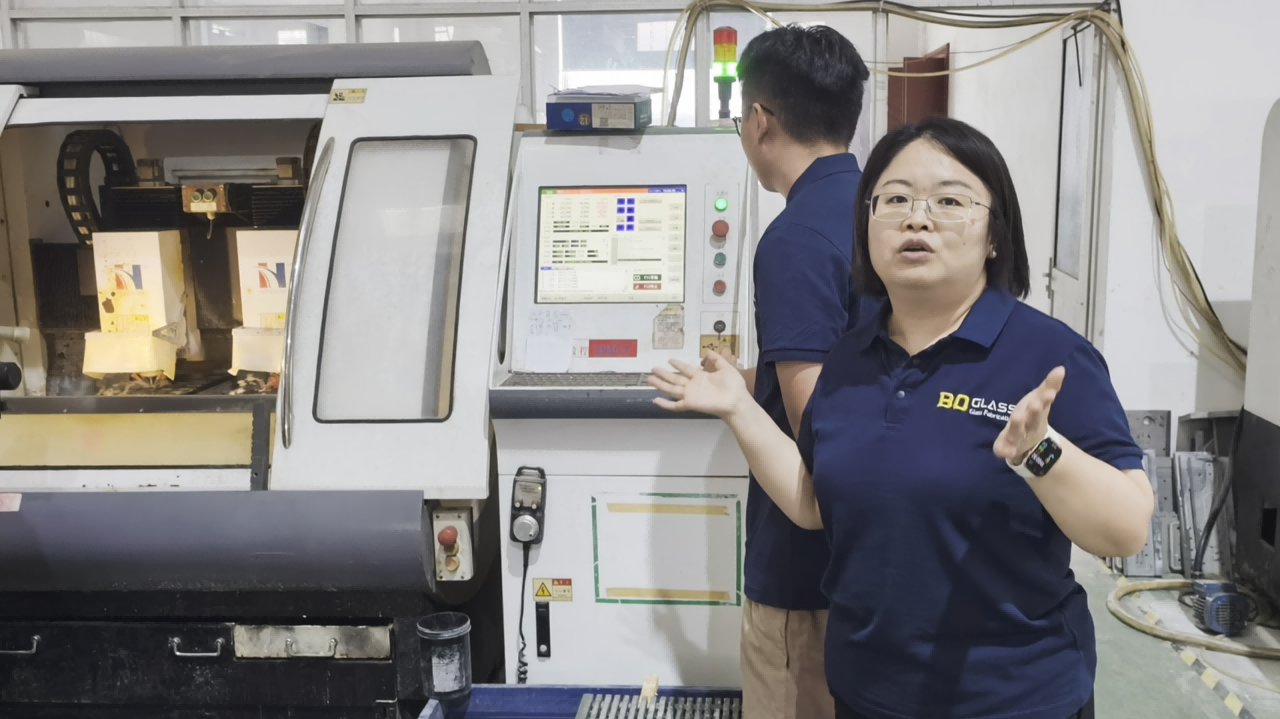
The photographs below document BO-Glass edge-processing equipment, wet grinding, finished-edge samples, and dimensional inspection. They are representative production records rather than claims about a particular customer order. Material grade, dimensions, tolerance, appearance criteria, and final application remain order-specific.
Explore BO-Glass Case Studies
For detailed project examples covering materials, manufacturing processes, inspection, applications, and production outcomes, visit the BO-Glass case studies portfolio.
Engineering review: BO-Glass Process Engineering reviews material, geometry, tool access, finished datums, edge appearance, and downstream operations before production. For complex or appearance-critical parts, a first article or signed reference sample is the most reliable way to establish acceptance.
Common Types of Glass Edge Finishes
Seamed or Arrissed Edge
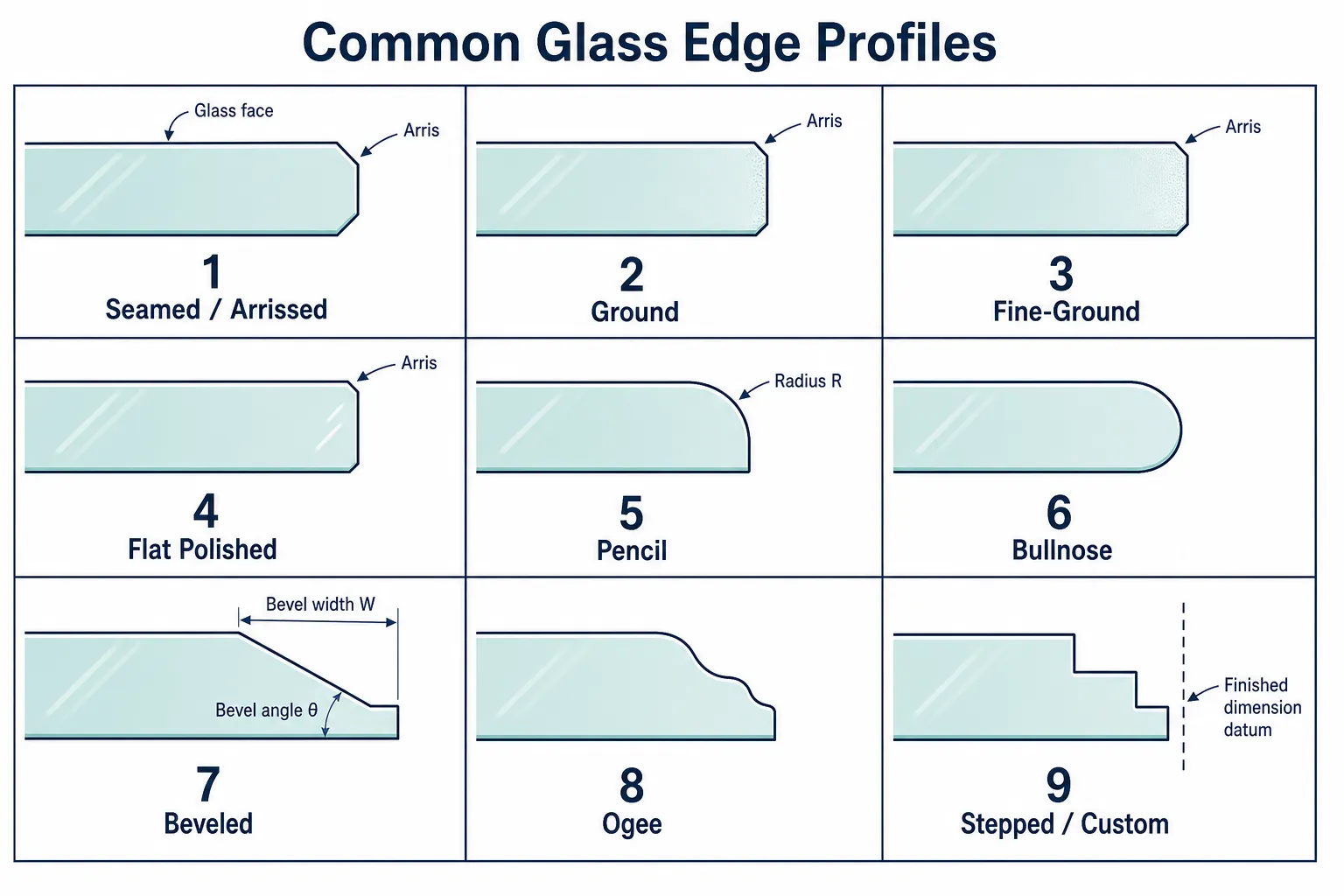
A seamed or arrissed edge has its sharp corners lightly removed. It is primarily a handling-safety treatment rather than a dimensional or decorative finish. The central cut surface may remain rough and visually irregular.
Ground Edge
A ground edge is machined to a controlled profile and has a uniform matte appearance. It is commonly selected for concealed or framed components where safety, fit, and repeatability matter more than transparency.
Fine-Ground Edge
A fine-ground edge uses additional or finer grinding stages to create a smoother, more consistent matte surface. It can be a practical middle option when a standard ground edge is too coarse but a clear polished finish is unnecessary.
Polished Edge
A polished edge is fine-ground and then polished to produce a satin, glossy, or transparent-looking finish. Flat polished edges are common on shelves, displays, table glass, covers, and other parts where the edge remains visible.
Beveled Edge
A beveled edge has an angled face machined along the perimeter. The bevel may be matte or polished. The drawing should define the finished dimensions, bevel width, angle, transition, corner treatment, and visual requirement.
Pencil, Bullnose, Ogee, and Custom Profile Edges
A pencil edge has a small rounded profile, while a bullnose edge forms a broader rounded contour. Ogee, stepped, C-shaped, O-shaped, grooved, and other custom profiles combine radii, flats, and angles. Tool access, glass thickness, minimum internal radius, and datum definition determine whether the requested profile is manufacturable.
| Edge type | Typical appearance | Common purpose |
|---|---|---|
| Seamed / arrissed | Sharp corners removed; cut face remains visible | Basic handling safety for concealed edges |
| Ground | Uniform matte surface | Safety, fit, and dimensional finishing |
| Fine-ground | Smoother, finer matte surface | Visible technical parts without full polish |
| Flat polished | Flat, glossy, or transparent-looking edge | Furniture, displays, covers, and exposed edges |
| Pencil / bullnose | Rounded profile, ground or polished | Decorative and touch-exposed components |
| Beveled / custom profile | Angled or engineered contour | Decorative details and application-specific assembly |
Terminology note: Edge names are not completely standardized across suppliers and regions. Always define the finished profile, dimensions, radius, bevel, and appearance on the drawing instead of relying only on terms such as “pencil edge” or “fine-ground edge.”
Selection support: BO-Glass can review the application, drawing, visibility, assembly method, and target appearance to help select a practical edge structure before sampling.
How Glass Edge Grinding Works
Brittle Material Removal
Glass is hard and brittle. During conventional grinding, individual abrasive grains indent and scratch the surface, producing controlled micro-fracture and removing small fragments. The process must remove the damage from the preceding operation without introducing defects that are too deep for the next stage to eliminate.
Grinding Wheel and Abrasive Selection
Wheel material, bond type, abrasive size, wheel profile, and tool condition affect removal rate, chipping, surface texture, and subsurface damage. The appropriate wheel sequence depends on the glass composition, thickness, edge shape, target finish, and production equipment; no single grit sequence is correct for every part.
Cooling and Feed Control
Coolant removes heat and glass particles from the contact zone and helps prevent wheel loading. Feed rate, spindle speed, pressure, fixture rigidity, and coolant delivery must be balanced. Excessive load can cause chipping, scratches, vibration marks, or breakage, while an overly light or unstable process may leave unprocessed areas and inconsistent geometry.
Progressive Grinding Stages
Edge finishing normally progresses from rough shaping through intermediate and fine grinding. Each stage should remove the damage and scratch pattern created by the previous stage. Skipping stages may save cycle time initially, but it often leaves a cloudy edge, deep lines, or polishing pits that cannot be corrected efficiently at the final step.
How Glass Edge Polishing Works
Mechanical and Chemical Polishing
Polishing combines controlled mechanical contact with a polishing medium. Fine abrasives and compliant wheels reduce microscopic peaks and scratches after grinding. The process is intended to refine an already accurate edge, not to create the primary geometry.

Cerium Oxide Polishing
Cerium oxide is widely used for many silicate glasses because it supports effective chemical-mechanical polishing. Wheel condition, slurry concentration, contamination control, pressure, temperature, and contact time all influence the result. Other polishing systems may be more suitable for a particular glass or production method.
Factors Affecting Edge Transparency
Edge transparency is affected by the initial cut, depth of chips and cracks, glass composition, inclusions, grinding sequence, wheel wear, coolant cleanliness, polishing pressure, geometry, and inspection lighting. A polished edge can appear clear without being optically equivalent to the main glass surfaces. Critical cosmetic requirements should be defined with a reference sample or an agreed visual inspection method.
Mechanical Polishing vs Flame Polishing
These processes create brightness in different ways. Mechanical processing removes material progressively and can control geometry. The thermal process locally remelts the surface and relies on surface tension, so its suitability must be evaluated for the specific material, thickness, geometry, thermal expansion, and annealing condition.
| Factor | Mechanical Polishing | Flame Polishing |
|---|---|---|
| Material removal | Controlled grinding followed by polishing | Local surface remelting |
| Shape correction | Yes, within tooling and process capability | No meaningful geometric correction |
| Edge accuracy | Higher and drawing-controlled | Limited by thermal flow and distortion |
| Suitable geometry | Flat, curved, shaped, and engineered profiles | Selected exposed edges after material and geometry review |
| Main risks | Scratches, chipping, tool marks, and subsurface damage | Deformation, residual stress, devitrification, and cracking |
Which Glass Materials Can Be Ground and Polished?
Soda-Lime Glass
Soda-lime glass is commonly processed for furniture, appliances, displays, lighting, covers, and architectural components. Standard edging equipment is widely available, but coating type, heat-treatment plan, thickness, and edge specification still need to be confirmed.
Borosilicate Glass
Borosilicate 3.3 glass is used where thermal resistance and chemical durability are important. It can be ground and polished, but its composition, thickness, geometry, and later thermal cycle affect tool selection and process parameters.
Optical Glass
Optical glasses vary widely in hardness, chemical durability, brittleness, and sensitivity to staining or thermal effects. Material grade, allowable edge chips, bevel specification, cleanliness, and surface protection should be defined before processing.
Quartz and Fused Silica
Quartz glass and fused silica require suitable diamond tooling and carefully controlled removal. High-purity, optical, ultraviolet, and high-temperature applications may also require stricter contamination, cleaning, and inspection controls.
Glass-Ceramics and Thin Glass
Glass-ceramics and thin glass can be processed, but both require material-specific trials. Thin glass has limited rigidity and is more sensitive to fixture pressure, vibration, edge loading, and handling damage. Glass-ceramics vary by composition and may respond differently to grinding and thermal processes.
Common Glass Edge Defects and Their Causes
White Lines and Hazy Edges
White lines or haze usually indicate light scattering from remaining grinding marks, pits, chips, micro-cracks, contamination, or areas that were not fully reached by the polishing stage. Poor initial cut quality and an incomplete progressive grinding sequence are common causes.
Edge Chipping
Chipping may result from coarse or worn tooling, excessive feed or pressure, insufficient coolant, unstable fixturing, sudden changes in wheel engagement, weak corners, thin glass, or impact during handling. The acceptable chip size should be defined by the drawing or inspection agreement.
Scratches and Grinding Marks
Persistent scratches can come from damaged wheels, abrasive contamination, debris recirculation, excessive pressure, or failure to remove the previous stage's damage. The location and direction of the marks often help identify the responsible process stage.
Uneven Chamfers
Chamfer variation may be caused by glass thickness variation, incorrect datums, wheel wear, fixture movement, tool-path errors, or inconsistent contact around corners and curves. Finished chamfer width and angle should be dimensioned clearly rather than inferred from a profile name alone.
Dimensional Deviation
Grinding is subtractive, so finished size depends on stock allowance, datums, wheel compensation, part geometry, and the definition of the drawing. Customers should specify final finished dimensions. Machine positioning accuracy and finished-part tolerance are separate specifications and should not be treated as interchangeable.

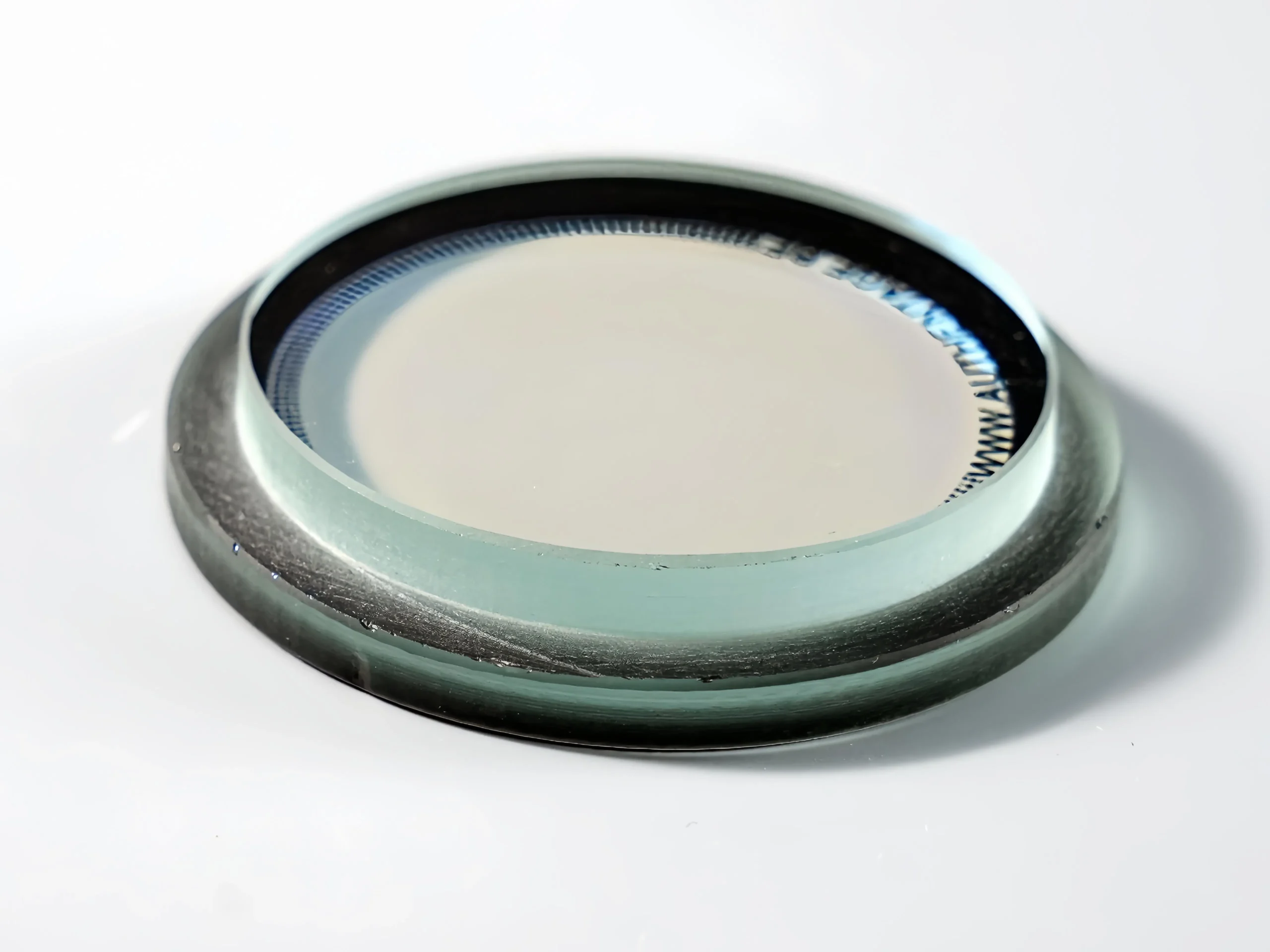
For appearance-critical parts: a first article or reference sample can establish the achievable edge clarity, chip acceptance, and visual inspection conditions before batch production.
How Edge Finishing Affects Glass Strength and Safety
Removing sharp arrises and severe cutting defects significantly reduces cut risk during handling and assembly. A well-controlled edge process may also remove some strength-limiting flaws and improve edge consistency. However, grinding and polishing can introduce new micro-cracks or subsurface damage if tooling and parameters are unsuitable. There is no universal strength multiplier for a polished edge; performance depends on the incoming cut, material, geometry, equipment, tooling, process settings, handling, and test method.
Proper edge preparation supports subsequent tempering and safety-glass production, but edge polishing by itself does not certify compliance with EN 12150, ANSI Z97.1, or another finished-product standard. Edge grinding, drilling, and other fabrication should normally be completed before tempering because later machining carries a high breakage risk and may alter break pattern, impact resistance, and in-service performance.
Technical basis: see Vitro TD-124: Fabrication of Heat Treated Glass, Pilkington's structural glass guidance, and the study Optical quality and strength of glass edges after grinding and polishing.
Advantages and Limitations of Glass Edge Grinding and Polishing
| Advantages | Limitations |
|---|---|
| Significantly reduces cut risk and creates a more controlled edge for handling and assembly. | Material removal is irreversible, so an incorrect profile or excessive removal cannot be restored. |
| Provides matte, satin, glossy, beveled, rounded, and custom-profile appearance options. | Higher visual quality requires more stages, slower processing, and clearer inspection criteria. |
| Can improve profile accuracy and repeatability when finished datums are clearly defined. | Results remain dependent on cut quality, glass properties, tooling, fixturing, and process stability. |
| Supports later tempering, bonding, coating, and precision assembly when correctly specified. | Thin glass, small internal radii, deep concave profiles, and restricted tool access may limit capability or yield. |
Ground vs Polished Glass Edges
| Feature | Ground Edge | Polished Edge |
|---|---|---|
| Appearance | Uniform matte surface | Satin, clear, or glossy surface |
| Main purpose | Safety, profile control, and dimensional finishing | Visible decorative or presentation-quality edges |
| Processing steps | One or more grinding stages | Fine grinding followed by polishing |
| Relative cost | Lower | Higher because of added stages and inspection |
| Typical applications | Concealed, framed, or industrial components | Furniture, displays, shelves, covers, and exposed edges |
How to Choose the Right Edge Finish
Start with the function of the edge. A concealed component may need only safe handling and dimensional control, while an exposed furniture edge may need a polished profile and strict cosmetic limits. Also consider assembly clearance, contact with users, subsequent tempering, bonding area, minimum radius, cleaning requirements, and whether the edge will be viewed through the glass.
| Application | Common starting point | Selection notes |
|---|---|---|
| Furniture glass | Flat polished or pencil polished | Choose according to touch exposure, design language, and corner treatment |
| Appliance panels | Ground or fine-ground | Framed edges often prioritize fit and chip control over transparency |
| Optical windows | Precision ground or polished | Define bevel, chips, cleanliness, coating protection, and dimensional datums |
| Lighting glass | Ground or polished | Select by edge visibility, assembly method, thermal cycle, and light scattering |
| Industrial sight windows | Ground or polished | Pressure, sealing, inspection, and applicable product requirements govern the choice |
| Glass to be tempered | Specified edge completed before tempering | Confirm all cutting, drilling, and edgework before heat treatment |
| Hidden mounting parts | Seamed, ground, or fine-ground | A high-gloss finish often adds cost without functional value |
How Glass Edge Quality Is Evaluated
Edge quality should be evaluated against the finished drawing, an agreed sample, or a written inspection specification. Company-specific finish names can be useful for purchasing, but they should be identified as internal classifications rather than presented as universal industry grades.
| Quality characteristic | What is evaluated |
|---|---|
| Edge appearance | Uniformity, pits, chips, white lines, scratches, burn marks, and unprocessed areas |
| Surface roughness | Measured only when instrument, direction, sampling location, filtering, and acceptance method are defined |
| Chipping size | Maximum length, width, depth, location, quantity, and whether corner chips are treated separately |
| Chamfer width and angle | Finished profile relative to the drawing datums |
| Edge straightness | Deviation along the specified evaluation length |
| Dimensional tolerance | Finished length, width, diameter, radius, position, squareness, or profile tolerance |
| Gloss and transparency | Visual comparison under agreed lighting or measurement with a defined method when required |
Factors Affecting Glass Edge Processing Cost
The price of glass edge grinding and polishing is driven by process time, tooling, yield risk, inspection, and setup. The main quotation factors are:
- Glass material: soda-lime, borosilicate, optical glass, quartz, and glass-ceramics require different tools and parameters.
- Thickness and overall size: these affect handling, rigidity, setup, and breakage risk.
- Total perimeter: longer edges require more grinding and polishing time.
- Straight or shaped contour: curves, internal features, and small radii increase programming and tool-access difficulty.
- Edge type: seaming, grinding, fine grinding, polishing, beveling, and custom profiles require different numbers of stages.
- Appearance requirement: high clarity and strict cosmetic criteria may require additional passes and sample approval.
- Finished tolerance: tighter dimensions and profile tolerances increase process control and inspection effort.
- Quantity: batch size affects programming, fixturing, setup allocation, and production method.
- Cleaning and inspection: special cleanliness, documentation, traceability, or measurement requirements add work.
Copyable RFQ Checklist
Copy this table into your inquiry and replace the examples with your project information. Unknown items can be marked “please advise.”
| Required information | Example |
|---|---|
| Glass material | Borosilicate 3.3 |
| Thickness | Finished nominal thickness |
| Finished drawing | PDF + STEP/DXF |
| Edge profile | Flat polished, C-chamfer, or specified radius |
| Critical dimensions | Marked drawing datums and tolerances |
| Appearance | Matte, satin, or transparent-looking |
| Quantity | Prototype quantity and estimated annual volume |
| Later processing | Tempering, coating, printing, or bonding |
| Inspection | Approved sample, visual limit, and dimensional report |
Technical References
- Vitro Architectural Glass, TD-124: Fabrication of Heat-Treated Glass — fabrication sequence and limitations around heat-treated glass.
- Pilkington structural glass guidance — edge preparation and heat-treatment context.
- Optical quality and strength of glass edges after grinding and polishing — research on process-dependent optical quality and edge strength.
- ISO 9001:2015 — quality-management-system requirements; it is not a product tolerance or glass edge acceptance standard.
Frequently Asked Questions
Can tempered glass be ground or polished?
Edge grinding and polishing should normally be completed before tempering. Post-tempering machining can disturb the compressive stress layer and carries a high breakage risk. Review the required sequence in strength, safety, and tempering considerations.
Why does a polished glass edge still look white or cloudy?
Deep cutting damage, residual grinding marks, pits, contamination, or incomplete polishing contact can continue to scatter light. Glass composition and inspection lighting also affect the result. See common edge defects and their causes.
Can irregular or curved glass edges be polished uniformly?
Often yes, provided the tool can reach the full contour and the part can be supported securely. Feasibility depends on material, thickness, radii, profile transitions, drawing datums, and the agreed appearance standard. See edge geometry options.
Can thin glass be edge ground and polished?
Yes for suitable materials and geometries, but thin glass is more sensitive to vibration, fixture pressure, wheel engagement, and handling damage. Tooling, support, feed, drawing tolerances, and the inspection method should be reviewed before production. See material considerations.
How long does glass edge processing take?
Lead time depends on material availability, perimeter, profile complexity, finish, tolerance, quantity, tooling, sample approval, and inspection requirements. High-clarity and complex shaped edges normally require more stages. See the main cost and RFQ factors.
What information is needed for a quotation?
Provide the material, finished thickness, drawing, edge profile, datums, tolerances, appearance requirement, quantity, downstream processing, and inspection needs. Reference samples are helpful for cosmetic limits. Use the copyable RFQ checklist to prepare the inquiry.
Should dimensions be specified before or after edge processing?
Specify final finished dimensions and clearly identify the datums. Grinding removes material, and there is no universal dimensional reduction for a named chamfer, radius, or edge term. See how finished dimensions and profiles are evaluated.
Does polished glass need cleaning after processing?
Yes. Glass particles, coolant, and polishing residue should be removed using a cleaning method compatible with the material, coating, geometry, and required cleanliness. The cleaning and handling process must avoid introducing new scratches, chips, or contamination.
Can internal holes and cutouts be polished?
Sometimes. Feasibility depends on material, thickness, hole or cutout size, corner radius, tool accessibility, fixture support, and the required appearance. Provide a finished drawing and inspection criteria so the processor can confirm which internal edges are reachable.
What is the minimum internal radius for edge polishing?
There is no universal minimum radius. The practical limit depends on glass material, thickness, profile depth, available tool diameter, machine access, and acceptance requirements. Mark the finished radius and adjacent datums on the drawing for a manufacturability review.
Does a polished edge mean optical-quality glass?
No. A polished edge may look clear or glossy but is not automatically an optical surface. Optical performance depends on material grade, surface figure, roughness, transmitted wavefront, coating, cleanliness, and a defined measurement and acceptance method.
Request Custom Glass Edge Processing
BO-Glass provides custom grinding, polishing, beveling, and profile-edge processing for flat, curved, and precision glass components. Send us your material, thickness, finished drawing, edge profile, and order quantity for a manufacturability review and quotation.
Request a Manufacturability ReviewContact Us
Your feedback fuels our growth, and your questions drive our solutions.
We value your feedback, inquiries, and suggestions. Please feel free to get in touch with us
General inquiries
Please contact us via sales@bo-glass.com, and we will reply to you as soon as possible.
Interested to work with us
Drop your resume at info@bo-glass.com
and we will get back to you shortly.
We uses the contact information you provide to us to contact you about our relevent content, products, and services.