
Custom Float Glass Parts & CNC Machining
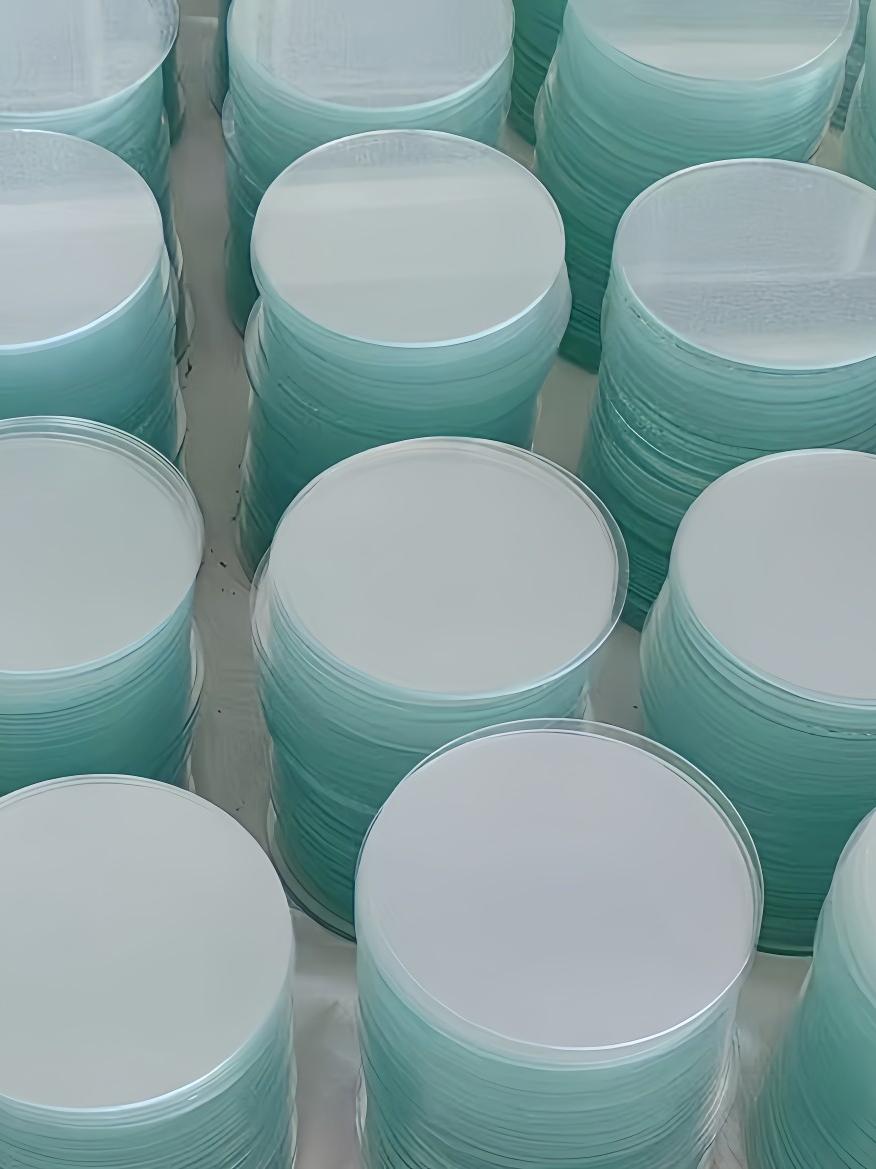
BO-GLASS fabricates custom components from soda-lime float glass using cutting, drilling, CNC machining, edge grinding and polishing. From prototypes to production, we review dimensions, edge details and finishes against your drawing.
Send your drawing, quantity and application for a material and manufacturing review.


What to Include in Your Float Glass Enquiry
Share your drawing, dimensions, thickness, quantity and intended use. Mark critical features and the required finish so we can review your project.
| Material & Thickness | Specify the thickness, glass grade and any colour or visible edge-tint requirements. |
|---|
| Profile & Dimensions | Provide overall dimensions, shaped outlines and internal cutouts on your drawing. |
|---|
| Holes & Slots | Mark diameters, positions and critical assembly features; hole-to-edge distances require review. |
|---|
| Edge Treatment | Identify exposed edges and the required ground, polished, bevelled or radiused finish. |
|---|
| Surface Finish | Discuss printing, coatings, frosting or engraving together with appearance and function. |
|---|
| Strengthening & Safety | Specify tempering or laminating needs and the intended application before processing. |
|---|
| Tolerance & Inspection | Mark critical tolerances, cosmetic acceptance criteria and required inspection records. |
|---|
What Is Soda-Lime Float Glass?
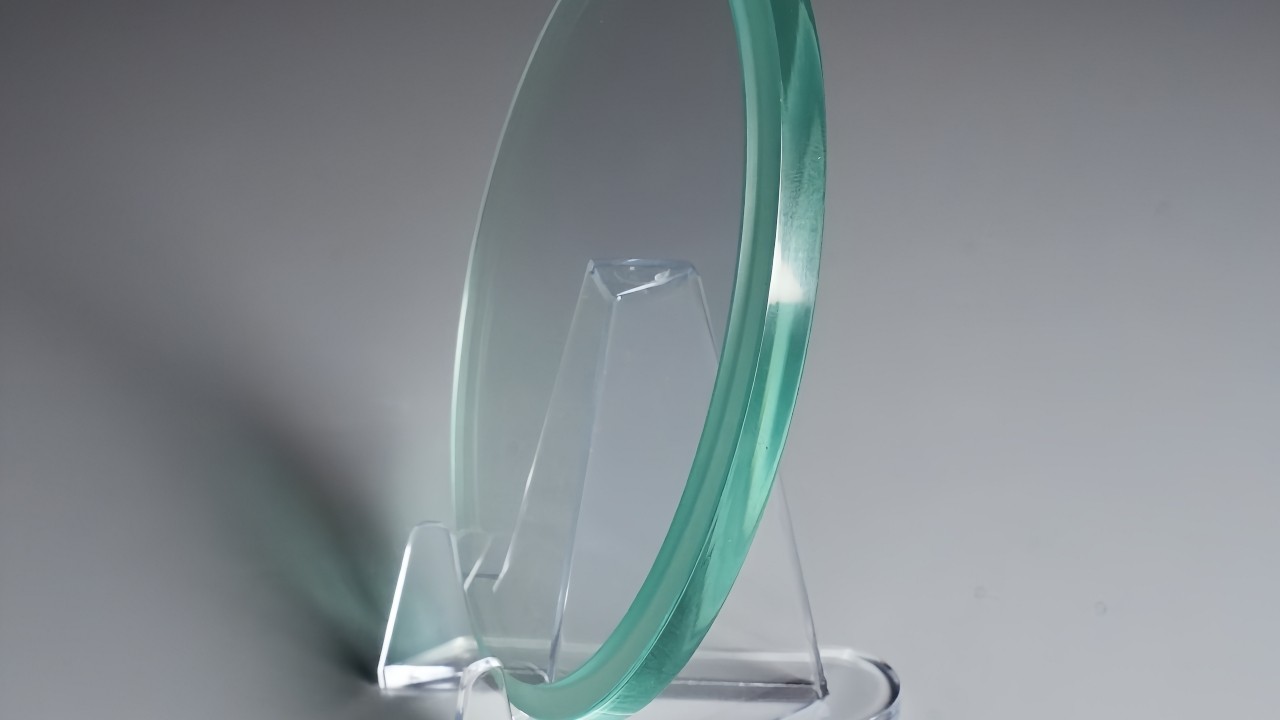
Float glass is flat glass formed by floating molten glass on a bath of molten tin. Here, “float” describes the forming process, while “soda-lime-silicate” describes the composition. This page covers the secondary fabrication of soda-lime float-glass sheets into custom parts.
Standard clear float glass can be cut, drilled and finished for many panels and components. It may show a green tint, particularly at exposed edges. Specify colour, temperature, chemical exposure and optical requirements before selecting the substrate.
Surface Finishing & Secondary Processing
Choose each process by the function of the finished component. Share all required treatments at the quotation stage so material, geometry and processing compatibility can be reviewed together.
Screen Printing
Add markings, borders or decorative patterns. Provide artwork, colour requirements and the working environment so ink type and curing or firing conditions can be reviewed.
Coatings
Define the required transmission, reflection or other surface function. Coating selection and processing sequence must suit the substrate, final application and any subsequent heat treatment.
Sandblasting
Create a frosted or textured surface for diffusion, privacy or decoration. Identify the treated area and provide a reference finish where appearance is critical.
Edge Grinding & Polishing
Finish cut edges for the specified appearance, handling and assembly fit. Identify exposed edges and the required profile on your drawing. View edge grinding and polishing services.
Acid Etching
Discuss a satin or frosted finish together with the required viewing area, texture and cleaning conditions. Finish availability is confirmed for the chosen substrate.
CNC Engraving
Add identification, patterns or machined details where the glass geometry permits. Provide feature dimensions and any cosmetic acceptance criteria.
Tempering, Laminating & Enameling
Discuss strengthening, safety construction or ceramic enamel requirements before the production sequence is agreed. All cutting, drilling, milling and edge finishing must be completed before thermal tempering; tempered glass cannot subsequently be cut or drilled.
Fabrication Examples & Related Case Study
Explore float glass edge-finishing examples and a related lighting-glass case study.
Related Case Study
Stepped Tempered Glass Covers for In-Ground LEDs
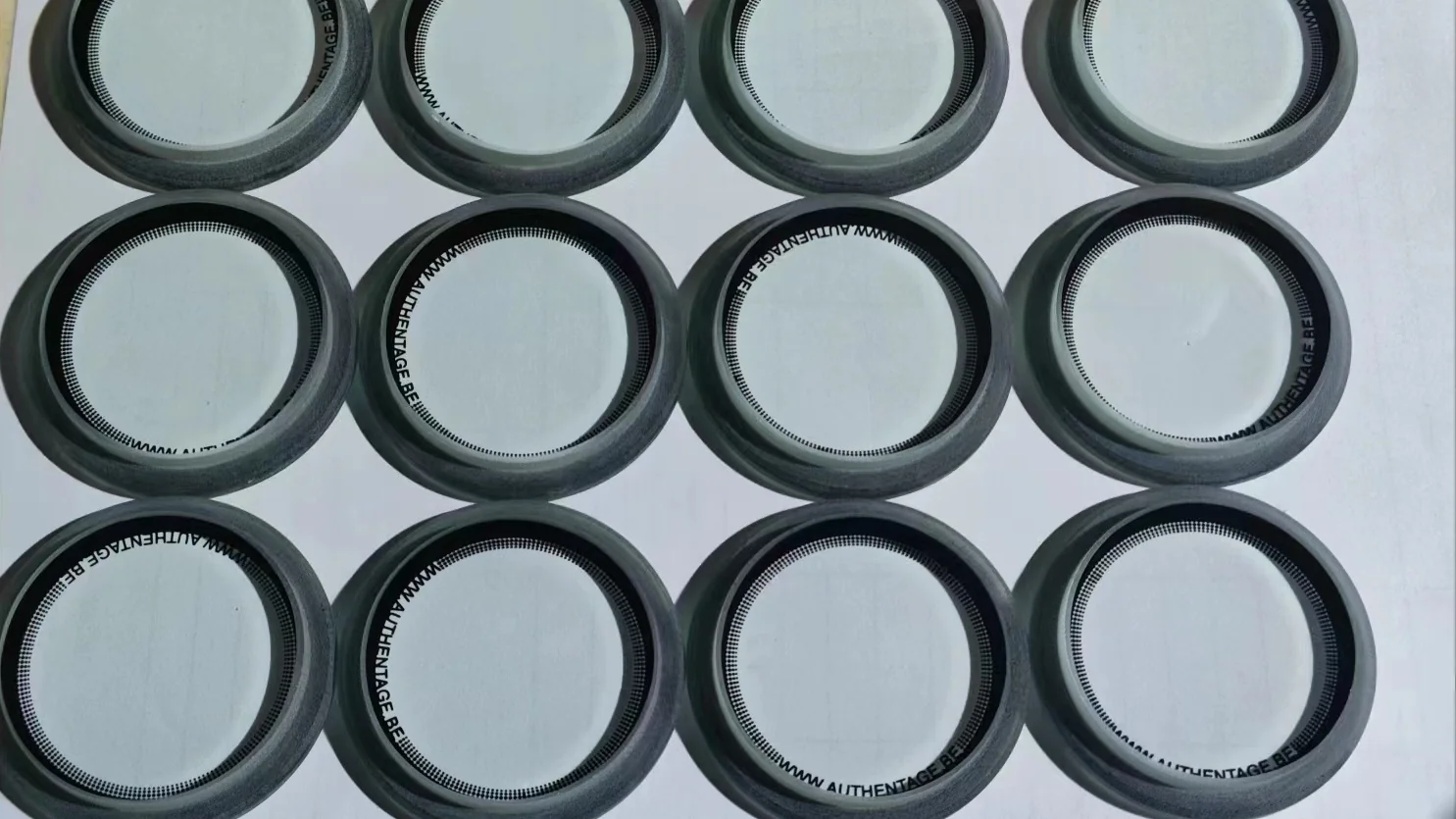
BO-GLASS produced stepped tempered glass covers for a North American lighting manufacturer. CNC diamond machining formed the perimeter step to fit a stainless-steel mounting ring and silicone gasket, followed by thermal tempering.
Inspections covered the machined geometry, edge quality, flatness and surface condition. Customer-approved samples led to repeat orders across multiple luminaire models.
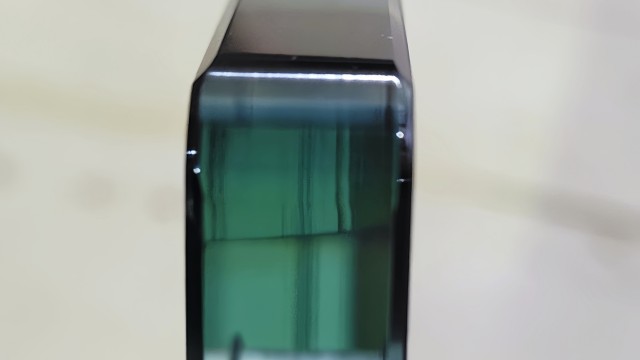
Float Glass Base Accessories
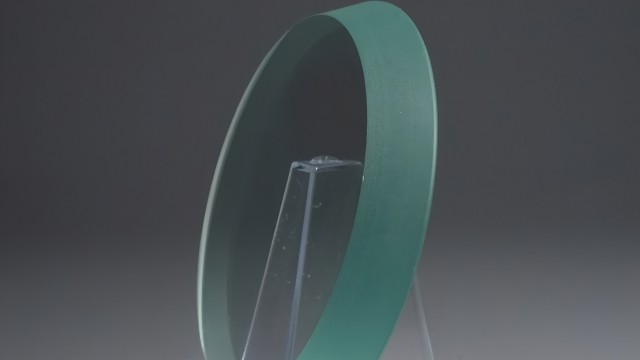
Float glass base accessories with hand-chamfered and polished edges.
Applications for Custom Float Glass Parts
Tell us how the component will be mounted and used. Material and construction must be reviewed against the actual service conditions.
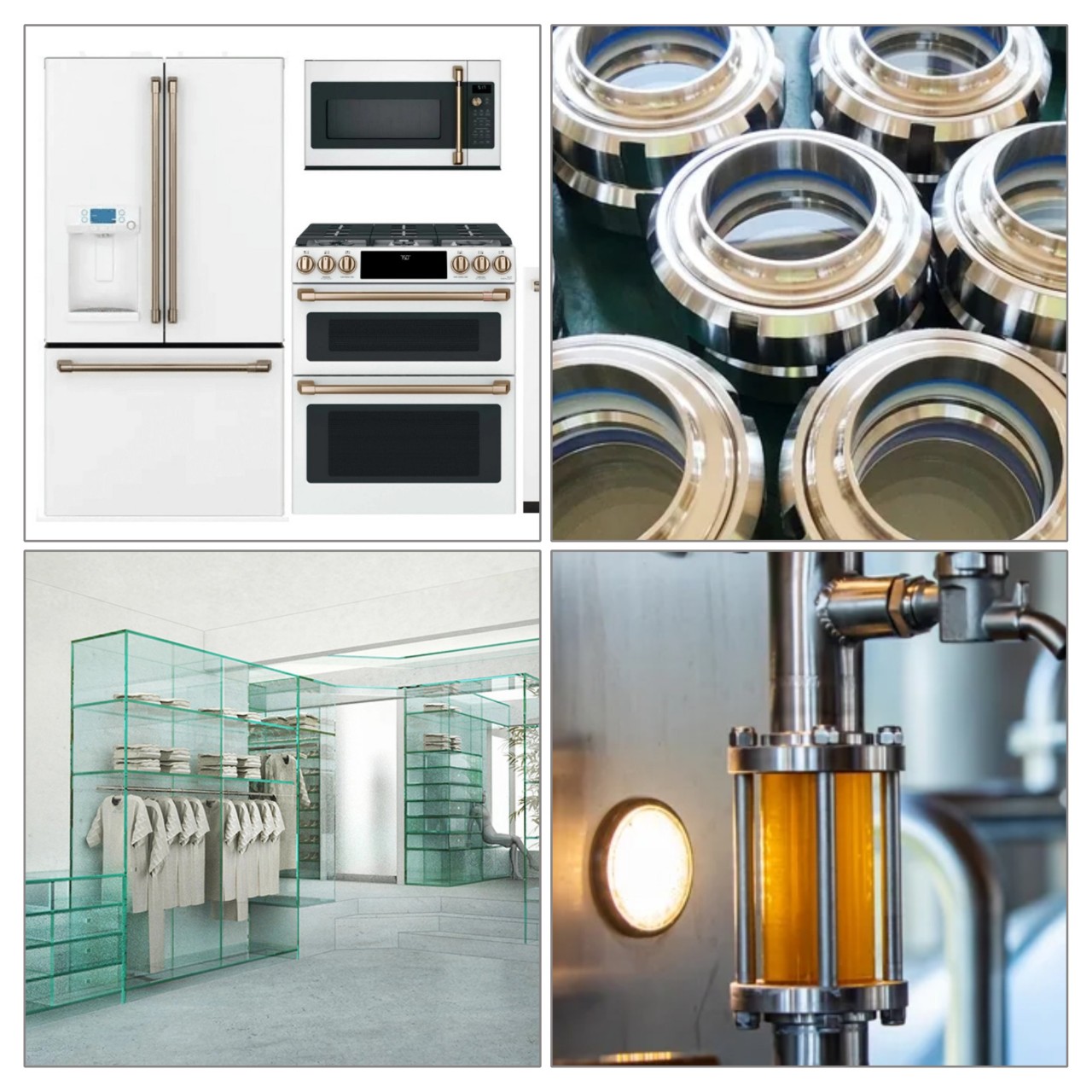
Appliance & Equipment Panels
Control-panel covers, appliance panels and shelves may require shaped cutting, holes, finished edges or printing. Specify installation, cleaning conditions and temperature exposure.
Lighting Components
Flat light covers and diffuser panels may combine cutting with frosting, printing or coatings. Provide operating conditions and any transmission or appearance requirements.
Industrial Inspection & Protection
Inspection windows, gauge covers and equipment guards need defined mounting details. Pressure, impact or safety requirements require a separate suitability review.
Furniture, Retail & Display
Display panels, shelves, cabinet inserts and decorative parts often need polished edges and consistent appearance. Include support details, load requirements and visible surfaces.
Choosing the Right Glass for Your Part
Match the glass grade, processing and construction to the working environment. Appearance alone does not establish suitability.
When Float Glass Fits
Soda-lime float glass is a practical starting material for many flat panels and custom components where its properties meet the service conditions.
It supports cutting, drilling, edge finishing and a range of surface treatments. Define the outline, thickness, assembly features and visible surfaces before choosing the processing route.
Specify tolerances by function: identify the dimensions that control fit rather than applying the tightest tolerance to every surface.
When to Review Alternatives
Reduced green tint: Consider low-iron glass. Transmission depends on grade, thickness and surface treatments.
Heat and thermal shock: Discuss an appropriate substrate, which may be tempered soda-lime glass, borosilicate glass or glass-ceramic. High-temperature appliance applications require specific validation.
Optical, pressure or safety duties: Define the performance criteria and required testing. Tempering or laminating adds specific properties, but does not establish suitability for every application.
Samples, Inspection & Delivery
Confirm the project requirements and ordering arrangements before production.
01
Drawing & Quantity Review
Share your drawing, critical dimensions and finishes, together with the sample quantity and expected production quantity.
02
Quotation & Sample Preparation
We review your enquiry and prepare a quotation. After quotation confirmation, we prepare the sample for your review.
03
Sample Approval & Inspection
We move to bulk production after sample approval and carry out quality checks against the agreed project requirements.
04
Packaging & Delivery
We package the order as required and coordinate shipment. See how ordering works.
FAQ: Ordering Custom Float Glass Parts
What should I send for a quotation?
Send a drawing or dimensions, glass thickness, quantity, intended use and required finish. Mark critical tolerances, holes, edge details and visible surfaces. Include the working environment and any applicable specifications.
Can I enquire without a CAD drawing?
Yes. You can share a sketch, photographs or dimensions of an existing part. Identify which dimensions are confirmed and which need clarification. The final specification must be agreed before production.
Can I request samples before production?
We support prototype batches and volume production. Share your sample quantity and expected production volume for review.
What determines the lead time?
Materials, specifications and lead times are confirmed for each project. Tell us your sample and production requirements during the enquiry.
How do I specify finish and inspection requirements?
Identify the viewing area, acceptable appearance and the edges or features that matter most. Share a reference sample or inspection specification if available. State whether you need dimensional records or other documentation so the inspection scope can be agreed before production.
Contact Us
Discuss Your Custom Glass Project
Share your drawing, photos or dimensions, together with the intended use and target quantity. We will review your requirements and discuss the next steps.
Sales Enquiries
Email sales@bo-glass.com with your part description, intended use and target quantity.
Send Your Design
Use the form to upload a drawing or describe an existing part. Mark critical dimensions and tell us which surfaces or features matter most.
Request a Custom Glass Quote
Upload a drawing or share dimensions, quantity, intended use and finish. Include any heat, pressure or chemical exposure.
Your drawings remain confidential.
We use the contact details you provide to respond to your enquiry. See our Privacy Policy for more information.