
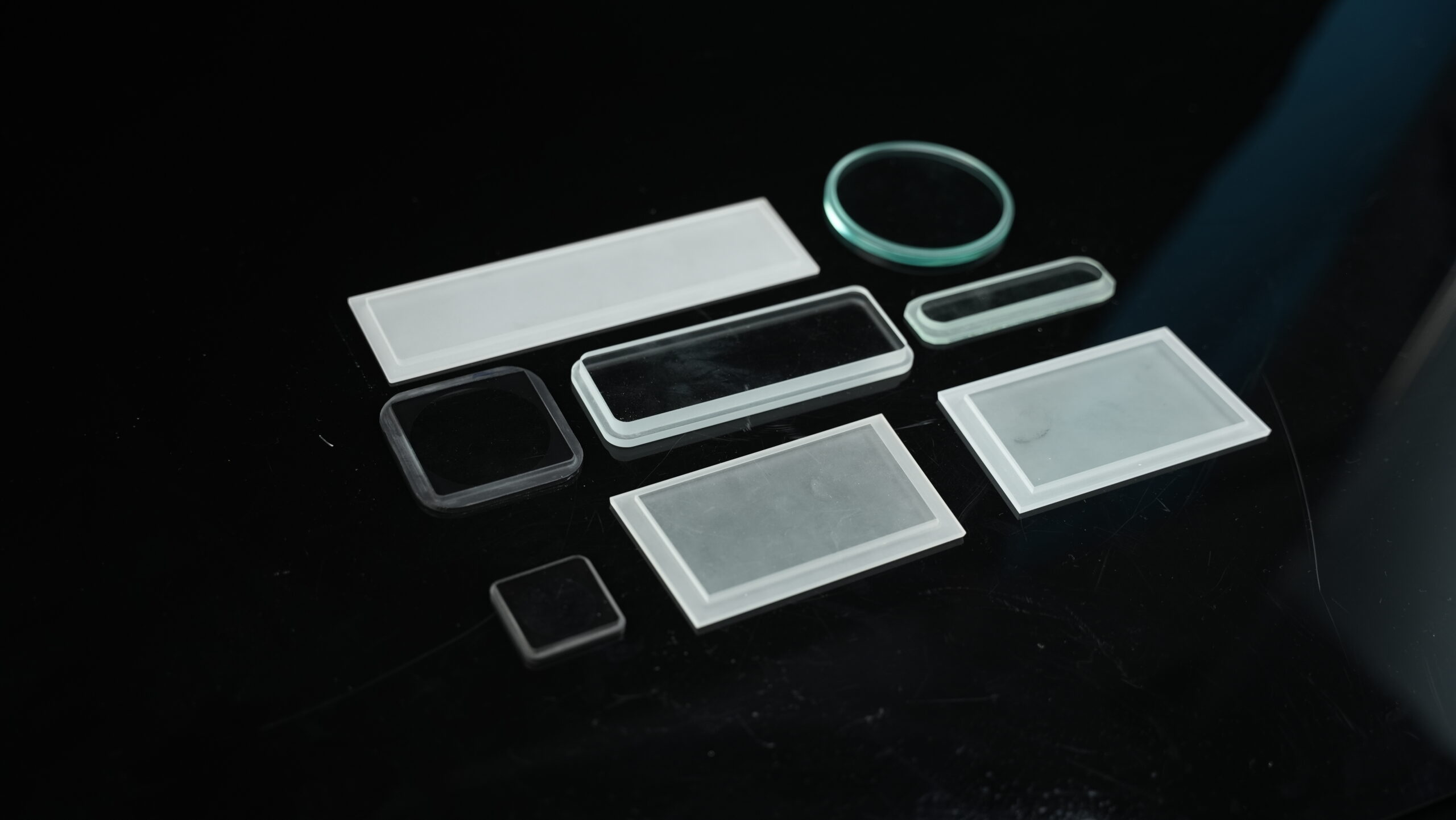
What causes uneven ink application?
What causes uneven ink application?
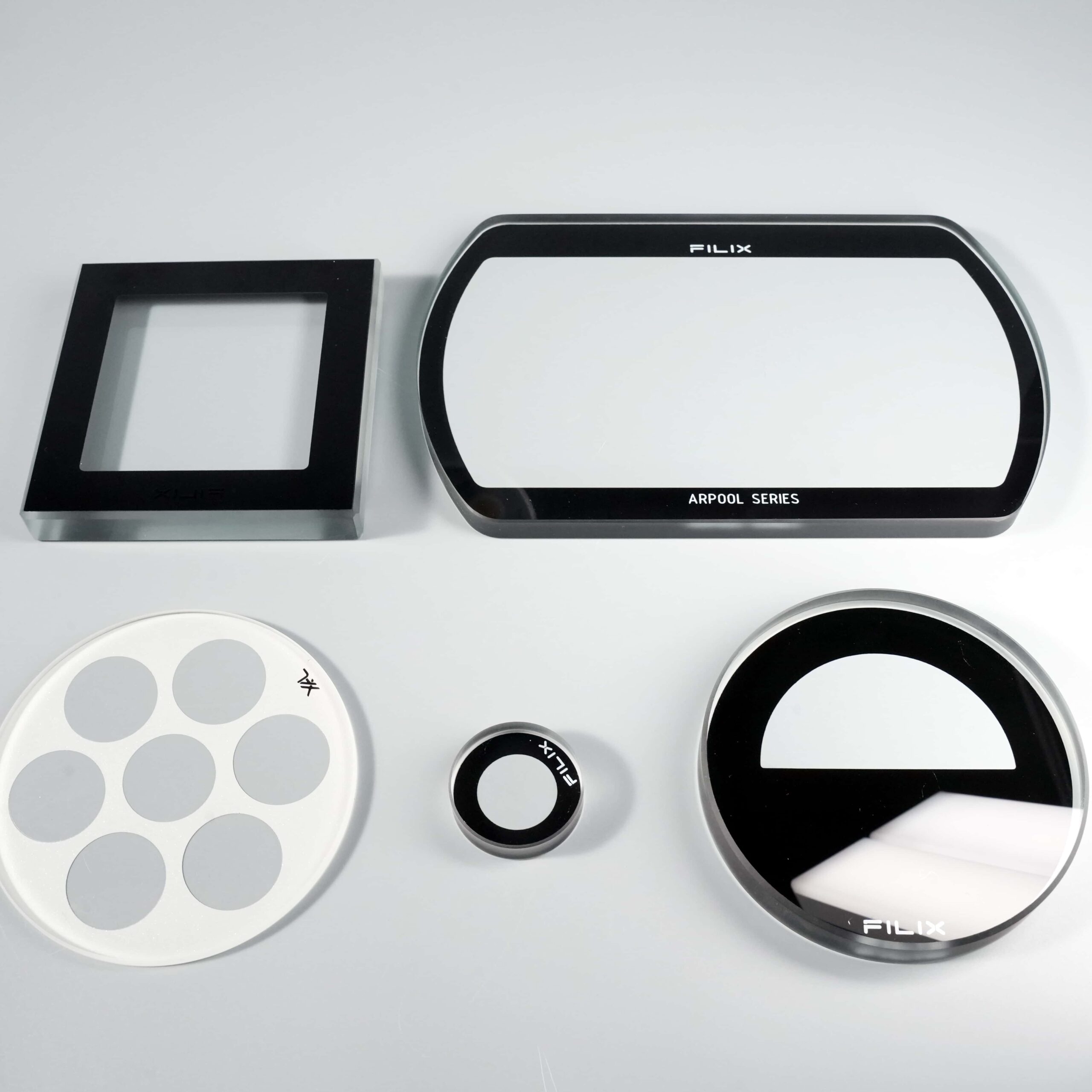
How to deal with uneven ink application?
When printing on glass, damage to the sharp edge of the return ink blade can cause streaks in the direction of the blade’s movement, resulting in uneven ink application. To avoid this, the blade’s edge must be well protected and kept free from damage. If any damage occurs, the blade should be carefully polished with a grinding machine to restore a smooth edge.
Furthermore, the evenness of the printing table can significantly affect ink distribution. Uneven surfaces can cause the ink film to vary in thickness, with raised areas producing thinner ink layers and the recessed regions producing thicker ones. This phenomenon is another form of uneven inking. Additionally, dust particles on the back of the glass or the surface of the printing table can also contribute to such defects. Therefore, maintaining a clean, level printing surface and a dust-free environment is essential for achieving consistent ink application.

Contact Us
Discuss Your Custom Glass Project
Share your drawing, photos or dimensions, together with the intended use and target quantity. We will review your requirements and discuss the next steps.
Sales Enquiries
Email sales@bo-glass.com with your part description, intended use and target quantity.
Send Your Design
Use the form to upload a drawing or describe an existing part. Mark critical dimensions and tell us which surfaces or features matter most.
Request a Custom Glass Quote
Upload a drawing or share dimensions, quantity, intended use and finish. Include any heat, pressure or chemical exposure.
Your drawings remain confidential.
We use the contact details you provide to respond to your enquiry. See our Privacy Policy for more information.