
What Is Borosilicate Glass
A special material
Borosilicate glass is a type of glass containing boron trioxide, which is characterized by a densely cross-linked glass network. This material has higher chemical durability and heat resistance than traditional glass, which means it will not crack under extreme temperature changes like ordinary glass. Borosilicate glass can even be transferred from the refrigerator to the oven rack without breaking, which is why almost all modern laboratory glassware is made of borosilicate glass.
Widely used
Borosilicate glass has a wide range of applications due to its thermal shock resistance and low coefficient of thermal expansion. Borosilicate glass is manufactured using a variety of forming processes. It can be drawn into glass tubes and flat glass for pharmaceutical packaging, or it can be formed using the microfloat process. This results in a wide variety of glass shapes and thicknesses, thus providing unique geometries for many applications.
What’s the difference between borosilicate glass and soda-lime glass?
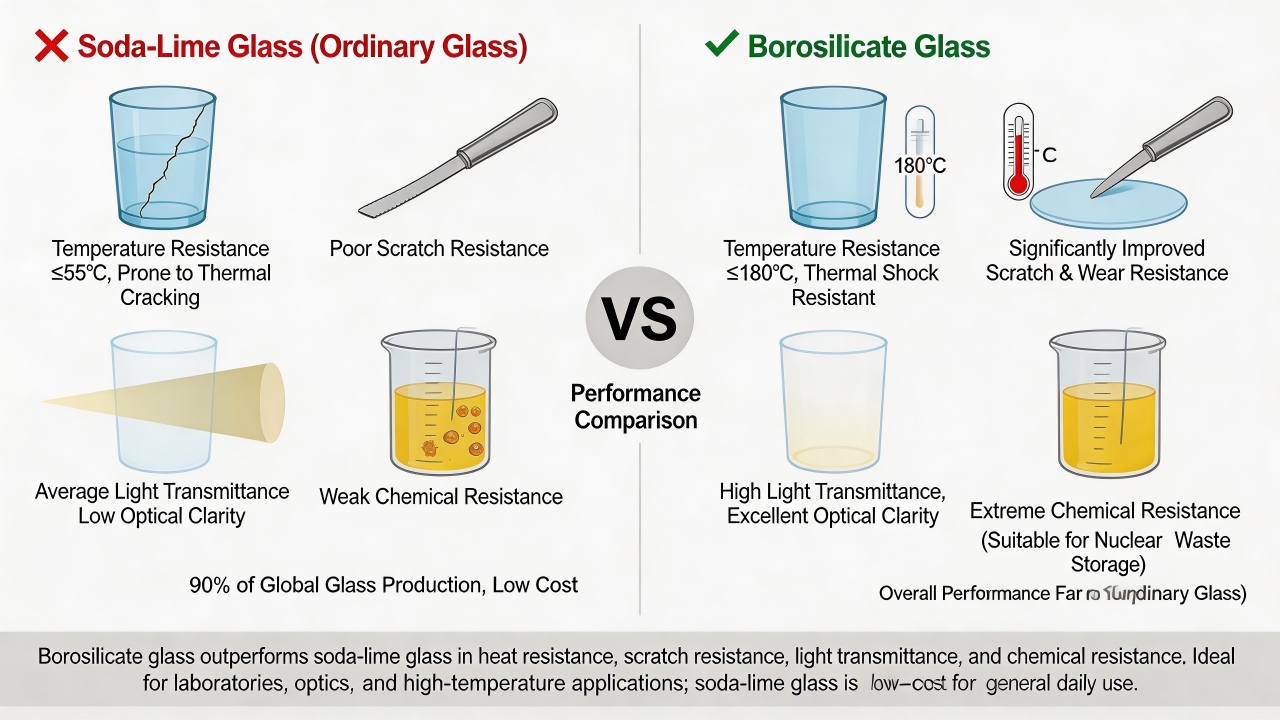
Ordinary glass refers to soda-lime glass, which has attracted many companies because of its cheap and easily available properties. It accounts for 90% of the glass manufactured worldwide and is used in furniture, vases, cups, and windows in daily life. Soda-lime glass can only withstand a temperature change of about 100 °F (55 °C), while borosilicate glass can withstand a temperature difference of about 330 °F (180 °C) before breaking. Borosilicate glass has better mechanical properties than soda-lime glass, and borosilicate glass has significantly improved scratch and abrasion resistance. Not only that, borosilicate glass also has high transmittance and optical clarity, which are not available in soda-lime glass. Interestingly, borosilicate glass is very resistant to chemicals and it is even used to store nuclear waste. So in terms of overall performance, borosilicate glass is far superior to ordinary glass.
Is Borosilicate Glass More Expensive than Normal Glass?
If we compare two glass products – one made from soda-lime glass and the other made from borosilicate glass – the borosilicate product will most likely be more expensive. This comes down to the manufacturing process required to produce the material.
Composite materials
Boron trioxide is far less common than sodium and calcium. It makes up just 0.001% of the Earth’s crust and is, therefore, more expensive to use than other elements.
Energy consumption
Borosilicate glass melts only at extremely high temperatures. Therefore, it requires much energy to melt, increasing energy consumption and pushing up production costs.
Higher Quality
After an intense and complex production process, the final borosilicate glass objects are considered high-quality glassware and cost more than standard annealed glass.
What is the composition of high borosilicate glass?
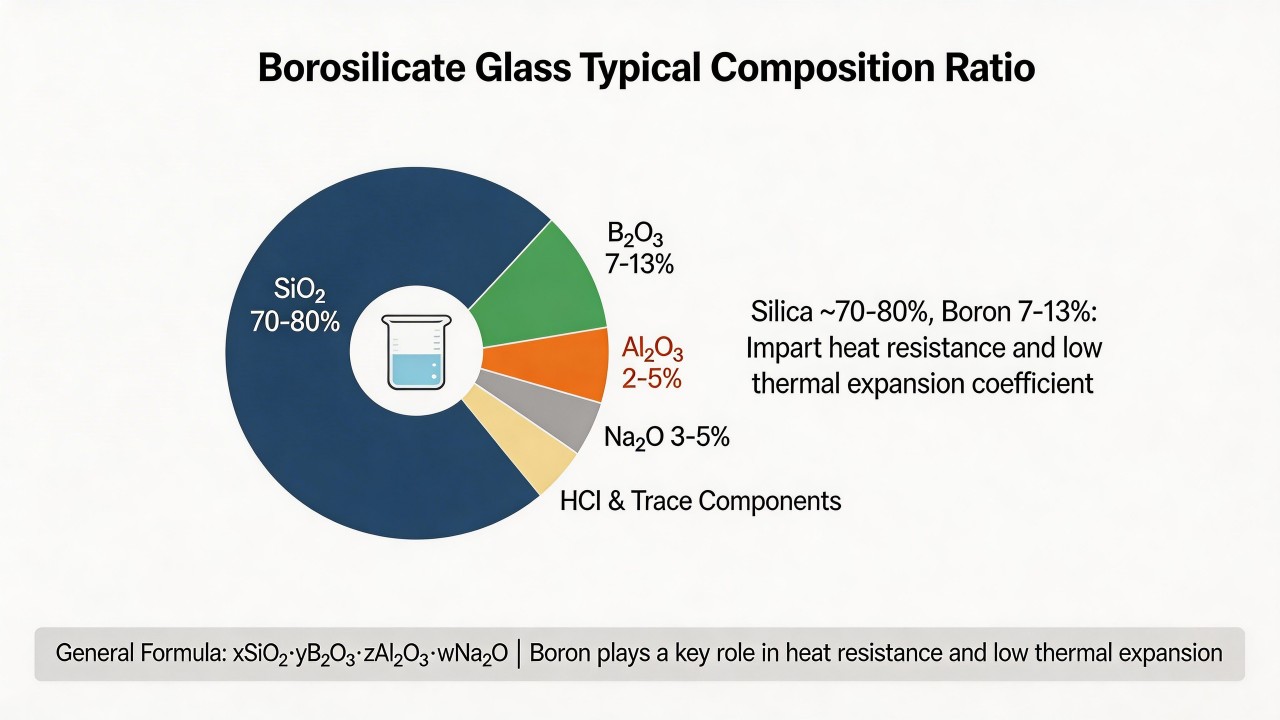
As mentioned earlier, the material that makes up borosilicate glass is a unique composition, mainly composed of silicon dioxide (SiO2) and boron trioxide (B2O3). Minor ingredients are sodium oxide (Na2O), aluminum oxide (Al2O3) and hydrochloric acid (HCl). Silica accounts for approximately 70%-80% of the composition. This rich combination of elements gives glass its unique structural integrity and chemical resistance. The content of boron trioxide is 7%-13%. Don’t underestimate it because its presence is crucial for improving heat resistance and reducing thermal expansion coefficient. The general formula can be expressed as:
xSiO2⋅yB2O3⋅zAl2O3⋅wNa2O
where x , y , z and w represent the proportion of each oxide in the glass matrix
What are the properties of borosilicate glass and what is its principle
Low thermal expansion rate
In materials physics, the thermal expansion coefficient of glass usually denoted α, is a numerical value that describes how the dimensions of a glass material change with temperature. The coefficient of thermal expansion is usually expressed in units of one degree Celsius (1/°C) or one degree Fahrenheit (1/°F). For most types of glass, α ranges from about 5×10⁻⁶ to 10×10−6/°C.
This property is critical for applications involving significant temperature changes, as it affects the material’s ability to withstand thermal stress without cracking. Glass is a non-crystalline or amorphous material usually made by rapidly cooling a melt of silicate components. This rapid cooling prevents the formation of regular crystal structures, causing the molecules to arrange themselves in a disordered manner. When glass is heated, its molecules begin to vibrate more vigorously, causing the distance between them to increase. This phenomenon causes the material to expand. High borosilicate glass is known for its extremely low thermal expansion rate (approximately 3 × 10 −6 K −1 at 20 °C) compared to other types of glass, such as soda-lime glass. This property is critical for applications that require stability under rapid temperature changes, such as laboratory glassware, cookware, and certain industrial applications.
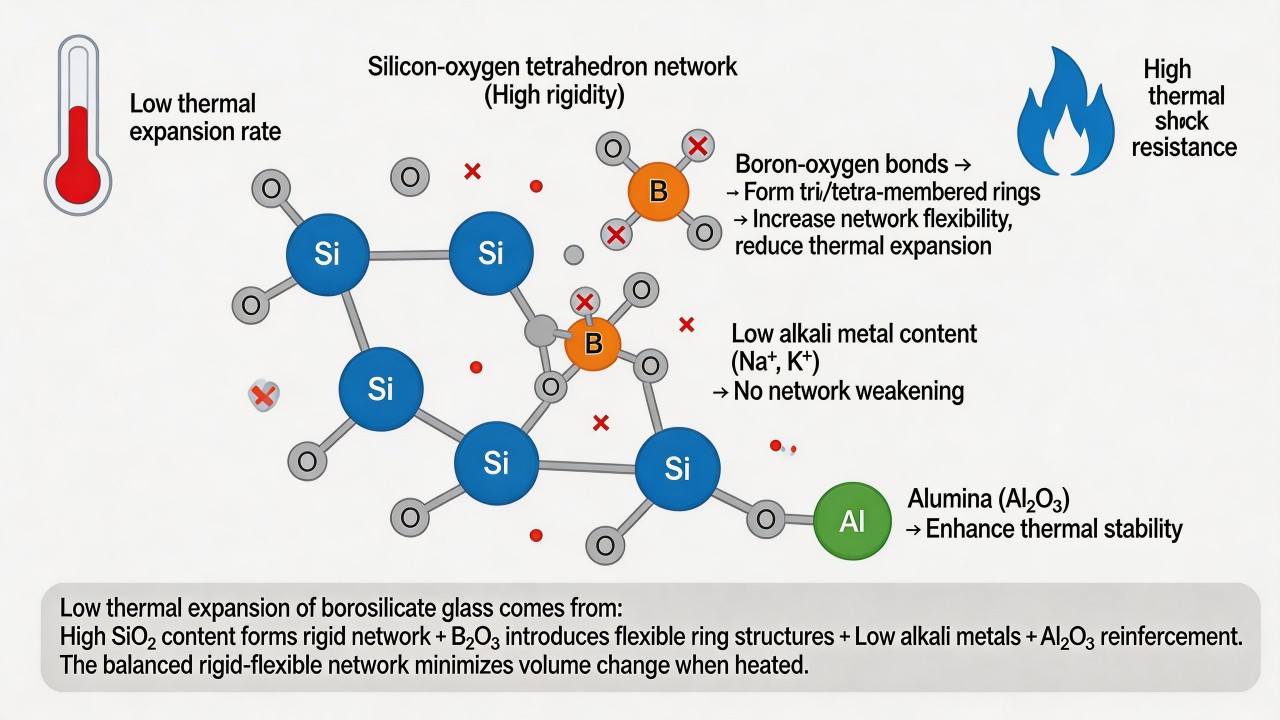
As mentioned above, we already know that the low thermal expansion rate of high borosilicate glass can be attributed to its unique chemical composition and structure. The backbone of high borosilicate glass is its high content of silicon dioxide (SiO2), which forms a strong and stable silicon-oxygen tetrahedral network. The silicon-oxygen bonds are very strong and contribute to the glass’s rigidity and low thermal expansion. High borosilicate glasses typically have a higher SiO2 content than standard glass types, making the network stiffer and less prone to expansion. The main chemical reaction that forms the glass network involves converting silica and boron trioxide into a glassy matrix:
SiO2+B2O3→[SiO4]4− and [BO4]5− network
The addition of boron oxide (B2O3) causes B2O3 to interact with the silicon-oxygen network to form borosilicate glass, introducing boron-oxygen bonds into the structure. These bonds can form three- and four-membered rings, which contribute to the flexibility and stability of the glass network. The presence of B2O3 will therefore help reduce the thermal expansion of the glass by creating a more complex network that is less likely to expand under thermal stress. Compared to other types of glass, borosilicate glass contains lower amounts of alkali metals (such as sodium and potassium). This is because alkali metals weaken the glass network, making it more susceptible to thermal expansion. By minimizing these components, borosilicate glass maintains a more stable and rigid structure. The addition of aluminum oxide during the manufacturing process further enhances its thermal stability. Al2O3 is integrated into the glass network and connected with silicon to form a more complex and thermally stable structure. In this way, this big family can develop stably.
Thermal shock resistance
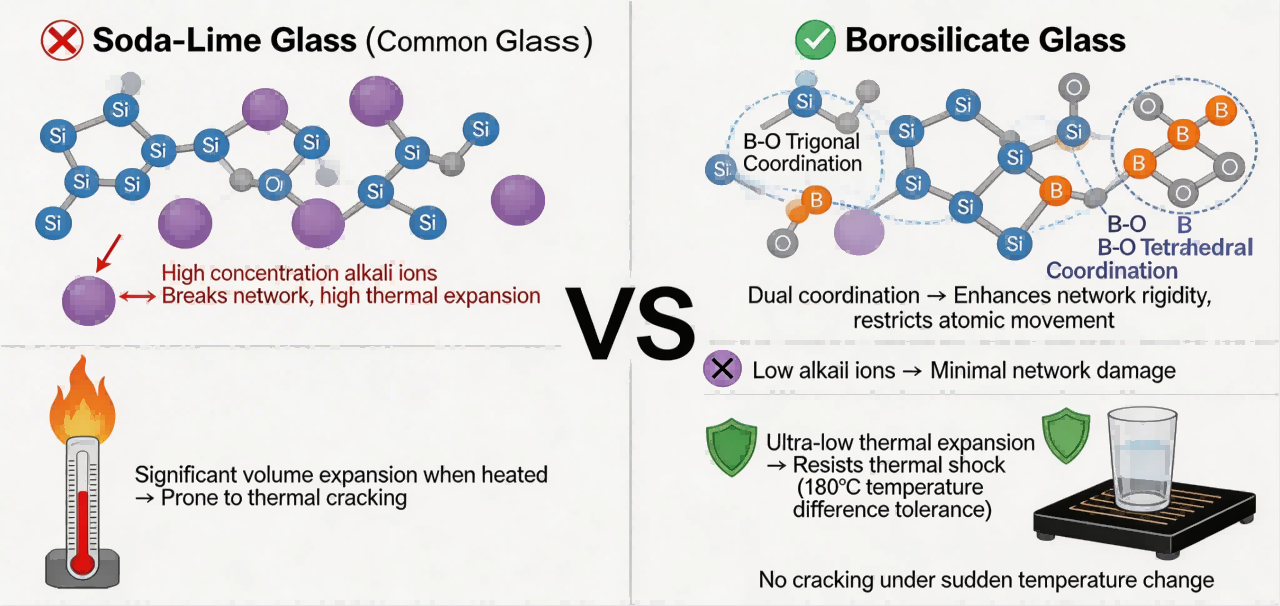
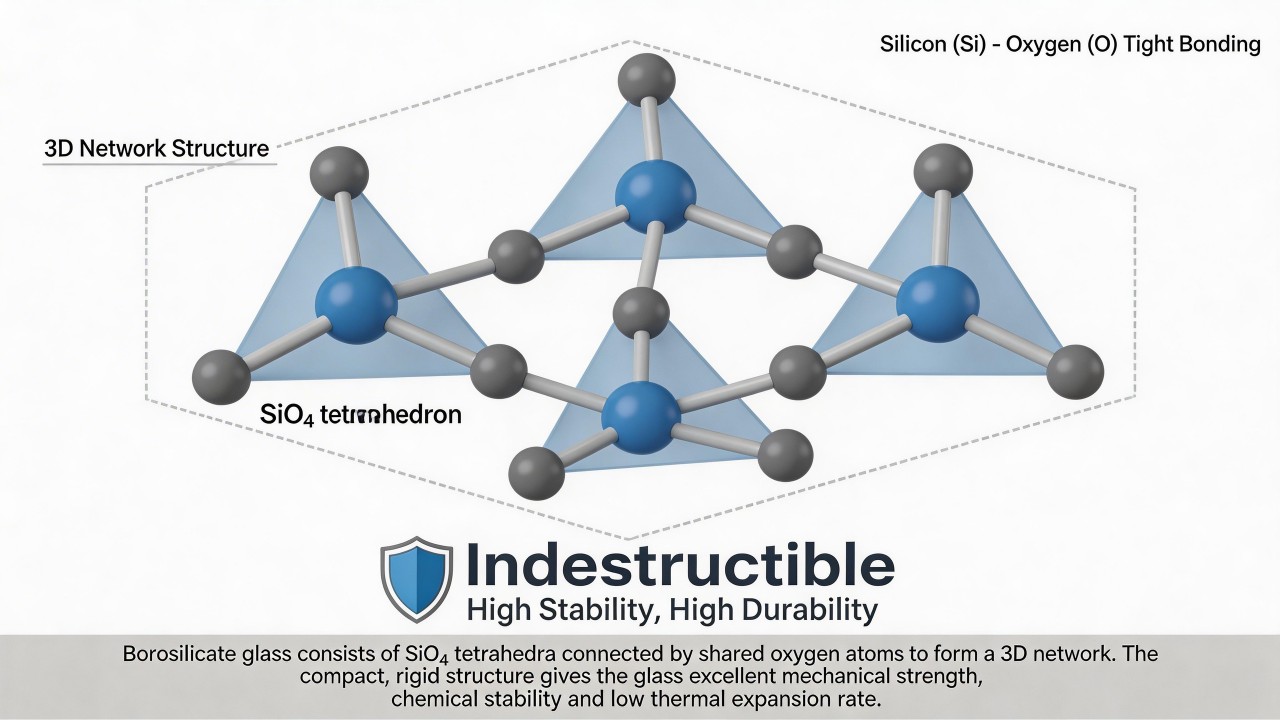
The low thermal expansion rate of high borosilicate glass can be attributed to its unique chemical structure of the silicon-oxygen network: the backbone of high borosilicate glass is a three-dimensional network of silicon-oxygen (Si-O) tetrahedrons. Silicon atoms are covalently bonded to four oxygen atoms, forming a rigid and stable matrix. Because the strength of the silicon-oxygen bond is one of the strongest, this Si-O network is inherently less prone to expansion when heated. The incorporation of boron into the glass matrix in the form of boron oxide (B2O3) is a key factor in reducing thermal expansion. Boron can exist in two coordination states in glass: trigonal (three oxygen atoms bonded to boron) and tetrahedral (four oxygen atoms bonded to boron). The presence of boron in both coordination states increases the complexity and rigidity of the glass network. This complexity inhibits the network’s ability to expand under thermal stress, thereby reducing the overall thermal expansion rate of the glass. Although high borosilicate glasses contain network modifiers such as sodium oxide (Na2O) and potassium oxide (K2O), their concentrations are relatively low compared to soda-lime glasses. These modifiers are less damaging to the glass network and help maintain the material’s low thermal expansion properties.
Due to the chemical structure of high borosilicate glass, in particular the dense Si-O network and the incorporation of boron, it is crucial for its low thermal expansion. The stiffness and stability of this network limit the movement of atoms and the expansion of the material when heated. Therefore, borosilicate glass can withstand sudden temperature changes without cracking, a property called thermal shock resistance.
Chemical resistance
Here we should praise the element boron, which plays a vital role here. It makes the structure of the glass more complex and tangled. This complexity makes it more difficult for water to penetrate the glass, thereby reducing the rate of corrosion that reacts with water.
In response, high borosilicate hydrochloric acid glass has gained durability in various environments. Corrosion resistance makes high borosilicate glass ideal for environments where there may be exposure to harsh chemicals or extreme conditions. This is why it is used in laboratory glassware as it may be exposed to corrosive substances for extended periods. And for it, this is also its unique ability.
High borosilicate glass is known for its excellent corrosion resistance, especially in acidic environments such as hydrochloric acid. This property is critical for applications requiring durability and longevity, such as chemical processing equipment and laboratory glassware. The mechanisms behind this resistance are complex and fascinating, with aspects of chemistry and materials science intertwined. What a wonderful fusion.
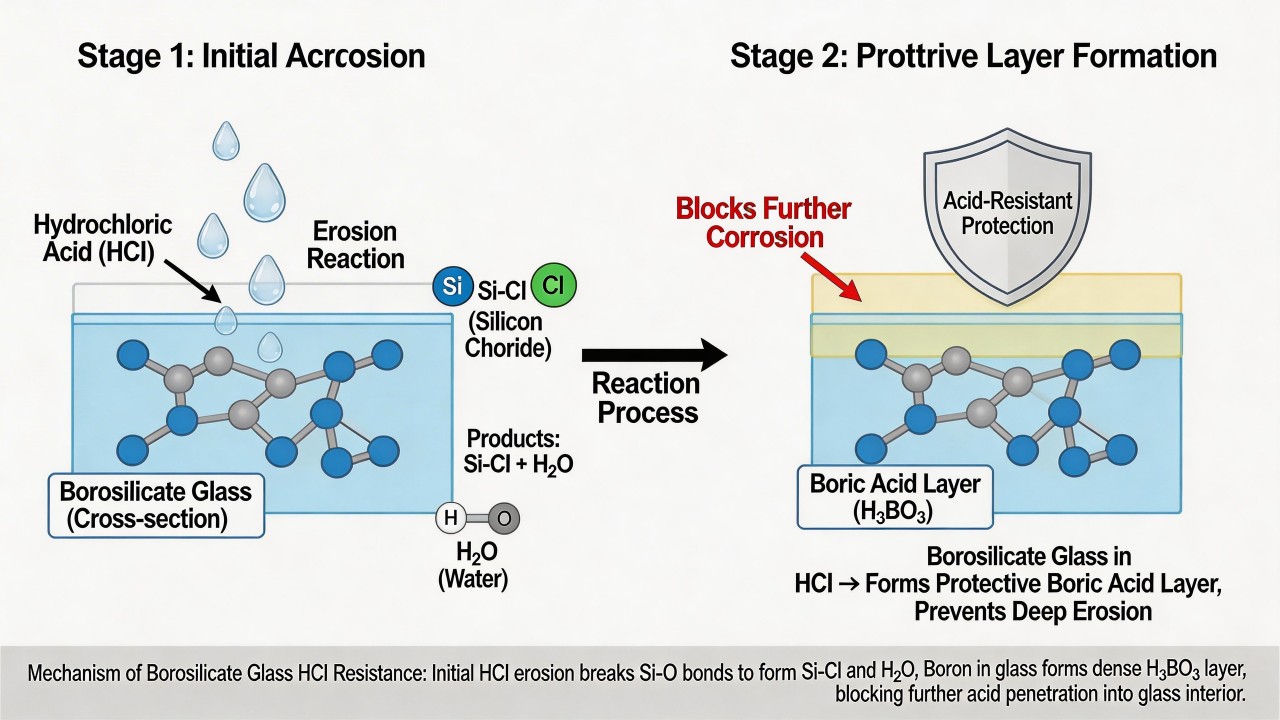
To sum up, the core of high borosilicate glass’s resistance to hydrochloric acid lies in its unique composition. High borosilicate glass typically contains silicon dioxide (SiO2), boron oxide (B2O3), and small amounts of alkali such as sodium oxide (Na2O) or potassium oxide (K2O). High levels of SiO2 provide a strong, stable network, while B2O₃ reduces the glass’s thermal expansion coefficient and enhances its resistance to thermal shock. The presence of B2O3 is also crucial to its acid resistance, as it forms a protective layer that blocks further reaction with the glass. When high borosilicate glass comes into contact with hydrochloric acid, the initial interaction occurs at the glass surface, where hydrogen ions (H⁺) from the acid attack the silica network. However, the boron oxide in the glass forms a hydration layer of boric acid (H₃BO₃), which significantly slows down the dissolution of the silica network. This layer acts as a barrier, reducing the rate at which the glass matrix is degraded by acids. A simplified chemical reaction of the interaction between high borosilicate glass and hydrochloric acid can be expressed as follows:
Initial acid attack SiO2+2HCl→SiCl2+2H2OSiO2+2HCl→SiCl2+2H2O
Formation of boric acid protective layer B2O3+3H2O→2H3BO3
These reactions highlight the initial stages of the interaction, where the silica network is attacked and a protective layer of boronic acid forms. It should be noted that in actual processes the reaction is more complex and involves various intermediate steps and products, again depending on the glass composition and exposure to acid. Here are a few simple steps.
Step 1: Describe the acid attack on the SiO2 network, resulting in the formation of silicon chloride (SiCl2) and water.
Step 2: Explain how boron oxide reacts with water to form a boric acid protective layer.
Excellent optical transparency
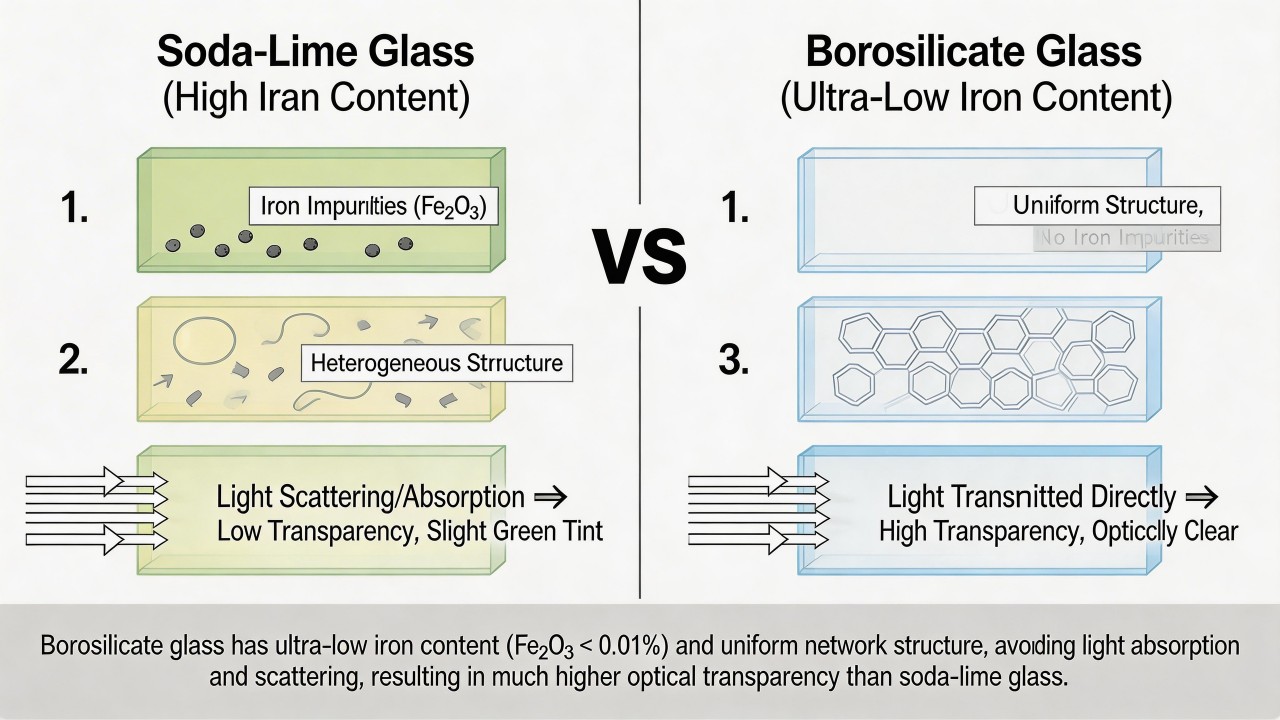
High borosilicate glass is known for its excellent optical clarity. This property is critical for applications that require transparent materials that do not distort light, such as laboratory glassware, optical lenses, and certain types of windows. Optical transparency is a direct result of the material’s composition and its highly ordered structure.
(1) Low iron content
Borosilicate glass has a lower iron content. Iron impurities absorb light at the red end of the spectrum, causing the glass to appear green. High borosilicate glass maintains a clear, nearly colorless appearance by minimizing iron and other color-causing impurities, ensuring minimal light absorption and distortion. This is also a major innovation in our industrial technology.
(2) Uniform structure
The glass’s structure, characterized by a network of silicon-oxygen (Si-O) and boron-oxygen (B-O) bonds, is very homogeneous and free of crystalline inclusions that could scatter light. This uniformity allows light to be transmitted without significant scattering, thereby increasing its optical transparency.
(3) Chemical stability
High borosilicate glass’s resistance to chemical attack, including hydrochloric acid, means its surface remains smooth over time and does not etch. Rough or etched surfaces may scatter light, reducing clarity. The glass’s chemical stability ensures that its optical properties remain consistent even under harsh chemical exposure.
Why does borosilicate glass have so many advantages?
Among them, SiO2 (silica), is the main part of glass and provides the main network-forming agent for the glass structure. When B2O3 (boron trioxide) reaches 10%, this ingredient can change the glass network, lower the glass transition temperature, and enhance chemical resistance. It also helps reduce the thermal expansion coefficient of the glass. In addition to these, this family also includes some oxides such as Na2O (sodium oxide) and Al2O3 (aluminum oxide). These oxides constitute 8% and 3% respectively and act as intermediates in the glass network in the glass. Although the K2O (potassium oxide) content is only 1%, don’t underestimate it. It can further change the properties of the glass, similar to sodium oxide, and can also improve the waterproof and chemical resistance of the glass. Sodium oxide helps lower the melting temperature and improves the workability of the glass, while our aluminum oxide increases the mechanical strength and chemical durability of the glass. There are also other substances, this category accounting for 8% of the composition, containing various trace additives and impurities whose addition affects properties such as the color, transparency, and conductivity of the glass. During our glass-making process, we purify the glass by using hydrochloric acid (HCl) to remove impurities, but it does not remain as a component of the glass.
When it comes to the chemical structural characteristics of high borosilicate glass, it is a three-dimensional network of SiO4 tetrahedrons connected by oxygen atoms, and boron trioxide (B2O3) introduces borate units into the network. This structure contributes to the glass’s exceptional properties, including resistance to thermal shock and chemical attack. This also lays the foundation for it to shine in various fields. These “stunt skills” are all “refined”.
What is the production process of borosilicate glass?
Batch preparation:
The first step in producing borosilicate hydrochloric acid glass is to mix the raw materials in precise proportions. The main ingredients of raw materials include silica sand (SiO2), boron oxide (B2O3), soda ash (Na2CO3), alumina (Al2O3), and various other minor ingredients that adjust the properties of the glass. For high borosilicate glass, the purity of the raw materials is critical to achieving the required hydrochloric acid resistance. The selection of raw materials is our top priority. BO-GLASS is committed to selecting high-quality raw materials to ensure that our products are high-quality products. If you have any customized glass needs, you can contact us at any time and we will provide you with high-quality services and reasonable price ranges.
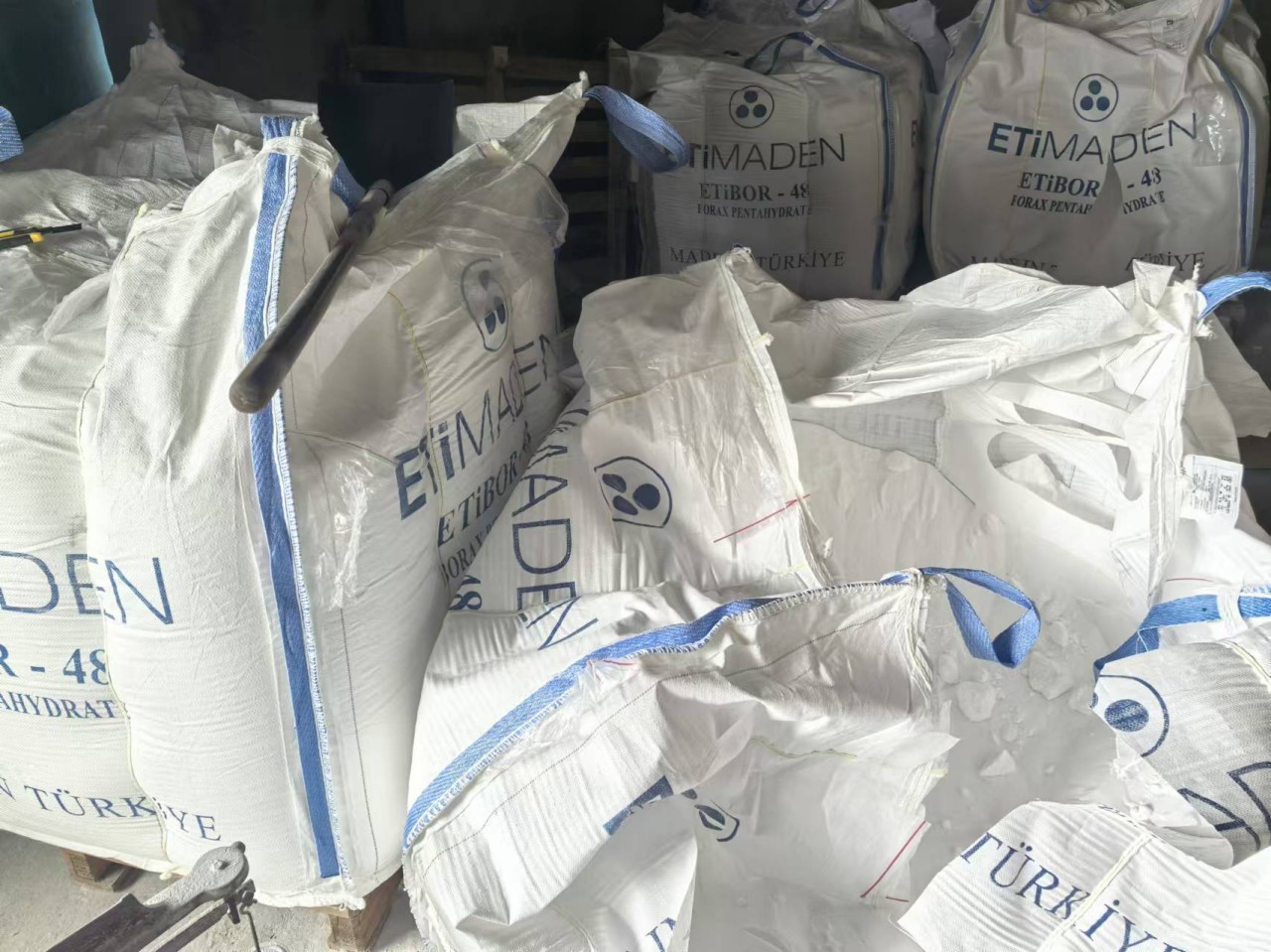
Once the raw materials are selected, the batch mixture is transferred to a high-temperature furnace where it is melted at temperatures between 1500°C and 1700°C. Why such a high temperature? This is because only maintaining this high-temperature process can ensure that various materials are completely melted to form uniform molten glass. This melting process is carefully controlled to prevent contamination and ensure uniformity of glass composition. During the melting process, hydrochloric acid is introduced to remove impurities, such as iron oxide, by forming volatile chlorides that evaporate from the melt. Specific reaction chemical equation:
Fe2O3+6HCl→2FeCl3(g)+3H2O(g)
Fe2O3+6HCl→2FeCl3(g)+3H2O(g)
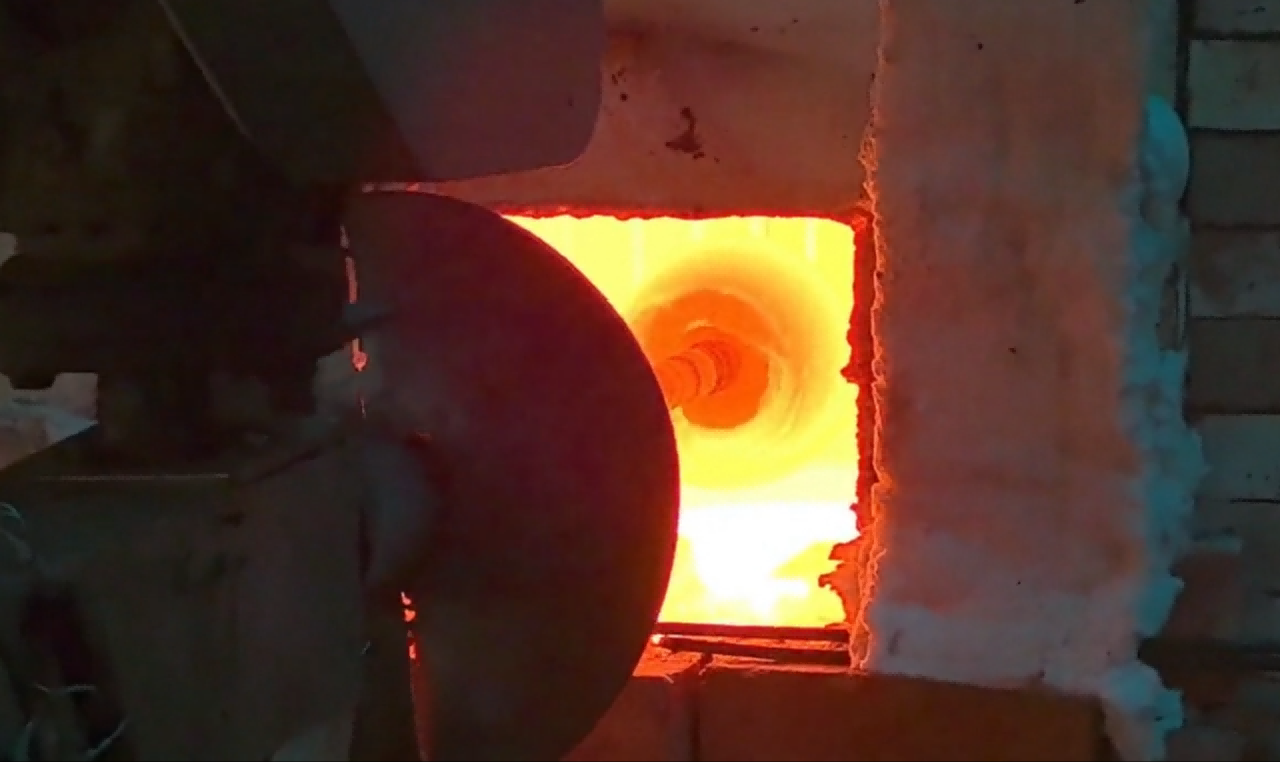
Once the glass melt reaches the correct viscosity, it is formed into the desired shape. This step can be accomplished by various methods, such as blowing, pressing, or stretching, depending on the requirements of the final product. For example, laboratory glassware and tubes are often formed through a wire drawing process that allows precise control of wall thickness and diameter.
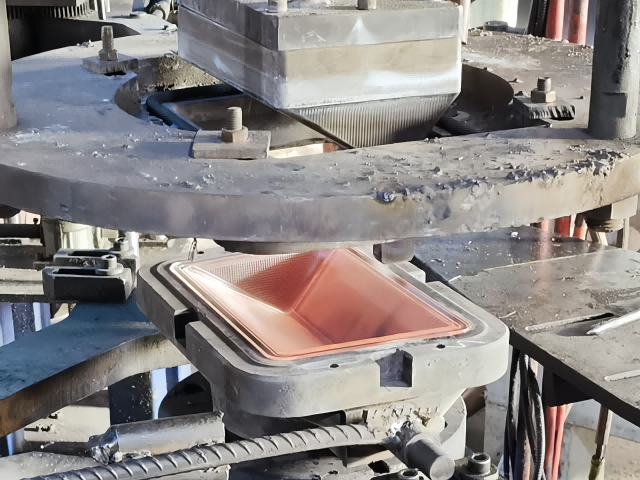
After the glass is formed, it undergoes annealing, a controlled cooling process. This step is crucial to eliminate internal stresses introduced during the molding process. The glass is gradually cooled in the annealing furnace, and the temperature is carefully adjusted to ensure a slow and even cooling rate. Proper annealing is critical to the thermal stability and thermal shock resistance of glass.
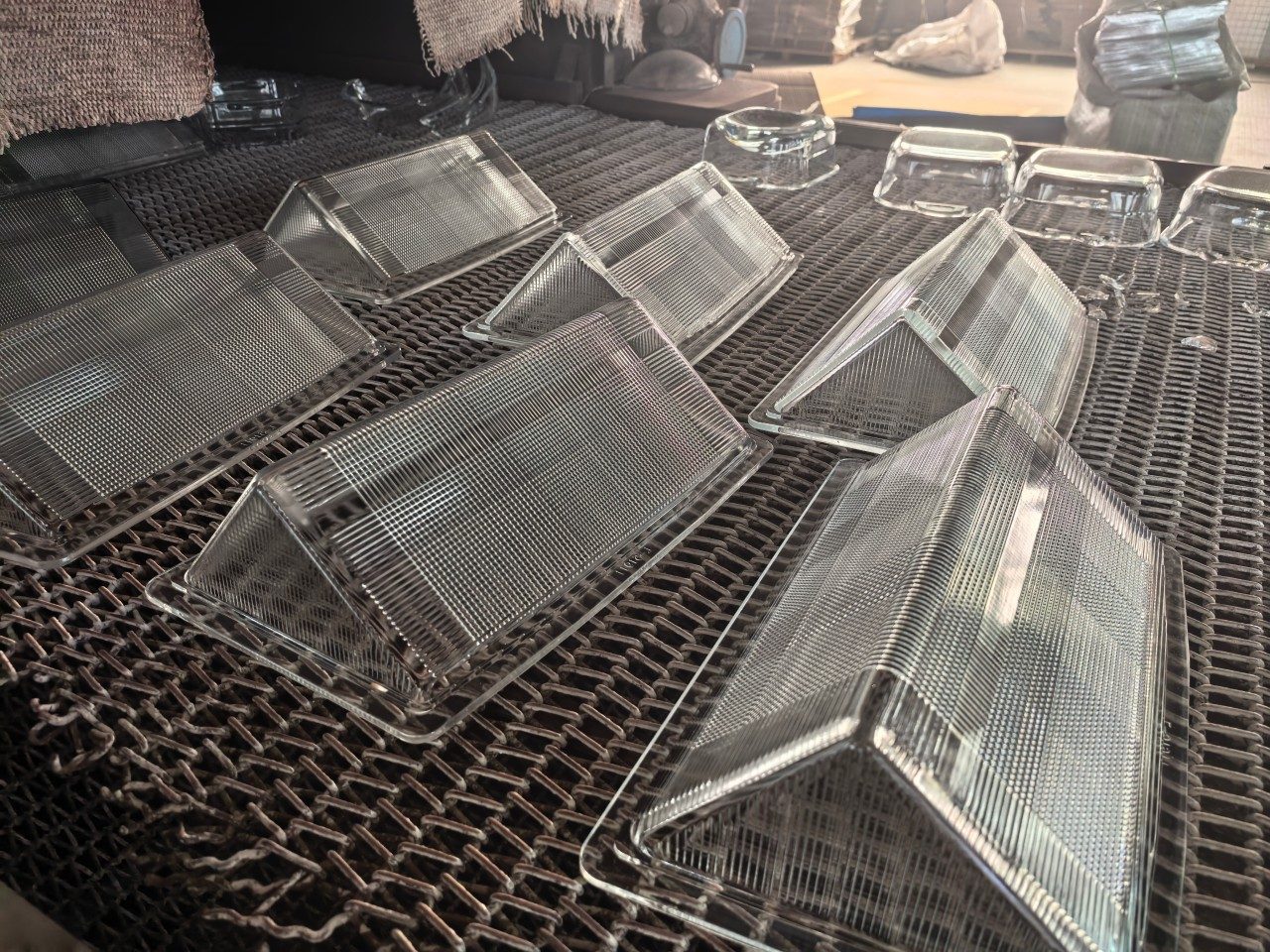
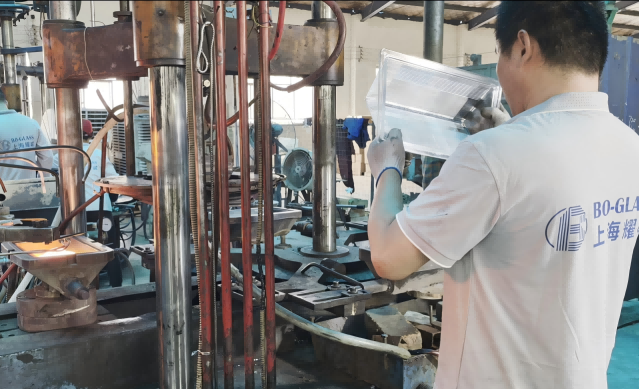
The final step involves workers thoroughly inspecting the glass for defects such as bubbles, streaks, or unevenness. The final product may also undergo additional processing, such as cutting, grinding, or polishing, to meet customer-specific dimensional or surface finish requirements. BO -GLASS has focused on glass customization for twenty years and is committed to meeting customers’ various special product needs. If you have special customization needs, please contact us and we will provide you with excellent service. Provide professional services for your glass business.
Is there borosilicate glass in our lives?
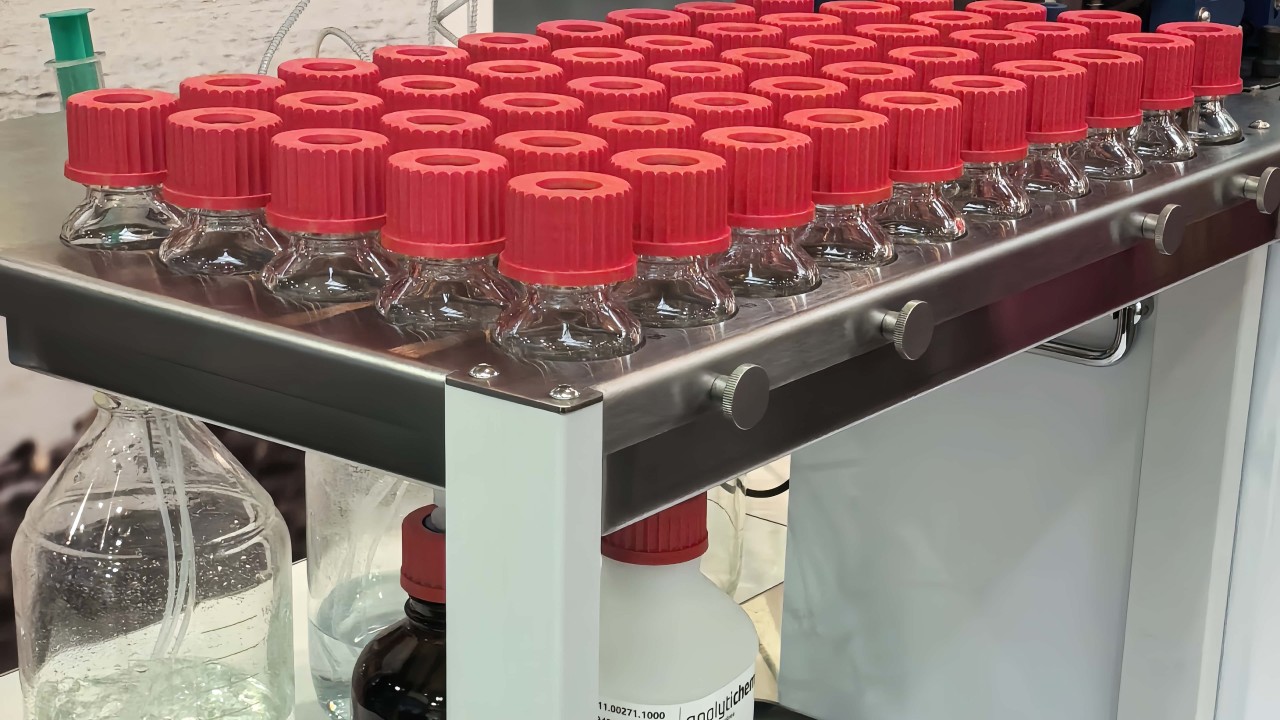
Almost everyone who has gone through the public school system has used borosilicate glass. Borosilicate is the material of test tubes, beakers, and more because it can withstand incredibly high temperatures without melting or cracking. If you have ever heated a pot or beaker in a Bunsen burner, you have used borosilicate glass.
Application Scenario
One of the outstanding properties of vapor-phase borosilicate glasses is their high thermal stability. It does not expand or contract like regular glass when the temperature changes. “Vapor phase” refers to an environment in which the glass is exposed to different gases, usually at high temperatures, such as in an oven or laboratory environment. This means it won’t crack under high-temperature stress, which is why it’s ideal for cookware and laboratory equipment. Ordinary glass sometimes reacts with water, causing the surface of the glass to gradually crack. However, borosilicate glass is more resistant to this process called hydrolysis. Even when used regularly to store or heat liquids, this resistance helps maintain their integrity and clarity over time.
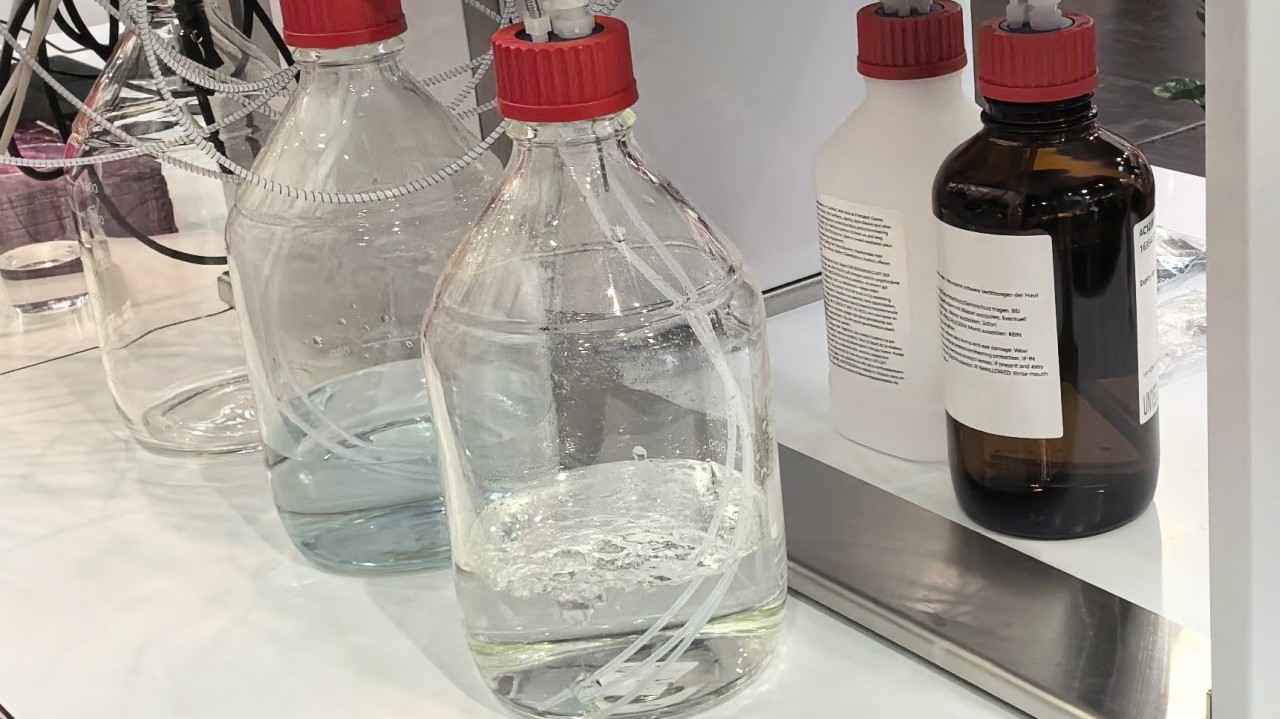
Laboratory glassware
One of the most common uses of borosilicate glass is in the production of laboratory glassware. Its chemical resistance makes it ideal for containers, pipettes, beakers, and other equipment that must withstand corrosive substances (including strong acids such as hydrochloric acid) without degradation. Its thermal stability also makes it safe to use over a range of temperatures, making it suitable for experiments involving extreme heating and cooling. BOGLASS has extensive experience in this field. We supply a wide range of laboratory glassware to many partners and have received unanimous praise from our partners for our superior quality and diverse products.
Cooking utensils and kitchen utensils
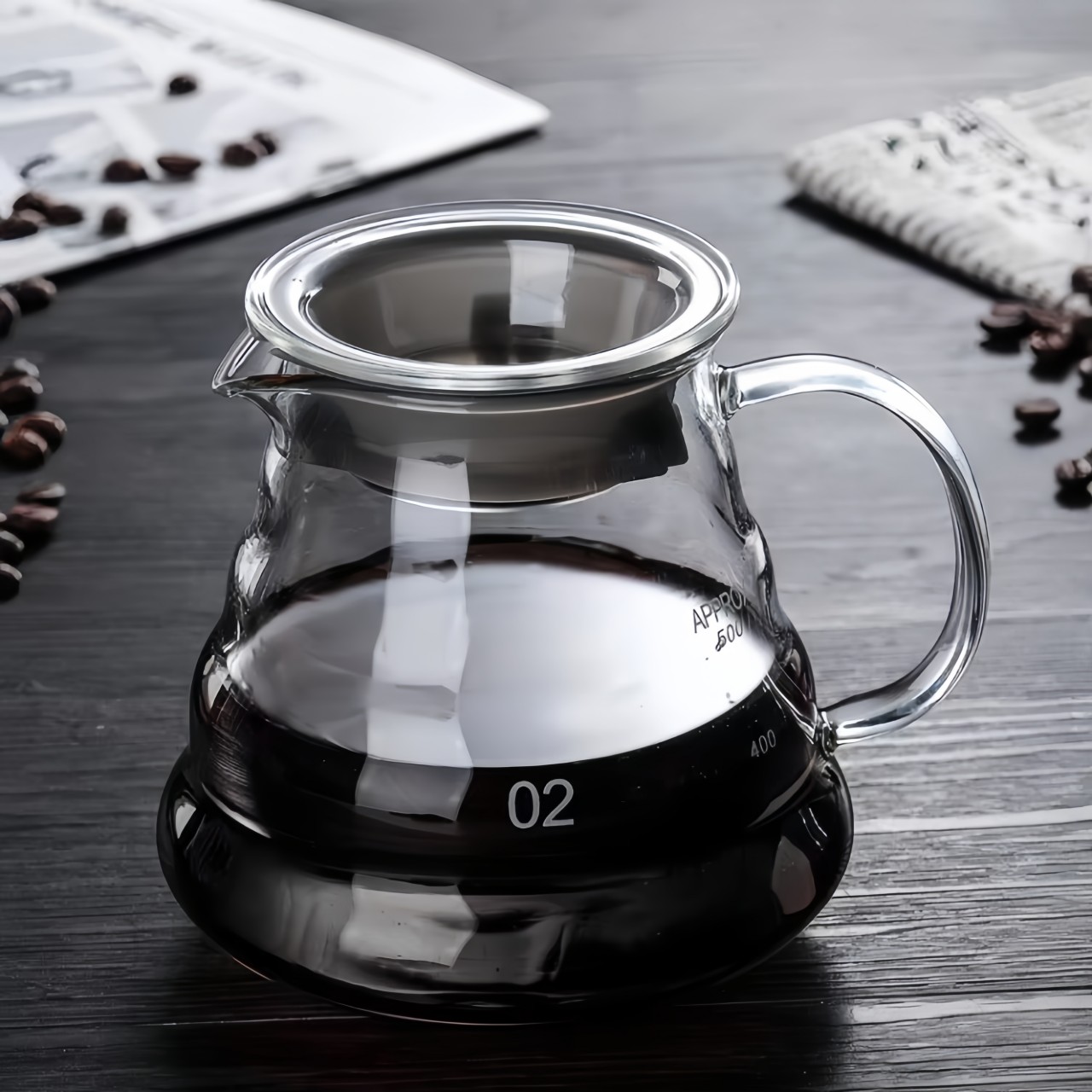
Borosilicate glass’s thermal shock resistance and ability to withstand high temperatures without cracking make it a perfect choice for cookware and kitchen utensils. Products such as bakeware, measuring cups and coffee pots made of borosilicate glass can be moved from one extreme temperature to another without the risk of breakage, something that cannot be achieved with regular glass. We are committed to customizing glass surfaces and glass baking pans of different shapes for our partners. We are widely praised by customers for our flexible prices and excellent quality. If you have this need, please contact us.
Solar panels
The optical clarity and heat resistance of high borosilicate glass offer advantages in the production of solar panels. It serves as a durable transparent cover that protects photovoltaic cells from environmental factors while allowing maximum sunlight penetration for efficient energy conversion.

Pharmaceutical packaging
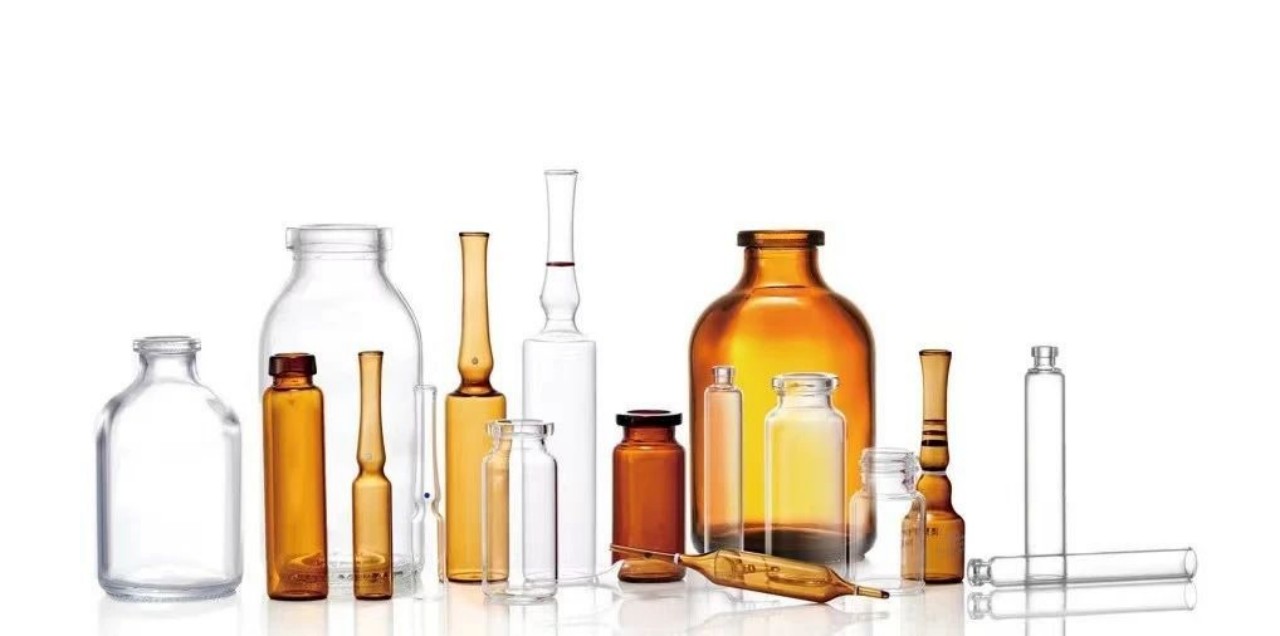
In the pharmaceutical industry, the inertness and chemical resistance of borosilicate glass make it an ideal material for storing drugs, especially those that are highly reactive or sensitive. It is commonly used in vials, ampoules and syringes to ensure that medications remain free of contamination and effective over time.
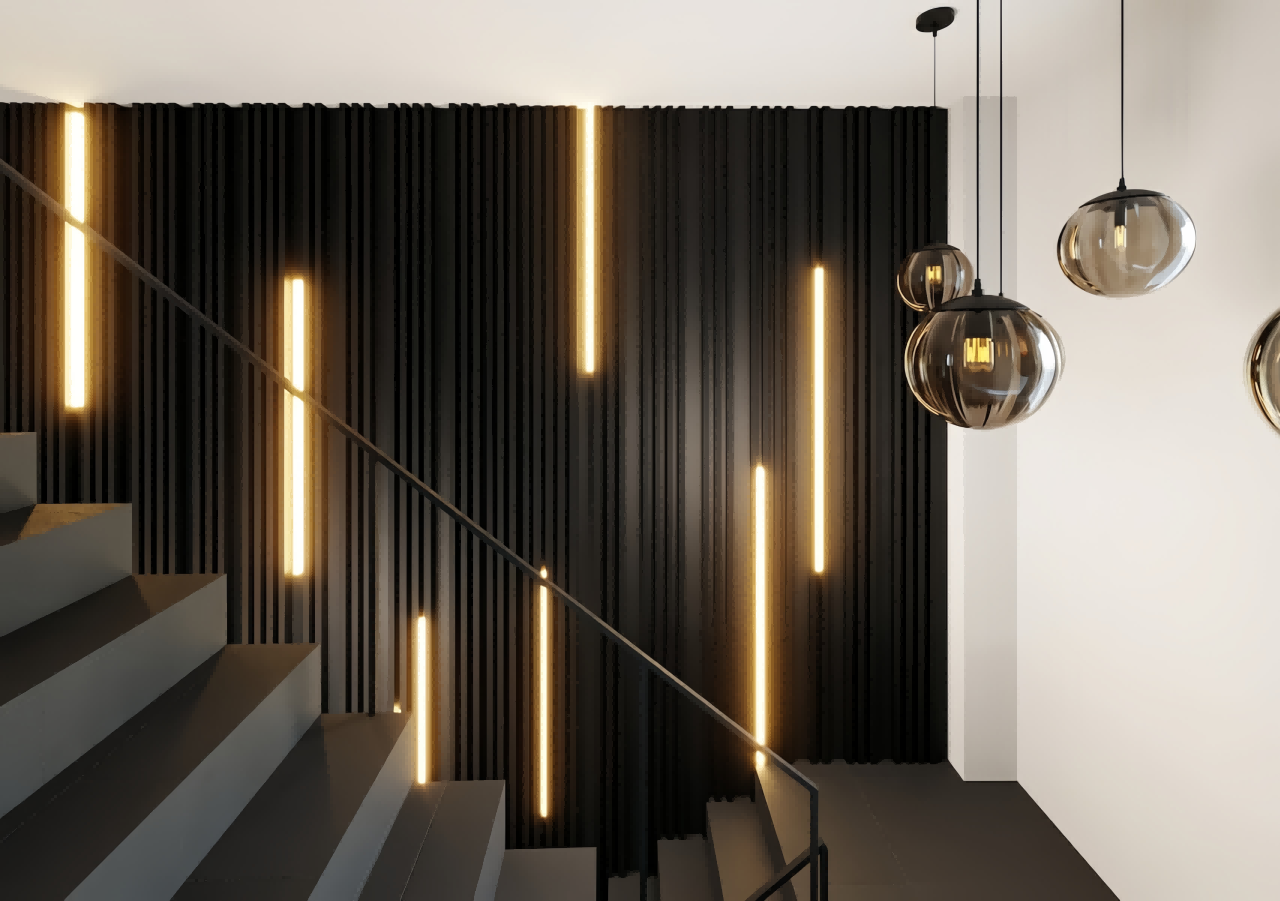
Lighting industry
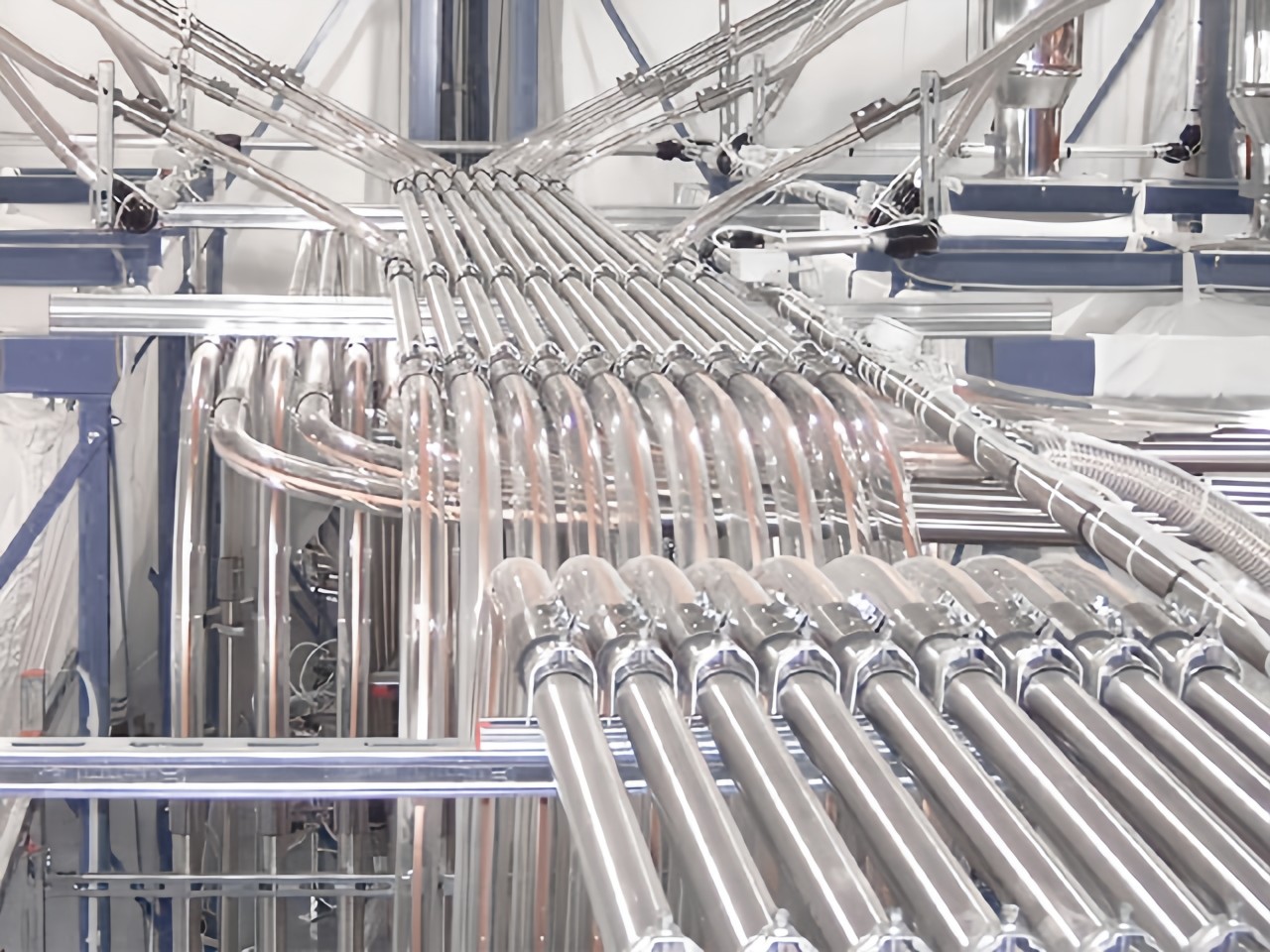
Industrial applications
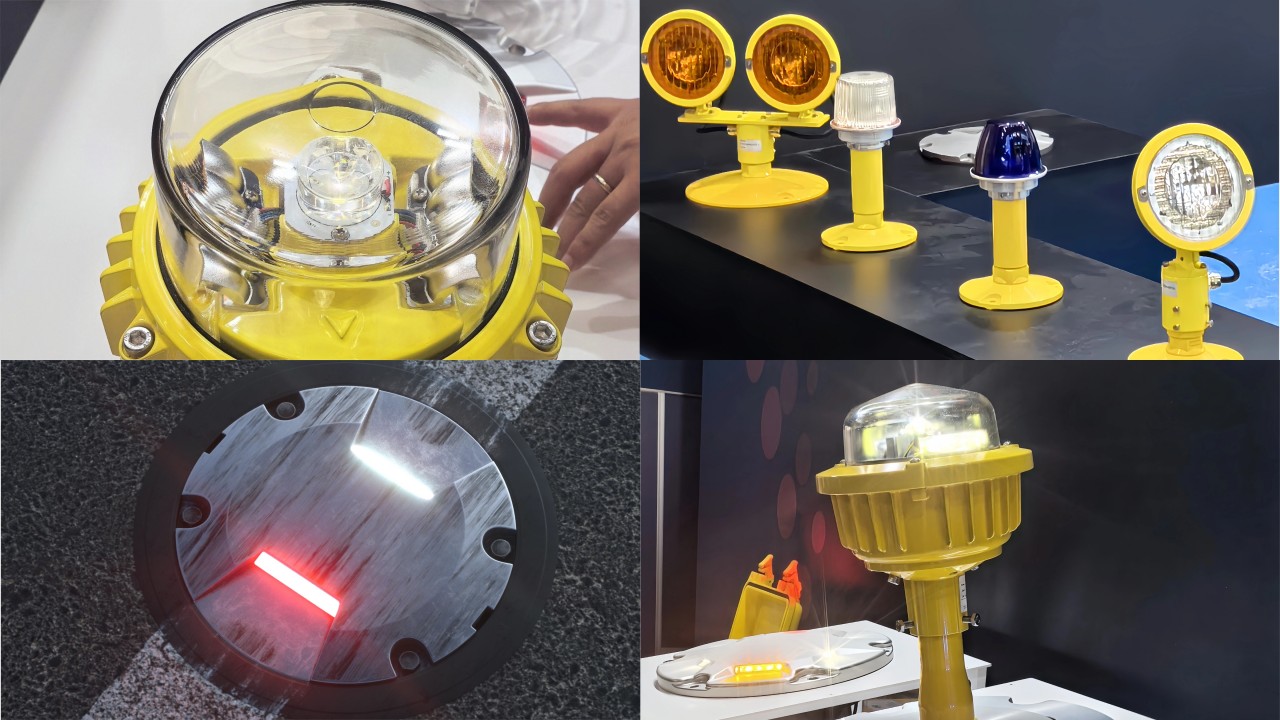
Optical and aerospace applications
High borosilicate glass is also used in optical and aerospace applications due to its low thermal expansion and high resistance to chemical and environmental degradation. It is the material for telescopes, lenses and windows in spacecraft, where stability and clarity are critical in extreme conditions. As an active participant in the aerospace industry, BO-GLASS has always been committed to creating excellent aerospace glass materials and looks forward to cooperating with you.
Conclusion
High borosilicate glass offers thermal stability, chemical durability, and mechanical strength unmatched by other glass types. Its manufacturing process involves the strategic introduction of hydrochloric acid, ensuring the removal of impurities and enhancing the structural properties of the glass. Its wide range of applications highlights its importance in daily and professional technical applications, making it a focus of materials chemistry research.
At this point, our introduction to borosilicate hydrochloric acid comes to an end. Thank you for reading so far, but our glass journey has just begun. BO-GLASS will continue to introduce you to high-quality content about glass. You can continue to Follow us and let glass become the bridge between us. BO-GLASS will continue to provide you with quality services.
Contact Us
Your feedback fuels our growth, and your questions drive our solutions.
We value your feedback, inquiries, and suggestions. Please feel free to get in touch with us
General inquiries
Please contact us via sales@bo-glass.com, and we will reply to you as soon as possible.
Interested to work with us
Drop your resume at info@bo-glass.com
and we will get back to you shortly.
We uses the contact information you provide to us to contact you about our relevent content, products, and services.