Manufacturing and Design Guidelines

Molten Glass Pressing

This guide explains everything you need to know about Molten Glass Pressing. Understand the fundamentals of the technology and quickly learn practical design techniques to save time and reduce costs.

Molten Glass Pressing basics

What is Molten Glass Pressing? How does it work? What are its uses?

Molten Glass Pressing process

Already know the basics of Molten Glass Pressing? Learn practical process details here.

Advantages and disadvantages

Now let’s look at the advantages and disadvantages Molten Glass Pressing.

Company Standards for Molten Glass Pressing

Understand our company’s standards to provide professional data guidance to our clients.

Molten Glass Pressing cost introduction

Use these 6 tips to minimize the costs of glass billet pressing technology

Part 1

Molten Glass Pressing basics

What is Molten Glass Pressing? How does it work? What are its uses?

In this section, we’ll answer these questions and showcase some common precision glass molding products to familiarize you with the basic principles and applications of this technology.

What is Molten Glass Pressing?

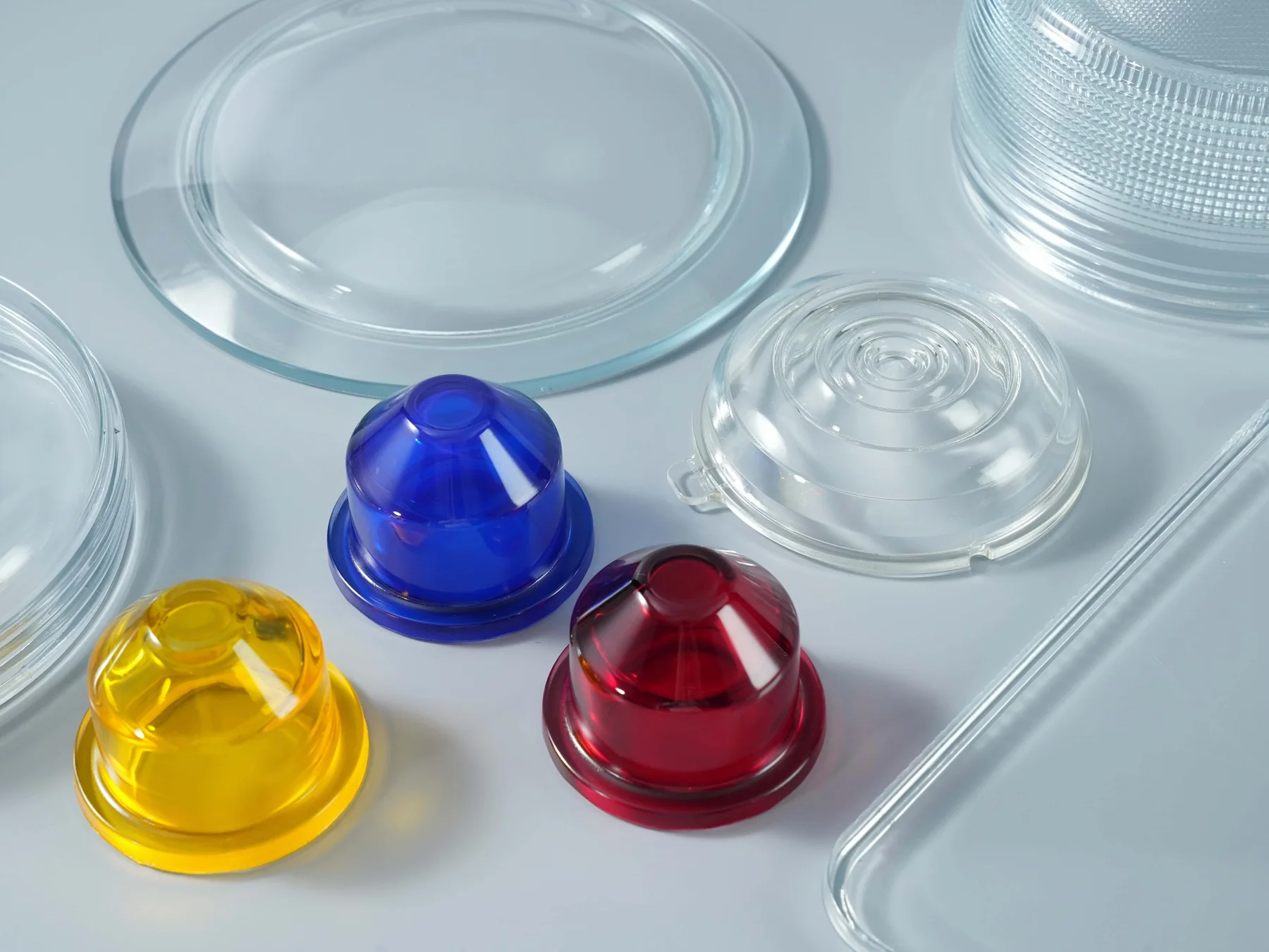
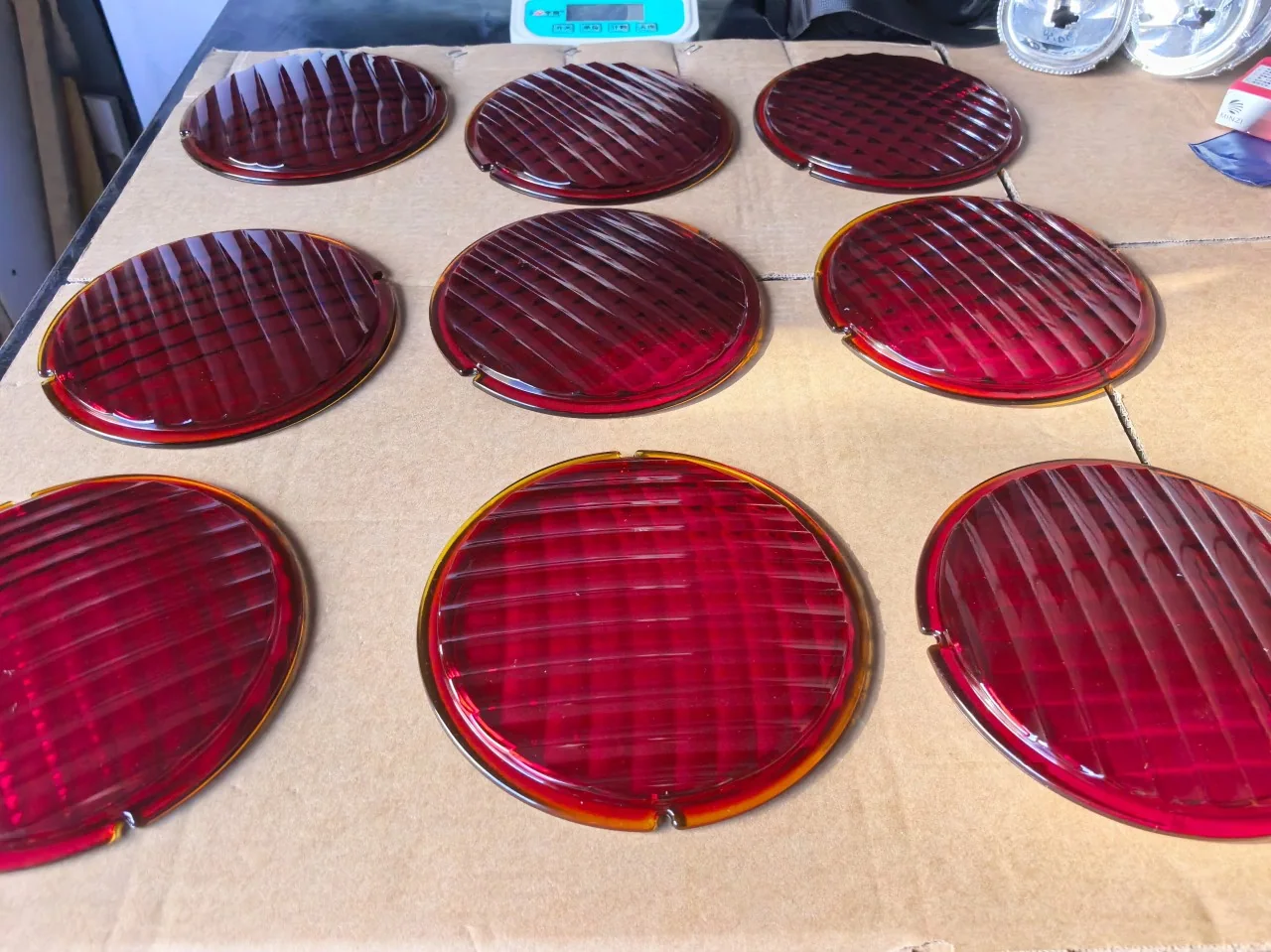
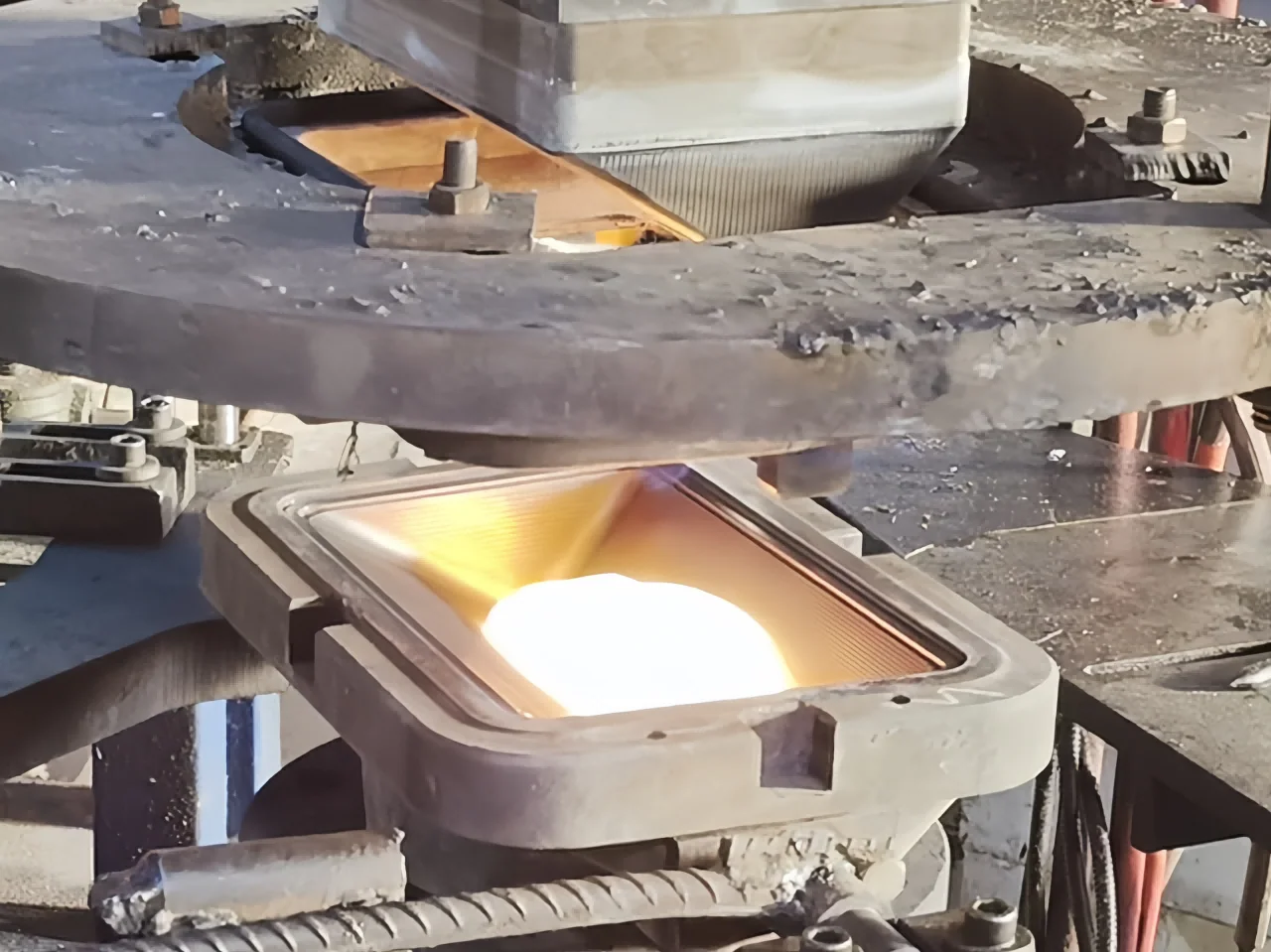
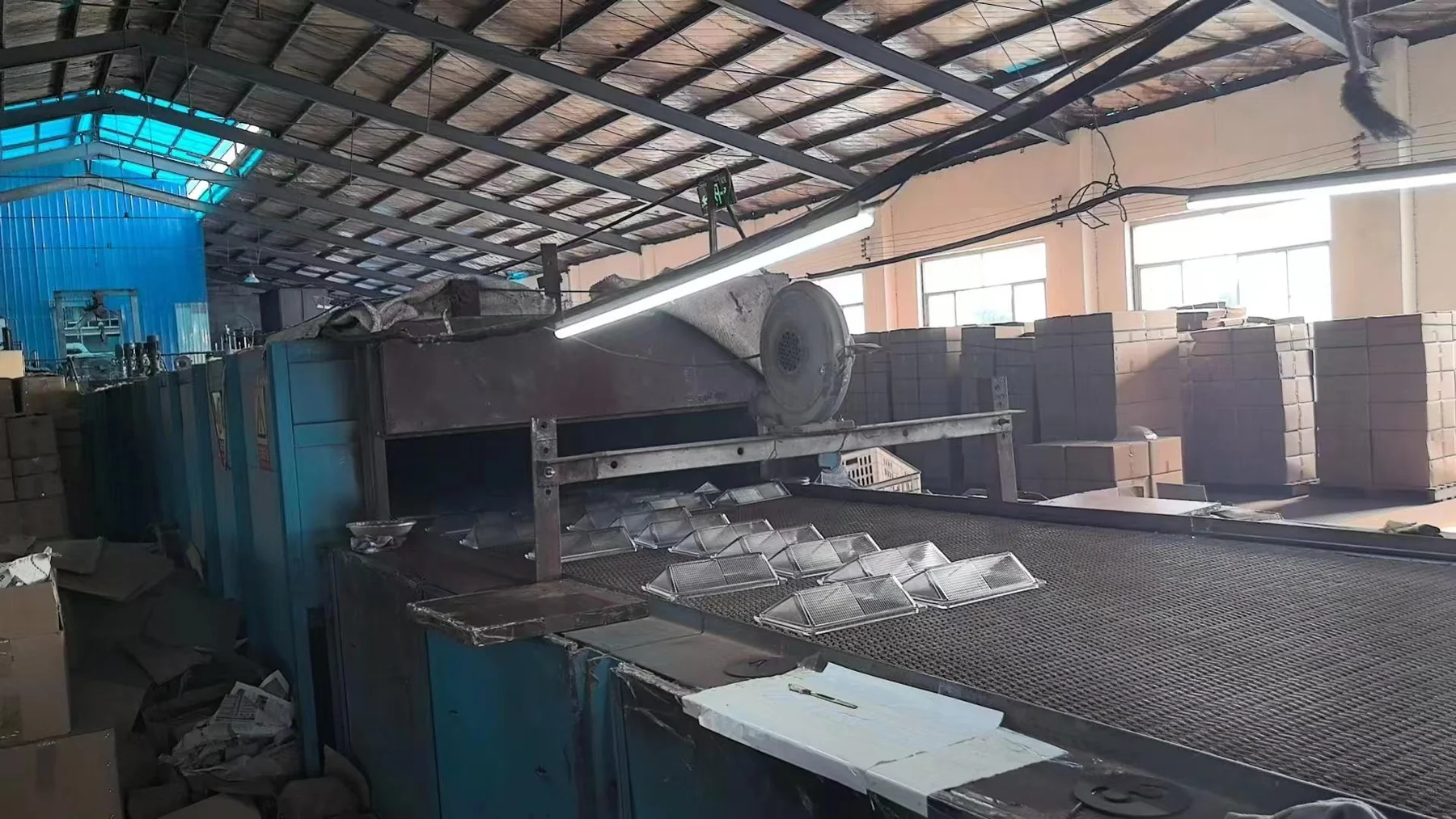
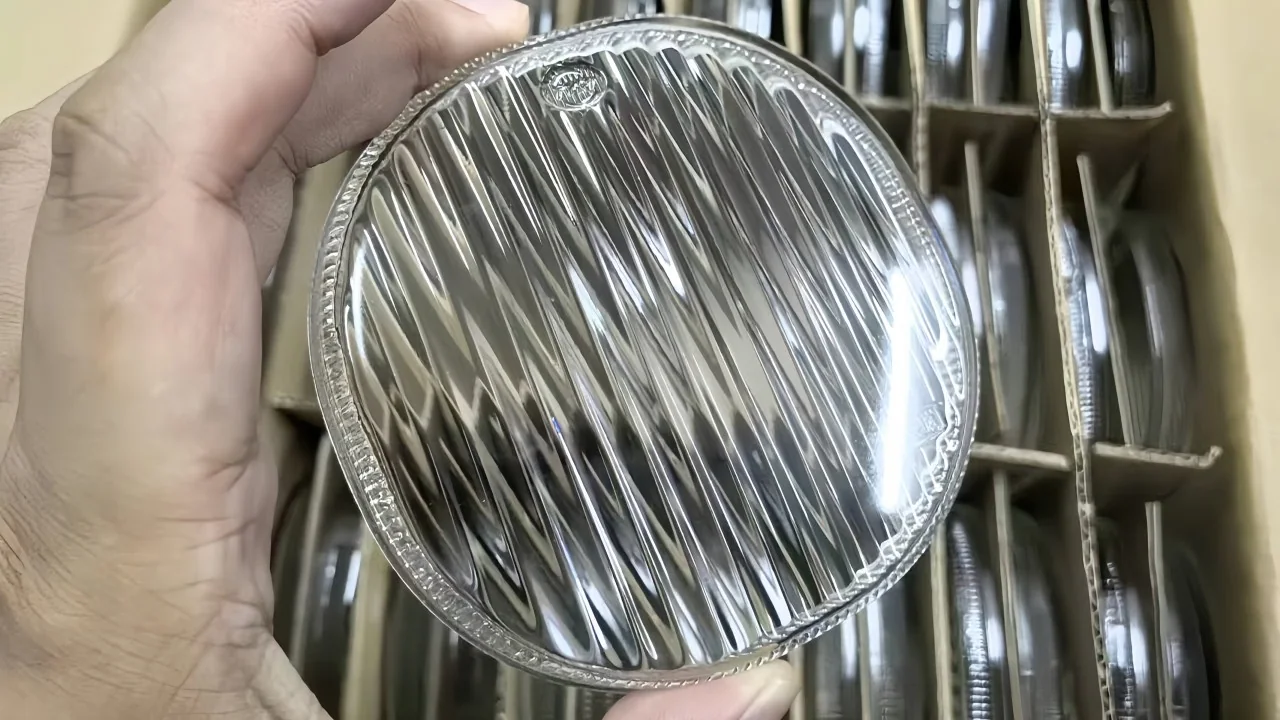
Fusion pressing is a high-volume industrial manufacturing process in which precisely measured pieces of molten glass, known as gobs or blanks, are placed into a preheated lower mold cavity. A matching upper punch (or press mold) then descends with significant force, pressing and distributing the viscous glass under high pressure to completely fill the intricate contours of the sealed mold cavity. This forms a solid object with a smooth surface and precise geometric details. The newly formed component, still at high temperature and under internal stress, is immediately transferred to a controlled annealing lehr. There, it undergoes a carefully regulated slow cooling cycle to relieve thermal stress and prevent cracking, ensuring structural integrity. Renowned for its exceptional repeatability and efficiency, this method is the preferred technique for mass-producing uniform items with complex shapes and optical precision, such as glass lampshade , automotive lamp covers, and patterned tableware.

What are the principles of the molten glass forming process?

1. Physical Foundation: The State and Characteristics of Glass

The “State” Transition of Glass: Glass does not have a fixed melting point; its viscosity decreases continuously and dramatically as the temperature rises. The forming process occurs within the critical temperature range known as the “viscoplastic state.”

Key Viscosity Points:

Strain Point (~10¹³.⁵ Pa·s): Internal stress can be rapidly relaxed, considered the lower limit of annealing.

Annealing Point (~10¹² Pa·s): Internal stress can be eliminated within a few minutes, a critical point in the annealing process.

Softening Point (~10⁶.⁶ Pa·s): Glass begins to deform noticeably under its own weight.

Working Point (~10³ Pa·s): The typical starting viscosity for the pressing process. At this point, the glass is akin to thick honey—it can flow under pressure yet maintain its shape and contours.

Flow Point (~10² Pa·s): Fluidity is excellent, but the glass is too “thin” to retain fine pressed details.

2. Core Principles of the Pressing Process

Phase 1: Feeding and Loading
A precisely weighed gob of glass, at a temperature near the working point (viscosity ~10³–10⁴ Pa·s), is delivered into a preheated lower mold cavity.

Key Principle: The temperature of the gob must be uniform, remaining within a window where the viscosity is suitable for plastic flow without losing control and running uncontrollably.

Phase 2: Pressing and Flow Filling
The upper mold (punch) descends at a set speed and pressure, causing the glass to undergo irreversible viscous flow and fill every corner of the mold cavity.

Key Principles:

Rheological Behavior: At this stage, the glass behaves as a non-Newtonian fluid, and its flow is influenced by shear rate, temperature, and pressure.

Simultaneous Heat Transfer: The surface of the glass in contact with the mold cools rapidly, forming a high-viscosity or even solid “skin,” while the interior remains flowable. This requires the forming process to be completed in a very short time (within seconds); otherwise, the glass cools, leading to insufficient filling or a sharp increase in pressure.

Pressure Distribution: The applied pressure must be sufficient to overcome the internal friction and surface tension of the glass to replicate the fine details of the mold (especially sharp corners and micro-features).

Phase 3: Holding and Shape Setting
The pressure is maintained, allowing the glass to undergo minor compensatory flow under sustained pressure. This promotes close conformity between the glass and the mold surface, achieving high-precision surfaces.

Key Principle: This phase is crucial for stress relaxation and shape freezing. Under pressure, the residual stress within the glass is partially redistributed.

Phase 4: Demolding and Initial Cooling
The mold opens, and the formed glass component (still at a temperature above the strain point) is removed. At this point, the glass has sufficient elastic modulus to retain its shape but remains in a state where plastic deformation is still possible.

Key Principle: The demolding temperature must be precisely controlled. If it is too high, the product is prone to deformation or sticking to the mold; if it is too low, differential contraction may lead to cracking or difficulty in demolding.

Phase 5: Controlled Annealing (Stress Relief)
The product is immediately transferred to an annealing lehr, where it is slowly cooled through the annealing point to below the strain point according to a specific temperature-time curve.

Key Principles:

Structural Relaxation: Near the annealing point, the internal structure of the glass has sufficient mobility to allow the permanent stress (thermal stress) caused by temperature gradients to relax completely.

Preventing Cracking and Optimizing Performance: Glass products that are not annealed are extremely fragile due to uneven internal stress distribution. Scientific annealing reduces the stress to a safe level (e.g., optical path difference <10 nm/cm) and stabilizes their physical and chemical properties.

In summary, the principle of the molten glass pressing process can be encapsulated in a closed loop:

“Precise temperature control transforms the glass into a viscoplastic state → External pressure drives its viscous flow to fill the cavity → Simultaneous heat transfer and cooling initially solidify the shape → Finally, controlled annealing eliminates thermal stress, resulting in a structurally stable, dimensionally precise solid glass product.”

Part 2

Molten Glass Pressing Process

Over the past 200 years, molten glass pressing has transformed completely. What once started as a manual craft is now a digitally controlled, high-precision manufacturing process.

This evolution has been driven by the growing demand from the lighting, appliance, and automotive industries for more complex glass parts. As products became more advanced, so did the technology behind them.

The progress rests on four key developments:
Better glass materials that can meet specific needs.
Stronger and more precise molds, thanks to advances in toolmaking.
Tighter control of temperatures, ensuring consistent quality.
Smarter pressing techniques, allowing for greater accuracy and efficiency.

Today, this process makes it possible to produce everything from simple lamp shades to intricate optical components—quickly, reliably, and at scale.

1.Embryonic Form and Early Industrialization (Mid-19th Century – Early 20th Century)

Core Driver: To replace expensive hand-cut glass and provide affordable “imitation crystal” products for the emerging middle class.

Manufacturing Capability Characteristics:

Shapes: Ability to press relatively complex patterns and geometric designs (such as ribbing, vine motifs), but primarily thick-walled, solid items like plates, bowls, and cup bases.

Precision and Quality: Large tolerances, with visible mold seams (parting lines) and “orange peel” surface effects on the product. Extensive subsequent grinding and polishing were required to achieve a luster similar to cut crystal. This represented an “extensive replication” approach.

Materials: Primarily common lead crystal glass or soda-lime glass.

Historical Significance: This phase achieved the first mass democratization of glass products, marking the transition from pure craftsmanship to industrial manufacturing.

2.Industrial Application Expansion and Precision Enhancement (Early 20th Century – Mid-20th Century)

Core Driver: The rise of the automotive industry and the popularization of electric lighting.

Breakthroughs in Manufacturing Capability:

From Decoration to Functional Components: The processing scope expanded to industrial parts such as automotive headlamp lenses, signal lamp covers, railway signal lenses, and electrical insulators.

Initial Pursuit of Optical Performance: Automotive lenses required specific light distribution capabilities, driving the need for precision control of curved surfaces and internal uniformity.

Advancements in Mold Materials: The use of more durable alloy tool steels began, improving mold life and stability.

Automation Onset: Semi-automatic or automatic feeding and pressing machinery emerged, increasing production rhythm and consistency.

Manufacturing Capability Characteristics: This phase established the capacity for mass production of moderately complex curved surfaces with medium precision, although it still fell short of meeting the requirements for high-imaging-quality optics.

Core Manufacturing Capabilities of Molten Glass Pressing

The fundamental manufacturing capability of molten glass pressing lies in its ability to rapidly form viscous glass melt—which flows readily at high temperatures—by pressing it into shape with molds within a short cycle time. This enables the efficient, highly consistent replication of complex geometric shapes. These capabilities are embodied in the following aspects:

1. Precision Forming and Replication Capability

The core competency of this process is near-net-shape manufacturing. It enables the one-step transfer of complex geometric contoursand fine surface textures onto products by applying mechanical pressure to molten glass in its viscoplastic state through molds.

2. Dimensional and Volumetric Consistency Control

As a deterministic forming process, its manufacturing capability is highly dependent on mold precision and process stability. Under constant temperature, pressure, and cycle conditions, it achieves exceptional dimensional stability and volumetric consistency both within batches and between batches. Tolerances can typically be controlled to IT10 to IT12 grades (depending on the specific application), meeting the stringent interchangeability requirements of high-volume industrial production.

3. Material Applicability Range

The process is suitable for processing a wide range of materials, from ordinary soda-lime-silica glass to various specialty optical glasses (such as flint glass and lanthanum-based glass). Its capability boundaries are constrained by the glass’s softening point, viscosity-temperature characteristics, crystallization tendency, and high-temperature reactivity with mold materials. Typically, mold coating technologies (such as precious metal or ceramic coatings) combined with precisely matched temperature-pressure profiles are required to balance formability with surface quality.

4. Process Economics and Limitations

Advantages (Capability Strengths): Exceptionally high production efficiency, with forming cycles measured in seconds, making it suitable for mass production at scales of millions of parts with highly competitive unit costs. It enables complex solid structures that are difficult to achieve with other processes (such as blowing or drawing).

Limitations (Capability Boundaries):

Geometric Constraints: Essentially a cavity-filling process, it cannot form products with overhanging structures, enclosed internal cavities, or extremely high aspect ratios. Typical products have height-to-diameter ratios generally less than 1.

Inevitable Parting Lines: Mold parting lines create flash or seams on the sides of products. For the highest-grade optical surfaces, these features must be removed as waste edges, requiring edge finishing.

High Initial Investment: The design and fabrication costs of high-precision, high-temperature-resistant alloy molds are substantial. Therefore, the process has a high economic threshold and is not suitable for small-batch, multi-variety flexible production models.

Surface tension effect: When pressing extremely thin features or sharp structures, the surface tension of the molten glass can affect its complete filling of mold details, which needs to be compensated for during the mold design stage.

Common Questions and Solutions in Molten Glass Pressing

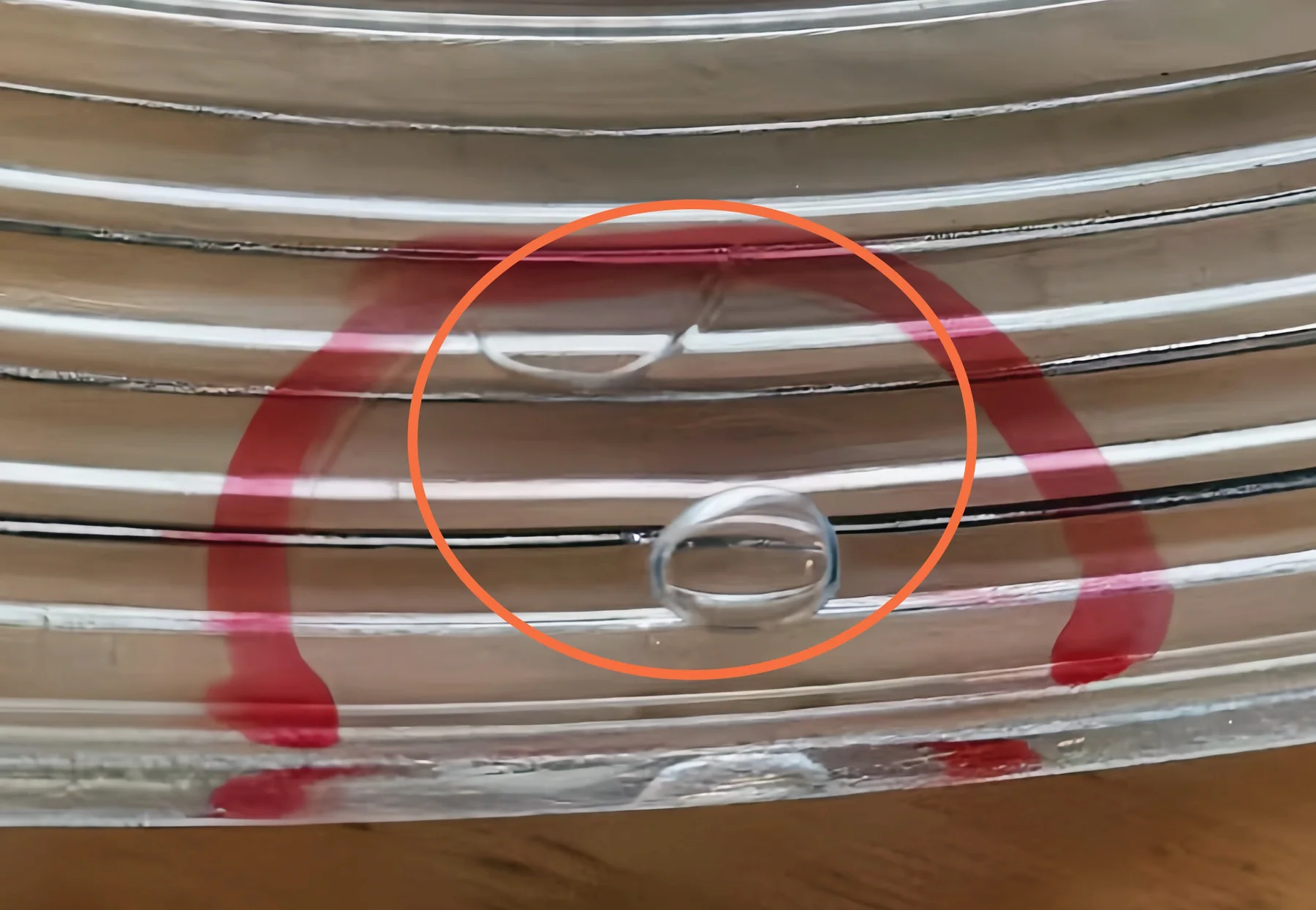
Q1: “Orange peel” texture, hazy white spots, or insufficient gloss appearing on the product surface?

Causes:

Deterioration of mold cavity surface roughness or coating failure. Microscopic adhesion occurs between the glass and mold metal at high temperatures, causing tearing during demolding.

Solutions:

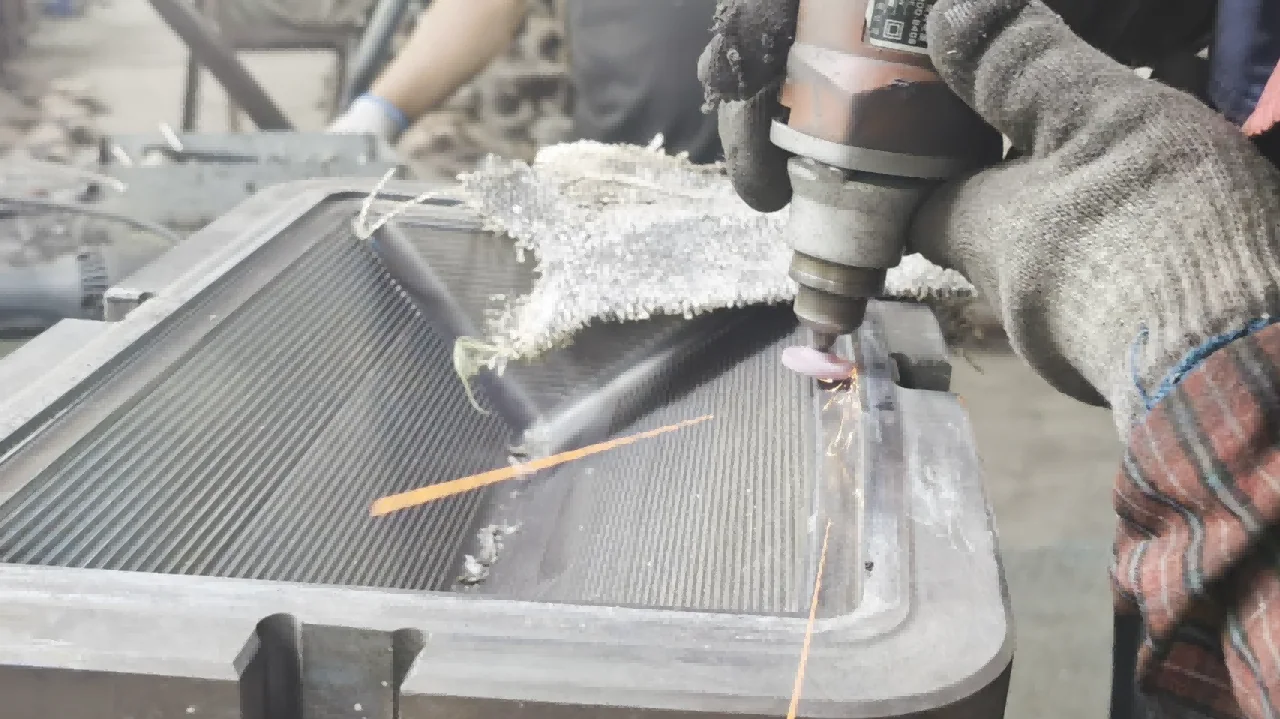
Immediately inspect and repair the mold: Professionally polish the cavity and reapply precious metal coating (such as Ir/Re).

Optimize release agents (e.g., using minimal nitrogen jetting) or reduce mold temperature to form a stable gas film between glass and mold.

Inspect glass composition to avoid components prone to reacting with the mold material.

Requirements for the operation of precision glass forming machines

Q2: Bubbles, stones, or striae inside the product?

Causes:

Bubbles: Air entrainment in raw glass material; incomplete degassing during the melting/remelting process; air trapped in the gob.

Stones/Striae: Inhomogeneous glass material with unmelted crystallites or segregation; erosion of refractory materials in the crucible/feeding system.

Solutions:

Strengthen raw material inspection and pretreatment.

Optimize the melting process: Extend clarification and homogenization time, adjust temperature curves.

Clean and maintain the feeding system to prevent contamination.

Optimize gob shape and trajectory to reduce air entrapment.

Q3: Incomplete filling at product edges or thin-walled sections (short shots)?

Causes:

Glass gob temperature too low or mold temperature too low, resulting in excessively high glass viscosity and insufficient flowability.

Insufficient pressing pressure or too slow pressing speed.

Poor venting: Improperly designed or clogged mold venting channels prevent gas escape from the cavity, creating a “gas cushion” barrier.

Solutions:

Increase the set temperatures for the glass gob and mold (while remaining within the working window).

Appropriately increase pressing pressure or accelerate pressing speed.

Clean and optimize the mold venting system to ensure effective exhaust channels at filling endpoints.

Q4: Unstable product dimensions (thickness, curvature) with significant batch-to-batch variation?

Causes:

Fluctuations in gob weight or temperature.

Process parameter drift: Imprecise control of mold temperature, pressing pressure, or dwell time.

Non-uniform mold temperature field.

Solutions:

Calibrate and stabilize the feeding system to ensure consistent weight and temperature for each gob.

Implement SPC (Statistical Process Control) for key process parameters, setting control limits and alarms.

Inspect and optimize the mold’s heating and cooling channel design to ensure uniform cavity surface temperature (e.g., temperature difference <5°C).

Q5: Products exhibiting warpage, bending, or out-of-tolerance surface figure (poor fringe pattern)?

Causes:

Excessive or uneven residual stress: Mainly caused by improper annealing process (unreasonable temperature curve, excessive cooling rate).

Premature demolding: Demolding at temperatures above the strain point, causing creep deformation under the product’s own weight or fixture pressure.

Loss of surface figure accuracy in the mold itself (wear or thermal deformation).

Solutions:

Optimize the annealing curve: Focus on the holding time near the “annealing point” and the cooling rate through the “strain point.” Use stress inspection instruments to detect and iteratively derive the optimal curve.

Strictly monitor and control demolding temperature.

Regularly inspect and correct mold surface figure.

Q6: Product sticking to mold, difficult demolding?

Causes:

Worn or mold surface coating, loss of release properties.

Demolding temperature too high, glass still in an overly soft state.

Improper mold structural design, with undercuts or insufficient draft angle.

Solutions:

Repair the mold coating.

Appropriately reduce demolding temperature or extend in-mold cooling time.

Optimize mold design to ensure adequate draft angle (typically ≥1°).

Q7: Mold service life significantly shorter than expected?

Causes:

Improper coating selection or suboptimal coating process.

Thermal fatigue: Frequent rapid heating and cooling cycles causing micro-cracks in the mold substrate.

Mechanical wear: Hard particles in the glass material (such as unmelted stones) scratching the cavity.

Improper operation: Pressing without preheating the mold, or mechanical damage during cleaning.

Solutions:

Select high-performance coatings matched to the glass type and optimize the coating process.

Standardize production procedures to avoid fluctuations in mold temperature.

Ensure purity of the glass material.

Establish strict protocols for mold use, cleaning, and maintenance.

Q8: Excessively thick or irregularly shaped parting lines (flash)?

Causes:

Insufficient clamping force or poor mold parallelism, leading to incomplete mold closure.

Oversized gob, with excess glass squeezed into the mold parting gap.

Mold wear, causing collapsed edges or damage on the parting surface.

Solutions:

Inspect the press clamping mechanism to ensure sufficient and balanced clamping force; correct mold parallelism.

Precisely calculate and optimize gob weight.

Repair the mold parting surface.

Part 3

Advantages and disadvantages of Molten Glass Pressing

Core defects in Molten Glass Pressing primarily stem from high-temperature viscous flow control and uneven cooling stress. Essentially, these defects are a manifestation of uncontrolled material behavior near the glass transition temperature (Tg). The following is an industrial-level analysis of key defects and their root causes:

Core Advantages of Fused Glass Press Molding

Superior Molding Efficiency and Consistency

High Efficiency: Short single pressing cycles (typically measured in seconds), easy automation, making it ideal for high-volume continuous production with highly competitive unit costs.

High Consistency: Under stable process parameters, products exhibit excellent repeatability in geometry, weight, and shape, particularly suitable for standard parts with stringent interchangeability requirements.

Superior Precision Replication Capability

Complex Geometry: Efficiently and accurately replicates aspherical surfaces, microstructure arrays (e.g., Fresnel lenses and diffuser elements), fine surface textures, and decorative patterns within molds.

High Surface Quality: Surfaces in contact with the mold (Grade A surfaces) achieve high gloss directly, enabling near-net-shape forming of lighting components and significantly reducing the need for subsequent grinding and polishing.

Wide Material and Performance Adaptability

Suitable for a wide range of materials, from common soda-lime glass to various borosilicate glass and high-temperature resistant glasses.

Through precise annealing processes, internal stresses can be effectively controlled and eliminated, resulting in excellent mechanical strength and thermal stability.

Key Limitations of Molded Glass Pressing

Geometric Constraints:Essentially a “solid-fill” process, it is virtually impossible to form closed cavities, deep recesses, or parts with large overhangs. Product shapes are typically solid, thick-walled, or flat parts with a low aspect ratio.

Mold Dependence and Economic Barriers:
High Initial Investment: The design and manufacture of high-precision, high-temperature resistant molds (typically hundreds of thousands or more pieces) are extremely expensive.

Applicability:The high cost of molds means that their economic viability is only realized in large-scale production (typically hundreds of thousands or more pieces), making them unsuitable for flexible production models with small batches and diverse product ranges.

Inherent Process Characteristics and Subsequent Requirements:
Parting Lines (Flash): Mold parting lines inevitably leave marks on the product. To achieve the highest standard of optical finish, these flashes must be removed as machining allowances in subsequent processing, and the edges must be repolished.

Surface Tension Effect: When pressing extremely thin walls or sharp corners, the surface tension of the molten glass can hinder the complete filling of fine mold details, thus requiring compensation during the mold design phase.

Molten Glass Pressing Services

We offer glass raw materials in a variety of formulations, each selected based on its performance characteristics and suitability for different applications.
Borosilicate glass

Soda-Lime Glass

Thermal Expansion (×10⁻⁶/K) :8.5 - 9.5

Softening Point (°C) :~700

Max Service Temp (°C):~120

Thermal Shock Resistance (ΔT °C):Low (~60)

Density (g/cm³): ~2.5

Mechanical Strength (MPa):~50-70

Acid Resistance (mg/cm²): Good (Class 2-3)

Alkali Resistance:Moderate

Transmission (Visible Light):> 90%

Key Characteristics:Low cost, easy to process

Typical Applications: Lighting globes, tableware, decorative items

Get a product quote

Borosilicate glass

Low-Boro (Borosilicate 3.3)

Thermal Expansion (×10⁻⁶/K) :4.5 - 5.5

Softening Point (°C) :~780

Max Service Temp (°C):~180

Thermal Shock Resistance (ΔT °C):Good (~130)

Density (g/cm³): ~2.3

Mechanical Strength (MPa):~70-90

Acid Resistance (mg/cm²): Excellent (Class 1)

Alkali Resistance:Good

Transmission (Visible Light):> 90%

Key Characteristics:Good thermal & chemical stability

Typical Applications: Kitchenware, appliance windows, lab equipment

Get a product quote

Optical Glass BK7

Medium-Boro (Borosilicate 5.0)

Thermal Expansion (×10⁻⁶/K) :3.8 - 4.2

Softening Point (°C) :~820

Max Service Temp (°C):~230

Thermal Shock Resistance (ΔT °C):Very Good (~160)

Density (g/cm³): ~2.2

Mechanical Strength (MPa):~90-110

Acid Resistance (mg/cm²): Superior (Class S1)

Alkali Resistance:Good

Transmission (Visible Light):> 90%

Key Characteristics:High strength, lab-grade durability

Typical Applications:Pharmaceutical containers, high-quality lighting

Get a product quote

Borosilicate 3.3 Colored Glass Rod

High-Boro (Borosilicate 7.0+)

Thermal Expansion (×10⁻⁶/K) :3.2 - 3.4

Softening Point (°C) :> 900

Max Service Temp (°C):~500

Thermal Shock Resistance (ΔT °C):Excellent (>200)

Density (g/cm³):~2.1

Mechanical Strength (MPa):~100-120

Acid Resistance (mg/cm²):Superior (Class S1)

Alkali Resistance:Very Good

Transmission (Visible Light):> 90%

Key Characteristics:Ultra-high temp & shock resistance

Typical Applications:High-power lighting, industrial viewports

Get a product quote

Optical Glass K9

Colored Glass (General)

Thermal Expansion (×10⁻⁶/K) :~ Matches base glass type

Softening Point (°C) :Varies with additives

Max Service Temp (°C):~ Matches base glass type

Thermal Shock Resistance (ΔT °C):~ Matches base glass type

Density (g/cm³):Typically higher

Mechanical Strength (MPa):~ Matches base glass type

Acid Resistance (mg/cm²):~ Matches base glass type

Alkali Resistance:~ Matches base glass type

Transmission (Visible Light):Defined by colorant

Key Characteristics:Aesthetic/functional coloring

Typical Applications:Signal lenses, filters, architectural glass

Get a product quote

Part 4

Company Standards for Molten Glass Pressing

Understand our company’s standards to provide professional data guidance to our clients.

1. Raw Material and Preprocessing Standards

Glass Composition: Raw material batches must conform to specified chemical composition ranges to ensure consistent color and physical properties.

Color Consistency: For colored glass, raw material dosing accuracy for colorants (e.g., Fe, Co, Ni oxides) shall be maintained at ±0.05% of target weight.

Fining Agent Control: Concentration of fining agents (e.g., Sb₂O₃, As₂O₃, sulfates) must be controlled within ±5% of specification to ensure bubble removal efficiency without creating secondary bubbles.

Cullet Ratio: Allowable percentage of clean, defect-free internal cullet in the batch shall not exceed 40% .

Melting Quality:

Homogeneity: Striae acceptable; shall not be visible to the naked eye when backlit (basic striae grade).

Transition Temperature (Tg): Supplier-provided value deviation ≤ ±5°C to maintain consistent forming and tempering behavior.

2. Forming Process Control (mold Pressing)

Gob (Glass Melt) Delivery:

Weight Tolerance: ±2.0% (or ±5.0g, whichever is stricter) to ensure final dimensional stability.

Temperature at Plunger Contact: 950°C – 1200°C (depending on glass type). Temperature stability from batch-to-batch maintained at ±10°C.

Press Parameters:

Pressing Pressure: Range 50 – 200 Bar (adjusted for viscosity and part thickness).

Dwell Time (Pressing Time): Controlled to ±0.5 seconds. Set to ensure material fills the mold cavity completely before cooling.

Water Cooling: Cooling rate and water flow must be regulated to ensure the part is rigid enough for demolding without thermal shock (target demolding temperature range: 350°C – 450°C ).

3. Mold System Standards

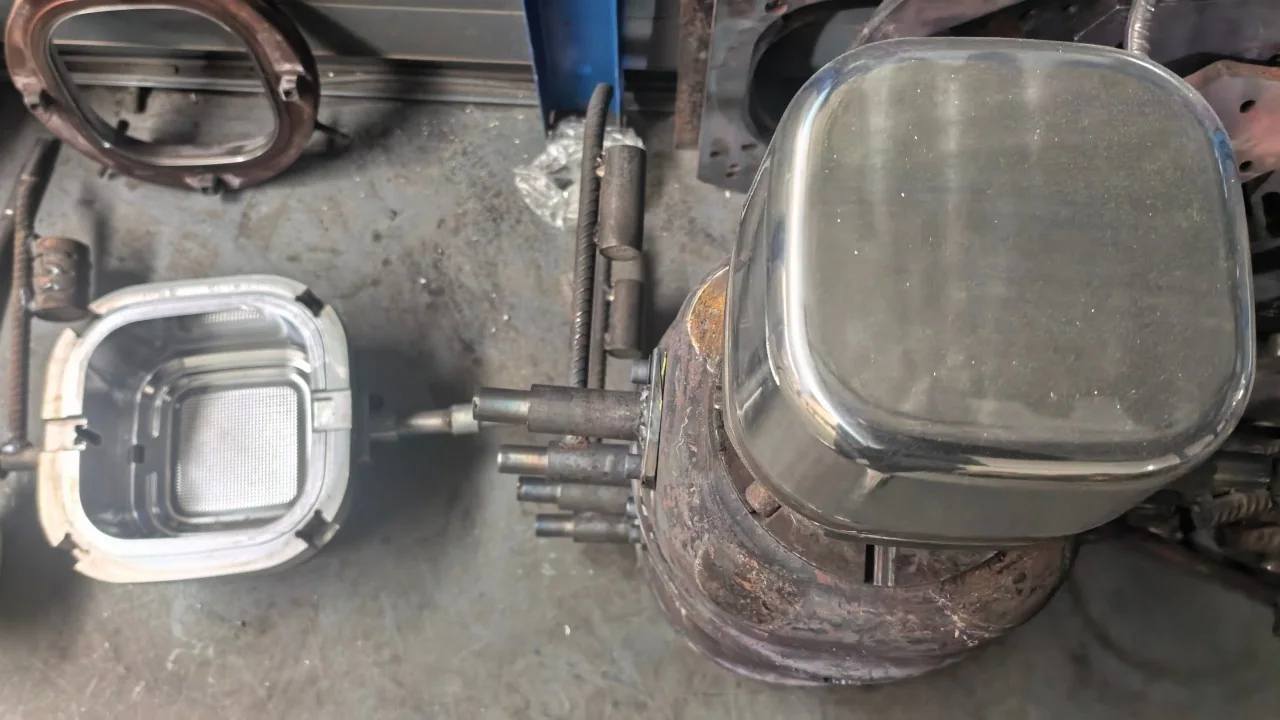
Mold Base Material: Cast Iron or DIN 1.2344 (H13) hot-work tool steel, suitable for high-temperature water contact.

Cavity Surface: Standard polished steel or hard chrome plating.

Surface Roughness: Optical surface areas require Ra ≤ 0.1 μm. Non-optical areas Ra ≤ 0.8 μm.

Coatings: Graphite or boron-nitride based release agents applied manually or automatically every cycle to prevent sticking.

Mold Service Life: Minimum service life ≥ 150,000 pressings for standard industrial-grade molds (before major refurbishment due to wear on edges/texture).

4. Environmental Control

Production Area: Maintained at ISO Class 8 cleanliness (or better) to prevent dust/dirt from embedding in the soft glass surface (causing black/white points).

5. Quality Control & Defect Specifications

A. Visual Defects (Inspection under 600-800 Lux light, or projection screen)

Bubbles (Gassing): Illumination area (light exit path) to contain no more than 3 bubbles per zone with a diameter ≤ 1.0 mm. Bubbles smaller than 0.2 mm may be disregarded if not clustered.

Cold Lamination/Cold Marks: Not permitted in the illumination area. Slight witness marks on edges or non-optical surfaces acceptable if they do not affect mechanical strength.

Inclusions (Black/White Spots): Zero tolerance for visible foreign particles > 0.3 mm in the illumination area.

Chipping/Cracks (Crizzle): Zero tolerance for any chipping on sealing edges or mounting surfaces. Minor edge feather (< 0.5 mm) on non-critical edges subject to customer approval.

Surface Defects: No mold marks, scratches, or dullness that are visible to the naked eye at a distance of 50cm.

B. Dimensional & Physical Tolerances

Geometric Tolerances: Must conform to engineering drawing specifications.

Typical Critical Dimension Tolerance: ±0.5 mm.

Typical Non-Critical Dimension Tolerance: ±1.0 mm.

Warpage/Twist: ≤ 0.5% of the longest dimension.

6. Post-Processing (Tempering/Strengthening) Standards

Tempering Process:

Heating: Glass heated uniformly to 650°C – 700°C (above strain point but below softening point).

Quenching: High-pressure air quench (not water, to avoid shatter) to create surface compression.

Final Strength Requirements (Post-Temper):

Surface Compression: Minimum surface compression stress achieved: ≥ 70 MPa.

Case Depth (Edge Compression): Depth of compression layer: ≥ 20% of glass thickness.

7. Performance Testing & Validation (Including Customer Requirements)

A. Mechanical & Thermal Durability

Strength Test (Load): Component must withstand a specified static load (e.g., > 200 N) applied to the center or mounting points without fracture.

Impact Test: Must survive a steel ball drop test (e.g., 227g ball dropped from 30cm) without breaking into large, hazardous pieces (tempered glass fragmentation test).

Thermal Shock Test (ΔT): Must survive sudden temperature changes without cracking.

Standard Test: Immersion in 0°C ice water immediately followed by immersion in boiling water (100°C) , or vice versa, for 3 cycles.

Thermal Cycle / Test (meaning Temperature Differential/Durability): Subject part to repeated thermal cycling (e.g., from -20°C to +80°C at 5°C/min ramp rate) for 50 cycles to check for fatigue or latent cracks.

B. Optical & Spectral Performance

Luminous Transmittance (Light Transmission): Measured with a spectrophotometer.

Clear Glass: Transmittance ≥ 90% in the visible spectrum (380nm-780nm).

Colored Glass: Transmittance curve must conform to a Master Reference Standard with a tolerance of ±3% absolute at any specified wavelength.

Spectral Testing (Color Consistency): Chromaticity coordinates (x, y) measured in transmission mode must fall within a tolerance ellipse of ΔE < 2.0 (CIELAB) compared to the standard.

C. Environmental & Chemical Durability

Hydrolytic Resistance (ISO 719): Glass grain test to determine resistance to water. Class HGB 3 or better is typical for lighting glass to prevent fogging/weeping.

Chemical Resistance: Resistance to acids/alkalis (e.g., ISO 9689) if the glass is used in aggressive environments (e.g., industrial lighting).

D. Internal Stress Inspection

Polariscope Inspection: After annealing/tempering, the glass shall show minimal strain. Maximum optical path difference: ≤ 50 nm/cm (for annealed parts only; tempered parts will show interference patterns due to stress, which is acceptable).

Part 5

Molten Glass Pressing cost introduction

Learn more about the key cost drivers of Molten Glass Pressing and actionable design tips to help you reduce project costs.

I. Overview of Cost Structure

Total costs can be divided into three main categories: one-time initial costs, per-piece variable costs, and indirect and risk costs.

1. One-Time Initial Costs (Sunk Costs/Investment)

These constitute the critical threshold determining project economic feasibility.

Mold Costs: Account for the vast majority of initial costs, typically ranging from tens of thousands to hundreds of thousands of dollars per set, depending on:

Complexity: Complex cavities such as aspheric surfaces and microstructures are difficult and time-consuming to machine

Size: Larger mold dimensions increase both material and processing costs

Material and Coating: High-performance tool steel (such as H13) and precious metal coatings (such as iridium/nickel) are major cost items. Coatings directly determine mold life and product surface quality

Precision: To meet optical-grade tolerances (e.g., surface figure PV value <λ), the required ultra-precision machining (wire EDM, diamond turning) and inspection costs increase exponentially

Process Development and Commissioning Costs:

Forming Simulation Analysis: To optimize mold design and process, avoiding trial and error

DOE Experiments: To identify optimal temperature, pressure, and time windows

Sample Production and Customer Approval Process

Operational Expenditure (Energy & Labor)

Fuel Consumption (Natural Gas): Fire polishing operations (if required post-pressing) consume natural gas at a rate of approximately 5–15 m³/hour depending on furnace size and throughput. Accounts for 10–20% of total per-piece energy costs.

Electricity Consumption:

Melting/Refining: Primary load, typically 0.5–1.5 kWh per kg of glass melted.

Tempering Furnace: Continuous operation draws 50–200 kW depending on line speed and glass thickness.

Mold Heating (Standby): Sustained heating to maintain process temperature adds 5–15% to base electricity consumption.

Total Energy Cost Share: Combined fuel (gas) and electricity typically represent 30–45% of the total per-piece manufacturing cost.

Labor Costs:

Direct Labor: Machine operation, mold setup, and visual inspection. Estimated at 3-4 operators per shift.

Indirect Labor: Quality control sampling, maintenance, and material handling.

3. Indirect and Risk Costs

Yield Loss Costs: Production rejects represent complete waste of materials, energy, and labor. Increasing yield from 80% to 90% can significantly reduce total costs

Mold Maintenance and Refurbishment Costs: Expenses for regular cleaning, polishing, and coating repair

Quality Inspection Costs: Equipment and labor for online inspection, CMM measurement, optical interferometer testing, etc.

II. Key Factors Influencing Costs

Production Volume (Most Critical Factor): The economics of molten glass pressing are entirely driven by economies of scale. Larger volumes reduce the proportion of mold amortization in per-piece costs, making the total cost advantage more pronounced

Economic Volume Threshold: Typically requires thousands of parts to effectively amortize mold costs.

Product Precision and Technical Requirements:

Tolerance Requirements: Tightening tolerances by one grade (e.g., from ±1mm to ±0.5mm) may increase mold processing costs by 30%-50%, potentially reduce yield, and increase inspection costs

Surface Quality: Requirements for direct molding to lighting surface (polishing-free) versus allowing subsequent polishing create vastly different demands on mold coatings and process control, resulting in significant cost differences

Cost Control Strategies for Molten Glass Pressing

I. Mold Side: Achieving “First-Time-Right” and “Long-Life High Efficiency”

This is the aspect with the greatest impact on tolerances and costs.

Precision Mold Design and Simulation (Eliminating Trial-and-Error Costs)

“Tolerance-Shrinkage” Coupling Simulation Must Be Performed: Glass shrinkage from molten state to room temperature is not isotropic. Professional software must be used, incorporating the customer’s final tolerance requirements and specific glass material data, to inversely derive precise compensation dimensions for the mold cavity. This avoids the substantial costs and time losses associated with mold modifications and trials based on empirical experience.

Parting Line Design Optimization: While satisfying demolding requirements, position the parting line in non-critical optical areas or regions that will be subsequently removed. This directly reduces the high-precision grinding/polishing costs incurred for parting line flash removal.

Invest in Better Molds, Not Cheaper Molds

Coatings Are Critical:
Select high-performance anti-stick and wear-resistant coatings (e.g., advanced Ni/Cr). Higher upfront cost ensures:

Stable Precision Replication: Cavity dimensions remain consistent over tens of thousands of pressings, holding tight tolerances.

Superior Surface Quality: Consistently produces low-roughness surfaces, minimizing post-polishing requirements.

Minimal Downtime: Eliminates coating failures that cause sticking, tearing, emergency stops, and mold scrapping.

Longer mold life is the key to lowering cost per part.

II. Process Side: Pursuing the “Perfect Window” to Achieve Inspection-Free or Rapid Inspection

Stable and optimized processes directly guarantee tolerance achievement and yield rates.

Establish a “Golden Process Window” Database

For each product-mold-material combination, use DOE (Design of Experiments) to identify the process parameter set (temperature, pressure, time) that both comfortably meets all dimensional/surface figure tolerances and achieves the fastest cycle time. Solidify this as the sole production standard.

Core Secret: Optimize the demolding temperature curve. By precisely controlling cooling, ensure the product possesses sufficient rigidity (shape retention) and low stress at demolding, enabling direct entry into “short-cycle annealing” or even “annealing-free” processes, saving significant energy and time.

Process Monitoring Replaces Full Inspection

Once the process stabilizes within the “golden window,” product tolerance variation becomes minimal. At this point, the frequency of offline CMM inspections for finished products can be reduced, replaced by 100% continuous monitoring of process parameters (such as gob weight, mold temperature, press curve). This conserves expensive inspection equipment and labor, achieving the principle of “controlling the process means controlling the result.”

Contact Us

Your feedback fuels our growth, and your questions drive our solutions.

We value your feedback, inquiries, and suggestions. Please feel free to get in touch with us

General inquiries

Please contact us via sales@bo-glass.com, and we will reply to you as soon as possible.

Interested to work with us

Drop your resume at info@bo-glass.com
and we will get back to you shortly.

    We uses the contact information you provide to us to contact you about our relevent content, products, and services.