
How do we drill holes in glass in our daily life?
Drilling holes in glass requires meticulous planning and the appropriate tools to avoid breaking or damaging the fragile material. Begin by selecting a high-quality diamond-tipped or carbide-tipped drill bit, and use a variable-speed power drill capable of operating between 300-700 RPM. The glass should be placed on a stable, supportive surface, such as a sturdy wooden board or rubber pad, to absorb any vibrations. Apply two layers of masking tape to the drilling area to prevent the drill bit from slipping and to reduce the risk of chipping. Mark the intended spot on the tape where you plan to drill.
Securing the glass properly is crucial to prevent unwanted movement during drilling. Use soft-padded clamps to hold the glass securely in place, ensuring there is sufficient clearance beneath for the drill bit to pass through completely. When starting to drill, hold the drill at a perfect 90-degree angle to the glass. Begin at a slow, consistent speed, applying gentle and steady pressure. You can also start at a slight 45-degree angle to create an initial entry point before transitioning to a vertical position. Light, even pressure—about 2-3 kg—is ideal to avoid cracking or splintering the glass.
Cooling the drill bit continuously throughout the drilling process is vital to prevent overheating, which could lead to glass cracking or shattering. Use a steady stream of water, or spray water every 5-10 seconds, to keep both the drill bit and glass cool. If you are drilling thicker glass, use the “peck drilling” technique, which involves periodically withdrawing the bit to reduce excessive heat buildup. Maintain a slow speed, and avoid applying excessive force—high speed or excessive pressure is a frequent cause of glass breakage.
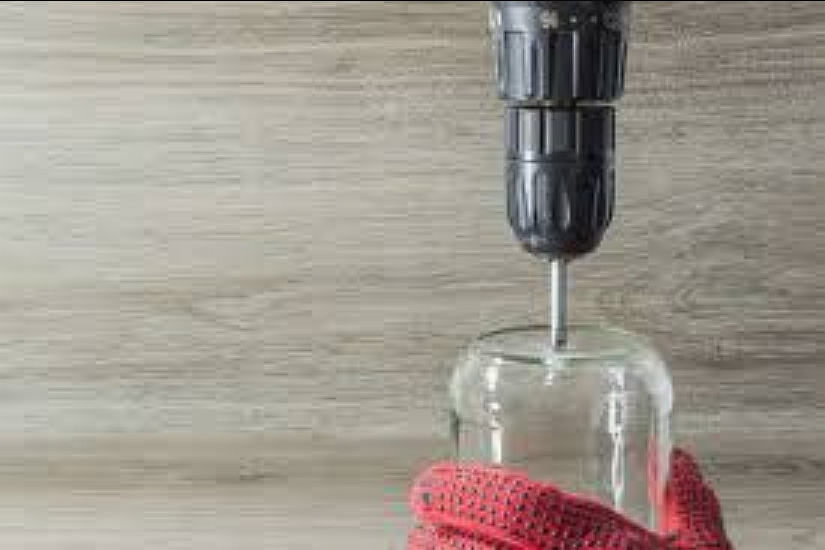
As the drill approaches the opposite side of the glass, reduce the pressure to avoid chipping or a blowout. For a cleaner, more professional finish, you can flip the glass over when nearing the end and drill from the opposite side. Once the hole is complete, smooth the rough edges using wet/dry sandpaper or a fine diamond file to prevent stress points that might cause cracks in the future. Clean the drilled hole and surrounding area thoroughly to remove any residual debris.
Drilling glass successfully involves the careful combination of a low drill speed, consistent cooling, light pressure, and proper support. These factors work in harmony to produce a clean, precise hole without damaging the fragile material. By following these well-considered steps, you can effectively drill glass for various applications, achieving neat and professional results while minimizing the risk of cracks or chips.
Contact Us
Your feedback fuels our growth, and your questions drive our solutions.
We value your feedback, inquiries, and suggestions. Please feel free to get in touch with us
General inquiries
Please contact us via sales@bo-glass.com, and we will reply to you as soon as possible.
Interested to work with us
Drop your resume at info@bo-glass.com
and we will get back to you shortly.
We uses the contact information you provide to us to contact you about our relevent content, products, and services.