What is the equipment for pressing glass?
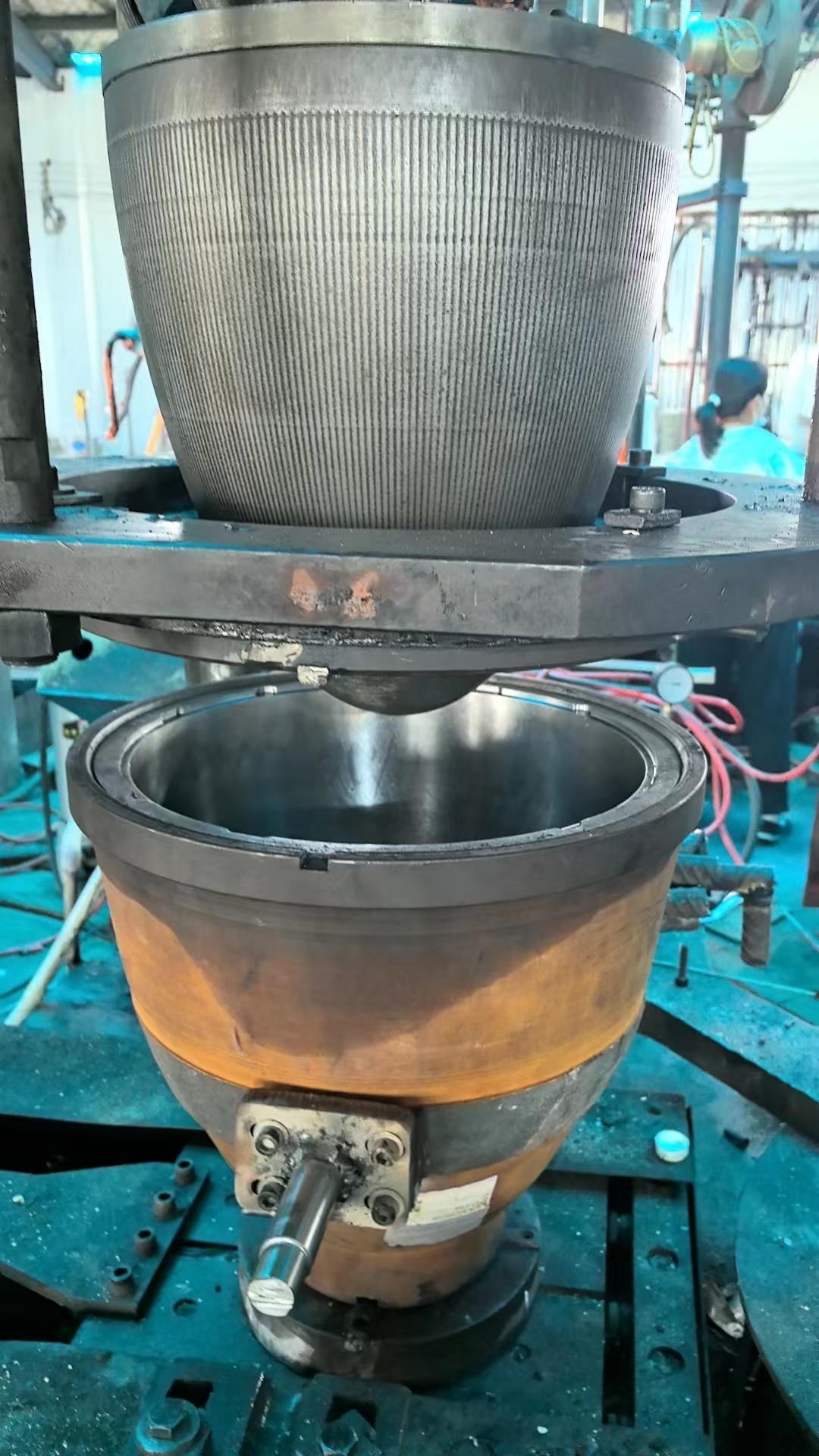
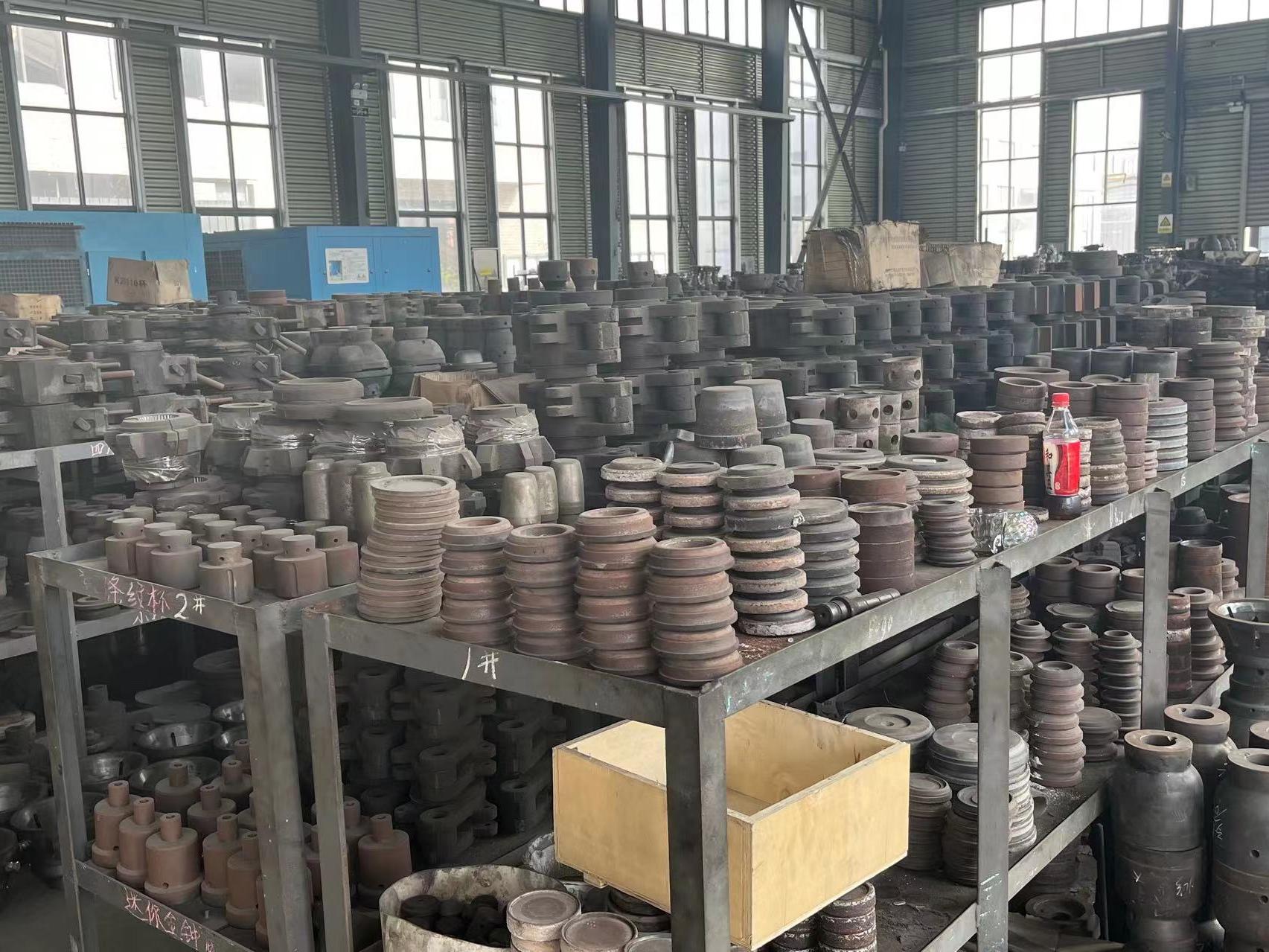
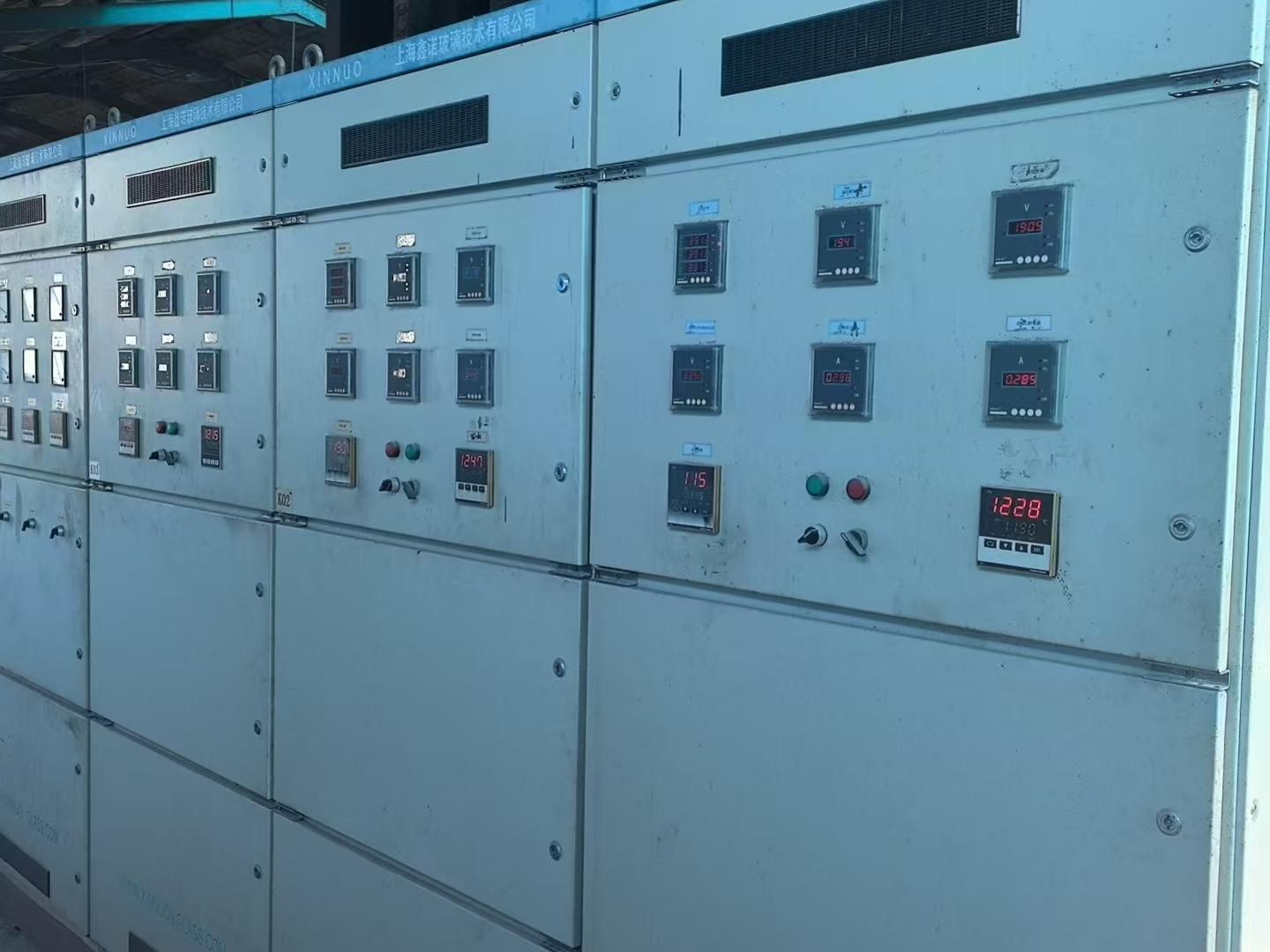
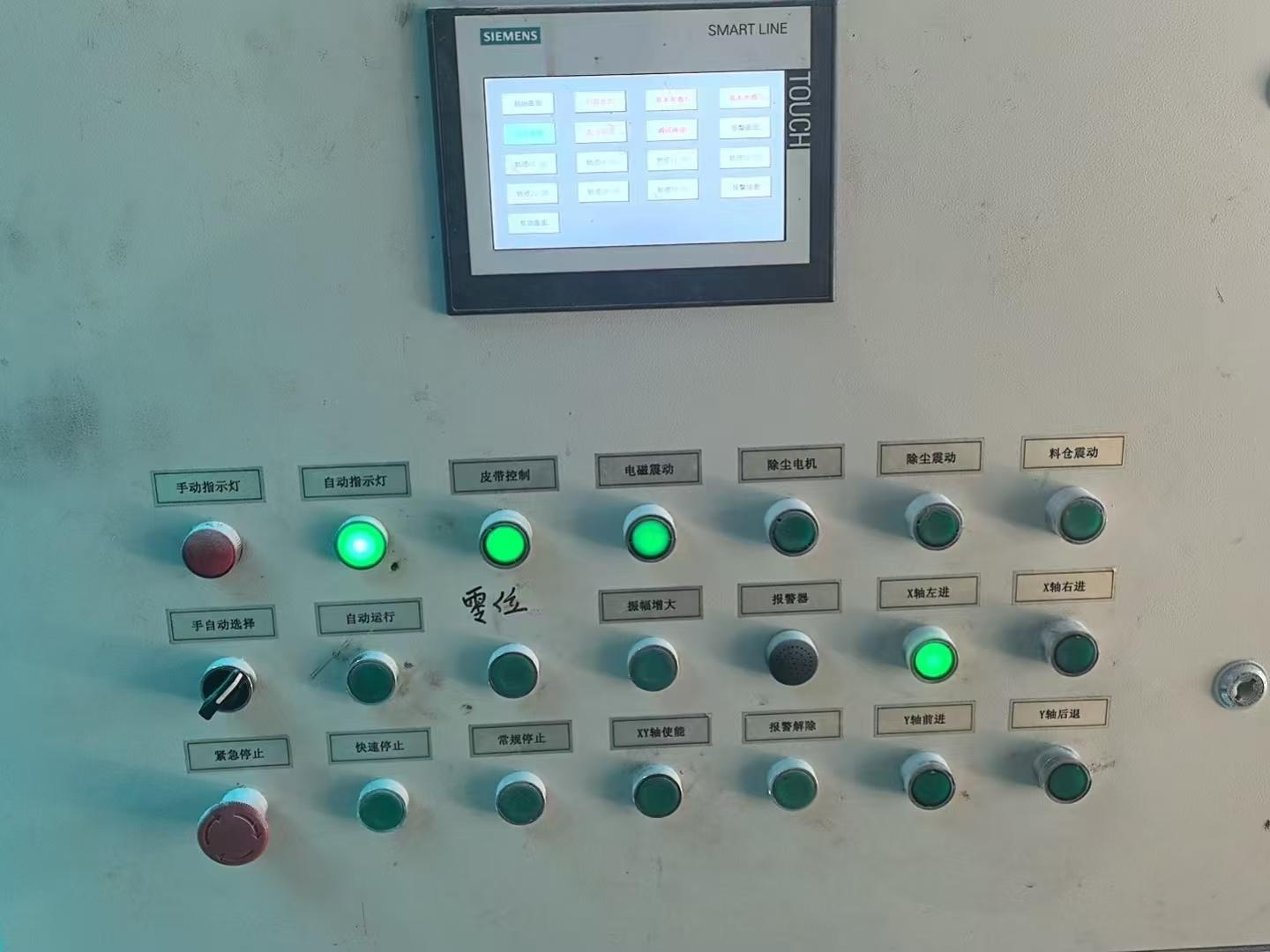
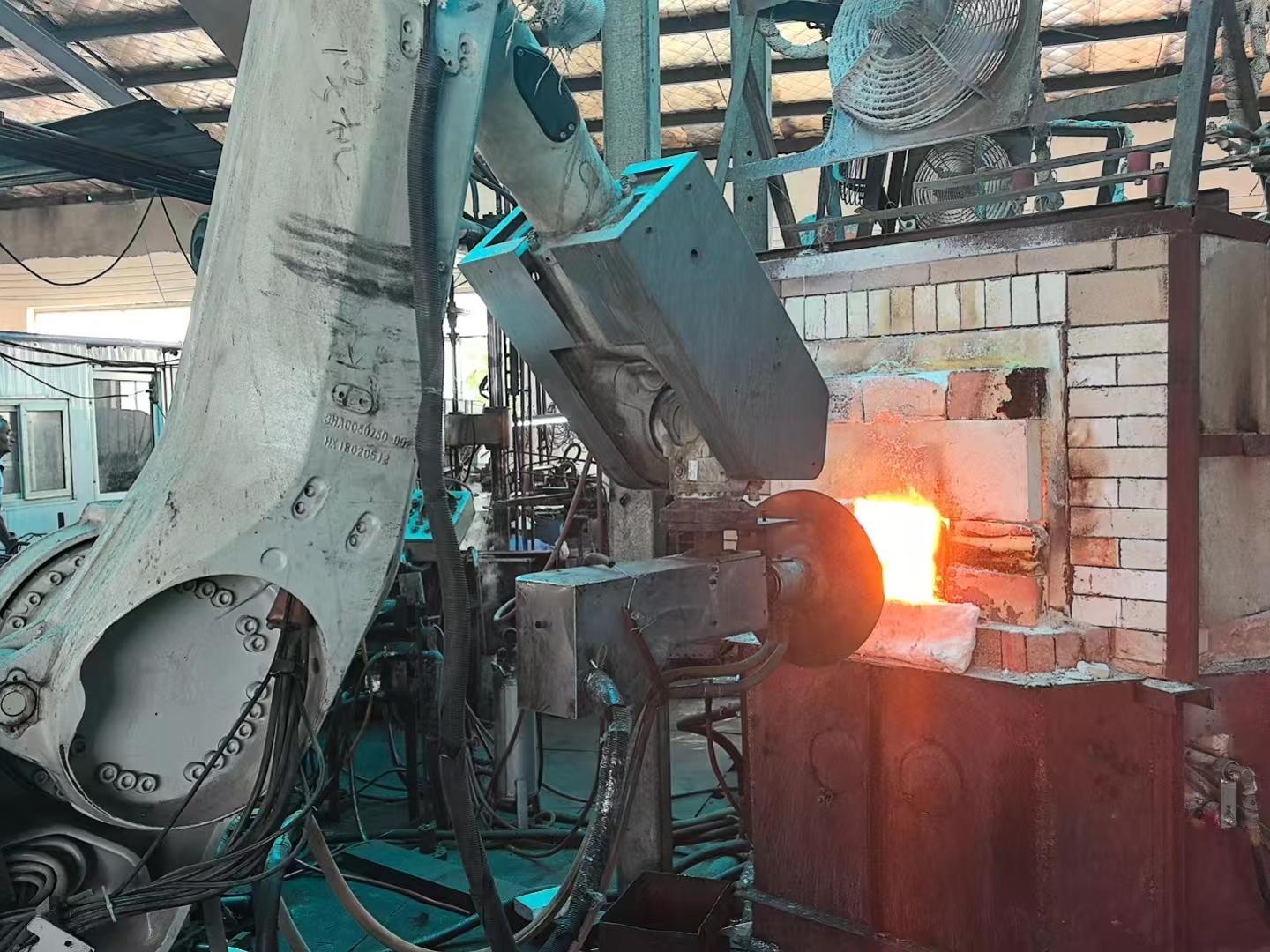
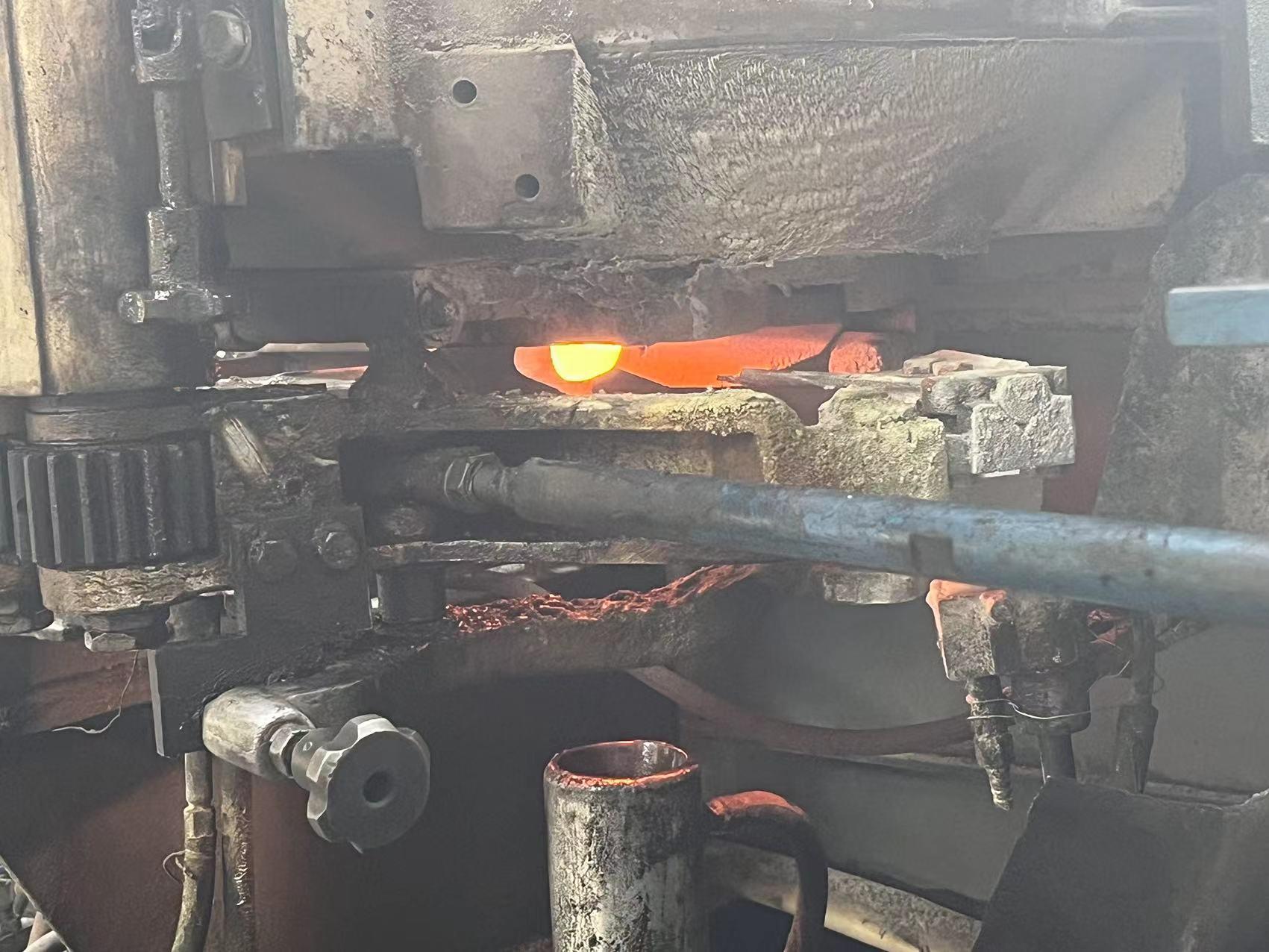
Glass pressing equipment presses molten glass into a specific shape and size. It is widely used in producing various glass products, such as glassware, glass bottles, glass cups, lampshades, etc. The main types of equipment include single-station presses, multi-station presses, IS machines (independent section press-blowing machines), rotary presses, etc. This equipment can adapt to production needs of different scales and complexities. The workflow of glass pressing and moulding usually starts with feeding molten glass. It goes through the processes of pressing, moulding, demolding, and annealing to ensure the stability of the shape and mechanical strength of the product. The critical components of the equipment include feeders, moulds, press heads, and cooling systems. The feeder controls the supply of molten glass, the mould is used for moulding, the press head pressurizes the glass to fill the mould, and the cooling system ensures temperature stability during the moulding process to prevent the mould from overheating. Most modern glass pressing and moulding equipment has PLC control systems, servo control, and a human-machine interface (HMI) to precisely control parameters such as press head movement, pressure, and moulding time, improving product consistency and moulding efficiency. The equipment has the advantages of high precision, high efficiency and a high degree of automation in operation. It is suitable for producing glass products of various shapes and sizes and has a wide range of applicability.

Single-Station Press

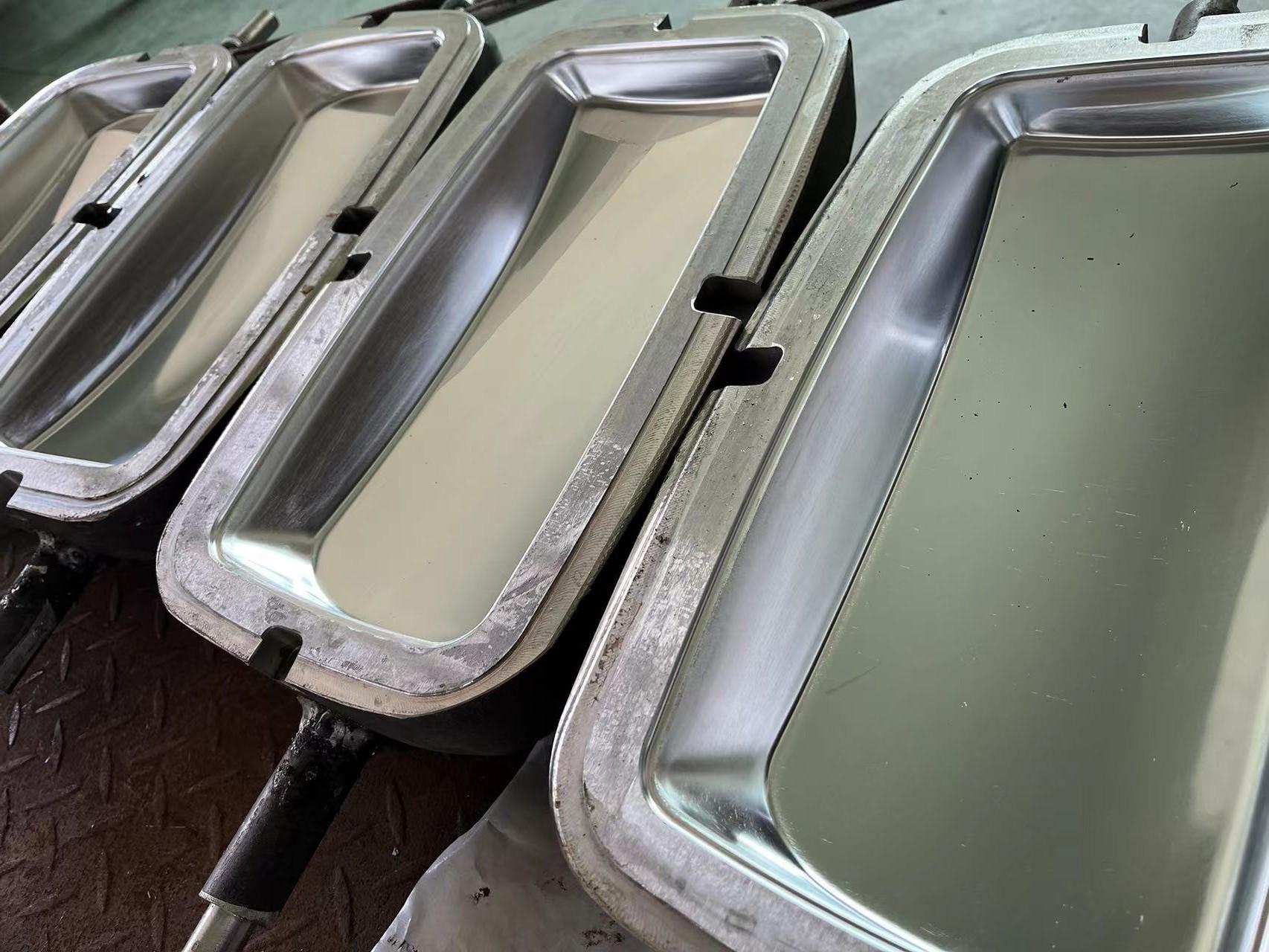
The single-station press consists of a hydraulic/pneumatic system, a mold assembly, a feeding mechanism, a cooling system, etc. The hydraulic system uses a high-pressure oil pump (working pressure 10-50MPa) or a pneumatic system (compressed air pressure 0.6-1.0MPa), and the proportional valve accurately controls the staged movement of the pressure head (slow filling 10-20mm/s, high-speed pressing 50-100mm/s), with a repeat positioning accuracy of ±0.05mm. The mold assembly is made of H13 alloy steel (hardness HRC 48-52), vacuum quenched (1020℃) and cryogenically treated with liquid nitrogen (-196℃), with a CrN or TiAlN coating on the surface (friction coefficient <0.15), and an internal integrated spiral water cooling channel (diameter φ8-12mm, water flow 5-10L/min), combined with PID temperature control, to achieve a mold surface temperature fluctuation of ±5℃. The feeding mechanism is divided into scissor type (tungsten carbide blade, temperature resistance 1300℃) and drip irrigation type (platinum catheter), and uses piezoelectric sensors to monitor material weight (error ≤0.5g) and closed-loop control of feeding accuracy in real time.
The workflow is divided into four steps: feeding, pressurizing, cooling, and demolding. After the molten glass (viscosity 10³-10⁴Pa·s) is quantitatively cut into or dripped into the mold cavity by the feeding mechanism, the hydraulically driven pressure head is pressurized by 20-60MPa (pressure holding time 3-10 seconds). The mold is then cooled in stages (300℃→80℃) through air cooling (wind speed 10m/s in the initial cooling zone) and water cooling (final cooling zone) to avoid internal stress in the glass. The ejector device (ejector force 200-500N, stroke 10-30mm) automatically demolds, and the finished product is taken out by a robotic arm or manually. The control system is programmed with Siemens S7-1200 PLC, with a preset S-shaped acceleration and deceleration curve to reduce mechanical shock. The HMI interface displays pressure, temperature and cycle time (4-12 seconds/piece) in real time, and supports recipe storage and fault diagnosis (such as hydraulic leakage or mold overheating alarm).
The production efficiency of a single-station press is 5-15 pieces/minute (30% of which is used for manual assistance), the mold life exceeds 100,000 times (polishing and maintenance are required every 5,000 times), the hydraulic system power is 7.5-15kW, the cooling water circulation volume is 200-500L/h, the energy consumption is 15% lower than that of traditional equipment (waste heat recovery technology), the product size tolerance is ±0.1mm, and the wall thickness error is ≤0.05mm. Its flexible mold change (15 minutes) and low-pressure molding (10-20MPa) are suitable for rapid production changes, and are also suitable for small-batch customized production, such as artistic glass (special-shaped lampshades, embossed glass) and experimental research and development (testing new glass formulas). Although the efficiency is lower than that of multi-station equipment, its high precision and rapid adaptability are irreplaceable in the field of customization and special glass. The product size tolerance is ±0.1mm, and the wall thickness uniformity error is ≤0.05mm, which is suitable for high-precision scenarios (such as optical lenses);

Multi-Station Press

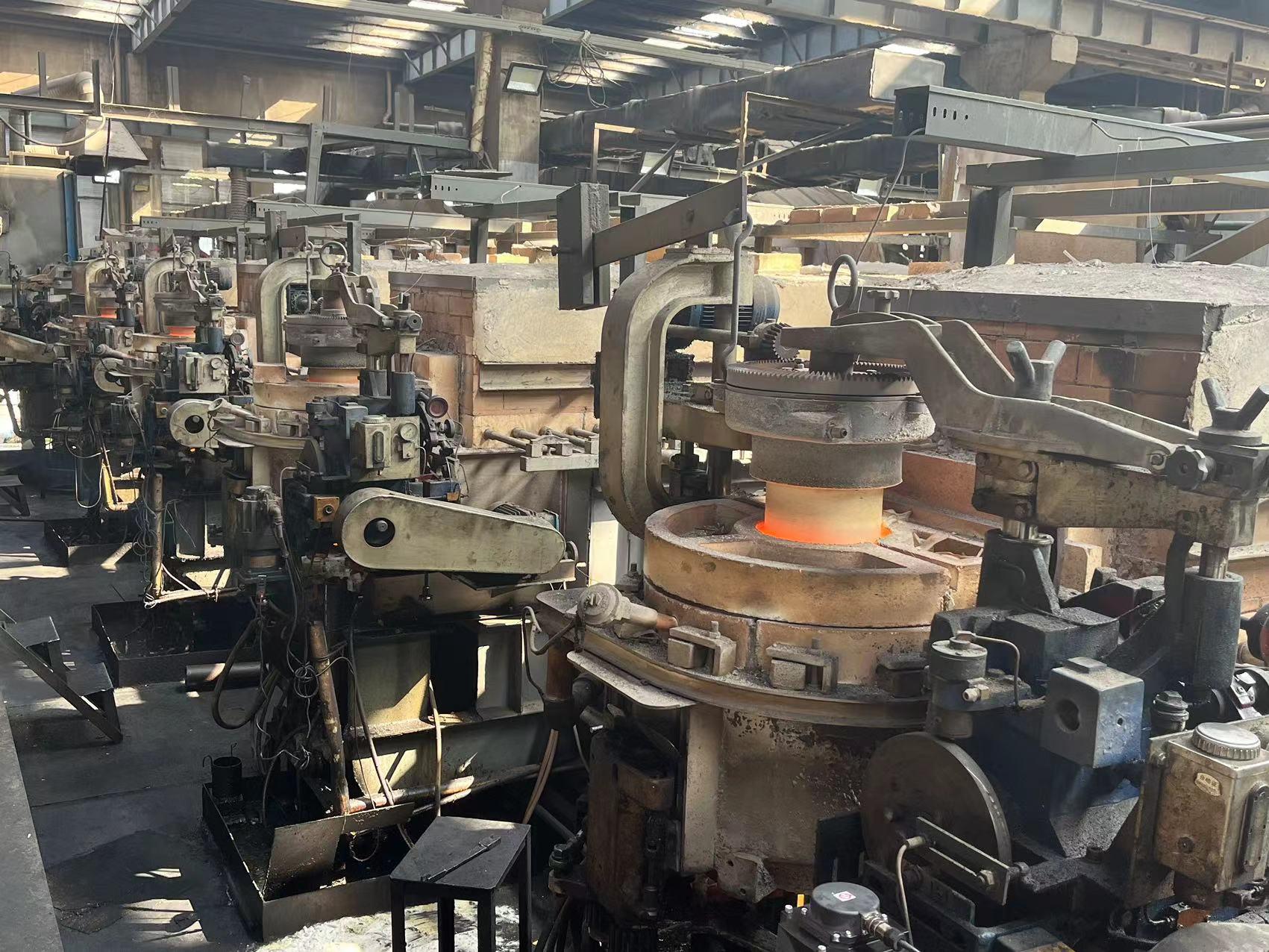
Multi-station press achieves continuous production by integrating multiple mold stations (usually 4-12 stations), and each station completes the feeding, pressing, cooling, demoulding, and other processes synchronously according to the beat. For example, when a turntable layout is adopted, the mold rotates periodically with the turntable to different stations and cooperates with the automated robotic arm to complete the glass transmission. This type of equipment has high production efficiency and is suitable for batch manufacturing of medium and large standardized products (such as glass cups and plates). Its core advantage lies in the parallelization of processes, but the equipment structure is complex, and the movements of each station need to be precisely coordinated. It has high mold accuracy and cooling system stability requirements and is often used in daily glassware factories.
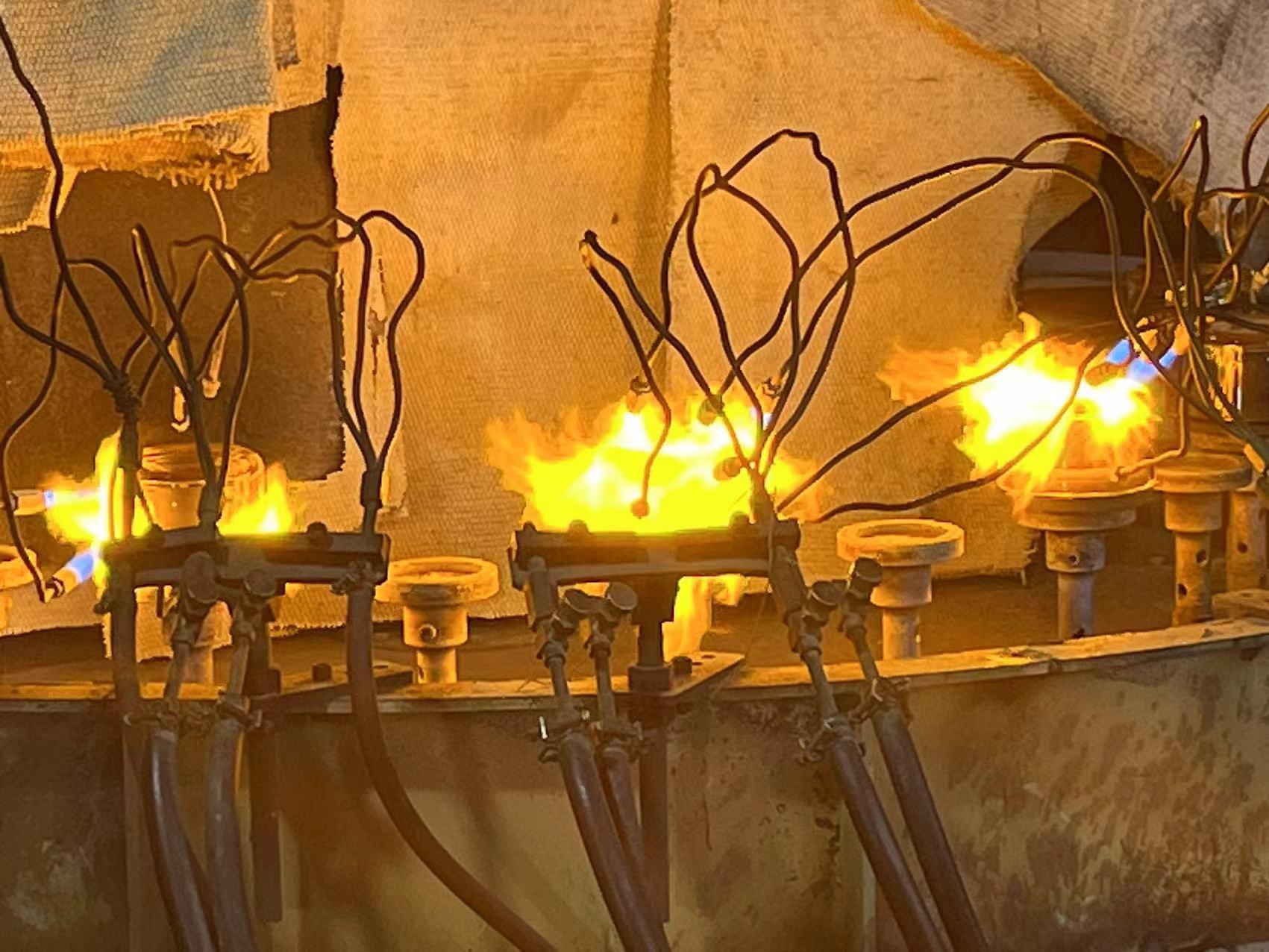
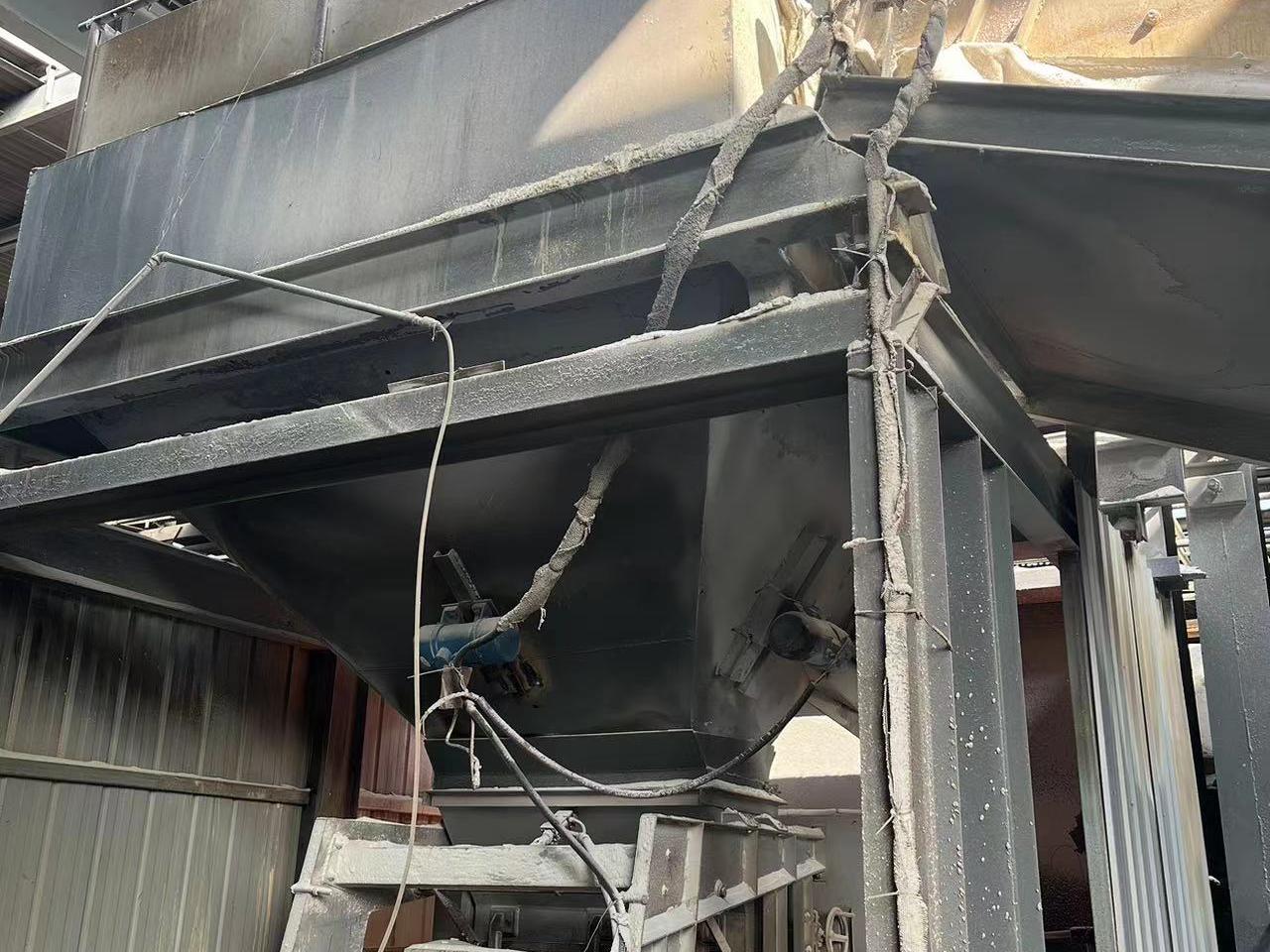
The key design of the multi-station press is concentrated on the turntable drive system, multi-module mold, robot arm linkage mechanism, and central cooling system. The turntable is driven by a servo motor or cam mechanism, and the indexing positioning accuracy can reach ±0.1mm, ensuring that the mold station is strictly aligned with each process. The independent mold group of each station adopts a modular design, and batch replacement is achieved through a quick-change interface, which greatly shortens downtime. The robot arm linkage mechanism adopts a vacuum suction cup (silicone material, temperature resistance 300℃, vacuum degree -80 kPa) or SCHUNK clamp (opening and closing accuracy ±0.02 mm), and the motion path is planned by Siemens S7-1500 PLC (speed 0.5-2 m/s, collision avoidance response <10 ms). The central cooling system is divided into a primary cooling zone (axial flow fan wind speed 15-25 m/s) and a final cooling zone (plate heat exchanger temperature control gradient <50℃/cm). The water flow rate (100-500 L/h) is dynamically adjusted through the PID algorithm, and the mold temperature fluctuation is ≤±3℃. The production process covers feeding (drip error ≤ 0.3 g), pressing (pressure 30-80 MPa, holding pressure 2-8 seconds), graded cooling (350℃→80℃), demolding (ejection force 500-1000 N), and quality inspection (machine vision defect recognition rate > 99%).PLC synchronously controls the whole processC, and Proface HMI monitors parameters in real time.

IS Machine,Individual Section Machine
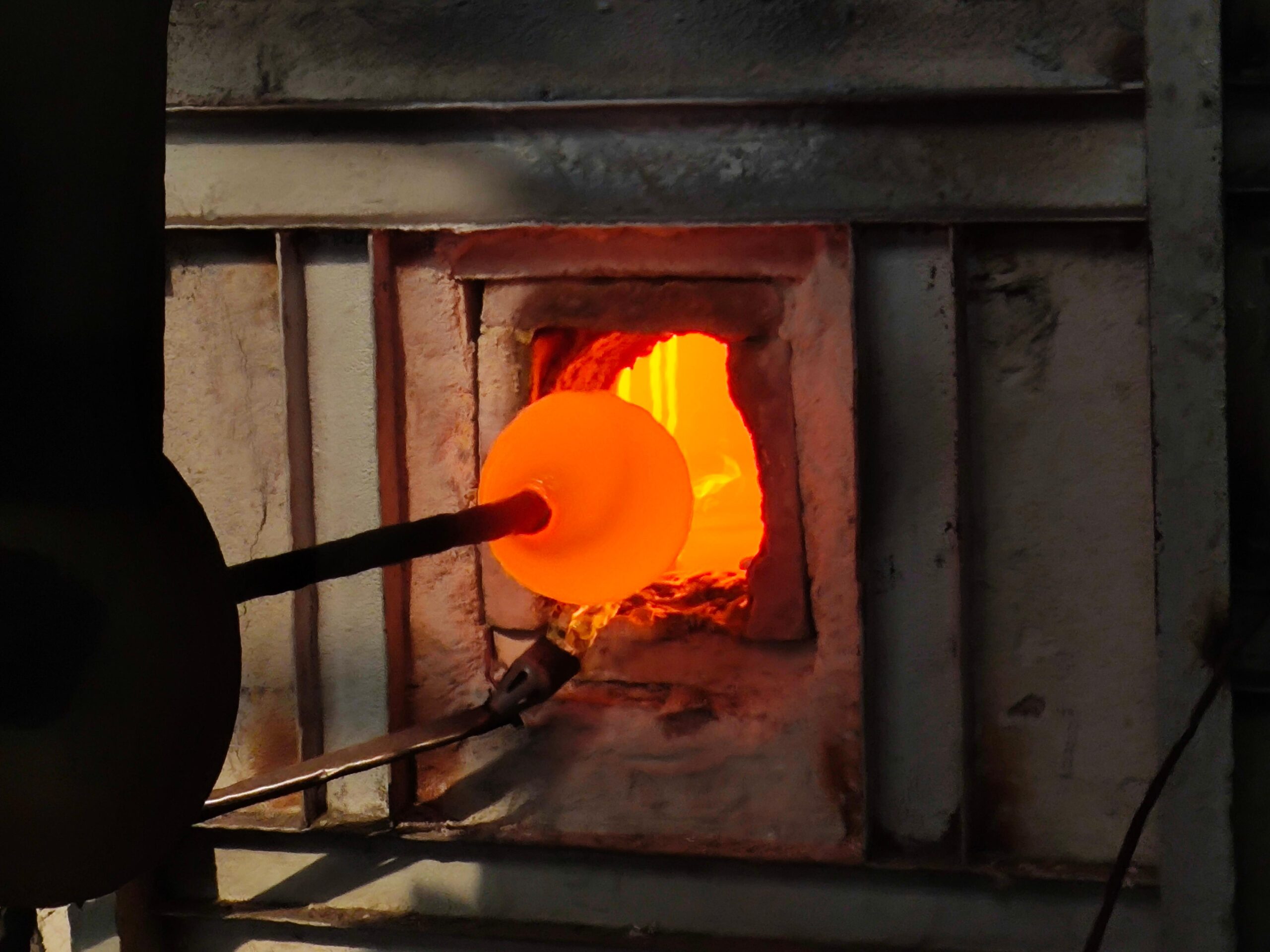
The IS machine is a composite equipment specially used for the production of glass bottles and cans, combining the pressing and blowing processes. It adopts a modular design, and each device contains multiple independent sections (Section), each of which can be controlled separately. The working process is: first, the glass drop is pre-pressed into a preliminary embryo through the pressure head (“pressing molding”), and then transferred to the blowing mold for inflation and shaping (“pressing and blowing method”). The IS machine supports high-speed continuous production (up to hundreds of bottles and cans per minute), and can quickly switch product specifications by adjusting the mold and parameters. It is highly automated and equipped with PLC to accurately control pressure, temperature and timing. It is widely used in the manufacturing of containers such as beverage bottles and medical bottles.
The core components of the IS machine include the pressing mold and the blowing mold, the transfer mechanism, the air pressure control system and the synchronous drive unit. The pressing mold is made of a high thermal conductivity copper alloy to reduce the temperature of the embryo through rapid heat conduction; the blowing mold uses pressure-resistant stainless steel, and a microporous airway is designed inside to ensure uniform inflation. The transfer mechanism transfers the embryo from the pressing mold to the blowing mold through a pneumatic flip arm or a vacuum suction cup. The transfer process must be completed within 0.5 seconds to avoid glass hardening. The air pressure control system consists of a high-pressure air pump (0.5-2.5 MPa) and a precision solenoid valve, which can adjust the blowing pressure in stages according to the thickness requirements of the bottle body. The synchronous drive unit uses an encoder to feedback the action timing of the servo motors in each section to ensure that the error of the pressing, transfer and blowing processes does not exceed 5ms.

Rotary Press

The rotary press adopts a circular layout, with the mold fixed on a rotating platform, and passes through continuous stations such as feeding, pressing, cooling and demoulding with the turntable. This type of equipment is known for its high production capacity and is suitable for large-scale production of a single variety (such as standard glass cups and light bulb shells). Its core advantage lies in the seamless connection of various processes, ensuring stable mold temperature through an efficient circulating cooling system, and using centrifugal force to assist in uniform distribution of glass. The rotary press is usually equipped with a servo motor to drive the turntable, combined with infrared temperature measurement and real-time pressure feedback to achieve full closed-loop control. However, the equipment occupies a large area and the mold modification cost is high, so it is mainly used in large-scale glass products companies.
The key technologies of the rotary press are reflected in the rotating platform, continuous feeding device, centrifugal material mixing mechanism and multi-stage cooling module. The rotating platform is made of high-rigidity cast iron or carbon steel, and is supported by precision bearings to achieve smooth rotation (adjustable speed 2-10 rpm), and the mold is fixed to the edge of the turntable by bolts. The continuous feeding device uses a screw feeder or a vibrating hopper to evenly distribute the molten glass into the mold. The centrifugal material mixing mechanism uses the centrifugal force (200-500 G) generated by the rotation of the turntable to force the glass droplets to cling to the inner wall of the mold to ensure the consistency of wall thickness. The multi-stage cooling module is divided into a primary cooling zone (air cooling) and a final cooling zone (water cooling). The temperature is controlled by zone to avoid internal stress of the product due to sudden cooling. The cooling water flow is dynamically adjusted by the PID algorithm, and the temperature fluctuation is controlled within ±5°C.

Contact Us

Your feedback fuels our growth, and your questions drive our solutions.

We value your feedback, inquiries, and suggestions. Please feel free to get in touch with us

General inquiries

Please contact us via sales@bo-glass.com, and we will reply to you as soon as possible.

Interested to work with us

Drop your resume at info@bo-glass.com
and we will get back to you shortly.

    We uses the contact information you provide to us to contact you about our relevent content, products, and services.